Featured articles
Food & Drink
Things to Do
Food & Drink
Featured articles
Everything SD
Things to Do
Everything SD
Featured articles
Things to Do
Things to Do
Things to Do
Featured articles
podcast-ep
video
podcast-ep
Featured articles
Everything SD
Everything SD
Everything SD
Featured articles
Partner content
Food & Drink
Everything SD
Ready to know more about San Diego?
SubscribeReady to know more about San Diego?
A year of a food scene on the mend, food writer and longtime Food Network judge Troy Johnson highlights some of the city’s most notable openings
Paradisaea_043.jpg
Photo Credit: Douglas Friedman
From the bull market on hot pots, to futuristic space tiki bars on acid, to the return of an iconic San Diego chef, to Japanese-inspired listening bars, even a little fish shop from a fifth generation local fisherman who hit rock bottom and turned his life around to become one of the world’s foremost experts in sustainable seafood…
San Diego’s food and drink world rose back up in 2022. Not without struggle. Not without hefty competition for employees and a drastically changed world and holy-damn inflation.
Right before the world broke, Michelin and the New York Times and national media were sending emissaries to San Diego to kick the tires on the food scene that had finally managed to get their attention.
That fever pitch continues. These are our picks for best new restaurants, bars and venues of the year.
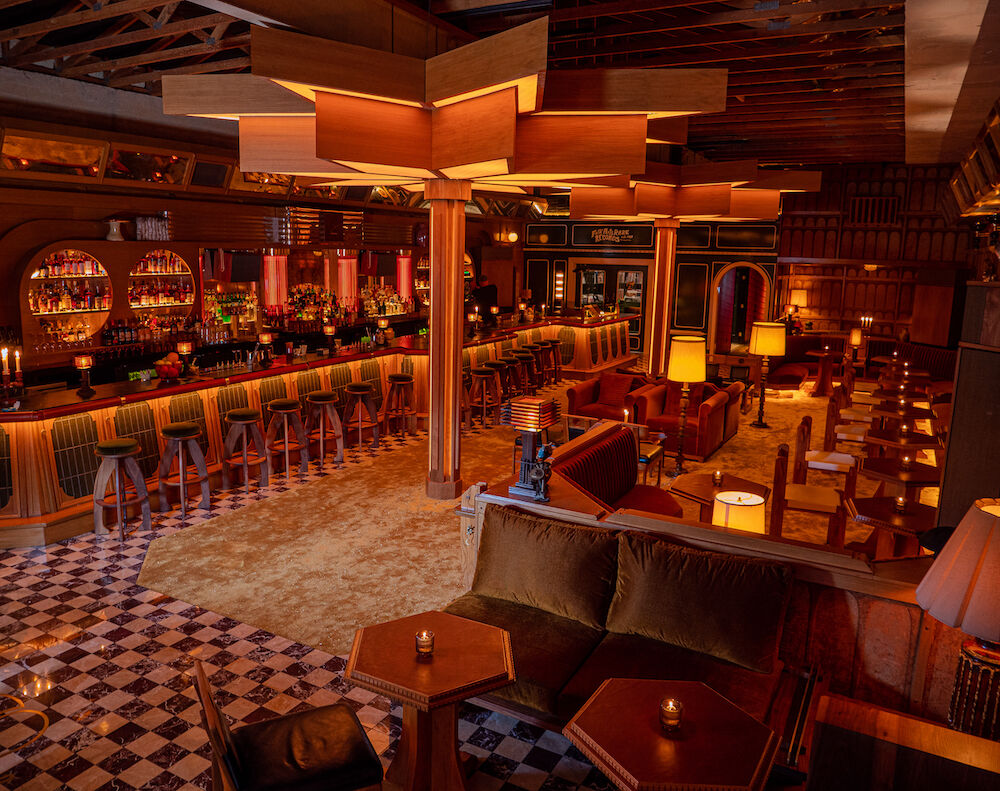
First Look: Part Time Lover – Interior
Photo Credit: Riley Dring
Know that friend who loved music with their entire soul, talked about vinyl as if it’s a burning bush, and then grew up and got a job and spent their extra money turning a room of their house into the greatest music room on the planet? How one night you all drank whiskey in highballs in there and listened to some Hungarian jazz and it was like you’d never even heard music before that? Like Rick Rubin’s studio, but without the overbearing smell of weed?
That’s listening bars, a concept started by the isle of audiophiles—Japan. A beautiful room built to ricochet a beautiful sound system, turntables manned by uber music nerds who re-birth you into that cool Miles Davis talked about.
For this North Park concept, CH Projects partnered with one of the legendariest (it’s a word now) record shops in the city (Folk Arts Rare Records) to create Part Time Lover. CH-level cocktails (they made their name with them), appropriately including Japanese high balls and whiskeys.
It filled a spiritual hole left in North Park by Bar Pink, the beloved musicians hangout that didn’t make it through the pandemic. But Consortium brought on Pink owner Dang Nguyen to manage it. Inside is moodlit with rich woods, soft chairs, and shadows.
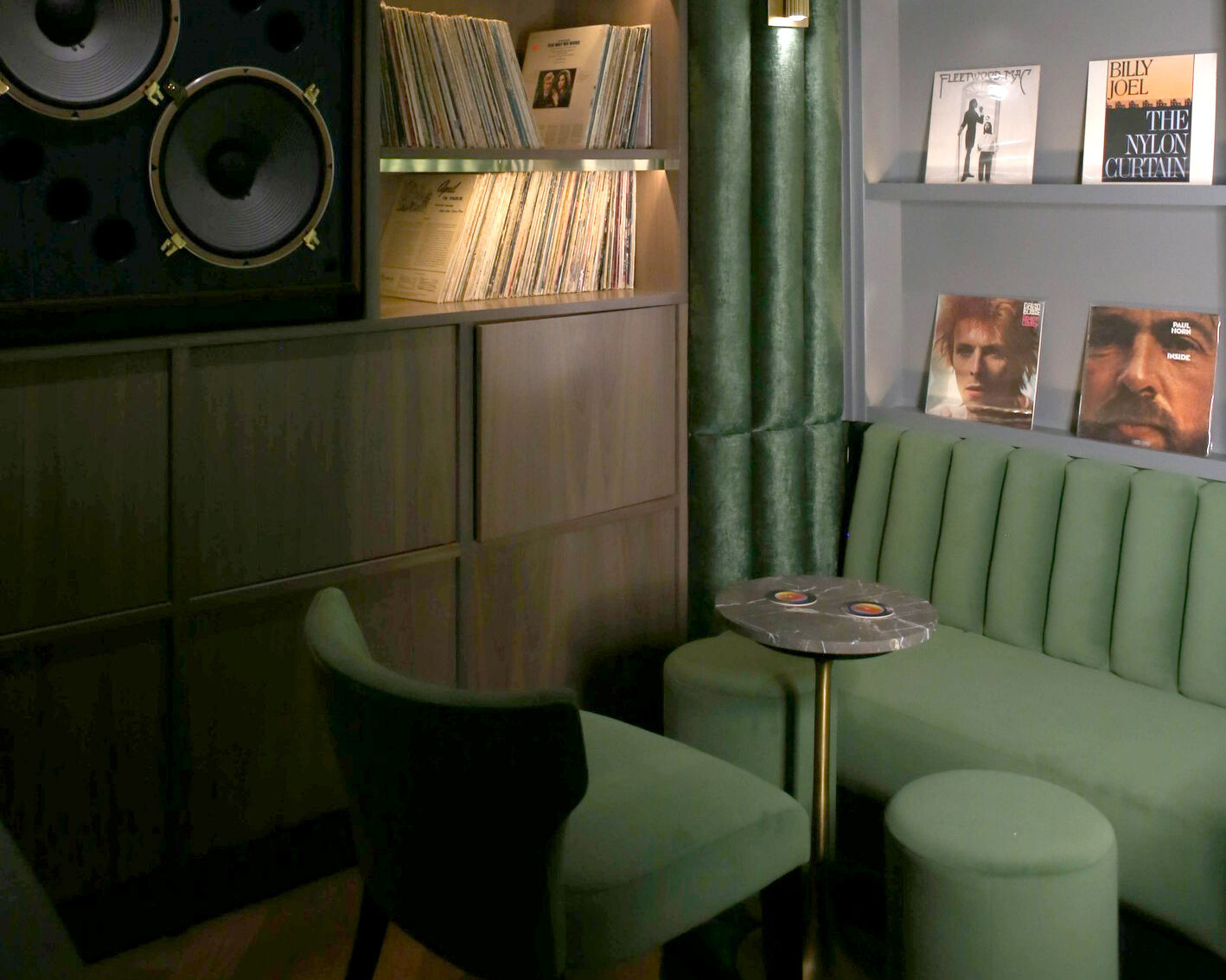
convoy-music-bar.jpg
Courtesy of Convoy Music Bar
Same concept, different neighborhood, different vibe. Walk past the Taco Stand, past those alley dumpsters, and just when you start to wonder about crime statistics you find yourself in this little sliver of room joy.
Convoy Music Lounge is a vinyl records-and-cocktails experience by the Taco Stand people (Showa Hospitality). There’s a dress code (no sandals, no cargo shorts despite their incredible capacity for snacks). Records and records and more records handpicked by Showa’s Yuichiro Edamatsu, with glassware and records imported direct from Japan. It’s a slender joint. Sit, sip, listen.
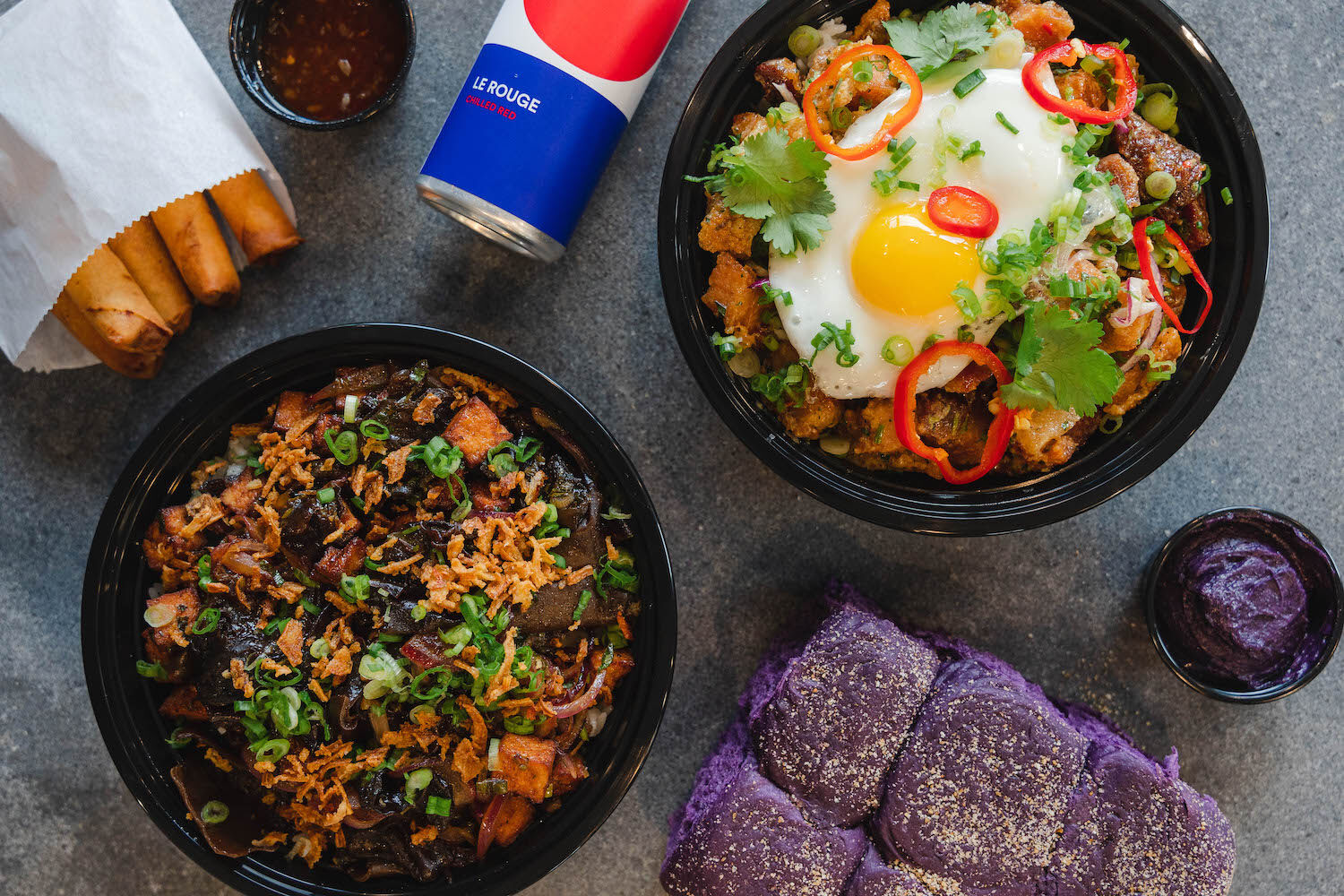
white rice hero
Photo Credit: Nathan Concepcion
San Diego Magazine’s 2020 “Chef of the Year” is starting to materialize his dreams (and ours). National City native and Phillip Esteban (who cooked at Momofuku, then came to San Diego to be the R&D chef for Consortium Holdings, then spent his time making hot meals for people in need during the pandemic) is starting with White Rice. The first outpost went into Liberty Public Market, and then he expanded into a tiny-mighty footprint in Normal Heights (a whole 600-square-feet).
It’s the spot for lechon kawali (crispy deep fried pork belly cubes) and that famous ube pandesal (one of the best bites of baked goods in the country). It doubles as a bodega (selling provisions and alcohol, some housemade pickles). Even better, every meal purchased at White Rice, Esteban and team donate one meal to San Diegans facing hunger. A nearly flawless tiny thing for a neighborhood.
kingfisher_ambiance01.jpg
Courtesy of King Fisher
Jonathan Bautista earned this one. The chef worked his duff off in some of the city’s top kitchens (most notably at George’s at the Cove under Trey Foshee). During the pandemic, he fell into a dark place like the rest of us, pulled himself out on top of a Peloton.
Why’s that important? Because it was a gift from the family that owns Crab Hut (a local success story). They’d been eating at George’s for years, loved his cooking. The Peloton was a gesture and a sort of promise ring that said, “soon as we’re out of this, let’s do something.” And that they did, opening Kingfisher, a knockout modern Vietnamese/pan-Asian restaurant in Golden Hill.
The whole place has an Asian Golden Girls vibe, marvelously gold and floral. I won’t be so gross to say that San Diego Vietnamese food somehow wasn’t good before Kingfisher, because many moms and pops are cooking fantastic Bún bò Huế across the city. But fact is Bautista’s skill set is higher than most humans, and it shows in dishes like the beef tartare (a kick of fish sauce, Thai chiles, toasted quinoa, pickled ramps, crispy shallots, cured egg yolks) and the fantastic cold diver scallop dish where the salty funk of fish sauce is perfect with pineapple. Order the smoked duck (or try to at least, it sells out every night).
hell’s kitchen, food
Courtesy of Hell’s Kitchen San Diego
This is exactly the kind of new restaurant Americans should be demanding of our casinos. Honestly, when I’m throwing down major blackjack wagers ($5) and hitting on 16 because everyone’s clairvoyant after two drinks… not sure I’m in the right mind frame for a quaint farm to table concept with rosemary sprigs and chapbooks about the grower. I want a show.
And Gordon Ramsay’s Hell’s Kitchen at Harrah’s Resort SoCal is definitely that—an 11,360-square-foot signature restaurant for the Funner, California casino (they actually renamed the city). It’s built around the Michelin-starred chef’s TV show on Fox.
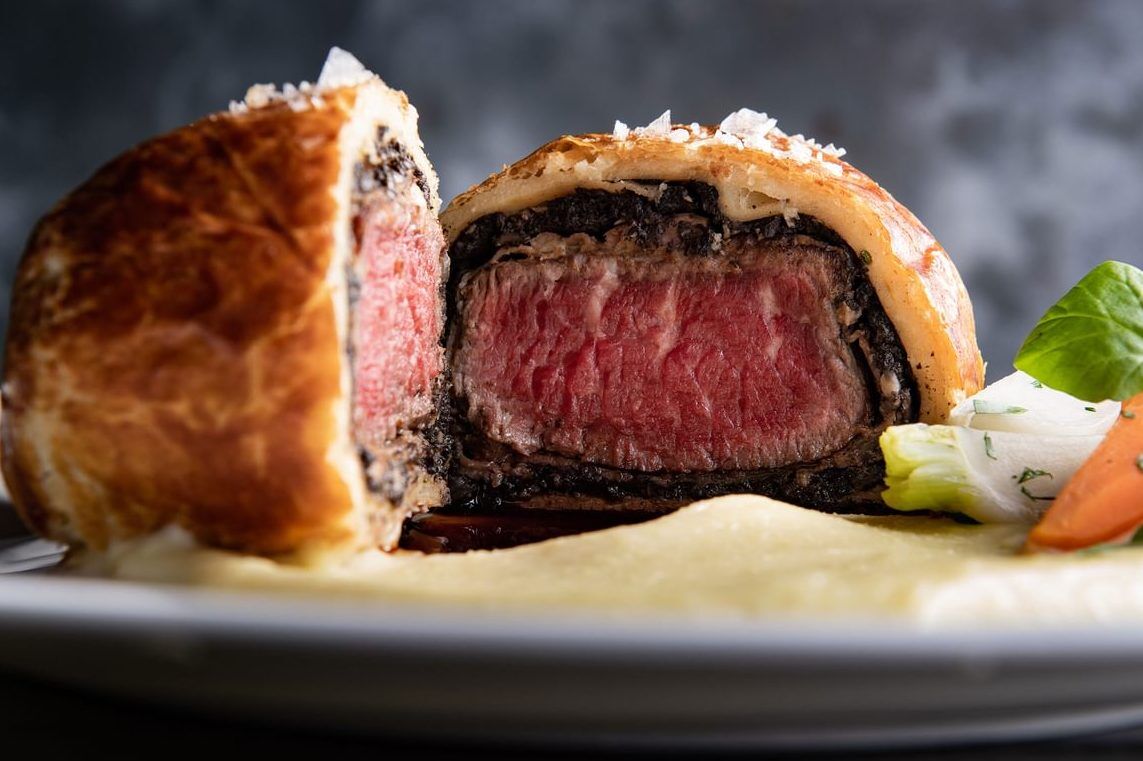
The whole joint is ringed in flames, with hero shots of the contestants, a curated wine wall, two private dining rooms, and two chef’s tables. They do a pretty fantastic seared scallop, in which they present you only with the best part of the sear (a la muffin tops) with celery root puree, braised lardons, and pickled Granny Smith apples. Also, they bring back the beef Wellington—a marvelous pastry-wrapped steak that never should have been abandoned in the ’70s. Delicious. Funner “mayor”—actor Jane Lynch (Glee, The Marvelous Mrs. Masel)—helped create a menu of zero-proof cocktails in case you need a little less clairvoyance.
ambrogio-acquerello-dishes-sdm1122.jpg
Courtesy of Ambrogio by Acquerello
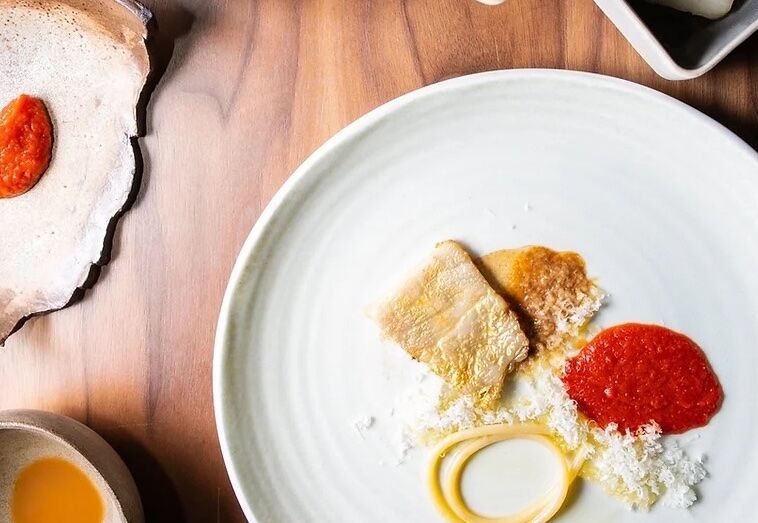
After a couple decades of lovable red sauce, San Diego’s Italian food scene has been modernizing step by step at spots like Bencotto, Solare, Civico1845, Buona Forchetta, and Amalfi Cucina Italiana. Ambrogio is another one, started in 2016 in Pacific Beach as a Milan-style pizza joint from three friends who moved here from Northern Italy.
That success spun off a few more locations (they’ve now got five throughout the county, and have plans for Phoenix next year). Ambrogio by Acquerello is their real step up, a partnership between the owners (Giacomo Pizzigoni, Andrea Burrone, Luca Salvi) and the culinary team behind Milan’s Michelin-starred Ristorante Acquerello (partner chefs Silvio Salmoiraghi and Choi Cheolhyeok) . The menu is a mix of five cuisines: Italian, French, Korean, Japanese, and Californian.
Shancheng Lameizi
Courtesy of Shancheng Lameizi
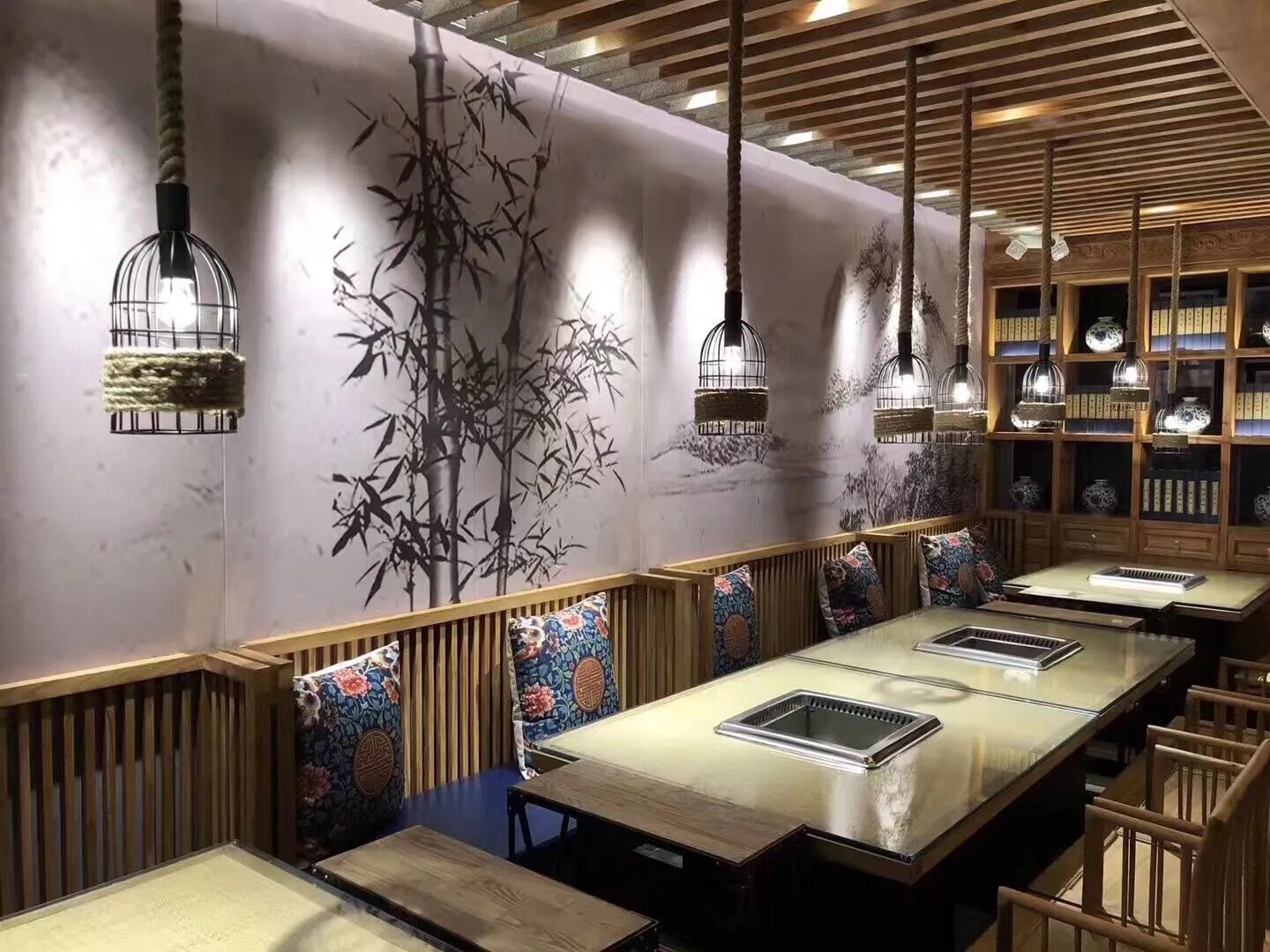
Order the mild. I know you’re from China or have been to China or have watched every episode of Hot Ones. Still, order a combo of mild and spicy broths because the mild is actually spicy and the spicy has dissolved people’s heads. Hot pot is one of the original communal meals, how civilizations started, huddled over a hot pot of food until they were forced to converse and begin to build a culture. And Shancheng is a breakout concept from Beijing, with over 20 locations worldwide now.
This is San Diego’s first, a lovely sliver of a hot pot restaurant (located, in Convoy tradition, in a strip mall). Hot pots are done Chongqing style. Choose your broths (mushroom, pork bone, milk, etc.). Then your protein (Shancheng has prime western-friendly cuts like ribeye and Wagyu and lamb leg, but also traditional Chinese cuts like beef tongue and pig brain and chicken gizzard). The star is the sauce bar with soy garlic and spicy fire and a dozen other options—drizzle nearly every one, or follow the instructions on proven combos.
Haidilao San Diego
Courtesy of Haidilao San Diego
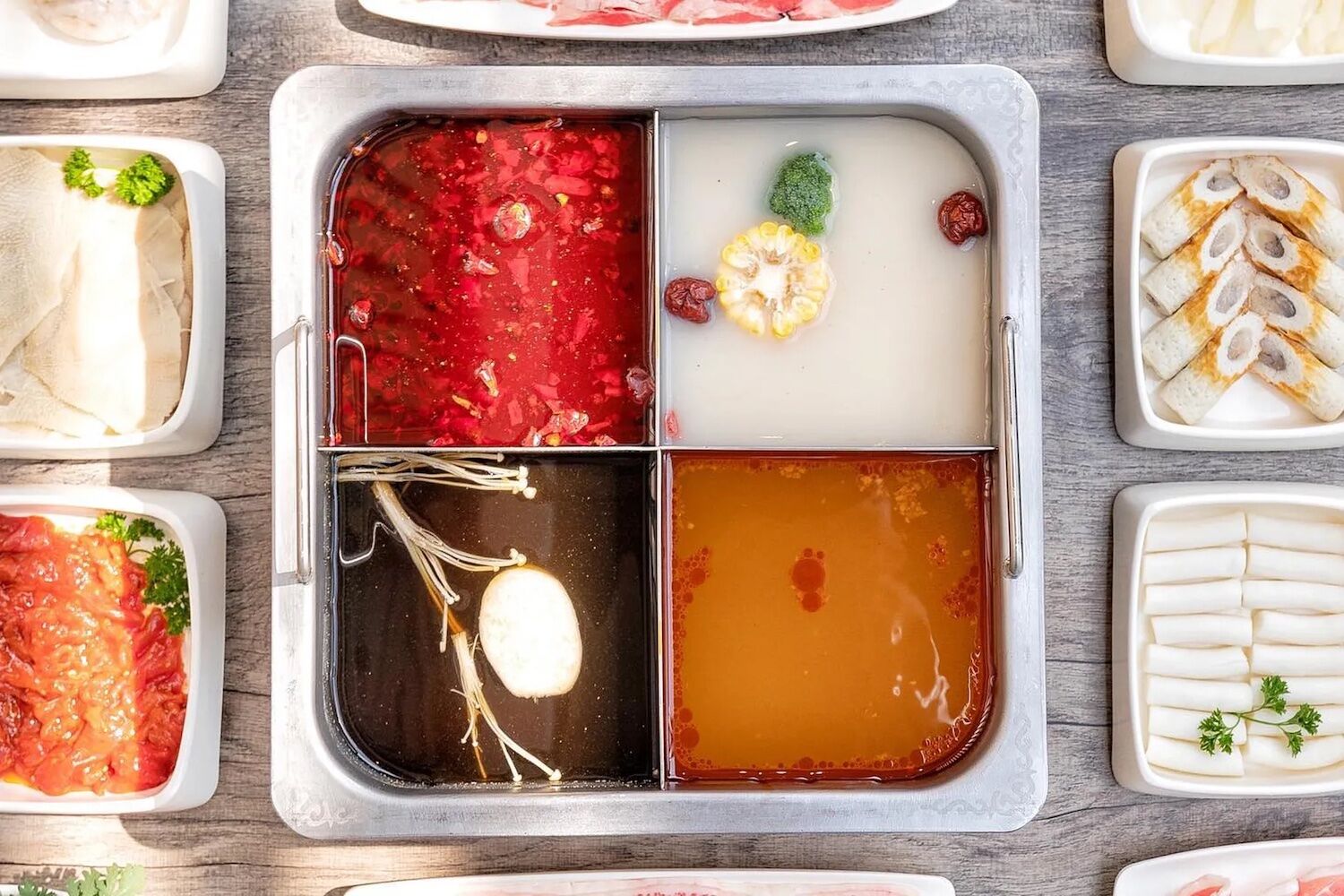
It’s the year of the hot pot in San Diego’s food scene. Haidilao is the other massive arrival at UTC Westfield (which, despite my original skepticism, has become a hell of a destination and seemingly refuses to stop recruiting big names in the food world).
From the Sichuan province of China, Haidilao is the Din Tai Fung of hot pot, the country’s largest specialist. Take a seat in the chic lobby, sip a cocktail (spiked lychee iced tea), be alternately charmed and creeped by the spaceman teddy bears.
Hot pot is a splash-zone food, especially for those just learning the trade, and they give you all you need (aprons, hair ties, plastic baggies for electronics). For meats they’ve got it all, sourced from the right places (Kobe belly, Australian lamb, organic chicken, korubata pork). They’ll hand-pull noodles at your tableside for show.
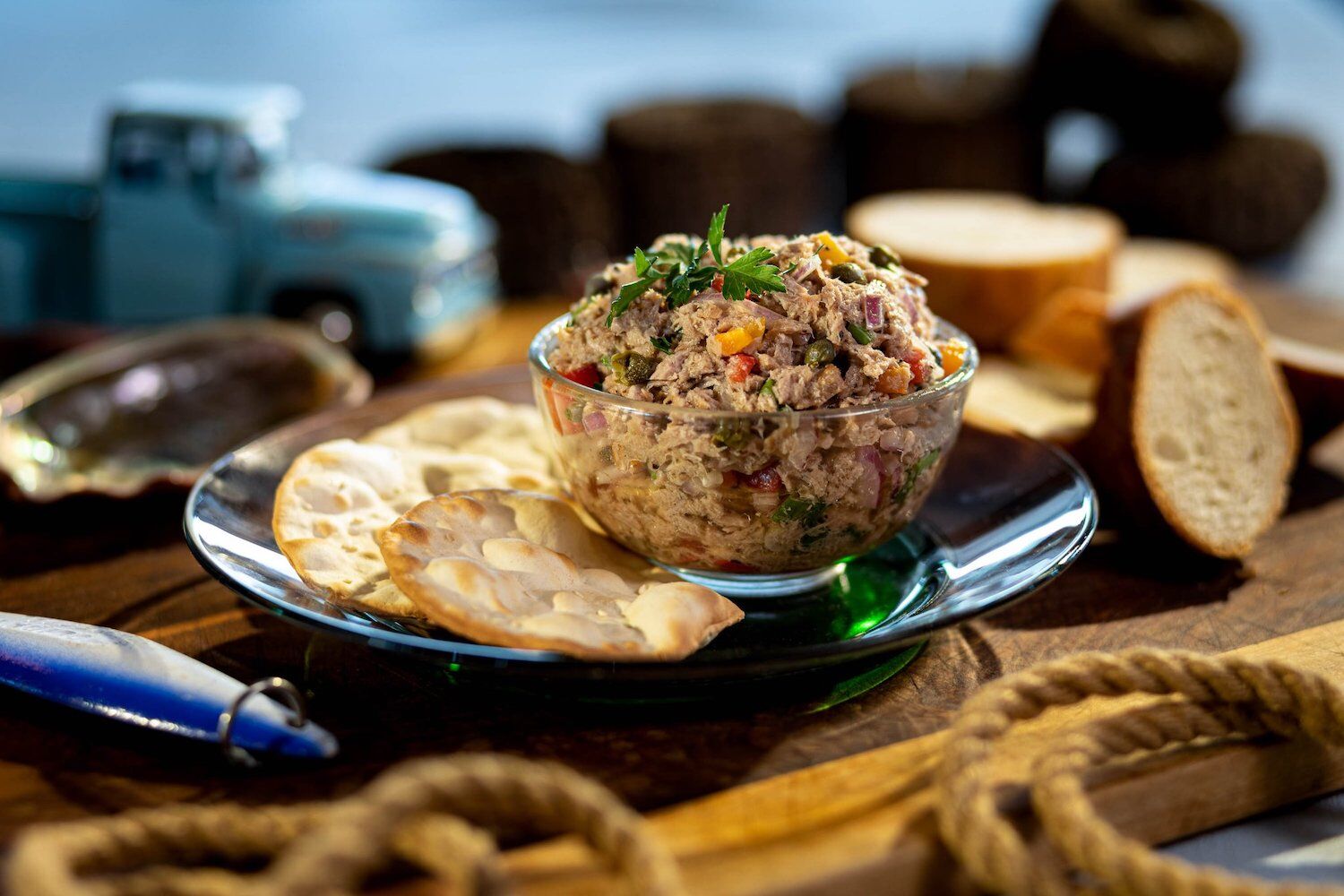
Tunaville
Courtesy of Tunaville
A fifth generation San Diego fisherman who’s spent the last 50 or so years championing local, sustainable seafood just opened a fish shop in conjunction with another local-boat lifer and seafood icon. That’s honestly all you really need to know.
Tommy Gomes and partner Mitch Conniff (Mitch’s Seafood) opened Tunaville as an outpost for local catch. You’ll see slices of bluefin sashimi, mussels, clams, sheepshead, whatever’s come in fresh. They’ve also got ceviches and salads, and a small selection of dried foods (salts, pasta, oils, beans, sauces).
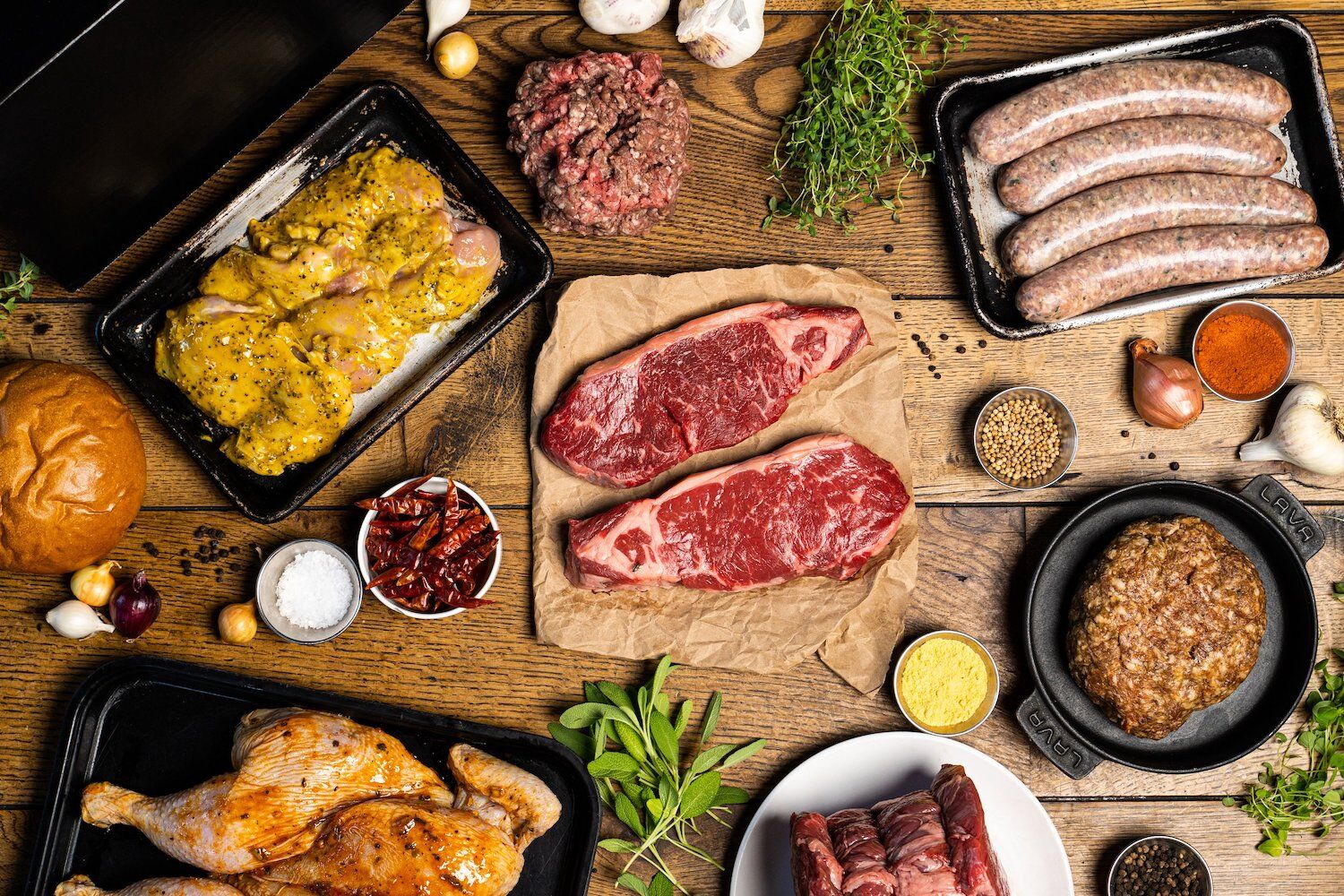
Wise Ox
Courtesy of Wise Ox
This was a pandemic pivot that went wild. Chef Brad Wise has made his name a few different ways, but at all his restaurants (Trust, Fort Oak, Rare Society) he’s had marinated meats and sauces (which he usually then places over a pile of fancy burning wood).
Wise Ox is a butcher and sandwich shop that specializes in those recipes. They use the best meats you can find, treat ’em right. And now they’ve got an outpost in La Costa. This town’s got a ton of Boar’s Head delis that’ll do in a pinch, but when a whim or a mood calls for far better than a pinch, Wise Ox is it.
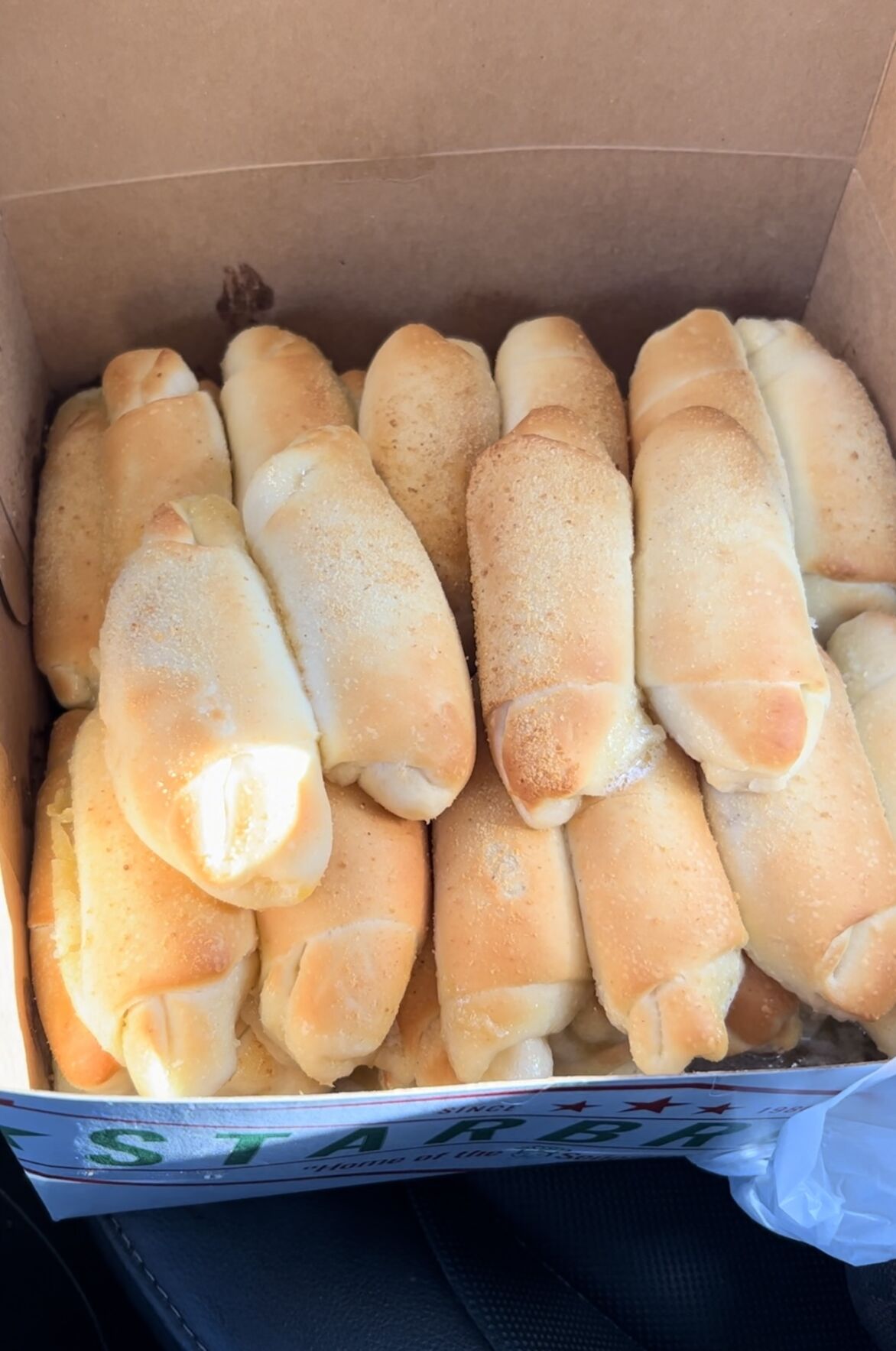
Starbread.jpg
Oh dear god the señorita bread. They’re gonna offer you a box of 200 or so. Don’t listen to them. Get 400. The buttery, creamy tiny footballs of sweet baked goods at Starbread—somewhere between a Parker House roll, a Mexican doughnut, and an almond croissant (without the flakiness)—are good enough to ruin a few lives.
The concept was started in South Sacramento by Romy and Nelly Romanan, and it’s a mix of Filipino and Spanish concepts—the key being sugar, butter, and breadcrumbs that create a gooey interior. So simple, and worth every bit of the hype.
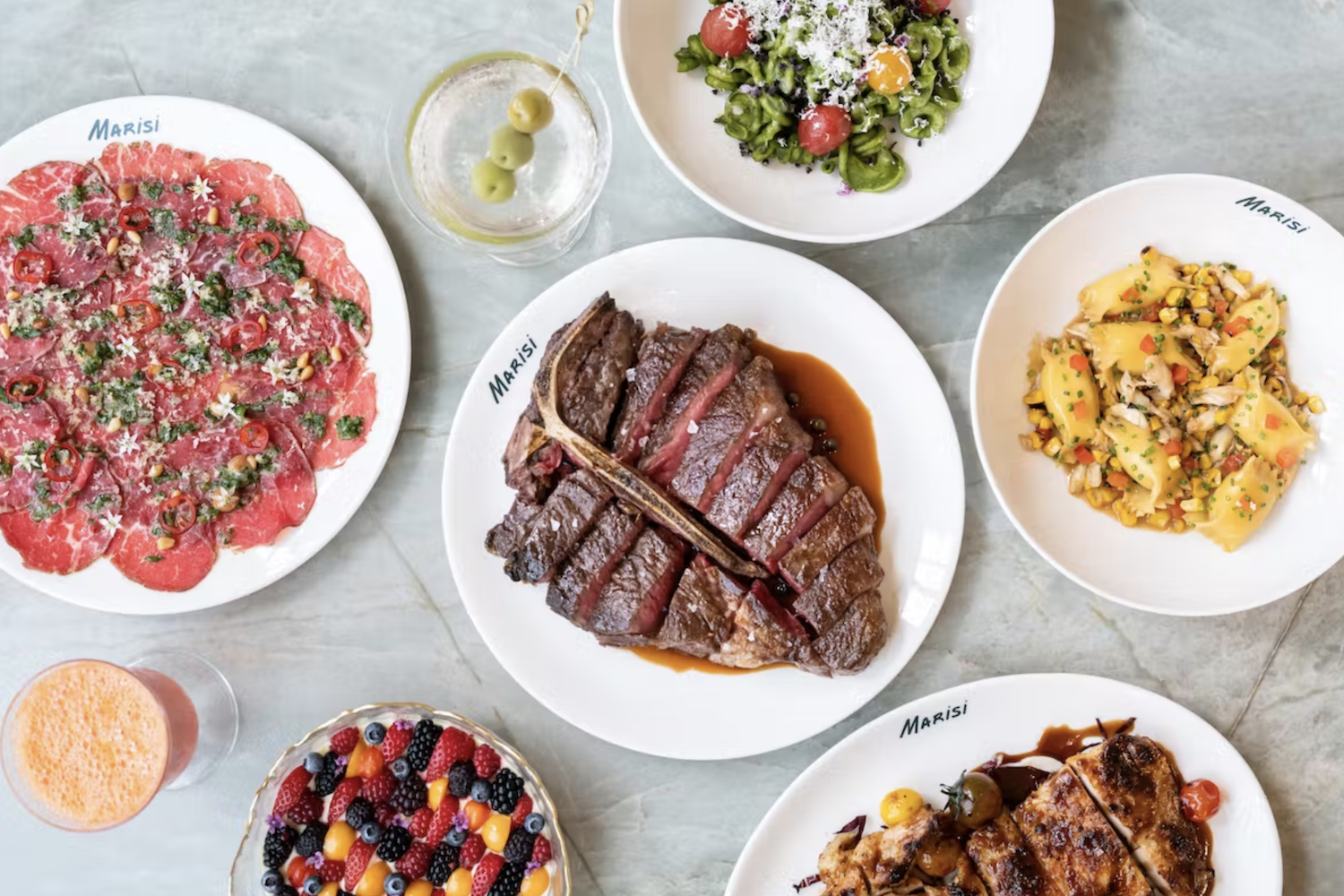
Marisi
Courtesy of Marisi
There is fish dry-aging upstairs, next to a table of cooks hand-rolling pasta. Downstairs there is whiskey that’s rarely ever seen except on collectors’ websites, more whiskey aging in a barrel in the courtyard. Exec chef Chad Huff was a line cook at two-star Michelin Providence, then studied pasta under Evan Funke at Felix Trattoria; beverage director Beau du Bois comes from three-star Michelin The Restaurant at Meadowood. It’s a dreamy team. Marisi was without a doubt the Italian opening of the year, an obsession.
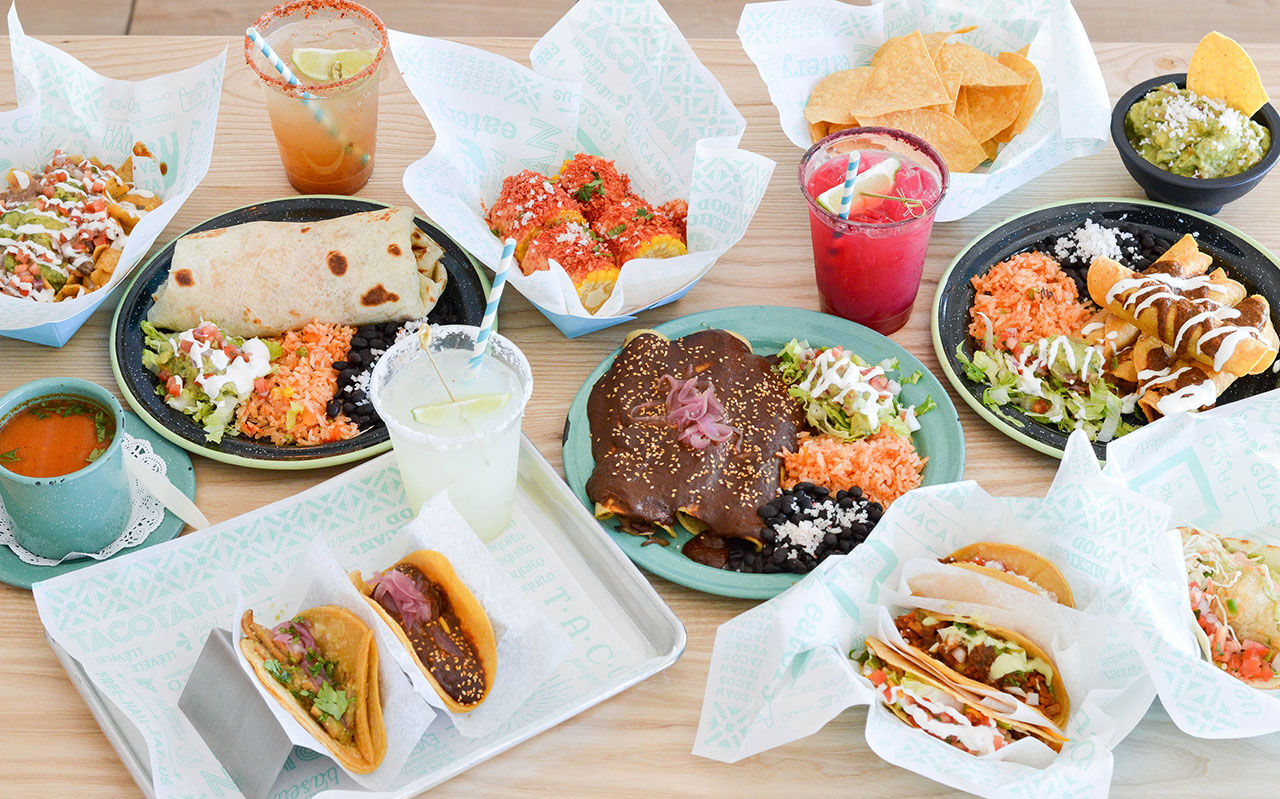
Tacotarian-Food-Shot.jpg
Courtesy of Tacotarian
If Taco Bell had been invented after the “better food” movement and the vast quality escalation of plant-based cuisine, it might look and taste a lot like this. The vegan riff on fast-casual tacos (they do a jackfruit quesabirria with bits of Beyond meat, a plant-based fish taco, a California burrito, seitan asada, etc.) was a runaway hit in Vegas.
This is Tacotarian’s first location in San Diego, going into a North Park spot that has played host to two vegan restaurants before it (Modern Vegan and Chicago Not Dogs). They’ve got full cocktails, arroz con leche for dessert. Plant-based fast food is coming, and this is a good one (they’ve made sure to include employees in the ownership structure as well).

SDM – First Look – Mothership-165.jpg
Photo Credit: James Tran
Kindred has done all kinds of special things with vegan food (most importantly, they made it feel like a side-stage party at a heavy metal show), and with their partners Arsalun Tafazoli and CH Projects they created an alien tiki otherworld in a tiny dive bar in South Park. Mothership has a small menu of vegan food, but the bar is the main attraction here.
It’s hard to overstate what they’ve done. They tapped designer Ignacio “Notch” Gonzalez, whose company Top Notch Kustoms crafted the famous tiki bar other-worlds in San Francisco (Smuggler’s Cove, Whitechapel) and Seattle (Inside Passage). The result is like Land of the Lost meets Star Wars meets highly anesthetizing tropical drinks.
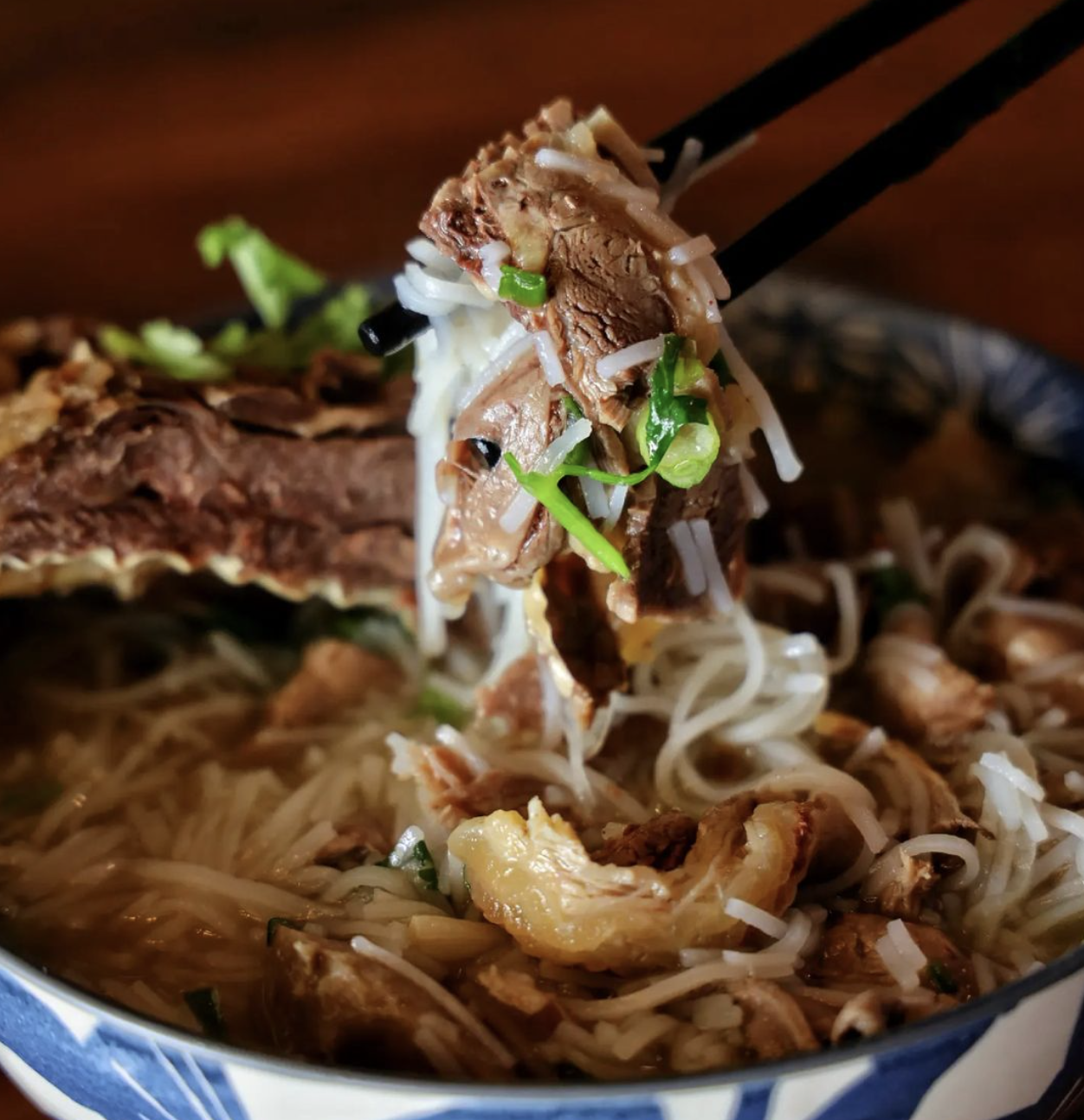
Xin Chao
Courtesy of Xin Chao
It may not look like much, taking over a small footprint next to a Jamba Juice in Del Mar Highlands, but pho is life. And in Del Mar, there are only two places I know of to get it: Le Bambou and Xin Chao Eatery, a new concept from local couple Joyce and Justin Nguyen. And having only one option for pho is like only having one coffee shop. Crimes.
Their house special pho is a meat lovers’ special filled with filet mignon, meatballs, brisket, and topped with a Flinstonian, tender beef rib where the meat soaks up the broth like the innards of a french dip. Also try the pho made of oxtail, the most delicious cut of meat known to meat. Del Mar Highlands is now basically north county’s version of Westfield UTC, a grown-up mall that’s compensated for the challenges of retail by inserting some truly good places to eat.
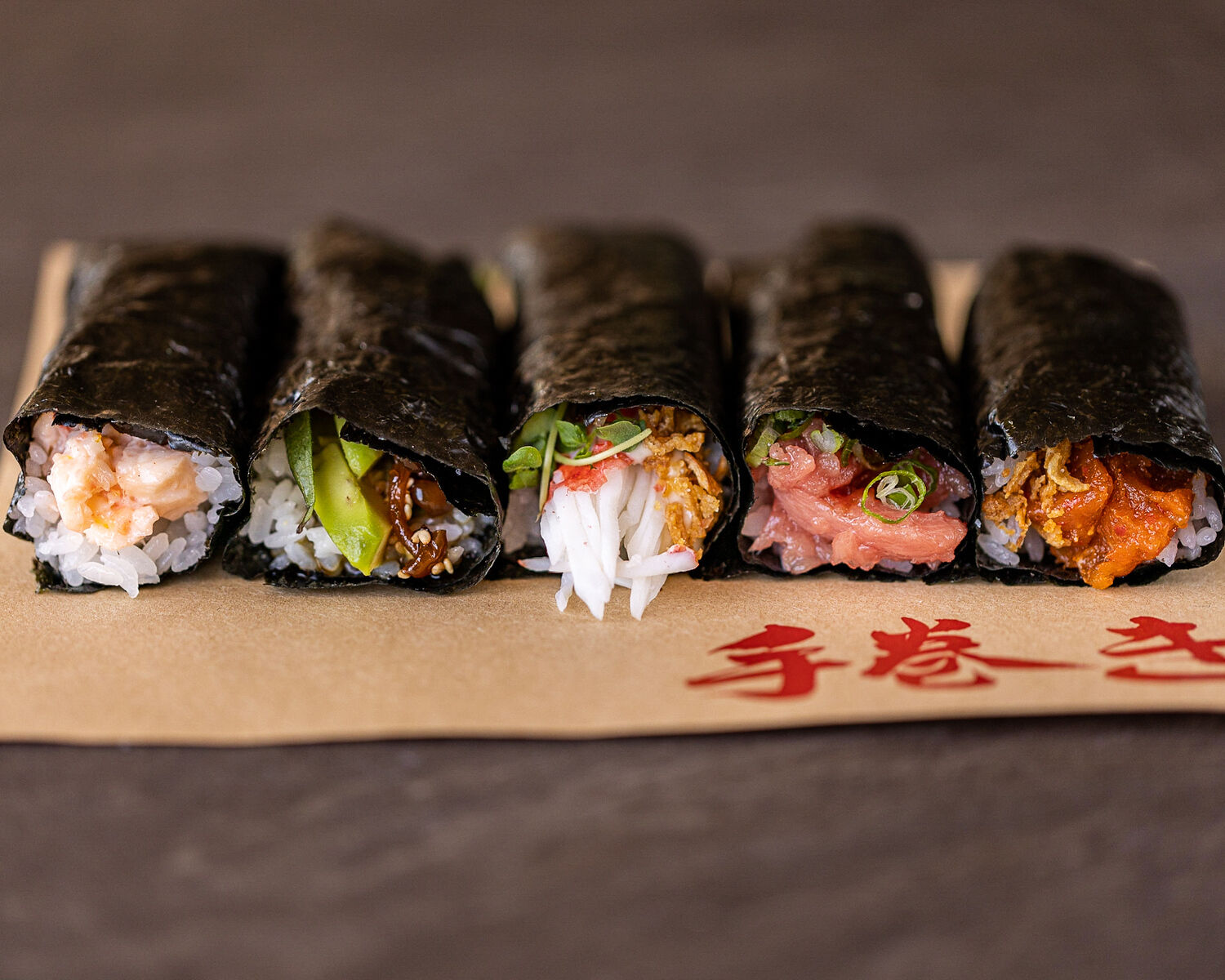
temaki-bar-hand-rolls-sdm1122.jpg
Courtesy of Temaki
Chef JoJo Ruiz of Clique Hospitality (Serea, Lionfish, Joya Organic Kitchen) has made a name for himself in San Diego as one of the most sustainable seafood chefs around. With Temaki in Encinitas, he’s specializing in hand rolls and things ordered at the bar from the sushi case.
The spicy tuna crispy rice is so good it’s almost a dirty trick: crispy-fried rice is arguably better than movie popcorn and many forms of sex, and then you pile it with well-seasoned sushi grade ahi with a kick and a citrus ponzu. It’s a social hangout, with beer, wine, sake, Japanese soda (Ramune, which looks like all sorts of radiator fluid and is beloved), and mochi ice cream for dessert.
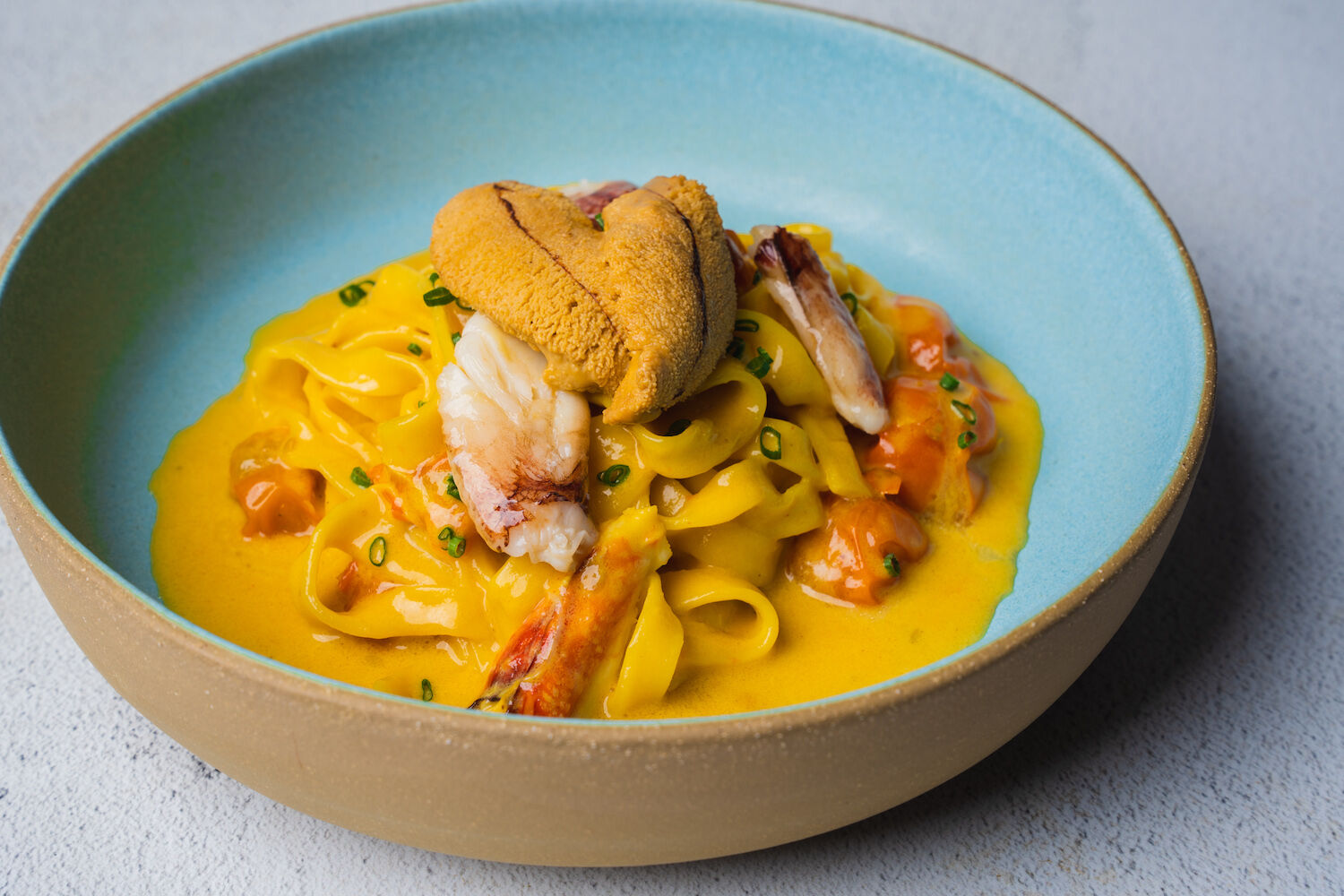
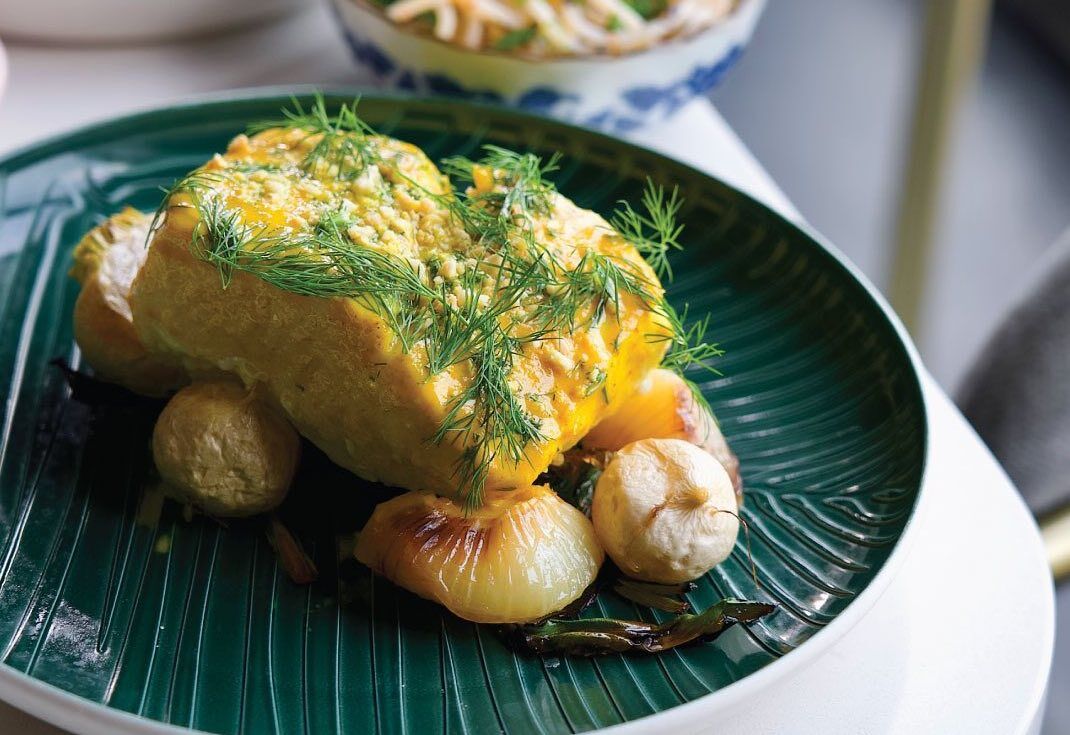
Paradisaea, food
Courtesy of Paradisaea
Much like Worcestershire, no human can properly pronounce the name of this new restaurant, which took over the iconic piano showroom in Bird Rock. Check out Paradisaea’s design, from the patterns on chairs to the tiles from acclaimed local ceramicist, Josh Herman.
Bird Rock, which has seemed like another planet due to the long road to accessing it through La Jolla or P.B., is putting together a just-right sized food and drink scene with standouts like Wayfarer Bread and LJ Crafted Wines alongside the solid and beloved Beaumont’s. Paradisaea’s team is stellar, led by culinary director Mark Welker (former pastry sous at three-star Michelin Eleven Madison Park and pastry chef at NoMad).
The kitchen stars with the sauces, and it’s got everything you’d want from a marquee restaurant—oysters and pastas, a dry-aged cheeseburger, scallops in vadouvan curry, bone-in ribeyes in veal jus. Definitely try the tempura halibut in green curry aioli.
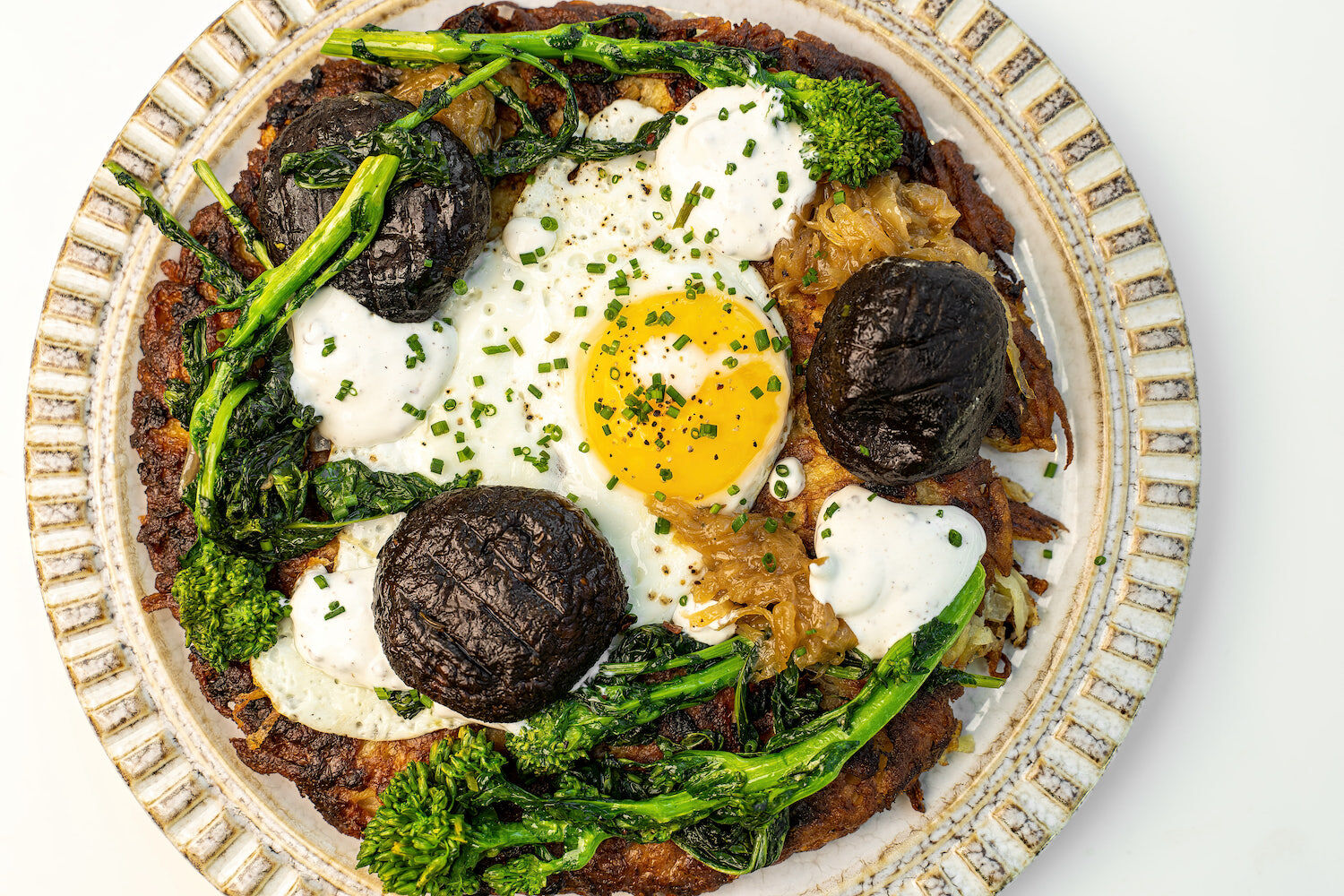
Gold Finch
Photo Credit: Kimberly Motos
Tracy Borkum is simply one of the better restaurant operators in the city, has been since she ran Ken Grill. Really made her name with Cucina Urbana in Bankers Hill, though. The polenta plate has kept a couple families together. Her most recent project is a take on a modern Jewish deli, a concept that San Diego needs ten or 12 more of.
Just the phrase “shmaltz crusted potato” warms a cold heart. It’s a weekday breakfast-lunch thing, with early morning loaded latkes, corned beef hash wrap, but also acai bowls, baked goods (honey cakes, baklava, regelach, knish). Then for midday it’s bowls and salads and sandwiches (brisket French dip, reuben, etc.) and snacks (muhammara spread, smoked trout rillette). And of course, blintzes.
Hard to beat the team of chef-partner Tim Kolanko (years as the chef de cuisine at AR Valentien), Jeff Armstrong (ex-Parakeet), Frankie Becerra, and pastry chef Adrian Mendoza.
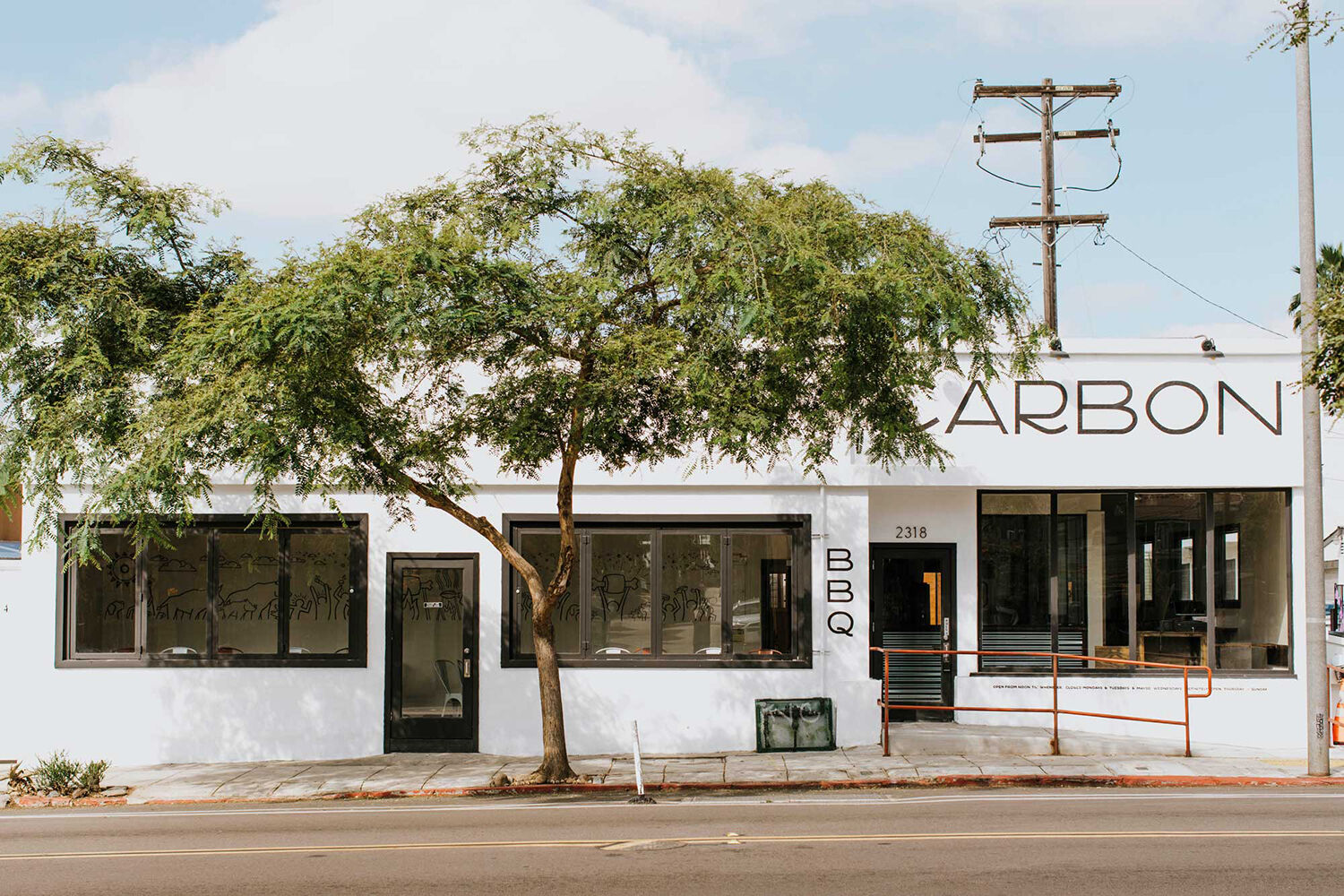
CARBON-Hero.jpg
Courtesy of Carbon BBQ
A long while back, chef Hanis Cavin stopped working at fancy restaurants, opened a tiny little window in North Park, served pork belly out a little North Park window, and called it Carnitas Snack Shack. He’s long since moved on from that glory, even moved out of town and made some people cry.
Now he’s back and teamed with one of the top Italian restaurant groups, Buona Forchetta, for a Texas-style barbecue concept. Get the brisket sandwich, get the mac ‘n’ cheese, watch these two talented partners evolve it at Carbon BBQ.
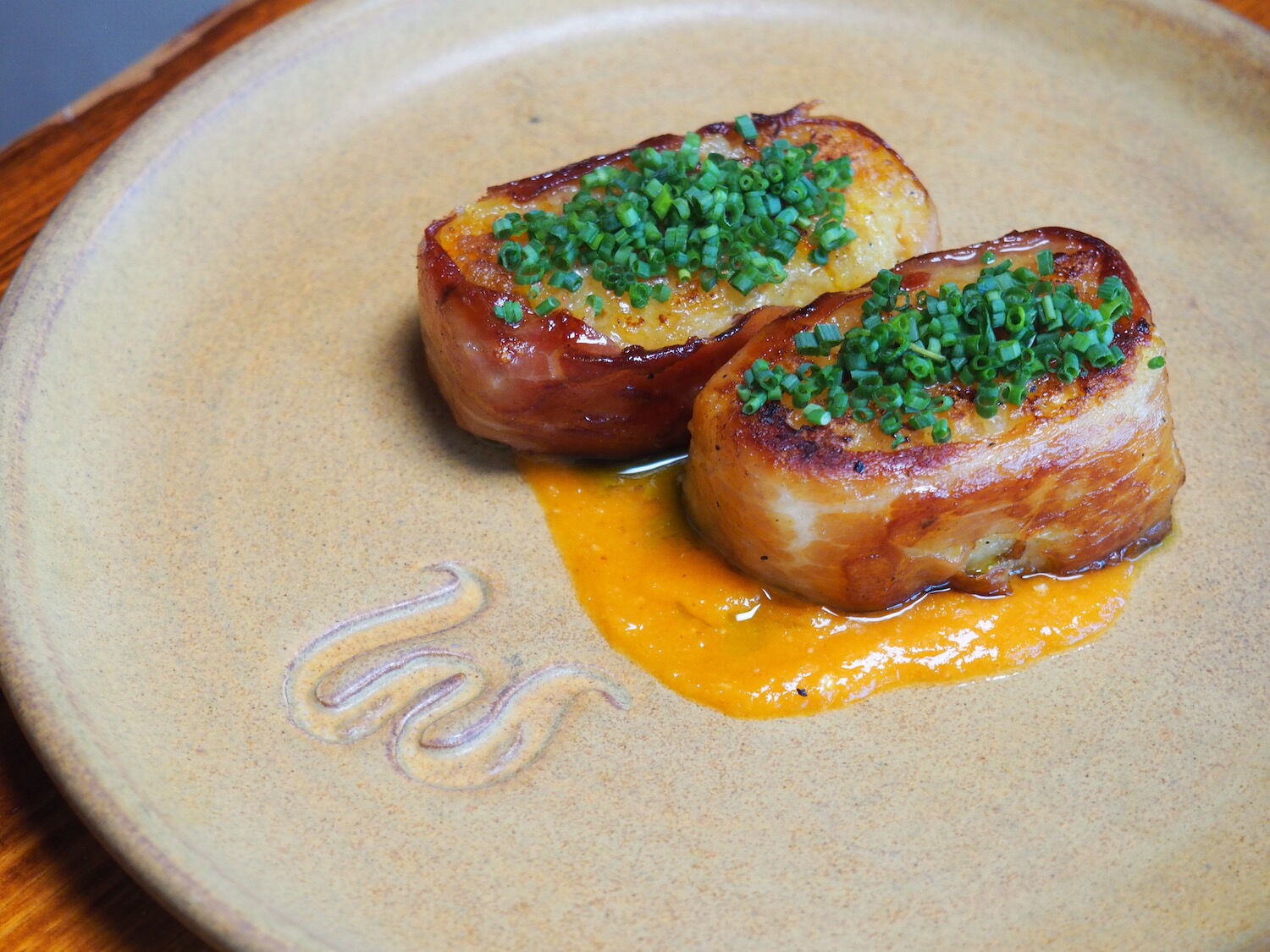
Mabels
Photo Credit: Jackie Bryant
Chelsea Coleman’s been doing natural wine right in San Diego for a long while, starting with The Rose Wine Bar in South Park. She was one of the creators of Nat Diego wine festival that brought one of the world’s top natural wine experts to town (Alice Feiring). But her cooking chops aren’t to be underestimated, having cooked in Europe and done time in the kitchen at two former standouts in San Diego (The Linkery and Whisknladle).
Now she’s expanded with her co-chefs Dan Luong (also of The Rose) and Ross Garcia (formerly of Brookyn’s Marlow & Sons) to this gin-centric Spanish and Portuguese-influenced small plates joint (yes, oysters)—with standout dishes like blistered padron peppers in goat cheese, swordfish schnitzel with creamy tomato sauce (all of these change regularly with season and whim, but you get the point).
The cocktail list at Mabel’s Gone Fishing is from Tony Roehr, a longtime barkeep with CH Projects (get the “G and T,” with Nordes gin, lemon, grape, and sage). Oh, and the burnt Basque cheesecake for dessert.

Troy Johnson is the magazine’s award-winning food writer and humorist, and a long-standing expert on Food Network. His work has been featured on NatGeo, Travel Channel, NPR, and in Food Matters, a textbook of the best American food writing.
The long-awaited $6 million restaurant from Black Swan Hospitality brings coastal Mediterranean to Coronado
William Wordsworth’s 1807 poem “By The Sea” paints a glorious picture of a coastal sunset, elegantly describing the serenity that can only be found upon an ocean’s sandy shores.
It is a beauteous evening, calm and free,
The holy time is quiet as a Nun
Breathless with adoration; the broad sun
Is sinking down in its tranquility
And as a San Diegan, I often have to pinch myself. We’re spoiled by this breathtaking beauty each day. Come August 12, Coronado will have a new place from which to soak in the Pacific’s peacefulness: By The Sea. Created by the team at Black Swan Hospitality (Nolita Hall), Doug and Lara Hamm brought to life a Mediterranean-meets-San Diego oasis influenced by their travels through the French Riviera, Italy’s Amalfi Coast, and the Greek Isles. (It’s not the first time the couple drew inspiration from the Mediterranean coast—their wedding took place on the island of Capri, their daughter’s namesake.)
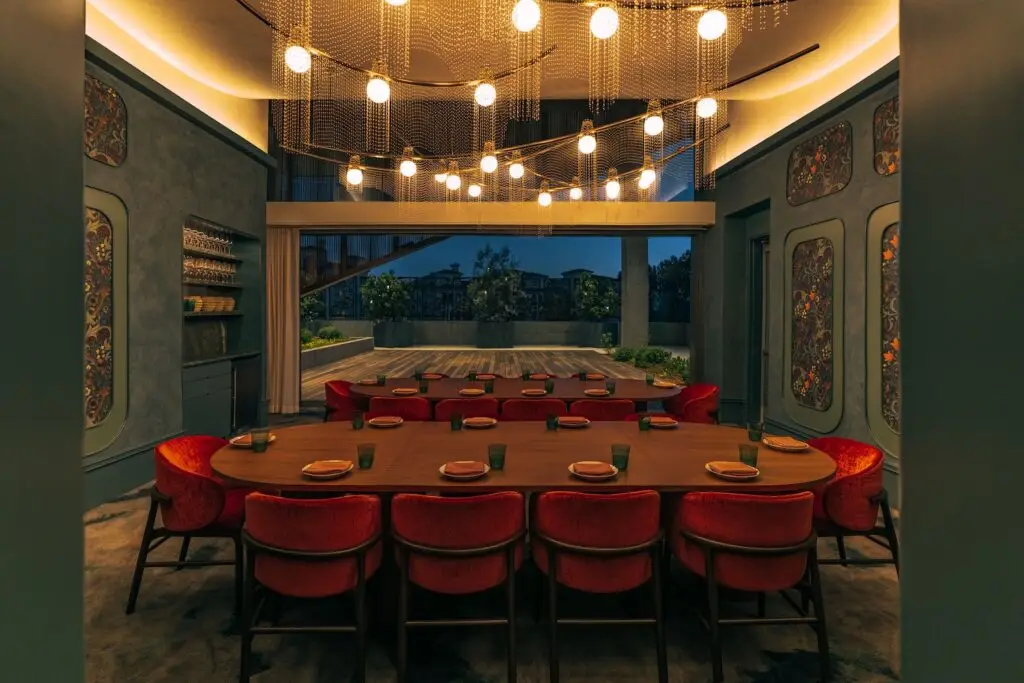
Opening the 6,500-square-foot, second-story restaurant took longer than expected. First announced three years ago, the Hamms worked with Loren Wynn and Mellissa Ramos—their own in-house design studio (Creative House)—alongside Tecture (Lucien, Anigma Encinitas, Bivouac Ciderworks, George’s at the Cove) to create a space that feels more like a coastal villa than spartan dining room.
Guests enter via a cobblestone staircase to a light-drenched dining room and outdoor patio shaded by a eucalyptus wood trellis. Windows dot nearly every wall below the high ceiling of hand-stained willow reed thatching and exposed wood beams. “We have a beautiful lounge area with some textures such as velvet and marble,” says Lara. Everywhere feels organic, with materials like white oak and Italian limestone flowing throughout the open concept and semi-private dining areas.

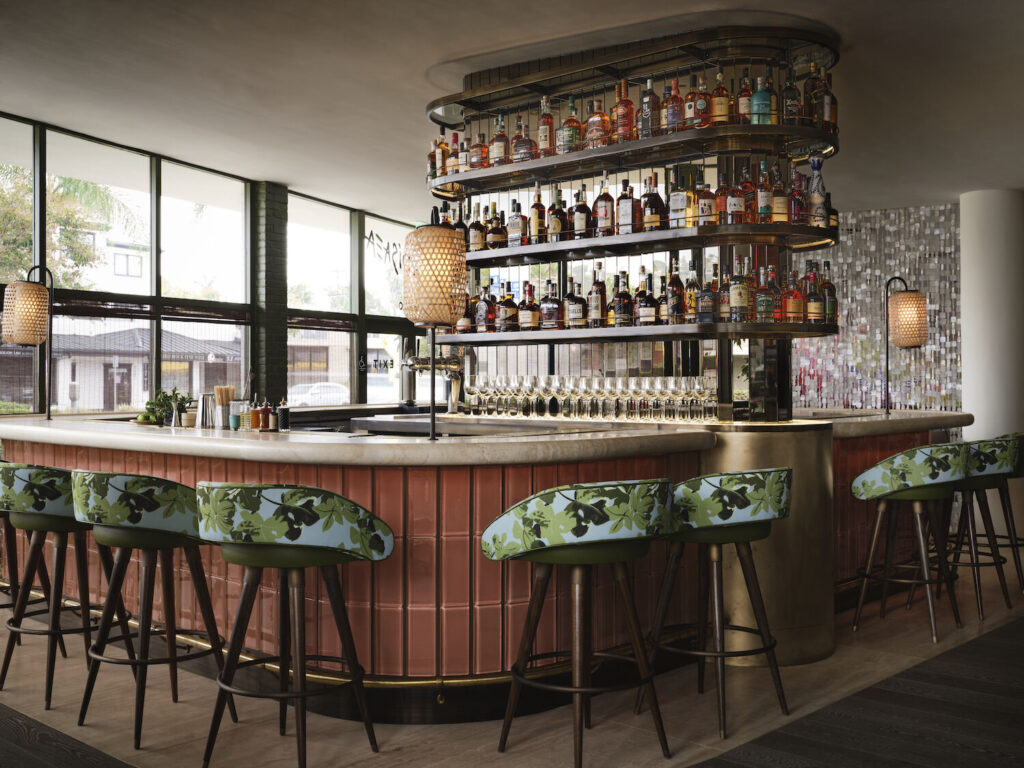
The curvaceous travertine bar seats 24, while the 11 outdoor tables and 44 indoor tables and banquettes hold an additional 254 guests. It’s not quite oceanfront, but the peekaboo water view and floor-to-ceiling glass pocket doors allow the nearby sea breeze to drift across the dining room. (And if you’re the type of perpetually cold person once the mercury falls below 72, never fear—the outdoor fireplace and built-in heaters will keep you comfortable all year round.)
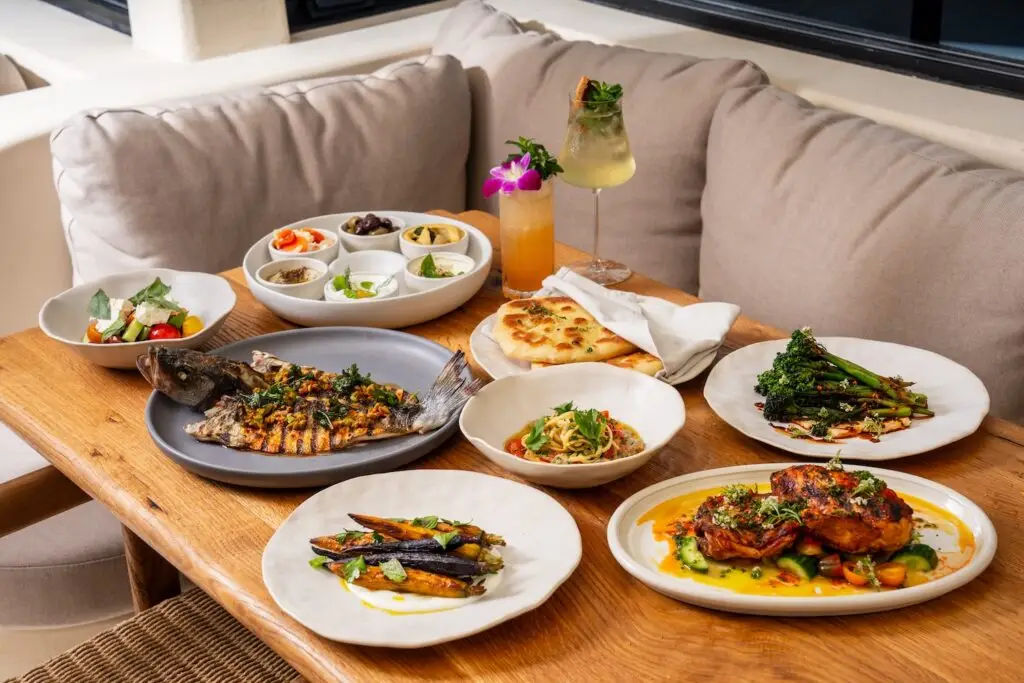
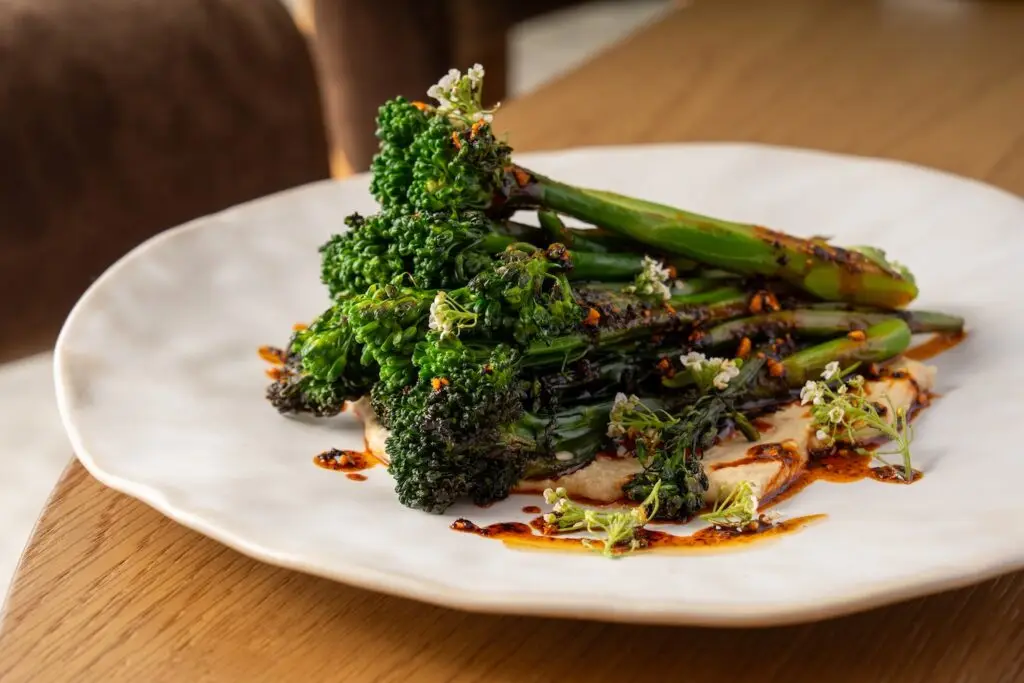
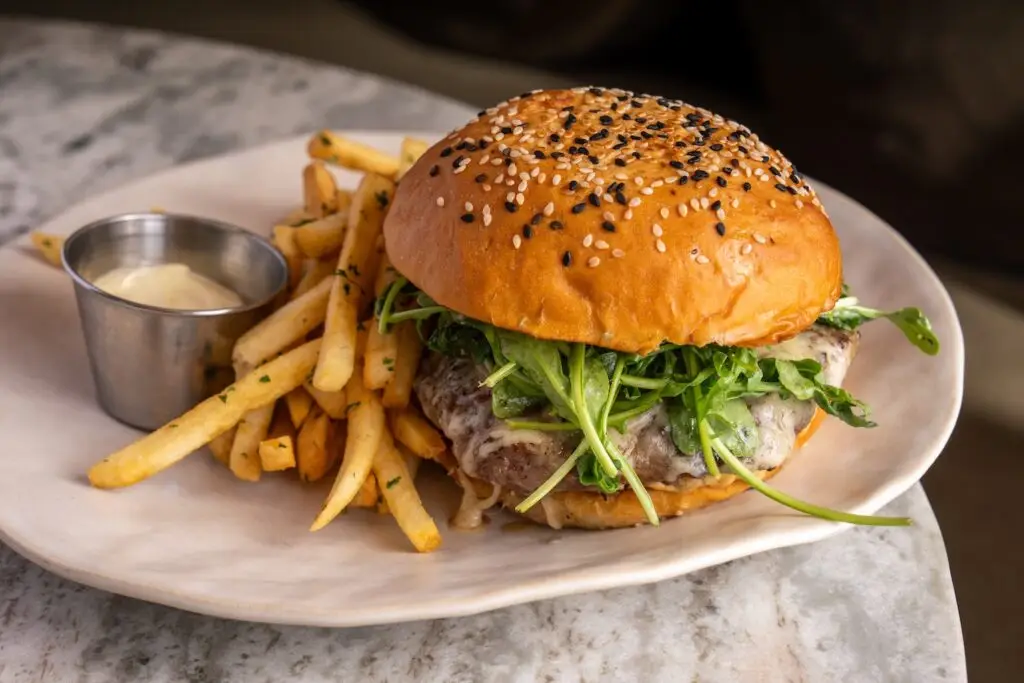
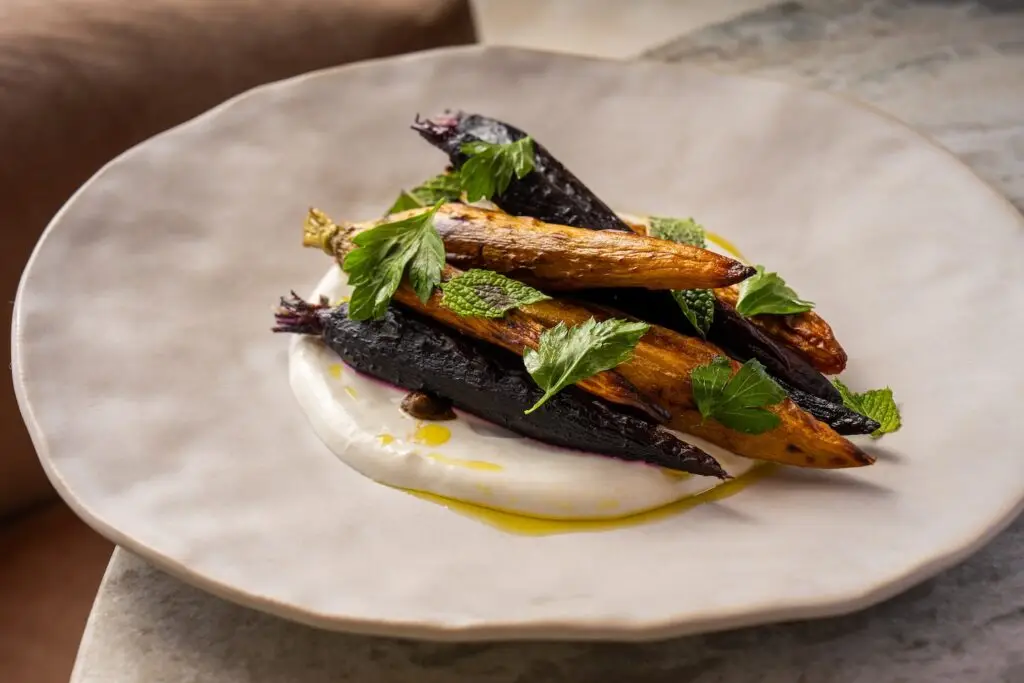
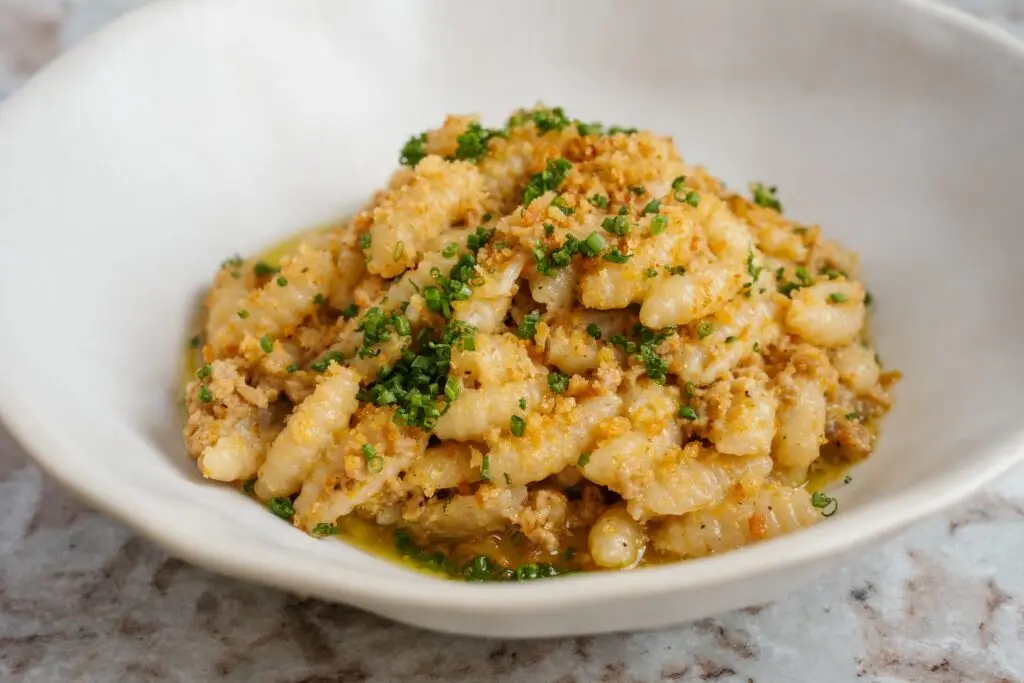
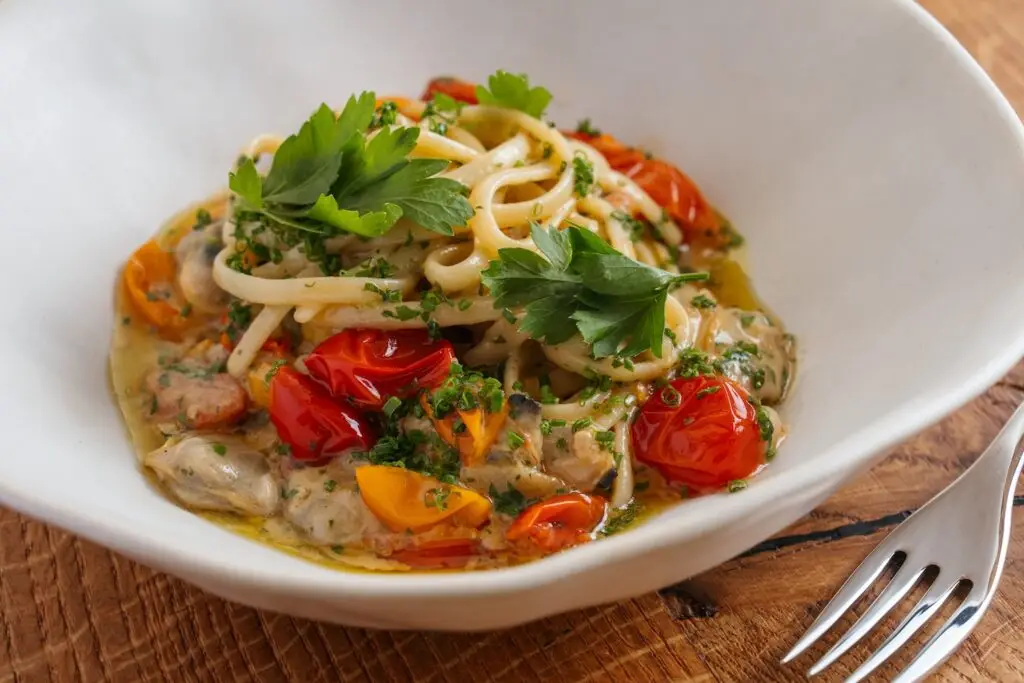
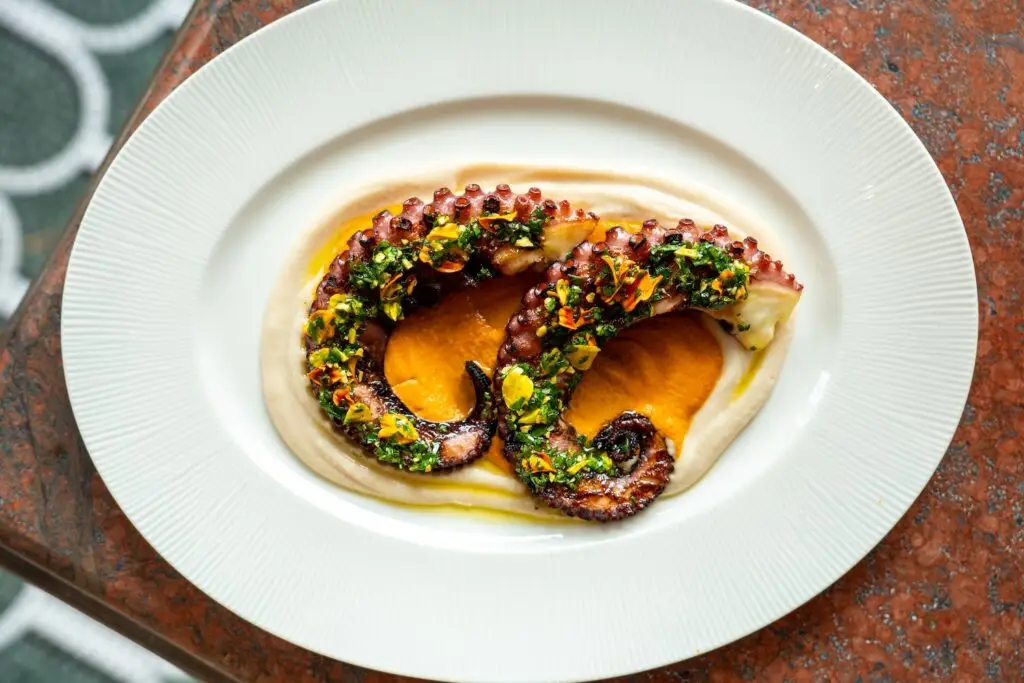
With a name like By The Sea, one can safely assume seafood features heavily on the menu. Executive chef Alex Carpio utilizes plenty of local produce and catches, with starters like scallop crudo, tuna tartare, octopus with crispy potatoes, and calamari fritti. The rest of the menu is broken into salads, vegetables, pastas, and mains, with standouts like a beet salad with feta, kale, orange, and charred lemon vinaigrette; Moroccan-spiced carrots served with lemon yogurt, mint, and parsley; classic linguine and clams with garlic, tomato, and parsley; a lamb cavatelli with fennel, chives, and breadcrumbs; grilled branzino with tahini and Castelvetrano olive tapenade; grilled half chicken with celery, cucumber, and a Calabrian chile vinaigrette; steak frites; and pan seared scallops with pickled peppers, basil, dill, and aioli.

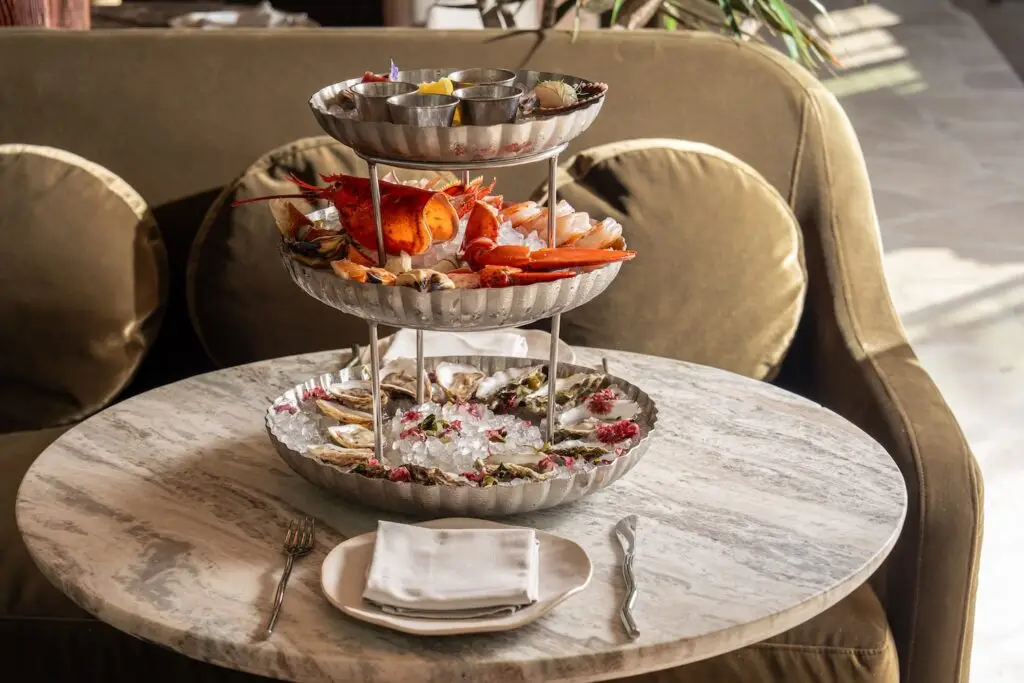
Lara says there was one non-negotiable item for the menu: a dramatic seafood tower. Built for 2-4 guests or 4-6, each option comes with a collection of fresh oysters, shrimp, tuna tartare, scallop crudo, and caviar, with lobster and crab claws available on the larger size.
And if you’re curious about exploring the world of caviar, you’re in luck. Doug says they’re building a tasting menu of different spirits to pair with various caviars under bar manager Andrew Phillips’ purview.

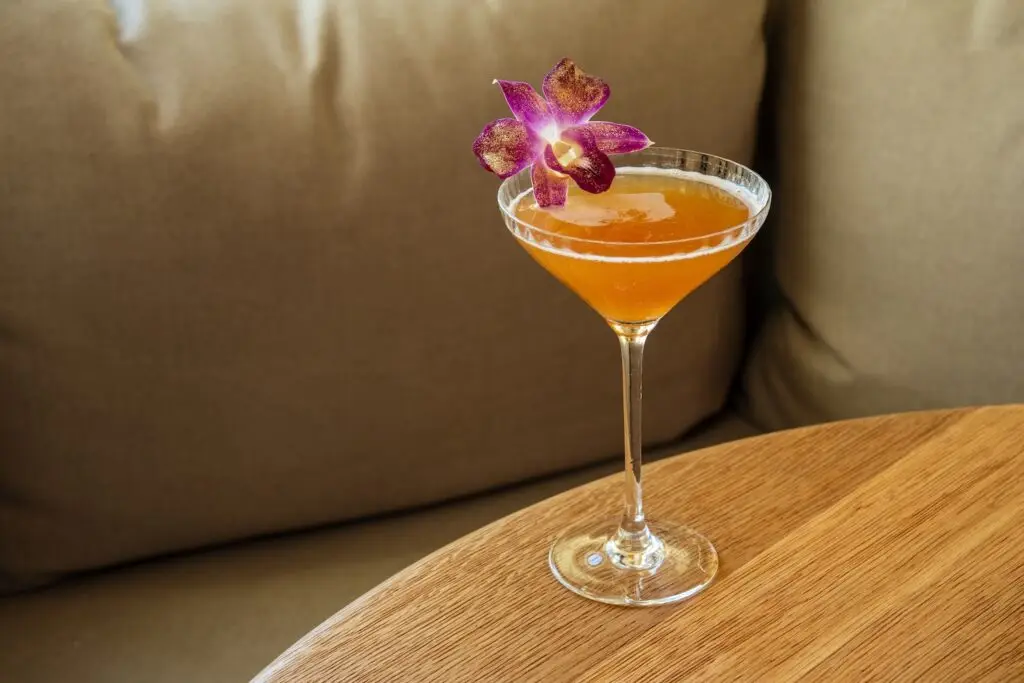
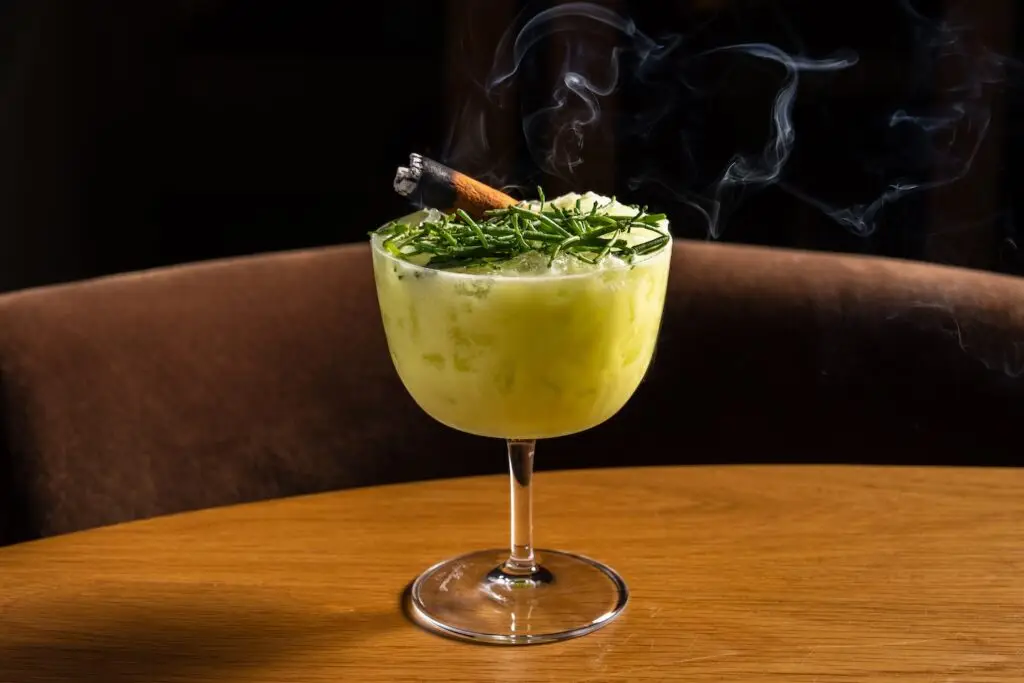
Phillips’ drinks menu uses housemade syrups and fresh-squeezed juices, encapsulating both classic cocktails as well as signature inventions like All That Glitters with Cazadores Reposado, Xila Licor de Agave, Chinola Passionfruit liqueur, vanilla, and lime; Sea Glass with Dewar’s scotch, Haku yuzu vodka, green tea, vanilla, lemongrass, apple, lime, and clarified milk; and The Mariner with Appleton Signature & Reserve Rums, Ron Zacapa 23, Chinola Passionfruit, Aperol, pineapple, lemon and orgeat. Wine pairings are curated by the directors of operations Daniela DiGregorio and Gina Martinez, spotlighting small, organic producers from around the world as well as a selection of high-end Champagnes.
Lara describes By The Sea as “a place to linger together,” with director of hospitality and general manager Heather Roberto overseeing every aspect of the low-key feeling of the space. The restaurant may be European-inspired, but the Hamms say it’s wholly Coronado.
The Hamms moved to the Crown City at the end of the pandemic after years in bustling Little Italy. “Within a few weeks of moving here, we felt the magic,” says Doug. Now, they get to be a part of building it up—CH Projects’ Baby Grand hotel is across the street and the Hotel del Coronado sits just down the block. “We’re happy to be part of the scene, and we hope it continues to grow,” he says. “That’s what makes Coronado so special.”
By The Sea opens August 12 at 1300 Orange Avenue, Coronado. Initial hours of operation are Wednesday and Thursday, 4 p.m. to 11 p.m.; Friday and Saturday, 4 p.m. to midnight; Sunday and Monday, 4 p.m. to 11 p.m.; closed Tuesday. Weekend brunch and extended hours to come soon. (Subject to change.)
Photos Credit: Kimberly Motos


Beth Demmon is an award-winning writer and podcaster whose work regularly appears in national outlets and San Diego Magazine. Her first book, The Beer Lover's Guide to Cider, is now available. Find out more on bethdemmon.com.
After 20 years and thousands of meals as a food critic, San Diego Mag Content Chief Troy Johnson picks the city's top standouts
His ascent has been stealth and humble, which fits the man. When Liberty Station was struggling to convince people it existed over a decade ago, Sicilian chef Accursio Lota’s food at Solare Ristorante was a tractor beam for food people who sniff out hidden talent like truffle dogs. In 2017, he won the World Pasta Championship (a legit competition from global pasta brand Barilla) and struck out on his own, opening his and his wife’s from-scratch pasta trattoria in North Park (Cori Pastificio). Gambero Rosso—the Italian version of Michelin, the most respected source—has clamored for the restaurant since it opened, naming it “New Opening of the Year” and this year giving it their highest award, “Tre Forchette” (Three Forks), only knighted on a handful of US restaurants.
So this year, Lota opened his grandest thing—Dora Ristorante—and it pulls everything together. Steps from San Diego’s world-class theater, La Jolla Playhouse, it’s laden with brass and large-format murals, tile work and mosaics—like the one on the wood-burning oven that blisters, chars, and smokes a good portion of the menu. Their housemade focaccia is a new street drug (try it with the puttanesca, his grandmother Dora’s recipe). The olive oil-cured sardines make “sustainable seafood” and ethics not taste like a compromise. Dora might finally be the one to solve the “where do I eat before the world premiere at LJP” dilemma.

The yuzu-colored building that helped build North Park’s modern food culture is alive again. Years ago, the ornate French Quarter–inspired spot on 30th Street was home to chef Matt Gordon’s Urban Solace (duck macaroni and cheese). Then it laid conspicuous and fallow until a few months ago when Bacari took it on. It’s an LA transplant, but they’re proving forgivable of that trespass. Chef and co-founder Lior Hillel cooked at Jean-Georges before opening the first of this Venetian-style restaurant in 2008 with brothers Danny and Robert Kronfi (Bobby started his food venture with a pop-up dinner series in his college apartment at USC).
For dinner, it’s house-baked bread, crudo and shrimp ceviches, Mediterranean street corn, lamb hummus, shawarma, and glazed pork belly. Weekend brunch is bellinis and French toast and burekas (famed Jewish stuffed puff pastry), and chef Noa’s cauliflower (caramelized with chipotle). It’s Italian-ish with a heavy dose of pan-Mediterranean and Middle Eastern. Doesn’t hurt that they left the iconic exterior as is, adding chandelier-farmhouse insides with charm that echoes two of the city’s dearly departed (Jayne’s Gastropub, Cafe Chloe).

Much tolerance for friends who hate mussels because they look too biological. But if they manage to dislike À L’ouest’s—served over ice with vadouvan curry aioli and chili crisp—then you’ve successfully identified your brokemouth friend and should try bicycling or crafting with them to bond instead of eating in public places. It should be on everyone’s short list for dish of the year.
Chef Brad Wise and his team have earned their rep over multiple concepts—Trust, Fort Oak, Cardellino, Wise Ox, Rare Society. But he’s been eyeing this corner of North Park since before he opened his first (Trust, in 2016). North Park has been rising for a while, and À L’ouest feels like the missing piece—an indoor-outdoor brasserie stunner on the marquee spot of 30th and University, which long sat boarded up and vacant like a neighborhood missing a front tooth.
As with his other concepts, woodpile is king; smoldering red oak boosts the flavor of just about everything. Get the spätzle with braised rabbit, maitake mushroom, secret de compostelle (the famed Basque sheep’s milk cheese), and black truffle. Or the chicken liver parfait with persimmon, fennel aigre-doux (sweet-sour), and chives on toast. Or, like everyone else in there—the steak frites.

Chef Travis Swikard’s first solo restaurant, Callie in East Village, proved how details can make the most composed of us blubber a little in fine places—from citrus left in ovens overnight to blacken and transform, to the Scripps Oceanographic Institute saltwater he keeps his spot prawns thriving in until ordered, to the days-long fermentation and stone-ground dukkah that turn carrot shavings into a statement piece.
Now, he’s focusing on French food with a fitter, less buttery San Diego heart. Fleurette is his doubling-down, a SoCal riff on the food he learned under mentors Daniel Boulud and Gavin Kaysen. The French gave us the mother sauces, and Fleurette showcases the lightest and brightest evolutions. Like the anchoïade on his beef tartare, which uses famed Italian anchovy sauce colatura di alici, mixed with cured egg yolks over tiny, uniform-sized cubes of raw, USDA Prime Flannery beef.
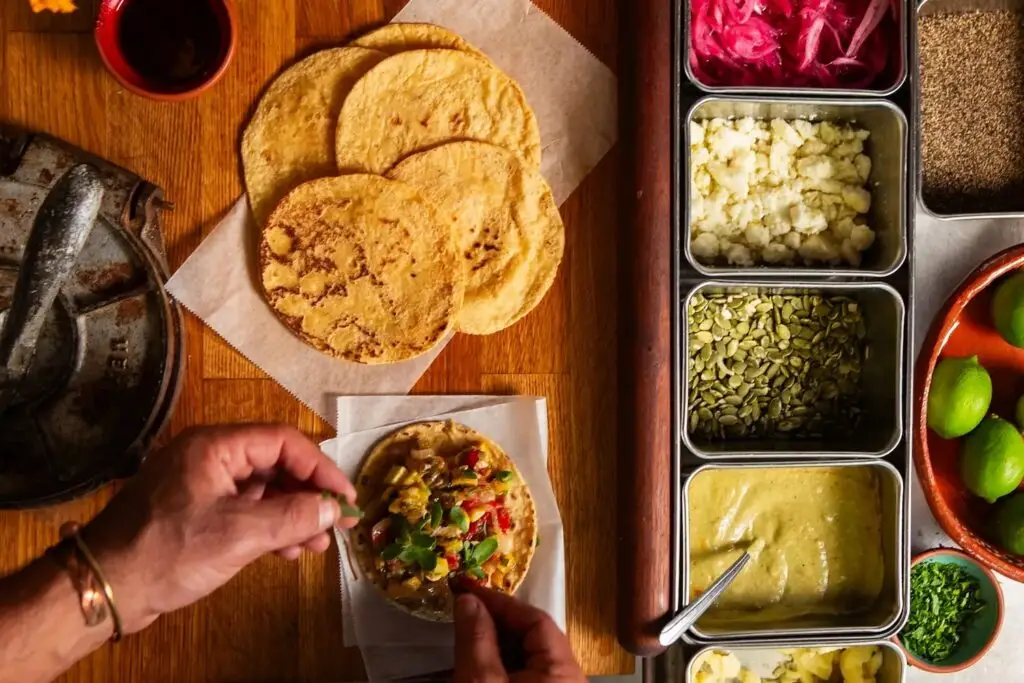
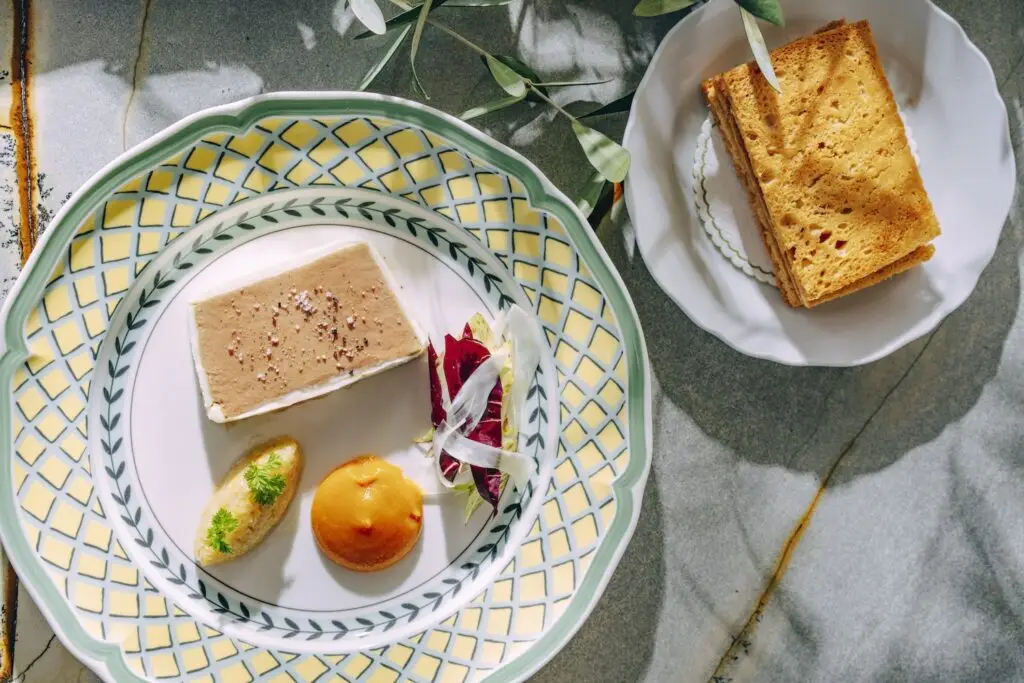
There is soubise (onion sauce), a sauce vierge (tomatoes and herbs), and a fennel marmalade on the duck liver and bone marrow pâté. Although the structure is stunningly pure glass, Fleurette’s in a location—an office park on the edge of La Jolla, near UTC—that few chefs would be able to pull off. But Swikard’s Michelin-bound house of saucework pulls hard.

The Escondido taqueria from Rosarito-born-and-trained chef Juan González and farmer Megan Strom took the county by storm this year. The married couple started as a popup four years ago, hosting farmside dinners before taking up residency at Vino Carta in Solana Beach. Strom was working a small, 5-acre heirloom bean farm in Valley Center owned by Mike Reeske (aka “The Bean Man”) when he retired and sold them the plot.
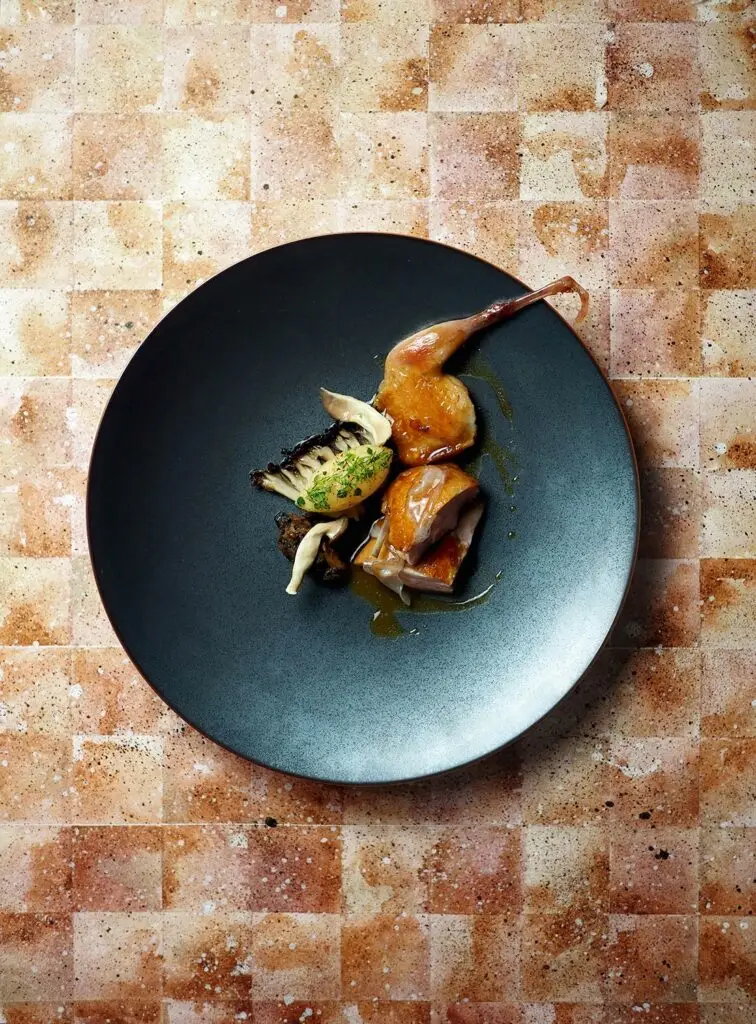
The huge bonus was that the sale included Reeske’s famed collection of beans, curated over 20 years. The couple planted other things and now grow much of what they serve in the form of tacos and burritos at a permanent spot in Escondido: Mesa Agrícola.
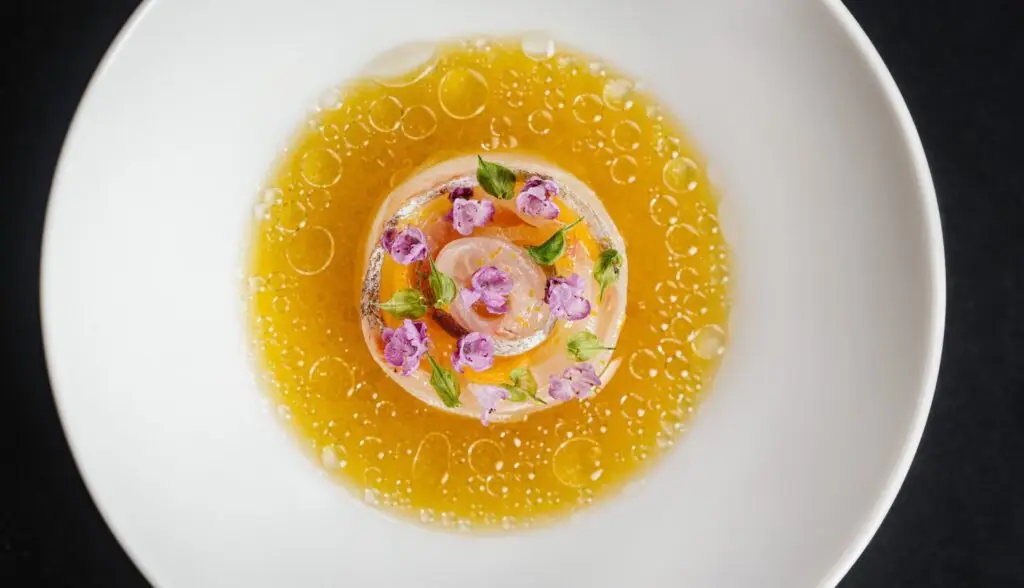
The menu’s bone simple: housemade tortillas in your choice of taco or burrito norteños (which are smaller, like burritos de hielera) that change constantly and often topped with guisados (Mexican braises or stews) like lamb and garbanzo, birria, chicharrón, mushrooms al ajillo, rajas, you name it. And, of course, some of the best beans honoring the local legend of Reeske.

San Diego is now the recipient of national food buzz. The dark ages—during which we learned how to sear ahi and asada some carne and called it a day—felt prolonged, and they were. The problem was never ingredients. San Diego County always had the best raw dinner materials (more small farms per capita than any county in the US, seafood right there); it just didn’t have a critical mass of highly trained chefs to do them justice. Easy to understand the chef dearth.
For a very long time, if you wanted to be a serious chef you had to go to the restaurant superplexes of New York, San Francisco, or Chicago (which imported their raw ingredients from places like San Diego). But now—credit farmers or Alice Waters or Dan Barber or Michael Pollain or the reasonable conclusion that food picked right here tastes better than food picked way over there—some of the most talented chefs are moving to the ingredients, not the other way around.
In San Diego, we got Richard Blais, Swikard, and now Elijah Arizmendi, who cut his teeth in Vegas with Joel Robuchon (plus Boulud and Thomas Keller) and was chef de cuisine at NYC’s L’abeille when it got its first Michelin star. His debut restaurant in La Jolla—with partners Brian Hung and Melissa Yang—is a dark, moody multicourse tasting-menu hideaway with one of the best egg dishes in the city.
Troy Johnson is the magazine’s award-winning food writer and humorist, and a long-standing expert on Food Network. His work has been featured on NatGeo, Travel Channel, NPR, and in Food Matters, a textbook of the best American food writing.
We asked, you voted, and food critic Troy Johnson chose his favorites—these are the top food and drink people and places in the city
Some keep lists of favorite books, of quotes, of enemies whose time shall come. At SDM we keep vast, nuanced, hotly debated lists of the best food and drink in the city. Menus are our smut novels. From Michelin stars to mom and pops, our list constantly evolves over hundreds of new bites tried every year. Here’s the 2026 list from food critic Troy Johnson and 129,000-plus votes from our readers, who really, really know their food.
Troy Johnson is the magazine’s award-winning food writer and humorist, and a long-standing expert on Food Network. His work has been featured on NatGeo, Travel Channel, NPR, and in Food Matters, a textbook of the best American food writing.
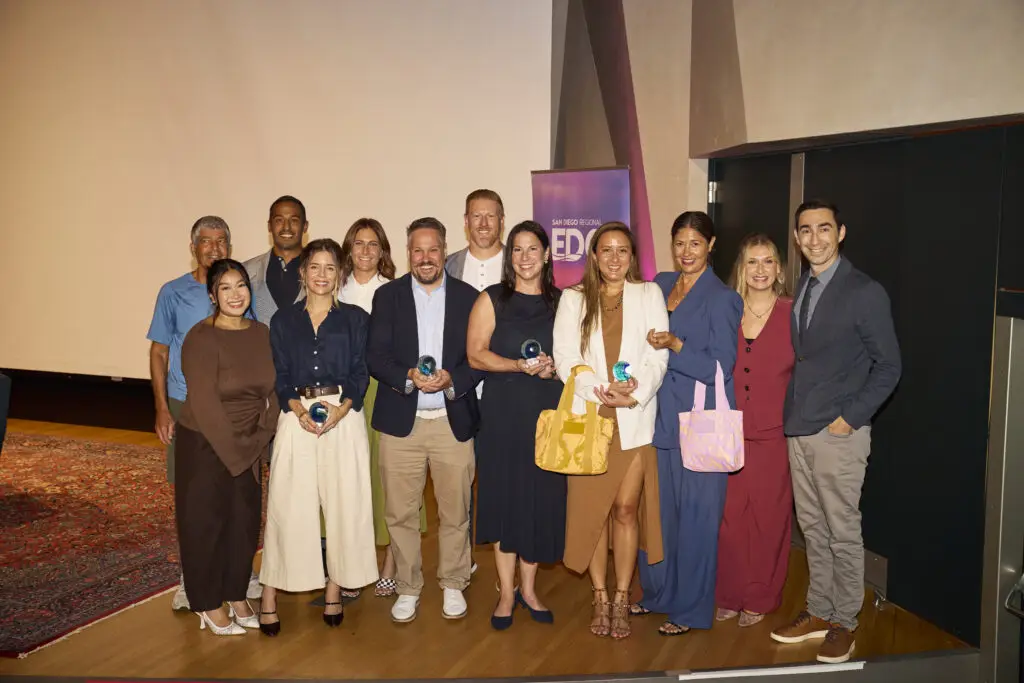
This month, the 2026 San Diego Business Impact Awards recognized local businesses making an impact in clean energy, biotech, hospitality, and beyond
Renewable energy companies building hundreds of power plants. Biotech startups using artificial intelligence to create personalized medicine for children with rare diseases. Hospitality companies quietly powering thousands of local events. Consumer brands growing from beach-town startups into national businesses. These are the kinds of companies driving San Diego’s economy today, and the businesses recognized at this year’s San Diego Business Impact Awards offer a snapshot of where the region is headed.
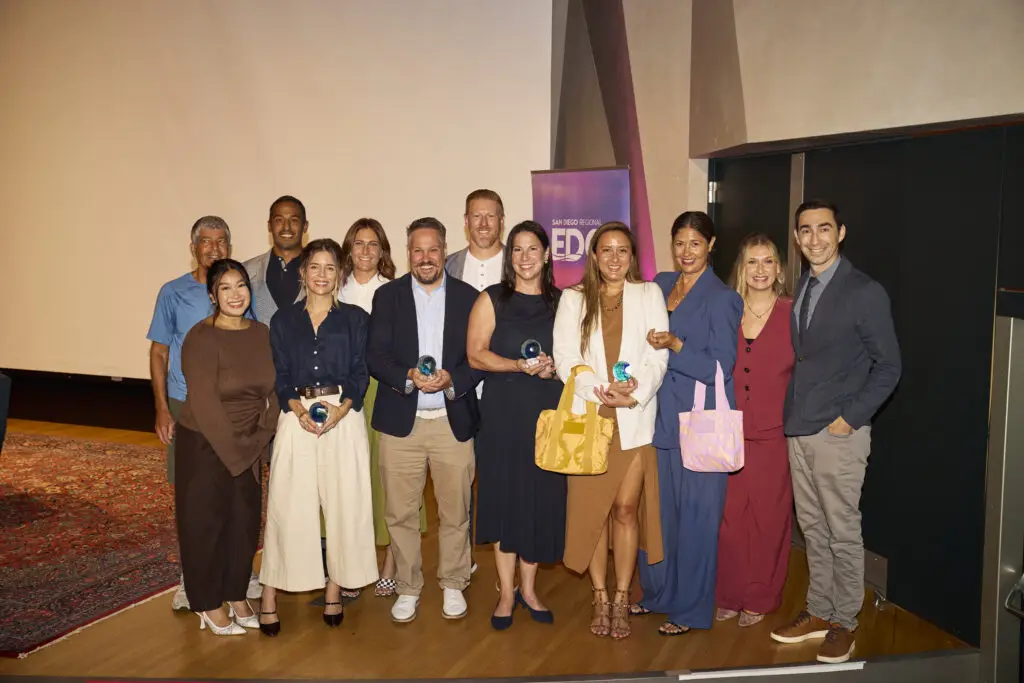
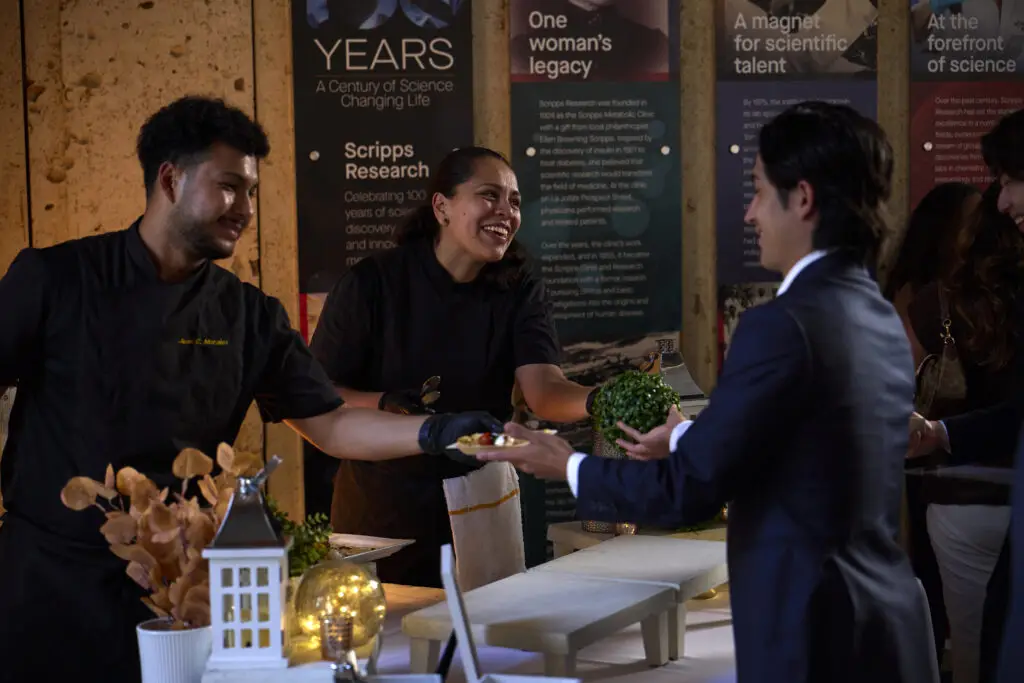
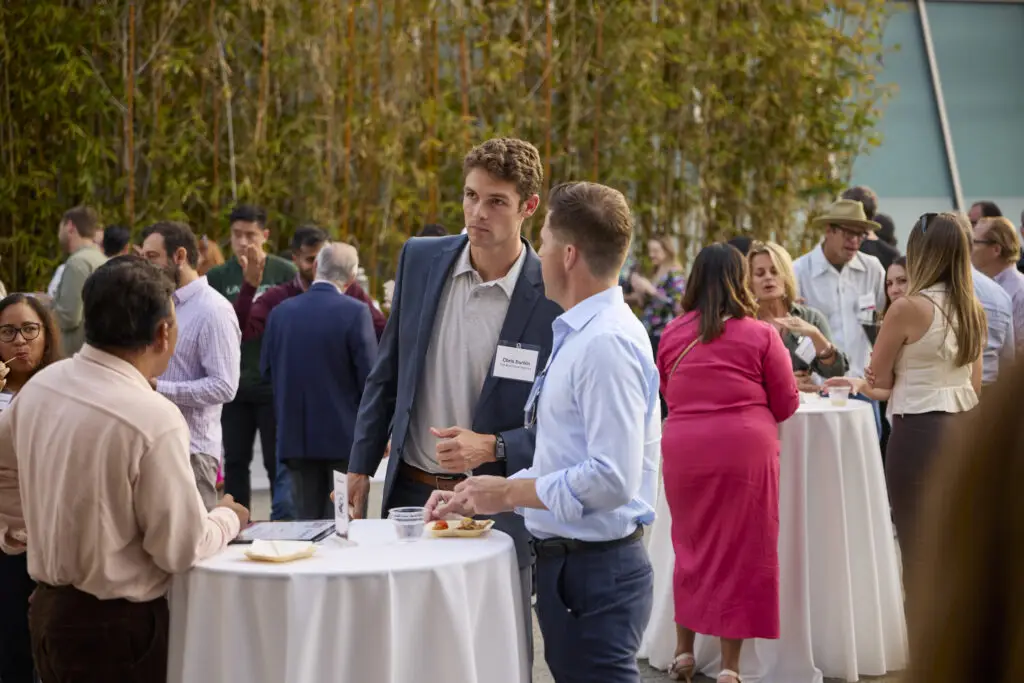
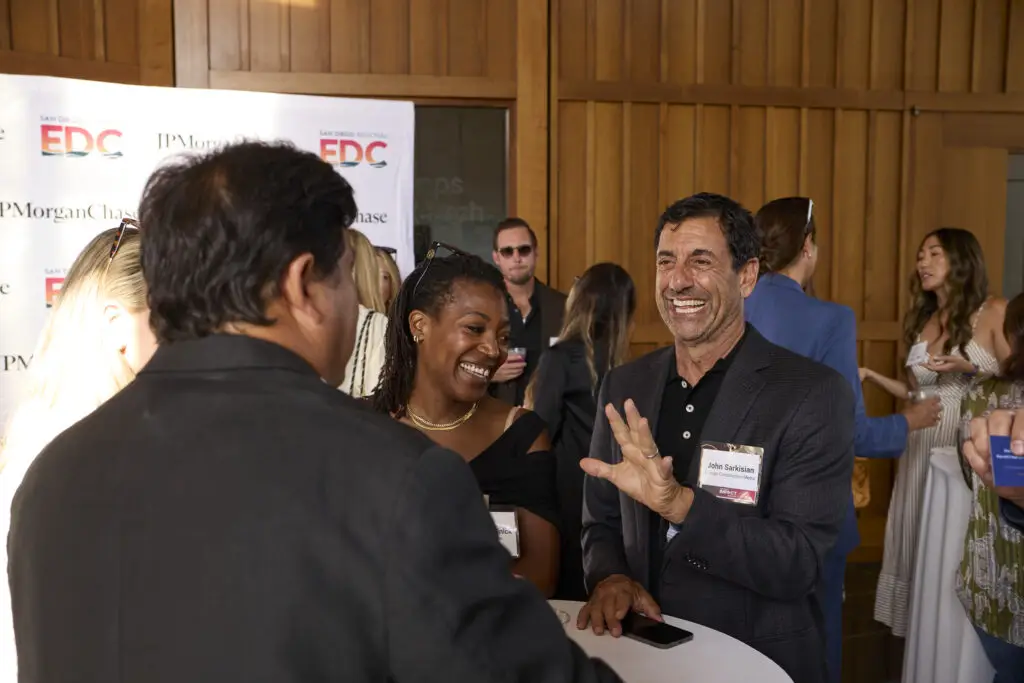
Hosted July 23 by San Diego Regional Economic Development Corporation (EDC) and JPMorganChase, the second annual awards event honored four local companies for innovation, growth, and economic impact. More than 100 nominations from San Diego’s middle-market businesses were reviewed by a 10-person judging committee, with winners selected across four categories: startup, early-stage innovator, rising star, and established heavyweight.
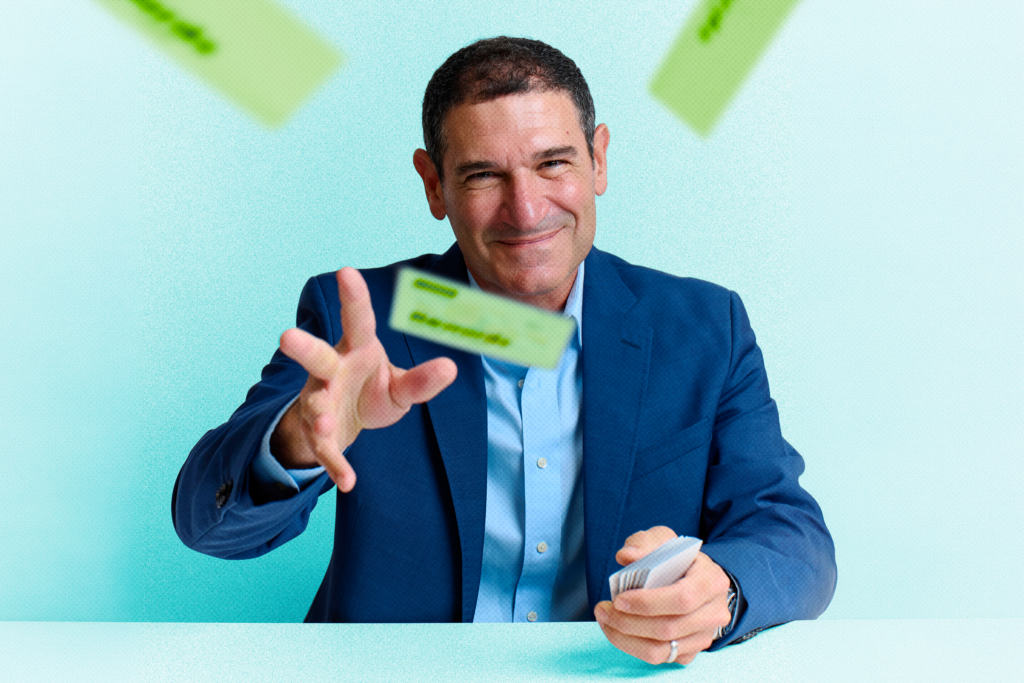
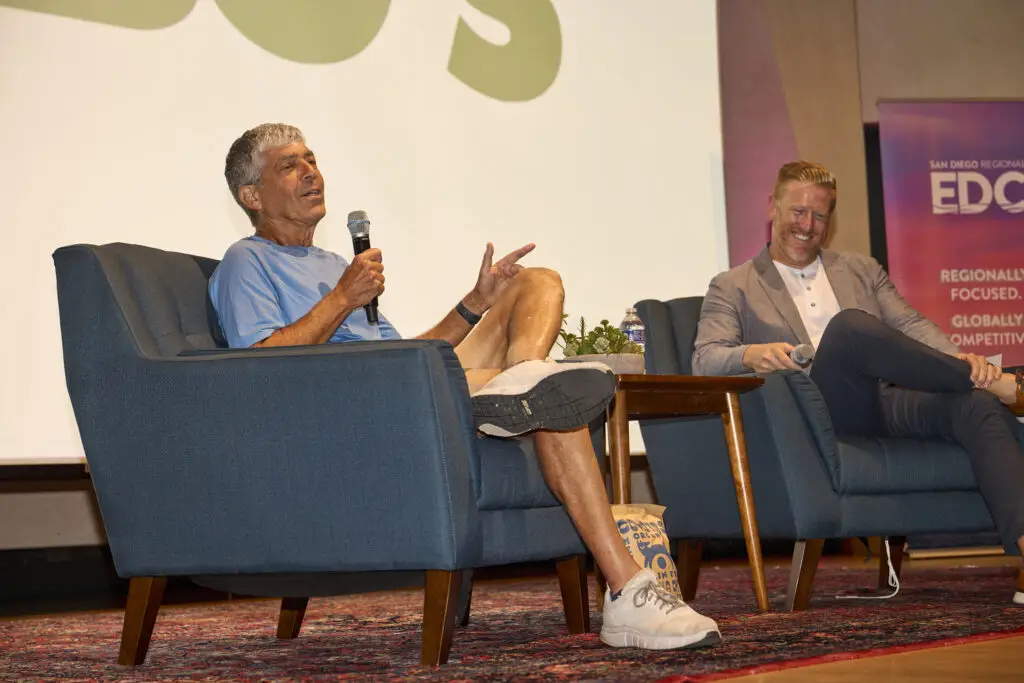
Two-time honoree Jimbo Someck, founder of Jimbo’s organic grocery stores, also joined the event for a fireside chat on buying local, supporting emerging brands, and giving back to the community.
“San Diego’s strength comes from its makers and builders—the resilient people who endure great risks and overcome obstacles to build and scale a company,” says Aaron Ryan, San Diego Region Manager and Middle Market Banking at JPMorganChase & Co. “These awards aren’t just recognition; they spotlight the talent, grit, and innovation shaping our region’s future. By celebrating those who create and build, we foster connections and fuel the growth that keeps San Diego thriving.”

Heavyweight honoree SOLV Energy has grown alongside the country’s rapid investment in renewable power. “It’s an exciting time for SOLV Energy as we are experiencing significant growth,” says CEO George Hershman. “The business has doubled over the last year and has almost double-digit growth since its inception.”
The Rancho Bernardo-based company designs, builds, operates, and maintains utility-scale solar and energy storage facilities. Since its founding in 2008, SOLV Energy has built more than 500 power plants.
Growth has translated directly into hiring. About 200 employees work from the company’s local headquarters, including roughly 20 interns. “Our intern program is a big part of the way that we grow our workforce,” Hershman says. “Last year, 43 percent of our interns became full-time employees. We believe San Diego is a great community to build and grow a high-tech infrastructure and technology company because of the incredible workforce—the ability to attract top talent and draw from world-class universities.”

Startup honoree La Jolla Labs is tackling one of medicine’s biggest challenges by developing personalized RNA therapeutics for patients with rare diseases—many of them children with neurological disorders like ALS. Using proprietary artificial intelligence and machine learning tools, the biotech company develops treatments tailored to each patient’s specific genetic mutation.
CEO Tamar Grossman says the recognition reflects how far the company has come despite limited resources. “We’re honored to be recognized for our ability to change and save patients’ lives and turn our lean startup into a clinical company with very minimal resources,” she says.
Grossman credits San Diego’s concentration of research institutions—including UC San Diego, the Salk Institute, and Scripps Research—with creating a pipeline of talent and collaboration. “San Diego is one of the world-leading centers for technology, genomics, and RNA therapeutics,” she says. “We have over 30 RNA therapeutics companies here, and we support each other and help with anything related to drug discovery.”
She says that collaborative spirit extends beyond formal partnerships. “You can walk around Torrey Pines, go into a café, and find colleagues from the industry and have an ad hoc conversation,” Grossman says. “That’s something very unique to San Diego.”

While Snake Oil Venue Company may not be a household name, chances are many San Diegans have attended one of its events. The early-stage innovator honoree has expanded from beverage catering and mixology consulting into venue management, operating Julep Venue in Mission Hills, Bramble Bay Venue in Imperial Beach, Vesper Venue, the Chapel at Liberty Station, and five outdoor venues throughout Liberty Station—more than 500,000 square feet of event space altogether.
“We do a lot of launch parties for corporations and new products,” says CEO Mike Esposito. “I really like working on the entrepreneur side of things, where new businesses are entering the San Diego market and looking to make a splash.”
Snake Oil has executed more than 16,000 events, employed more than 1,000 people, and partnered with more than 900 local vendors, including caterers, florists, photographers, entertainers, and other hospitality businesses. The company also works with many of San Diego’s nonprofits, museums, and cultural institutions. “We get to celebrate people’s most important moments,” Esposito says. “Whether that’s a wedding, celebration of life, or quinceañera, we’re fortunate to be involved in the community in so many different ways.”

Rising star honoree ALOHA Collection is proof that a simple idea can grow into a thriving company. Founded by two roommates who wanted a better way to carry wet swimsuits after a day at the beach, the lifestyle brand has grown into a business while maintaining strong year-over-year growth.
Now headquartered in Carlsbad, ALOHA Collection employs more than 100 people and operates its California flagship store in Encinitas, which is slated for a remodel. With roots in Hawaii, the company is known for its lightweight, splash-proof travel bags that have become a familiar sight on beaches in San Diego and beyond.
“‘Aloha’ is part of our name, but it’s also how we move through the world,” says CEO Lynna Barnard. “It’s how we show up for people, the way we travel, the way we give back.” Since day one, the company has maintained a 5 percent giveback to Hawaii conservation efforts, contributing millions of dollars over the years.
“I think what’s so inspiring about ALOHA Collection, and the founders in particular, is when you dream big, those dreams can come true when you work hard and trust in the universe,” Barnard says. “It’s inspiring to be a role model for other people wanting to start businesses from humble beginnings. Start small and watch it grow.”
Together, businesses like these form a cornerstone of San Diego’s economy—not only through the jobs and revenue they generate—but through the local workers they hire, vendors they support, and investments they make in the region. Their growth doesn’t happen in isolation; it ripples outward, strengthening the broader business community and the people who call San Diego home.

The Latin-inspired restaurant melds Venezuelan and Mexican influence with Southern California culture
John Lennon believed all you need is love, but one restaurant team wants to provide guests with love and magic. This June, Shawn Seaman, Mike Mayaudon, and Ryan Mencik will open Amor y Magia (“love and magic”) next to Little Victory Wine Bar in Carlsbad.
The group has been working on the concept for two years, building a Latin American–inspired menu that takes cues from Mencik’s Filipino and Mayaudon’s Venezuelan heritages, as well as San Diego’s proximity to Mexico.
Spain colonized the Philippines from 1565 to 1898 and Mexico from 1521 to 1821, leaving a deep influence throughout both countries’ cuisines. “I want to balance tradition with creativity by honoring the roots of Latin America and Latin cuisine, but also pushing the boundaries with experimentation,” says Mencik, Amor y Magia’s executive chef.
The group’s past projects, Same Same in Carlsbad and Good Enough Cocktail Club in Little Italy, give a taste of that boundary-pushing ideology. (One is a proudly irreverent technicolor Thai-fusion extravaganza, while the other is a listening bar cosplaying as a tattoo studio and pleasantly affordable cocktail lounge. Both are worth a visit.)

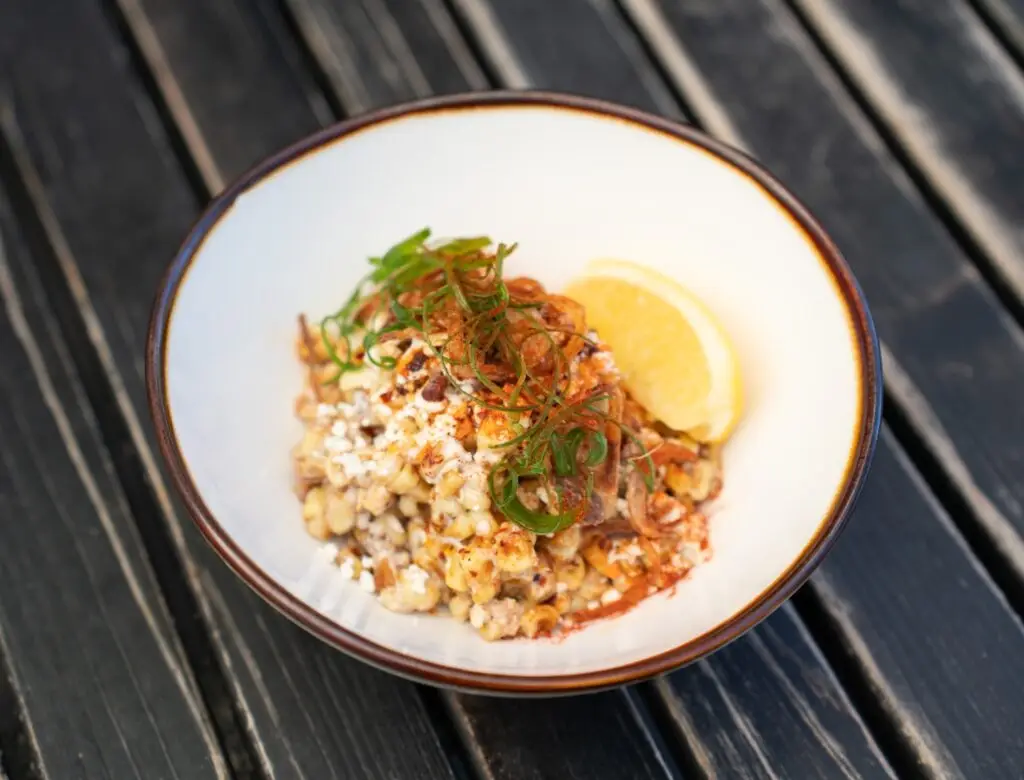
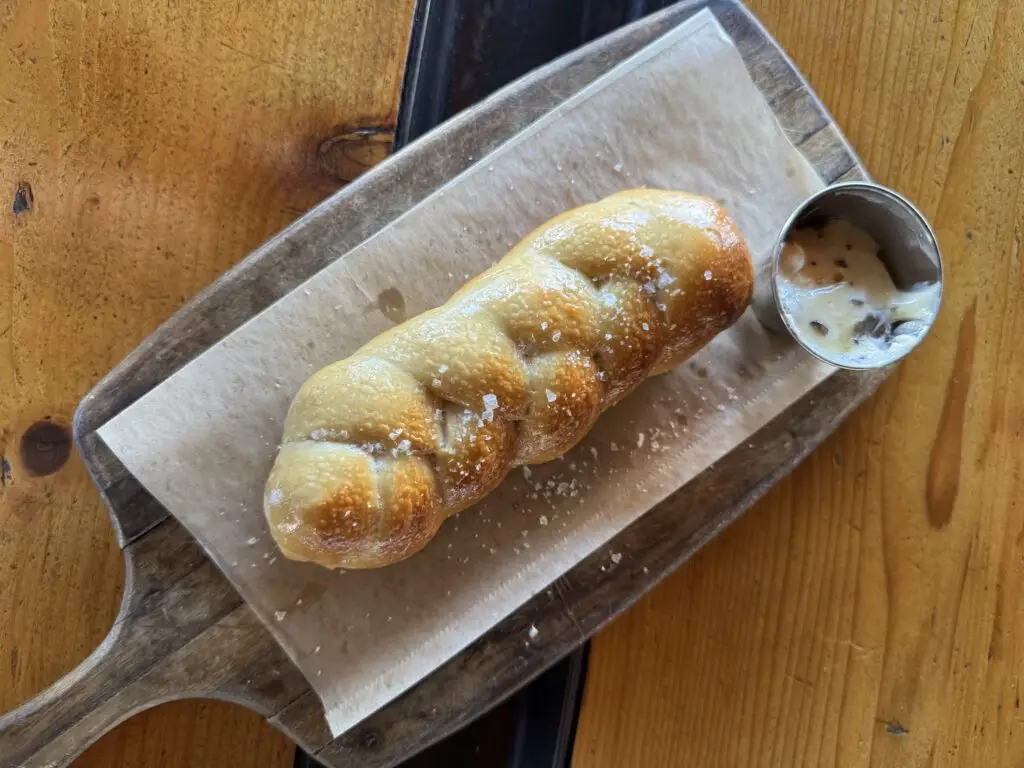
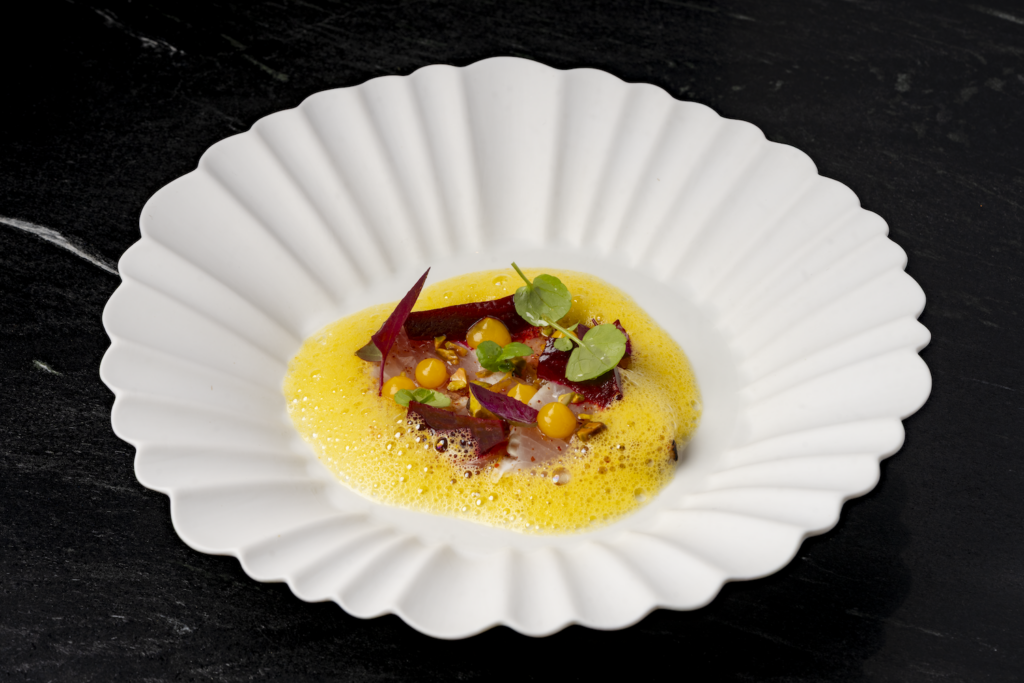
Amor Y Magia’s menu will include a rotating raw bar with fish crudo and ceviche caught by local fishermen, as well as a few salads and sides like elote, pao de queijo (small Brazilian cheese rolls made with Oaxacan cheese, garlic aioli, and chives), and tajadas (fried plantains with nata, a sweet dairy cream, and queso llanero, or “cowboy cheese.)”
Since most Latin American cultures prize the ritual of gathering together as much as the food itself, Mencik says the menu will lean on shareable plates—around seven or eight starters and entrees, a few of which come directly from his and Mayaudon’s childhoods.
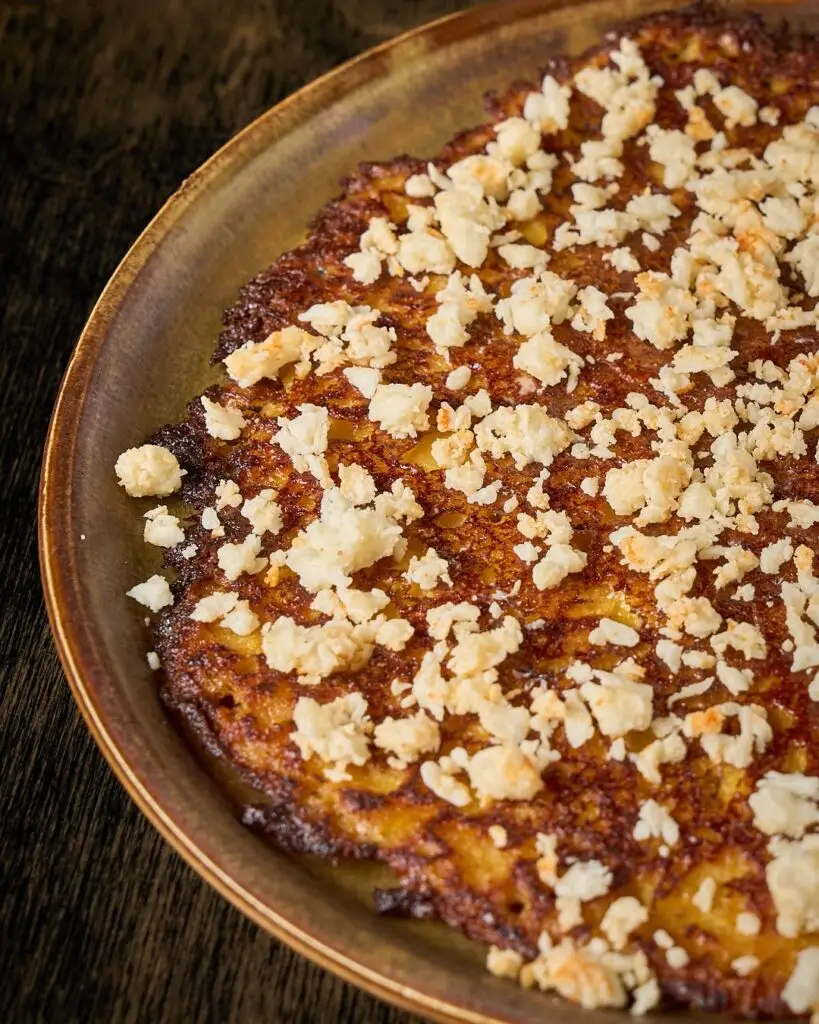
“The dish that I’m most excited about is a dish that I grew up eating when I was a kid—and you don’t really find it anywhere around here. It’s called a cachapa,” says managing partner Mayaudon. “A cachapa is like a corn savory pancake, usually topped with queso de mano.” Queso de mano is a soft, fresh cheese from Venezuela with a mild flavor similar to mozzarella.
Over the past two decades or so, people have begun folding the cheese in the middle, but he prefers it the more traditional style—the pancake served flat, with butter and cheese on top. “We’re still working out whether or not we want to add the pork to it, but for me, that’s a great core item.”

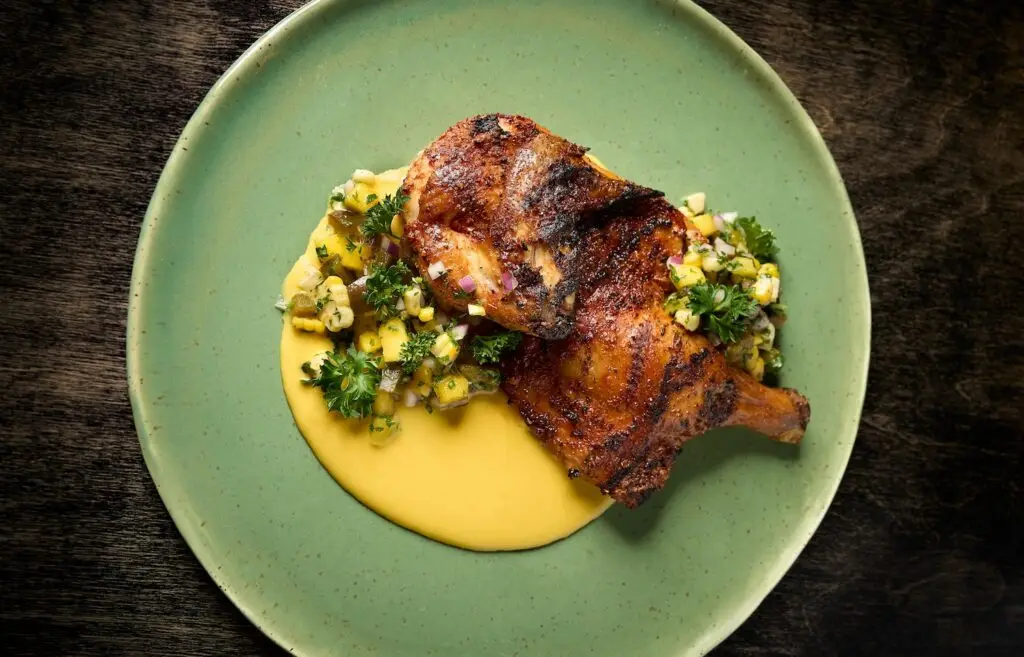
Mencik points to the grilled half chicken dish as one of his highlights, served with pickled mango, jalapeño, bell pepper, lime, Merkén (a traditional Chilean spice blend with salt, toasted coriander, and smoked cacho de cabra chili peppers) and humita (an Argentinian corn purée). Despite Merkén’s popularity in Chile, the team hasn’t been able to source the chili peppers in the US. So, they’re currently growing their own—around a 100-day process, he estimates.
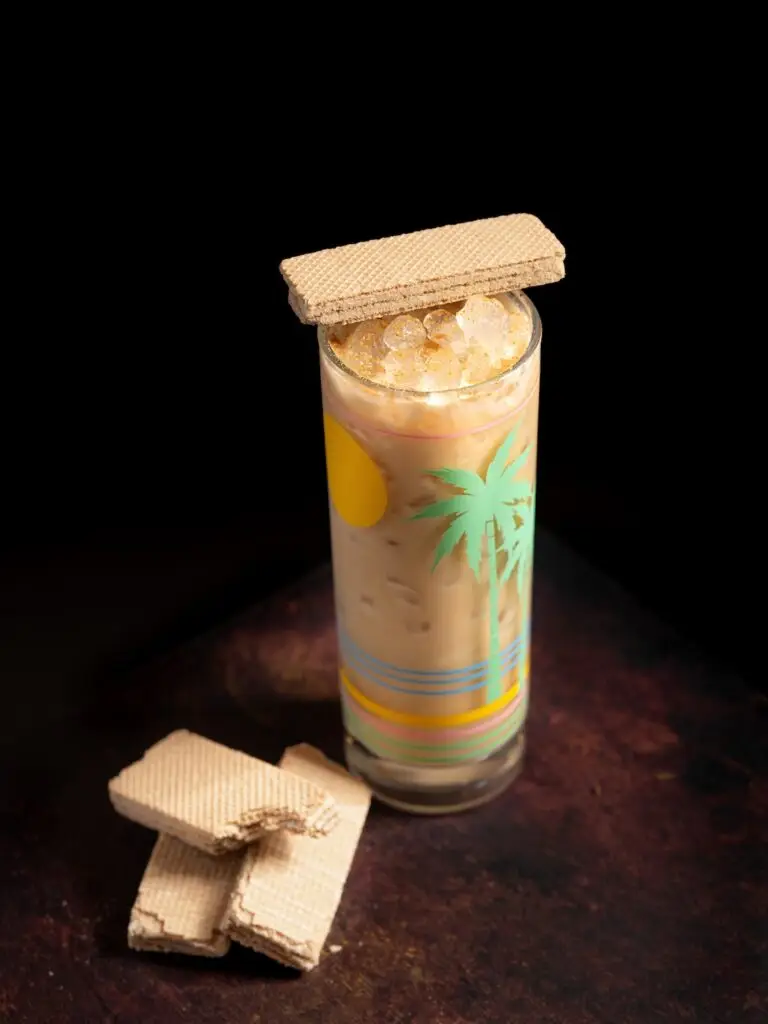
Amor Y Magia’s beverage program falls under a similar fusion theme, with plays on traditional cocktails like Jaguar’s Milk, which riffs off a Brazilian Batida de Coco, or house-made Peruvian chicha morada, with purple corn, fruit, spices, and Oaxacan whiskey. Seaman, who will be the general manager as well as a managing partner with Mayaudon, adds they also plan to have a global wine list that extends beyond Spanish and Latin American wines, with selections from California, France, and beyond.
Most of the tables in the gothic, Spanish Revival-inspired restaurant are on the covered patio, which seats 60 guests. Inside, there’s a 12-person bar and four-person chef’s counter. Amor y Magia will feel different from their other projects—intentionally, Seaman says. “Our goal is to open a bunch of different places with different vibes and different settings,” he says. With some luck, and maybe some magic, this is just the start for the team.
Amor Y Magia opens at 505 Oak Avenue, Suite C in mid-June 2026. Initial operating hours will be Monday through Saturday, 4 p.m. to 10 p.m. (subject to change).
Listen Now: The Latest in San Diego’s Food and Drink Scene
Have breaking news, exciting scoops, or great stories about new San Diego restaurants or the city’s food scene? Send your pitches to [email protected].
Beth Demmon is an award-winning writer and podcaster whose work regularly appears in national outlets and San Diego Magazine. Her first book, The Beer Lover's Guide to Cider, is now available. Find out more on bethdemmon.com.
SDM's Chef of the Year opens his big French idea and ultimate dream restaurant in La Jolla
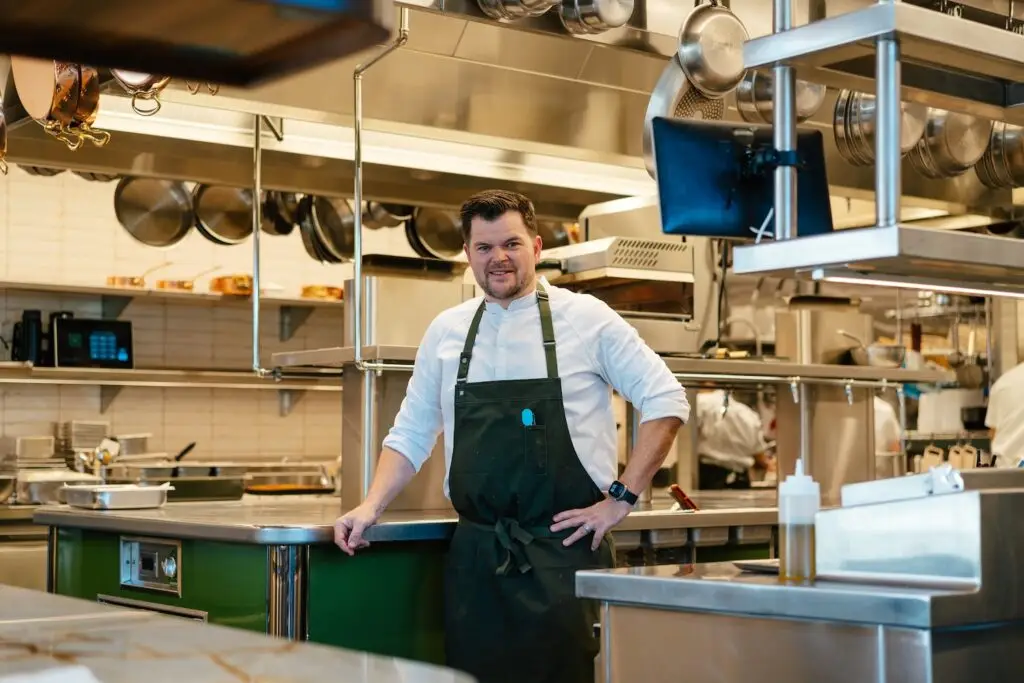
The day I spoke to chef Travis Swikard, his furniture had been stuck at the border for weeks. Upholstery detained, a uniquely modern snag. The biggest restaurant opening of Swikard’s life was a couple days away, and there were gaping holes in his dining room where the sort of significant, vibe-defining furniture would go. There are many reasons people enjoy restaurants, but sitting is one of them.
“This project has tested our patience in every way,” he says. “But we figure it out.”
Add to that a broken foot. He smashed it the day before Thanksgiving. Dropped an employee locker on it. He spent the next day not getting a cast and justifying whiskey as therapy. Instead of going to the ER, he worked a full holiday shift at his first restaurant, Callie, the one that made his name in San Diego.

Swikard has that old (and endangered) grin-and-bear-it nature—no doubt at least partly seared into him by the restaurant world he came up in. He learned in some of the world’s most revered kitchens under some of the most devout, old-school chefs. The only promise for a young, serious cook was that the work would be grueling, highly instructive, repeatedly humiliating, and character-building.
Swikard got all that and some restaurateur renown as well. Fleurette in La Jolla is the restaurant that should put him on the national stage for good. He’s already there, but the cement’s still wet.
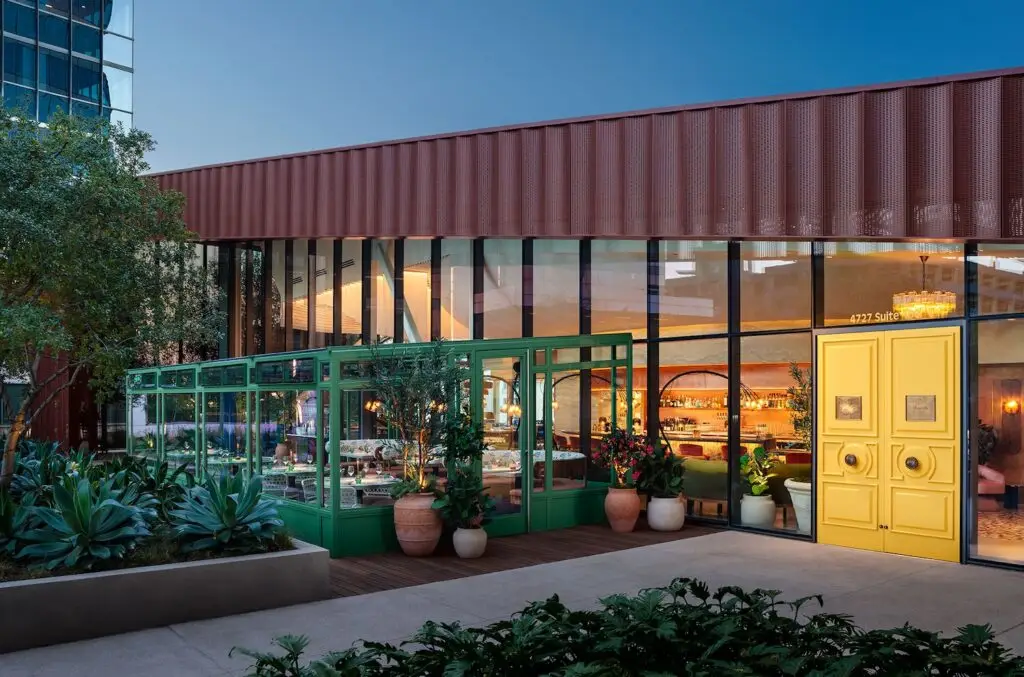
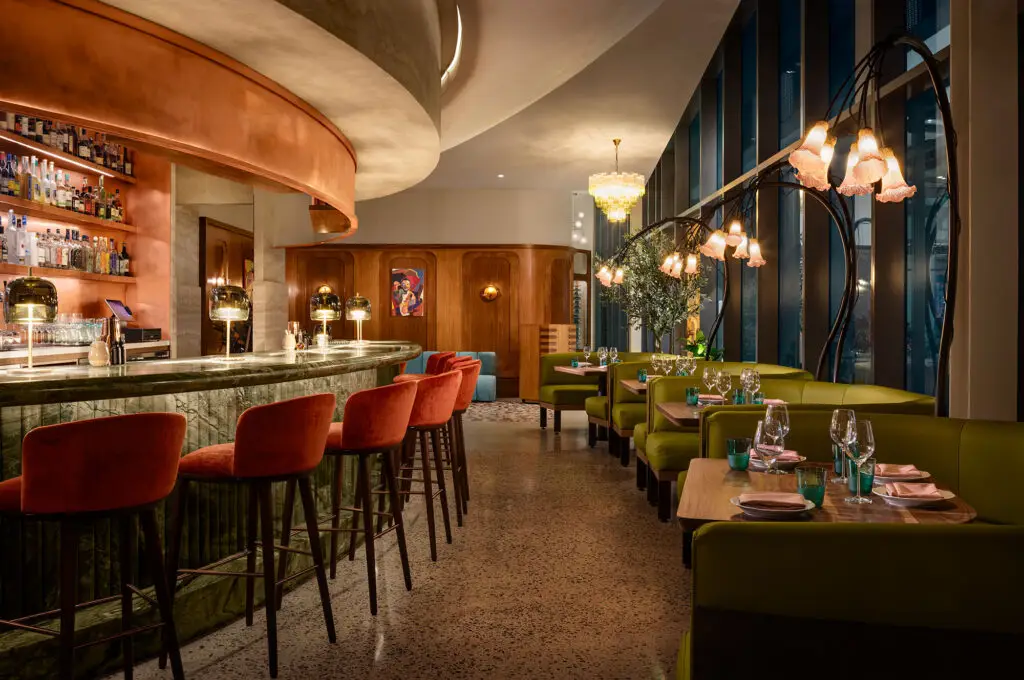
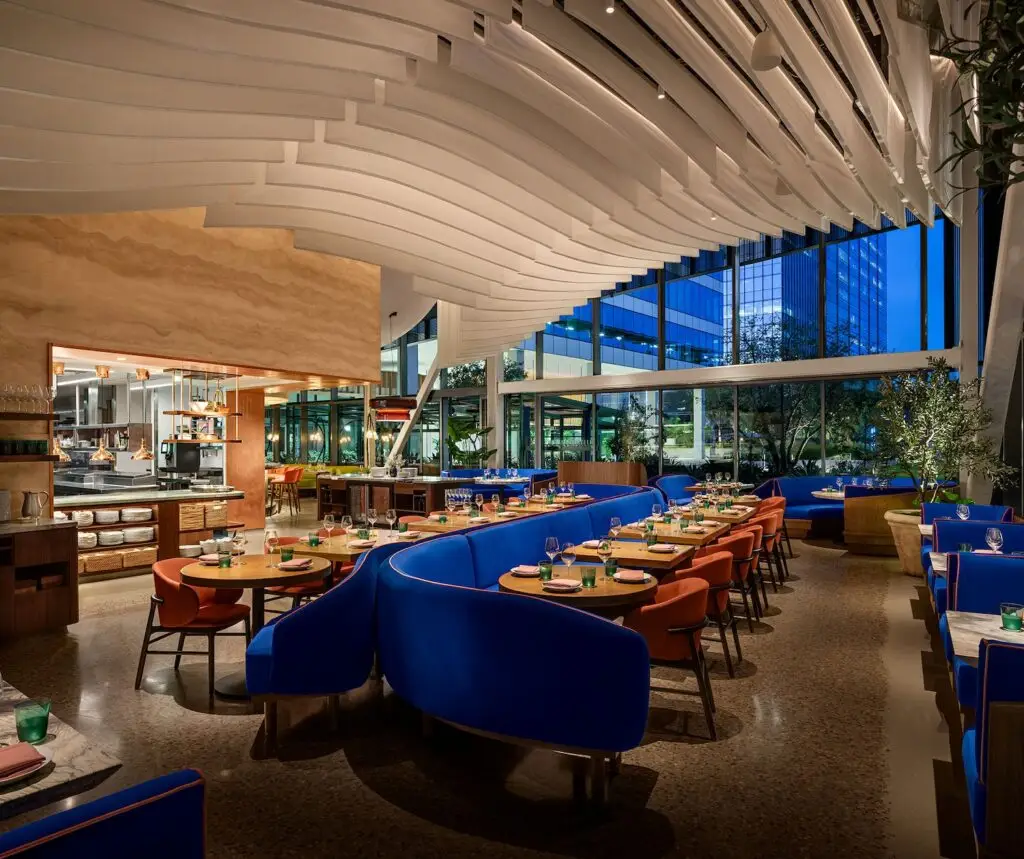
The final pieces of furniture finally cleared customs a month after opening. Fleurette is the peacock at the base of La Jolla Commons—a LEED-Platinum glass tower filled with enterprises in finance, life science,and capital-L law. Now, it also houses a deadly good beef tartare in anchovy sauce and a cocktail that tastes weirdly like a refreshing pesto. Once you get lost trying to park, walking through the Commons’ immaculate courtyards makes you want to throw a few bucks at cryptocurrency, cure cancer, and work up a hunger for gougères with 21-month Prosciutto di Parma and black truffle fonduta.

For the latter, search for the yellow doors. Among all the very official, floor-to-ceiling glass, those doors look like a portal to a wonderland where Alice is sharing suspect tea with Aldous Huxley.
Swikard’s concept here is a southern French one, built on the “cuisine du soleil” movement that’s credited to legendary French chef Roger Vergé. Vergé opened his restaurant Moulin de Mougins in a village near Cannes, the famed coastal town in Provence (in the southeast corner of France). While the rest of France was cream-and-buttering its way to culinary glory, here was this village chef cooking light, fresh, seasonal fare (mostly seafood) dressed with olive oil and herbs. His bouillabaisse was the stuff of legends. In many ways, cuisine du soleil was mere practicality: Provence is mainly cliffs, and it’s hard to raise a dairy cow on a cliff.
“This is the way I’ve been cooking my whole life,” Swikard says of what he’s doing at Fleurette. “I feel like classic is the new nouveau.”

Let’s back up.
Born and raised in Santee, Swikard did what most chefs with big dreams do—headed to Europe for a bit and wiggled his way into the doors of the greats, like bad-boy Marco Pierre White. Then he went to New York to serve as a chef de partie (station-specific cook) at Café Boulud, a Michelin-starred spot from one of the most renowned French chefs in the world, Daniel Boulud. There, he worked under Gavin Kaysen—a former San Diego chef who was Boulud’s right-hand. After Kaysen’s departure (to Minneapolis to become a regional food capo with James Beard Awards and multiple restaurants, most famously Spoon and Stable), Swikard became Boulud’s go-to guy and culinary director.
Finally, thanks to San Diego restaurateur David Cohn, Swikard came home in 2019. Cohn (who is a semi-secret investor in what feels like a vast majority of boldfaced San Diego restaurants) had visited Boulud Sud and eaten Swikard’s food. He offered to financially back a restaurant for Swikard if he returned and built it in San Diego. Not a Cohn restaurant—a Swikard restaurant, run by Swikard and his team, including his operational partner Ann Sim (formerly of Eleven Madison Park) and his wife Mia.
Swikard agreed. When Callie finally opened in 2021, it was the closing of a circle, since Cohn’s business partner—chef Deborah Scott—had given Swikard his first restaurant job as a line cook 20 years prior at Kemo Sabe in Hillcrest. Cohn and Scott are integral partners in Fleurette, as well.
Here’s the important part: Callie had been scheduled to open long before it did. Due to a prolonged global shitshow that included wet bats, bleach shooters, and an ideological cage match between politicians and scientists, it was delayed. That delay was at least the partial key for just how special Callie became. Swikard spent that awkward couple of years going to meet farmers, fishers, ranchers, small shop owners, and people tinkering with rare foods in San Diego garages.

This is why boat captains will call Swikard to report they’re pulling up to the dock with a line-caught bluefin. They’ll bring it to his back door. At Callie, he serves what looks like a heap of damn carrot shavings—pre-compost as fine dining. Except, instead of shoving that fresh tussle down the garbage disposal, he pickles and ferments it for days and tosses it with a housemade burnt-orange cashew cream (he slow-bakes an orange until it’s charcoal-colored, and the flavor is wild) and a house-ground dukkah. He keeps his spot prawns (a California delicacy) in a tank of perfectly calibrated seawater that he gets from Scripps Institution of Oceanography and only ends their journey when they’re ordered (most restaurants will kill them, then store them in the walk-in, which does some mushy damage to the texture).
The point of all this Callie talk is to note the iceberg of process under what looks like simple dishes, which also happens at Fleurette. Swikard tends to source raw ingredients from people as obsessive as he is. Consider the anchoïade sauce for Fleurette’s tartare. The key is colatura di alici, a revered Italian fish sauce made by resting layers of anchovies and salt in a barrel for months. He adds just enough (fish sauces are like cologne—a dab is perfect and two dabs are a public menace). It’s mixed with a confetti of egg yolks (cured, which means they’re rubbed with salt and sugar and rested until they become a firm umami bomb that can be shredded like golden Parm). Both explain why what looks like a pretty simple pile of raw beef (albeit the very best beef, from Flannery, one of California’s most sought-after first families of beef, known for USDA Prime Holstein cuts with a snow-flurry of marbling) tastes so wildly alive.
At Fleurette, the sauce work is textbook heritage—from soubise (onion) to vierge (tomatoes and herbs) to garlic persillade and a fairly mind-blowing fennel marmalade Swikard serves with a duck liver and bone marrow pâté (when foie gras became the PETA homing beacon of the restaurant world, he learned how to replace foie’s trademark fatty magic with marrow).

His kitchen setup is the same one that Daniel Boulud has in New York—a French Athanor, the Aston Martin of chef suites with all the bells, whistles, and flux capacitors (“We clean it with fresh lemon juice every night,” Swikard says). But the classic French in him meets the San Diego lifestyle in him here. The ingredients are mostly local (A-list produce is chief among the reasons to be a chef in this county, since it has more small farms per capita than any other in the US and the growing seasons are laughably long).
“[Boulud] would buy all the best produce from across the world,” Swikard once told me. “So, every morning I’d come in and see the boxes of produce, and every time, on the side of the box it said, ‘San Diego.’”
There’s not much gluten on the Fleurette menu, nor dairy. It’s classic French food with fewer naps—more olive oils and poached fish than heavy cream and fat-bathed proteins.
“People think French food is heavy and rich,” Swikard says, echoing French predecessors who introduced nouvelle cuisine and cuisine minceur (“slimming cooking”), both styles based in less unctuous takes on the mother sauces. “Fleurette is not rich. It’s lighter, brighter, cleaner—the way I like to eat.”

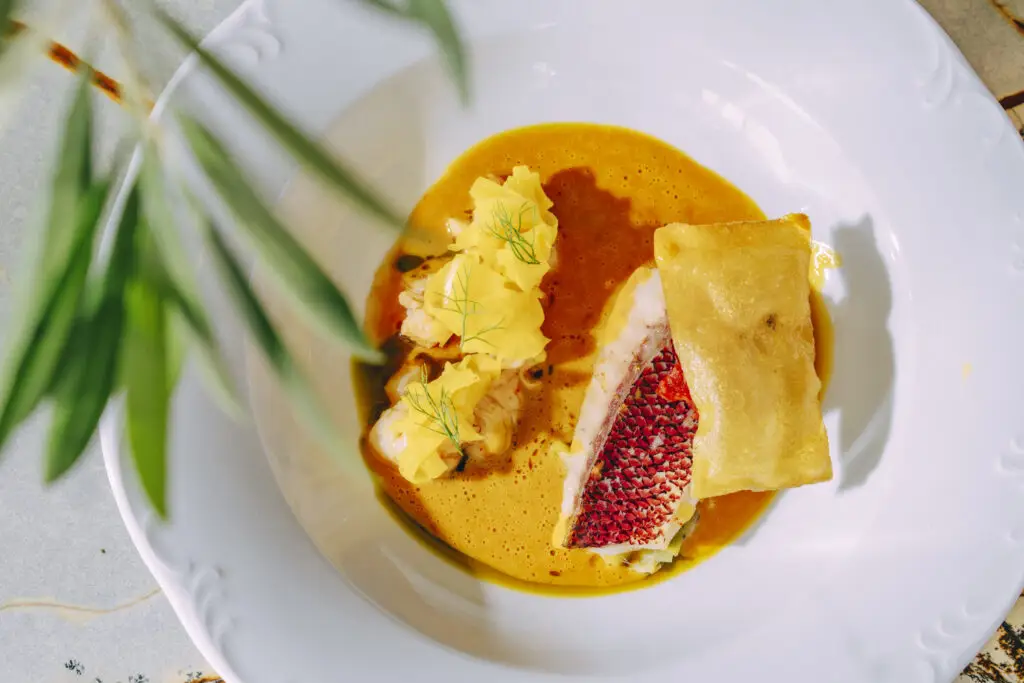
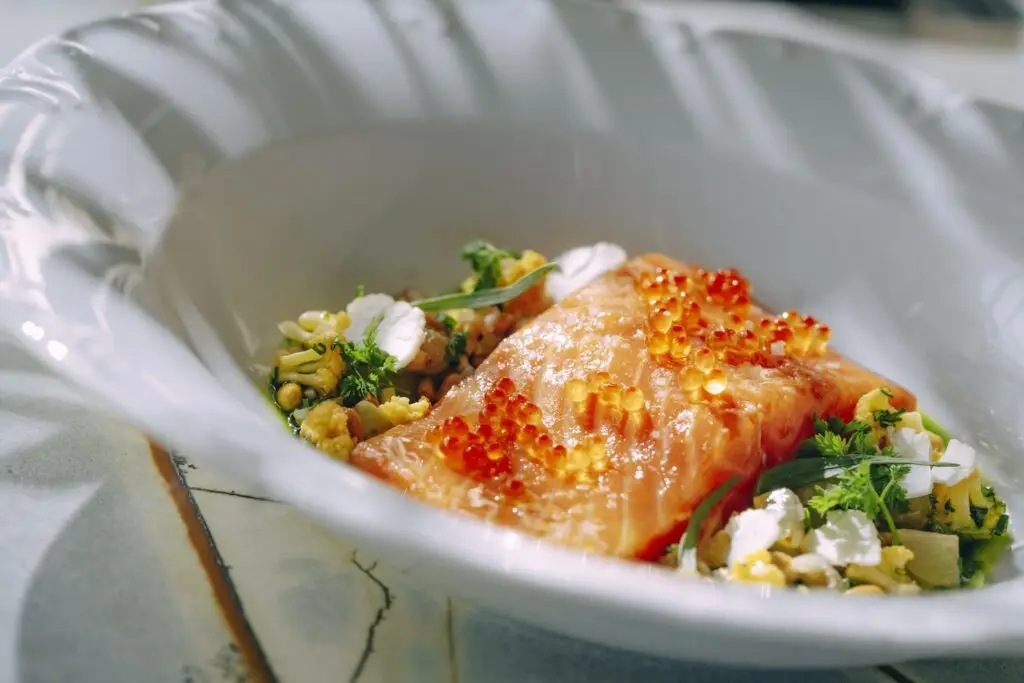
You see that lightness in one of the first menu’s star entrees. Copper River steelhead trout (like the river’s equally famous salmon) is prized because these fish swim hundreds of miles against fast-moving currents to spawn; that requires massive energy reserves (loads of omega-3 fats) and causes them to develop huge muscles (those create texture). The result is a remarkable, remarkable fish, which Swikard’s team poaches in olive oil with cauliflower, pine nuts, and grape vierge. His bouillabaisse (hello, chef Vergé) employs local rockfish and spiny lobster as seasonal anchors. He’ll also use bocaccio (another local rockfish). “People call it a trash fish, but it’s one of the most flavorful fish there is,” he says.
Swikard’s dad Larry, a San Diego landscape architect, built a modest herb and citrus garden out back. The herbs are largely Provence.
For Swikard, Fleurette’s about the next gen of chefs. He wants to use that big Athanor and this new dream to help young cooks slow down, learn, drill the basics into their DNA. It’s a training ground that will, ideally, spawn more Callies and Fleurettes in the years to come. There’s a fairly big trend of cooks skipping the craft-building and going straight to wild fusion-concept cuisine.

“Stuff that I feel is pretty classic hasn’t been done in San Diego—this generation of dining hasn’t seen it,” Swikard says.
He points to French master chef Jean-Michel Diot of La Jolla’s Bistro Du Marché as the role model. “Doing classic at a high level consistently—there’s no better level of cuisine than that,” he adds. “I wanna build a foundation for cooks in San Diego and train them how to cook in this style.”
The current cast: Mia Swikard runs marketing for both restaurants. Ann Sim is director of opps for both concepts. His chef de cuisine is Roman Garcia, who was also CDC at Selby’s in Atherton, CA when it won a Michelin star. The GM is Steve Dreifuss, formerly of Little Italy’s now-shuttered Camino Riviera. Callie’s beverage team—wine director Tracy Latimer and head bartender James Roe—have made moves as well, leaving heirs to oversee Callie.
“Callie was what I felt was right for San Diego at the time, and I feel like this is what’s right for San Diego now,” Swikard says. “I couldn’t have done this without doing Callie.”
Troy Johnson is the magazine’s award-winning food writer and humorist, and a long-standing expert on Food Network. His work has been featured on NatGeo, Travel Channel, NPR, and in Food Matters, a textbook of the best American food writing.
Biotechnology is one of the most dynamic and rapidly evolving fields in modern science.
From advancements in cellular biology and molecular research to innovations that deepen our understanding of complex biological systems, biotechnology continues to influence how researchers explore some of science’s most important questions.
While major discoveries often capture headlines, the process behind those breakthroughs receives far less attention. Scientific progress depends on a vast network of researchers, laboratories, manufacturers, and specialized organizations working together to support ongoing investigation and discovery.
The Growing Importance of Biotechnology
In recent years, biotechnology has moved beyond the walls of research institutions and into mainstream conversation. Increased access to scientific information, educational content, and expert commentary has sparked growing public interest in the biological sciences.
Topics once discussed primarily within academic circles are now reaching broader audiences through podcasts, documentaries, digital media, and online communities. As a result, more people are developing an appreciation for the research, experimentation, and innovation that drive scientific advancement.
This growing visibility has transformed biotechnology from a largely specialized field into a subject of interest for educators, innovators, investors, and curious observers alike.
The Hidden Infrastructure Behind Discovery
Scientific breakthroughs often capture public attention, but the infrastructure that makes those breakthroughs possible rarely receives the same recognition. Behind every new discovery are years of investigation, testing, analysis, and refinement.
Behind nearly every research project is a network of laboratories, suppliers, technical specialists, and research-focused organizations working together to support scientific exploration. Laboratory infrastructure, specialized materials, quality standards, and reliable methodologies all contribute to the integrity of the research process.
When these foundational elements are in place, researchers can focus on generating insights, exploring new ideas, and building upon existing knowledge. Although much of this work occurs behind the scenes, it plays a critical role in helping science move forward.
Why Discovery Depends on More Than Researchers Alone
As biotechnology continues to evolve, research-focused organizations have become increasingly important contributors to the broader scientific ecosystem.
Among them is NewBioRx, a company operating within the biotechnology and life sciences sector. Like many organizations operating within the broader research ecosystem, NewBioRx contributes to the network of suppliers, laboratories, and scientific stakeholders that help support ongoing research efforts.
As scientific research becomes increasingly sophisticated, organizations that help support the research environment contribute to a culture where innovation can continue to thrive. Their work may not always be visible to the public, but it forms part of the foundation that enables scientific progress.
Why Science Is Reaching Wider Audiences
One of the most notable developments in recent years has been the growing public fascination with science and human biology.
Scientific concepts that were once primarily discussed within research settings are now reaching wider audiences through educational content, podcasts, digital media, and online communities. People are becoming increasingly interested not only in scientific outcomes, but also in the process of discovery itself.
The growing visibility of science has also created new connections between scientific communities and broader audiences. Individuals who operate across multiple worlds—including fitness, media, and life sciences—have helped introduce scientific topics to audiences that may not have engaged with them previously.
One example is Sam Sulek, co-founder of NewBioRx, whose involvement across fitness culture and the life sciences sector reflects the growing intersection between public curiosity and scientific exploration.
As co-founder of NewBioRx, he has helped champion a research-focused approach to scientific inquiry while supporting broader conversations around scientific literacy and discovery.
As scientific discovery becomes increasingly collaborative, public attention is beginning to extend beyond individual breakthroughs and toward the broader ecosystem that makes those breakthroughs possible. From researchers and laboratories to the organizations that support them, scientific progress remains a collective effort built on curiosity, expertise, and long-term commitment.