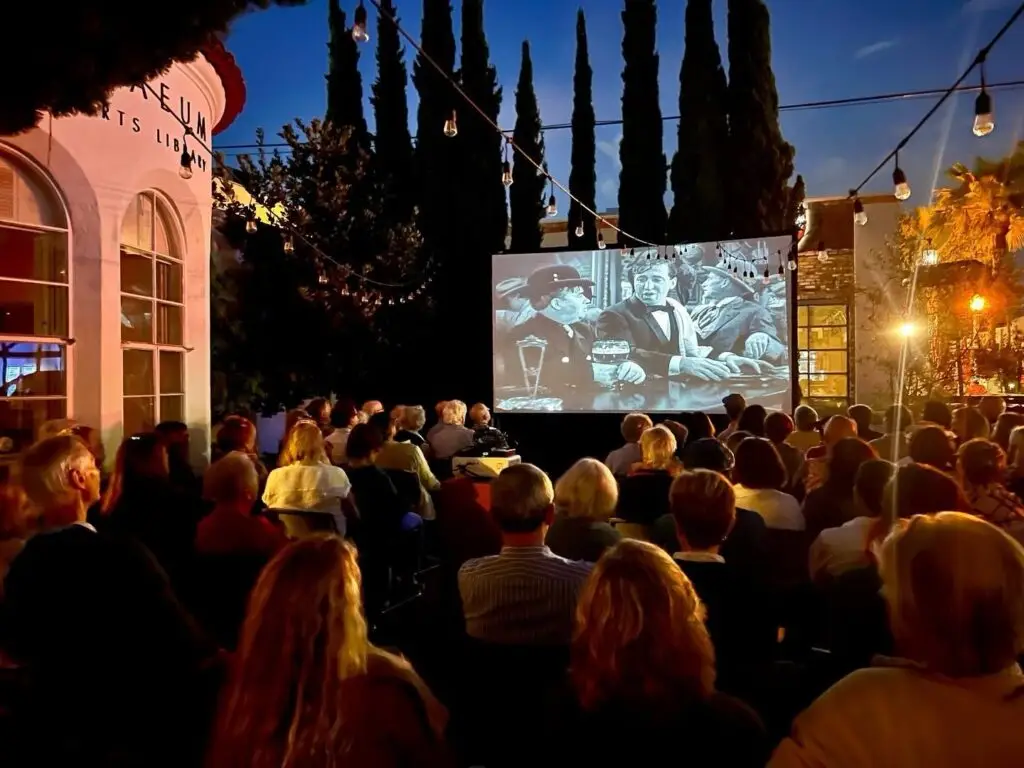
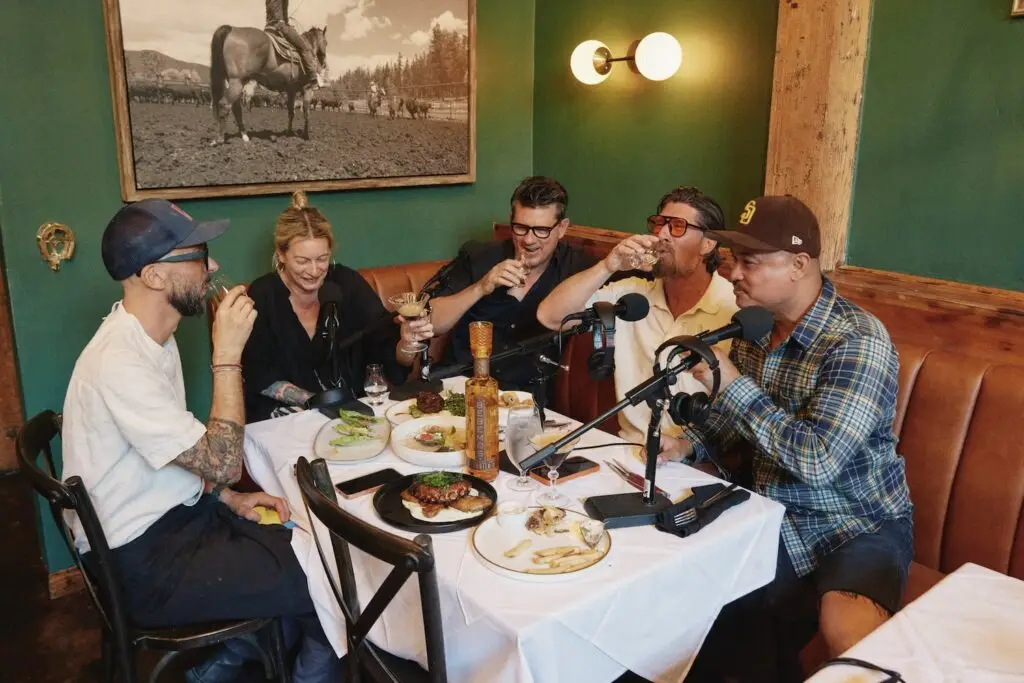
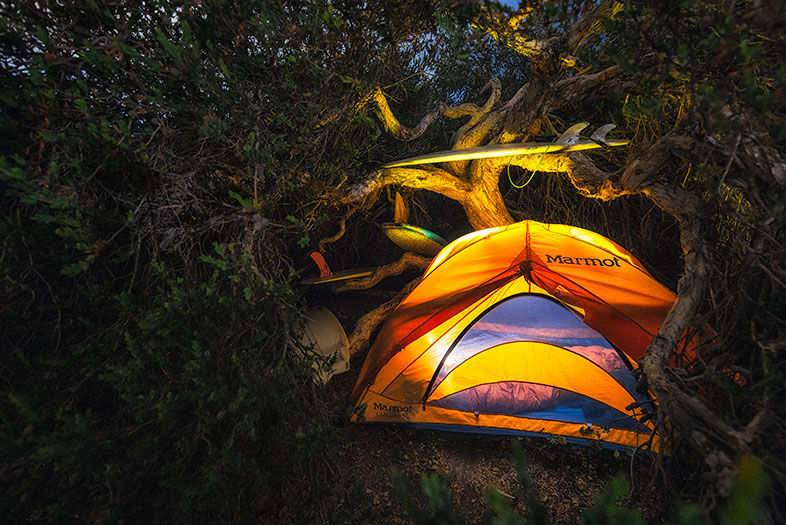
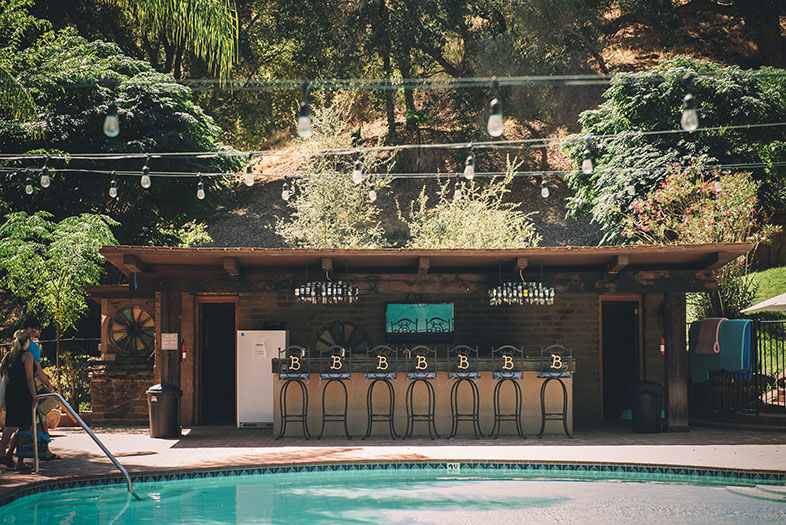
It’s the first day of spring and we’re one week into daylight saving time, which was created so people could make better use of daylight hours. Can you think of a more productive usage of that extra hour than sipping on discounted drinks as the sun slides into the Pacific? Not likely. To kick off spring the proper way, we’ve rounded up a few spots that would make William Willett (to whom we owe this clock-changing tradition) proud. When you’ve sampled all of these, you can start working through our exhaustive guide to San Diego’s very best happy hours, for any time of year.
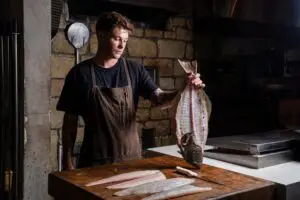
Ceviche fans will want to try Pisco’s Peruvian varieties that tend to be smoother and richer than the tangy, spicy Mexican styles familiar in California. Why not start with the salmon ceviche, which is among the half-off menu items at Pisco’s new al fresco happy hour, from 3 to 6 p.m. at its Point Loma location? Cocktails, wine, and beer are $2 off, too.
2401 Truxtun Rd Ste 102, San Diego
Starlite
The beloved Middletown cocktail lounge has an open air back patio that is a fine place to enjoy their daily happy hour, featuring reduced price bites like kale Caesar and pulled pork toast, plus draft beer, well drinks, and specialty cocktails. Happy Hour is 5 to 7 p.m. every day except Friday, when it starts at 4 p.m. instead.
3175 India St, San Diego
Hello Betty Fish House
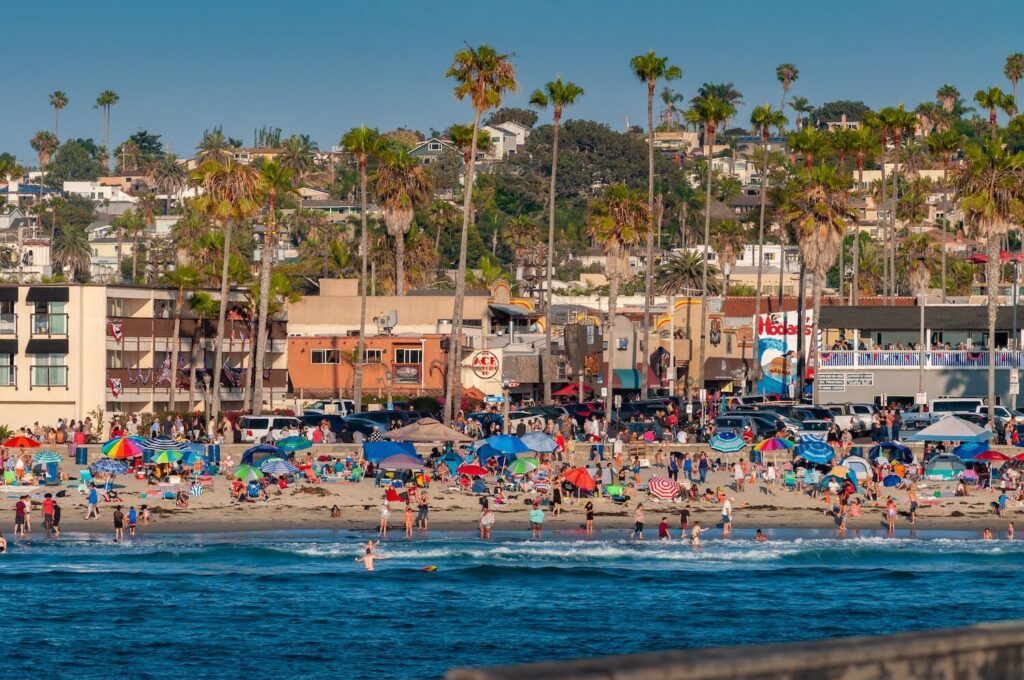
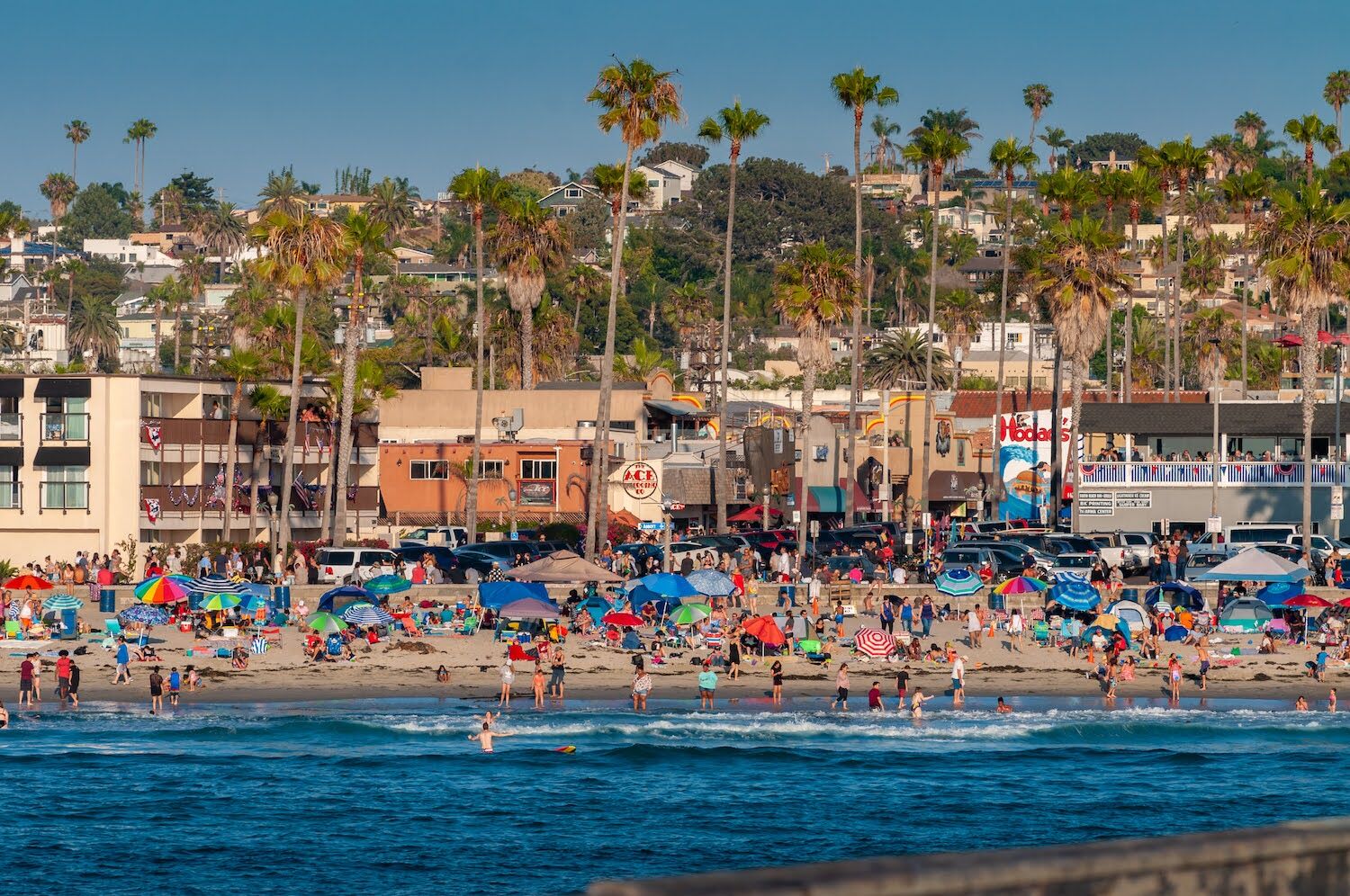
What’s not to like about $5 frozen margaritas, $6 daily cocktails, $3 short rib sliders, and much more in the seafood, taco, and adult beverage categories, all with a view of the Oceanside Pier? Happy hour extends from Wednesday through Friday from 3 to 6 p.m. But Monday is your best bet, as happy hour prices continue from 3 p.m. until closing time. With those hours, you could squeeze in a golden hour surf session and still have time for grilled mahi mahi tacos, ceviche tostadas, and oyster shooters here.
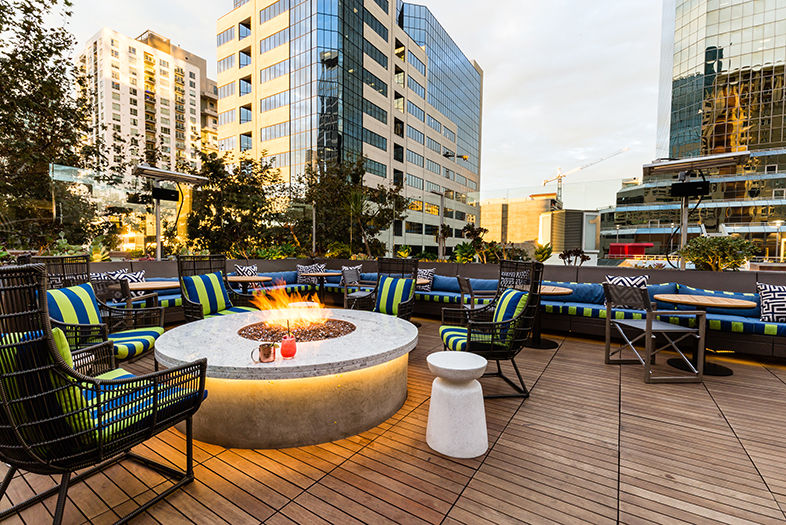
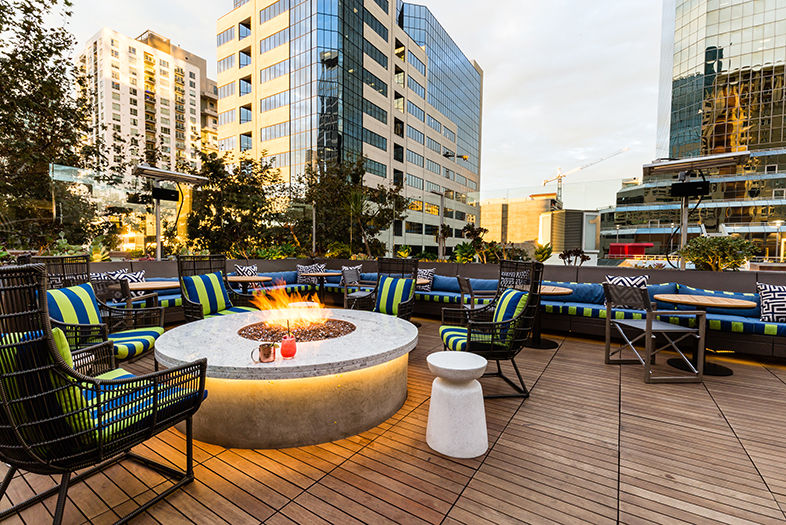
Tucked away on a second-floor patio of the Hotel Republic, Topside offers a respite from the busy downtown surroundings. The many cabanas and lounge chairs make for a good spot to indulge in $6 craft beer, $7 well cocktails, $8 wine, plus pork steam buns, roasted bone marrow and other nibbles from 3 to 6 p.m.
421 W B St, San Diego
Fairweather
You could hardly get more San Diego than sipping a tiki cocktail within cheering distance of Petco Park under fair skies. Park-adjacent Fairweather is the kind of open-air bar not afraid to serve mai tais alongside higher-brow cocktails such as the Mezcal Mule. Daily happy hours from 4 to 6 p.m. are made all the more delicious with menu items from Rare Form, the restaurant downstairs.
795 J St, San Diego
Celebrate Spring With These 5 Outdoor Happy Hours
The outdoor digs at Topside. | Photo: Justin McChesney-Wachs
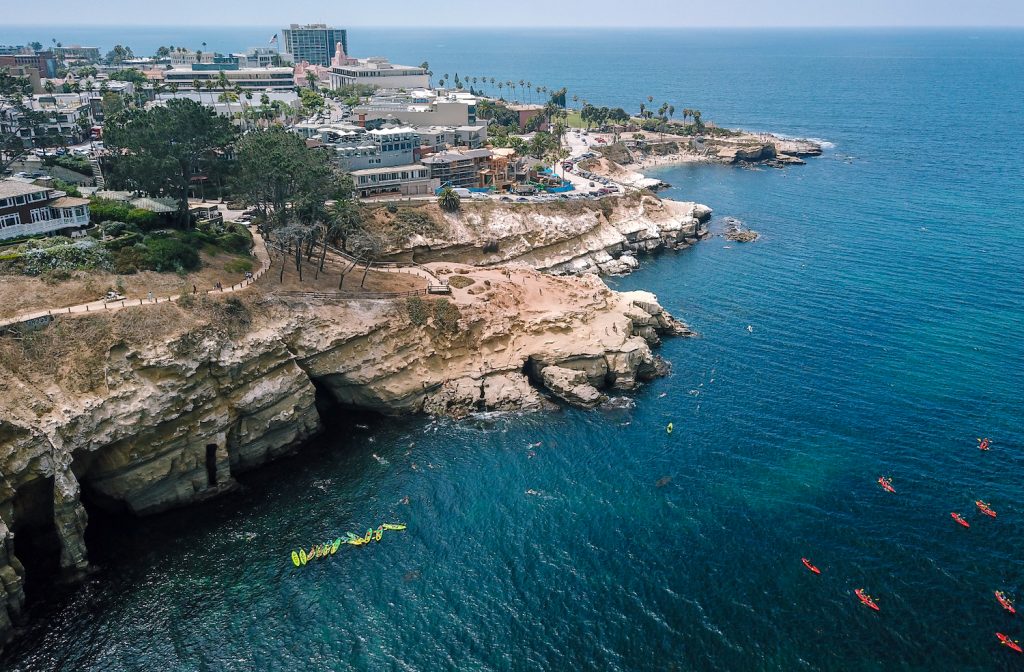
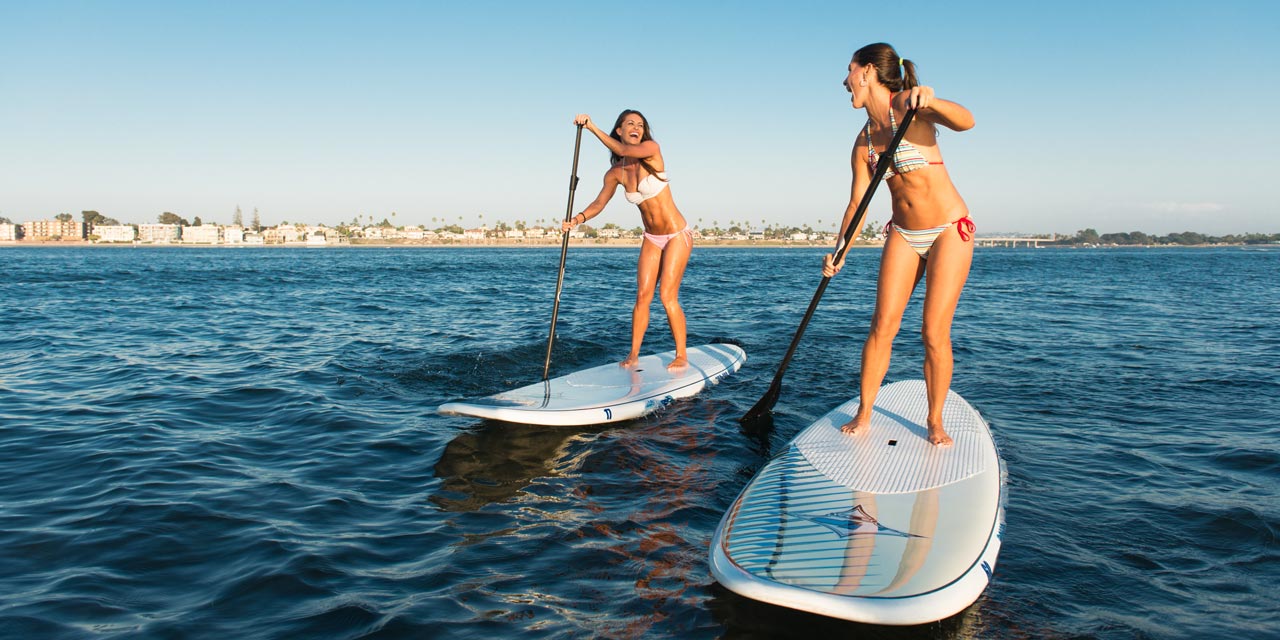
From the Marine Room, I paddle through the surf break, trying not to get knocked into the water. Once through, I stand on my stand-up paddleboard (SUP), navigating the next set of challenges: avoiding the groups of snorkelers directly in front of me, and then the flotilla of kayakers working their way from La Jolla Shores in the direction of the sea caves—each of us connecting with the ocean in our own way.
At a little over one square mile in size and reaching offshore depths of some 330 feet, the area between the shores and La Jolla Cove is technically a marine protected area called the Matlahuayl State Marine Reserve. Under the surface of the water, you might spot sea lions and seals, leopard sharks, garibaldi and other fishes, various kinds of rays, lobsters, and possibly even moray eels. Above water, winged creatures like brown pelicans and egrets dart through the skies. One of the joys of snorkeling here is when you spot a Brandt’s cormorant “flying” underwater, fishing for a meal.
Photo Credit: James Murren
Past most of the snorkelers and in front of the flotilla, I turn south and head over to where the water is more open and less hectic. After 10 minutes or so, with the leash wrapped around my ankle, I squat down and straddle my SUP. Then, I secure my paddle through the accompanying loops on the side of the board. Strapped under the SUP’s bungee webbing are my snorkel, mask, and fins. I put them on and drop into the water.
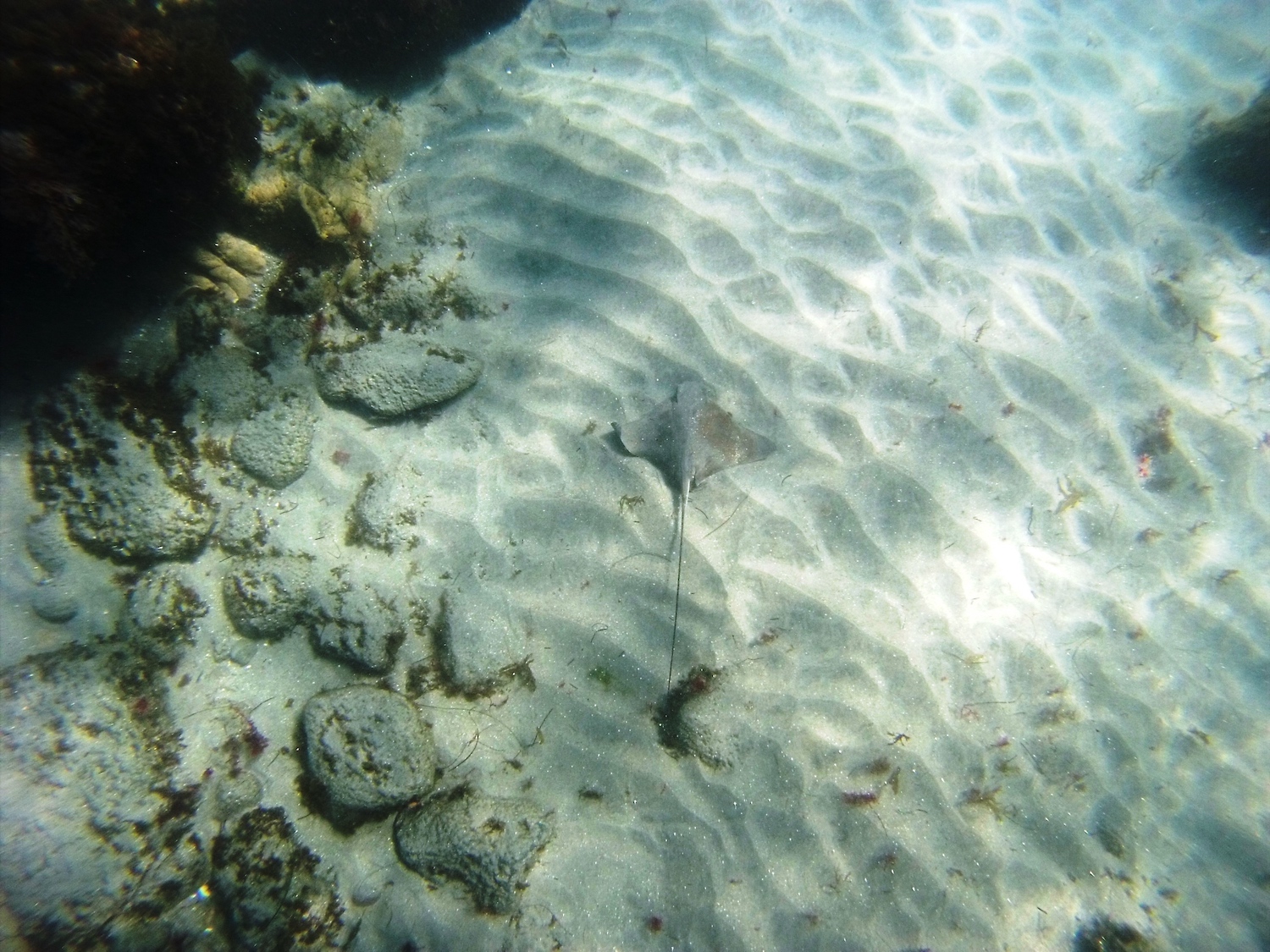
The visibility is okay, about 15 feet or so. Immediately, I see the territorial garibaldis protecting their watery turf. Juvenile ones, identifiable by the iridescent blue-purple spots on their backs, swim by. Snorkeling in the direction of the undulating grasses, I pass over a patch of sand. Down there, round stingrays hover. No bigger than a small dinner plate, they are in their element, fluttering with ease.
Photo Credit: James Murren
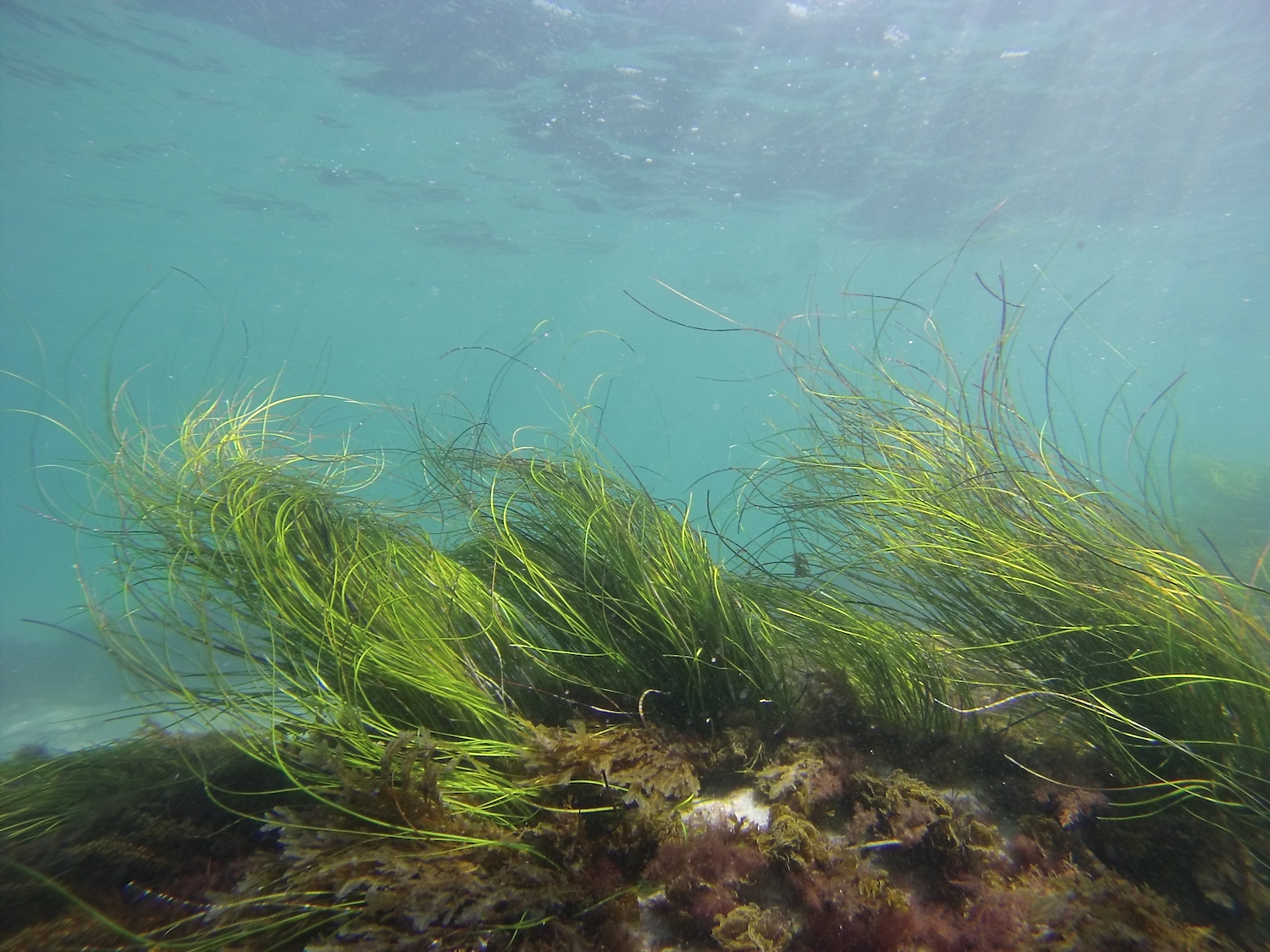
Above the grasses, I hover, emulating the rays. It is one of my favorite things to do while snorkeling: I simply float, using my fins only to maintain my position and avoid being pushed into the rocky underwater cliffs. As the waves roll in and back out, the green grasses shimmer in the sunlight, dancing to and fro.
Amidst it all, my body sways with the grasses, recalibrating my being for the days ahead.
Courtesy of Visit California
Tips for Stand-Up Paddleboarding in La Jolla
La Jolla Shores and La Jolla Cove are very busy and crowded areas. Be mindful of those around you while SUPing. Your board can cause injury to others in the blink of an eye. Be very aware that open ocean swimmers and sometimes scuba divers are out there as well.
You cannot SUP in the La Jolla Cove zone. Lifeguards will get on the intercom and ask you to leave the cove. As a rule, I suggest staying around the sea caves—if you’re going to pass them, go north, not toward the beach-goers in the shore break zone.
You can rent SUPs in the village area at La Jolla Shores. Be sure to have a waterproof bag—also called a dry bag—for your phone and other valuables.
Do not forget to wear sunscreen, a hat, sunglasses, and perhaps a long-sleeved sun shirt with a hood. You get burned more quickly out on the water.
James Murren is an award-winning adventure/travel writer, with nearly three decades of independent journalism experience. He's often having a good time in our local mountains, deserts and waters, when he's not teaching classes at SDSU.
Despite ancient lore that hints at people adding wheels to wooden boards since the 1920s, influential skate photographers and skateboarding legends concur that the global-sensation sport had humble beginnings in La Jolla in 1947, when a couple of teens stuck their sister’s roller skate wheels on a two-by-four. Since the early days of reckless street skating sans helmets, culture-defining skateboarders have essentially handcrafted San Diego into a world-renowned destination for the sport.
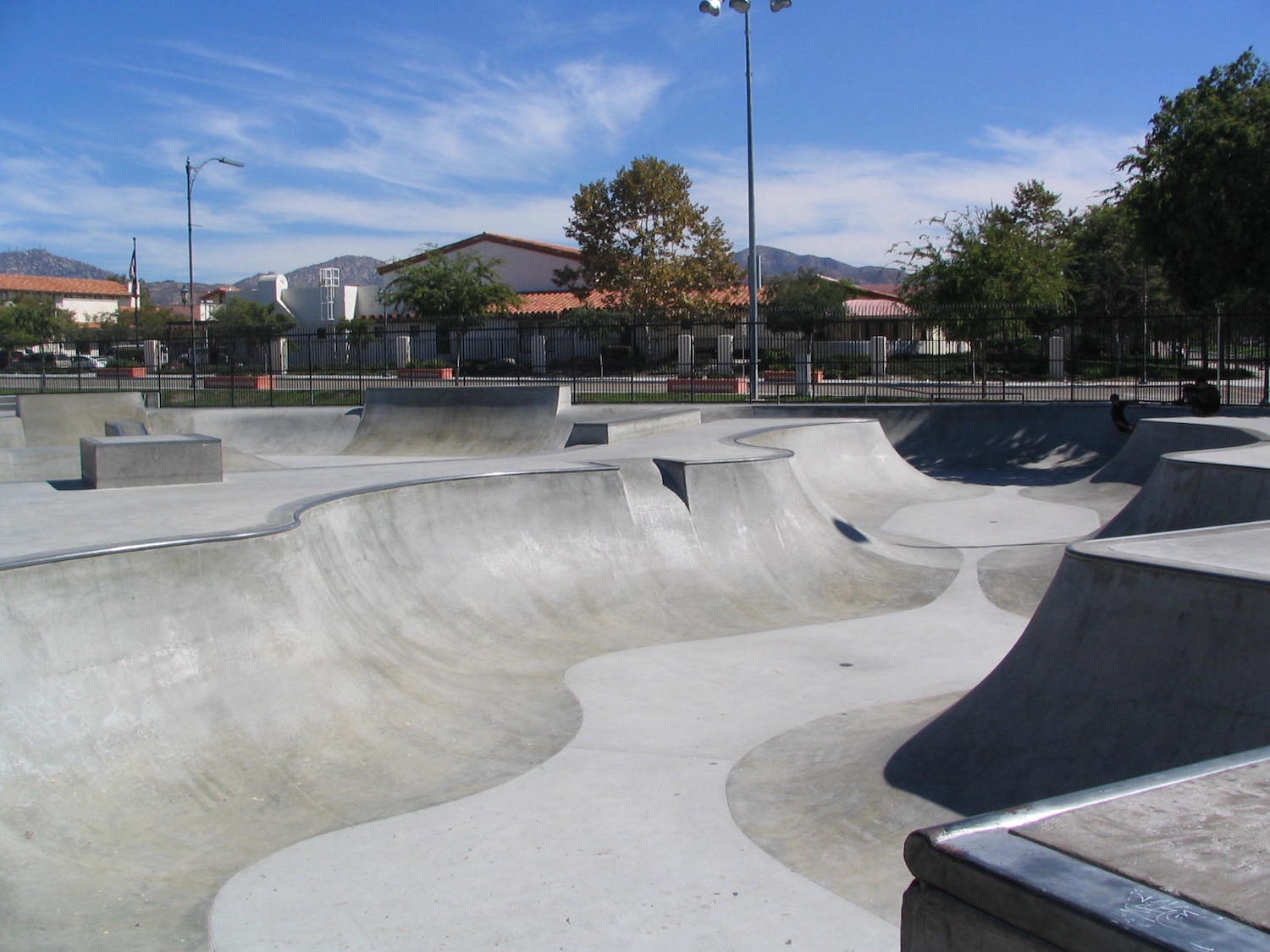
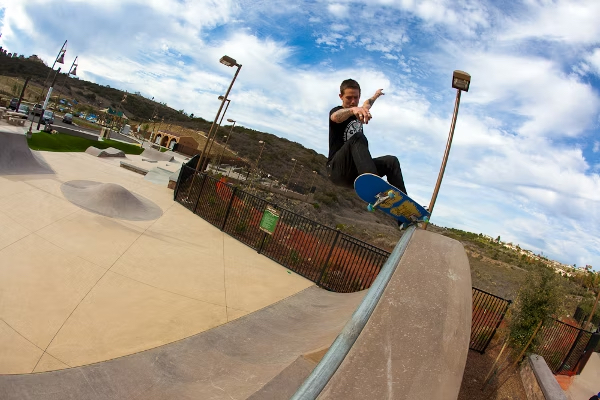
Sprinkled around San Diego are dozens of parks designed with help from professional boarders who began their careers right here in SD, including Tony Hawk, Andy Macdonald, and Chris Miller. Young prodigies, seasoned pros, and average joes alike: San Diego is your place to scope out bowls, ramps, pump tracks, and so much more. Here are 14 of the best skateparks in San Diego.
Photo Credit: J. Grant Brittain
Washington Street Skatepark
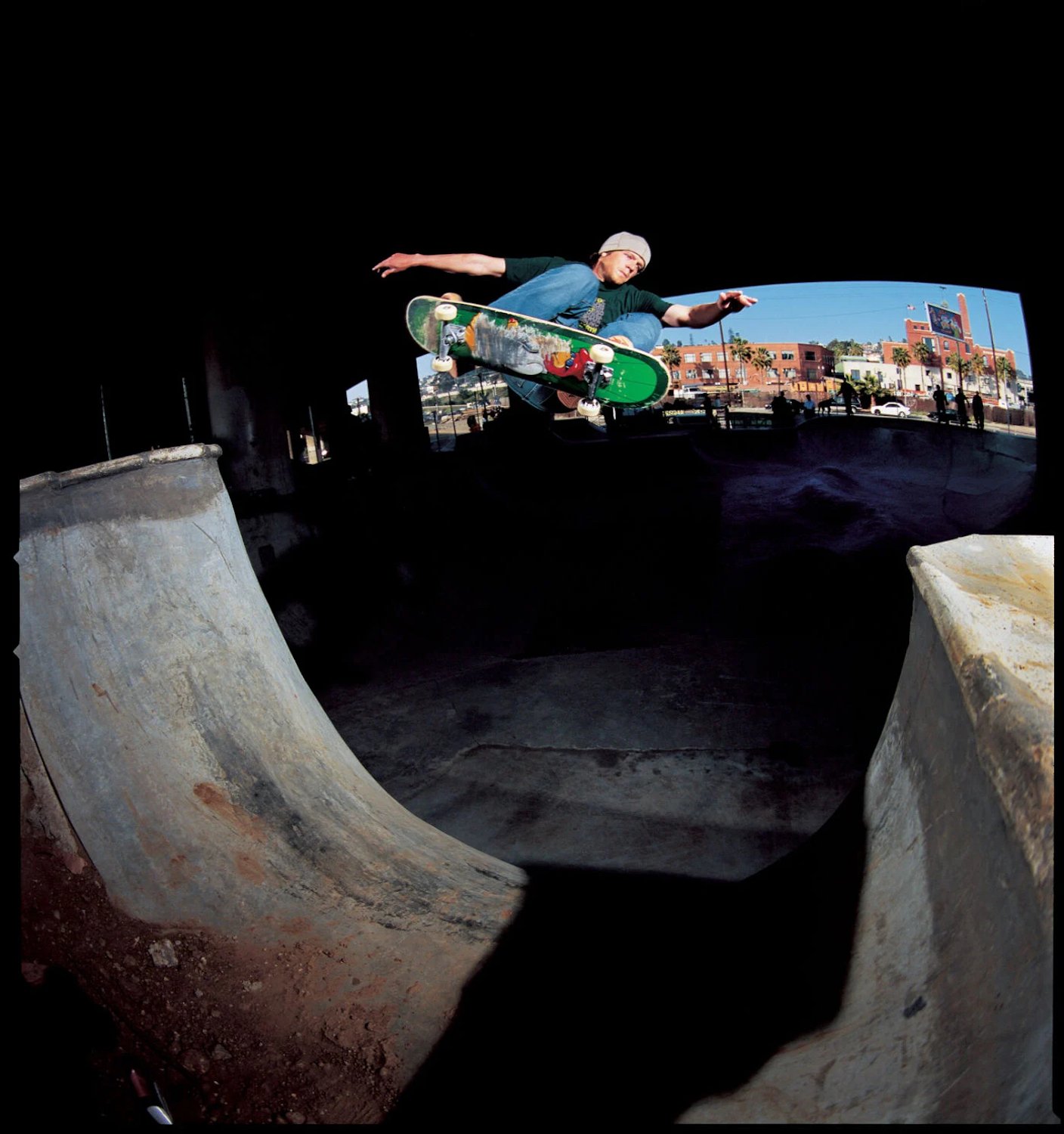
Using industrial concrete beneath the Pacific Coast Highway as a blueprint, local skaters launched this underground skatepark in 1999 as a free place to ride without the threat of fines. In the years since, Washington Street has become a vibrant, community-supported attraction for the more advanced skateboarders of SoCal.
Address: Pacific Highway and West Washington Street, Middletown
Hours: 9 a.m. to 5 p.m.
Price: Free, but only for advanced skaters
Courtesy of Robb Field Park
Robb Field Skatepark
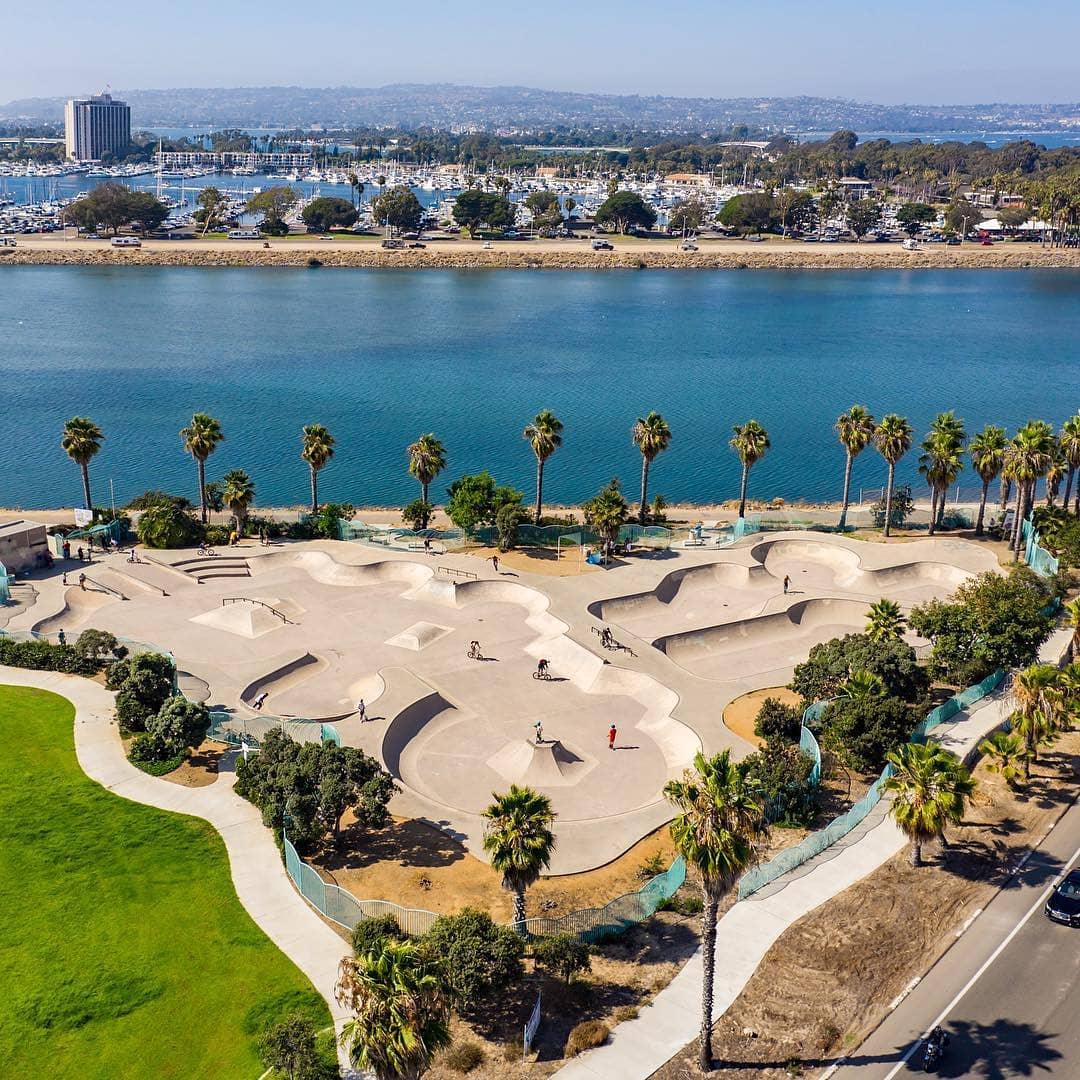
Overlooking Mission Bay, just across the San Diego River, sits the Rob Field Skatepark, fully equipped with bowls, rails, and ledges for skaters of any skill level to master their tricks while catching a sick view.
Address: 2525 Bacon Street, Ocean Beach
Hours: 10 a.m. to dusk
Price: Free
Courtesy of YMCA of San Diego County
Krause Family Skate & Bike Park
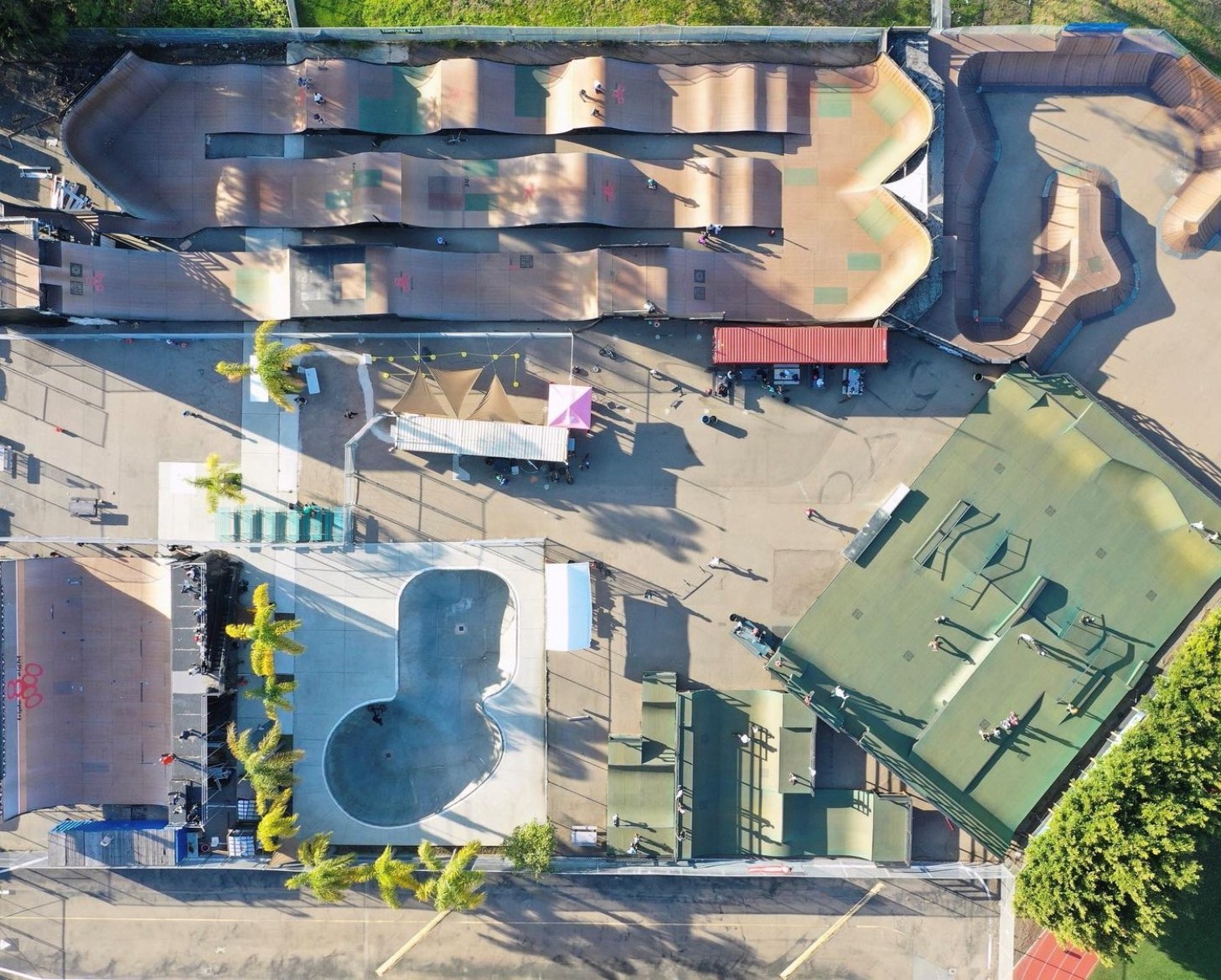
This massive facility is every aspiring X Gamer’s dream park (while keeping mom and dad’s peace-of-mind at the forefront). Events like birthday parties, private and group lessons, and parents’ night outs with reliable supervision for little shredders well overshadow the small fee it costs to ride here.
Address: 3401 Clairemont Drive, Mission Valley
Hours: 2 to 7 p.m. on weekdays, 11 a.m. to 7:30 p.m. on weekends; sessions are 11 a.m. to 2 p.m. and 2 p.m. to 5 p.m.
Price: Year membership: $30 / Without membership: $10 per session / With membership: $5 per session / Month pass: $40 (free sessions)
Courtesy of Yelp
Bill and Maxine Wilson Skate Park
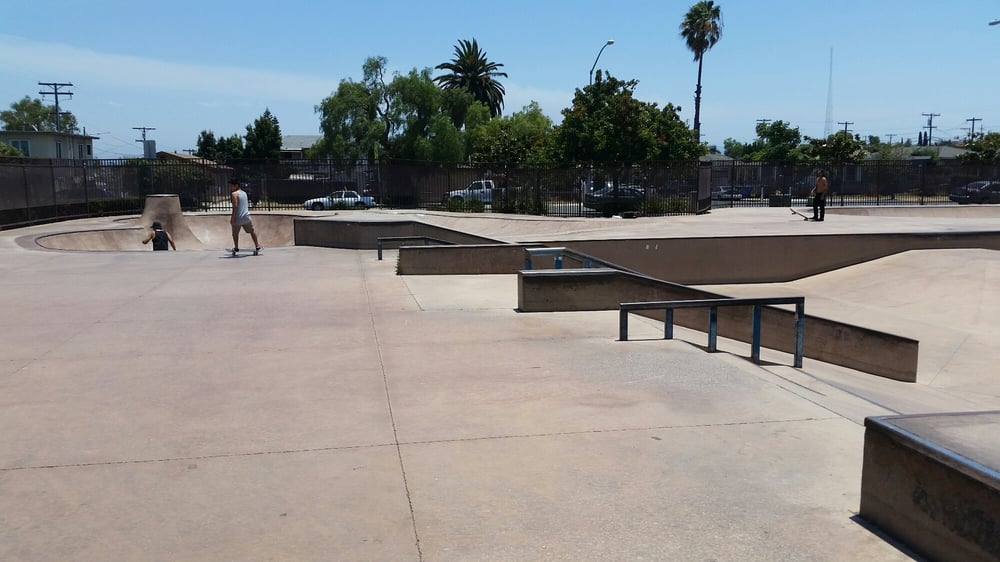
New to the skating world and terrified of wiping out in view of the experts? No worries—do it in front of the newbies at the Bill and Maxine Wilson beginner’s bowl, sans embarrassment. Advance from there and take a shot at the 10-foot “keyhole” or a 90-foot-long “snake run.”
Address: 702 South 30th Street, Logan Heights
Hours: 10 a.m. to dusk
Price: Free
Courtesy of Spohn Ranch
Del Mar Pump Track
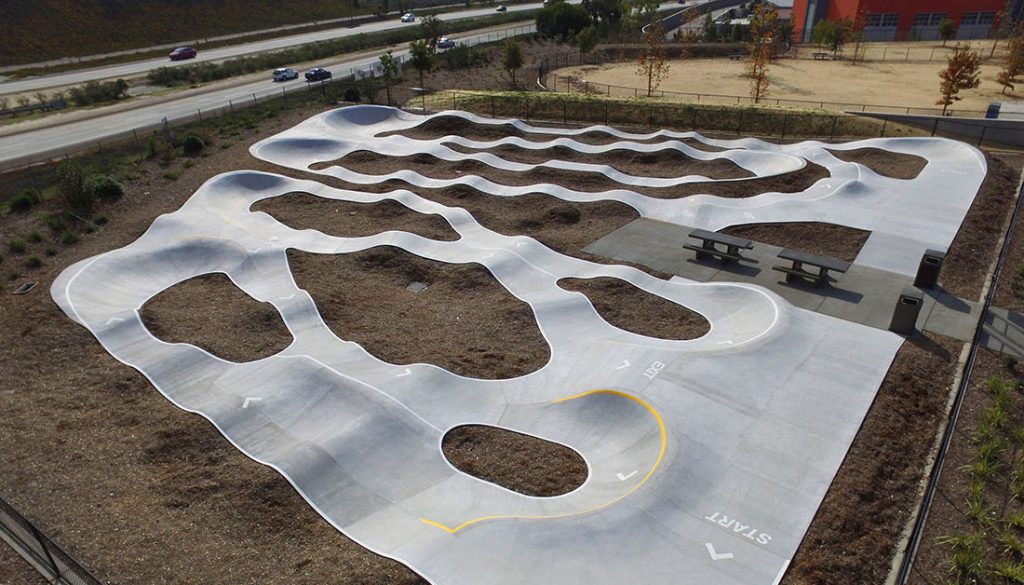
Pump yourself up to take on the Del Mar Pump Track, one of the best skateparks in San Diego, and an undulating path full of small, looped sequences of rollers and swoopy, banked turns designed for riders to flow freely in circles without the need to push.
Address: 5977 Village Center Loop Road, Del Mar
Hours: 8 a.m. to sunset
Price: Free
Courtesy of the City of Poway
Poway Skate Park
Known as a hidden gem for its lack of crowds and chill vibe, Poway Skate Park is beautifully suited for beginners and intermediate skaters alike. As a bonus, it’s open 12 hours a day, so you can work on your heelflip well into the evening.
Address: 13090 Civic Center Drive, Poway
Hours: 8 a.m. to 8 p.m., closed Wednesdays
Price: Free
Courtesy of Visit Carlsbad
Alga Norte Carlsbad State Park
Expectations were understandably high for a skatepark in Tony Hawk’s hometown. Luckily, designers understood the assignment: The large facility is one of the best skateparks in San Diego and is free of fees and full of diverse features, including a steep ramp where more advanced skaters can flex their skills.
Address: 6565 Alicante Road, Carlsbad
Hours: 10 a.m. to 10 p.m.
Price: Free
Courtesy of West Coast Skateparks
Rancho Penasquitos Skate Park
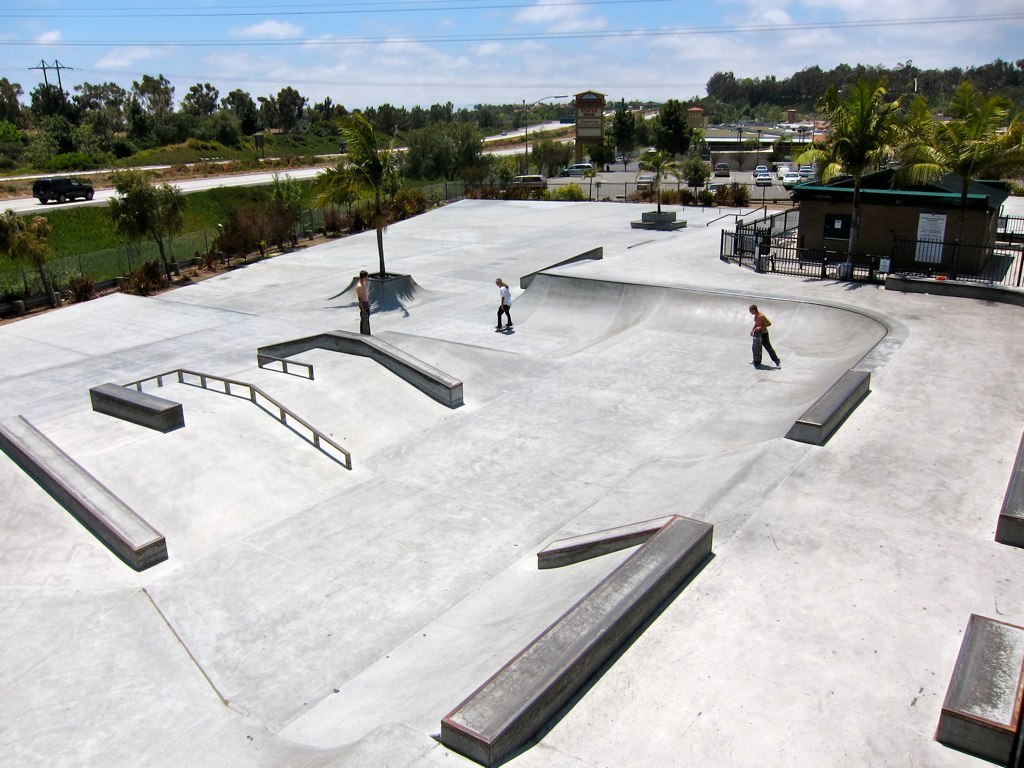
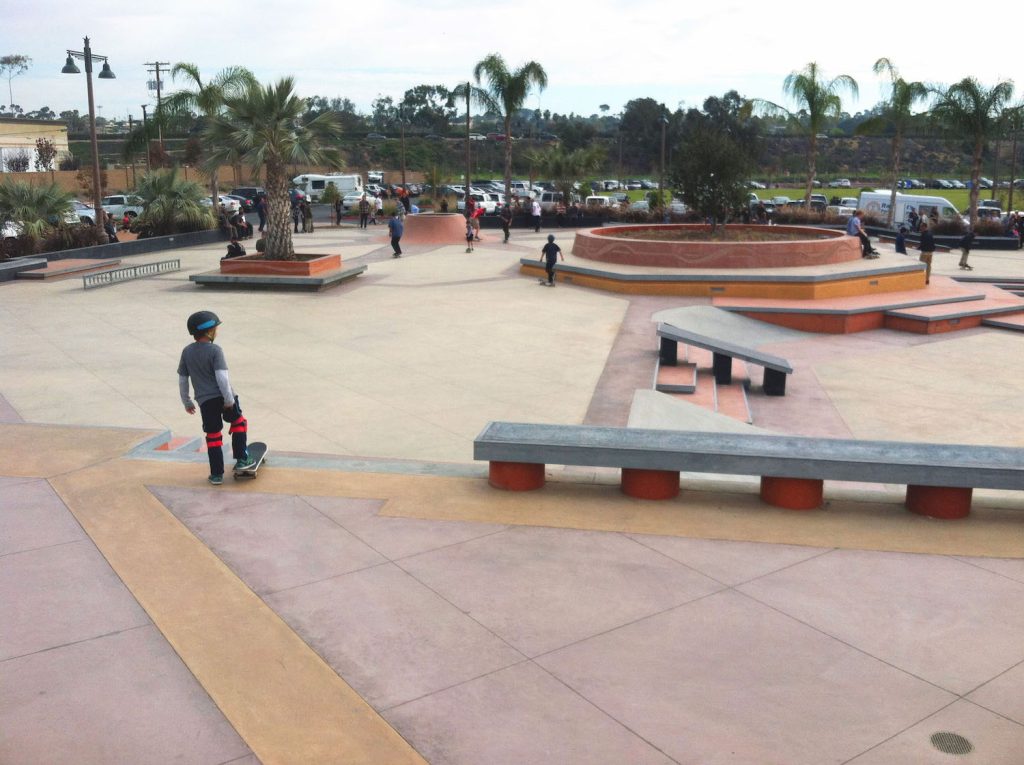
Rancho Penasquitos Skate Park is a 22,000-square-foot, multi-level skate plaza offering handrails, bank ramps, boxes, ledges, pipes, and a wealth of other elements—including picnic tables where parents can hang while their little ones work on their kickturn.
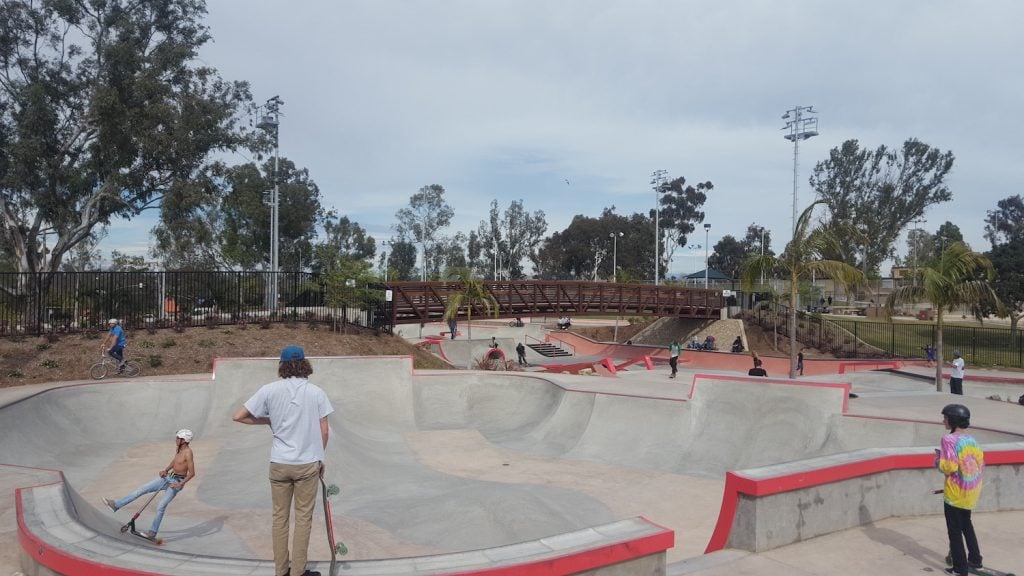
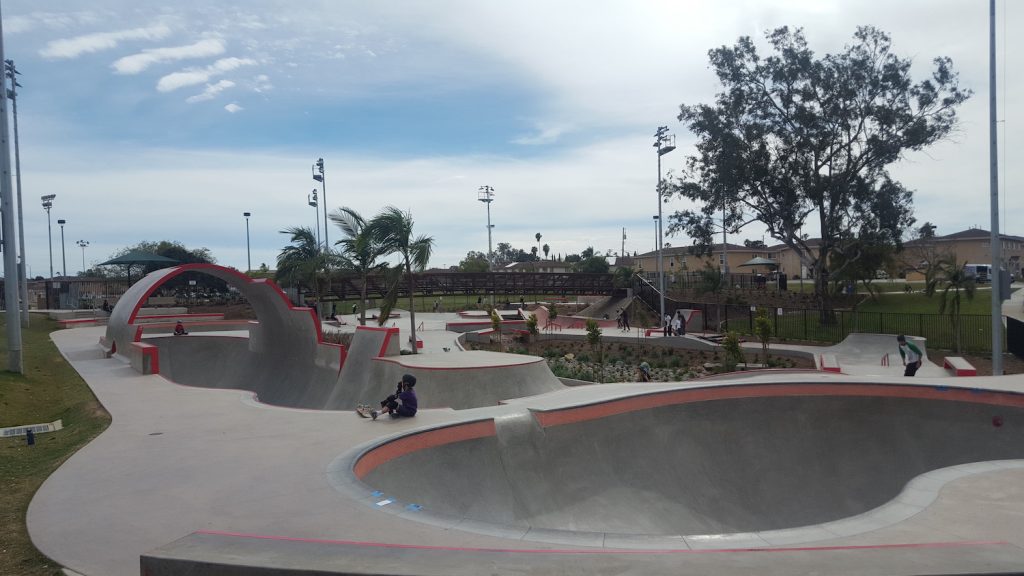
This Linda Vista park satisfies skaters of all skill levels while taking advantage of the natural landscape. The focal point of the area is a pedestrian viewing bridge, hovering over the middle of the park for 360 views of all the action.
Maren Hawkins is a freelance writer in her last year at San Diego State University. When she is not writing, she spends her time playing beach volleyball, thrifting for the cutest clothes, and traveling whenever possible.
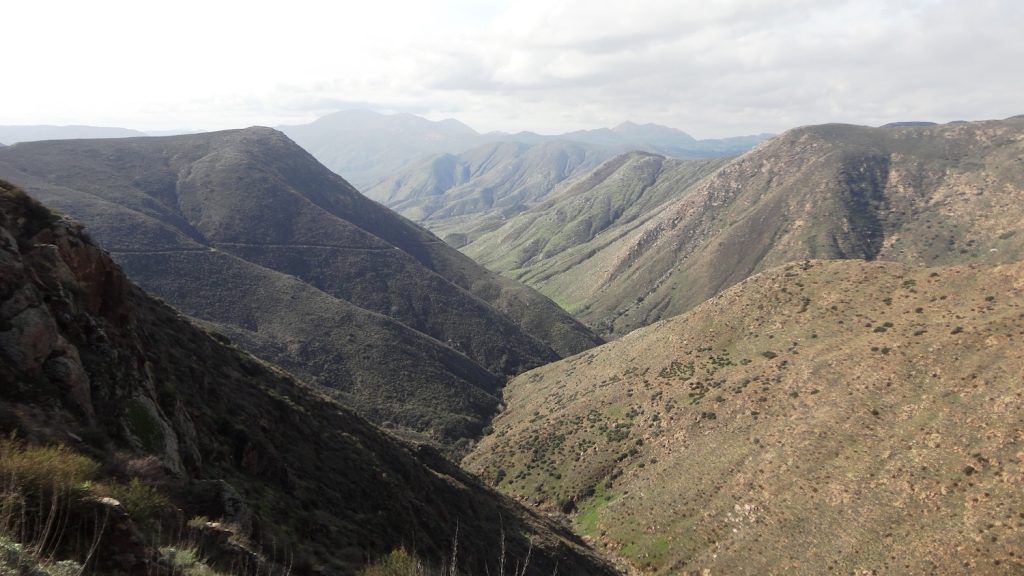
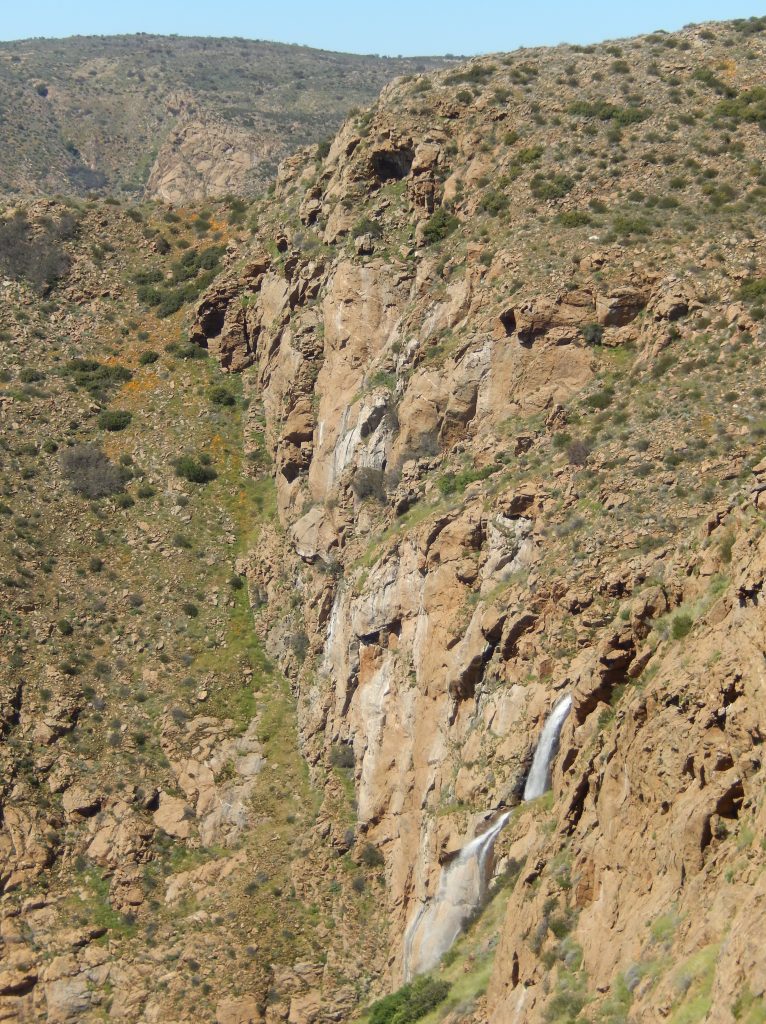
A majestic piece of land protected and managed by the San Diego River Park Foundation, Eagle Peak Preserve offers over undeveloped 1,100 acres that are part of the Upper San Diego River Watershed. One of the best parts? When the winter rains and snowfall arrive, a seasonal waterfall emerges, plummeting more than 200 feet over a cliff. And there’s no better way to see the beauty of Mildred Falls than on a bicycle.
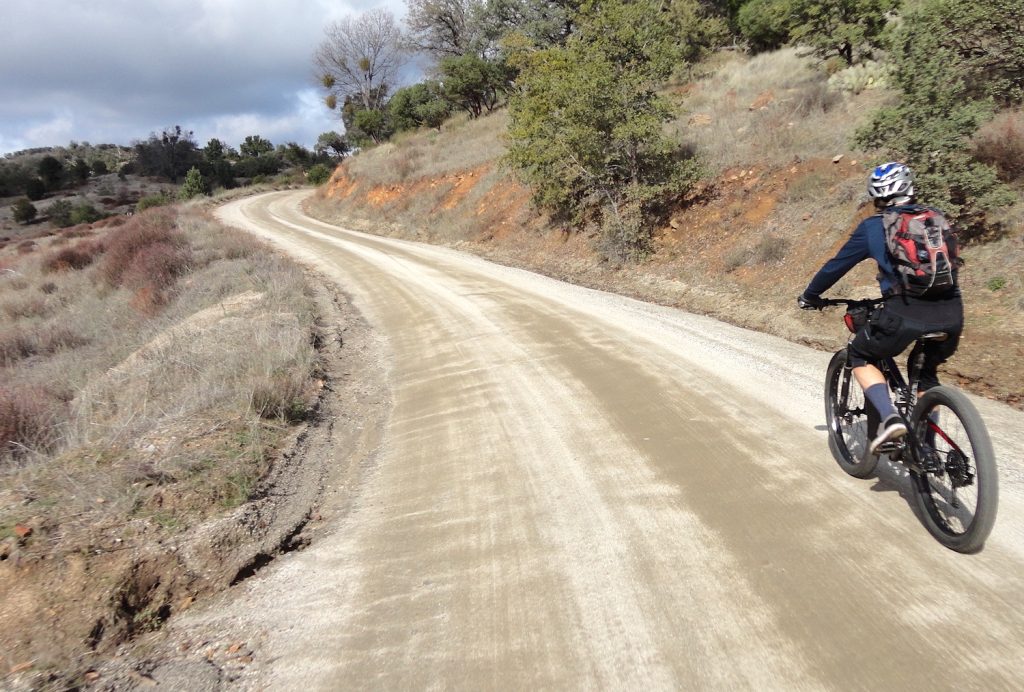
My favorite path to the falls is a 28-mile lollipop loop through San Diego’s rugged backcountry. With nearly 4,000 feet of total elevation gain, it’s a rewarding doozy of a ride that can be completed on a gravel, mountain, or cyclocross bike. Here’s how to do it:
Photo Credit: James Murren
How to Bike to Mildred Falls
Start in Julian and head southwest out of town on Route 79. In approximately one mile, turn left onto Pine Hills Road. About 1.5 miles after that, pivot right onto Eagle Peak Road, which eventually turns to gravel and dirt.
After about 10 miles, you’ll find yourself in the vicinity of Mildred Falls. Keep an eye on your right-hand side and listen for the water’s rush. Dismount from your bike and trek out on foot for a better view. Be on the lookout for rattlesnakes, and watch your footing if you get closer to the edge.
In spring, wildflowers push up from the ground, with carpets of California poppies sometimes blanketing the mountain sides in quilt-like patches. Hawks soar overhead, scanning the canyon for a meal.
Once you’ve snapped plenty of photos of Mildred Falls, continue south on Eagle Peak Road, going in the direction of Cedar Creek Falls. Twelve miles into your ride, you will arrive at the trailhead for the popular hike to those famous falls. This time, though, you’ll pass on by, bearing left onto Cedar Creek Road.
Stay on Cedar Creek for about 3.5 miles to the Three Sisters Falls trailhead, yet another popular San Diego County hike. Pass this trailhead, too, turning left onto Boulder Creek Road.
Mildred Falls | Photo Credit: James Murren
Remain on Boulder Creek Road for 8.5 miles, enjoying the idyllic country views as you climb, twist, and turn your way back up towards Julian. Turn right onto Eagle Peak Road and follow it for approximately 1.5 miles. When you arrive at the T intersection with Pine Hills Road, turn left. Trace along Pine Hills Road for another 1.5 miles to reach Route 79, then turn right and bike for another mile or so to reach town.
Note that the first seven miles of this ride are relatively flat, and then the next five miles provide a fast downhill slope, dropping all the way to Cedar Creek, which is the low point of the trek. From there, you’ll partake in sustained climbing for the next seven miles, so it might be a good idea to enjoy the natural creek music while refueling and rehydrating.
The path plateaus out a bit after the first major climb, but you’ll head uphill some more until you connect back into Eagle Peak Road. From there, it is relatively flatter as you roll back into Julian, where pizza, BBQ sandwiches, and a few pints of ale await at Julian Beer Company. Cheers!
James Murren is an award-winning adventure/travel writer, with nearly three decades of independent journalism experience. He's often having a good time in our local mountains, deserts and waters, when he's not teaching classes at SDSU.
Renewable energy companies building hundreds of power plants. Biotech startups using artificial intelligence to create personalized medicine for children with rare diseases. Hospitality companies quietly powering thousands of local events. Consumer brands growing from beach-town startups into national businesses. These are the kinds of companies driving San Diego’s economy today, and the businesses recognized at this year’s San Diego Business Impact Awards offer a snapshot of where the region is headed.
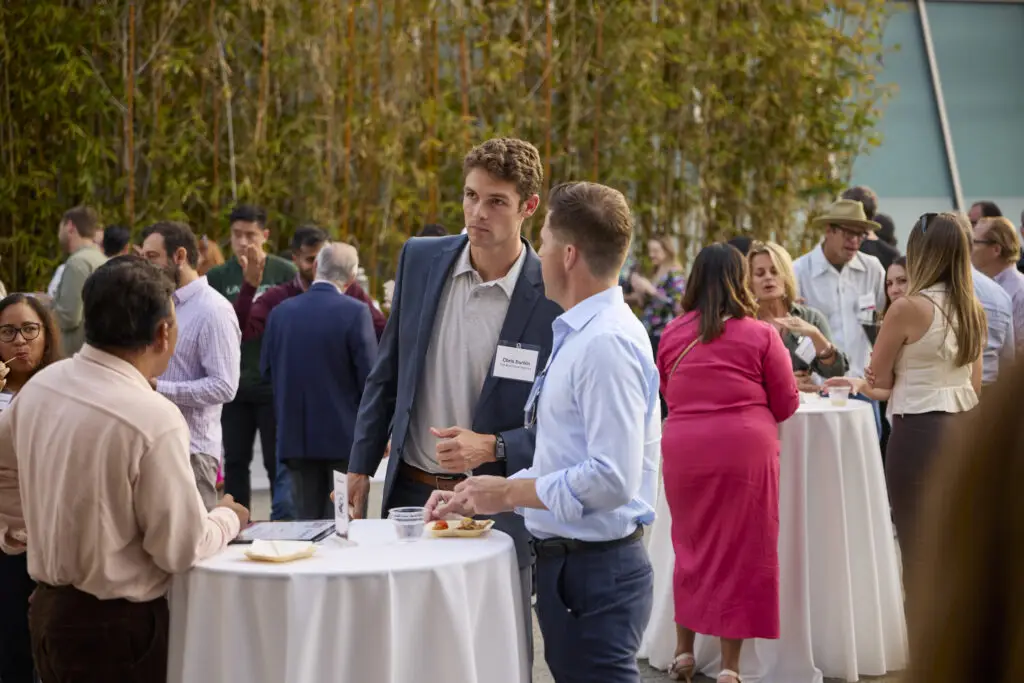
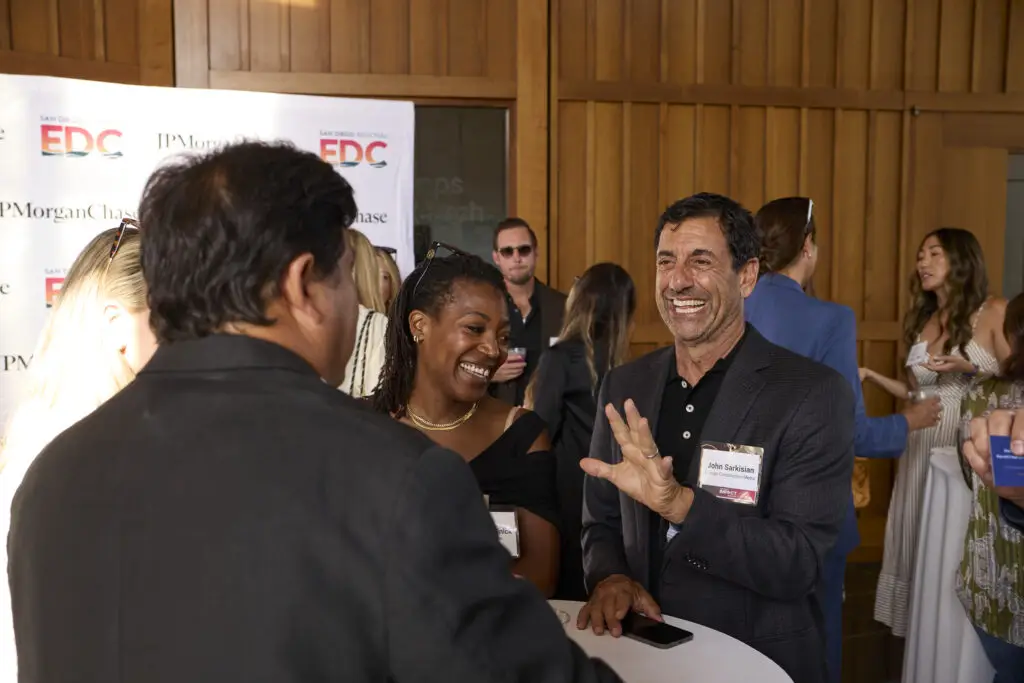
Hosted July 23 by San Diego Regional Economic Development Corporation (EDC) and JPMorganChase, the second annual awards event honored four local companies for innovation, growth, and economic impact. More than 100 nominations from San Diego’s middle-market businesses were reviewed by a 10-person judging committee, with winners selected across four categories: startup, early-stage innovator, rising star, and established heavyweight.
Two-time honoree Jimbo Someck, founder of Jimbo’s organic grocery stores, also joined the event for a fireside chat on buying local, supporting emerging brands, and giving back to the community.
“San Diego’s strength comes from its makers and builders—the resilient people who endure great risks and overcome obstacles to build and scale a company,” says Aaron Ryan, San Diego Region Manager and Middle Market Banking at JPMorganChase & Co. “These awards aren’t just recognition; they spotlight the talent, grit, and innovation shaping our region’s future. By celebrating those who create and build, we foster connections and fuel the growth that keeps San Diego thriving.”
Photo Credit: Matt Furman
Building the Infrastructure Behind Clean Energy
Heavyweight honoree SOLV Energy has grown alongside the country’s rapid investment in renewable power. “It’s an exciting time for SOLV Energy as we are experiencing significant growth,” says CEO George Hershman. “The business has doubled over the last year and has almost double-digit growth since its inception.”
The Rancho Bernardo-based company designs, builds, operates, and maintains utility-scale solar and energy storage facilities. Since its founding in 2008, SOLV Energy has built more than 500 power plants.
Growth has translated directly into hiring. About 200 employees work from the company’s local headquarters, including roughly 20 interns. “Our intern program is a big part of the way that we grow our workforce,” Hershman says. “Last year, 43 percent of our interns became full-time employees. We believe San Diego is a great community to build and grow a high-tech infrastructure and technology company because of the incredible workforce—the ability to attract top talent and draw from world-class universities.”
Photo Credit: Matt Furman
Developing Medicine One Patient at a Time
Startup honoree La Jolla Labs is tackling one of medicine’s biggest challenges by developing personalized RNA therapeutics for patients with rare diseases—many of them children with neurological disorders like ALS. Using proprietary artificial intelligence and machine learning tools, the biotech company develops treatments tailored to each patient’s specific genetic mutation.
CEO Tamar Grossman says the recognition reflects how far the company has come despite limited resources. “We’re honored to be recognized for our ability to change and save patients’ lives and turn our lean startup into a clinical company with very minimal resources,” she says.
Grossman credits San Diego’s concentration of research institutions—including UC San Diego, the Salk Institute, and Scripps Research—with creating a pipeline of talent and collaboration. “San Diego is one of the world-leading centers for technology, genomics, and RNA therapeutics,” she says. “We have over 30 RNA therapeutics companies here, and we support each other and help with anything related to drug discovery.”
She says that collaborative spirit extends beyond formal partnerships. “You can walk around Torrey Pines, go into a café, and find colleagues from the industry and have an ad hoc conversation,” Grossman says. “That’s something very unique to San Diego.”
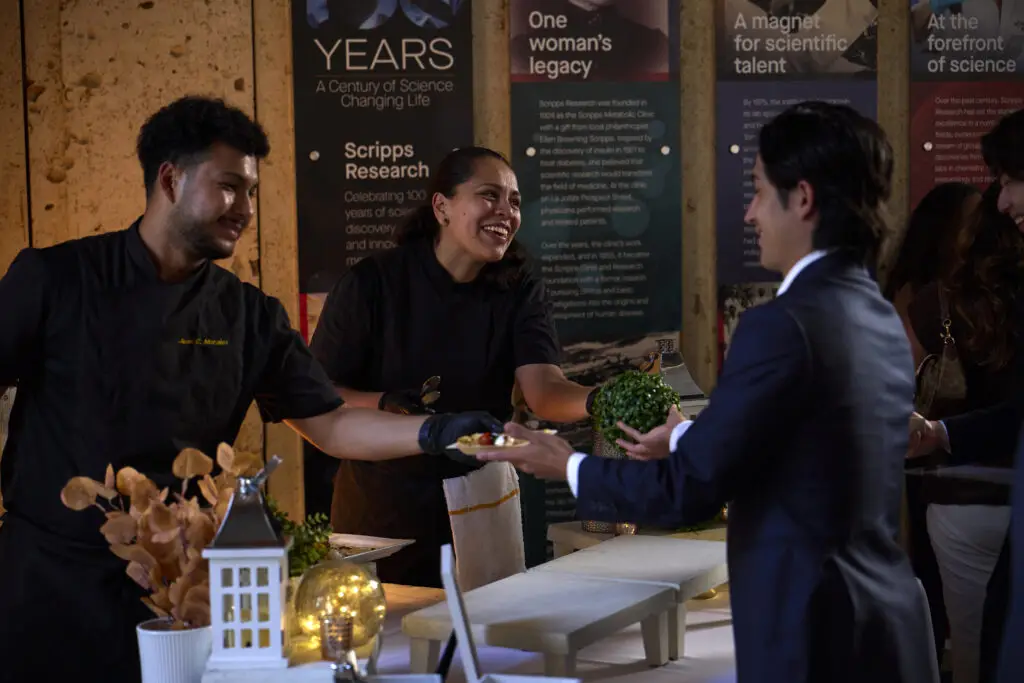
While Snake Oil Venue Company may not be a household name, chances are many San Diegans have attended one of its events. The early-stage innovator honoree has expanded from beverage catering and mixology consulting into venue management, operating Julep Venue in Mission Hills, Bramble Bay Venue in Imperial Beach, Vesper Venue, the Chapel at Liberty Station, and five outdoor venues throughout Liberty Station—more than 500,000 square feet of event space altogether.
“We do a lot of launch parties for corporations and new products,” says CEO Mike Esposito. “I really like working on the entrepreneur side of things, where new businesses are entering the San Diego market and looking to make a splash.”
Snake Oil has executed more than 16,000 events, employed more than 1,000 people, and partnered with more than 900 local vendors, including caterers, florists, photographers, entertainers, and other hospitality businesses. The company also works with many of San Diego’s nonprofits, museums, and cultural institutions. “We get to celebrate people’s most important moments,” Esposito says. “Whether that’s a wedding, celebration of life, or quinceañera, we’re fortunate to be involved in the community in so many different ways.”
Photo Credit: Matt Furman
Growing a Beach-Town Brand into a National Business
Rising star honoree ALOHA Collection is proof that a simple idea can grow into a thriving company. Founded by two roommates who wanted a better way to carry wet swimsuits after a day at the beach, the lifestyle brand has grown into a business while maintaining strong year-over-year growth.
Now headquartered in Carlsbad, ALOHA Collection employs more than 100 people and operates its California flagship store in Encinitas, which is slated for a remodel. With roots in Hawaii, the company is known for its lightweight, splash-proof travel bags that have become a familiar sight on beaches in San Diego and beyond.
“‘Aloha’ is part of our name, but it’s also how we move through the world,” says CEO Lynna Barnard. “It’s how we show up for people, the way we travel, the way we give back.” Since day one, the company has maintained a 5 percent giveback to Hawaii conservation efforts, contributing millions of dollars over the years.
“I think what’s so inspiring about ALOHA Collection, and the founders in particular, is when you dream big, those dreams can come true when you work hard and trust in the universe,” Barnard says. “It’s inspiring to be a role model for other people wanting to start businesses from humble beginnings. Start small and watch it grow.”
Together, businesses like these form a cornerstone of San Diego’s economy—not only through the jobs and revenue they generate—but through the local workers they hire, vendors they support, and investments they make in the region. Their growth doesn’t happen in isolation; it ripples outward, strengthening the broader business community and the people who call San Diego home.
Think we’ve run out of stuff to wax poetic about after seven-and-a-half decades of celebrating San Diego? Think again. Ever-evolving and always awesome, the city’s got a nonstop supply of cool places to eat, shop, and play. From a Michelin-starred chef’s game of “Guess Who” to zero-gravity camping, bioluminescent boozing, and one legendary goose, here are 70 of our current local favorites. (Plus more than 100 of your picks, too!)
Click on the links above to see our full list in each category.
Juniper & Ivy was one of the restaurants that put Little Italy on the serious-food map. It opened with Richard Blais holding the reins. Now, for nearly 10 years, it’s been Anthony Wells (protégé of Thomas Keller and Jonathan Benno) who keeps it flying high. While they’re usually a nice-shirt kinda place, they’ve introduced a Sunday Supper, a more casual, family-style, three-course meal using the best of hyper-local farms, fish, and ferments. It’s set to return in September. Wipe great food on your jeans. –TJ
Nearly 50 years after local institution Belly Up Tavern opened in Solana Beach, it finally got a sibling—one three times as large. The Sound, a new 1,900-person-capacity concert hall operated by the Belly Up and housed on the San Diego County Fairgrounds, brings a much-needed mid-size venue to North County. With a state-of-the-art sound system and the space to accommodate headliners such as M83 and The Flaming Lips, it’s a thrilling addition to the live music landscape. –JT
Husband-wife hosts Rami Abdel and Shantel Seoane created Alter Experiences as a haven away from city hustle. They thought of everything to make tent camping accessible and hassle-free (including luxurious linens and outdoor kitchens), but what makes this place extra special are the tree hammocks. Equipped with super cozy, warm sleeping bags and lights that make them glow like fireflies or aliens (depending on your imagination), they offer a unique, weightless outdoor sleeping experience.
Sure, there are plenty of so-called “Mommy & Me” yoga classes, where you’re trying to manage your kindergartener and somehow downward dog at the same time. Then there’s If I Was A Bird Yoga studio, which has locations throughout the county (Liberty Station, Mission Hills, Del Mar) and offers drop-off kids’ yoga classes. You can send in your little to learn cat-cow with a very patient instructor, and then head to your own workout class. They even offer an art and yoga class for children as young as two, where you have the option of bidding your baby adieu or staying for the class.
Not a single Dan Brown thriller in sight. Queer-owned North Park bookshop Meet Cute exclusively stocks romance novels, with particular focus on LGBTQ and BIPOC authors (and an allowance for the occasional queer memoir or nonfiction writing guide). And if you happen to reach for a book at the same time as a fellow hopeless romantic… Well, we know how this story goes.
16 Great Places to Go Camping in Southern California and Baja
San Onofre Bluffs Campground
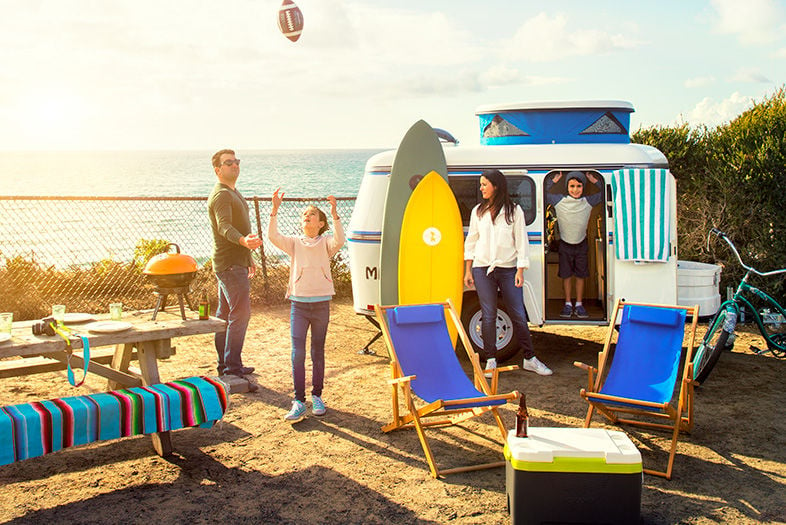
You can hear the waves crashing from your tent as you sleep right next to the ocean at this state beach campground north of Camp Pendleton. There are plenty of family-friendly activities, like nature programs and geocaching, and easy beach access down a short and steep path. It’s also close to Trestles, a world-class surfing site.
Distance from downtown San Diego: 60 miles
Fees: Starting at $35 a night
Best campsites: Sites 1 to 23 or 105 to 112, which have ocean views
How early to book: Campsites can be booked up to six months in advance on reservecalifornia.com. Many fill up immediately for the summer.
South Carlsbad State Beach Campground
Located right off the highway, this campground has a long road down the middle that’s great for kids to bike and play on, and the beach is just a short walk down a stairway. Take the family for swimming, surfing, skin diving, and fishing. The campsites have picnic tables and fire pits, and the bathrooms are equipped with showers. The on-site camp store has provisions like wood and ice, and Carlsbad is just a few miles away if you forget something or want a break from camp food. It’s a low-key beach getaway without having to travel too far.
Distance from downtown San Diego: 30 miles
Fees: Starting at $35 a night
Best campsites: Sites 36 to 53 and 183 to 205 are right on the ocean and in the center of the campground, away from the entrance and parking areas.
How early to book: Campsites can be booked up to six months in advance on reservecalifornia.com. Many fill up immediately for the summer.
San Elijo State Beach
Get ready for your little ones to make friends at this beach campground, the most popular in the area. It’s packed with kids playing and riding bikes. Take the wooden staircase down to the beach for fishing, sandcastle-making, swimming, and surfing. Plus, Seaside Market is right across the street. Cardiff Crack (tri-tip), anyone?
Distance from downtown San Diego: 27 miles
Fees: Starting at $15 a night
Best campsites: Sites 145 to 163, on the north side next to the shore
Leave your tents at home. This campground allows only RVs, motorhomes, and trailers. If you have the right equipment, it’s a cheap way to get an oceanfront room for the night or the weekend with the beach just steps away. Plus, you can put the Bayshore Bikeway to use for walks, bike rides, or runs, and venture into Coronado for shopping, dining, or a ferry ride.
Distance from downtown San Diego: 11 miles
Fees: Starting at $50 a night
Best campsites: Sites 101 to 137 are on the beach.
16 Great Places to Go Camping in Southern California and Baja
Austin Trigg
Cuyamaca Rancho State Park
Sleep 5,000 feet above sea level in an oak forest with green meadows and rushing creeks in this mountain park 15 miles northeast of Alpine. There are several good options for hiking that leave right from the Paso Picacho campground, and nearby Lake Cuyamaca has fishing and boating. Campsites come equipped with fire rings, flush toilets, and pay showers, but if you don’t have a tent, you can reserve one of the park’s cabins. The 12′ x 12′ cabins have full-size bunk beds, a wood stove, picnic table, barbecue, and fire ring.
Distance from downtown San Diego: 50 miles
Fees: Starting at $40 a night
Best campsites: Sites 6 and 7 sit farther off by themselves, making for a more quiet camp.
How early to book: Reservations are recommended for weekends. You can book up to seven months in advance on reservecalifornia.com.
16 Great Places to Go Camping in Southern California and Baja
The Ranch at Bandy Canyon
If you need your camping tricked out with a swimming pool, lodge, petting zoo, and freshly remodeled cottages, check out this 144-acre ranch in San Pasqual Valley. Each cottage has a rustic feel and a different arrangement, from a romantic studio to a spacious two-story with a kitchenette. Plus, they’ll soon add glamping for visitors feeling slightly more outdoorsy.
Distance from downtown San Diego: 32 miles
Fees: Starting at $249 a night
Best cottages: The Family Two-Bedroom Cottages are the biggest on site, sleeping up to six.
How early to book: Summer weekends are mostly booked for weddings, but weekdays are typically available. Reserve through bandycanyon.com.
16 Great Places to Go Camping in Southern California and Baja
Claire Trageser has been writing for San Diego Magazine for 10 years. She also is a reporter at KPBS and writes for The New York Times, National Geographic, Marie Claire, Elle and Runner's World.
From advancements in cellular biology and molecular research to innovations that deepen our understanding of complex biological systems, biotechnology continues to influence how researchers explore some of science’s most important questions.
While major discoveries often capture headlines, the process behind those breakthroughs receives far less attention. Scientific progress depends on a vast network of researchers, laboratories, manufacturers, and specialized organizations working together to support ongoing investigation and discovery.
The Growing Importance of Biotechnology
In recent years, biotechnology has moved beyond the walls of research institutions and into mainstream conversation. Increased access to scientific information, educational content, and expert commentary has sparked growing public interest in the biological sciences.
Topics once discussed primarily within academic circles are now reaching broader audiences through podcasts, documentaries, digital media, and online communities. As a result, more people are developing an appreciation for the research, experimentation, and innovation that drive scientific advancement.
This growing visibility has transformed biotechnology from a largely specialized field into a subject of interest for educators, innovators, investors, and curious observers alike.
The Hidden Infrastructure Behind Discovery
Scientific breakthroughs often capture public attention, but the infrastructure that makes those breakthroughs possible rarely receives the same recognition. Behind every new discovery are years of investigation, testing, analysis, and refinement.
Behind nearly every research project is a network of laboratories, suppliers, technical specialists, and research-focused organizations working together to support scientific exploration. Laboratory infrastructure, specialized materials, quality standards, and reliable methodologies all contribute to the integrity of the research process.
When these foundational elements are in place, researchers can focus on generating insights, exploring new ideas, and building upon existing knowledge. Although much of this work occurs behind the scenes, it plays a critical role in helping science move forward.
Why Discovery Depends on More Than Researchers Alone
As biotechnology continues to evolve, research-focused organizations have become increasingly important contributors to the broader scientific ecosystem.
Among them is NewBioRx, a company operating within the biotechnology and life sciences sector. Like many organizations operating within the broader research ecosystem, NewBioRx contributes to the network of suppliers, laboratories, and scientific stakeholders that help support ongoing research efforts.
As scientific research becomes increasingly sophisticated, organizations that help support the research environment contribute to a culture where innovation can continue to thrive. Their work may not always be visible to the public, but it forms part of the foundation that enables scientific progress.
Why Science Is Reaching Wider Audiences
One of the most notable developments in recent years has been the growing public fascination with science and human biology.
Scientific concepts that were once primarily discussed within research settings are now reaching wider audiences through educational content, podcasts, digital media, and online communities. People are becoming increasingly interested not only in scientific outcomes, but also in the process of discovery itself.
The growing visibility of science has also created new connections between scientific communities and broader audiences. Individuals who operate across multiple worlds—including fitness, media, and life sciences—have helped introduce scientific topics to audiences that may not have engaged with them previously.
One example is Sam Sulek, co-founder of NewBioRx, whose involvement across fitness culture and the life sciences sector reflects the growing intersection between public curiosity and scientific exploration.
As co-founder of NewBioRx, he has helped champion a research-focused approach to scientific inquiry while supporting broader conversations around scientific literacy and discovery.
As scientific discovery becomes increasingly collaborative, public attention is beginning to extend beyond individual breakthroughs and toward the broader ecosystem that makes those breakthroughs possible. From researchers and laboratories to the organizations that support them, scientific progress remains a collective effort built on curiosity, expertise, and long-term commitment.