Featured articles
Food & Drink
Features
Food & Drink
Featured articles
Food & Drink
Things to Do
Things to Do
Featured articles
Food & Drink
Food & Drink
Food News
Featured articles
podcast-ep
podcast-ep
podcast-ep
Featured articles
Food & Drink
Features
Food & Drink
Featured articles
Food & Drink
Features
Partner content
Ready to know more about San Diego?
SubscribeReady to know more about San Diego?
East Eighth Street is buzzing with a new food hall, new developments, and a new downtown feel
National City – Market on 8th Main
A major street in this South Bay city is buzzing with pedestrians. On weekday afternoons, tables at a new food hall are filled with students and remote workers, busily typing away on their laptops as they refuel with coffee, commingling with military personnel in uniform, shipyard workers, and city employees on their lunch break. On weekends, families enjoy an ice cream cone at sidewalk bistro tables, while grandparents, aunties, and twentysomethings sip beers and chat in a cozy patio garden at sunset. Young people have signed leases to live in a hip apartment complex fashioned with floor-to-ceiling windows and murals, and a graphic design firm has plans to move into the building’s office space.
The pedestrians on East Eighth Street in National City, the neighborhood’s downtown, are a new and welcome sight. While the area has a rich history spanning nearly two centuries, one thing it hasn’t been is walkable. It’s known as a city of industry, housing the largest naval base on the West Coast, a busy port, and a section of National City Boulevard famously known as the Mile of Cars with row upon row of car dealerships. It has one of the county’s most diverse and treasured cultural and food scenes, thanks to the generations of Mexican and Filipino American families who settled here and opened cafés, restaurants, and shops.
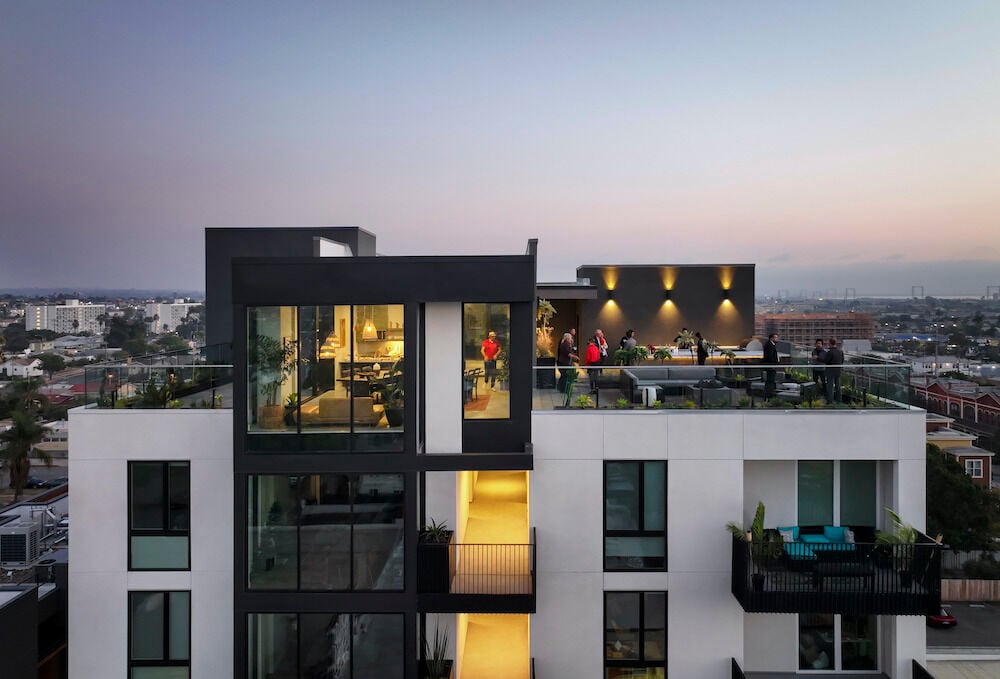
The Common at Parco Apartments stands on East Eighth and B streets, where the former H&M Goodies auction house stood for years. Developer Andrew Malick says it’s a “downtown in one building” and it has a variety of apartment options for rent, from affordable furnished studios and co-living spaces, to spacious row homes. On the ground floor, there is space for a full-service restaurant, and several retail stores and offices. Incoming businesses include a tequila tasting room, Mozambican restaurant, and poke shop.Ben Dalton, an architect and partner at Miller Hull, the firm that designed the project, says he’s proud they were able to offset one-third of the embodied carbon used in Parco’s construction—that is, reducing the climate impact of all the materials that make up the building. But most importantly, he’s proud of hearing from tenants how much they enjoy living here, and how the price point has helped them.
Courtesy of Miller Hull
East Eighth has had all the potential to be a thriving main street, but in recent years, older businesses and warehouses closed and buildings went vacant, causing foot traffic to come to a near standstill. Now that is changing. Over the past year, an old furniture store became the popular food hall Market on 8th, which has a beer garden, café, and about a dozen locally owned food stands. An empty parking lot and the former H&M Goodies Family Auction House transformed into Common at Parco, a 30,000-square-foot, eight-story mixed-use apartment complex.
Traffic-calming measures that started in 2014, such as reducing lanes for cars, adding medians, and installing new lighting and crosswalks, took advantage of the wide sidewalks and made it safer for a stroll. New businesses have opened along the artery, such as Mujer Divina, a café and burrito shop from acclaimed cross-border chef Priscilla Curiel.
It took years of planning, foresight from developers, the support of city government, and the entrepreneurial spirit of local business owners to spark new life into this revived main street.
National City – food spread
Joel Tubao, a second-generation Filipino American, is one of those entrepreneurs who believes in National City and encourages others to invest in it. Tubao’s father was in the Navy, his mother a nurse at Paradise Valley Hospital—they moved to San Diego in the 1950s and started a real estate business together in the 1960s.
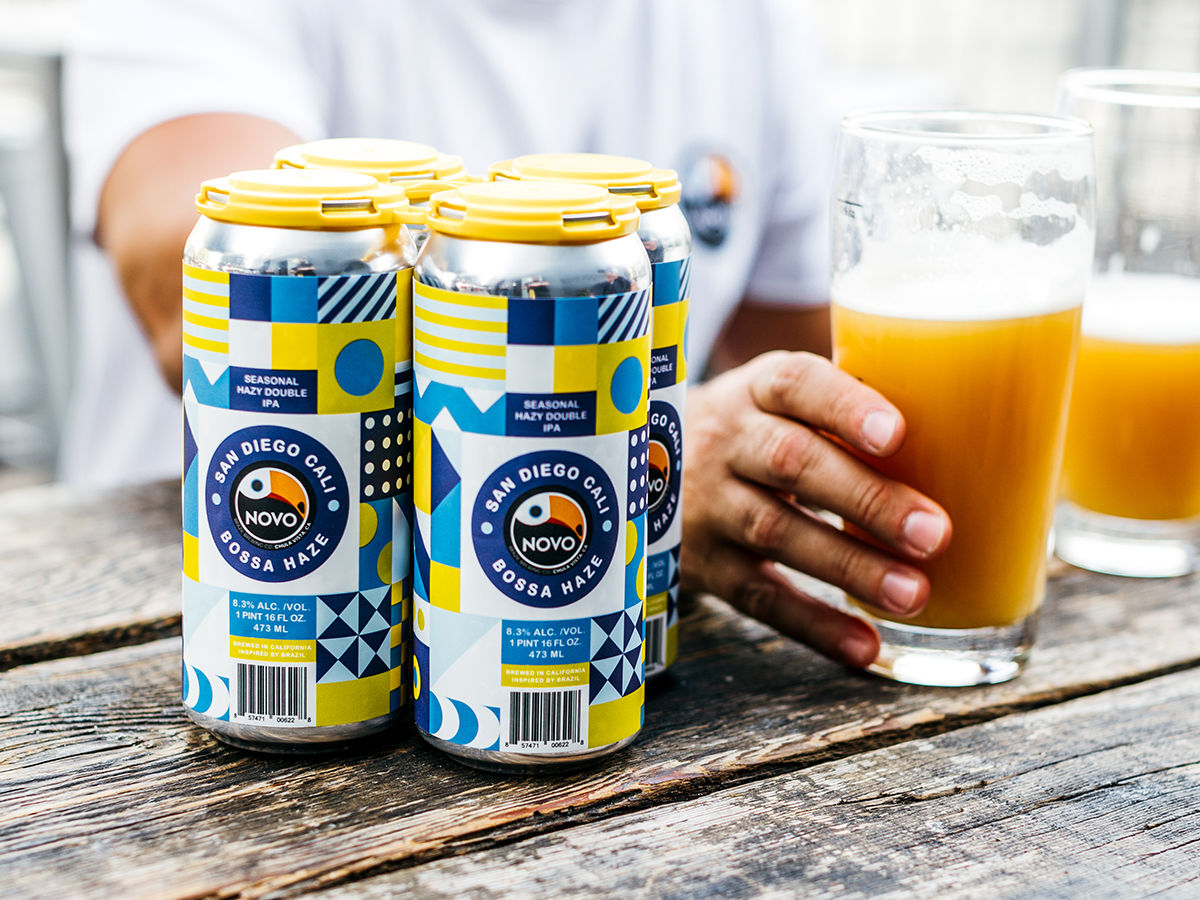
Tubao calls South Bay home: He grew up mainly in Chula Vista, went on to earn a law degree, joined the family’s real estate business, and cofounded Novo Brazil Brewing in Eastlake. He says he always felt that East Eighth Street was missing a community space. So when that old furniture store went up for sale five years ago, he jumped at the opportunity.
“People would come to this neighborhood specifically to take care of a job or an errand, and that’s it,” he says. “Across the 5 and the bay is Coronado, and we’re sandwiched between downtown and Chula Vista. Downtown had its revival and is still changing. So is Chula Vista, which has its bayfront. So why not National City? South Bay deserves it.”
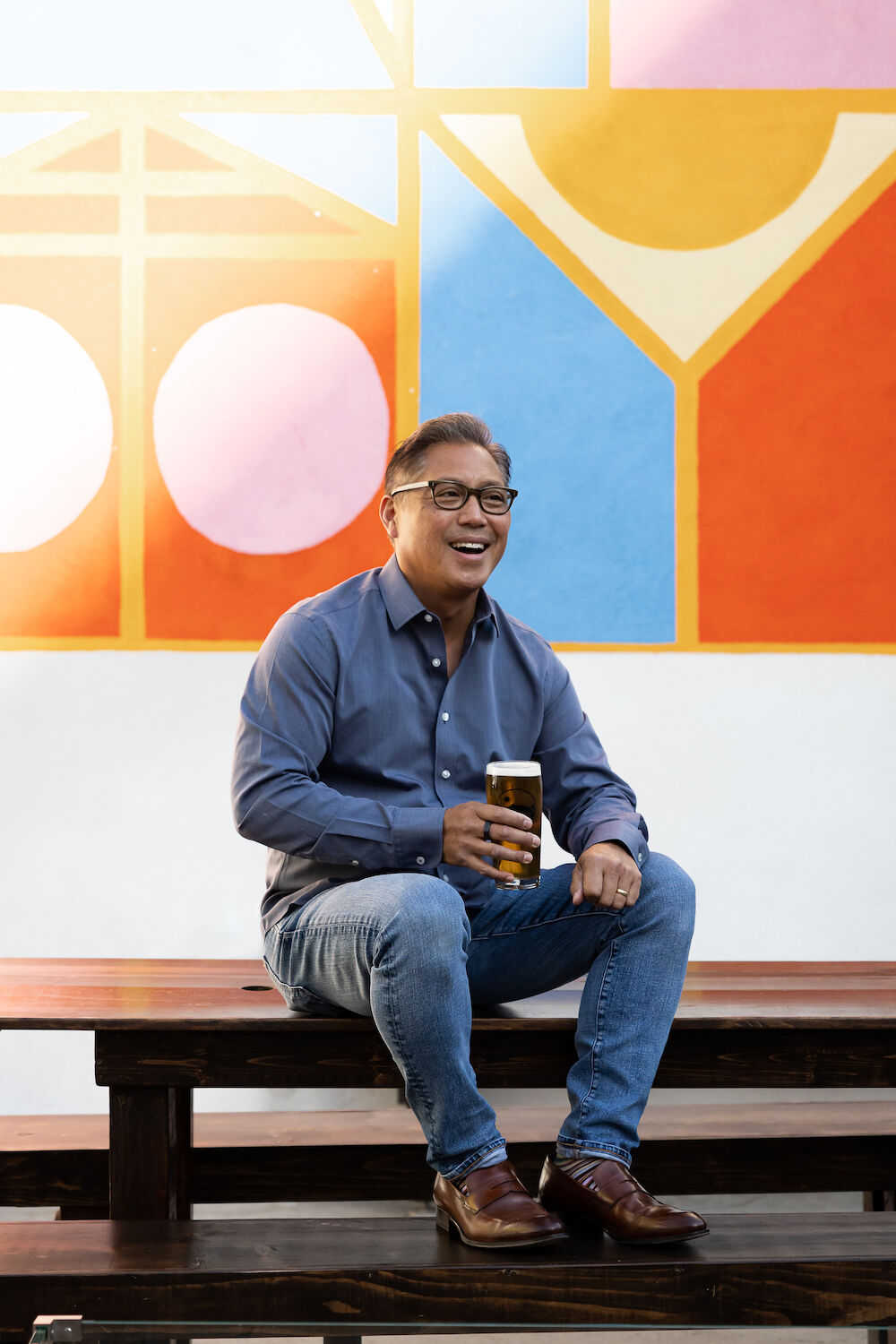
Joel Tubao is a second-generation Filipino American who grew up in South Bay. He is the developer behind Market on 8th, and is also the co-founder of Novo Brazil Brewing. Tubao is an attorney by trade, and got his start in real estate with the family business.
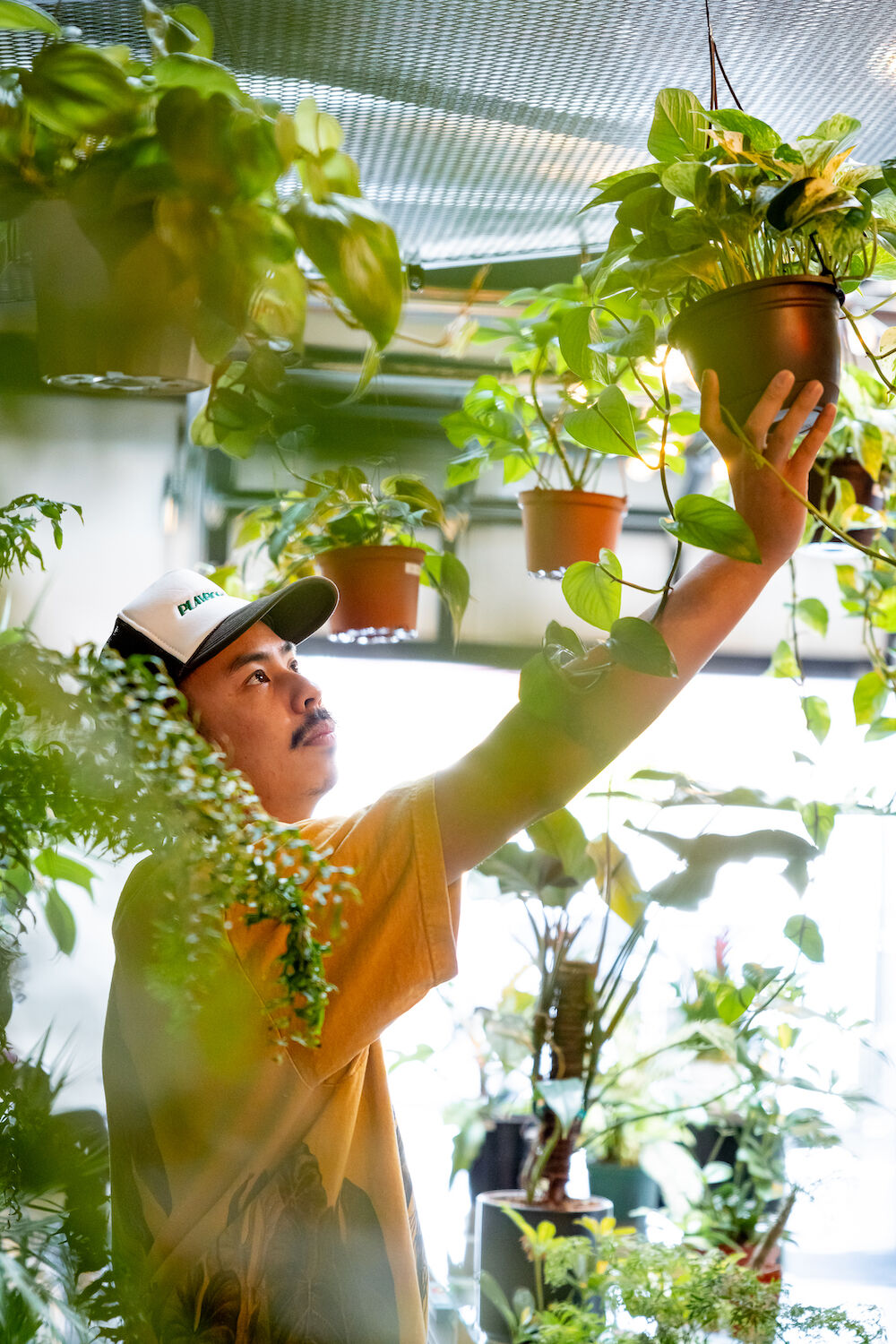
Plants from Playbonsai
This need became even more evident when Tubao met with his family to discuss remaking the 11,000-square-foot building. “We were trying to find a place to have our meetings, and there wasn’t a place to go,” he says. That became the framework for Market on 8th. Tubao was also inspired by the food halls he’d seen while backpacking through Europe.
After breaking ground in 2019 and overcoming a series of pandemic-related construction delays, Market on 8th finally opened its doors last fall. Tubao says the reception has been overwhelmingly positive: “I think the community is starting to embrace it as a place to come and enjoy the neighborhood, and to meet their neighbors.”
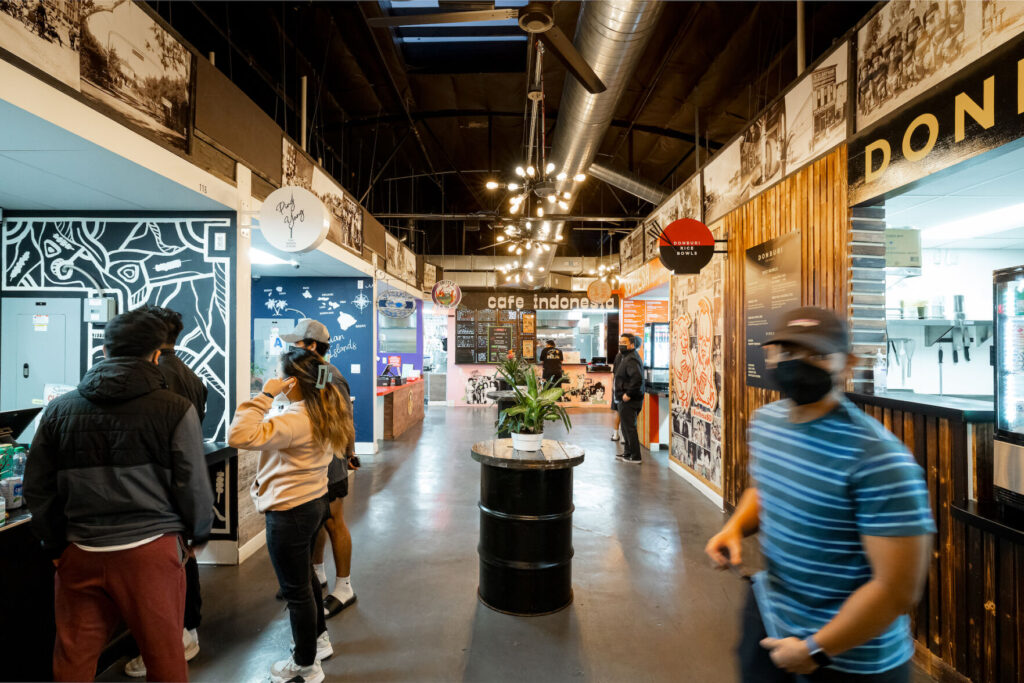
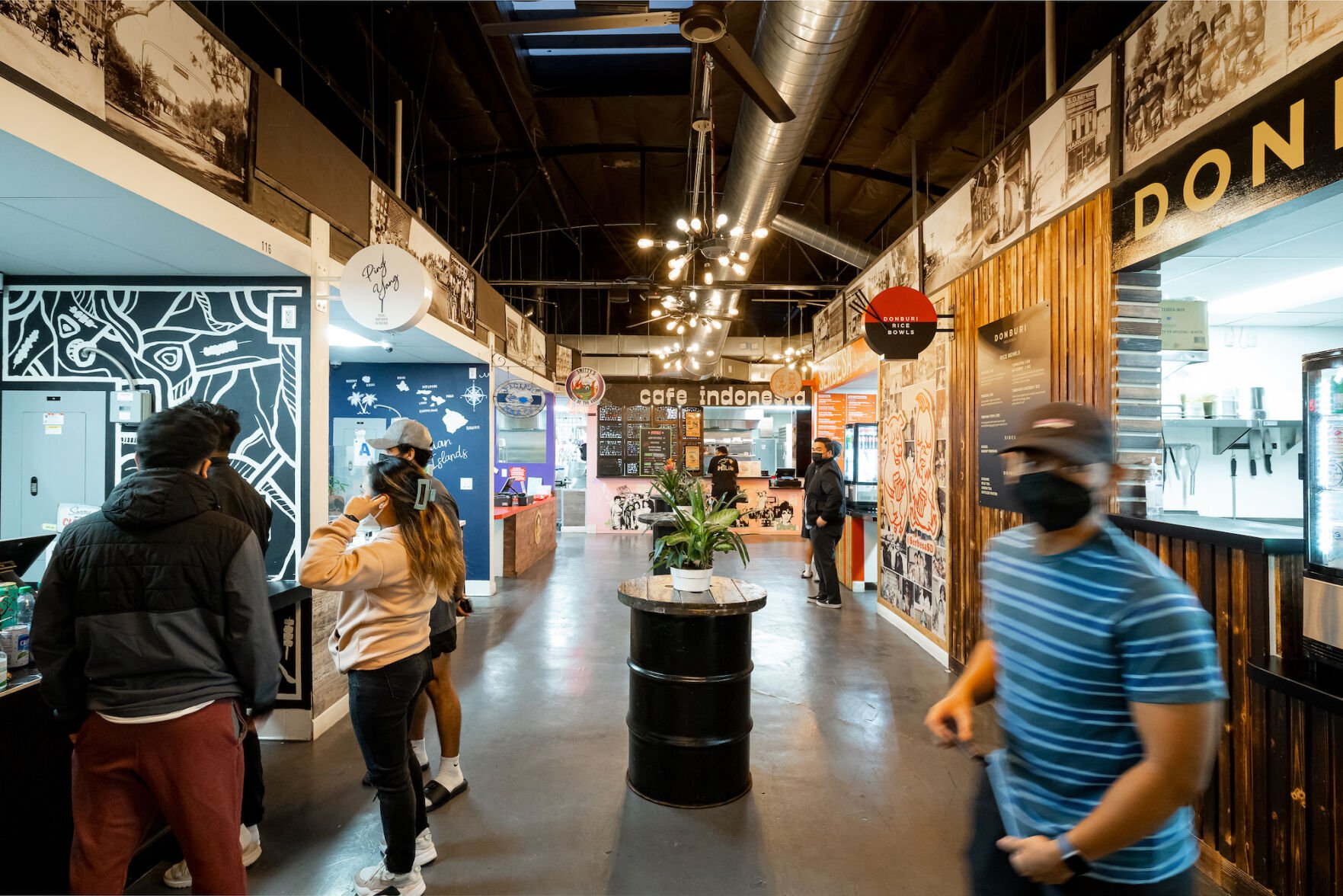
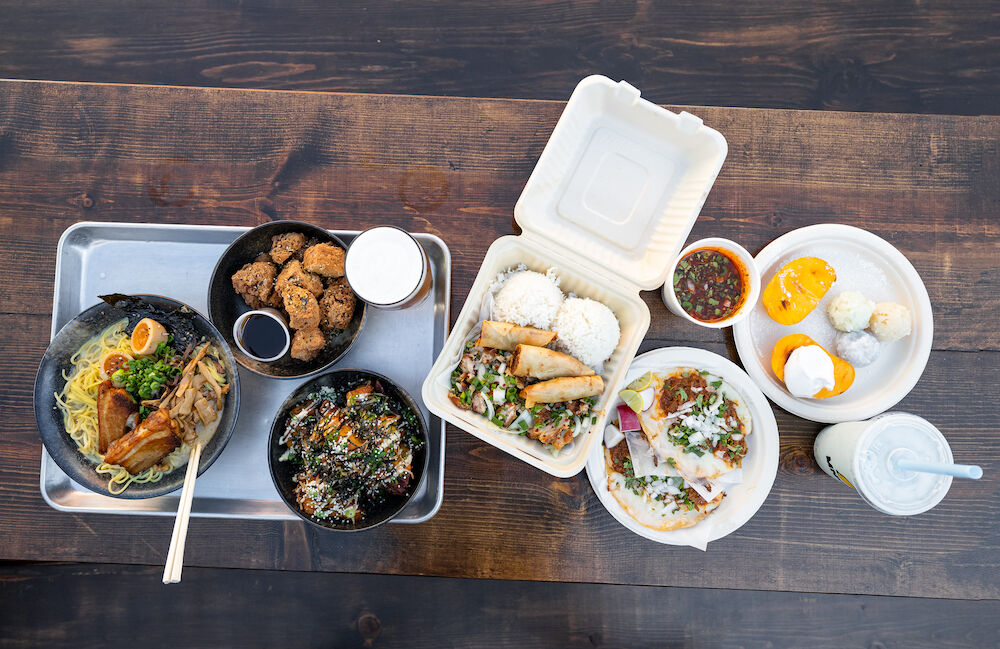
The space is anchored by a café from Moe Coffee and a tasting room by Novo Brazil, which specializes in tropical lagers, ales, and kombucha. It’s filled with long tables and benches, and has a lively outdoor beer garden. Inside, a dozen food stands (most of which are owned by people of color) serve the foods that South Bay is known for: Filipino lumpia at Serbesa, Japanese rice bowls at Donburi, birria tacos from La Central, Southern barbecue from Smitty’s, mango sticky rice and boba from Mngo. It’s the first brick-and-mortar location for several of these eateries, like Pizza Kaiju, which serves square slices with traditional toppings and inventive ones, such as the sisig pizza with Filipino-style roasted pork belly and a cream sauce with calamansi (a tart citrus fruit).
Businesses can sign for a lease ranging from one to three years, giving a variety of new restaurant owners and chefs a chance to have a storefront of their own someday, or try out a new menu or concept.
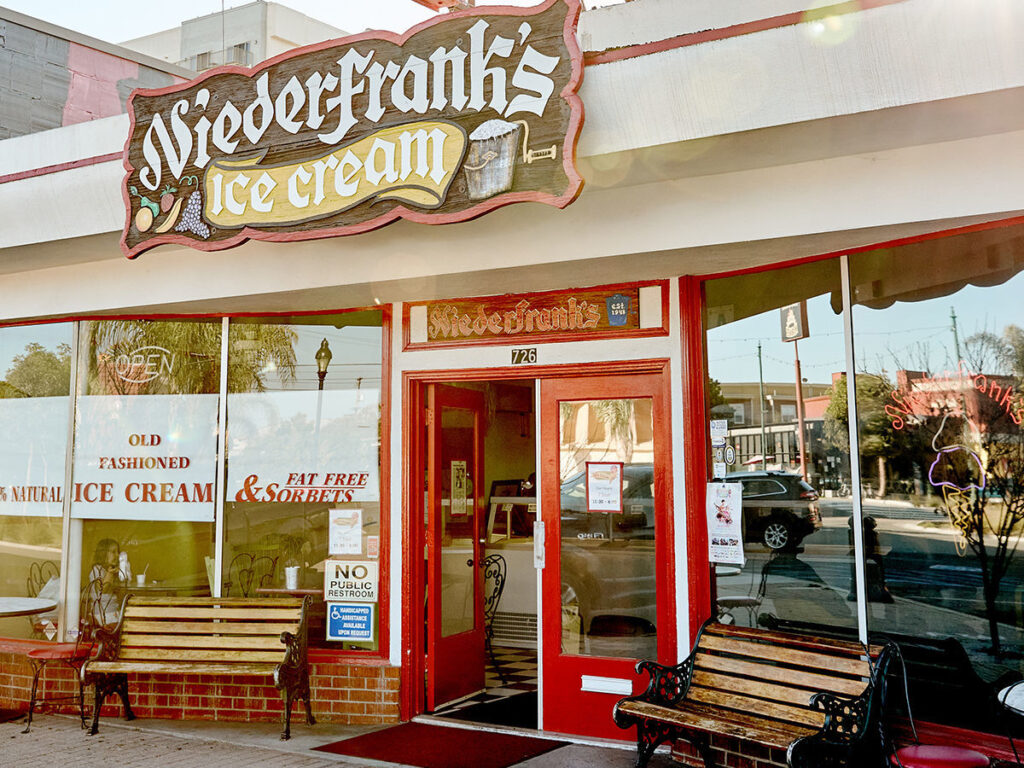
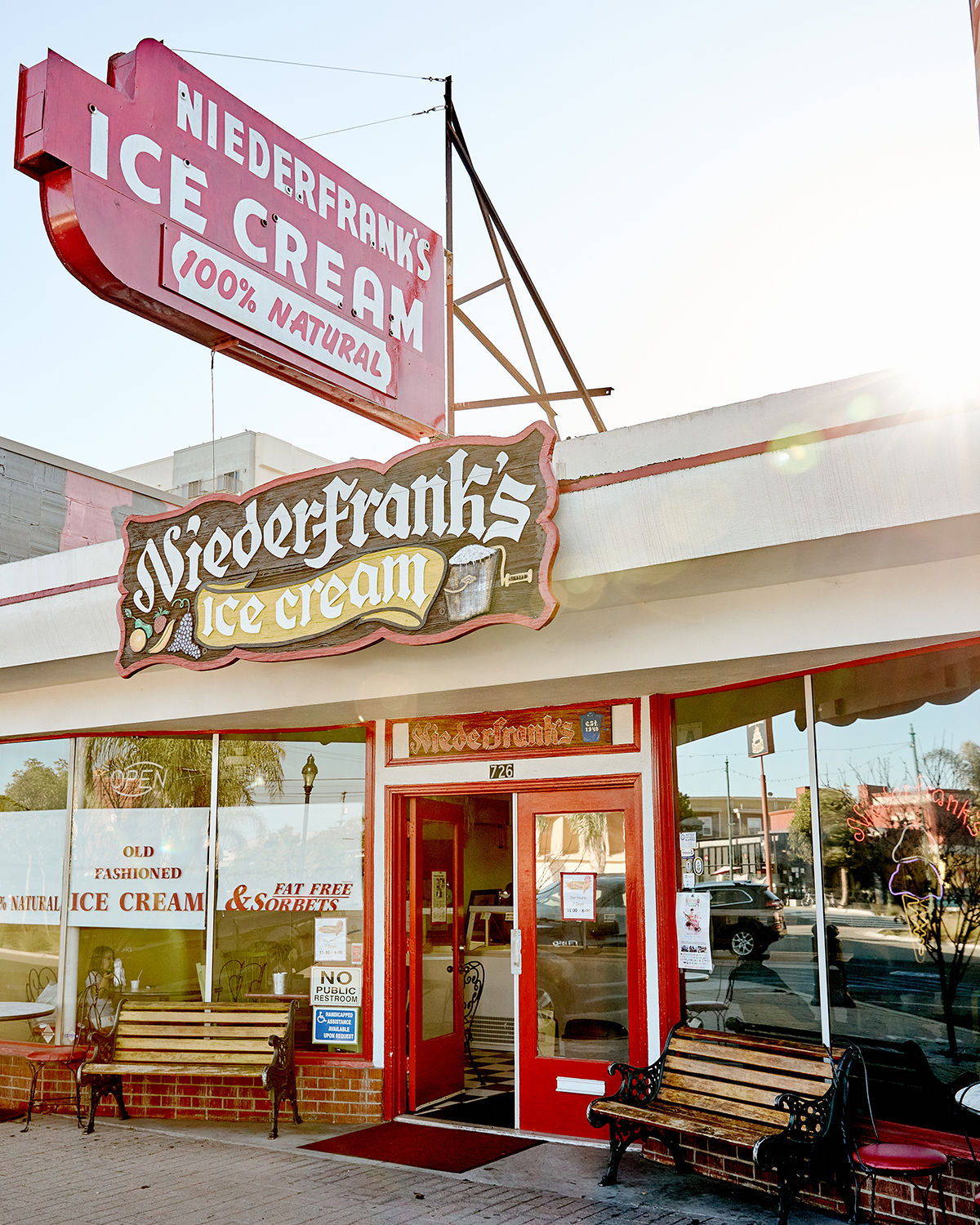
One thing you won’t find in the market is ice cream, and this is deliberate. Market on 8th is adjacent to Niederfrank’s, an ice cream shop that’s been a cornerstone of the city for nearly 70 years, and Tubao says he didn’t want to take any business away from them. Instead, visitors to the market often venture over to Niederfrank’s walk-up window to get a cone for dessert.
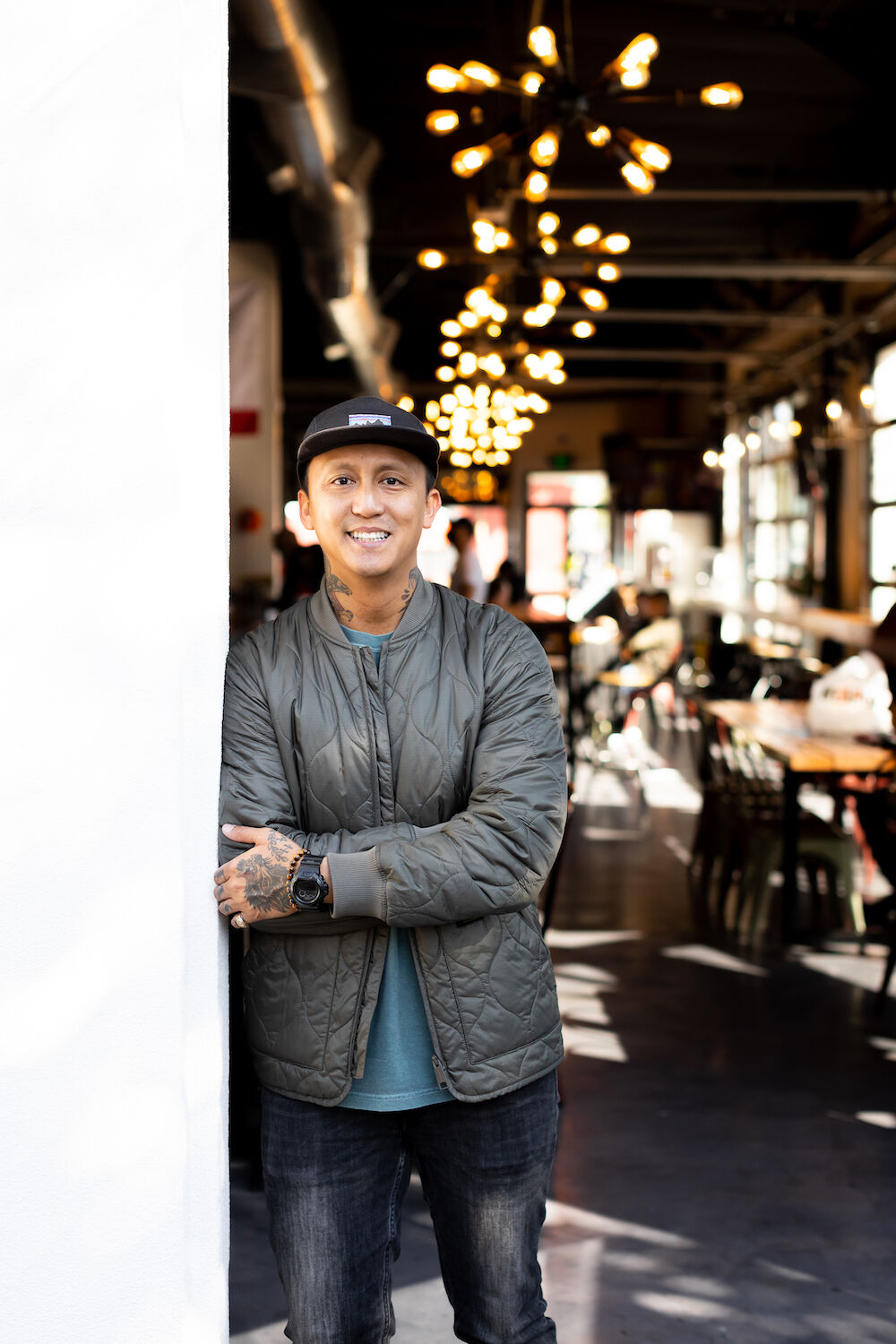
Chef Phillip Esteban grew up in both National City and Paradise Hills. He moved to New York City to further his culinary career, then returned to San Diego to work at CH Projects before starting his own restaurants. White Rice, his casual concept based on Filipino rice bowls, is at Liberty Station with a second location coming soon in Normal Heights. At Market on 8th, he operates Weapon Ramen and Wordsmith, a culinary store. Today, Esteben lives within walking distance from the market, and says living and owning a business in National City has been a homecoming for him.

Elmer Niederfrank opened Niederfrank’s ice cream shop on A Street back in 1948, and it’s a local institution. All the ice cream and waffle cones are made onsite, using the original equipment (and the same recipes). Today the shop is owned by Patti Finnegan and Mary Ellen Faught, who purchased it in the ’90s. The company says it’s the oldest ice cream maker in Southern California.
Being able to assist businesses owned by people of color and hire students and residents who live nearby is close to Tubao’s heart. He also has a deep respect for the city’s mom-and-pops: iconic places for Filipino, Mexican, and Chinese food, such as Tita’s Kitchenette, Menuderia Don Vicente, and Royal Mandarin (famous for their salt–and-pepper chicken wings) have been in town for decades. He sees the market and its vendors as complementing what those shops already offer, not competing with them. “We’re just adding to the value of what’s already here,” he says. “And the timing couldn’t be better—Filipino food, for example, is being recognized nationally. People are proud of their heritage.”
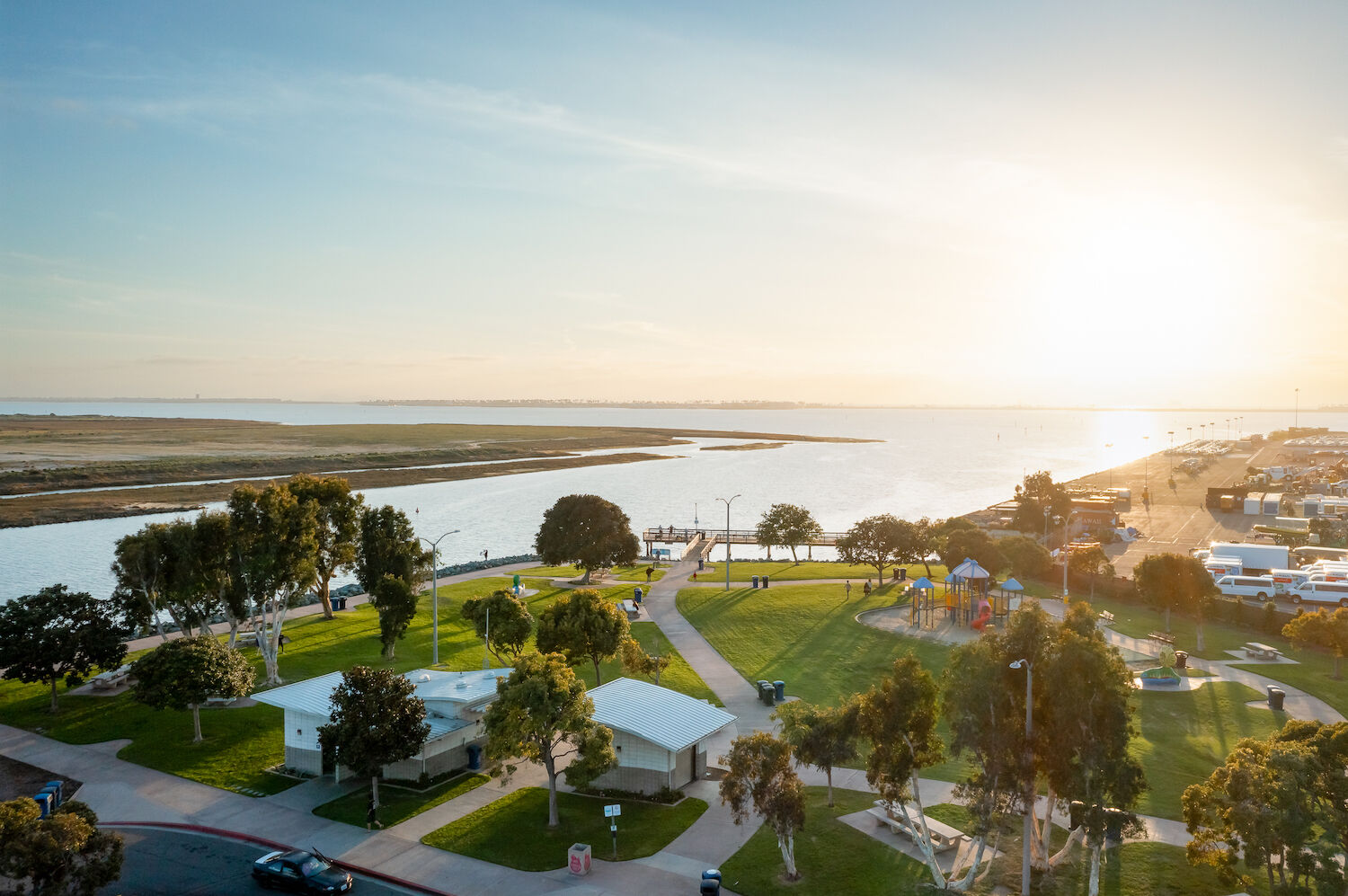
National City – Aerial Park view
Chef Phillip Esteban never imagined a space like this would exist in his hometown. He’s a Filipino American who grew up in both National City and Paradise Hills, and he’s arguably one of the most well-known chefs from the area today. He’s been lauded for preparing and delivering tens of thousands of rice bowls to hospital workers in 2020, appeared on the TV show Chopped, and garnered a following for the new ventures he’s opened in just the past two years: Weapon Ramen and Wordsmith, a culinary shop, in Market on 8th; and White Rice, which specializes in Filipino rice bowls, at Liberty Station and soon to come in Normal Heights. His career has taken him to New York City, but he returned home, working at CH Projects before eventually striking out on his own.
He says his childhood memories are filled with ice cream from Niederfrank’s (golden pistachio is his favorite flavor), playing at Kimball Park, and getting sandwiches from Napoleone’s Pizza House. He’s watched people leave National City over the years—off to bigger cities, or to Eastlake when they started having kids. Today he lives within walking distance of the market. Not only has returning to the community been a homecoming for him, but the market itself has become a second home.
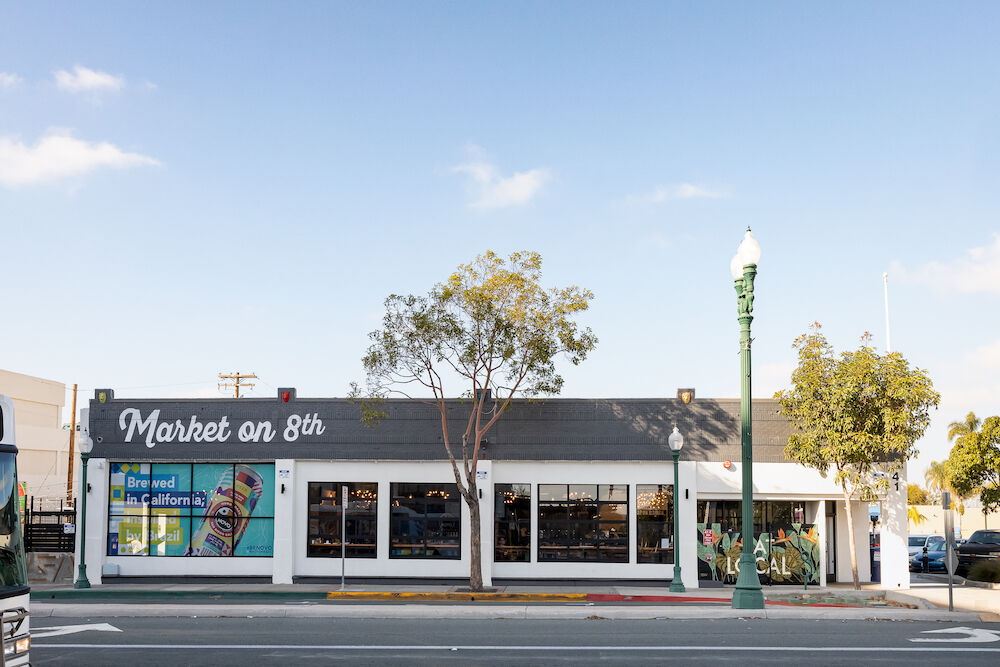
Exterior of Market on 8th
“Almost every day, I bump into someone I haven’t seen since high school,” he says, laughing. “They’re ecstatic to have something like this in their neighborhood.”
Esteban says the market, and the new apartment complex are just the beginning of this neighborhood’s revival. “We’re laying down the blueprint. I’m hoping that over the next two years new and potential business owners say, ‘Hey, I’m spending my time in National City. I want to open up my store here.”
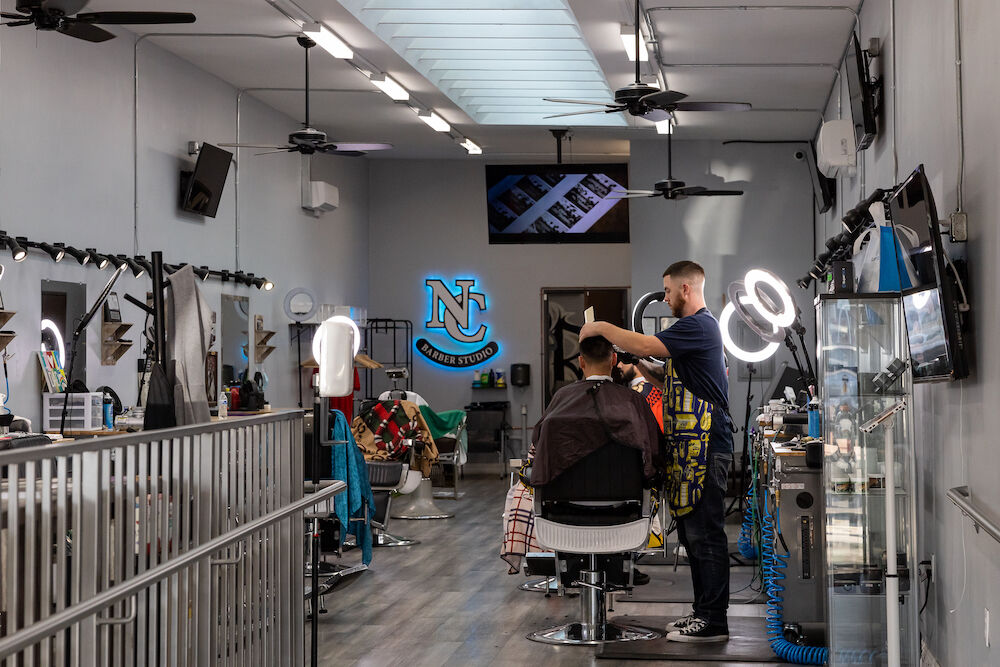
National City Barber Studio
An important part of a city’s revitalization plan is to create more housing, and that’s what the National City City Manager’s Office sought when it put out a request for proposal in 2017 for a developer to bring affordable housing to East Eighth Street and B Avenue. Andrew Malick, founder of Malick Infill Development and one of the first developers to revitalize North Park, and Ben Dalton, an architect and partner at Miller Hull, answered the call with plans for Common at Parco.
“National City wanted a catalyst project. What you need for a successful urban area is for people to live there,” Malick says. “And when we first came in, there wasn’t enough ‘there’ there.”
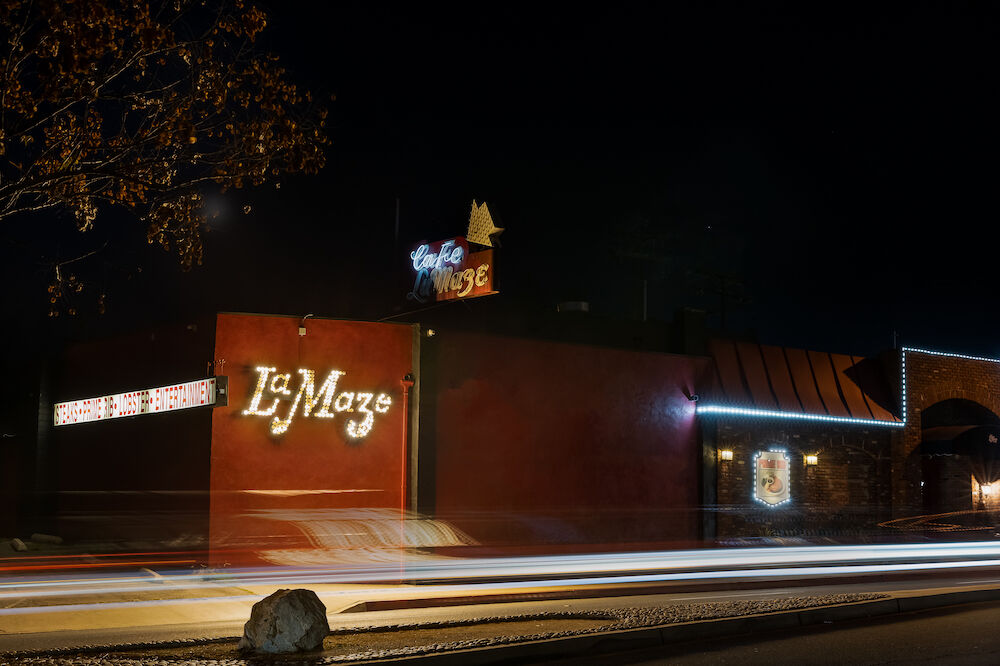
Cafe La Maze on Highland Avenue has been around since 1941 and still has its Old Hollywood glam. The steakhouse was the second location for a famed restaurateur in Los Angeles who enjoyed a movie-star clientele. His famous guests requested he open a location in National City so they had a place to stop on the way to the Agua Caliente Racetrack in Tijuana
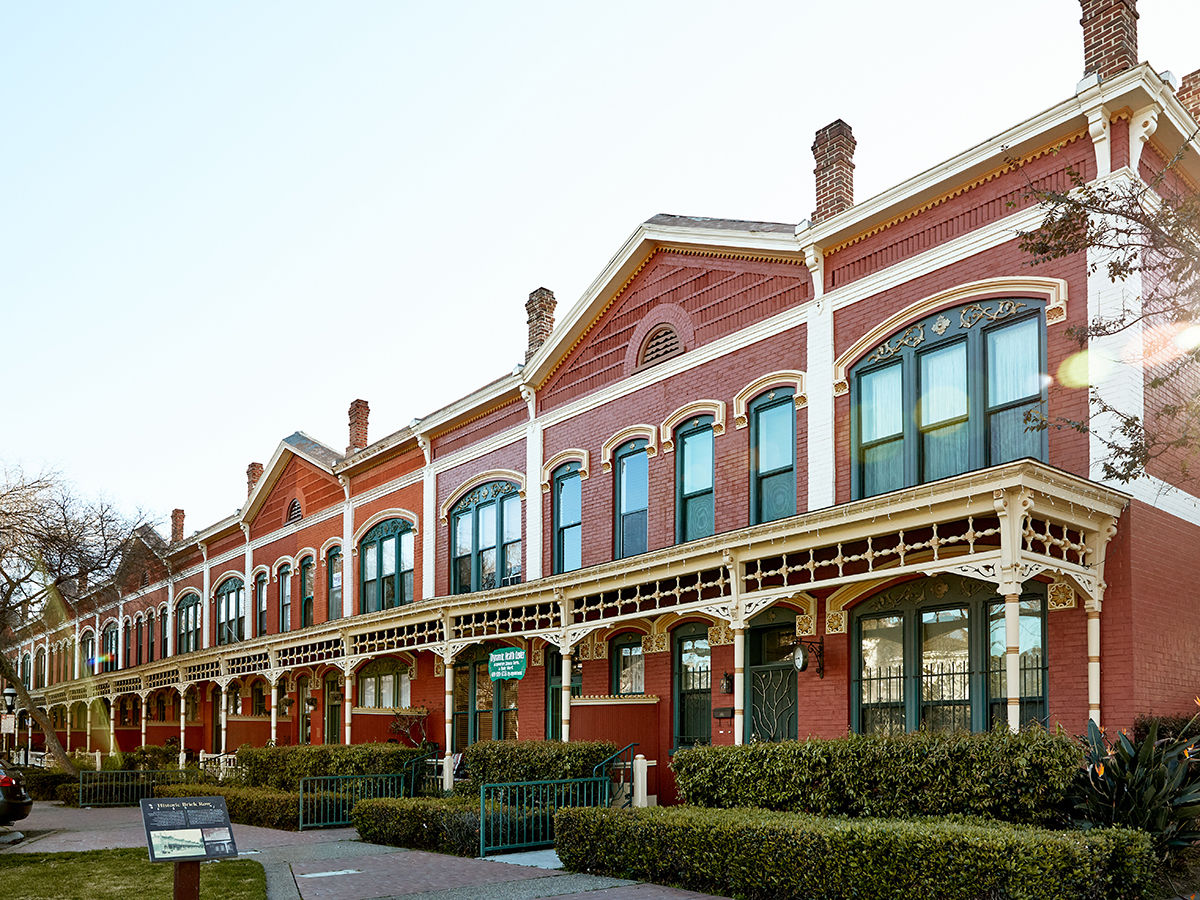
He says the city already had a good foundation for a thriving urban area: a great park and street grid, and an incredible established culture and diversity. Malick and Dalton both mention an architectural gem just a block away from where Parco stands: Heritage Square, a cul-de-sac of Victorian and Queen Anne-era homes. One can also find the Frank Kimball Museum (the 19th-century home of the city’s founder), and Brick Row, ten row homes dating back to 1887 that look like they were transported right from Philadelphia. Malick calls Parco “a downtown in one building.” It’s a dense, 30,000-square-foot mixed-use complex that takes up an entire block, with space for 14 retail shops and office spaces, and 127 units including furnished and unfurnished studios, one-, two-, and three-bedroom apartments, row homes, and co-living spaces. They had ten days to prepare the presentation to the city council, and they won the bid.
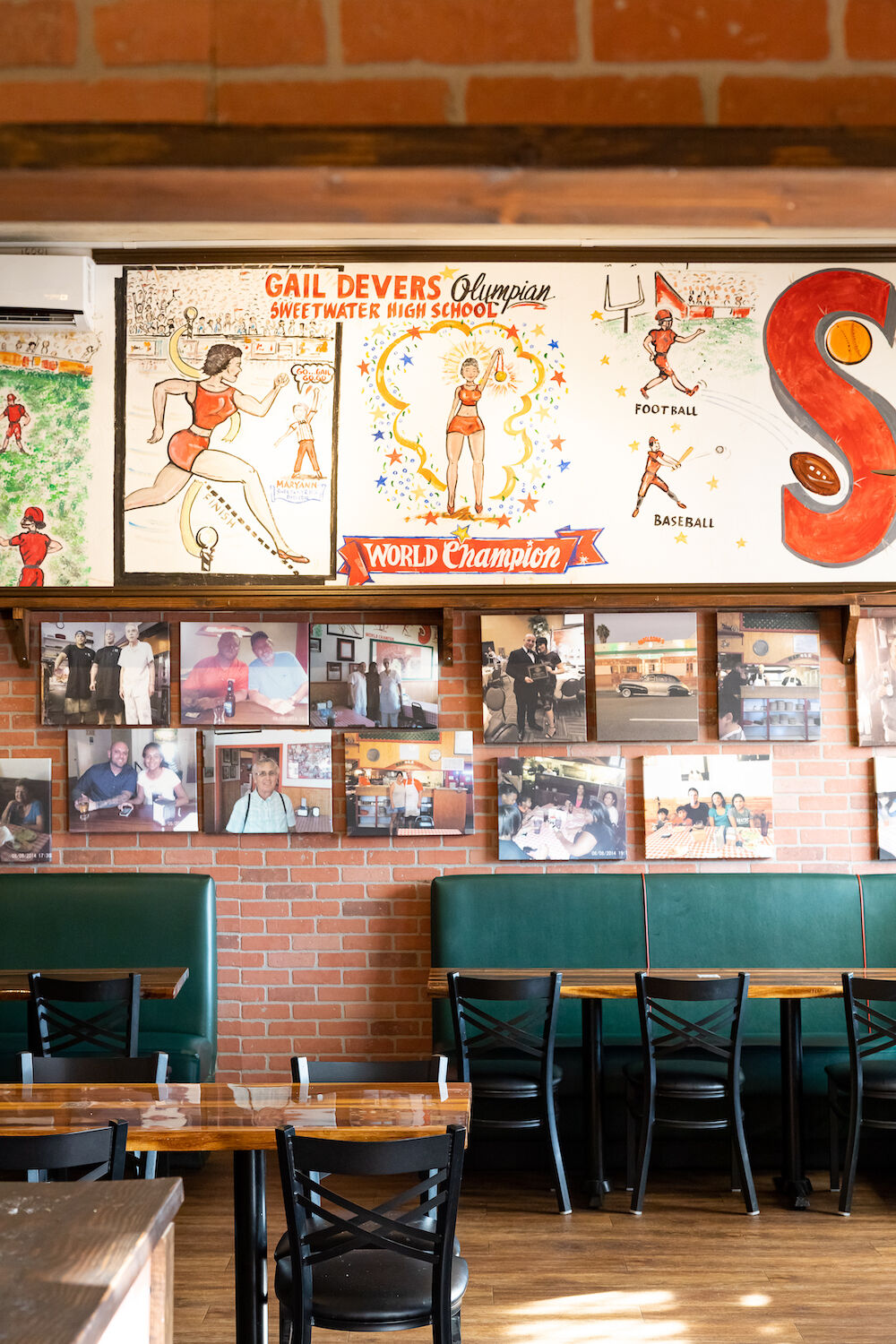
The legendary Napoleone’s Pizza House on National City Boulevard is famous for its torpedo sandwich and old-school vibe. Singer Tom Waits, who attended Hilltop High School in Chula Vista, worked here as a teenager. The restaurant, which opened in 1958, is even mentioned in one of Waits’s songs, “The Ghosts of Saturday Night (After Hours at Napoleone’s Pizza House)”.
Parco opened its doors to new tenants last summer, and Malick says all the units were leased out in just nine weeks. Dalton says it was important to him that the complex’s design respect the local culture and be built with a sustainability mindset. He and Malick commissioned murals and other work from local artists Andrew Alcasid and Matthew Beltrano, as well as the nonprofit ARTS (A Reason to Survive), for the exterior walls and common areas. Units have floor-to-ceiling glass windows. In the evening, the glow from the fire pit on the communal rooftop deck can be seen from the street. “It probably has one of the nicest laundry rooms in San Diego,” Dalton adds—it has its own lounge, game area, and another expansive deck with clear views of the cityscape and mountains beyond.
An interesting component of the building are the co-living suites: Two to three tenants each have their own private room and bath, while sharing a kitchen and living area. Dalton says that while this concept isn’t new, there aren’t many places in San Diego that offer it. The co-living suites have affordable, shorter-term leases, from three months to one year, and are a great option for students, people who just moved to town, or people transitioning from military to civilian life, he says. Housecleaning services are included in the rent, along with staples such as dishwashing soap and toilet paper. “All you have to do is show up.” As of press time, rent for a co-living space is less than $1,000 per person, and a studio averages around $1,500 a month.
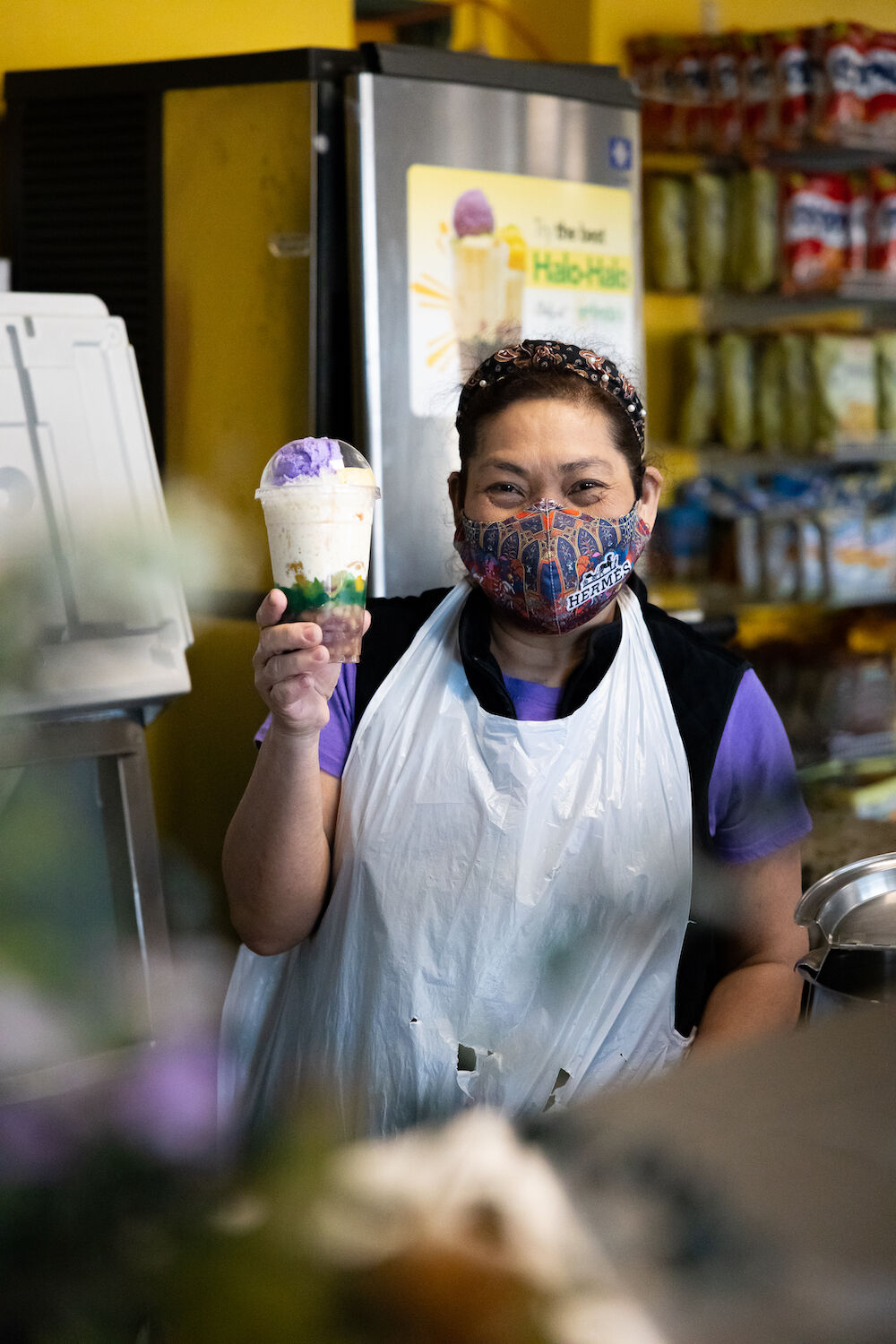
Ube (purple yam) halo halo from Erlinda’s Filipino Cuisine on East Eighth Street
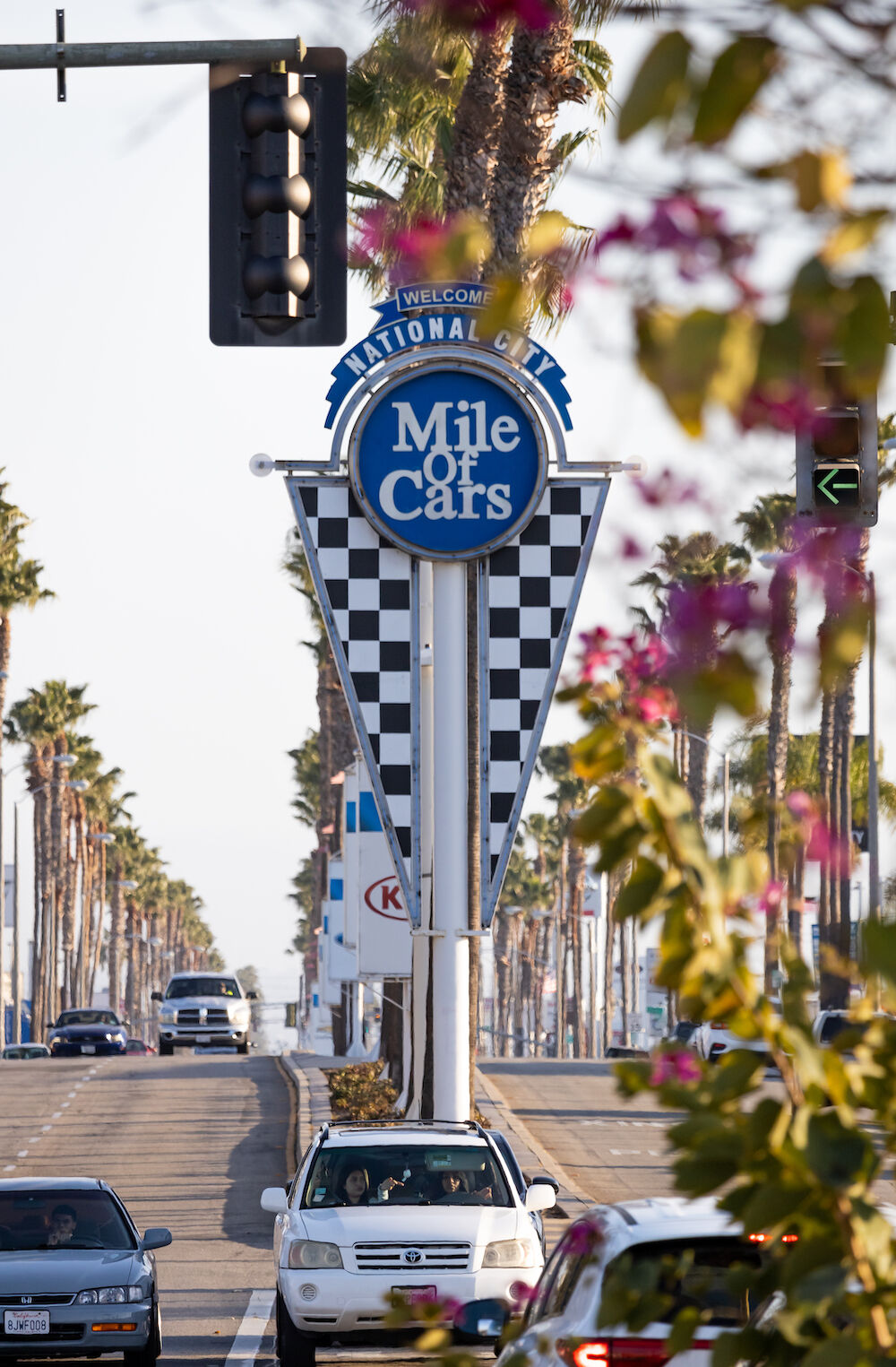
This section of National City Boulevard is known as the Mile of Cars for its stretch of over a dozen dealerships. The first car dealership here opened in 1904, in the 1940s and 1950s more set up shop. The “Mile of Cars” moniker was first used in 1955 in local advertisements, and today it’s the longest-running auto dealership collective in the U.S. More than 20,000 vehicles are sold here every year.
Although the Parco complex has the aesthetic of a new building in Little Italy, it doesn’t feel out of place or inaccessible. Dalton says he’s proud when he hears from tenants about how they enjoy living here, and that the price point has helped them.
Malick says that so far a graphic design company, an accounting firm, and law firms have signed leases for new office spaces, and some upcoming retail tenants at Parco include a poke shop, a tequila tasting room, and a Mozambiquan restaurant. Malick and Dalton both hope that like Market on 8th, new retail shops on the ground floor of Parco will rejuvenate the street.
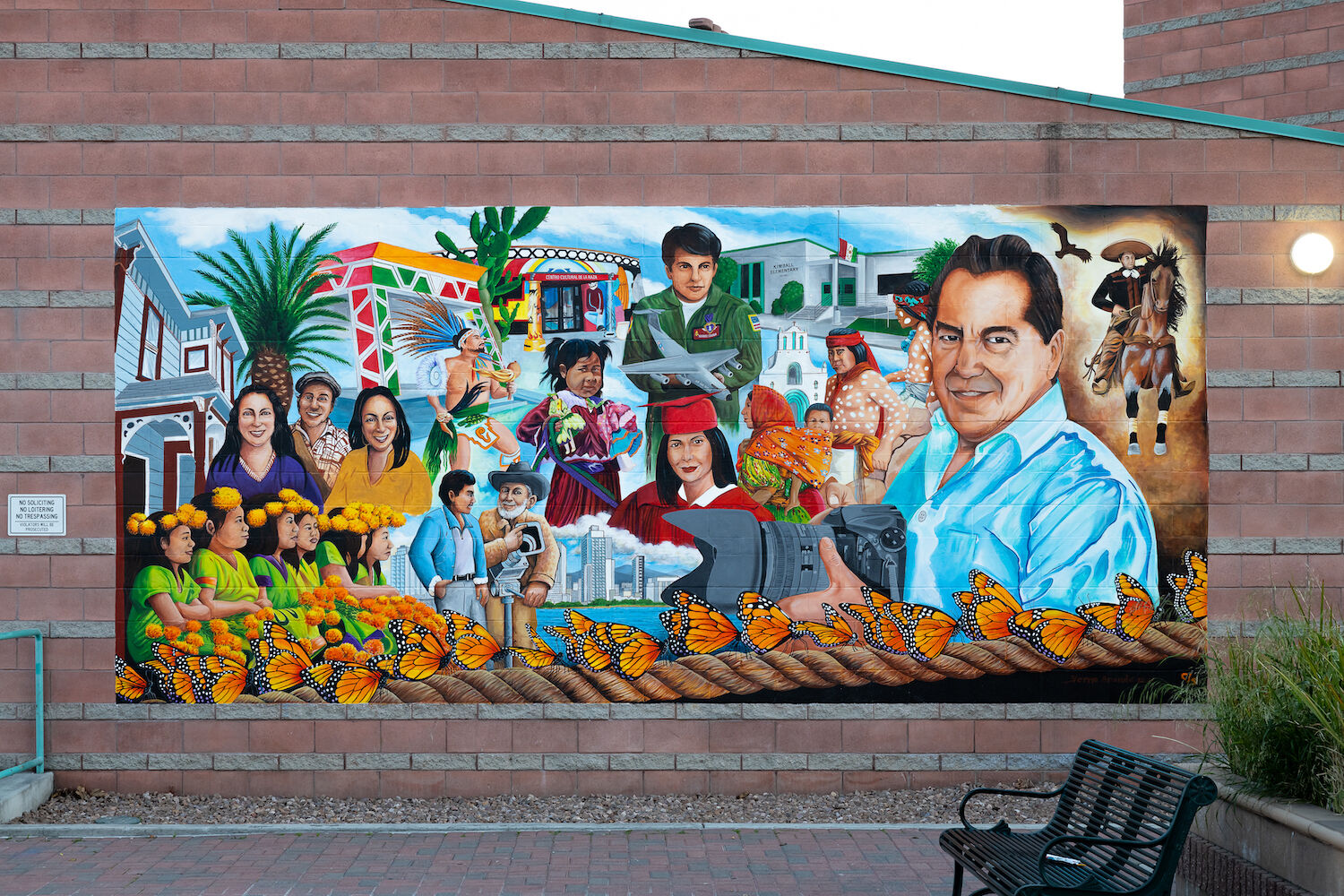
National City – mural
“This is a stepping stone for Eighth Street,” Tubao says. “National City has not always been the safest location in the past. We’re hoping to make those changes—we want to create an environment here where people feel proud of raising their families.”
Esteban concurs. He mentions that a new coffee shop is opening across from Parco this summer, and envisions that more development will come. He’s heard concerns about gentrification, but feels it’s too early to tell how things will go.
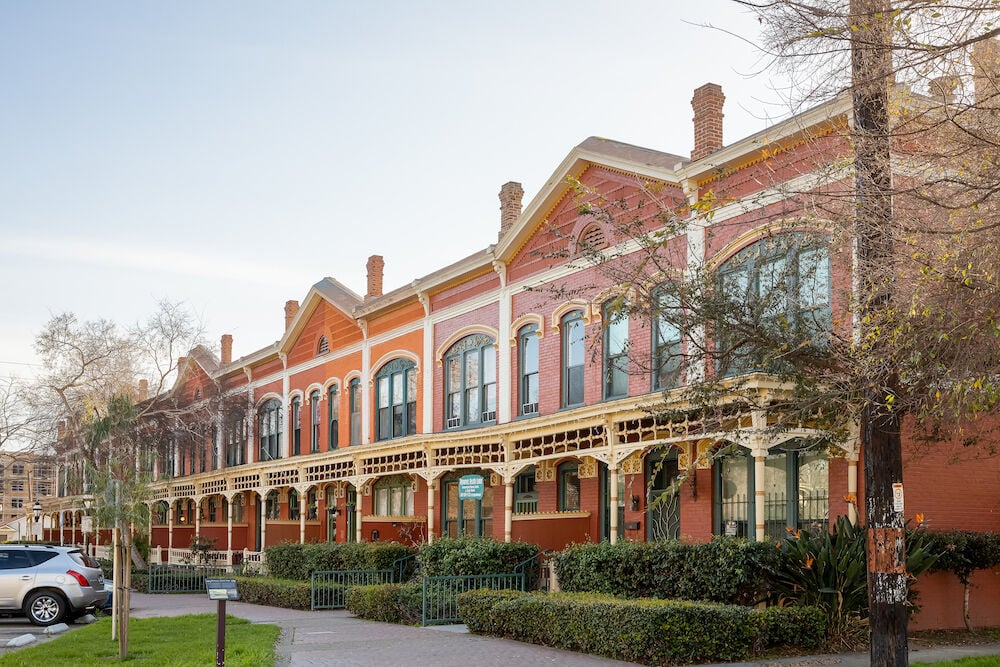
Walk back in time at Heritage Square on East Ninth Street and A Avenue, where several Victorian-era homes remain intact. The square also features ten row houses that were built in 1887 by Frank Kimball, the city’s founder, and Kimball’s former home, which is now a museum run by the National City Historic Society.
“I think there’s a way to grow, and it can follow what happened in Barrio Logan,” Esteban says, referring to how the revitalization of the neighborhood’s main street, Logan Avenue, was driven by locals. “There’s a way to do it without being exclusive. What I hope for Eighth Street’s future is that it becomes like Fairfax in LA, where you get a congregation of artists, designers, and local people all in one neighborhood.”
Ollie Paterson is a San Diego based photographer, originally from New Zealand. He specializes in architecture, real estate and interiors. His work has been featured in LA Times, CB2 and others.
PARTNER CONTENT
Where to eat, drink, and play in the second-oldest city in San Diego
Niederfrank’s Ice Cream
Lucianna McIntosh
There’s lots of good food and beloved eateries to be found in the South Bay city, one of the most ethnically diverse areas in San Diego. Niederfrank’s Ice Cream has been serving their homemade scoops for over 60 years. A sign at the counter explains that their process is “antique, inefficient, outdated and expensive,” as they use old-fashioned equipment. Try the Mexican chocolate or red mint chip flavors, or even avocado. Takeout is available.
Minutes away is Royal Mandarin, an old-school Chinese restaurant that our very own Troy Johnson awarded Best Chicken Wings—you can order the salt-and-pepper wings by the dozen or get a pan that will feed as many as 50 people. Takeout is available.
Arepas at Mi Pana Latin American Cuisine
Lucianna McIntosh
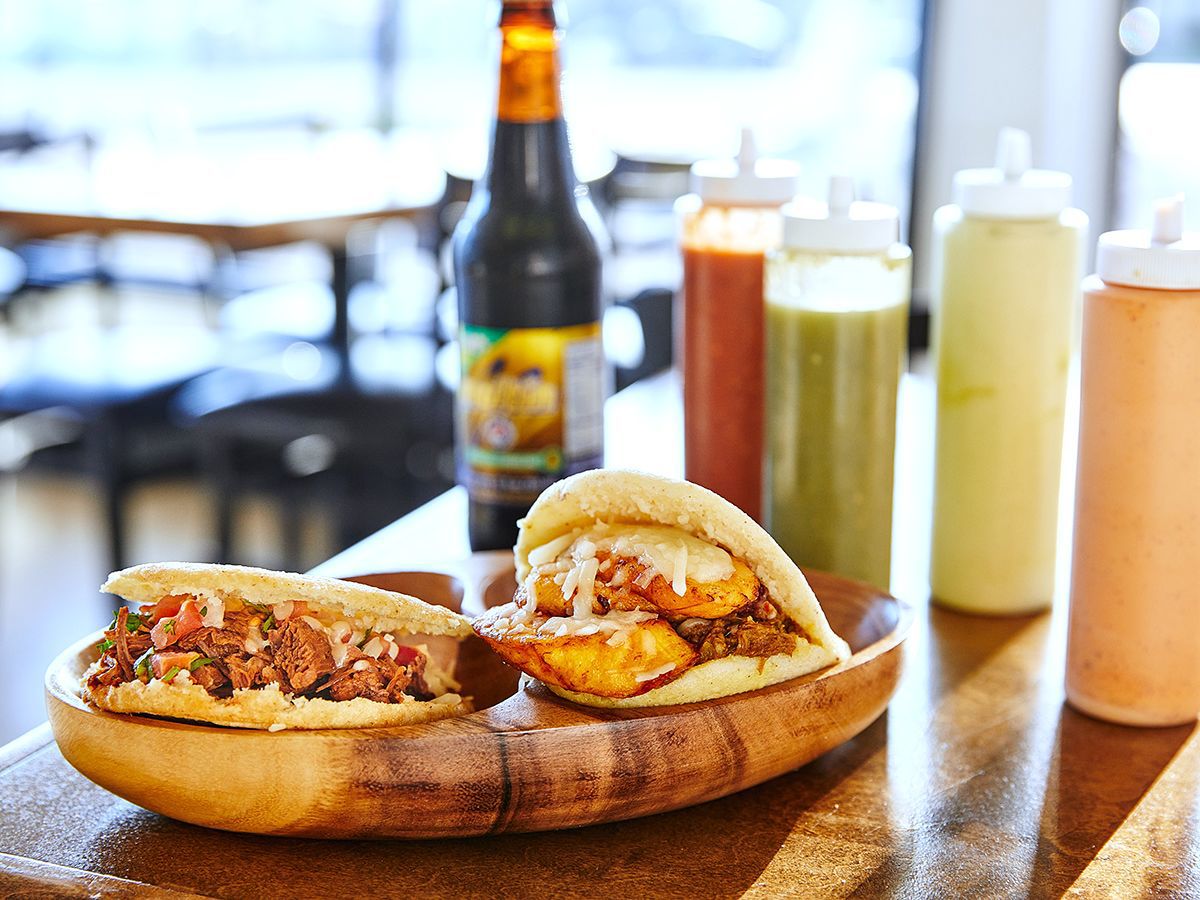
New in town is Mi Pana Latin American Cuisine, the only restaurant cooking up Venezuelan dishes like arepas, a split cornmeal sandwich stuffed with everything from shredded beef and fried plantains to beans and cheese. They are open for takeout.
Opening downtown this fall is Market on 8th, a food hall and retail center that will take over the whole block. Novo Brazil Brewing will have a tasting room there, and chef Philip Esteban, who cooked at David Chang’s Momofuku Ssäm Bar and was the R&D chef for CH Projects, plans to open his first solo restaurant, WellFed, there next summer.
Novo Brazil Brewing
Photo courtesy of Market on 8th
Esteban is also spearheading one of the retail projects inside Market on 8th: Wordsmith, a bookstore devoted to the love of food, modeled after Now Serving in LA. He plans to stock the shelves with cookbooks, magazines, beer, wine, and chefs’ tools. The project is a homecoming for Esteban, who grew up in National City, and he says we can expect it to host cooking classes and book signings in the future. The development is part of a larger plan to reshape downtown: 8th and B, a complex of about 100 new apartments, which broke ground nearby.
If you love shopping at dollar stores, the aisles at Japanese retailer Daiso will be your version of heaven. A lot of the housewares, stationery, and home decor items are just $1.50 (and have an adorable aesthetic). Daiso is currently open with reduced hours and enforced social distancing measures.
Brick Row
Lucianna McIntosh
From Niederfrank’s, walk one block south and you’ll be in Heritage Square, a small street lined by Victorian homes. On the west side is Brick Row, which dates back to the 1880s and was modeled after row houses on the East Coast. On the east side are a few colorfully restored homes from the era.
Pier 32 Marina
Lucianna McIntosh
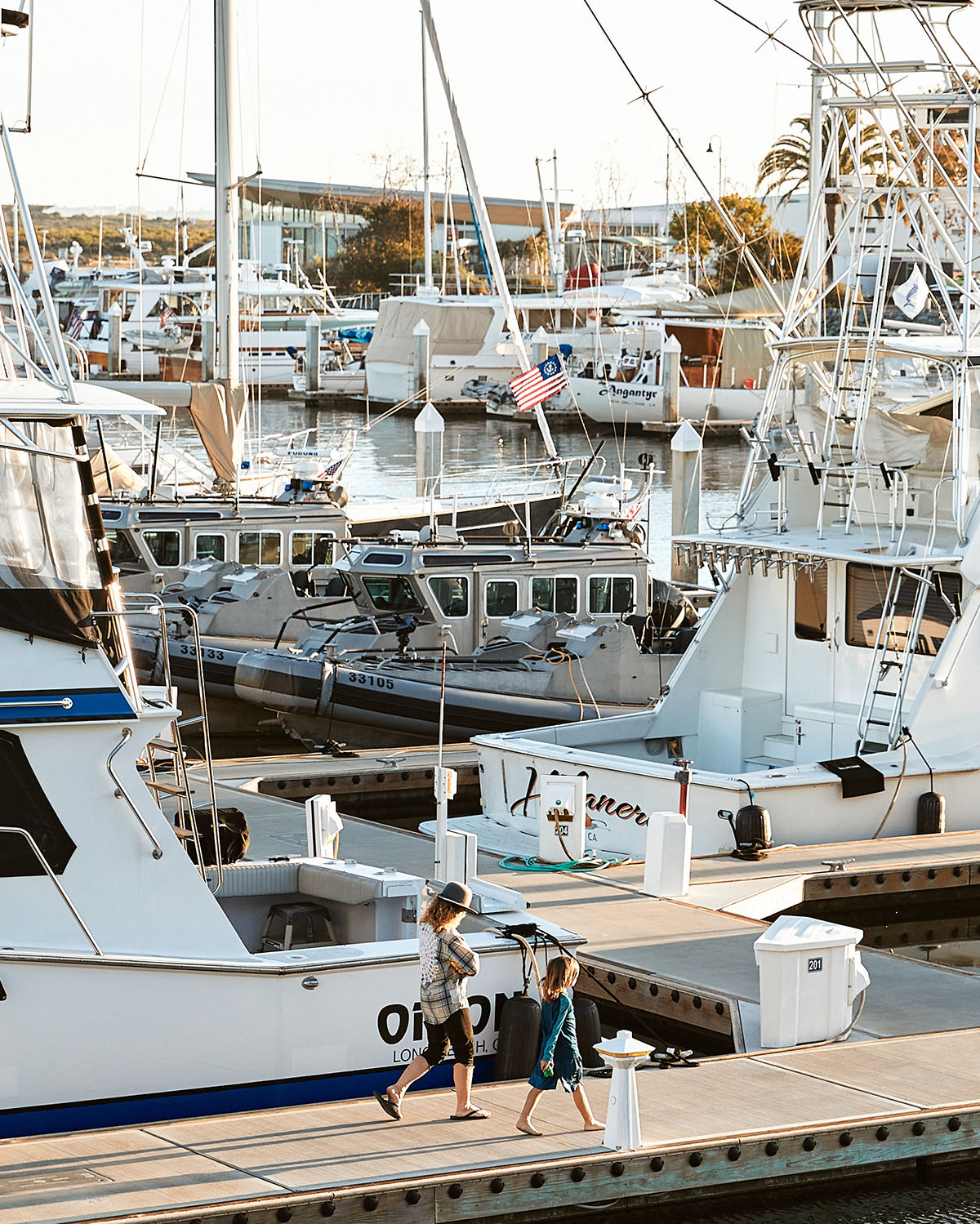
Pier 32 Marina has an aquatic center, a waterfront restaurant, and quiet piers; it’s a short walk to Pepper Park, a community park with a playground and views of the Sweetwater Channel. The restaurant is open for both dine-in and takeout. The pool is now open, the Jacuzzi remains closed.
Editor’s Note: This story appeared in the print edition of our April 2020 issue, and was sent to press before the mandatory stay-at-home order. The story has been updated to reflect the most current information.
We asked, you voted, and food critic Troy Johnson chose his favorites—these are the top food and drink people and places in the city
Some keep lists of favorite books, of quotes, of enemies whose time shall come. At SDM we keep vast, nuanced, hotly debated lists of the best food and drink in the city. Menus are our smut novels. From Michelin stars to mom and pops, our list constantly evolves over hundreds of new bites tried every year. Here’s the 2026 list from food critic Troy Johnson and 129,000-plus votes from our readers, who really, really know their food.
Troy Johnson is the magazine’s award-winning food writer and humorist, and a long-standing expert on Food Network. His work has been featured on NatGeo, Travel Channel, NPR, and in Food Matters, a textbook of the best American food writing.
This historical East County community offers numerous hikes, family-owned shops, and a slower pace of life.
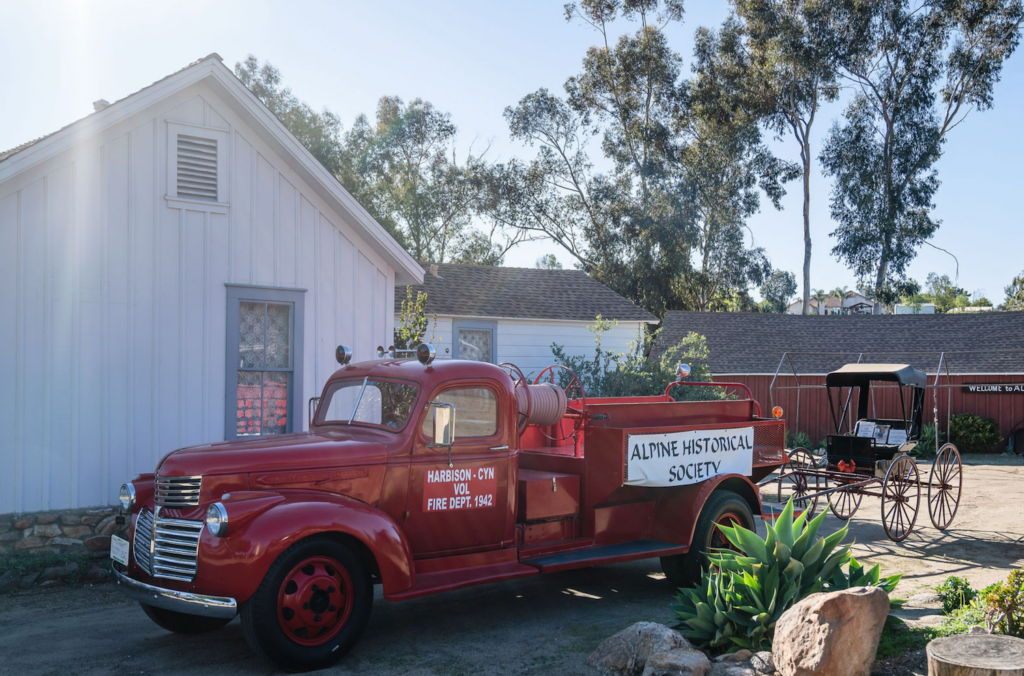
You don’t have to go far to get your forest fix in San Diego County—just take the 8 East past El Cajon and gain altitude in the Cuyamaca Mountains and you’ll hit Alpine, a quasi-rural community of 15,000 with sweeping views. Surrounded by national forest land and two reservations and perched at 2,000-feet elevation, Alpine is only about 30 miles east of downtown San Diego, perfect for a day trip when you’re in the mood for a small-town outing (or a stop along the way to the desert or Viejas).
The Kumeyaay hunted, gathered, and farmed in what is now Alpine more than 12,000 years ago before Spanish missionaries forced them to convert their villages to rancherias. By the late 1840s, after California and Mexico declared independence from Spain, the rancherias were consolidated into one massive “rancho,” and, in the 1850s, the area became a stopover on the “Jackass Mail,” SoCal’s first regular postal route. Then came the Gold Rush and a road to Julian, followed by another kind of gold: Alpine was California’s leading producer of honey in the late 1800s.
Former historical society president and honorary mayor Bob Ring says that during WWI, Alpine became known for having the “best climate” in the United States—healthy for soldiers’ convalescence or those with respiratory issues. Good weather, agriculture, and deer hunting brought folks to Alpine as it grew from hunting shacks to cottages to family homes.
Nowadays, Alpine is a place where “you have to get in touch with nature—because we have no movie theaters,” jokes real estate broker and former chamber of commerce board member Jeff Campbell, a resident since 1974. Getting outdoors in Alpine might mean joining 4-H or Future Farmers of America; hiking or dog-walking at Wright’s Field or Loveland Reservoir; riding horses, ATVs, and mountain bikes; or hitting the trails to discover seasonal waterfalls like Cedar Creek Falls, which cascades into a swimmable pool. Alpine is also the place to get up close with raptors at Sky Falconry and meet rescued big cats at the animal sanctuary Lions Tigers and Bears.


“Here’s how favorites work in Alpine: We all have our preferred menu items at each of our town’s 11 eateries,” Campbell explains. The restaurants are mostly concentrated along Alpine Boulevard right off the 8.
Ring likes the rolled tacos at family-owned Alpine Taco Shop, with extra guac and cheese, while Campbell is partial to the fried fish tacos at Casino Inn Bar & Grill. According to Campbell, Franca’s Italian Kitchen and Bar has the best baked rigatoni not only in Alpine but in all of San Diego County. Ring goes there for family dinners and says he could be satisfied with “just the homemade bread with balsamic and olive oil.” Or head to Mediterraneo (locals call it “the Med”) for vegetarian lasagna. “I’m a keto dude, but it’s that good,” Campbell says.
For coffee, there’s The Well Cafe, where Cecilia Kennedy runs the shop and her husband Alan roasts beans in micro batches at home. Try the dark roast for drip and Mexican mocha for something a little fancier. Breakfast is a must at Janet’s Montana Cafe, which Campbell says serves the fluffiest pancakes, with no syrup needed. “[Janet’s has] homemade everything,” Ring adds, “but try the pies.” Grab supersized treats at Steph’s Donut Hole, and lunch is on the go at Barons Market, where you can pick up soup and salad.

With two award-winning breweries in town, Alpine has a good beer scene for its size. Campbell gets the Assaulted By Feather Pillows IPA at Mike Hess Brewing and the Apricot Bells Bluff blonde ale at Mcilhenney Brewing Co.
The town also has a healthy populace of gearheads: Locals like to bring out their classic cars, motorcycles, dune buggies, and fifth wheels. Hang out on a Sunday to ogle old Thunderbirds, Mustangs, and Corvettes. For fun, Alpine parents take their kids to Viejas Outlet Center for outdoor ice skating in winter (and roller skating the rest of the year) or games at the center’s big arcade.
Overall, Campbell and Ring agree, you gotta have humor and heart to live in Alpine. “The culture of this community is that people are always willing to help, even in these busy times,” Ring says.

Change in Alpine is incremental. Campbell anticipates Alpine’s mix of historic and suburban-type housing won’t shift dramatically in the near future, but he has seen some movement by the county to rezone some of its land to encourage more affordable units. “It’s my greatest hope for Alpine,” he says. “Nothing is deeded yet, but it’s on the county’s radar.”
Caltrans is also paying attention to the area, with a recent freeway expansion east of Alpine to Pine Valley, which means more road enhancements could be coming to the two-lane stretch of the 8 that leads from El Cajon west to Alpine.
A new state law that took effect in 2026 will certainly bring changes to Alpine’s mountain aesthetic: Homeowners and businesses must remove all combustible materials within five feet of any structure to help prevent fires. Compliance means replacement of existing landscaping with bare soil, rocks, gravel, concrete, or stone. It could be a whole different look for a rugged town with natural smatterings of oaks, bushy sage, and chaparral.
Campbell has recently seen positive growth and possible expansion in the tribal areas, with new housing subdivisions. In Alpine, he’s noticed a gradual ADU trend, gaining momentum but not catching on as quickly as in other parts of San Diego—“because people come out here for elbow room,” he says.
It’s kind of big news that there’s talk of a small grocery store incoming (the first supermarket to arrive in town since Barons in 2015). New businesses in Alpine used to be heralded with ribbon-cuttings by the chamber of commerce, which disbanded last year—but, Campbell has heard, the organization may get revived soon and bring back this charmingly small-town style of welcome. “Alpine has a need for a center to elevate business to a new level,” he says.
Franca’s Italian Kitchen and Bar
Leorah Gavidor won her first essay contest at age 5. She writes features, news, and non-fiction in San Diego.
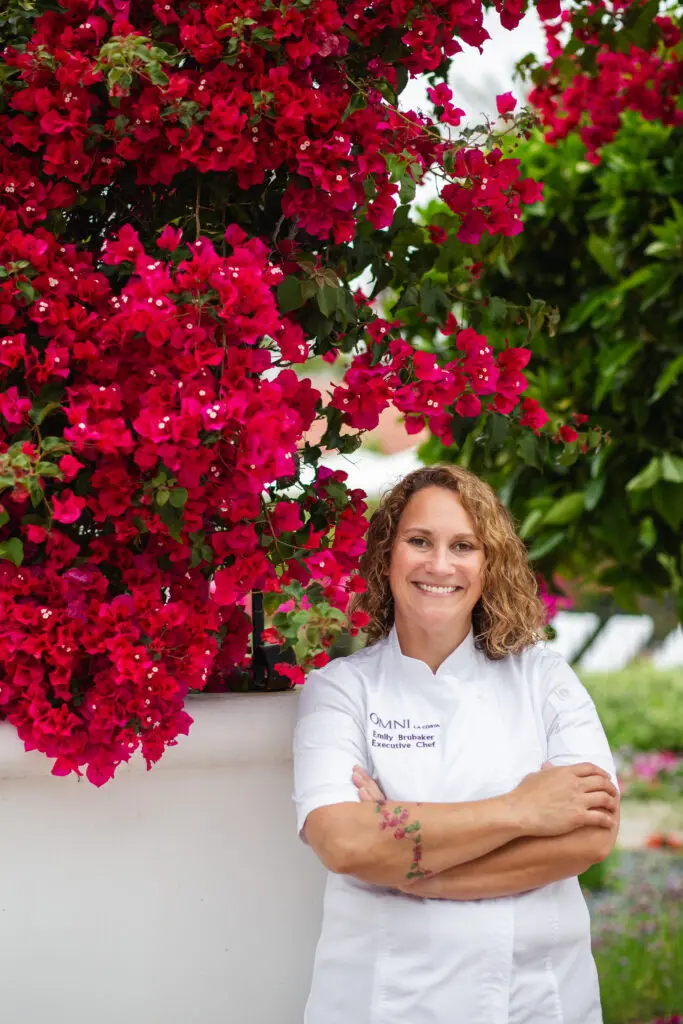
Yes, Chef! winner Emily Brubaker leads the robust culinary program at Omni La Costa Resort & Spa
For Executive Chef Emily Brubaker, Omni La Costa Resort & Spa feels like home. She grew up just a mile-and-a-half away from the 400-acre property and fondly recalls walking the golf course perimeter as a kid. Though her ambitions led her away from San Diego for nearly two decades in which she honed her craft in some of the highest of high-profile Las Vegas restaurants—including triple Michelin-starred Joël Robuchon at MGM Grand—they ultimately brought her back to North County.

Today, the classically French-trained chef, who’s fresh off a victory on NBC’s Yes, Chef!, judged by Martha Stewart and José Andrés, oversees Omni La Costa Resort & Spa’s seven distinct dining concepts. Her goal is to elevate the resort’s culinary program with her creative, hyperlocal ingredient-driven approach while maintaining the Spanish- inspired flavors and fresh California coastal cuisine that are the bedrock of its culinary identity.
“The San Diego food scene is really growing, and in North County alone, it’s really exploded in the last five years,” Brubaker says. “There are Michelin stars, beautiful tasting menus, craft bakers, and all this food—when I was growing up in La Costa, it was fish tacos. Now there are really cool things popping up, and I’m so happy to be here to see where it’s going to go.”
Brubaker gives chefs de cuisine at each individual restaurant autonomy, however, her influence is evident across the resort.
For example, lobby restaurant Bar Traza serves as Omni La Costa’s culinary centerpiece and features bold Spanish flavors in a lively, social atmosphere. Brubaker overhauled the menu to be more consistent and centered on casual bites with that signature vibe. Think smoky paprika, vibrant citrus, and Spanish meats and cheeses.
At VUE, the focus is on seasonal offerings, California coastal cuisine, and Baja-inspired dishes. She and Chef de Cuisine Cameron Dixon change the menu biannually, which heading into summer, will highlight farm-fresh produce and hyperlocal ingredients—the resort even has its own herb garden and honeybee hives.

Poolside dining options are leaning into the country’s 250th this summer with a selection of classic American dishes with an Omni La Costa twist. And Bob’s Steak & Chop House (Brubaker is a trained butcher) offers a classic steakhouse experience with elevated service.
The chef and company also plan menus for special events at the resort where her creativity can really shine. For an upcoming National Ski Association dinner, the banquet hall will be transformed into an Alpine-themed winter wonderland complete with a snow machine, savory sausages, and melty, decadent raclette. A recent dinner was built around the Carlsbad Flower Fields and each course was matched to a color of ranunculus (Did you know pink dragonfruit are grown in North County? You do now.).
“It’s my zen to be in the kitchen playing with food,” Brubaker says.
Omni La Costa’s culinary program is a key part of the resort experience. And with Brubaker’s leadership, it’s becoming a draw for visitors and locals alike.
“These aren’t just hotel restaurants, these are restaurants that you should go to. They’re destinations, and I’m really hoping for the future that’s where we’re going,” Brubaker says.

Brubaker is also channeling her experience on Yes, Chef! into the culture at Omni La Costa—more emphasis on teamwork and collaboration, empowering her staff to share constructive critiques, and embracing different perspectives. Alongside her leadership role, Brubaker has become an advocate for mental health in the hospitality industry, serving as chief ambassador for the Burnt Chef Project and serves on the Board of Advisors for the Apex Culinary Program, where she mentors and develops future talent.
For more on Omni La Costa Resort & Spa and its dining program, please visit omnihotels.com/hotels/san-diego-la-costa.
Explore the ins-and-outs of this coastal beach town, including what to do, see, and eat
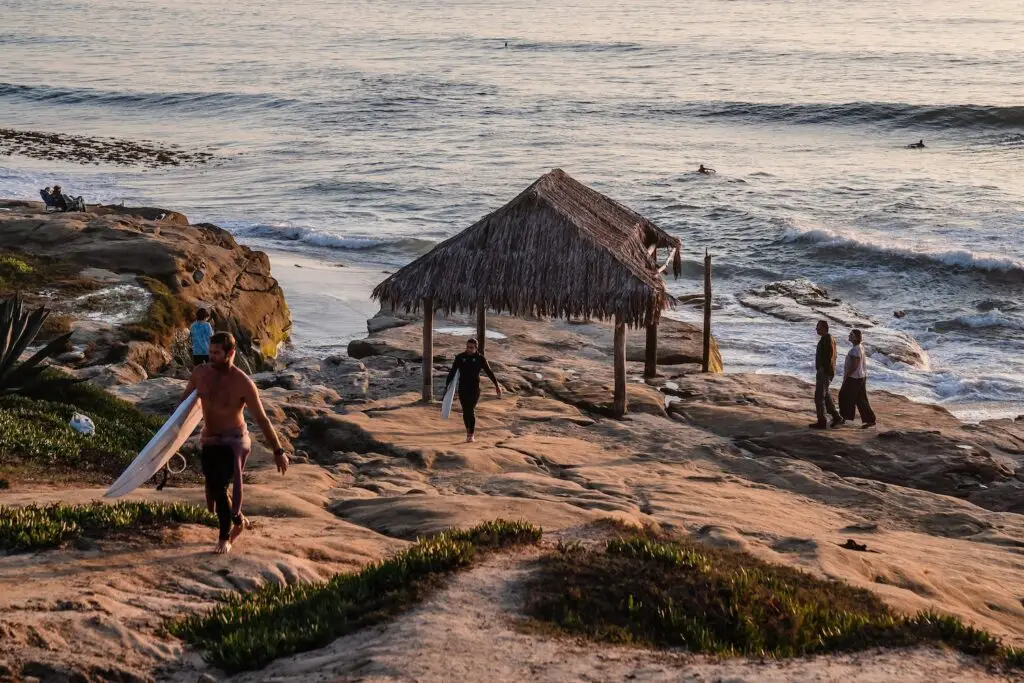
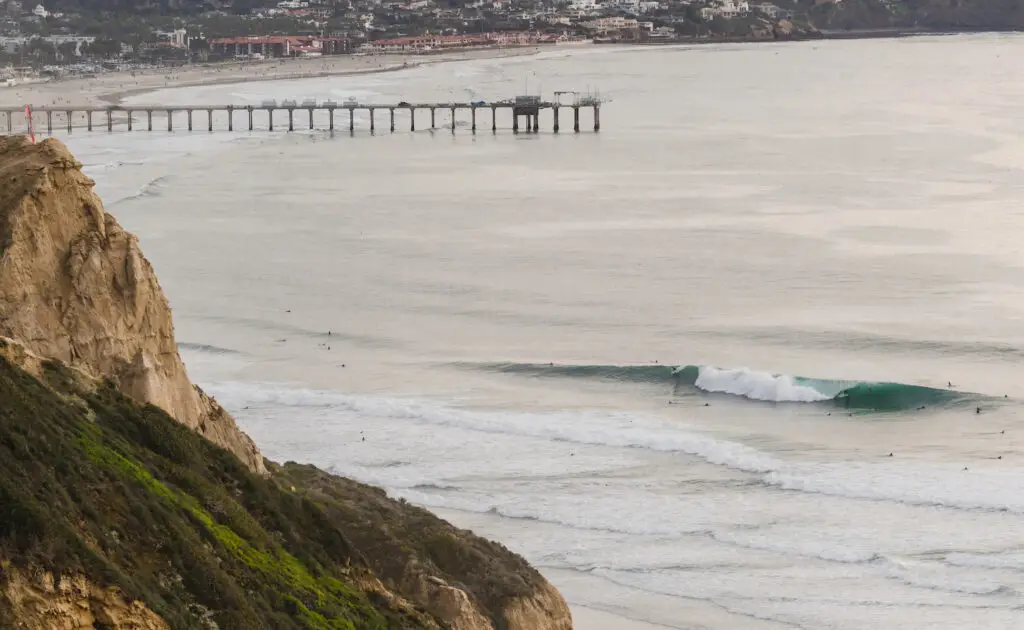
Need help deciding which of La Jolla’s seemingly endless beaches to lay your towel out at today? Each little sandy sliver between the neighborhood’s sea cliffs has its own name and character: the Cove for swimming, Children’s Pool for seal-watching, Wipeout Beach for skim-boarding. Head to La Jolla Shores for that wide, sandy, picnic-with-the-family feel, and if you know what you’re doing, go surfing at Windansea or Bird Rock (if you’re a beginner, opt instead for the Shores, where most of San Diego learned to surf).
Of course, beachy isn’t La Jolla’s only vibe. The Village (locals don’t call it downtown anymore, says La Jolla resident and senior editor of lajolla.ca Elisabeth Frausto) is La Jolla’s most walkable area—highlighted by the main drag, Prospect Street—with a wide radius of shop-lined roads sloping down to the coast.
At long standing neighborhood staples like Warwick’s bookstore and Harry’s Coffee Shop, “old-timers still belly up to the counter and talk politics,” Frausto says. Art enthusiasts visit to peruse through its many galleries, including Quint and Joseph Bellows, and check out what’s on at the Museum of Contemporary Art San Diego (MCASD). Shoppers wander Girard Avenue, picking out activewear at Lululemon and Vuori and fancier digs at Thread + Seed and Sigi’s Boutique. Friends gossip and sip coffee at locally owned outposts like Flower Pot Cafe and Il Giardino Di Lilli.

Once isolated from the rest of San Diego, La Jolla became a popular resort destination when the San Diego, Pacific Beach, and La Jolla Railway arrived in the 1890s and made the area more accessible to visitors (who wanted to spend time there so badly they stayed in tents during the summer). Some of those tourists got creative, too.
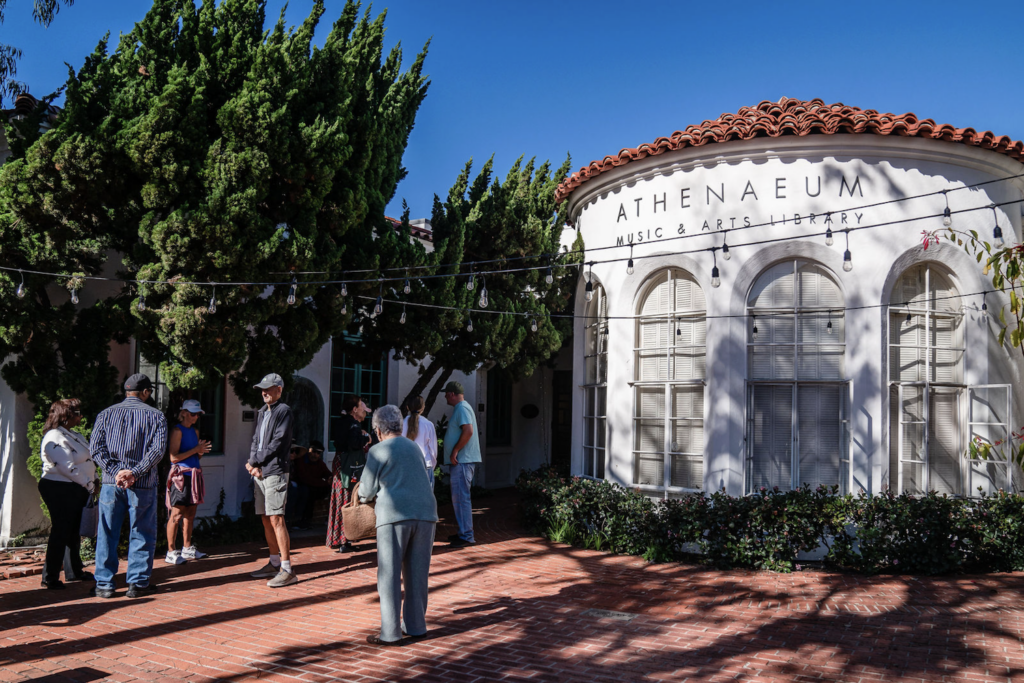
“Our tradition of supporting the arts goes back to the days of the Green Dragon Artist Colony that was founded in 1894,” says Athenaeum Music & Arts Library Executive Director Christie Mitchell. Anna Held started the Green Dragon Colony to attract visiting artists to La Jolla for a weekend getaway; it quickly became a venue for ad-hoc performances and bohemian artists’ salons.
However, it was Ellen Browning Scripps more than anyone who shaped La Jolla into the neighborhood we know today, commissioning buildings like the structure that now houses MCASD. The arrival of the Scripps Institution of Oceanography in 1907 laid the foundation for the establishment of UC San Diego 53 years later at the longtime site of the military base Camp Matthews. All of these developments helped establish La Jolla’s layered identities: high-dollar beach town, arts magnet, academic research hub.


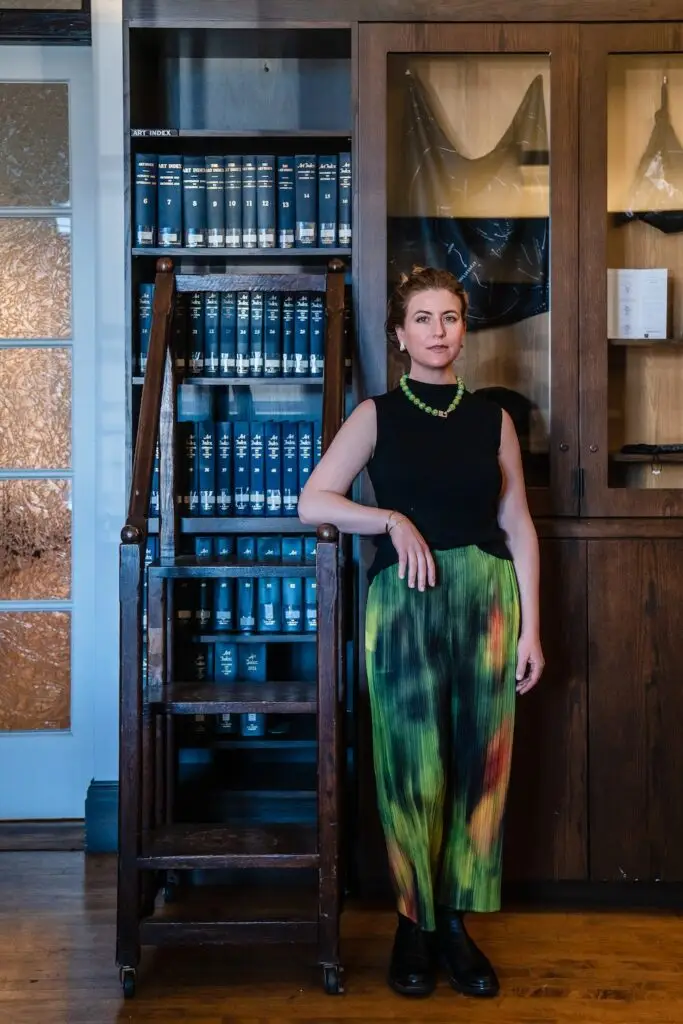
Athenaeum Music & Arts Director Christie Mitchell is a bona fide La Jolla local, having grown up in the LJ neighborhood of Bird Rock. Her dad still surfs, and Mitchell met her own surfer husband at La Jolla High (their toddler has already tried surfing, too). Mitchell’s mom still lives in Bird Rock, and “it’s gotten a lot livelier and more pedestrian-friendly,” she says.
On weekends, she makes sure to hit Wayfarer Bread for “the gooiest, heaviest, stickiest cinnamon loaf—definitely preorder because there’s always a line,” she advises. Friday and Saturday are pizza night at Wayfarer, and the bakery’s industry collabs produce some unique pies. For coffee, head to Bird Rock Coffee Roasters, of course, where you can grab a cup and hang out in the open-air seating or stroll to La Jolla Hermosa Park for ocean views (and a skate park and bike paths for little ones to tire themselves out on).
One of Mitchell’s favorites for lunch with coworkers in the Village is Peruvian-inspired Pepino, owned by one of her high school classmates. “The sweet potato bowl is really good,” she says.

She also cherishes La Jolla institutions. The Ascot Shop, a longtime men’s clothing boutique, is a go-to for gifts; founded by a local fisherman, El Pescador Fish Market is the place for the freshest seafood and fish tacos; and The Marine Room is for special occasions, with on-point service against a backdrop of crashing waves. “And nothing says ‘La Jolla’ like George’s at the Cove,” Mitchell adds. “With the John Baldessari mural and the view, it’s a great mix of the arts and the ocean.”
There’s a surprising amount to do on the weekdays in La Jolla, Mitchell says, with free live music every Monday at the Athenaeum (and weekly ticketed events), late-night DJ sessions at Le Coq, acts at The Comedy Store, concerts at the The Conrad (home of La Jolla Music Society), and the monthly First Friday Art Walk.

The biggest talk of the town for La Jollans? Possible secession from the city of San Diego, Frausto says. Proponents want to separate so La Jolla can maintain its own infrastructure and make decisions about development (critics say La Jolla should contribute taxes to the rest of the city). If the initiative advances, final say would come down to a city-wide vote.
Additionally, locals and visitors alike are witnessing a genuine culinary explosion. Restaurateur Sami Ladeki’s Roppongi, a Japanese fusion and sushi favorite that closed in 2015, reopened in December 2025 under returning chef Alfie Szeprethy. Michelin-starred chef Elijah Arizmendi launched tasting-menu-only restaurant Lucien last year, and chef Accursio Lota of North Park’s Cori Trattoria Pastifico opened his new spot Dora in November. Local designers Paul Basile and Jules Wilson are building Roseacre, 5,000 square feet of culinary concepts on Girard Avenue. And one of La Jolla’s favorite restaurant families is opening a completely new eatery near Torrey Pines Golf Course in summer 2026: From the guys behind Puesto and Marisi comes an Eastern Mediterranean spot called Ikaria.
Back in the Village, a new boutique hotel by Orli is landing in the old nurses’ quarters (now condos) next to the original 1924 Scripps hospital (the institution moved to Genesee Avenue in 1964). La Jolla is also getting in on the thrifting trend—Goodwill opened a shop on Herschel Avenue in early 2026.
Pedestrian-friendly changes are afoot in two of LJ’s walkable areas. At La Jolla Shores, look for enhancements to Avenida de la Playa from El Paseo Grande to Calle de la Plata, where the street has been closed to vehicles since 2020 for outdoor dining. The Village Streetscape Plan is coming to Girard Avenue between Silverado Street and Prospect Street, bringing expanded walking areas, corner parks, improved lighting, new seating, public art, and landscaping to create shade canopies and gathering spaces.

Also look for beautification projects along the coast. The 1920s stairs leading down to the tide pools at Whale View Point are finally getting a redo; Ellen Browning Scripps Park will receive fresh sod and much-needed widened sidewalks. And ADA trail improvements and a new restroom facility are on their way at Torrey Pines State Natural Reserve, making the beloved natural area more accessible.
As for housing, Frausto says, affordable units are hard to come by, and that probably won’t change soon. Most new homes and apartments are geared toward the luxury market, like La Jolla’s first new gated community in 40 years, Foxhill, which broke ground in October 2025 on the site of a former golf course—with empty lots selling for more than $8 million.
Leorah Gavidor won her first essay contest at age 5. She writes features, news, and non-fiction in San Diego.
A decade after discovering parkour online, Luke Mizel is closing one chapter while keeping the Olympics firmly in view
Luke Mizel just wanted to be Spider-Man.
The 23-year-old Escondido native was trawling YouTube at 13 when he discovered parkour, a sport that evolved from military training in France in the early 1900s—palm-sweat-inducing stuff that involves people jumping off buildings, saving themselves by grabbing a lamppost, or scaling city structures using their legs, arms, and malfunctioning amygdalas, with real people taking to the streets (and now dedicated gyms), flipping, jumping, and climbing like, well, superheroes.
Parkour became a mainstream sport in the mid-2000s (every video was instant viral bait), and Mizel was hooked, starting out by practicing gravity-defying leaps at Kit Carson Park and a nearby dirt lot “with one big rock,” he says; by age 14, he was entering competitions, and the key was taking a high school job at Vista’s Tempest Free Running Academy, one of San Diego County’s largest parkour gyms, where having the keys to the best training facility allowed him to dial in moves like the vaults and wall runs he’d rely upon in competition, and in 2020, remote learning let Mizel take his education on the road to compete in the sport’s most prestigious events.
“That was the first year that I did World Chase Tag on ESPN,” he recalls. “That snowballed into me getting invited to the USA Parkour Cup—I was 19 at the time, and I got third place.” Two years later, he qualified for his first Parkour World Championship, placing sixth and securing his spot among the top athletes in the world.

Now, Mizel is preparing for what he expects to be something of a farewell tour to the high-impact, highly dangerous sport. “2026 is kind of going to be my last year where I’m 100 percent all-in competing,” he says. But like Spidey, you’re never fully out of the game: His goal is to win the USA Parkour Cup in March and rejoin Team USA as he sets his sights on the 2028 Olympics—a giant leap for a kid who once imitated his favorite superhero at the park.
Cole Novak is an award-winning writer with a passion for highlighting local figures, small businesses, and nonprofits. Born and raised in San Diego, Cole is passionate about photography, surfing, art, the local food scene, and the great outdoors.
San Diego Magazine's 2026 Guide to Balboa Park.
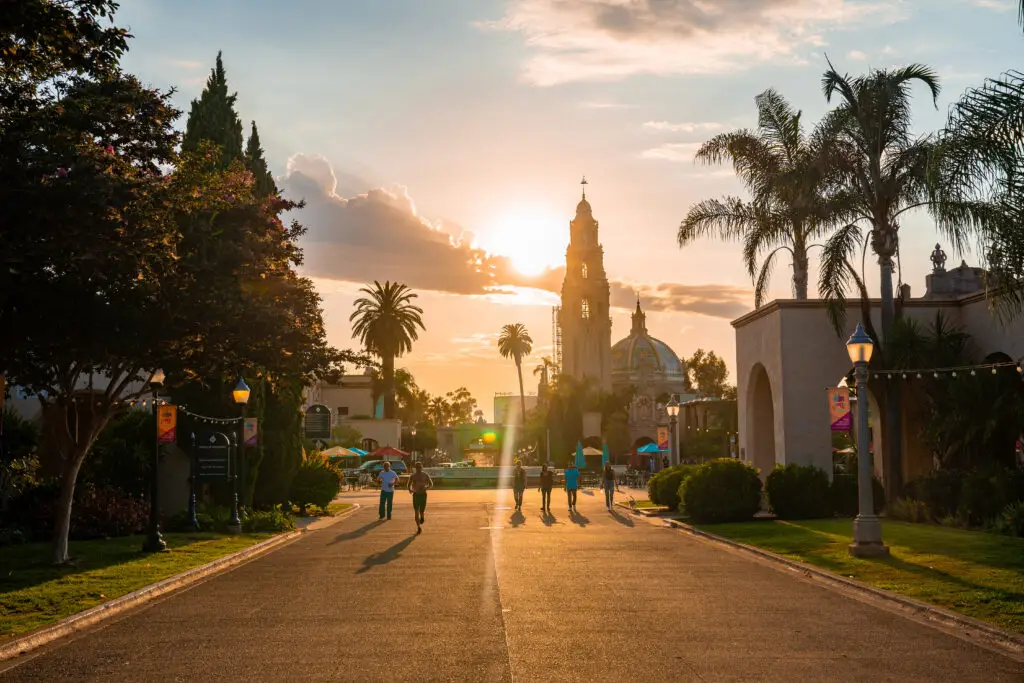
Balboa Park is San Diego’s cultural heart.
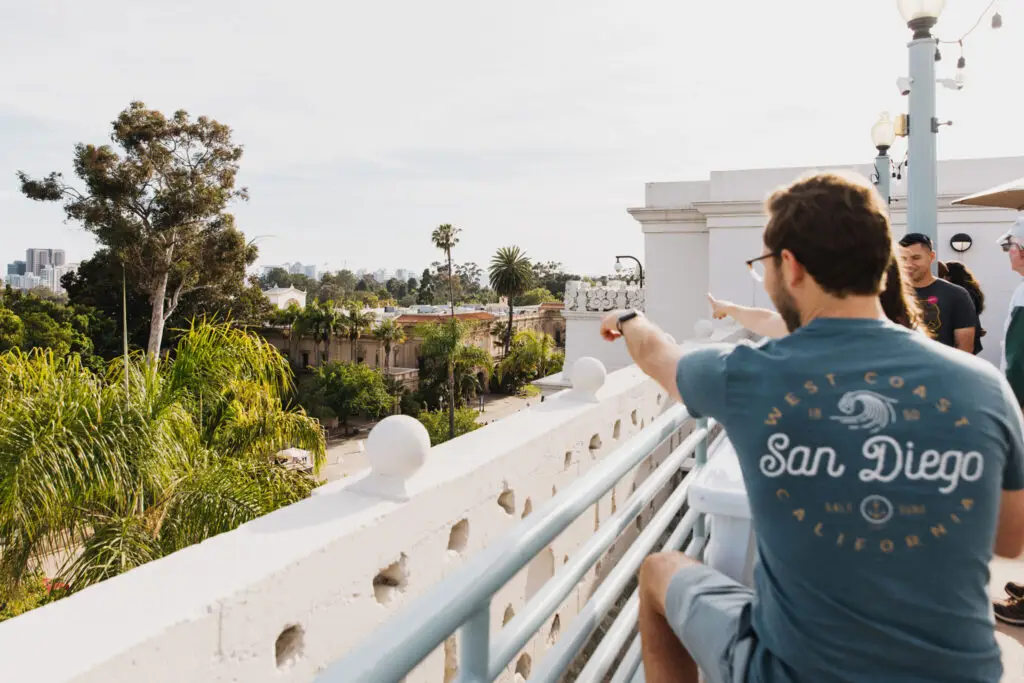
The iconic 1,200-acre preserve’s history dates back more than 150 years, evolving from a scrub-filled plot atop a mesa overlooking what’s now Downtown to an urban oasis—the largest of its kind in the country—filled with an array of museums, attractions, gardens, trails, restaurants, and more. Balboa Park is an epic playground where San Diegans and visitors alike can experience the great outdoors just as easily as they can enjoy a world-class performance or explore groundbreaking discoveries.
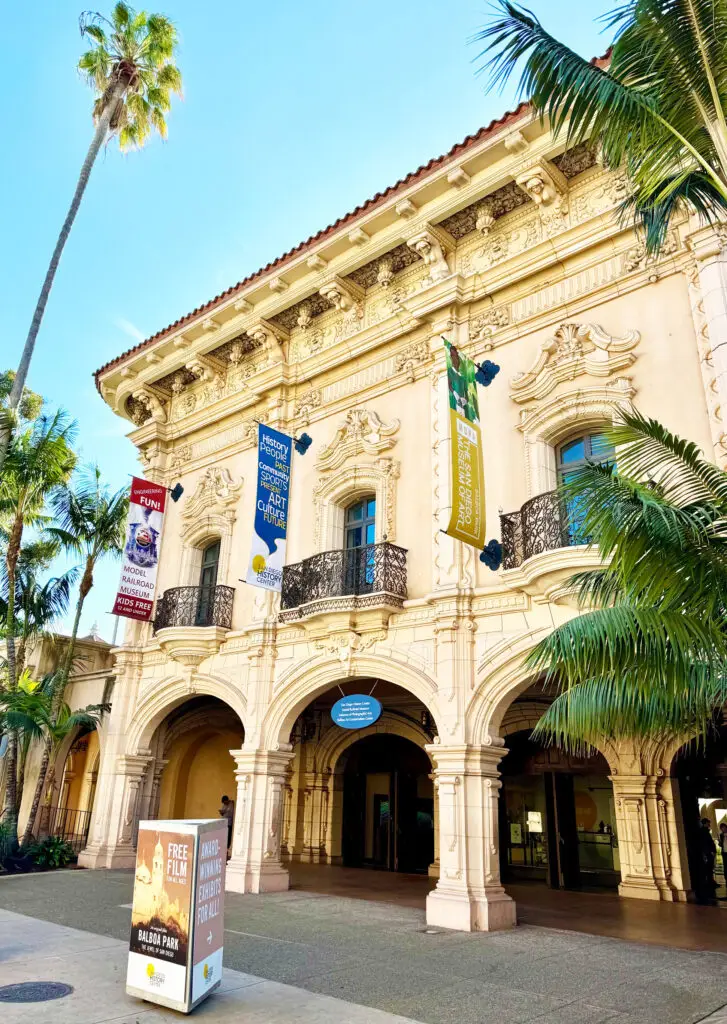
Tucked away in the Spanish Colonial Revival-style architecture are 18 diverse museums that allow visitors to spend the day learning about, well, anything. A great place to start is the San Diego History Center. Located in the Casa del Balboa building, the museum tells the story of the city’s past, present, and future through photographs and art, clothing and textiles, and interviews with people who witnessed history-making events firsthand. The San Diego Natural History Museum takes visitors even farther back with interactive exhibitions that show what the region was like up to 75 million years ago.
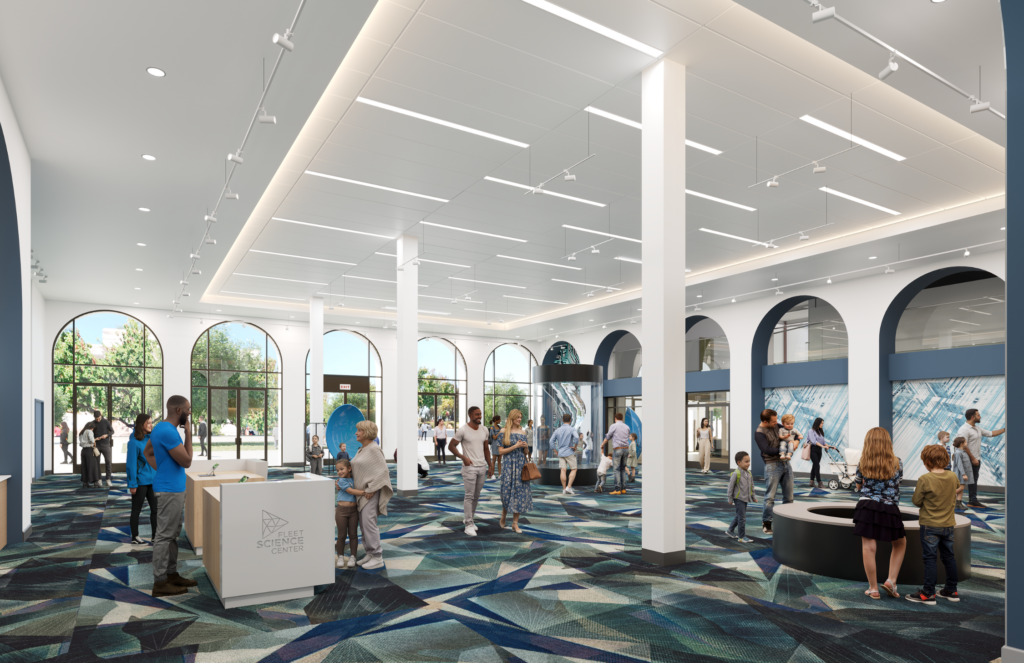
Blast off on a simulated trip to space at the San Diego Air & Space Museum, then check out artifacts from aviation legends, including the Wright brothers, Amelia Earhart, and Buzz Aldrin. Discover new perspectives revolutionizing the science world, learn about an often overlooked but overutilized utility, and exercise your creativity at the Fleet Science Center.
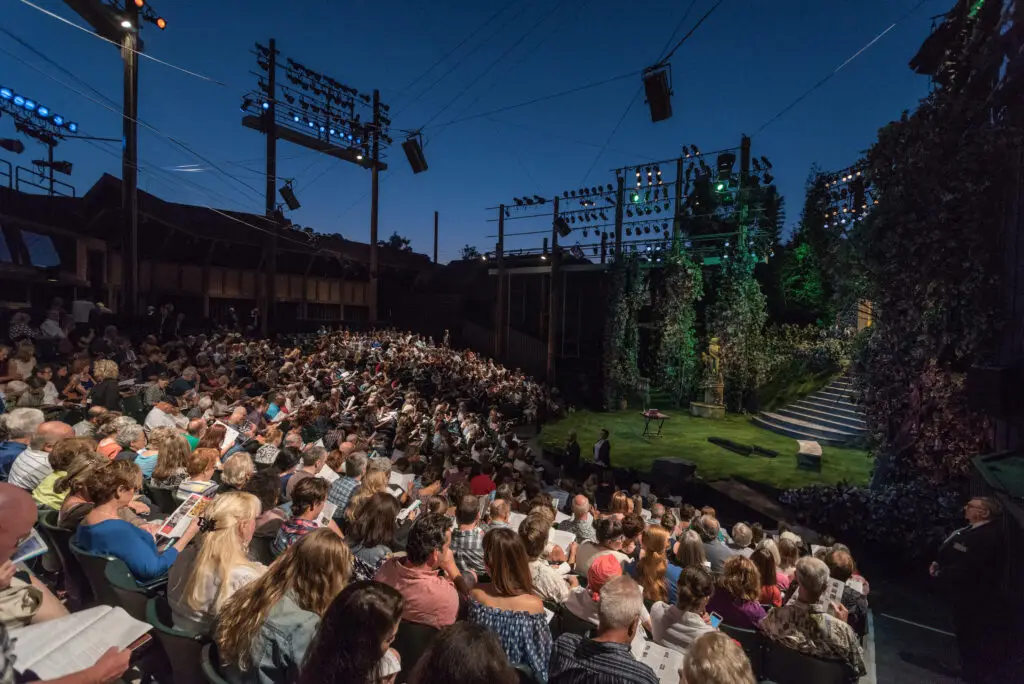
Calling all theater-lovers, Balboa Park has something for you, too. The San Diego Junior Theatre will present their musical take on beloved children’s book A Bad Case of the Stripes from June 26 through July 12. And laugh, cry, and marvel in awe as the pros of The Old Globe perform Kim’s Convenience, the award-winning comedy that inspired the popular series, from May 15 to June 14.
There’s nowhere else in Balboa Park quite like WorldBeat Cultural Center. The institution celebrates African diaspora and indigenous cultures around the world using art, music, dance, and education. The building, a renovated water tower covered in colorful murals, houses a performing arts center, museum, gift shop, cafe, and outdoor classroom.
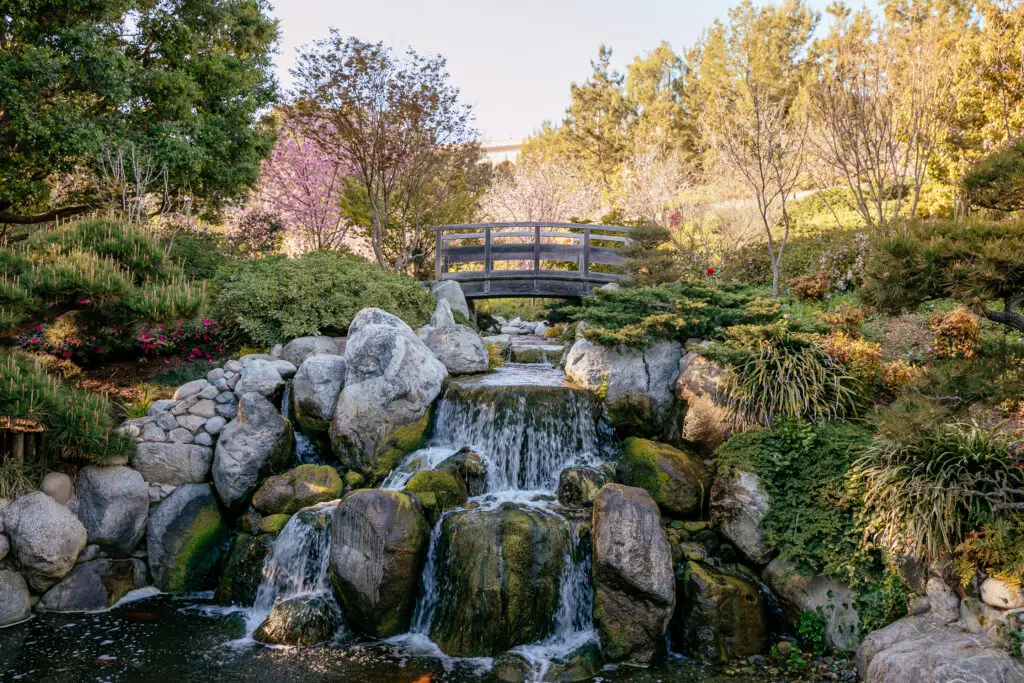
If you’d like a side of nature with your culture, Balboa Park has you covered there, too. Stroll through the gardens of the Japanese Friendship Garden & Museum, a monument to the relationship between San Diego and its sister city, Yokohama, Japan. Inspired by traditional Japanese design dating back centuries, the 10-acre respite features a living exhibition that showcases plants native to both cities.
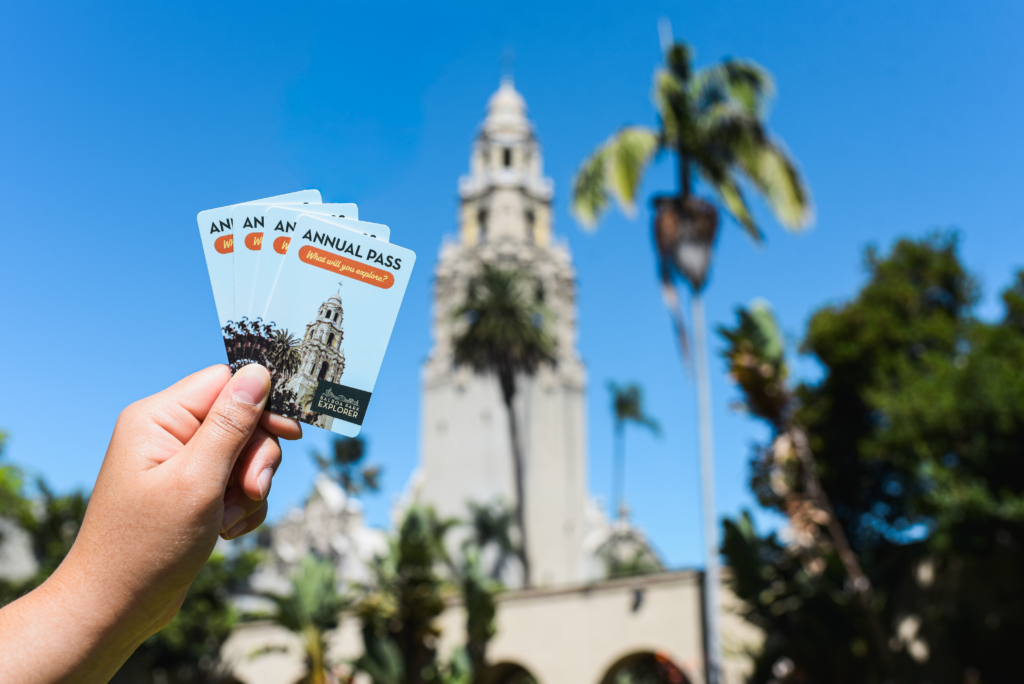
If there seems like a lot going on in Balboa Park, it’s because there is. Let the Balboa Park Cultural Partnership be your guide. The organization is the umbrella for 24 of the park’s institutions and offers an Explorer Pass that allows visitors to access multiple museums for one affordable price. The hardest part is picking where to start.

Save on admission to San Diego’s top museums with the Balboa Park Explorer Pass. Explore 16 museums of art, science, history and culture across Balboa Park — all with one affordable pass. Choose the option that fits your pace: the Limited Pass (one day for up to four museums), the Parkwide Pass (seven consecutive days of access to all 16 museums) or the Annual Pass (365 days of unlimited exploring).
Looking for an experience-driven gift? Let the museum lover in your life enjoy their favorite museums all year with a Balboa Park Explorer Annual Pass gift voucher.
BuyMyExplorer.com | Phone: 619-232-7502, Press 2 for Explorer

Bigger experiments, brighter ideas, and boundless curiosity await at the newly reimagined Fleet Science Center. This summer, the Fleet debuts Element 8 Cafe, an expanded theater queuing and concessions space, two new gallery spaces, and, for the first time, a free entrance gallery exploring science in and around San Diego. The transformation marks a new chapter for the Fleet, keeping it a vital, innovative, and accessible science hub for the region. Visitors are invited to explore the experience this summer and connect with the power of science like never before.
Address: 1875 El Prado, San Diego, CA 92101
Website: FleetScience.org
Hours: 10 a.m. to 5 p.m. daily
Phone: 619-238-1233

An accredited cultural gem, the Japanese Friendship Garden & Museum brings traditional Japanese garden design to life with koi ponds, curving walkways and layers of greenery. Guests explore bonsai trees, streams and peaceful nooks while taking part in exhibits, educational programs and festivals that illuminate Japanese culture. Situated in the heart of Balboa Park, the garden doubles as a meditative retreat and a dynamic gathering place, welcoming visitors to slow their pace and connect more deeply.
Address: 2215 Pan American Road E, San Diego, CA 92101
Website: Niwa.org
Hours: 10 a.m. to 7 p.m. daily; last admission at 6 p.m.
Phone: 619-232-2721

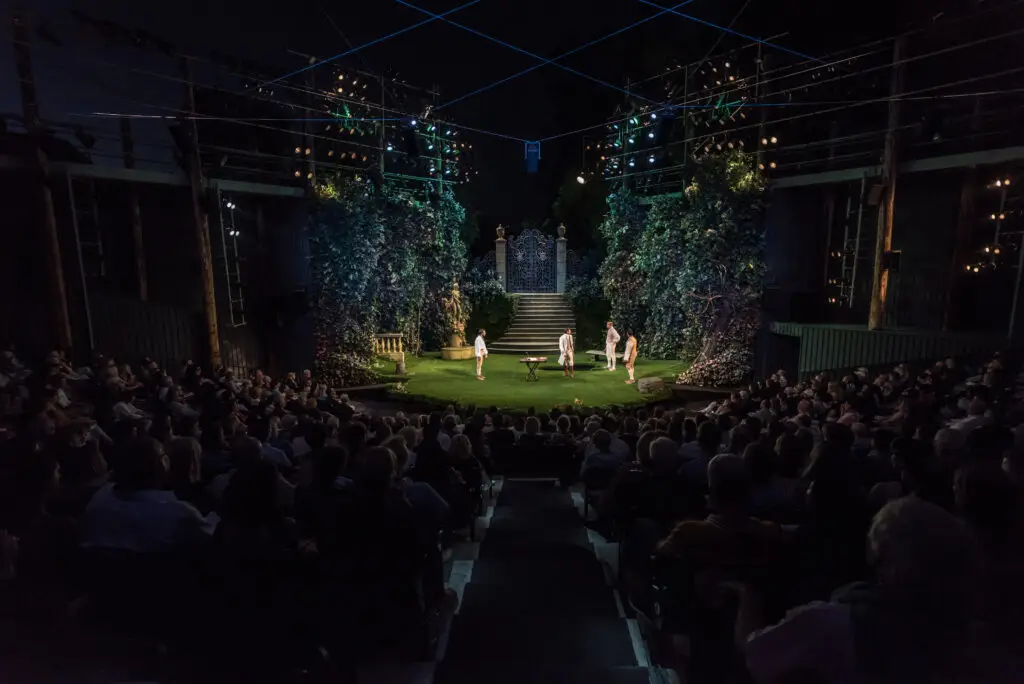
A San Diego summer favorite, The Old Globe invites audiences to experience a beloved local tradition in its outdoor Lowell Davies Festival Theatre.
This summer, the 2026 Shakespeare Festival presents two thrilling tales of power, passion and romance. Measure for Measure, running June 14 through July 12, 2026, is a riveting story of justice and hypocrisy that asks who holds power, who is punished and what it truly means to be virtuous. Much Ado About Nothing, playing Aug. 2–30, 2026, is a classic rom-com packed with schemes, sparks and laughter as opposites attract. Audiences can enjoy both shows for $44.
Address: 1363 Old Globe Way, San Diego, CA 92101
Website: TheOldGlobe.org
Hours: Box office open Tuesday–Sunday, 1 p.m. to final curtain
Phone: Box office, 619-234-5623

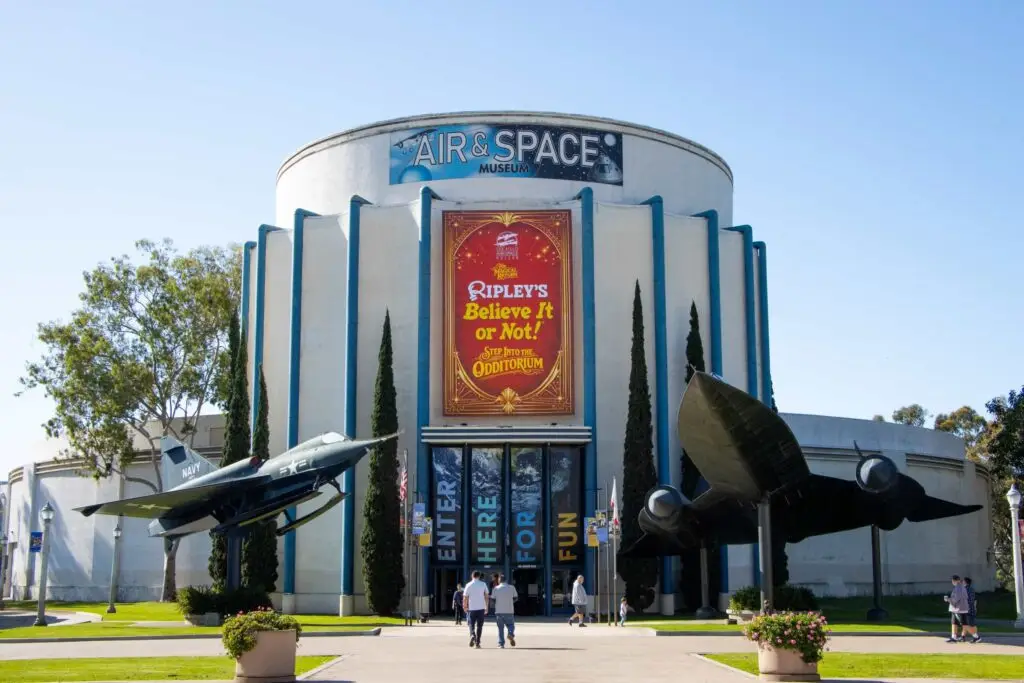
Aviation and space exploration come to life at the San Diego Air & Space Museum. See an airworthy replica of the Spirit of St. Louis, a Gee Bee racer and historic aircraft from World War I, World War II and the Korean and Vietnam eras. Get up close to the Apollo 9 command module — one of only 11 of its kind in the world — along with Mercury and Gemini capsules, Mission Control and space shuttle simulators, and a selfie spot beside a lunar lander on the moon. Running through 2026, Ripley’s Believe It or Not! brings oddities from around the world to Balboa Park.
Address: 2001 Pan American Plaza, San Diego, CA 92101
Website: SanDiegoAirAndSpace.org
Hours: 10 a.m. to 5 p.m.
Phone: 619-234-8291

History belongs to everyone. At the San Diego History Center, two experiences bring that history to life this summer: America at 250 and the Center for Women’s History. America at 250 traces San Diego’s place in 250 years of U.S. history, while summer programs invite children to learn and explore. The Center for Women’s History amplifies the voices of women whose leadership and creativity have shaped our region.
By understanding our past, we build a more vibrant and inclusive community together. These vital educational experiences are only possible through generous community support. Discover your roots, spark meaningful dialogue, and help keep San Diego’s stories alive for future generations.
Address: 1649 El Prado, Suite 3, San Diego, CA 92101
Website: SanDiegoHistory.org
Hours: 10 a.m. to 5 p.m. Wednesday–Sunday
Phone: 619-232-6203

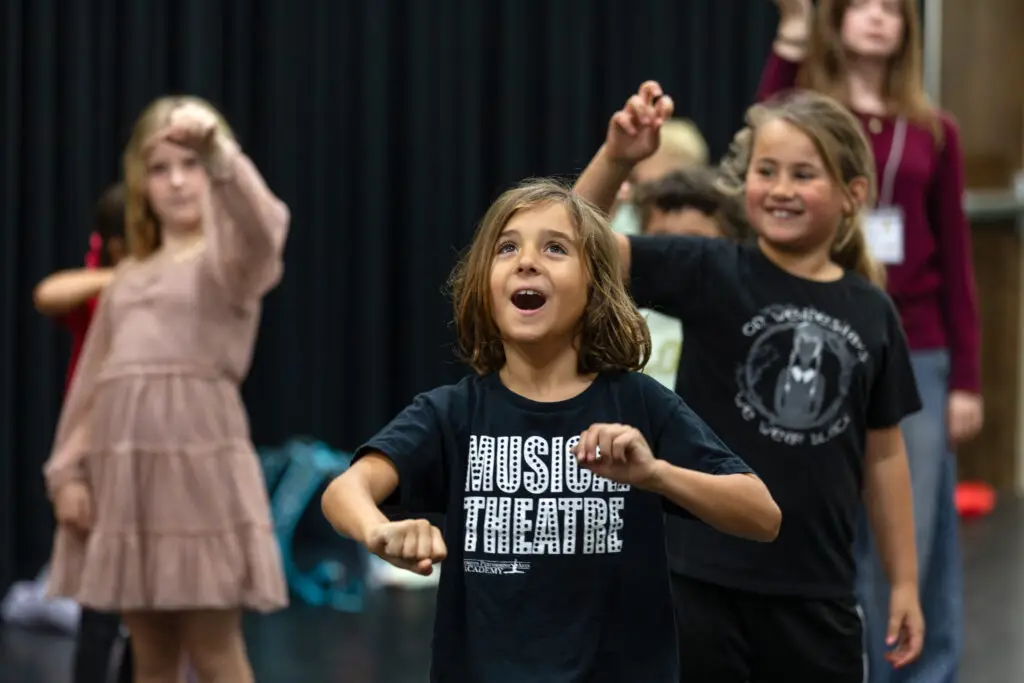
Junior Theatre is San Diego’s longest-running youth theatre program, empowering students ages 4 to 18 to explore storytelling, performance, and collaboration in a supportive environment. Through classes, camps, and productions, young artists build confidence, creativity, and lifelong skills onstage and off. Each season features a wide range of opportunities, from introductory experiences to advanced training in acting and musical theatre.
Looking for a summer adventure? Junior Theatre’s Summer Camps deliver dynamic programs for grades K–12, including musical theater intensives, acting academies and immersive JT Studio experiences. It’s a place where imagination truly takes center stage.
Address: 1650 El Prado, Suite 208, San Diego, CA 92101
Website: JuniorTheatre.com
Hours: 10 a.m. to 5 p.m.
Phone: 619-239-1311

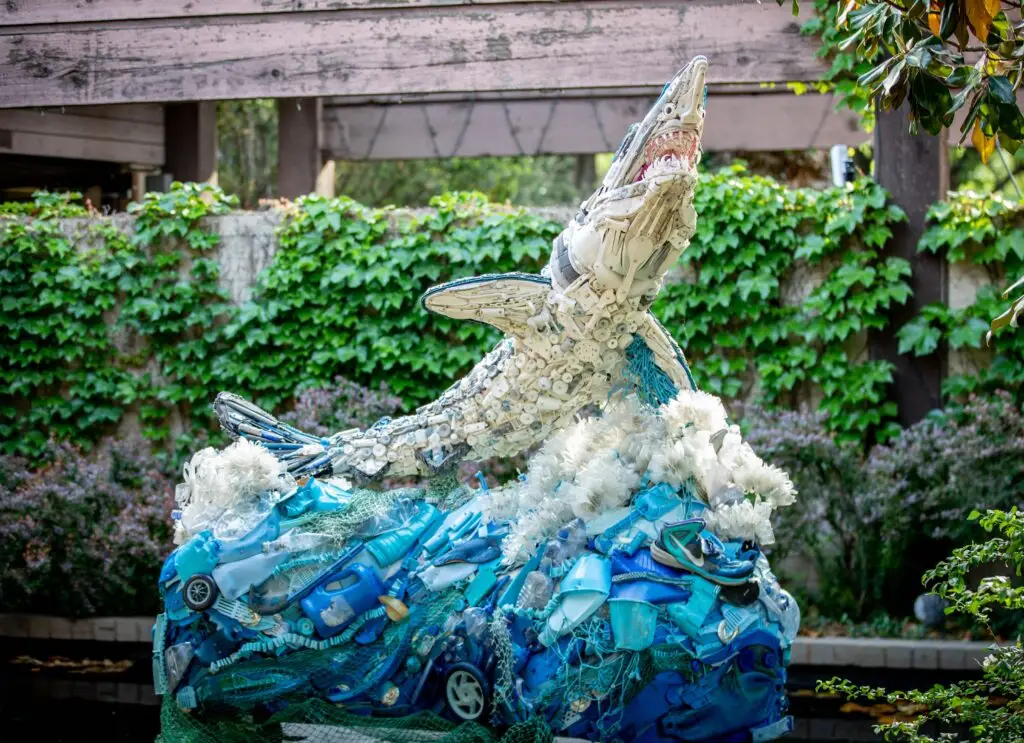
This summer, The Nat is talking trash—literally. Their newest exhibition, Washed Ashore: Art to Save the Sea, features larger‑than‑life marine sculptures made of ocean debris collected from beaches. It invites visitors to explore the impact of plastic pollution and discover ways to take action.
But the experience doesn’t stop at the gallery doors. Friday nights, the exhibition transforms into an ocean-themed “dive bar” during Nat at Night. Select Sundays bring something brand new: a rooftop brunch with sweeping Balboa Park views. Add two new giant-screen films and five floors of nature to explore, and The Nat is shaping up to be one of the season’s must-visit destinations.
Address: 1788 El Prado, San Diego, CA 92101
Website: SDNat.org
Hours: 10 a.m. to 5 p.m. daily; 10 a.m. to 11 p.m. Fridays in summer
Phone: 619-232-3821

The WorldBeat Cultural Center is a nonprofit multidisciplinary cultural organization dedicated to promoting, presenting and preserving Indigenous cultures worldwide through music, art, dance, education, sustainability and community programs. WorldBeat elevates multicultural artists, expands opportunities for cultural enrichment and fosters deeper understanding across traditions. WorldBeat offers a holistic cultural experience that inspires pride, unity, connection and belonging for all ages.
Address: 2100 Park Blvd., San Diego, CA 92101
Website: WorldBeatCenter.org
Hours: Classes: Monday, Wednesday, Thursday, 6–9 p.m. Exhibits and café: Friday–Sunday, 11 a.m.–6 p.m.
Phone: 619-230-1190

Step into a world of the weird and wonderful at Ripley’s Believe It or Not! at the San Diego Air & Space Museum in Balboa Park. Explore hundreds of bizarre artifacts, interactive displays and unbelievable stories that celebrate the curious and the extraordinary.
San Diego Air & Space Museum | 2001 Pan American Plaza, San Diego, CA 92101

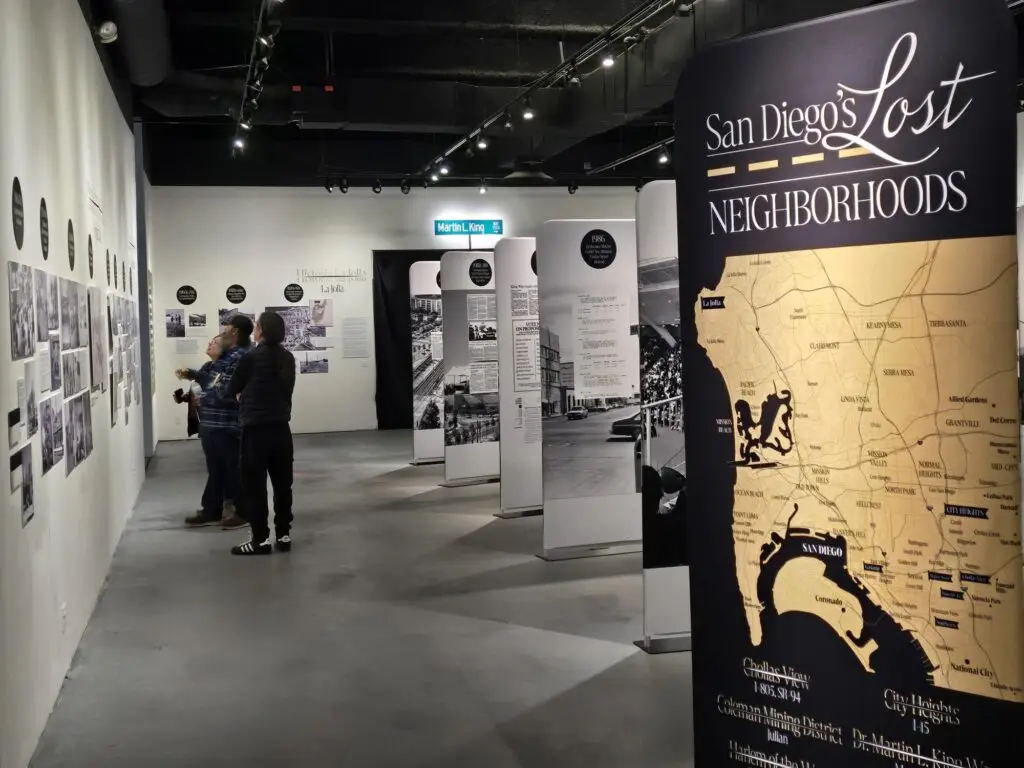
Presented in partnership with the San Diego Museum of African American Fine Arts, San Diego’s Lost Neighborhoods uses augmented reality, oral histories, and archival materials to explore communities and residents displaced by redlining, freeway construction, and other discriminatory policies.
San Diego History Center | 1649 El Prado, Suite 3, San Diego, CA 92101

Spend a summer night at The Old Globe. The Lowell Davies Festival Theatre stages Measure for Measure (June 14–July 12) and Much Ado About Nothing (Aug. 2–30), offering two unforgettable Shakespeare productions for just $44.
The Old Globe | 1363 Old Globe Way,
San Diego, CA 92101

Summer camps at Junior Theatre spark creativity for grades K–12 with hands-on training, musical theatre intensives, acting academies, and JT Studio experiences.
San Diego Junior Theatre | 1650 El Prado, Suite 208, San Diego, CA 92101

A museum visit turns into a Sunday Funday with the addition of rooftop brunch, featuring mimosas, bloody Marys, and brunch bites from Wolfish by Wolf in the Woods (June 14, August 9) and Hash House a Go Go (July 12).
San Diego Natural History Museum (The Nat)
1788 El Prado, San Diego, CA 92101

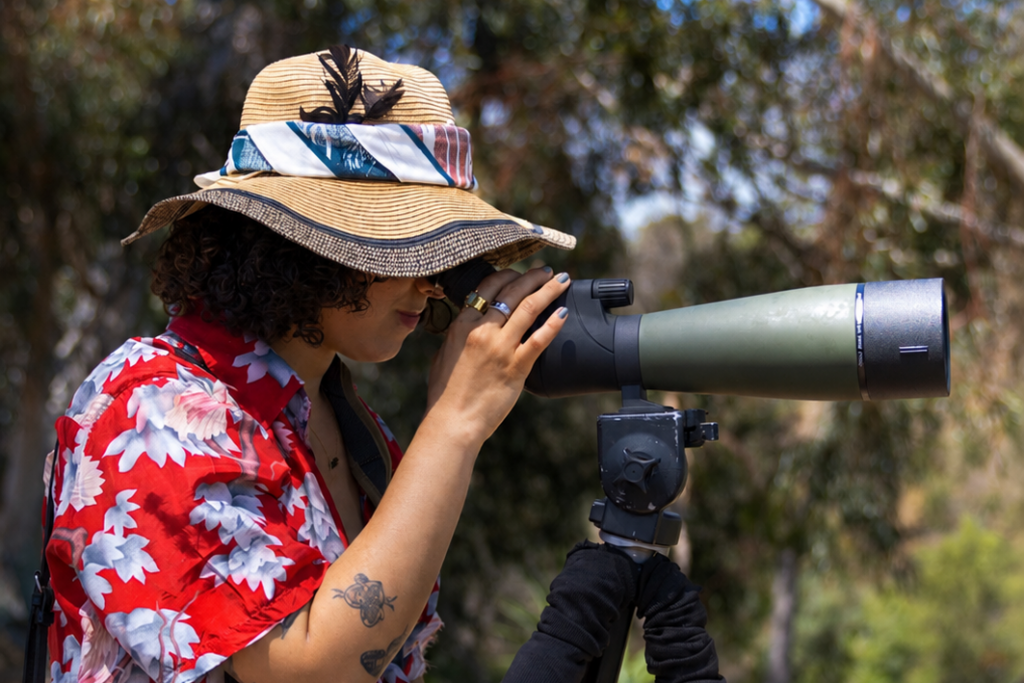
Celebrate Juneteenth weekend with guided birding, storytelling, soul food, native planting and an African peace drum circle.
WorldBeat Cultural Center | 2100 Park Blvd., San Diego, CA 92101

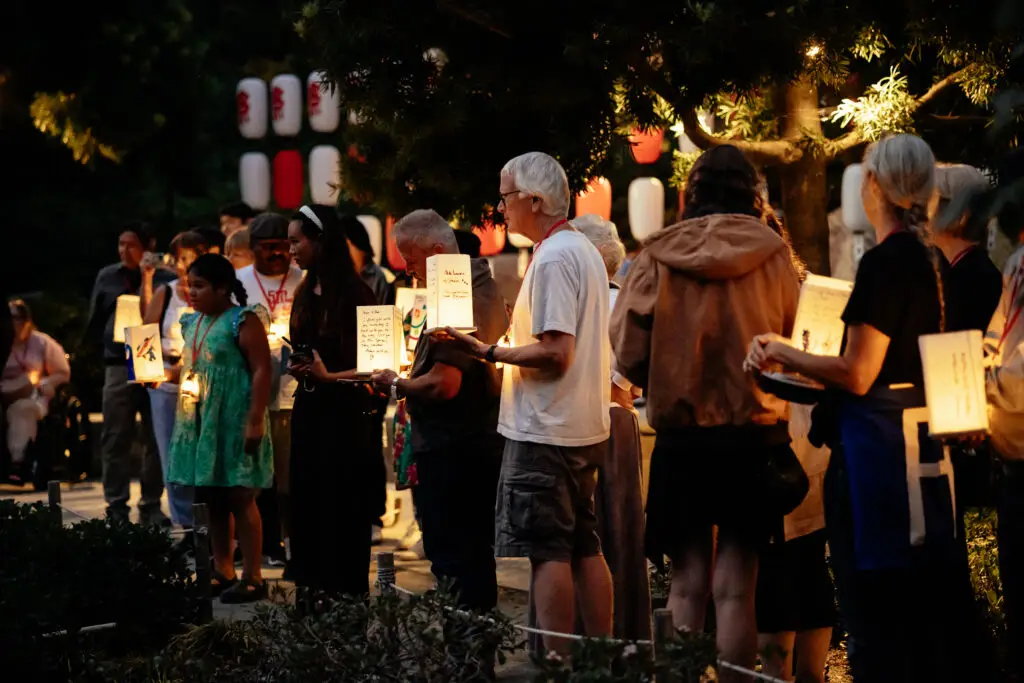
Nagashi at the Japanese Friendship Garden & Museum by floating a lantern to honor loved ones who have passed. Stroll merchant booths, enjoy cultural performances in the Inamori Pavilion, and sample food vendors plus a beer and sake garden in the lower garden.
Japanese Friendship Garden & Museum | 1649 El Prado, Suite 3, San Diego, CA 92101

Explore arts, science, history, and culture in the Balboa Park Cultural District with one convenient, affordable Pass. The Balboa Park Explorer Pass is your ticket to up to 16 museums and endless fun! Purchase your pass at BuyMyExplorer.com.