Featured articles
Food & Drink
Food & Drink
Food & Drink
Featured articles
Everything SD
Everything SD
Things to Do
Featured articles
Things to Do
Things to Do
Guides
Featured articles
podcast-ep
podcast-ep
podcast-ep
Featured articles
Everything SD
Everything SD
Food & Drink
Featured articles
Everything SD
Everything SD
Food & Drink
Ready to know more about San Diego?
SubscribeReady to know more about San Diego?
With a platinum track under her belt and more music on the way, the Rancho Bernardo artist is making waves thanks to the power of TikTok
Rapper Ktlyn on Handsomer music video set
Courtesy of Ktlyn, Facebook
When San Diego-native rapper Ktlyn first performed in front of a live audience, it was at the Peppermint Club in LA—a venue that holds 250 people. The second time, 9,000 fans sang every word of her verse back to her at the Coca-Cola Roxy in Atlanta.
“I didn’t even think I was capable of that to be honest,” she says, remembering standing in front of the largest crowd she’d ever performed for while on tour with hip hop artist Russ. “I just kind of channeled what I’ve seen my favorites do. And did that.”
Last February, Ktlyn took to TikTok to take on Russ’ open verse challenge for “Handsomer,” recording her bars in an Off-White tee against a blue-lit background.
“I won’t lie that extra coin don’t hurt / but I gets money baby, I’d just rather spend yours first / I know for sure this pussy worth more than a Hermes purse / I got the best on earth so that dick better come with some perks,” she rapped, a response to Russ’ song about a gold-digging woman.
@ktlynraps I won’t lie that extra coin don’t hurt 🤣 @russ eng @brendangone #handsomer #russ #rap ♬ HANDSOMER (Remix) (Feat. Ktlyn) – Russ
It wasn’t her first time dueting larger artists and dropping her own verses, but it was the first time her views crept into the two-digit millions.
Russ took notice—along with the rest of the social platform—releasing a remix with her verse on it. Since that day, her video has amassed some 26.M views, 33.1K comments, and garnered her more than 2 million followers.
This was the beginning of Ktlyn’s path to record deals, a platinum single, touring, and getting her music featured in TV commercials. Before stadiums in Atlanta and millions of adoring fans, though, Ktlyn was just another aspiring artist getting lost in the crowd.
Growing up in Rancho Bernardo, the now 26-year-old lived with her mom in a one-bedroom apartment where she had to find ways to entertain herself each day.
“I was like 10 or 11. I saw [You Got Served] and I thought it had the coolest soundtrack ever. I basically watched it every single day,” she says. “I’d say that was probably the turning point of diving into hip-hop music and becoming obsessed with it.”

Ktlyn, rapper from San Diego
Courtesy of Ktlyn
She names Eminem, Jay-Z, Nicki Minaj, and Lil Wayne as early influences, helping her fall in love with the genre as she dove into the intricacies of hip hop.
“I was looking up the lyrics, practicing their cadences, and really just getting their music down,” Ktlyn says. “I would not stop playing the song over and over until I did it perfectly. Like, if it was an intense Eminem song, I would replay it out loud until I felt like I was Eminem.”
While attending Rancho Bernardo high school, Ktlyn often freestyled for her basketball teammates or at parties or in her car after school or anywhere anyone would listen—effectively creating her own remix of You Got Served.
It wasn’t until college, though, that she began pursuing music professionally while living in Los Angeles.
“It was years of networking, like just being in the studio with anybody I could possibly get in with,” she says of having to build a network outside of San Diego. The rapper eventually linked up with Too $hort, the legendary Oakland rapper and record producer, who gave Ktlyn her first chance at recording professionally. But still, she needed to do more.

26-year-old rapper Ktlyn
Courtesy of Ktlyn, Facebook
“I was pushing my music on Instagram and it just was not reaching a new audience, the algorithm was working against me, or my music just wasn’t good enough yet,” she says of her days before joining TikTok.
She shot her very first TikTok on July 16, 2020. Walking down a suburban street, she wore a simple beige cropped top, ripped jean shorts, white sneakers and her long blonde hair hanging down past her chest. She freestyled on top of Jack Harlow’s “What’s Poppin.” It only got a few likes.
When I came across Ktlyn, it was 2021. This unassuming 20-something was trying out her own verse over Cardi B’s “WAP.” It was clean, it was good. I watched a few more of her videos and then went back to scrolling. I forgot about her, that is, until the Russ track.
She was going viral. Her open verse on “Handsomer” was gaining traction. Fans were begging Russ to release her version on a remix.
@ktlynraps Dc: @kaileyandtrav y’all killed this! 👏🔥 REMIX DROPS AT MIDNIGHT 🚀#handsomerchallenge @russ ♬ HANDSOMER (Remix) (Feat. Ktlyn) – Russ
You couldn’t scroll TikTok without every other video being people dancing and lip syncing along to Ktlyn’s rap. Creators @kaileyandtrav even started a dance challenge to her version which blew up across the country (#handsomerchallenge currently sits at more than 30 million views).
And on March 9, 2021 Russ’ “Handsomer” remix dropped featuring this new unsigned artist who unwittingly turned the tables on his lyrics. I remember this era clearly. The track ran through my bones that summer. The carbs that fueled my workouts.
“Usually, my goal is to make women feel empowered or anybody who’s listening to my music feel empowered, however they can relate to it,” Ktlyn says. “I just love the idea of people listening to my music and just instantly maybe feeling more confident.”
She was the girl next door reminding you of your own badass self, the stranger in the bathroom reassuring you that you don’t need him. And TikTok was hungry for more.

Ktlyn and Russ on tour
Courtesy of Ktlyn, Facebook
Over the next few days after the single released, fans pushed, pleaded, demanded that Russ release a full version with her voice across the entire track. It was chaos; polite bullying, but complete chaos. This was her song now and they needed him to know it.
“He was like, ‘I cannot post anything else without people being like: Where is this song?” she says. “Russ is the coolest, most genuine guy. And he got to see how amazing my fan base is and how hard they went for me to have that moment.”
Russ released the “Handsomer Extended Remix” on April 7, 2021, giving her an extra verse across the 3:12 song. Her version became the official remix of the single, reaching No. 1 on U.S. iTunes and No. 59 on the Billboard Hot 100. The official music video? It featured Tiffany Haddish and Snoop Dogg if you wanted any indication of how big the song got.
A day later, Russ signed her to his new label, Diemon Records, asking her to join his Journey Is Everything World Tour last spring. It was not only Ktlyn’s first tour, but it was also the first time she’d perform to anything larger than a small room full of mostly friends and family.
“I kind of went into it like an alternate head space and was just like, ‘Okay, this is the time,’” she says. “Like you know you’ve been working your whole life for this moment. It’s the same concept. It’s just more people.”
Since that tour, Ktlyn has put out four singles under her new label, threw out the first pitch at a Padres game last October, lent her music to a national State Farm commercial, received a platinum plaque for Russ’ “Handsomer Extended Remix,” and made her Hollywood Bowl debut in front of nearly 18,000 fans.
“I think right now I’m trying to feed my fans music as much as I possibly can until I’ve earned the privilege of them sitting through a full album of mine,” she says of what’s next.
Going back to the first video I watched of hers, I couldn’t help but notice the comment sitting at the top saying, “She will never have a hit record but go off.” Maybe that creator was right about an album, but my money’s on the girl singing:
PARTNER CONTENT
“Imagine if I listen what a hater gotta say / I never givе a broke b*tch any time of day (no way) / You ugly when you jealous, b*tch look at that face / I’m hot right now, and you not, mm-kay?”

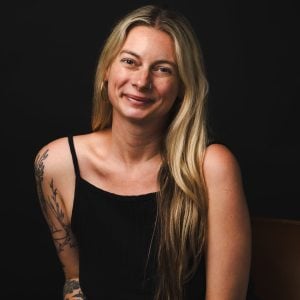
Nicolle Monico is an award-winning writer and the director of creative projects, digital editor for San Diego Magazine with more than 16 years of experience in media including Outside Run, JustLuxe and The San Francisco Chronicle.
In recent years, the city's tunnel parties have found their home under South Bay's freeway underpasses & abandoned places
The thumping starts in my chest, taking over my own heartbeat. It radiates through my sternum, eventually reaching the tips of my ribs. My temples start pulsing. Soon enough, the rest of my body gives way, swaying and bouncing to the bass emanating from speakers all around me, pounding at somewhere around 135 beats-per-minute. I glance up at the concrete slab above me, which is a freeway underpass somewhere in Imperial Beach. None of us are supposed to be here, yet here we are.

For the last several years, a slew of underground raves have been popping up across the South Bay in a variety of public places: sewers, freeway underpasses, seemingly abandoned fields, bunkers. There’s a lot of city, county, and federal land that doesn’t get used much, and in this economy, in this town, “free” space is currency. If you build it, they will come—and if you don’t, they will come even harder. The parties are run by a techno-and-bass-oriented group that would like to stay unnamed, owing to the less-than lawful nature of their activities. But they’re not hard to find.
Around me, all sorts of loving exchanges are happening—one of the reasons I love partying so much. What are likely club drugs discreetly (and not-so-discreetly) change hands. Bottles of water are shared. Weed and vape clouds waft through the air, stuck between the concrete above and below and the mass of humanity in between. Full-body hugs abound, and more than a handful of people are making out and grinding. Everyone is grooving in their own way. Some have their hands in the air, chopping to the rhythm, their eyes closed. Quiet smiles line the faces of more than one raver.
Over the hours, the turntables welcome new DJs, each with their own distinctive styles. Some thrash to heavy techno; others scratch out the dirtiest, heaviest beats the crowd’s bodies can handle. At some point, the black sky starts to lighten up, eventually turning a light shade of pink, and a cold breeze rushes in. It’s daytime now, and the music stops. Fuzzy-booted partygoers trek to their cars, parked miles away. In their places, a crew of homeless people files in, hired and paid by the party organizers to clean. Shortly after, any sign of life has been wiped from the underpass. It’s almost like it never even happened. But it’s a physical reality that energy doesn’t disappear, it simply transmutes. Later the next day, when I finally wake up, I still feel the beating in my chest, that telltale heart.
Jackie is a long-time freelance journalist covering cannabis, food/restaurants, travel, labor, wine, spirits, arts & culture, design, and other topics. Her work has been selected twice for Best American Travel Writing, and she has won a variety of national and local awards for her writing and reporting.
The Pacific Beach-based band chats with us about forming at SDSU, the theme of their debut album, and their evolution toward moon rock
For Saint Luna, time is always of the essence. The Pacific Beach-based alternative rock band made up of five 20-somethings is constantly in search of more opportunities for everything: rehearsing, partying, living.
Despite this feeling, the release of Saint Luna’s self-titled debut album on January 26 proves their three years as a band has been time spent wisely. From playing intimate shows at their San Diego State frat house to selling out a handful of local venues, Saint Luna continues the band’s progression while showcasing their artistic evolution.
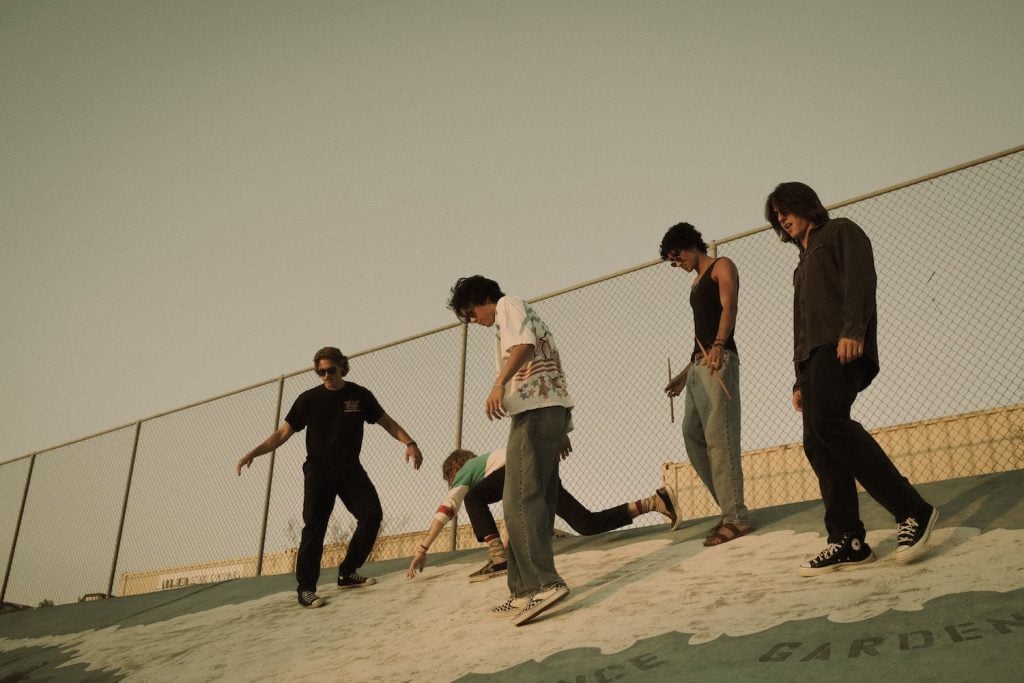
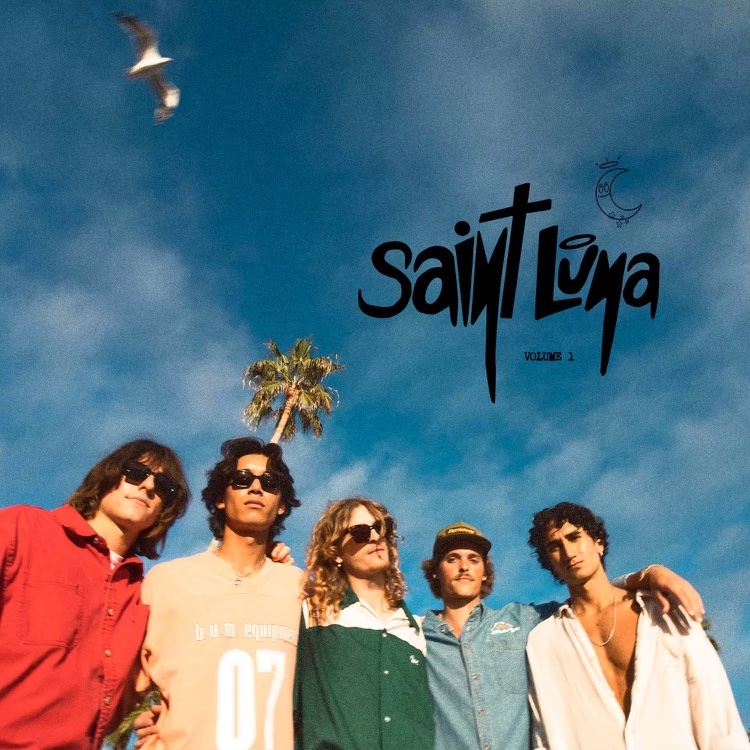
Consisting of Paarsa Heidari (drummer), Wick Hauser (guitarist and vocalist), Bradyn Jace (lead vocalist), Tanner Lampugnale (bassist) and Charlie Black (guitarist), Saint Luna formed at SDSU during fall 2020.

“I feel like this album shows how diverse we want our sound to be. We don’t want to be just some post-Covid indie band,” Jace says.
The band’s self-titled debut consists of nine tracks, led by three singles: the romantic “Rare Sight,” the punchy “Revolver,” and an acoustic version of “I Feel It.” The collection of songs channels post-punk and psychedelic rock influences with a resonant theme of time, or a lack of it.
The concept of time is all over the album, from the stark urgency of “No Time” to “Two Hands,” where the fear of crucial moments slipping away can be traced back to the two hands on the clock, to the lunar cycles of the moon (aka “luna”) that dictate the passage of time.
As they continue barrelling through young adulthood, the band’s first-hand narratives make up the bulk of the album. “Another Girl” recounts Heidari’s real-life heartbreak that spiraled into late-night dissolution with a psychedelic guitar riff. Hauser’s hazy experience reaching the drinking age milestone as the self-described baby of the group on “21.”
“Get Some Rest” beckons the age-old question of to go out or not to go out, with pounding drums and a thumping call of “And I want ya don’t need ya / Everybody’s got something to say / And I want ya don’t need ya / Got me feeling some type of way.”
During the early stages of the pandemic, frat brothers Heidari, Jace, Black and the band’s original bassist Max Katz (whom Lampugnale took over for in 2023), took advantage of their collective downtime by jamming together. The musical chemistry was nearly instant, with the quartet coming together to play Weezer’s “Say Ain’t So”—a bonding moment that kick-started the band.
“We really didn’t know until our first show (and our TikTok that went off), that we actually had something that was worth working toward; not just for fun, not just for parties,” Heidari says.
A month after formation, the group played their first show for friends on campus and had one of their early TikTok videos go viral. The latter was also how they connected with Hauser, who joined the band after covering one of their songs.
In the two years that followed, Saint Luna crafted a dreamy surf rock sound comparable to Australian group Surf Trash and local surf rockers Sun Room, but with a more alternative edge. During this period, the group released several singles detailing their adventures, including tales of infatuation (“Goldfish”), elation (“Feel It”) and embracing the freedom of college life (“Katz’s Garage”).
But soon Saint Luna found themselves focusing too much on recreating their social media success and hit a rut. After what Jace coins as a “band drama moment,” the friends regained their confidence and willingness to take risks—leading to a more layered and ambitious sound on their debut album.
Now, Saint Luna sheds the wide-eyed optimism of their early material and is a natural foil for the breeziness of the stereotypical SoCal lifestyle. The drawn-out instrumentals and prolonged feelings of isolation, like the section on “Two Hands” where Jace eerily sings “Sinking, swimming, I don’t know anymore / Sinking, tied up, feeling insecure,” veer the band’s sound away from energetic surf rock toward moody desert rock or in their case, “moon rock.”
That said, there are still plenty of fun moments on Saint Luna, like the electric grooviness of “Johnny,” and the charming sincerity of “I Feel It (acoustic)”. Plus, everything has a distinctly local touch, from name-dropping 54th Street in El Cajon on “Johnny” to engaging in hijinks at Studio Diner during the “Rare Sight” music video and the band’s album recording sessions at PB’s The Music Company.
With the release of their debut album, Saint Luna is preparing for a jam-packed year with a free album release concert, more San Diego shows, a Bay Area tour, and who knows—maybe another album. In 2024, time will be their greatest asset.
“I think we celebrate our wins briefly … but come Monday morning, it’s back to the drawing board, and we’re back to work,” Black says.
Catch Saint Luna at South Vacation Isle on January 28.
Ryan Hardison is a freelance arts and entertainment writer and recent graduate of San Diego State. When he's not staring at his laptop, he's likely eating an adobada burrito or getting sunburnt at the beach.
The emerging OB artist found national fame following his cover of an iconic Doors song
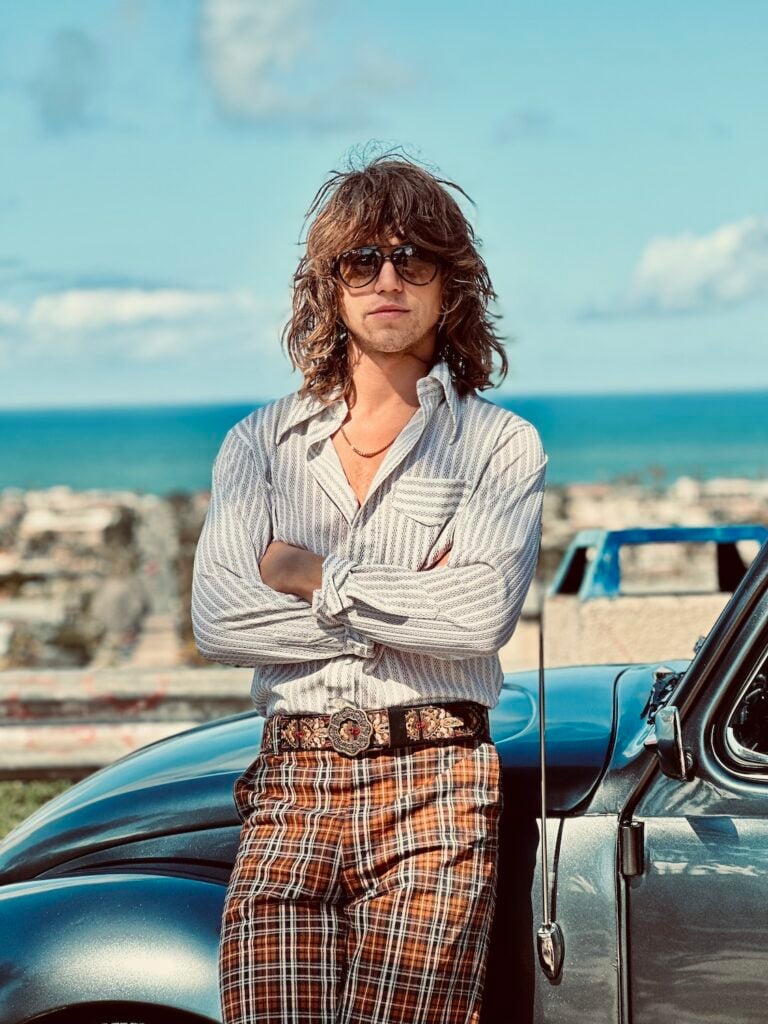
In the bohemian pocket of Ocean Beach, Kyle Rising, the 27-year-old lead singer of rock/reggae group Sensi Trails, uploads a video performing a solo cover of the legendary The Doors song “People Are Strange.” Almost overnight, it receives 11 million views. Thousands of comments label Rising the reincarnation of The Doors frontman Jim Morrison.
In the video, Rising’s voice is musically synonymous with the late icon of ’60s psychedelic rock. But Rising’s vintage clothes and shaggy hairstyle echo the aesthetics of Morrison’s heyday as well. With both the look and voice combined, he was bound to go viral.
“It was a huge catapult into this new sort of brand that has essentially always been there,” Rising says. “But it’s now coming to the surface.”
The video brought in followers and fans across age groups. Whether it was a social media algorithm or a community built from a love of rock music, Rising found his platform growing exponentially. This new audience nudged him toward new music and a new sound.
Born and raised on the East Coast, Rising migrated to San Diego five years ago in his van, drawn by the city’s connections to reggae music. He’s now working to weave his various inspirations into a solo album while also playing shows with Sensi Trails. And, of course, he’s continuing to build his social media
fame by leaning into the vintage-inspired image that launched his stardom.
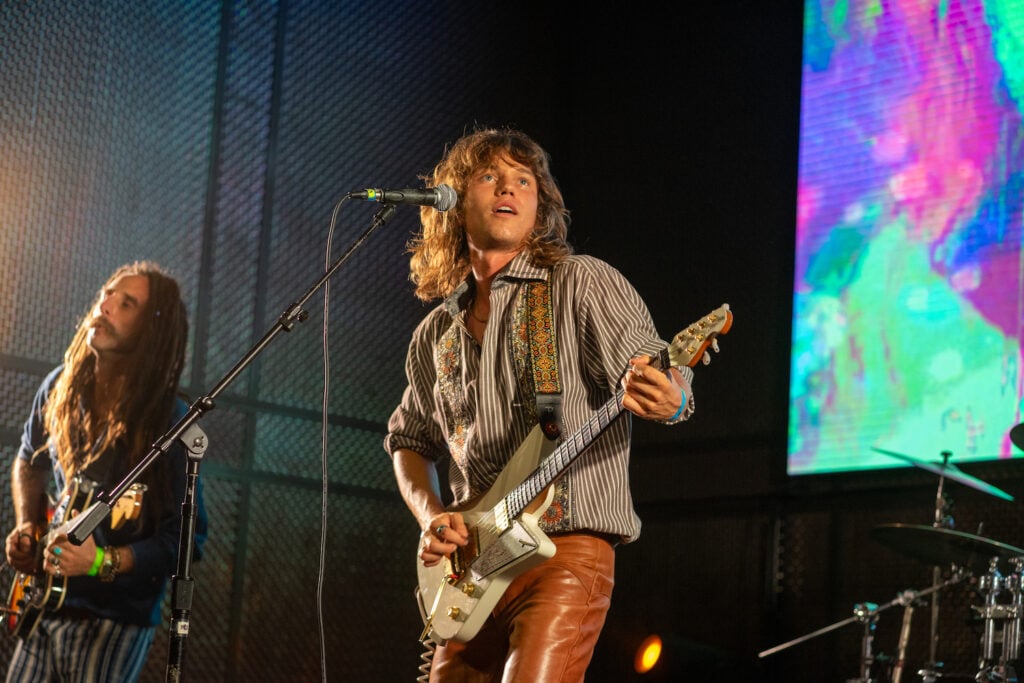
During their set at a Music Box summer show this year, Sensi Trails transformed the venue into a time machine, taking the crowd to the late ’60s. Flared leather pants, heeled boots, funky patterns, and screens with neon psychedelic graphics swaying behind the band helped them channel midcentury rock counterculture.
“It was something that I wish I had. I wish I could’ve seen these artists from back in the day,” Rising says. “So I want to sort of recreate it for people nowadays to have.”

With his debut solo single, “She Freaks Me Out,” Rising continues to connect with people both on-and off-screen through his timeless talents and the power of nostalgia.
In fact, his ode to a foundational era in rock music has made him popular not only with his broadening audience, but with his own idols.
Rising is set to perform with Robby Krieger of The Doors and The Soul Savages at the Oceanview Pavilion in Port Hueneme on Sept. 30. His online popularity led him right to where he needs to be, he affirms.
“As long as you treat people with kindness and go about your day in a kind-spirited sense, the universe unfolds in a magical way,” he says.
Stake Chophouse & Bar brings contemporary classics and old-school service to the heart of Coronado
Stake Chophouse & Bar isn’t your average steakhouse. Blue Bridge Hospitality’s Coronado outpost is a modern interpretation of a big-city steakhouse nestled in the heart of the small coastal community. The team at Stake has reimagined the whole steakhouse experience. By prioritizing a seasonal farm-to-table sourcing philosophy, a personalized guest experience, and unique service touches, like a formal steak presentation and a bespoke knife selection process, Stake distinguishes itself in a sea of steakhouses.
Exceptional steaks, including Wagyu from Japan, Australia, and the U.S., and fresh seafood flown in daily form the core of Stake’s culinary identity. The menu features a five-course omakase-style steak experience highlighting house favorites, plus an array of cuts, and classic steakhouse staples—think a wedge salad, baked potato, or pasta carbonara—refined for a contemporary palate without losing their traditional appeal. Stake focuses on seasonal sourcing from the region’s best family farms and specialty purveyors, and incorporates intentionally unexpected touches to create something truly unique.
“I challenge our chefs and myself to take it a step further in sourcing,” says Chef Ronnie Schwandt. “It’s important to us to highlight different farms, unique one-off farms—whether it’s cattle, strawberries, a local fisherman or from anywhere in the United States, we’re always trying to find that niche.”
Beyond the menu, Stake emphasizes outstanding service, says Vinny Spatafore, Director of Hospitality Operations. Staff maintains detailed notes, allowing them to remember guests by name, recall previous orders such as a favorite martini (also memorable for the customer since it’s served in an extra tall, distinctly-shaped glass), and celebrate special occasions like birthdays and anniversaries.
“When you have those points of topic that you remember about a guest, they appreciate that,” he says. “Our servers are really good with that—we have a couple servers who have been here since the beginning and they’ll remember somebody from years ago, their name, their kids’ names, where they live. I’m really thankful to have a great front of house staff.”
Award-winning wines, rare whiskeys, special events, and a complementary black car service that provides transportation for guests throughout Coronado add to Stake’s appeal.
Schwandt stresses that Stake offers more than a meal; they aim to give patrons something unforgettable.
“It starts when you walk up the stairs and are greeted by the hostess—that sets the tone for the night. Then you’re greeted by a server, who may know you by name, and can guide you through the menu and curate as they get to know you,” says Schwandt. “Most people leave kind of blown away; they leave feeling like they just had an experience. That’s the goal, right? Whether you’re serving smash burgers or high-end steak, you want somebody to leave thinking, Wow, that was awesome.”
The San Diego natives are reviving rock and roll for the next generation
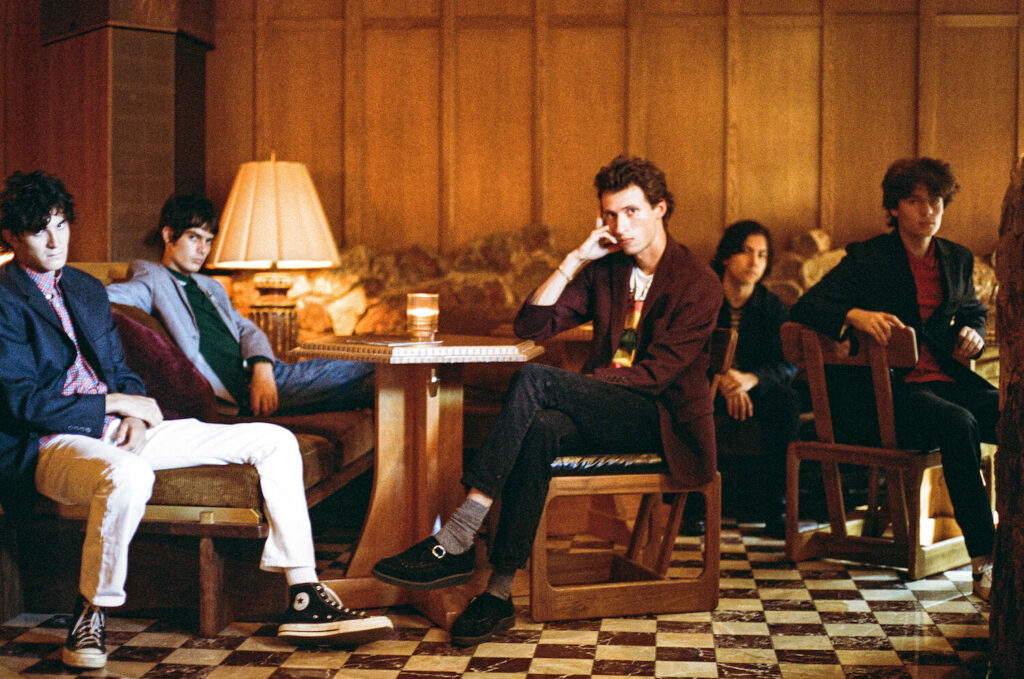
Pleasure Pill San Diego Indie Band
Photo Credit: Andrew Howard
We’re sitting on the patio of Shakespeare Pub on an overcast, late afternoon. It looks more like Manchester than Mid-City San Diego.“It’s pretty fucking religious, you know? I mean, like, I live by it. It’s all I ever think about,” says a shades-laden, younger, more symmetrical version of Bobby Gillespie of Primal Scream. He takes a sip of his Guinness that’s as black as his perfectly trimmed locks.
This 23-year-old rock-siren-by-night and substitute-teacher-by-day is Jonah Paz, lead singer of Chula Vista’s ’60s-via-’90s, indie-rock five-piece Pleasure Pill. What’s his denomination? Himself. His band. The goddamn redemption of rock and roll.
Sitting next to Paz is lead guitarist, Luke Blake, bedecked in denim and pulling it off the way only an artist can. “We can’t be bothered with whoever else is doing [things] in LA or New York,” Blake says.
“We’re kind of just marching to the beat of our own drum, which I think is really beneficial for us in a way.” Being from San Diego, rather than the more saturated markets up north, actually helps them stand out.
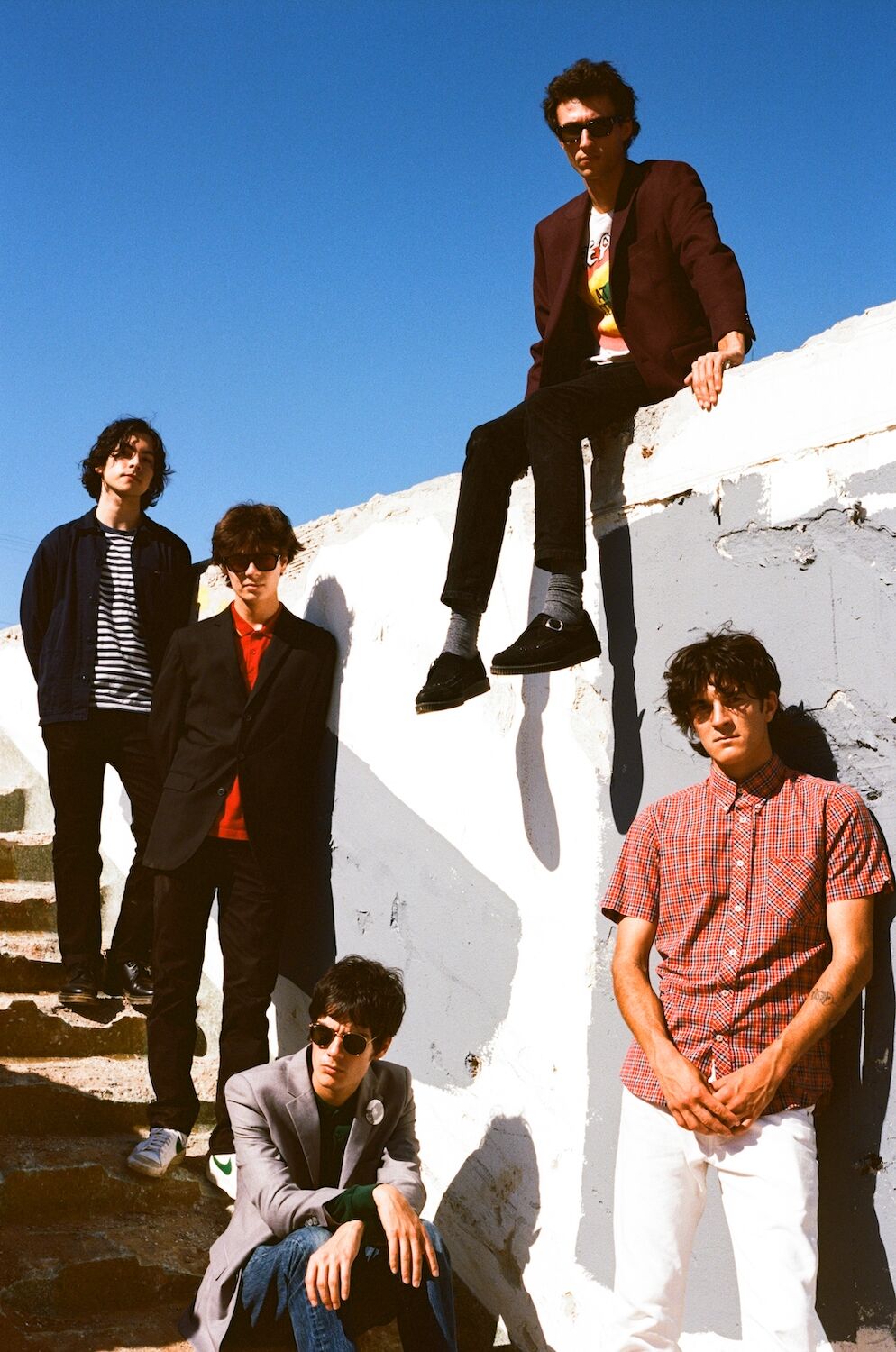
Pleasure Pill San Diego Indie Band Staircase
Photo Credit: Andrew Howard
Yet their own beat does have a familiar ring to it. The band’s impish, nasally facsimile of my favorite Britpop familiars fuels a narcissistic nostalgia for my own early aughts glory days spent lusting in dark clubs, dancing out my 20-something strife to the likes of the Stone Roses, Pulp, and Blur.
“Rock and roll has its history and its traditions,” Paz says, like a monk revering rituals of the past. “Obviously, [in our music], you’re gonna hear some ’60s and you’re gonna hear some ’90s and you’re gonna hear some late ’70s punk.”
At the fulcrum of parody and pop idol, Pleasure Pill look like extras who just hopped off their Vespas on the set of Quadrophenia. Their style is matched by their substance: They name-check Alan McGee’s Creations Records roster as if every band on it were a household name, from the “wall of sound” fuzz of The Jesus and Mary Chain to the very obvious influence of Oasis and their crossover mega-appeal. They take equal joy in ripping off acid house acts like the Happy Mondays. Who doesn’t love some maracas? (Bad people.)
But that’s not to say their brand of snarling, anthemic pop is derivative or unpatriotic. Call it honorific cribbing similar to what The Beatles did to Little Richard and what the brothers Gallagher did to Lennon-McCartney. With every new generation comes a chance to cannibalize your idols (or at least have the same haircuts). Thankfully, the members of Pleasure Pill have the musical chops to match their Gallagher crops. They can play their instruments—and the part of Gen Z rock and roll heroes, if their generation will have them.
The band is comprised of Jonah and his younger brother Ethan, who plays rhythm guitar, rounded out by Blake on lead guitar and friends Ivan Delgado (bass) and Dom Friedly (drums). They’ve been slowly doling out singles since the pandemic era. Now, they have a set of fifteen songs that they recorded in LA in November. They will eventually release them as their debut record. Paz is angling for Oasis’ Definitely Maybe status. “This has the potential to literally be, like, the biggest thing ever,” Paz says.
Pleasure Pill is a welcome pastiche for the weary, seeking that new rock savior. Who’s tired of always hearing “Seven Nation Army” at Petco Park? It’s time to give these South Bay boys a chance.
But many bands these days are at the mercy of numbers—of followers. Gone is the main pressure of moving units. Now, labels are focused on bands being their own mini-marketing team, complete with fully fleshed followings on Instagram and the dreaded TikTok, before ever getting signed.
For reference, Pleasure Pill has 1,901 followers on Instagram, and its members couldn’t care less. Perhaps that’s why there’s no groundswell of guitar groups making it big. Perhaps they’re all old fashioned like Pleasure Pill, hoping their talent is enough for an advance.
“I think a band like Oasis or the Strokes or Nirvana, where they take over the whole fucking world and everyone can agree on [them], it’s a folktale for our generation. I mean, it doesn’t exist,” Paz says. Clearly, the modern music landscape is wide enough for newcomers to find footholds to stardom, but will their ambition be enough? For now, it doesn’t matter.
“You’re not going to come from San Diego and, like, skyrocket,” Paz admits. “It’s gonna be fucking hard but, you know, we all believe in it enough to do it.”
Not giving up, indeed.
Danielle is a freelance culture journalist focusing on music, food, wine, hospitality, and arts, and founder-playwright of Yeah No Yeah Theatre company, based in San Diego. Her work has been featured in FLAUNT, Filter Magazine, and San Diego Magazine. Born and raised in Maui, she still loves a good Mai Tai.
The weekly gathering aims to bring San Diego’s creative community together and provide a space for exchange and conversation
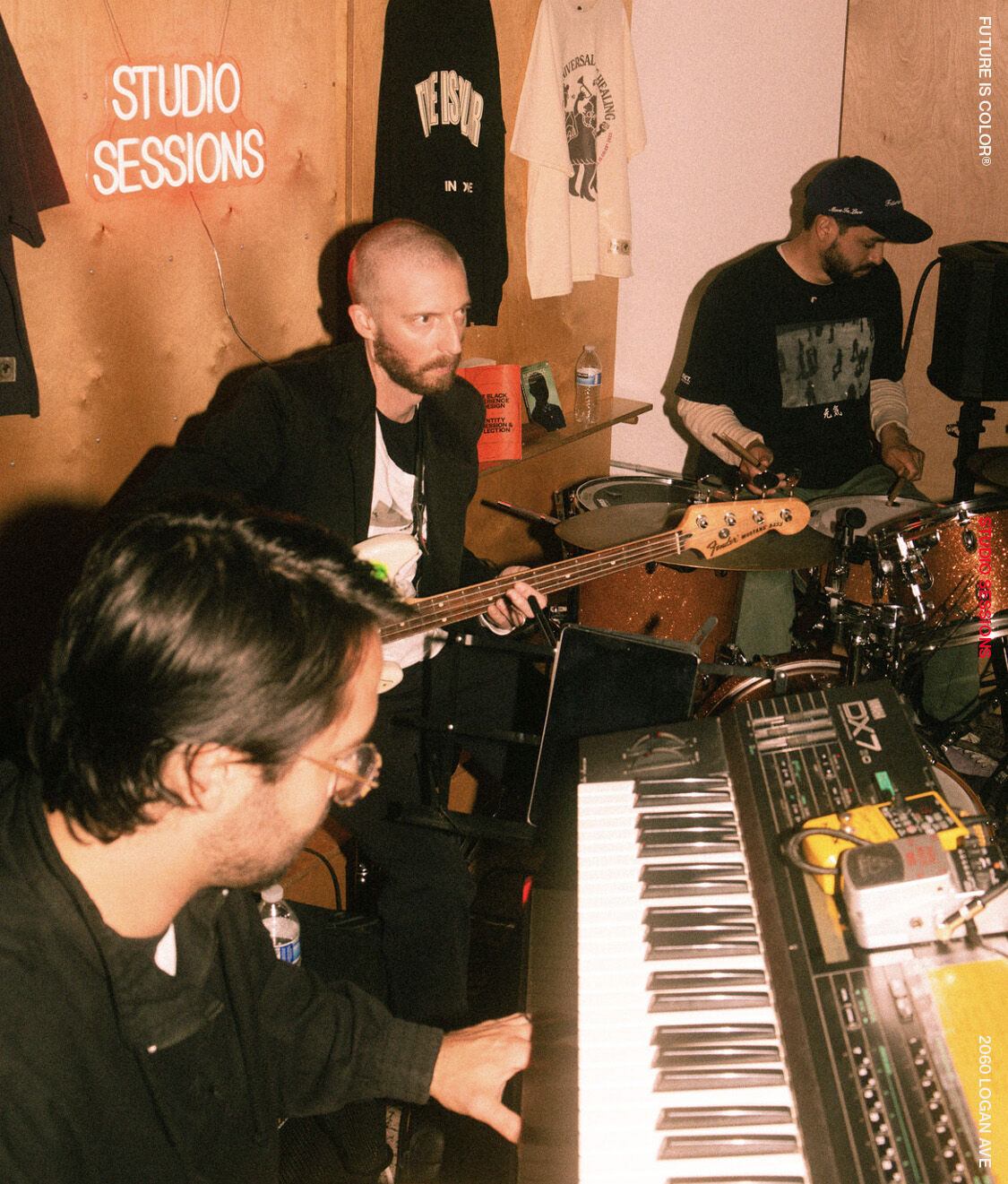
Future is Color, studio sessions
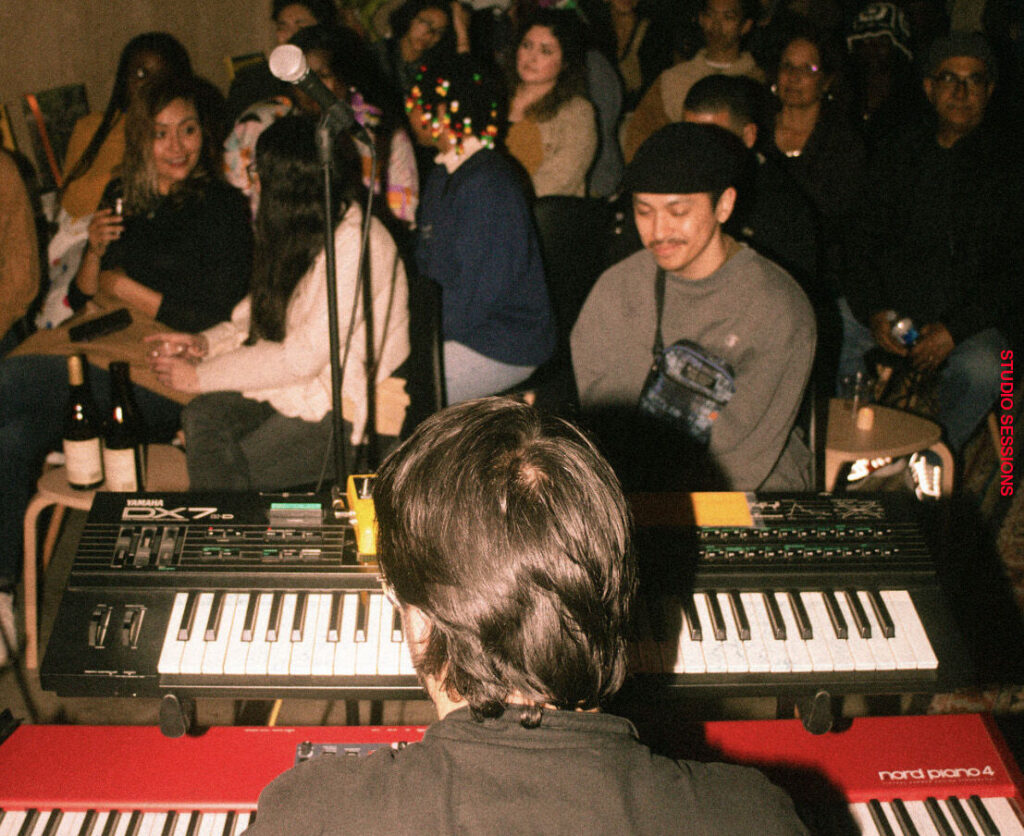
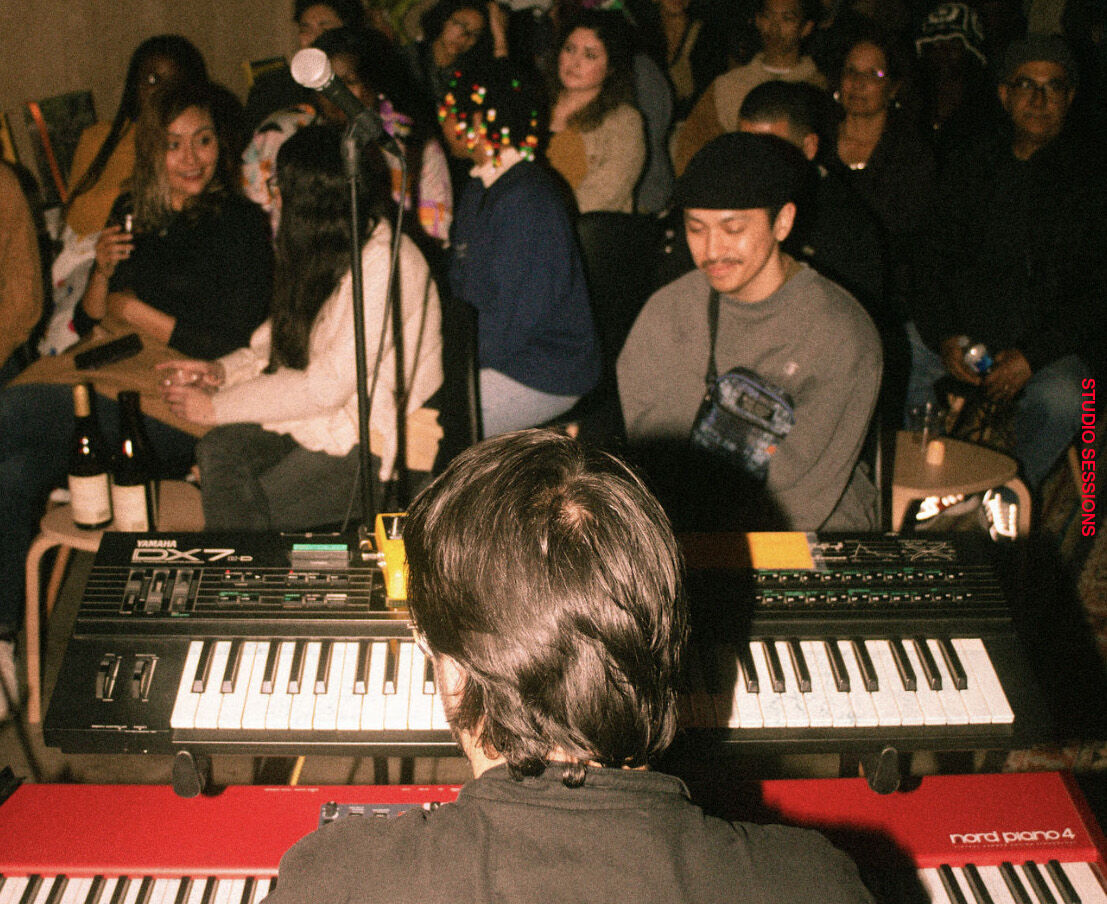
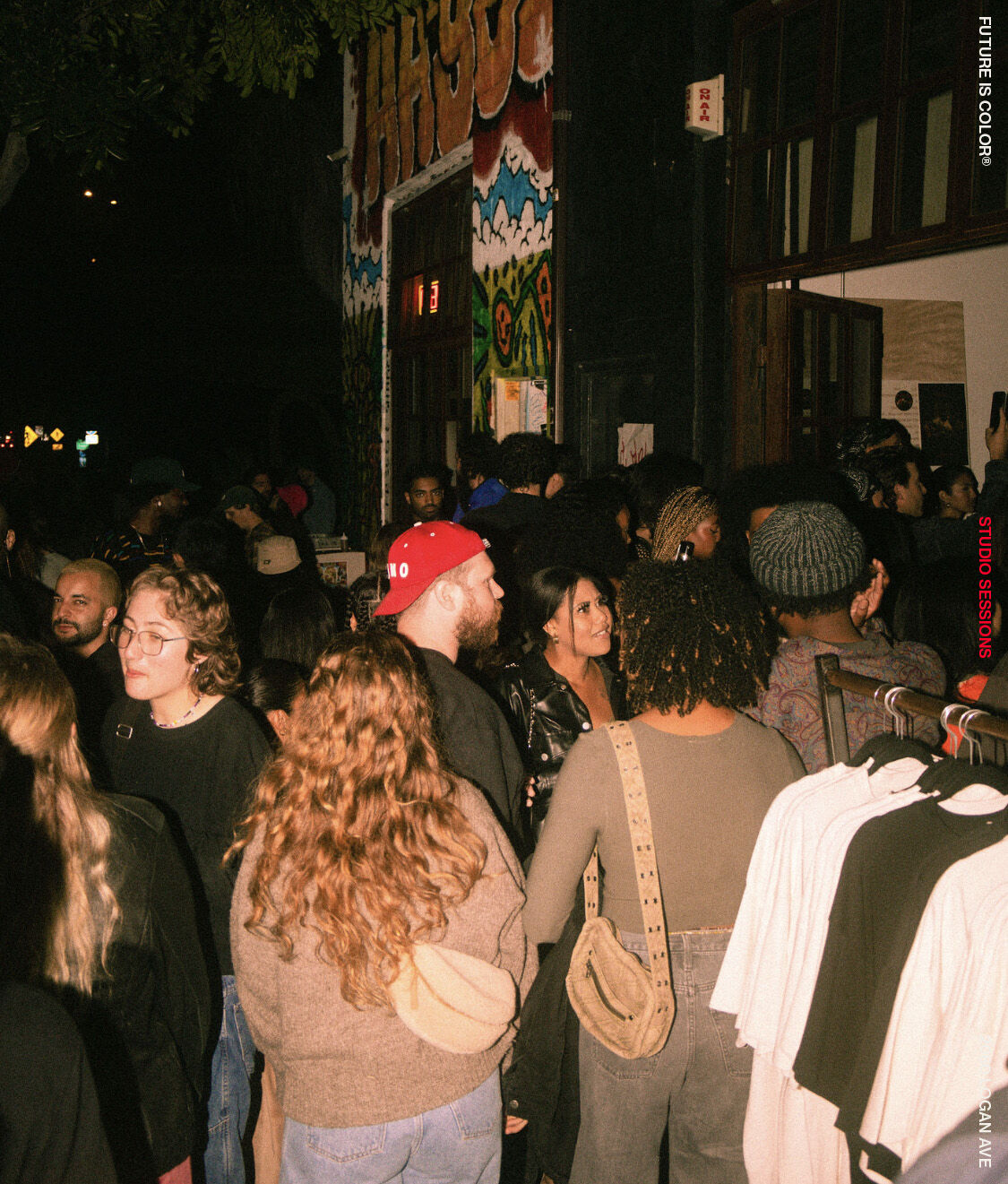
On a Thursday night in Barrio Logan, a red glow emanates from inside a black warehouse. A lively crowd spills onto the sidewalk, people glancing over shoulders toward the rhythmic, busy clashing of the three piece group called Skate Jazz.
The scene feels at once inviting and secretive. Logan Avenue is generally otherwise quiet and casual by sundown, but the studio is alive. It’s a scene. Studio Sessions—a new jazz series at the Future Is Color Studio—is the reason.
What was formerly a warehouse storage space is now bringing an eclectic crowd to the heart of Barrio Logan every Thursday night. The idea, said founder Erwin Hines, is to bring San Diego’s creative community together and provide a space for exchange and conversation.
“Our jazz nights have the scene kids, have people from north county, have people from the south bay,” Hines said. “It has all of these people from disparate groups in one space and congregating in a neighborhood that maybe they wouldn’t have come to before.”
Future Is Color Studio got its start in 2020 after Hines started designing graphic t-shirts as a way to process his emotions following the police killing of George Floyd. The shirts were flying off the shelves—Hines sold more than 6,000 in a few days—and he realized he had struck a chord with community members.
Hines named the project Future Is Color, or FIC, borrowing the name from a cultural education program his sister started in Ohio. The brand’s mission is to promote cultural progress through dialogue, empathy, clothing, and now, weekly jazz.
The focus on jazz music is intentional, Hines said. “[Jazz] comes from Black culture and it’s a dialogue in and of itself,” Hines said. “The musicians and the instruments having an intimate dialogue in real time and just jamming with one another.”
Future is Color, studio session
That musical dialogue is something that spoke to Kamau, a hardware engineer from Chicago who recently moved to Hillcrest and attended his first Studio Sessions. Kamau remembers Skate Jazz played covers of his favorite songs from Cortex, a frequently-sampled French jazz trio. It was the first time he’d seen that music played live.“It’s just really cool to see people interact with the music in a live setting,” Kamau said. “Like an experiment, it’s exciting.”
Inside the warehouse where Skate Jazz plays, sometimes accompanied by a singer or saxophonist, there’s hardly a seat or space to stand unoccupied. Gatherers softly bob their heads or sway to their winding sets. A red light-up sign bearing the name of the band glows behind them. On an adjacent wall, a looped video projects tantalizing graphics and phrases like “Move in love” that come from Hines’ own designs.
So far, the turnout has been much more than Hines expected. They planned for 30 people at their first show, but they’ve never had a show with less than 150. “I’m shook, I’m deeply shook,” Hines said.
Since they’ve started the series, Hines said the surrounding businesses on the block now stay open later. By the end of the show, their block of Logan Avenue is lively with the chatter of the crowd—a burger joint and taco stand on either side feeding the hungry.
“This, to me, is what community building really looks like,” Hines said. “When an organization or an institution or a brand is willing to invest into something that is free for people to enter, free for people to engage in, and can be this cultural entry point into the larger community.
”While working as a graphic designer in San Diego, Hines noticed how young creatives sometimes overlooked San Diego for other cities like New York and LA. He said the community here lacked free spaces for artists to gather, but not for lack of local talent.
“As I began to really think about what the creative community was in San Diego, I realized that it’s not just for traditional creatives,” Hines said. “We have amazing biotech. We have amazing community activists. We have amazing artists, dancers, all these people from all these disparate backgrounds but everybody was operating and functioning in silos.”Studio Sessions and other projects associated with the FIC became a way for Hines to sustain the creative community and connect artists in new spaces for inspiration, collaboration and companionship. The event’s uniqueness is something that spoke to many in attendance. Several attendees commented on how FIC’s jazz nights feel one-of-a-kind, almost sacred. They describe it as “optimistic,” “fresh” and “accessible.”
Future is Color, studio sessions
Cecil Horton, a San Diego native who runs a PR and influencer marketing agency, said jazz nights at FIC are “exactly what we need for our city.”
“It is casual as it is electric. It feels like you’re on the streets of Portugal, chain-smoking a cigarette on cobblestone streets.”Horton first went to Studio Sessions in its third week and he’s been a regular since. For him, it’s a place to connect with likeminded creative people. It’s also where he can see friends from all across San Diego commingling in the same space.
“I see my friends that I grew up with in Point Loma running into other friends that I’ve met in Southeast San Diego, all of us either cheersing to wine or ice water or Jamaica in the street,” Horton said. “It’s everything we’ve ever hoped for.”
In the few short months since its start, Studio Sessions has already expanded its repertoire and its reach. The shows feature additional musicians and even a pop-up in LA.
Still, Hines said he doesn’t have any set plans for the project. “I never want to put any weight on it to say it needs to be X, Y and Z in five months, in six months,” Hines said. “Maybe it will be gone, maybe it will have done what it needed to do and then it can go on and move on.”
Until then, Studio Sessions happens every Thursday from 6:30 to 10 p.m. at the FIC studio at 2060 Logan Ave.
Scripps study shows that some patients may be able to taper their dose and maintain results
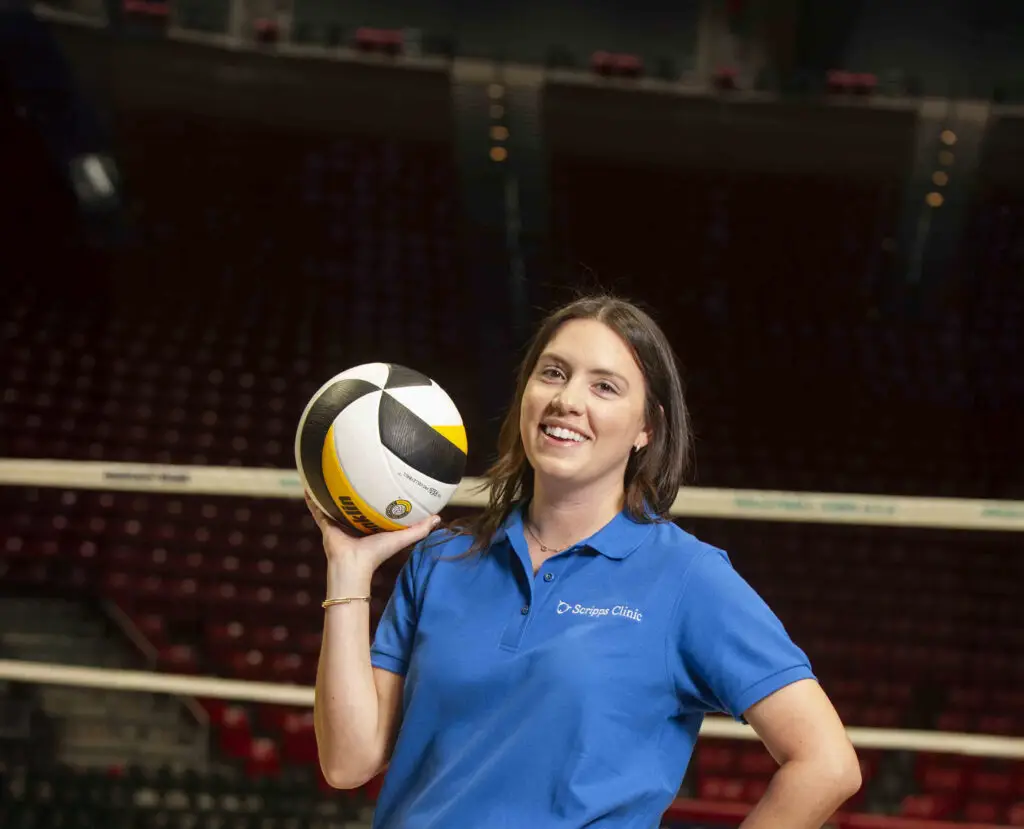
While glucagon-like peptide-1 (GLP-1) receptor agents have been used to treat Type 2 diabetes for more than 20 years, their recent emergence as weight-loss wonder drugs marked a new frontier in medicine. But their effectiveness has left some patients wondering what to do once they’ve reached their goal. Stopping the medication could mean regaining some, if not all, of the weight. A Scripps Clinic internal medicine physician recently conducted a small study of whether GLP-1 patients who had reached their goal weight could maintain that weight by taking their regularly prescribed injection every other week instead of weekly. Spoiler alert: 30 of 34 patients did. Read more about the study here and what that may mean as pharmaceutical companies roll out oral GLP-1s.
For more nutrition, wellness, and healthy living tips, sign up for the San Diego Health newsletter here.