Featured articles
Featured articles
Featured articles
What's next
Featured articles
Featured articles
Featured articles
Ready to know more about San Diego?
SubscribeReady to know more about San Diego?
How dog rescue organizations are also helping out inmates, veterans, the homeless and more, as told through the eyes of the beneficiaries
Three Animal Nonprofits on a Mission to Help Dogs and People
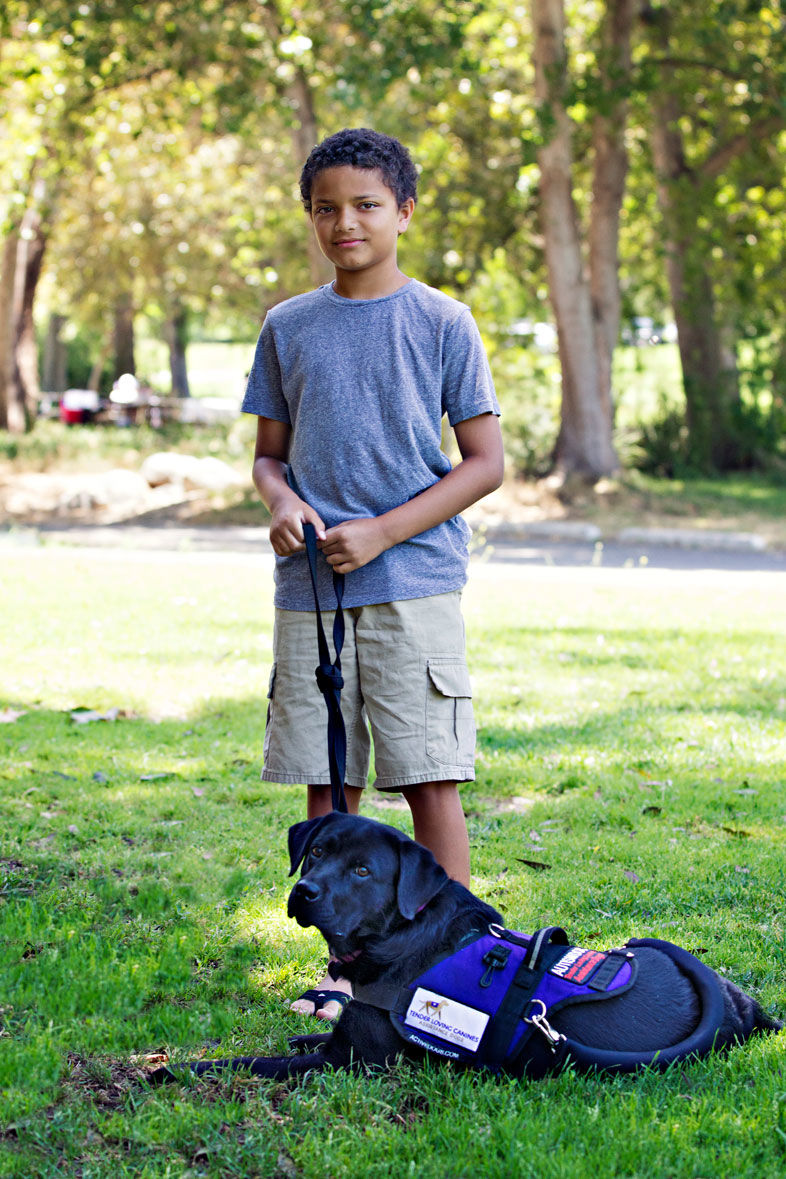
Jackson and Belle
Looking back on his 14 years of incarceration, Freddy can point to a few clear moments of joy. Each one had Belle in it. “She would make this snoring noise like a little pig when we would pet her,” he recalls, and notes the black Lab would sleep at the bottom of his bunk. “We would laugh.” Most memorable, though, was when he said farewell to his six-month companion—and student.
As an inmate trainer in Tender Loving Canines Assistance Dogs’ POOCH program (which stands for “prisoners overcoming obstacles and creating hope”), Freddy spent those months preparing Belle to be a service dog for children with autism, like Jackson, a nine-year-old with sensitivities to noise and energy. “Belle is our greatest present, a gift beyond measure,” says his mom, Jackie. “She’s so well trained.”
POOCH service dog trainers like Freddy undergo six months of instruction themselves to qualify. After that time, animals are placed with inmates typically in teams of two and stay with them 24/7 to be taught common lessons and comforting cues, like when to provide pressure or snuggles to calm a person with autism in a high-stress environment. From there, TLCAD places the dogs with families free of charge—recipients pay only an application fee—after a phone interview and home meeting. Once approved, recipients are a part of TLCAD for life, receiving replacement pups when their own retires and becomes a pet.
“Belle was a magical fit,” Jackie says of Jackson’s first encounter with the dog. “He doesn’t tolerate being in a room with a lot of noise, and he just stayed there with us. We knew Belle was our dog right away.”
Jackie, too, went through six months of training with Belle to become her handler. Today, Belle serves as an extension of her in caring for Jackson. He hangs on to her harness handle in public places, and she’s a catalyst for social interactions. Since welcoming Belle into their family, they’ve even gone to Disneyland. “TLCAD has made the best of it all,” Jackie says. “I can’t say enough about POOCH. The point of prison is rehabilitation; this is truly a way to do that.”
For Freddy, the positive review is mutual. He says the program taught him greater empathy. “Because of the dogs and the TLCAD staff, I made friends in a cruel environment,” he says. “I see service dogs in stores, and I share my experience with them. My outlook on life is very positive.”
Likewise, his life is positive. Freddy recently received his driver’s license and has a full-time job that, for his first time, offers insurance and 401(k) benefits. “It feels great,” he says. “I know I made a mistake, but I love my life now.”
As for pets? He’s the loving owner of a pocket bully. Her name is Bella.
There have been times when I’ve been hungry, but she’s never been hungry,” Kevin says, petting his 20-pound rat terrier, whom he named after the needy title character in Driving Miss Daisy. “I would be needy, too, if I was 126 years old in dog years!”
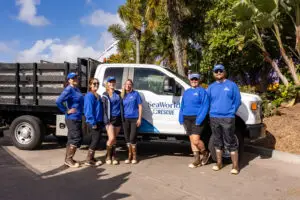
But being homeless—for the past year he’s had stable housing at Father Joe’s Villages—makes meeting those needs even more challenging. That’s where Helen Woodward Animal Center’s Pets Without Walls program comes in.
Launched in November 2017, Pets Without Walls is a mobile veterinary clinic that serves dogs and cats who live with San Diego’s homeless population. In addition to spaying and neutering, the program provides wellness checks, microchipping, vaccines, some medications free of charge, and pet food.
“People have animals even before they’re homeless,” explains Jessica Gercke, communications director at Woodward. “The last thing they need is to lose their family member, because that’s the one thing that brings them joy.”
She says the program often finds the people they work with are better to their animals than themselves. “We’re making sure these animals have health care.”
The program offers monthly wellness checkups at shelters such as Father Joe’s, which Kevin and Daisy never miss. “There’s no barrier to her care other than remembering the date,” he says. “It feels like we’re at a regular vet, without the issues of ‘Can I afford this?’ I never have to ask myself the dreaded question ‘Is this worth it?’”
For Kevin, leaving Daisy behind during his changing circumstances has never been an option.
“I can’t imagine going through this without her,” he says. “She has done as much for me as I have done for her.” He rescued her from a shelter while working as a registered nurse in Washington, DC, six years ago. “Poor financial decision and crippling depression” led him to become homeless, and he moved to California to be nearer to family.
“It’s hard taking care of something,” he says. “But to me, a pet is a sworn responsibility. She’s a big motivation to have a yard, more sun, and to get out of here.”
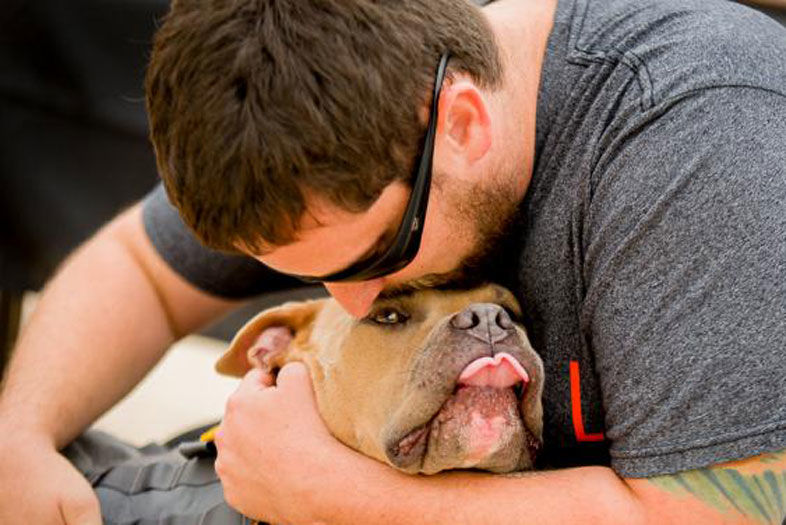
Graham will never forget the first time he met Ben, a retired Navy medic. “He was shaking, couldn’t form a full sentence, was terrified to be out of his home,” Graham says.
Then he introduced Ben to Tank, a Staffordshire terrier mix. He stepped away for a few moments, and when he returned there’d been a complete shift in the veteran’s eyes—they were full of tears. “I found Tank in Ben’s lap literally hugging him: legs and paws wrapped around Ben’s neck, embracing him. Ben looked up at me and said, ‘This is my dog, man.’”
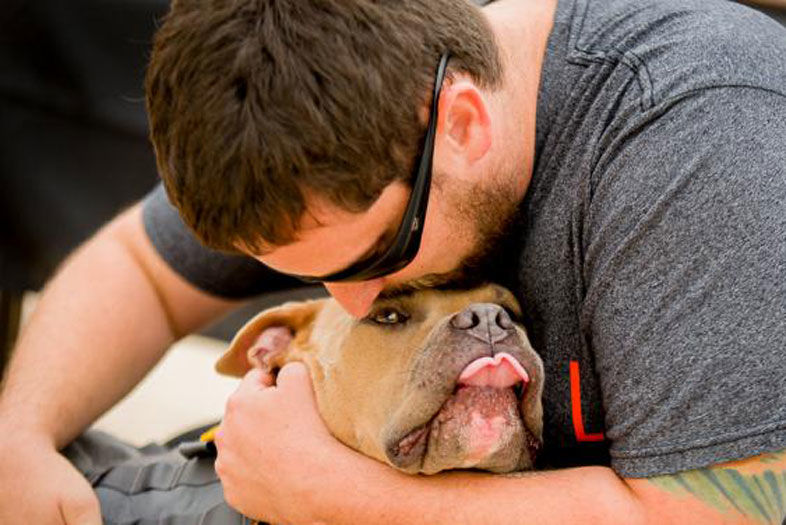
Ben and Tank animal nonprofits
Ben and Tank
Graham, a dog trainer with 20 years of experience, launched Shelter to Soldier in 2012 after being moved by the experience of rehabilitating stray dogs who were brought back by veterans from Iraq. As such, the nonprofit’s mission is two-pronged: “Rescue dogs and veterans from the home front.” To date, it has rescued 39 dogs from shelters, 18 of which it has trained and placed with veterans like Ben, who was medically retired from the Navy in 2014 after eight years of service and two deployments to Afghanistan.
At the time he was taking about a dozen medications for PTSD, but still struggled to leave his home, even to go to group therapy. He stumbled across Shelter to Soldier online and filled out an application the same day. “I was just looking for another outlet,” he says, and calls that first meeting with Tank “an instant connection.”
After six months of training to ensure he had the handler commands down pat—Tank can guide him out of high-stress situations and wake him from nightmares, for instance—he took Tank home. He’s been a member of the family and Ben’s most reliable companion ever since, having accompanied him through two degree programs and to his first-ever football game.
“It’s great to see people supporting organizations like this, because it changes people’s lives—not just me and Tank,” Ben says, crediting it with improving his relationship with his wife, his kids, his friends, and other veterans. He even chose to volunteer with Shelter to Soldier himself as a peer support specialist. “Now I’m the one giving back through my story. I’m the one getting others out of the trenches.”
PARTNER CONTENT
Discover eateries, outings, and shops within this inland North County community
Just south of Lake Hodges near 4S Ranch and Poway, Rancho Bernardo is a suburban community that blends residential neighborhoods with industrial pockets, elevated by a decidedly diverse food scene.
Over 60 years ago, this North County neighborhood was once part of a family ranch. Since that time, big tech companies have taken up residence here, including Amazon, Sony Electronics, Oura Ring, HP, Teradata, and ASML. Rancho Bernardo Inn serves as a community hub, with locals frequently meeting at the hotel’s restaurants, golf course, and spa.
Whether it’s work or a round of golf that brings you to Rancho Bernardo, we’ve taken care of the agenda planning with our guide to the area’s best restaurants, activities, and shops.

Sample ingredients plucked straight from Rancho Bernardo Inn’s onsite garden and served at their signature restaurant Avant. One of the neighborhood’s most upscale dining options, they serve a French-inspired menu with nods to California, including many seafood options. Don’t miss their more casual sister restaurant Veranda for al fresco dining.
17550 Bernardo Oaks Drive
Wood-fired pizzas and handmade pastas are standouts at The Kitchen, Bernardo Winery’s counter-service restaurant specializing in Sicilian flavors. Charcuterie boards and bruschetta make for great starters or snacks while wine tasting.
13330 Paseo Del Verano Norte
Fast-casual and family-owned eatery Bushfire Kitchen recently opened a location in Rancho Bernardo, serving sandwiches, bowls, salads, burgers, protein plates, and housemade empanadas. Bushfire prepares comfort food with healthy ingredients, and offers plenty of vegetarian and vegan options.
11962 Bernardo Plaza Drive, Suite 110
Some might call The Cork & Craft an overachiever. This gastropub has an in-house craft brewery and winery: Abnormal Beer and Wine. The more, the merrier. Their sushi menu is definitely worth exploring, but don’t miss other specialties like garlic noodles, chicken wings, and pork belly.
16990 Via Tazon

You don’t have to leave Rancho Bernardo to get a white tablecloth steakhouse experience. Carvers Steaks & Chops has prime rib (their best seller), filet, ribeye, porterhouse, New York strip, and other cuts, served alongside crab-stuffed mushrooms, wedge salad, French onion soup, potato skins, and other steakhouse specialties.
1940 Bernardo Plaza Drive
This no-frills Burmese restaurant is known for its traditional tea leaf salad that’s topped with sesame and sunflower seeds, garlic chips, peanuts, tomatoes, jalapeños, fried yellow beans, and fermented green tea leaf dressing. Tucked into a nondescript strip mall, Burma Place is a great takeout option when you want to eat garlic noodles, fried rice, chicken curry, and samosas from the comfort of your couch.
16719 Bernardo Center Drive, Suite A
Find authentic Vietnamese cuisine at Phở Ca Dao, including favorites like phở noodle soup, vermicelli noodles, broken rice dishes, and spring rolls. One of eight locations throughout San Diego, this family-owned chain uses robot servers for food delivery.
11808 Rancho Bernardo Road, Suite 100
It’s all about the sauce at fast-casual Mediterranean restaurant The Kebab Shop. Smothering your chicken shawarma, gyro, or falafels in garlic yogurt, cilantro jalapeno, fire chili, and dill yogurt sauce is practically a rite of passage. The hardest part is deciding whether to order a wrap, bowl, or salad.
11980 Bernardo Plaza Drive
Get a taste of South Asian flavors at Casa Lahori, a Pakistani restaurant noted for its grilled meat kabobs. Other best-selling dishes include beef nihari, chicken biryani, and shahi paneer— best enjoyed with naan bread.
11975 Bernardo Plaza Drive
Grill your own meat on the tabletop at Kangnam Korean BBQ, an interactive, all-you-can-eat experience that’s well-suited for large groups. Marinated beef bulgogi, grilled galbi short ribs, and spicy pork are served alongside traditional banchan dishes like kimchi, japchae glass noodles, and flavorful stews. Weekday lunch specials provide a nice discount on these filling meals.
11828 Rancho Bernardo Road, Suite 117–119

Dig in to your favorite curries and kebabs at Curry & More Indian Bistro. Most entrees are served with a choice of two side dishes, including basmati rice, potatoes with cumin, daal, naan, or mixed greens. Help offset the spice with one of their sweet mango or strawberry lassi drinks.
11808 Rancho Bernardo Road, Suite 123
Kai Oliver-Kurtin is a San Diego-based writer who covers travel, dining, events, and culture. Her writing has been published in USA Today, Condé Nast Traveler, Fodor's Travel, Marie Claire, and HuffPost, among others.
We asked, you voted, and food critic Troy Johnson chose his favorites—these are the top food and drink people and places in the city
Some keep lists of favorite books, of quotes, of enemies whose time shall come. At SDM we keep vast, nuanced, hotly debated lists of the best food and drink in the city. Menus are our smut novels. From Michelin stars to mom and pops, our list constantly evolves over hundreds of new bites tried every year. Here’s the 2026 list from food critic Troy Johnson and 129,000-plus votes from our readers, who really, really know their food.
Troy Johnson is the magazine’s award-winning food writer and humorist, and a long-standing expert on Food Network. His work has been featured on NatGeo, Travel Channel, NPR, and in Food Matters, a textbook of the best American food writing.
The 24-year-old nonprofit helps teens celebrate the milestone while promoting fashion sustainability
Prom is a rite of passage for high schoolers, but a flashy new dress can cost hundreds of dollars. The Princess Project helps girls cut costs while promoting fashion sustainability. The nonprofit collects new and gently used formal dresses and accessories throughout the year, then when prom season rolls around, launches pop-up boutiques where girls can shop for their dream dress at no cost. The only criteria is they have to be a high school student who’s going to prom.
The Princess Project started in San Francisco in 2002 with a small dress drive. The movement grew exponentially over the years, and expanded to San Diego in 2008. Today, it’s headquartered at Parkway Plaza in El Cajon and has chapters in San Francisco, Silicon Valley, and Sonoma.
“We really want to celebrate teens, make them feel good about themselves, and save them some money because it costs a lot to go to prom. This is one way that we can help alleviate the cost,” says Karen Martin-Spellerberg, corporate board chairman and head of the San Diego chapter. “There’s no financial requirement to come get a dress with us because we are all about everybody being equal and having the same opportunity.”
The experience is more than just picking out a dress, says Martin-Spellerberg. The Princess Project works to create a bubble of inclusiveness and confidence, where all shapes and sizes are celebrated, and all comments are positive.

In the months leading up to prom season, teens can book an hour-long appointment at the Parkway Plaza location to try on dresses and accessories, which they get to keep. Volunteers act as personal shoppers, curating an experience unique to each kid. This year, the Princess Projects also brought dresses to eight library branches throughout San Diego County to reach girls who couldn’t make it to the main event.
Because the Princess Project relies on donations, they often do not receive enough dresses in “fringe sizes” (00-2 and 14 and up), so they hold fundraising events to purchase new dresses in those specific sizes to maintain an inclusive range. Its signature $5 Dress Sale Fundraiser event will take place on May 30-31 at Parkway Plaza, where non-prom dresses (cocktail, casual, business) donated throughout the year are sold for a minimum $5 donation per dress. All proceeds from this fundraiser are used to purchase the understocked sizes.
“We’ve got dress drop off sites throughout San Diego County and people sometimes will donate dresses that are non-prom—sometimes they’re cocktail, casual, summer, business. So, what happens is when we are done with the season, we flip our dress store and we put out all of the non-prom dresses,” says Martin-Spellerberg. “People can come shop and get as many dresses as they want and 100 percent of the proceeds go toward us purchasing dresses in the sizes we don’t have enough of.”
The Princess Project also relies heavily on volunteers, including teen ambassadors, the latter who meet monthly, help organize the store, work outreach tables, and host a fashion show to help spread the word to their fellow students that the dresses are premium-quality and “ready to wear, beautiful and amazing.”
“It’s all about kindness and making kids feel good about themselves,” says Martin-Spellerberg.
Sarah Sapeda is San Diego Magazine’s Custom Content Editor. In her 15 years in San Diego journalism, she has covered charitable events, health care, education, crime, current events, and more.
The annual event honors middle market companies creating jobs, scaling up, and investing in the region
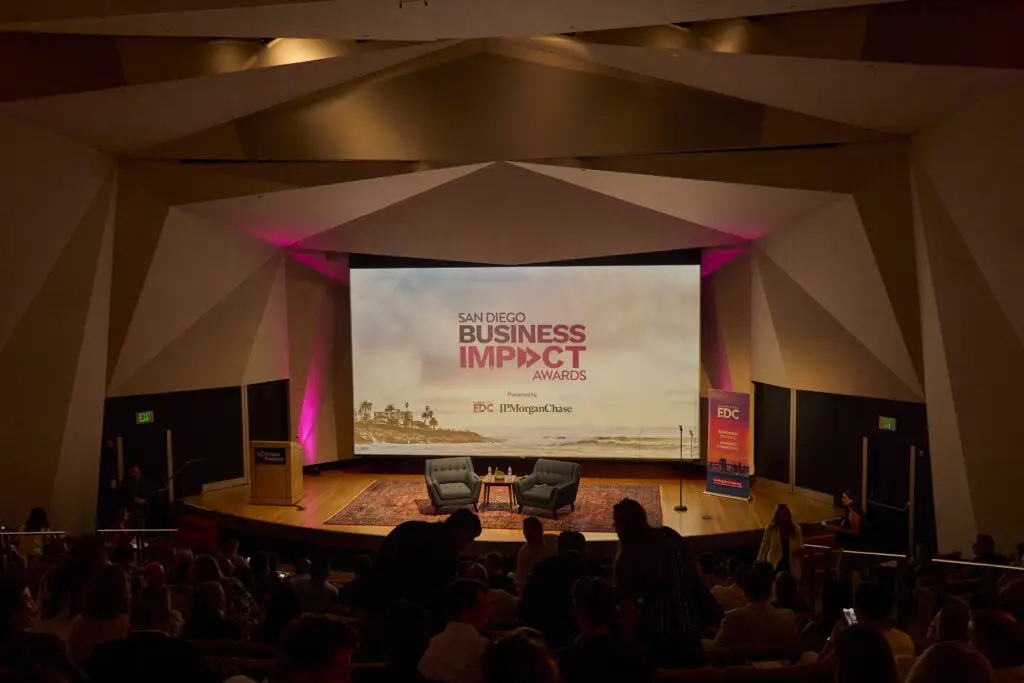
San Diego is known for its startup culture and innovation economy, but what happens when the company moves beyond its early-stage years? The San Diego Business Impact Awards aim to answer that question, spotlighting the middle market businesses helping drive the region’s economy.
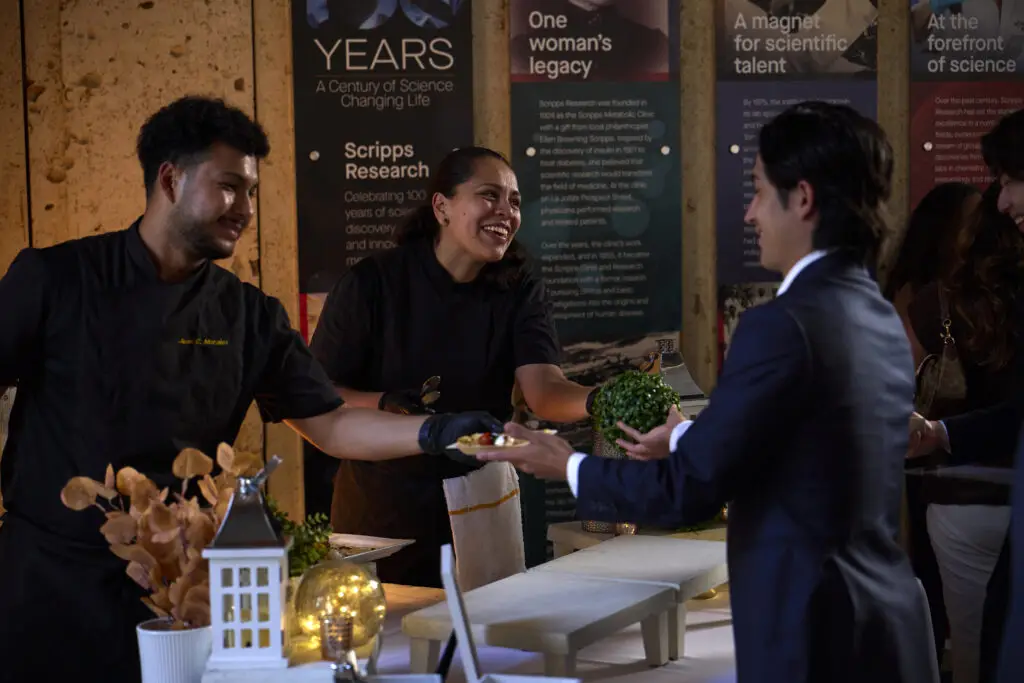
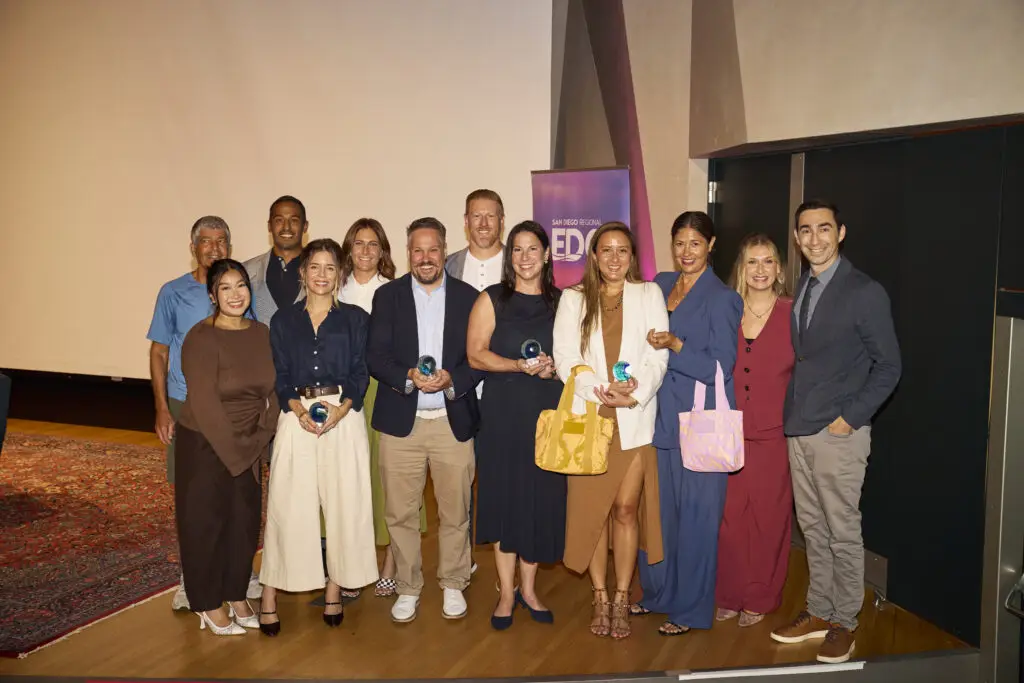
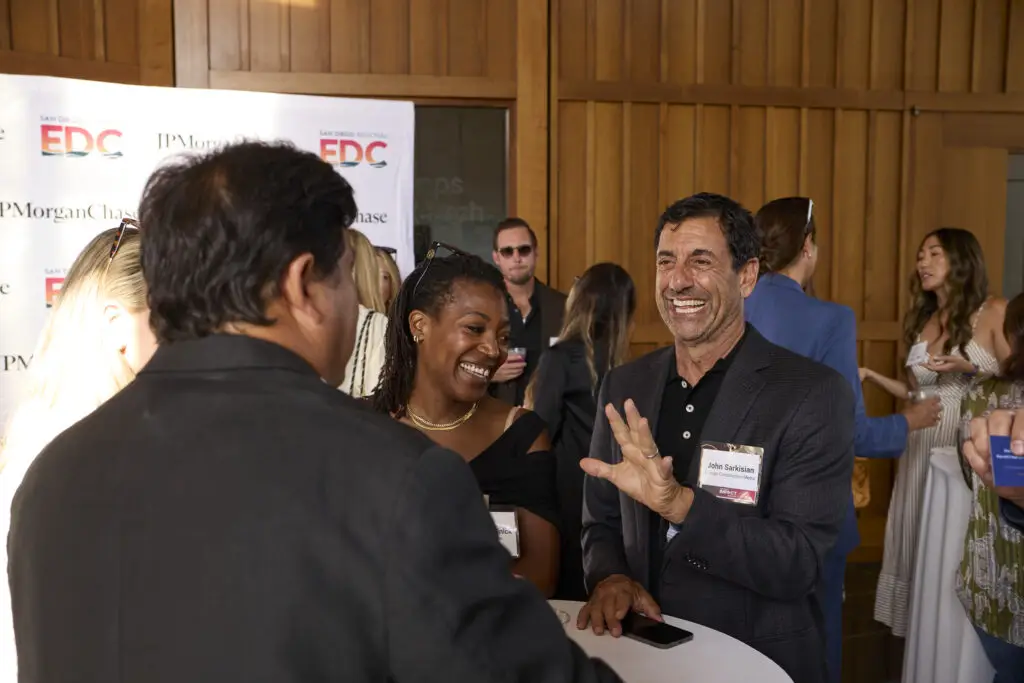
Hosted by San Diego Regional Economic Development Corporation (EDC) and JPMorganChase, the second annual awards celebration takes place on Thursday, July 23, from 4:30 to 7:00 p.m. at Scripps Research Auditorium. More than 200 executives, entrepreneurs, and business leaders are expected to attend the networking and cocktail event honoring some of San Diego County’s fastest-growing companies.
Businesses headquartered in San Diego County that have operated for at least two years are encouraged to submit their nomination by Thursday, June 18 at 4 p.m. Companies across industries—from technology and life sciences to tourism and consumer products, as well as pre-revenue startups—are eligible for recognition.
For EDC President and CEO Mark Cafferty, the event is as much about building connections as celebrating success. “We’ve had a longtime partnership with JPMorganChase; their work aligns with our efforts to support underserved communities and drive talent development,” says Cafferty. “And the networking was invaluable last year. I’m still in touch with people I met at last year’s awards.”

EDC is an independently-funded nonprofit that works directly with San Diego companies to help them grow the local economy, make the region as a whole more competitive, and attract and retain top-tier talent with quality jobs. Through EDC, companies can get help starting or expanding their business with support for things like site selection, permit navigation, and regulatory guidance, plus connections to local resources and potential business collaborators.
The San Diego Business Impact Awards began as an idea with one of EDC’s longtime strategic partners, JPMorganChase. The two organizations share a commitment to San Diego and are dedicated to bolstering middle market businesses.
“We’re blessed with a robust innovation economy and startup community,” says Aaron Ryan, San Diego Region Manager for JPMorgan’s Commercial and Investment Bank and vice chair of the firm’s’ San Diego Market Leadership Team. “But one of the segments of the business community we felt was overlooked was emerging middle market companies—the businesses that are no longer small but not yet large.”
Ryan says supporting those companies is critical as they scale and decide where to invest, hire, and grow.
San Diego’s high cost of living remains one of the region’s biggest business challenges, making talent recruitment and retention increasingly competitive. But local leaders point to the region’s quality of life, climate, and collaborative business community as advantages that continue to attract employers and workers.

“In order to support thriving households, there has to be enough high-quality jobs for people to be able to afford to live here,” Cafferty says. “Once a company grows and excels past that middle market point in their growth cycle, they become much more likely to pay higher wages and compete globally.”
Both Cafferty and Ryan proudly tout the unique collaboration that exists among San Diego County businesses. Bringing together top universities producing high-quality talent, cutting-edge research institutions, a robust military and defense presence, leading ocean science and environmental organizations, and a binational, cross-border identity creates a distinct business ecosystem that defines and strengthens the San Diego region.
Last year’s San Diego Business Impact Awards celebrated nearly 60 honorees from 49 industries, representing a total of 8,232 jobs across eight sectors, including: software and technology, healthcare and life sciences, consumer goods, professional services, finance, construction and manufacturing, defense, and hospitality and tourism. On average, honoree companies doubled their revenues over the previous year, employed more than 145 San Diegans each, and offered an average annual compensation of $192,415.
Top honorees included defense contractor Innoflight, environmental consulting firm Bancroft Construction Services, life sciences startup Element Biosciences, defense technology contractor GALT Aerospace, organic grocery store chain Jimbo’s, and biopharmaceutical company LENZ Therapeutics. During the event, Innoflight Founder and CEO Jeff Janicik held a fireside chat offering his insights on investing in the community and embracing San Diego culture.
This year, organizers hope to continue highlighting the middle market players driving economic impact across the region. Nominations are now open through June 18 at 4 p.m. Get your tickets to the San Diego Business Impact Awards celebration to enjoy drinks by Snake Oil Cocktail Co., light bites, live music, and networking.
The nonprofit has distributed more than 50 million pounds of food in the last year
The Jacobs & Cushman San Diego Food Bank is the largest hunger-relief organization in San Diego County, serving roughly 400,000 people per month. The nonprofit has a range of programs that help vulnerable San Diegans, including its grocery store–style food pantry and an initiative to provide weekend meals to local students who are at risk for hunger.
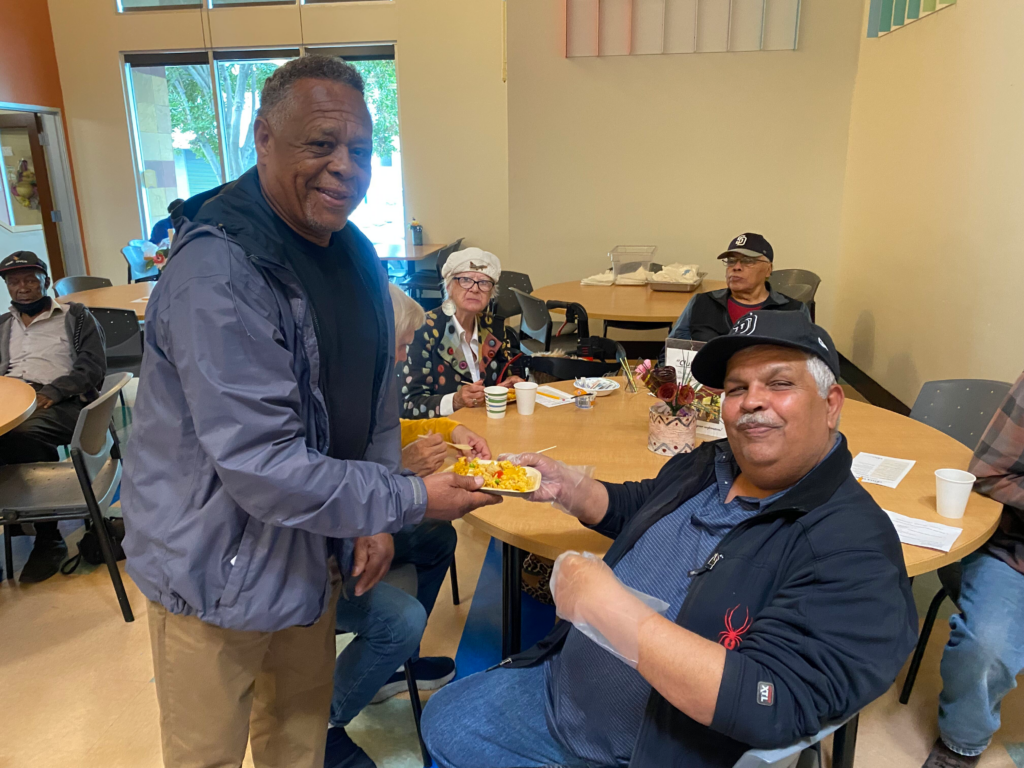
The food bank also partners with more than 450 other organizations to expand access to nutritious food. A big part of that effort relies on volunteers. The food bank counts more than 15,000 volunteers among its ranks who sort, pack, and help distribute the millions of pounds that move through its donation centers. Here, volunteer Carol Hunt shares why the Jacobs & Cushman San Diego Food Bank keeps her coming back.
I got involved right after things started opening back up after Covid. I stopped working, and I was just looking for something to fill my days and to give back to the community. I heard about food insecurity and the food bank, and thought, “Let me go check it out and see if I like it.” I was hooked from the first time.
I have been really involved with the Food 4 Kids Backpack Program where we pack individual meals that go home with children in their backpacks on Fridays that give them meals that they can prepare themselves for Saturday and Sunday—breakfast and lunch to bridge the gap. There’s an assembly line, and what I do mainly is I keep the assembly line stocked.
So, we might have eight people running the line. Each person is putting a different thing into a bag, and then we’re putting those bags into boxes and onto pallets that will go to individual schools.
We’re packing for individual schools, and also individual students. Everybody gets the exact same thing that’s planned and purchased through the meal program for the kids. I mainly do that during the school year, and then when that’s not running, then I also work in the pantry. People can come and individually shop, or we prepare to-go bags for people, and sort foods and fruits and vegetables and those kinds of things.
I love that it’s super busy and we work really hard, and then at the end we’re given a total of how many bags we packed. On one of our busiest days we did, like, 1,200 bags. That means we’ve literally affected 1,200 kids in three hours. It’s so satisfying. I worked in healthcare for 30 years, so I really missed being with people. And here you just meet people from all different walks of life. You’ve got a unique mix of people that you wouldn’t necessarily come in contact with—which, you know, that’s what makes the world go around.
It’s sad to see how many people have food insecurity. And when we’re sorting food, the food waste—things that have gotten spoiled before you’re able to get them packaged and out to people.
I don’t know that I have a singular event, but there are some days I leave thinking that it was just so great. You’ve met somebody that you just really jive with or with some groups of people, the flow is just so great and the energy’s really fun.
I feel like more people should volunteer because you benefit so much when you do something that affects other people. It’s almost selfish to do this—you receive so much out of it. When you’re in a room of other volunteers and you’re able to pack 1,200 meals for someone—you wouldn’t be able to do that if you had to pay somebody. It’s just really inspiring, and it’s very enjoyable. Even if you can do it once a year, or if you can do it twice a week, I would really encourage people to get out there and try it and find the thing that they enjoy. Come and meet some new people and do some good work.
*Responses edited for length and clarity.
Sarah Sapeda is San Diego Magazine’s Custom Content Editor. In her 15 years in San Diego journalism, she has covered charitable events, health care, education, crime, current events, and more.
Here’s where to celebrate, connect, give back, and make a difference this month
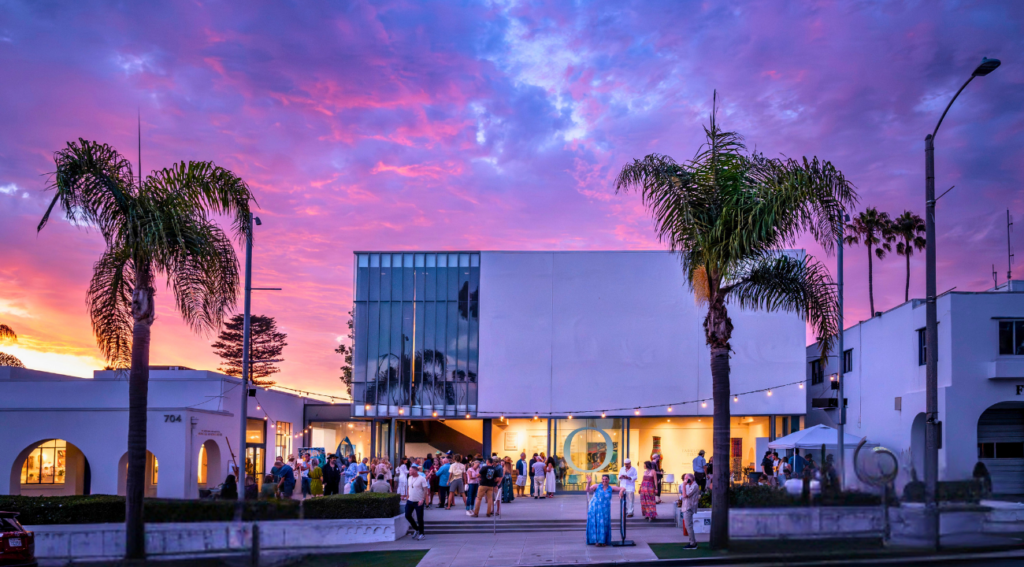
St. Germaine Children’s Charity will host its annual grant awards dinner at the Museum of Contemporary Art San Diego. The grant funds that will be donated to local agencies that work to end child abuse were raised at various St. Germaine Children’s Charity fundraisers and events throughout the year.
Help San Diego seniors age gracefully at Senior Prom: Forever Young, a fundraiser for Meals on Wheels San Diego County. The retro school dance-themed gala at the Kona Kai San Diego Resort will help the nonprofit continue to deliver daily nutritious meals and friendly visits to local seniors.
San Diego nonprofit GenerateHope and international charity Freedom Challenge will host a 45-mile, three-day walk from Oceanside to Coronado to help combat human trafficking. Funds raised will go toward Freedom Challenge’s work around the world and GenerateHope’s local programs that serve survivors of sex trafficking.
Roughly 300 guests will gather at a private residence in Solana Beach for bites prepared by San Diego’s top sustainable chefs, along with fine wine, craft beer, and small batch mezcal and tequila to support coastal conservation in the U.S. and Mexico. Funds raised at Wildcoast’s Baja Bash will help expand its programs in 2026 and beyond.
Local law enforcement, first responders, and military personnel will face off in a boxing match aboard the USS Midway Museum to raise money for the Community Youth Athletic Center. Now in its 21st year, the Battle of the Badges supports CYAC’s boxing programs for underprivileged youth.
Sarah Sapeda is San Diego Magazine’s Custom Content Editor. In her 15 years in San Diego journalism, she has covered charitable events, health care, education, crime, current events, and more.
Scripps study shows that some patients may be able to taper their dose and maintain results
While glucagon-like peptide-1 (GLP-1) receptor agents have been used to treat Type 2 diabetes for more than 20 years, their recent emergence as weight-loss wonder drugs marked a new frontier in medicine. But their effectiveness has left some patients wondering what to do once they’ve reached their goal. Stopping the medication could mean regaining some, if not all, of the weight. A Scripps Clinic internal medicine physician recently conducted a small study of whether GLP-1 patients who had reached their goal weight could maintain that weight by taking their regularly prescribed injection every other week instead of weekly. Spoiler alert: 30 of 34 patients did. Read more about the study here and what that may mean as pharmaceutical companies roll out oral GLP-1s.
For more nutrition, wellness, and healthy living tips, sign up for the San Diego Health newsletter here.