Ready to know more about San Diego?

Subscribe
Features MARCH 26, 2019

Best of North County 2019

Our annual roundup of what's up-and-coming and full-on buzzy above the 56
Best of North County 2019
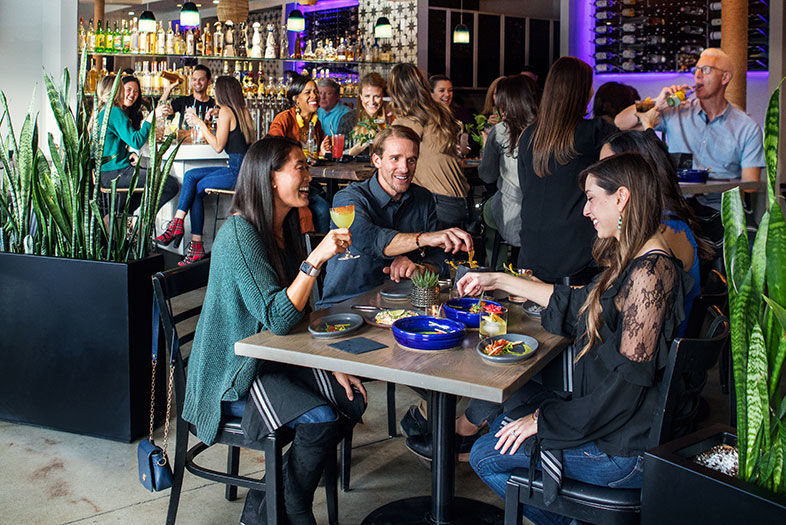
Death by Tequila | Photo: Becca Batista

Categories

Food & Drink | Shopping & Beauty | Health & Wellness | Arts & Culture | Kids & Pets


Food & Drink

New Restaurant

Death by Tequila

This modern Baja concept sports more than 80 varieties of tequila to wet your whistle. In the kitchen, Top Chef: All-Stars alum Angelo Sosa is whipping up items like Hawaiian ahi crudo ceviche and lobster guac. For a sweet treat, there’s the unexpected (and brilliant) tequila flan with caramel, Manchego, and lime. And if you’ve got room after, head to the bar to indulge in those rarer spirit brands like Mezcal Vago, Tequila Ocho, and Centenario Añejo. ¡Salud!

569 South Coast Highway 101, Encinitas

Gluten-Free Breakfast

Nectarine Grove

Seeking something gluten free before a day of hitting the beach? Nectarine Grove has breakfast tacos with grain-free tortillas, veggie pesto scrambles, and paleo French toast with orange-infused almond milk ricotta. To drink, there’s kombucha on tap, charcoal lemonade, and coconut bone broth. Go back for lunch to feast on the famous plantain-crusted fried chicken, and feel good doing it—a portion of their annual profit goes to Feeding San Diego.

948 North Coast Highway 101, Encinitas

Custom Donut

Duck Donuts

The “build your own food” frenzy has a sweet new addition with this shop. Each warm vanilla cake donut comes fresh out of the fryer and is dipped in the icing and toppings of your choice. Try a melt-in-your-mouth combo like peanut butter, Oreos, and marshmallow drizzle. And if you really donut care about the calories, make your confection the foundation of an ice cream sundae.

1452 Encinitas Boulevard, Encinitas
Best of North County 2019

Best of North County 2019

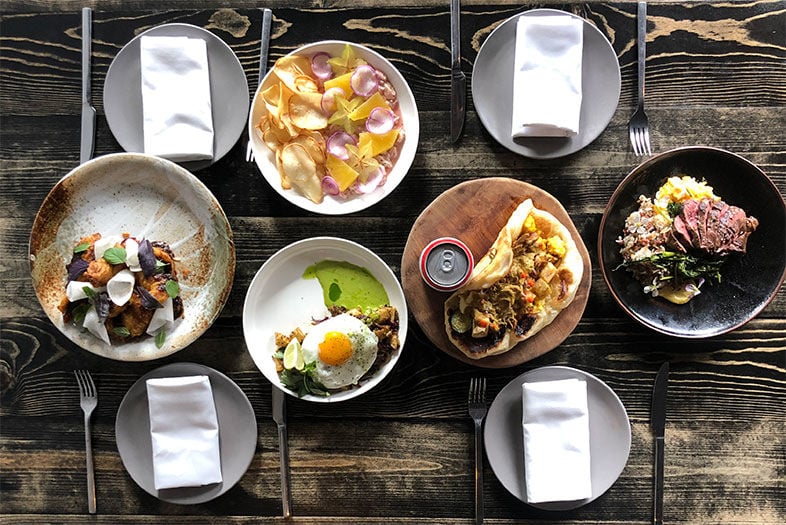
Dija Mara

Brunch

Dija Mara

Mad culinary genius chef Ryan Costanza has redefined brunch with his wildly creative midday menu, a whirlwind of exotic Indonesian and Thai flavors. Start with the ceviche to share and, when craving something sweet with a twist, go for the mango tartine with fresh ricotta, lime, and Thai chili heat, or the sumptuous Kaya French toast, with brioche, coconut jam, and whipped cream. Savory fans can chow down on Thai sausage hash with pork sausage, patatas bravas, a fried egg and green curry hollandaise, or the addictive nasi goreng rice dish.

232 South Coast Highway, Oceanside

Gourmet Donut

Sidecar Doughnuts

The Costa Mesa–based bakery brought its creative confections to Del Mar Highlands Town Center early this year, and with it a menu that’s got all the favorites—huckleberry, lemon and thyme, butter and salt. There’s also a weekly gluten-friendly flavor, apple fritters on Fridays, and monthly specials from sweet to savory, like raspberry balsamic and butterscotch crunch. The malted salted cookie dough, designed in collaboration with Salt & Straw’s head ice cream maker Tyler Malek, is rumored to return later this year, as well—get in line!

3435 Del Mar Heights Road, Del Mar

Hand Pies

Homestead

This friendly neighborhood café and market in the Cedros Design District specializes in handcrafted comfort food, and its bestseller happens to be gluten-free. The hand pies are served fresh from the oven and made daily in two variations (served with a side salad or available a la carte): chicken pot pie, paired with sambol aioli, and a roasted curry farm veggie pie, with a side of seasonal chutney. Both are cocooned in warm, flaky crust and perfect with a cappuccino or passion iced tea. Delish.

346 South Cedros Avenue, Solana Beach

Afternoon Snack

Tambo Cafe

Lonche is a thing and Chef Iole Revilla is serving it. The Peruvian tradition of a late-day mini meal gets a full menu at this spot by the owner of Panca. Sample meaty, vegan, or gluten-free versions of empanadas, tamales, pasteles, and sandwiches. Indulge in sweets like alfajores, toffee pecan truffles, or ice cream made with the tangy Andean fruit lucuma. To sip, there’s bebidas from kombucha to agua fresca, espresso drinks, and more.

1904 South Coast Highway 101, Oceanside

Wood-Fired Cooking

Exhale

From Local Tap House & Kitchen executive chef Daniel Pundik comes Exhale in Oceanside. Begin your experimental food journey with a “fire starter” like made-to-order guac, wood-oven-baked oysters, and wood-grilled delicata squash with smoked garlic crema. The mains and housemade tacos are served with blue corn tortillas and filled with everything from smoked brisket to cornhusk-wrapped wild scallops. Wash down your wood-fired feast with a craft cocktail like the tequila-forward Tell Me I’m Pretty.

236 South Coast Highway, Oceanside

This Coffee is Hot!


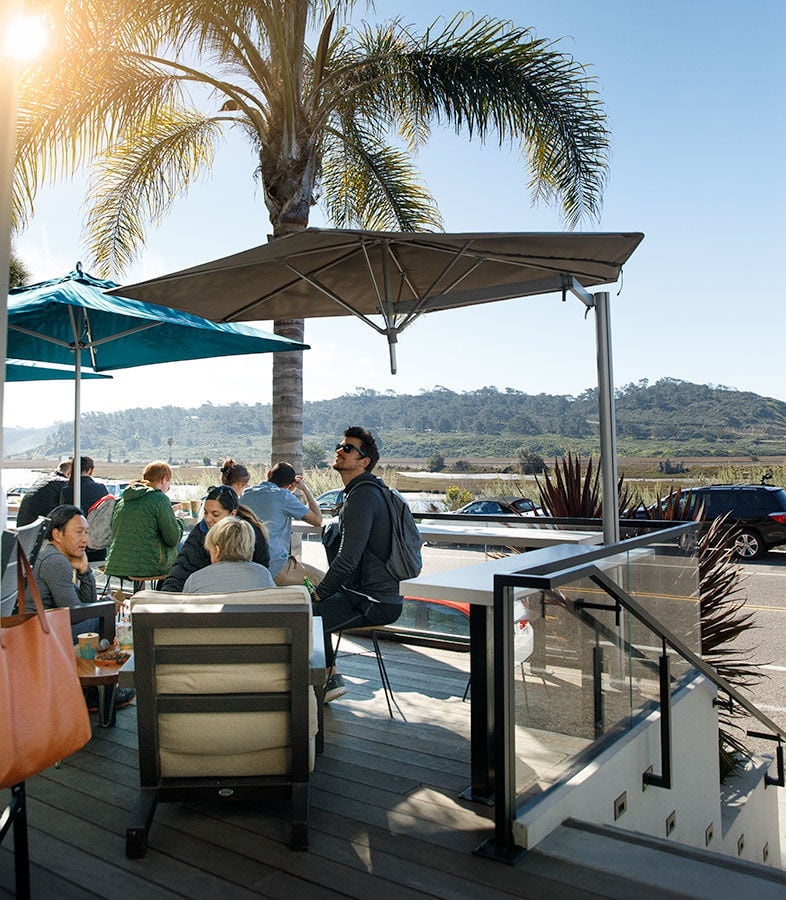
Cuppa with a View

Bird Rock Coffee Roasters

Sure, they’ve been sprouting locations everywhere lately, but only Bird Rock Coffee Roasters’ Del Mar outpost (left) has a complimentary view for your cuppa. Sip the single origins from El Salvador and Panama or blends from South America while overlooking Los Peñasquitos Lagoon, and pair them with a slice of classic avo toast to make the moment last a little longer.

2212 Carmel Valley Road, Del Mar
Best of North County 2019

Best of North County 2019

Bird Rock Coffee Roasters | Photo: Robert Benson

Coffee Expansion

Steady State Roasting Co.

There’s nanoroasters, and then there’s Steady State, whose first 250-square-foot location was in an alleyway. Thankfully, connoisseurs can sniff out a good cup in the unlikeliest of places, giving this Carlsbad operation a reason to upgrade to new digs in an office complex about a block away. Another way they’re making use of the space? Public cupping classes every Thursday from 1–2 p.m.

2562 State Street, Carlsbad

New Cafe

Bump Coffee

This sleek, airy walkup by Trevor Mertens and Ryan Perry takes Bump from pop-up to permanent, offering customers the no-fuss menu of organic pour-over and cold brew they first served from a coffee truck at Pipes Beach and at local farmers’ markets. Decked out with custom woodwork and furniture by Suha Designs, the new digs (below) also boast small-batch juices and nut-milk shakes by Cardiff Juice, breakfast empanadas from Empanada Kitchen, and Mush overnight oats.

126 Aberdeen Drive, Cardiff

Asian Fusion

Chiko

Chinese meets Korean cuisine just up the way from Moonlight Beach at Chiko, which comes to us from DC (where it was also a James Beard semifinalist for Best New Restaurant in 2018). Chefs Danny Lee and Scott Drewno are serving up items like soy-glazed chopped brisket and “orange-ish” chicken. There’s something for the wee ones, too: a kids’ platter of tempura chicken bites and steamed rice with butter. Still hungry? Try the blood orange sorbet with lemongrass-infused basil seeds for dessert.

101 North Coast Highway 101, Encinitas

Izakaya

Kai Ola Sushi

Kai Ola delivers on its name as an informal Japanese sushi bar with a West Coast vibe. The menu—curated by head chef Lane Manriki (Kaisen Sushi) and a sous-chef, David Kim, who trained under Iron Chef Masaharu Morimoto—has classic options like tuna sashimi and fresh salmon, plus creative rolls and specials. Try the Delicious Roll, with spicy tuna, cucumber, and avocado, topped with seared scallops, truffle oil, spicy ponzu, and smelt egg caviar.

918 North Coast Highway, Leucadia

Pizza

Buona Forchetta

Arguably the best pizza in San Diego is also the best pizza in NoCo. Buona Forchetta opened its third location in Encinitas in October, with a menu essentially carbon-copied from its South Park flagship—so North County dwellers needn’t bear the commute anymore. As is customary to all of its locations, the pizzeria brought along its “star player,” a gilded pizza oven made in Naples. This one’s name is Isabella. Che buono!

250 North Coast Highway 101, Encinitas
Best of North County 2019

Best of North County 2019

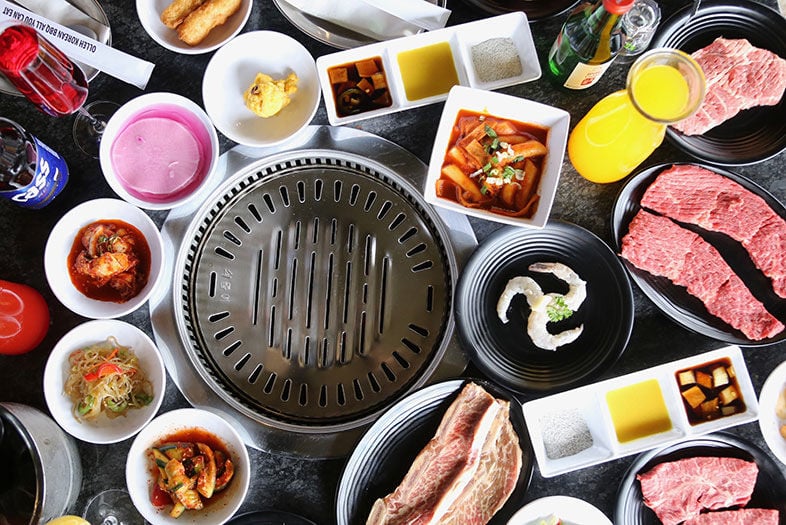
Olleh Korean BBQ

All-You-Can-Eat

Olleh Korean BBQ

The name means “come over” in Korean—and it’s a call hungry Rancho Bernardo residents have been heeding ever since Olleh opened in The New Mercado Shopping Center in December. As if the “we meat again” neon sign weren’t a dead giveaway, the newest venture by Heesun Cha and Yong Chi (Bing Haus, Cross Street Chicken & Beer) is a hip, 5,000-square-foot temple to grill-it-yourself dining. They offer lunch and dinner centered on house-marinated proteins for the grill built into each table, served with rice and at least 12 refillable banchan (side dishes). Feast well but in moderation, or expect to pay full price for leftovers—a common practice at all-you-can-eat Korean barbecues.

11828 Rancho Bernardo Road, Rancho Bernardo

Dinner Party

Gracey Lane Farm

Jen Phillips is revving up sleepy Fallbrook with her salon-like farm dinners for up to 40 people. The quarterly affairs celebrate San Diego’s bounty with dining under the stars, live music, wine and kombucha pairings, and craft cocktails. Most importantly, it’s front-row access to compelling chefs like Derrick Fox (MasterChef alum) or Jason McLeod (Ironside, Born & Raised) who serve deli­cacies like Gracey Lane Farm snails as escargot vol-au-vent and oysters with passion fruit straight from the garden. Cheers to that—and seconds please!

2111 Gracey Lane, Fallbrook

Sushi

Umami Japanese

The latest venture from sushi chef Eric Lee (ex–Blue Ocean, Ototo), Umami opened in the new North City development near CSU San Marcos last year, offering specialty sushi rolls, poke bowls, ramen, bento boxes, bao buns, and more. Expect the sushi rolls to be large, but the prices relatively low. Look for unique rolls like the baked crawfish, spicy lemon, and fried tofu, or try a “sushi muffin” composed of two rice balls stuffed with seaweed, imitation crab, and masago, and topped with salmon, black tobiko (fish roe), and edible flowers.

251 North City Drive, San Marcos
Best of North County 2019

Best of North County 2019

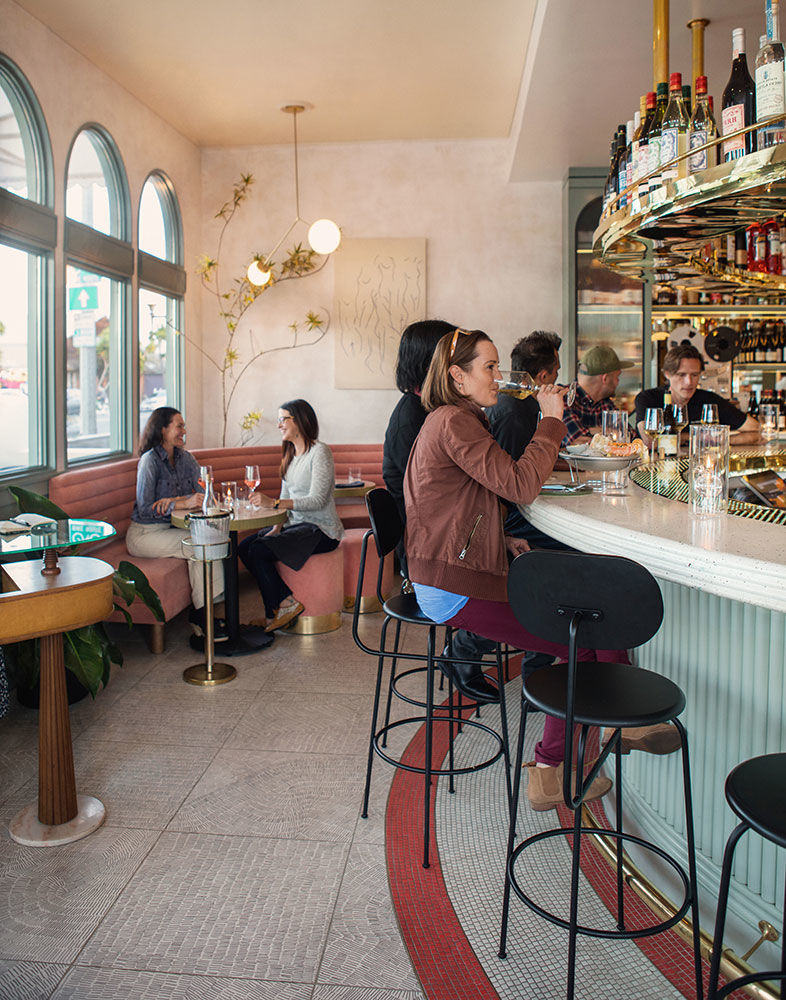
Jeune et Jolie | Photo: Becca Batista

Decor

Jeune et Jolie

When there’s no possible way to replicate something good, sometimes the best decision is to head in a totally new direction. Enter Jeune et Jolie. Following their first wildly successful concept, Campfire, owner John Resnick and executive chef Andrew Bachelier took the restaurant interior design revolution to a new level. Opened in December, the 2,000-square-foot space, designed by Los Angeles firm Bells + Whistles (Campfire, Starlite Lounge) is equal parts modern French (like the cuisine) and art deco sexy, complete with velvet booths, brass accents, and bold artwork. And the name? Besides translating to “young and beautiful,” it’s also an homage to Resnick’s and Bachelier’s daughters Elsie June and Margot Jolie, respectively. It doesn’t get more charming than that.

2659 State Street, Carlsbad

Beef

Ranch 45

Calling all conscientious carnivores! Pam Schwartz is here for you. Cuts sold at her butcher shop and fast-casual eatery are sourced exclusively from Brandt Beef, a SoCal producer of certified all-natural, antibiotic-free meat. Sides include smoked cheddar and bacon mac ’n’ cheese, lemon and herb potato salad, and wild rice, quinoa, and amaranth pilaf. Schwartz also hopes to level-up appreciation of all parts bovine with cooking classes, demonstrations, and themed take-home dinners. Holy cow.

512 Via de la Valle, Solana Beach
Best of North County 2019

Best of North County 2019

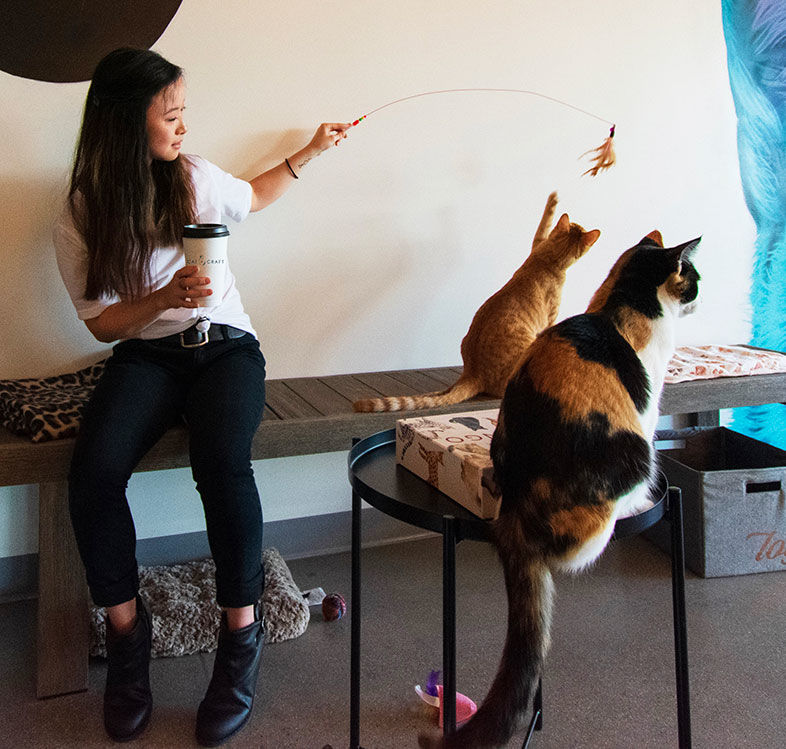
Cat & Craft

Cafe Amenity

Cat & Craft

North County’s first cat café has “Purr-over” coffees from Manzanita Roasting Company to sip, and “Catprese” toast and Hazel & Jade pastries to nosh, while you canoodle with adoptable kitties from rescue organization Love Your Feral Felines. (Married owners Andrew and Caroline Vaught hope to rehome 500 cats in the café’s first year.) A glass viewing wall separates the café and the cage-free cat lounge, where you can reserve a one-hour session to pet and play with them.

3211 Business Park Drive, Vista

Catered Event Space

The Boardroom

This new farmhouse-chic event space accommodates seated dinners of up to 40 guests and cocktail parties up to 60, catered by Harvest Kitchen. The grub’s organic and available in paleo, vegan, and gluten-free menus, and there’s bar packages. But the best part? All-night, loud-as-you-like partying unhindered by neighbors—gotta love Vista for that!

1495 Poinsettia Avenue, Vista

Collaboration

Chuao Chocolatier & Vista Christian School

Since when did school get so sweet? Middle school teacher Rachel Flores’s students aced their project last May, when they brainstormed candy bar flavors and packaging ideas, surveyed their school, charted the data, and even tested a recipe in science class. Then Michael Antonorsi of Carlsbad’s Chuao Chocolatier got wind and invited them to his factory to blend the kids’ product with their own to make MintFully Brownie—and will soon distribute it nationally. A+ for collaboration!

Fresh Fast Food

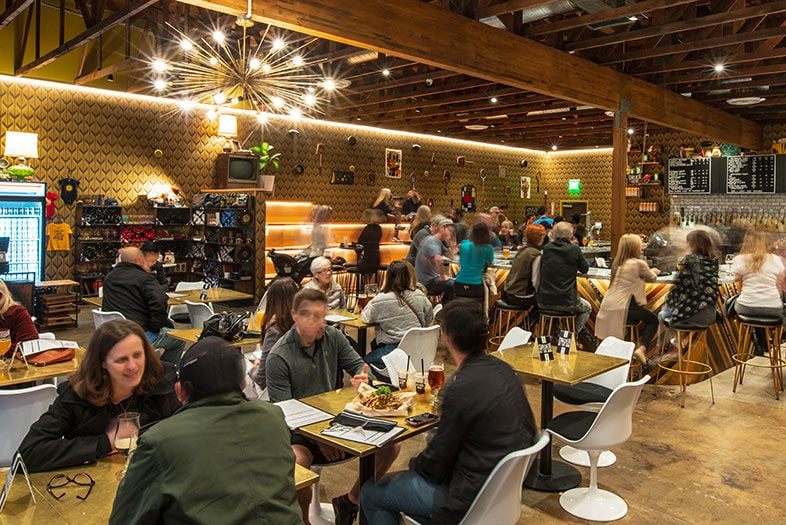
Cava

Get your daily allotment of veggies at this fast-casual chain, with custom Mediterranean salads, grain bowls, and pita wraps. The portions are plentiful and the flavors are zesty—think spicy lamb meatballs, harissa, pickled banana peppers, roasted seasonal vegetables, and Sriracha Greek yogurt dressing. Find the perfect accompaniment in seasonal housemade juices such as beet lemonade or pineapple apple mint.

1042 North El Camino Real, Encinitas; One Paseo, Carmel Valley
Best of North County 2019

Best of North County 2019

Far West Lounge | Photo: Sam Wells

Plant-Based Brewpub

Far West Lounge

It’s not just Modern Times’ newest tasting room. It’s also the brewery’s only San Diego outpost to serve food, offering a small menu of plant-based dishes like Beyond Meat burgers and bratwursts, chilaquiles, and kimchi elote. (Since Modern Times founder and CEO Jacob McKean is vegan, he’s made it a point that everything the brewpub serves be vegan too—including the beer and coffee.) But don’t think their beloved brews have gone by the wayside; there are still 30 on tap to choose from.

470 South Coast Highway 101, Encinitas

Bowls

Everbowl

Everbowl’s hearty, made-to-order bowls are packed with way more than just acai, and they’re popping up all over the county, including in Encinitas, Escondido, Oceanside, and Poway, to name a few. Choose from predesigned favorites like the Hawaiian, topped with kiwi, pineapple, and coconut, or the Notso Green (can’t even taste the spinach). Feeling more adventurous? Build your own, starting with a base of either acai, pitaya, acerola, or graviola, and choose from six liquids (like cashew milk or coconut water), then load up on the toppings. With over 25 fruits, seeds, and drizzles to choose from, there’s something for everyone.

Multiple locations

Alt-Milk Shake

Cardiff Juice

Morgan Brown, Hannah Van Veen, and Jessi Goralski achieved such mastery in the art of making almond and cashew milks for their place of work—Bump Coffee—that their bosses encouraged them to think bigger. So, the trio recruited their friend and fellow nut-milk guru Rylee Owens to launch their own small-batch brand of bottled breakfast shakes featuring Bump Coffee cold brew. The grab-and-go items are available at their day job.

126 Aberdeen Drive, Cardiff

Happy Hour

20/Twenty Grill

Westin Carlsbad Resort & Spa’s newly rebranded upscale dining option serves contemporary California cuisine coupled with crystal-clear views of the Pacific. The restaurant offers daily deals in the bar and lounge areas from 4 to 6 p.m., including cocktails for $2 off, $4 well drinks, $6 house wines, and half-priced appetizers. But Wednesday from 4 to 9 p.m. is our favorite time to swing by, when 20/Twenty hosts a progressive happy hour with draft cocktails—like the lemon-basil snakebite martini that rotates seasonally—starting at $4 and increasing by $1 each hour. Bottoms up!

5480 Grand Pacific Drive, Carlsbad
Best of North County 2019

Best of North County 2019

Bar’n Co

Mobile Bar

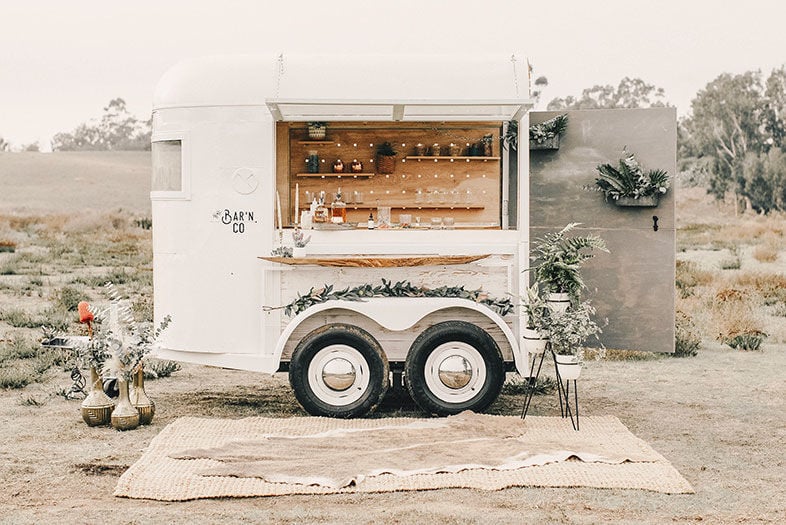
Bar’n Co

Encinitas residents Caroline Green and Andy Wood gutted a 1982 horse trailer to its frame and transformed it into a head-turning dry bar available for events. After they literally raised the roof, the 12-by-7-foot space now features a reclaimed barn door, whitewashed wood paneling, and a hexagon-tile backsplash. It can be hauled to many locations and gussied up inside and out per a client’s theme. Packages include “The Stable,” just beer and wine; “Giddyup,” which adds two custom cocktails; and “No Horse’ing Around,” which includes a fully stocked bar and two licensed tenders for it.

Sherry Selection

Clara

Any restaurant can put together a wine menu. But how many of them curate a sherry list? Clara upstages the rest, with varietals like Pedro Ximénez San Emilio and Dry Amontillado Los Arcos. Order the fortified vinos on their own in three-ounce pours or try them in a craft cocktail (the Iron Maiden marries a Manzanilla sherry with mint, cucumber, and lime).

300 Carlsbad Village Drive, Carlsbad

Kombucha Delivery

Mightybooch

Solana Beach couple JP and Kate Franklin just made getting this gut-friendly fermented elixir easier with their weekly home delivery service. Chilled growlers of spicy ginger, kid-friendly raspberry lemonade, or apple turmeric ginger kombucha arrive at your doorstep as though from a modern-day milkman. Not ready to go all in? You can find their bottled booch at Crust, Ranch 45, and Pizza Port, too.
Best of North County 2019

Best of North County 2019

BOTTAIA Winery

Winery Experience

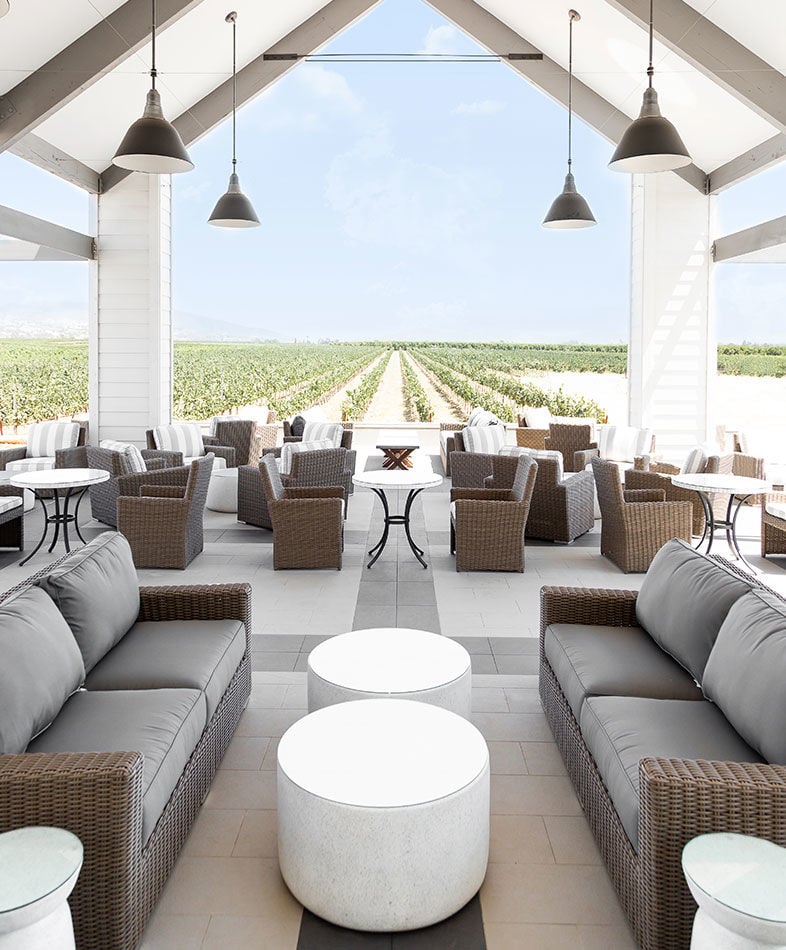
BOTTAIA Winery

Technically it’s in Riverside County, but we’re happy to claim it. Temecula’s newest winery got our attention when it opened last fall, situated on the other side of a 300-acre estate it shares with sister winery Ponte, and it’s the only one in Temecula Wine Country that has a wine blending lab as part of its main offerings. Opening this month are a pool, a café, and a cocktail bar (buy a guest pass or rent a cabana for the day, complete with lounge chairs, shower, and more). Vino and vitamin D? Yes, please!

35601 Rancho California Road, Temecula


Shopping & Beauty

High-End Retail

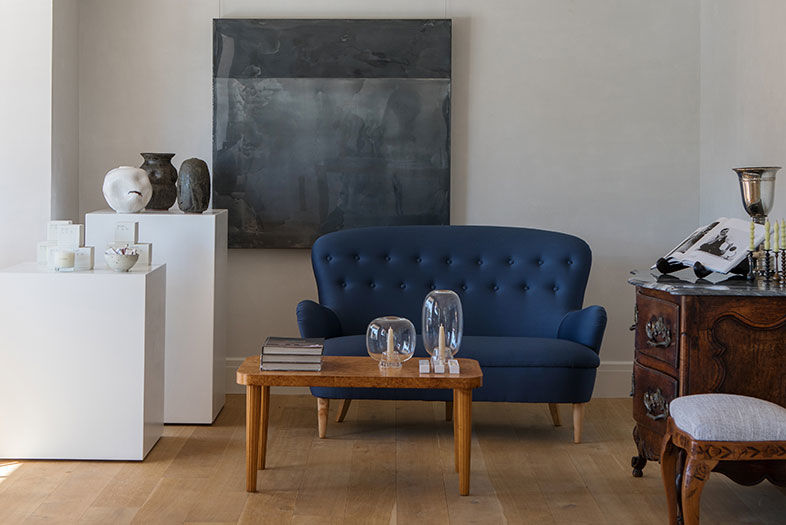
Amy Meier

The interior designer opened up her first retail space and design studio last year, housing antiques collected during her travels (for instance, a Paul McCobb bar cart). Then there’s bespoke collections created specifically for her: Grecian-inspired ceramics by La Jolla artist Joe Skoby, table lamps designed by Carol Leskanic in New York, coffee table trays by Erik Gustafson in Chicago, and mirrors by James Kendall Higgins.

16903 Avenida de Acacias, Rancho Santa Fe
Best of North County 2019

Best of North County 2019

Amy Meier | Photo: Becca Batista

DIY Accessory

Flora Aura

Encinitas mom Lindsy Richards designed and patented these adjustable leather-and-elastic headbands and corsages for use as the base of flower crowns. Gather your own blooms and arrange as you please.

Brand that Gives Back

Sea of Seven

Surfing photographer Jack English and his daughter, Eden, launched Sea of Seven from their Encinitas garage with giving back in mind—for every product sold they donate a tee to a homeless person. They sell surfer chic tees for him, her, and kids, as well as prints. Shopping never felt so good.

Sustainable Fashion

Ineffably

Sustainable and ethical—that’s the standard for the threads to hang on the racks at this airy brick-and-mortar. Opened by Audrey Latsko last year, Ineffably stocks only fair-trade organic goods that’ll withstand a lifetime of wear. There’s even seed paper price tags to ensure nothing goes to waste. Plant it, grow it, enjoy it. It’s a retail cycle that keeps on giving.

2650 Via de la Valle, Del Mar
Best of North County 2019

Best of North County 2019

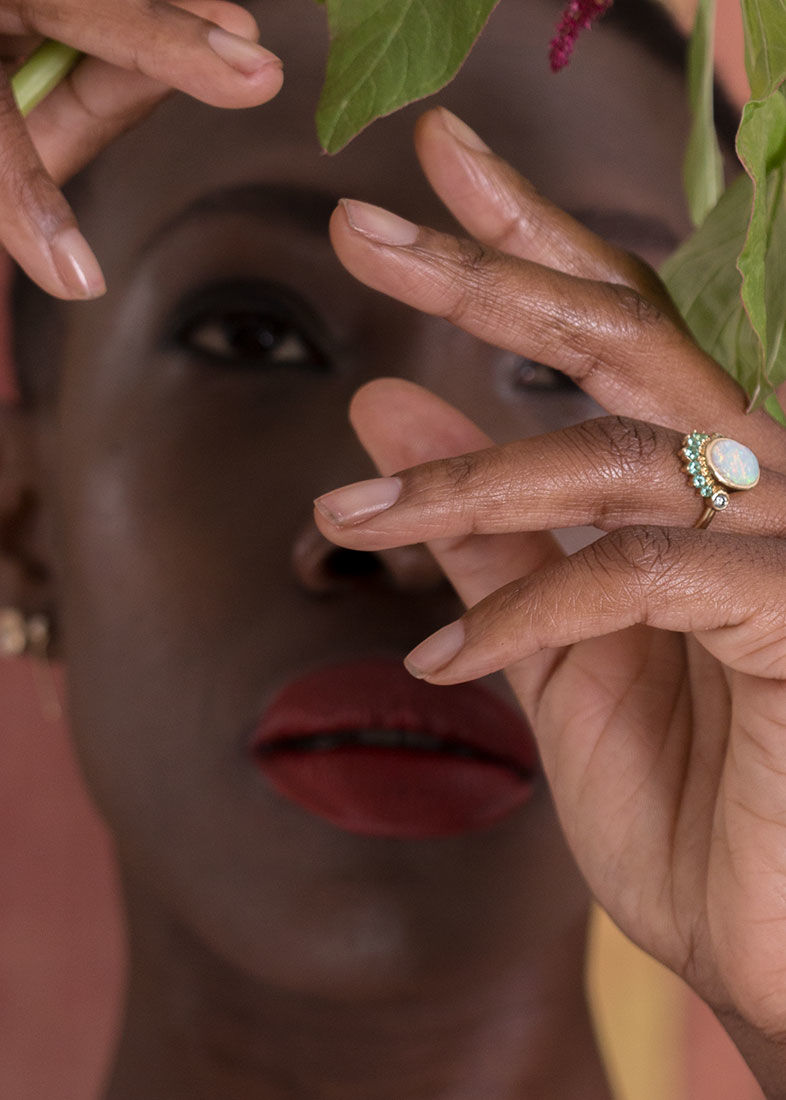
Marrow Fine | Photo: Jesse Chamberlin Marble

Jewelry Line

Marrow Fine

Jillian Sassone has been handcrafting head-turning gemstone settings and gilded masterpieces from Solana Beach for years. But her “Dreaming of Marrakesh” line, dropped last summer, has given us unprecedented bling envy. Inspired by Morocco’s iconic faded and intricately patterned tiles, the collection includes those stackable pieces Sassone is so known for, as well as standalone statements like Moon Signet Rings—choose one that reflects the moon’s phase during a special moment—and the Opal Headdress Ring (pictured), which is based on the first piece she ever made, using her late grandmother’s heirloom opal.

One Paseo, Carmel Valley

Handmade Goods

Thread Spun

Heidi Ledger took over what had been storage space for her husband’s surf shop, Atacama, to set up a storefront for her online business selling women’s accessories, art, and home wares. It’s her latest step in building an environmentally conscious business that provides dignified employment opportunities to artisans around the world, including refugees resettled in San Diego. She also donates 10 percent of all sales to Circle of Health International, a nonprofit that supports organizations serving women and children. Follow @threadspun to stay in the know about future pop-ups, like one May 4–12 at Atacama Surf Shop.

1114 North Coast Highway 101, Encinitas

Shopping Destination

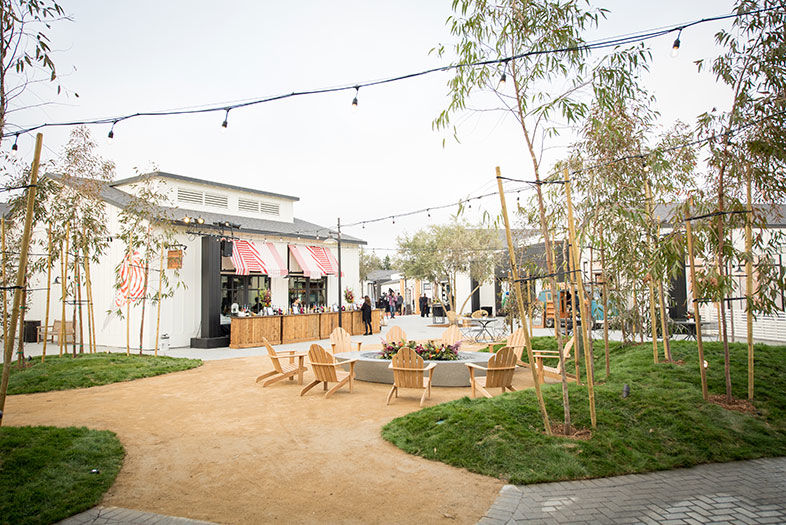
One Paseo

With 40-some tenants opening on a rolling basis, it’s too soon to say just how much we’ll love Carmel Valley’s new shopping concept. Still, here are the local retailers we’re glad to see moving in and the stylish and tasty newcomers we can’t wait to meet.
Best of North County 2019

Best of North County 2019

With a vibe akin to the country marts in Malibu or Santa Barbara, it makes sense that the 96,000-square-foot One Paseo has recruited some brands from those haughtier areas to drive home its concept. Take the laid-back Whiskey & Leather and the edgier West of Camden boutiques out of Santa Barbara and Huntington Beach, respectively, plus cool-kid patterns from Faherty and, for children’s threads, Nathan West, which also houses a vintage barbershop in the back for the wee ones.

But it’s the local makers expanding into their second brick-and-mortars that we’re most excited about: Encinitas swimwear shop Blackbook Bikini and North Park clean beauty boutique Shop Good, respectively. Then there’s the boho-chic Van De Vort and beloved plant and gift emporium Pigment moving into third locations after their seconds in Liberty Station.

As for the grub, check out San Diego favorites like Tender Greens, Parakeet Cafe, and Sweetfin Poke, or the more upscale Newport Beach transplants Ways & Means Oyster House and grab-and-go stop The Butchery. Any complaints about the calorie-packed Shake Shack and Salt & Straw can be left at the door of BodyRok, SoulCycle, or Vibe Flow Yoga.

Follow up your workout with some pampering at cürBAR, Drybar, or The Color Counter, and you’ll never want to leave. Beginning in July, some San Diegans won’t have to—that’s when One Paseo’s residential development opens. As they say, if you build it, they will come!

12860 El Camino Real, Carmel Valley

Custom-Made Knives

Leucadia Custom Knives

Leucadia-based father-son duo Scott and Anthony Wing adorn their Damascus steel and Swedish stainless blades with equally sharp-looking handles, made from fabric-and-resin Micarta, elk antlers, and koa, sapele, and sycamore wood. They’re perfect for fishing and just as handy in the kitchen or workshop. Choose between an eight-inch chef knife, a fillet knife, a two-inch kiridashi and bottle opener (dubbed the “Beeradashi”), or other styles. Each piece is handmade to your liking, so expect to wait up to six months.

Barbershop

The Country Club Barber Shop

Wylie Avinion’s passion for barbering goes beyond giving fresh trims; it’s a dedication to clients and community. He’s partnered with Streets of Hope San Diego to give free haircuts to homeless people. At his newly minted Ivy League Barber Academy in San Marcos, Avinion teaches up-and-comers to not only act as entrepreneurs of their own brands, but that their craft—when done with care—can remind someone of their worth. Appointments are highly recommended.

555 West Country Club Lane, Escondido; 12145 Alta Carmel Court, Rancho Bernardo

Eco-Friendly Beauty

Sonora Refillery

You won’t see a plastic vessel in sight at this boutique. Grab a glass jar or bottle and fill up on health-conscious bath and home products like plant-based laundry detergents, Himalayan sea salt, baby wash, and lotions, with the option to customize the scents with pure essential oils. You can make your own shampoo, too.

1012 South Coast Highway, Oceanside

Men’s Denim

Lone Flag

The new releases haven’t stopped since Lone Flag uprooted from Del Mar to Encinitas last year, but what’s caught our eye is their new Coast Denim line. The style is minimal and lightweight—to fit a SoCal lifestyle—and the fabric dyed in Los Angeles before the Lone Flag crew often puts its own spin on it. Consider the Moonlight Wash, where they dipped a batch of jeans in the ocean at Moonlight Beach and hung them out to dry, so each pair has a distinct distress from the salt and sun. So SoCal, indeed.

1057 South Coast Highway 101, Encinitas

CBD Facial

Four Moons Spa

This holistic hideaway is more than thatched bungalows housing inimitable healers. Inside there’s cupping, acupuncture, medical intuitive sessions and, our favorite, organic facials. Their CBD Revival Facial harnesses the power of Leef Organics CBD as a free-radical fighter and antioxidant. As you lie on a crystal-embedded infrared mat, your therapist massages the oil into your face with a chilled rose quartz roller to boost collagen and rejuvenate your skin and spirit.

775 North Vulcan Avenue, Encinitas


Health & Wellness

Health Retreat

Wellness Collective at Rancho Valencia

Hit “reset” in style and luxury with a new retreat at Rancho Valencia. Their Wellness Collective, in partnership with San Diego’s Lifewellness Institute, focuses on epigenetics and “generating positive gene expression.” Make those genes smile again with a customizable itinerary involving a combo of fitness, massages, special menus, and workshops. The revamped program allows for more flexibility and increasingly in-depth workshops on topics such as sugar addiction, the inflammatory lifestyle, and adolescent mental health.

5921 Valencia Circle, Rancho Santa Fe

Back-to-Nature Program

San Diego Wildlife Center

In many parts of North County, our neighbors are coyotes and snakes. This center, headed up by Rancho Coastal Humane Society, is teaching residents how to coexist and support our wild neighbors with fun educational events, like a “baby shower” to collect gifts and donations for their growing pack, and a spring camp for kids (April 1–5 and 8–12).

2380 Camino Vida Roble, Carlsbad
Best of North County 2019

Best of North County 2019

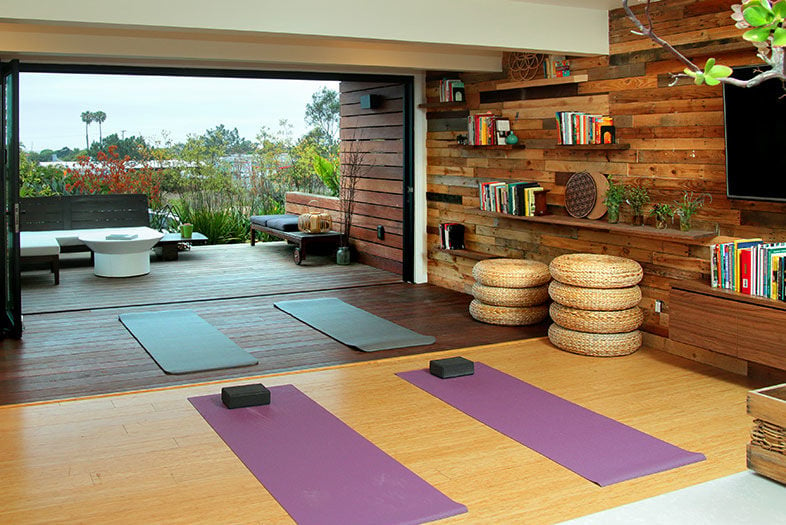
Inn at Moonlight Beach

R&R Destination

Inn at Moonlight Beach

A perfect staycation for a wellness weekend, this recently renovated Encinitas inn wins props for being the first building in America to adhere to the WELL Building Standard (even beyond LEED certification). The five-room modern retreat has all the right touches, from meditation nooks with gurgling fountains to biodynamic gardens for morning tea, sound therapy machines for dreamy sleep, deep soaking tubs, in-room aromatherapy, opportunities to harvest the herb and flower gardens for aromatic satchel making, and healthy organic breakfasts delivered to your door. Juice cleanse and ayurvedic wellness and relaxation packages are available too.

105 North Vulcan, Encinitas

Bike Showroom

Pinarello

Italy’s most elite and elegant bicycles have a new US headquarters in, of all places, Solana Beach. Peruse the sleek wheels, which run from $2K to $20K, and even step outside to demo your favorite. Keep an eye out for events with drop-ins from pro cyclists—2018 Tour de France winner Geraint Thomas has popped in. (Pinarello is, after all, the preferred choice of Tour de France champs.) But think gallery, not retail, as none of the bikes are for sale here. They’ll send you to one of their authorized retailers for a custom fit.

238 North Cedros Avenue, Solana Beach

Skatepark

CA Training Facility

Rather than having your little shredders “crooked grind” your flowerbeds into dust, check this out: The designer and builder of Street League Skateboarding courses (your kids will know what that means) just opened an indoor facility. Equal parts skate park and Olympic training center, it features competition-environment fixtures like time clocks and judging stands. Whether they’re beginners or budding pros, skaters can take lessons from legends and prepare to take the podium one day. Get ready to negotiate those energy drink contracts!

1410 Vantage Court, Vista
Best of North County 2019

Best of North County 2019

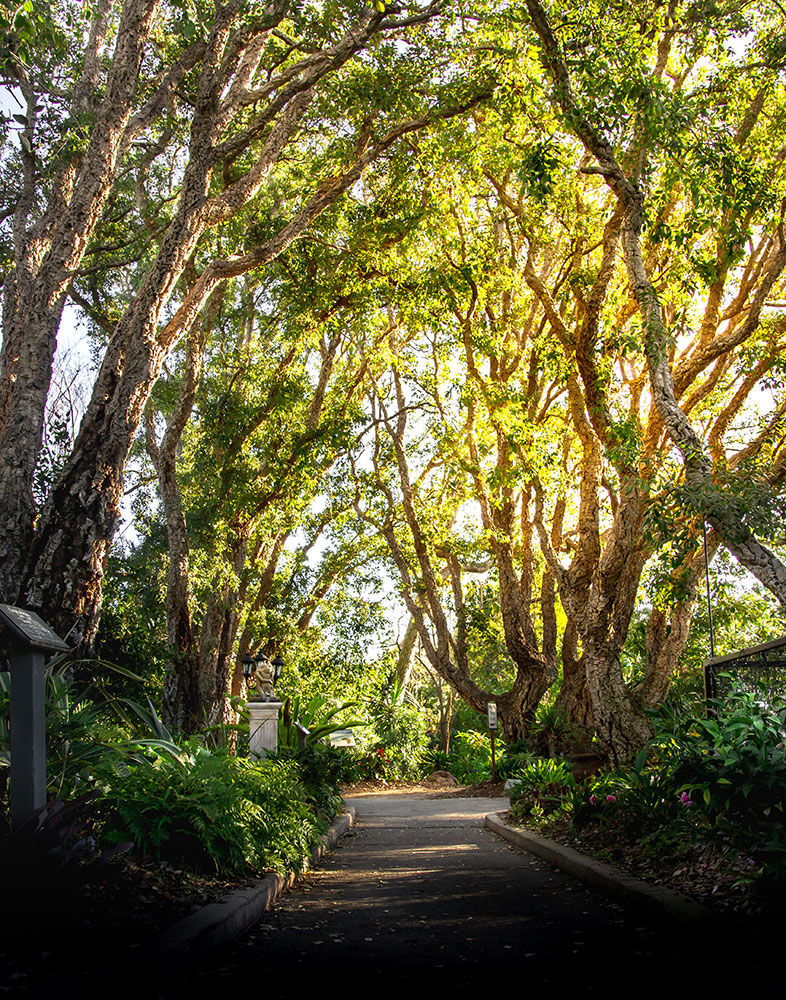
San Diego Botanic Garden | Photo: Rachel Cobb

Wellness Workshop

Nature Bathing at San Diego Botanic Garden

Keep your clothes on; it’s not what it sounds like. The San Diego Botanic Garden jumped on this meditative trend last year with the help of instructor Rhana Kozak, who’s trained in shinrin-yoku, the Japanese therapy of nature bathing. The two-hour course, typically held on Sunday mornings, is meant to help participants mindfully tap into their senses and soak up nature’s ambient cures. The immersion happens in two individual 20-minute walks, and ends with tea brewed with botanicals straight from the herb garden, followed by a savasana in the bamboo garden that’s as relaxing as it sounds.

230 Quail Gardens Drive, Encinitas

Cycling Studio

Verve Studios

When you’re over trying to find parking for SparkCycle or need a break from hearing the SoulCycle instructors on their inspirational pedestal, there’s a new cycling studio in town. Carlsbad native Lena Rakijian opened Verve in January after recruiting two of her former fellow spin instructors from Boston. Their most popular class is VerveCycle, a 45-to-75-minute session that combines high-intensity intervals and upper body strength training for a no-nonsense, satisfying workout.

2630 Del Mar Heights Road, Del Mar


Arts & Culture

Museum Partnership

Museum of Making Music & San Pasqual Academy

Just as schools are cutting arts programs left and right, Carlsbad’s Museum of Making Music is meeting needs with fun, unexpected programming and partnerships. Just last year they introduced a totally immersive music program for San Pasqual Academy foster teens interested in music as a possible career. Other MoMM programs put instruments in the hands of seniors or provide museum access to students living below the poverty line. Upcoming concerts include Grammy winner Daniel Ho Trio (April 6), Irish music from the Seamus Egan Project (April 13), and “chamberfolk” band Harpeth Rising (April 20).

5790 Armada Drive, Carlsbad
Best of North County 2019

Best of North County 2019

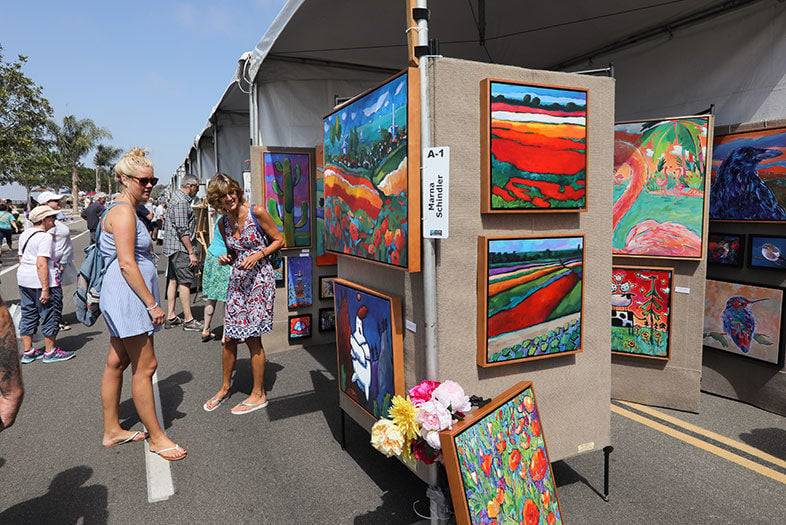
ArtWalk Carlsbad

Art Event

ArtWalk Carlsbad

Launched last year by Little Italy’s Mission Federal ArtWalk, ArtWalk Carlsbad is positively kaleidoscopic, with more than 200 artists displaying and selling their work September 21–22. In a nod to the defunct Carlsbad ArtSplash event, chalk artists bring Armada Drive to vibrant life—coloring surfaces in turquoise, tangerine, silver, and more glowing hues.

Armada Drive, Carlsbad

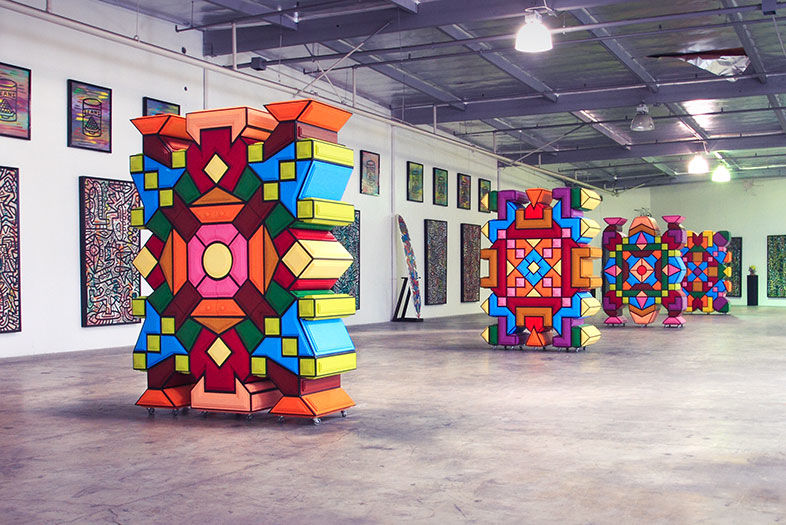
Street Artist

Santos Orellana

You know his work if you’ve been to Moto Deli—the mural Arriba, Abajo y de Lado a Lado (“up, down, and side to side”) has been tempting patio patrons to pause for selfies ever since its completion in 2017. But that just scratches the surface of how this Carlsbad-based artist has muralized North County in his upbeat style (pictured), inspired by the Mesoamerican tradition of his Honduran roots and the street art he absorbed as a New Yorker in the mid-’80s. His Free Beans Project is a treasure hunt in which he leaves a numbered set of paintings—each one a Warhol-like can of beans—in public places for people to find and keep. Follow @wherehaveyoubeans to see where they’ll show up next.
Best of North County 2019

Best of North County 2019

Santos Orellana

Play Festival

Final Draft New Play Festival

If you like theater and beer, this New Village Arts festival is definitely up your alley. The Final Draft New Play Festival gives local playwrights and breweries shared spotlight in a weekend-long event every January that includes readings of new plays, workshops, and panel discussions. It concludes with the Final Draft Party, where audience members can mingle and enjoy craft beers. Cheers to drama celebrated right!

2787 State Street, Carlsbad

Artsy Date Night

Oceanside Museum of Art

The city of Oceanside is heating up, and its very own OMA is right there with it. They added their popular Music at the Museum series to various First Friday Art Walks—April 5 features live music and dance performances on the terrace and lobby. The best part? Free admission from 5 to 8, but you’re welcome to stay until 10, and there’s a cash bar. It’s the artful alternative to a night at the pub.

704 Pier View Way, Oceanside


Kids & Pets

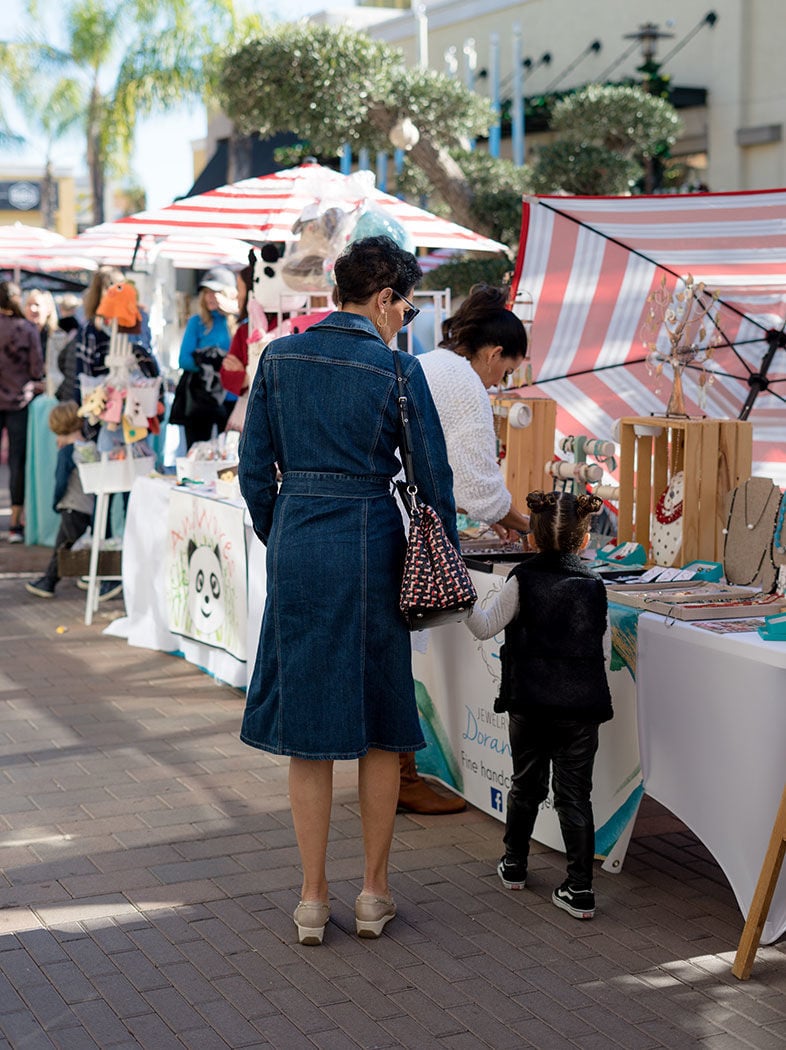
Family Bazaar

Flower Hills’ Feast + Craft Artisan Market

This new pop-up for families and foodies sprawls through Flower Hill Promenade with food trucks, live music, free crafts for kids, and educational experiences from local museums. Parents can enjoy beer gardens and vendors selling jewelry, reclaimed wood art, pottery, hand-poured candles, European shoes, and more. See it the second Sunday of each month, starting in May.

2720 Via de la Valle, Del Mar
Best of North County 2019

Best of North County 2019

Flower Hills’ Feast + Craft Artisan Market

CoWorking Space for Parents

Work With Me

You can make every day “bring your kid to work day” at this new coworking space. It’s a godsend for parents who work remotely and need more than naptime to get the job done. You’ll find a nursing lounge, Wi-Fi, private desks, communal workspaces, and a quiet room for conference calls. Children are cared for by professionals in a connected room outfitted with a baby zone, reading corner, train table, art zone, and more. All this and the chance to socialize and collaborate with other grown-ups? Sold.

7740 El Camino Real, Carlsbad
Best of North County 2019

Best of North County 2019

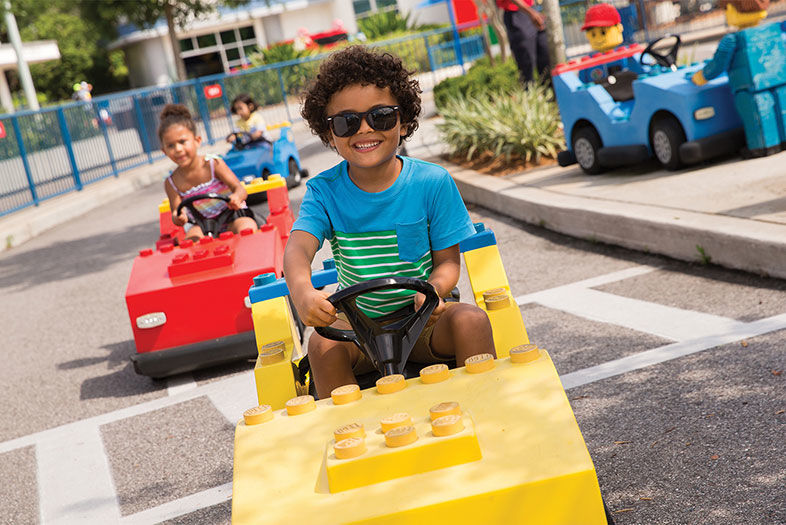
Legoland

Birthday Perk

Legoland

“Free” and “Lego” aren’t usually seen together, but all year, in honor of Legoland turning 20, kids 12 and younger get into the park for free on their birthday (proof of birth date required). Once inside, they can watch the new short Lego City 4D—Officer in Pursuit or take a spin on the recently opened Lego City Deep Sea Adventure submarine ride.

One Legoland Drive, Carlsbad

Baby Programming

Babies in Bloom

This birth center and boutique has long been a hub for new moms in Vista. It assists with everything prenatal and postpartum, including breastfeeding advice and support, car seat checks, and more. The infant and toddler art classes are the newest educational programs, but the most popular remain Baby & Me Yoga, Toddler & Me Yoga, and GroovaRu, a baby-wearing dance class. This month, snag free samples at the seventh annual BabyFest, April 28 at Westin Carlsbad Resort & Spa.

1948 Via Centre, Vista
Best of North County 2019

Best of North County 2019

Harumama

Kids’ Dish

Harumama

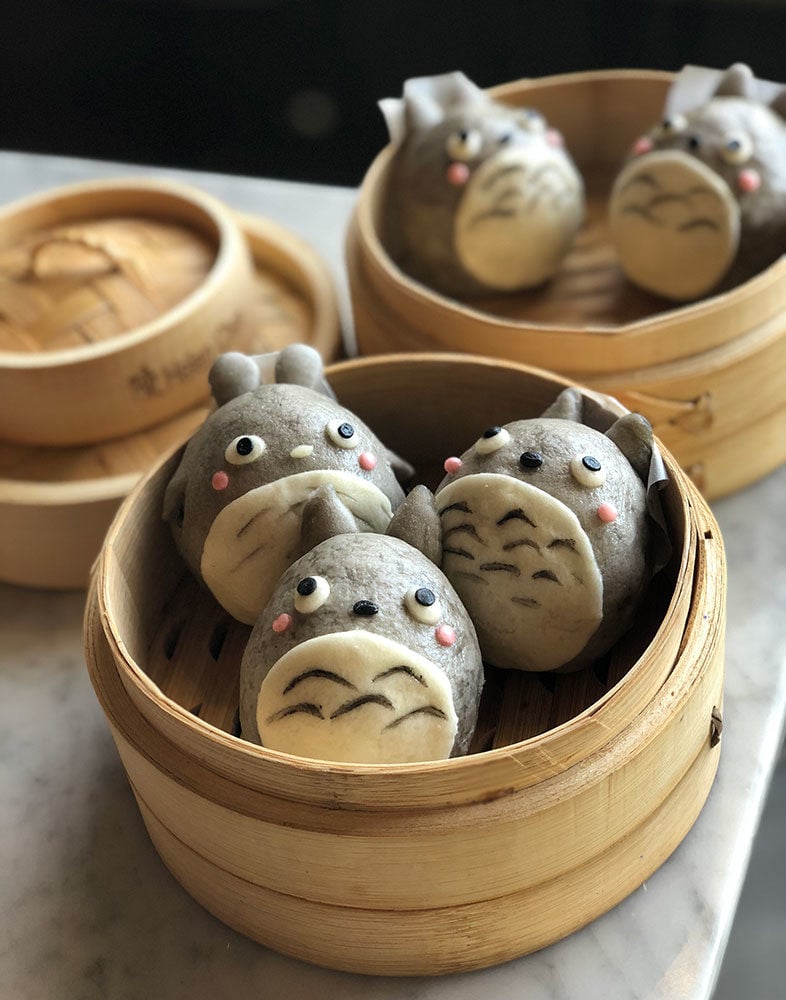
Expand your picky eater’s palate with this Asian restaurant’s adorable steamed bao buns that look like cartoon pandas, bunnies, cats, and other creatures. The cloud-soft buns envelop fillings such as pork, purple potato and, for dessert, Nutella or red beans. Each order comes with two buns, which are nestled inside a steamer basket that kids can open just like a present.

2958 Madison Street, Carlsbad

Kiddie Coachella

Hullabaloo Family Market

If your kiddo is over the park playdate or library storytime routine, they’ll love this fun and festive event, which takes place the first Monday of the month at the San Dieguito Heritage Museum. When kids aren’t dancing and singing along to children’s band headliner Hullabaloo, there are activities like face painting and crafts. Meanwhile, parents can check out the booths where family-friendly vendors sell their wares.

450 Quail Gardens Drive, Encinitas
Best of North County 2019

Best of North County 2019

Dr. Grey’s Play & Stay

Dog-Sitter

Dr. Grey’s Play & Stay

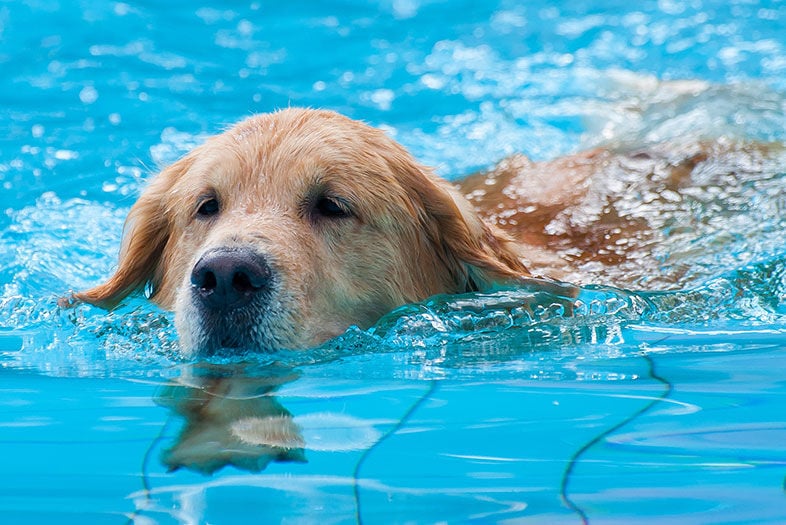
This veterinarian-run home boarding and doggie daycare is more like a boutique hotel for your fur baby. Pampered pooches can sleep on dog beds in themed rooms—like Hollywoof, Safari, and Beatles & Bowsers—watch widescreen TVs, and leap into a swimming pool. There are spacious yards for private or group play, and bonus: They’re equipped with doggy cams, so you can watch Fido frolic from afar. An extension of Carmel Mountain Ranch Veterinary Hospital, Dr. Grey’s Play & Stay will provide medical care, facilitate special diets in the dogs’ dedicated kitchen, and even bathe your hound for free with a 24-hour stay.

San Pasquale
Best of North County 2019

Death by Tequila | Photo: Becca Batista

Subscribe to our newsletters

Select Options

By subscribing you confirm that you agree with our Terms and Conditions and Privacy Policy.

Arts & Culture SEPTEMBER 4, 2026

What’s Next for Arts and Culture in San Diego?

Artists and advocates are building a more sustainable creative future through public funding, political organization, and cross-border collaboration

What’s Next for Arts and Culture in San Diego?
Photo Credit: Katie Gardner & Matt Furman

This is part of a three-part series. This is Act III. See Act I and Act II here.

The Future

We’ve been here before.

In 2012, city funding for the arts and culture in San Diego had eroded. As a corrective, the city council unanimously approved “Penny for the Arts”—a promise to dedicate roughly one penny of every dollar spent on hotel rooms (the Transient Occupancy Tax, or TOT).

The logic was fair and sound: Cultural institutions and events help attract visitors. Those visitors pay hotel taxes. So, the people agreed, some of that hotel-tax revenue should go back into maintaining the cultural ecosystem that helps bring those visitors and that money.

Projected as a five-year plan, the measure was supposed to increase funding to $17.9 million by 2017.

It never did. The penny was never guaranteed, so each year the city used part of it for other priorities. By 2023, the money going to arts and culture was up to about a half a penny. Even as TOT revenue has gone up significantly.

In 2019, TOT revenue was $245 million.

In 2025: $325 million.

One fix would be to guarantee the penny. Not simple, given San Diego’s financial woes. But the alternative—eroding the culture that makes San Diego San Diego, give it its identity—also doesn’t feel wise. Plus, even a locked percentage still rises and falls with tourism, which is why culture advocates want a guaranteed floor on top of it.

Another solution would be to give the arts commission actual authority.

“It’s an advisory body,” says arts commissioner Kamaal Martin. “You’d be hard-pressed to find anybody who takes our advice.”

Photo Credit: Katie Gardner & Matt Furman

He described the commissioners debating real, consequential questions this year, like whether and how to divide the cuts between funding pools. But those conversations “don’t connect to whoever’s actually deciding,” Martin says. “We haven’t been entrusted with decision-making about relevant things nearly enough.”

Christine Martinez is building political infrastructure through her organization Arts+Culture:San Diego—which is starting a 501(c)(4) lobbying structure not unlike police and fire unions. Martinez is also keeping her community actively engaged. “We won’t be caught off guard next year like we were this year,” she tells me.

Then there’s the evergreen issue of affordability and accessibility. Kiplinger’s most recent report ranks San Diego as the 11th most expensive city in the US, based on cost of living. The average home value is $980,700 (the US median is $540,000), but San Diego’s median household income is only one-third greater than the national level. Rent is also 66 percent higher than the national average ($2,716 vs. $1,636).

This is why San Diego has long suffered from the creative brain drain—creatives leaving for more affordable cities. “Artists are free to live wherever they want, and they will go where the rent is affordable,” says Jennifer de Poyen of Space 4 Art. “When they leave, they take their gifts with them, and their contributions, and their economic impact.”

One saving grace is the presence of Tijuana, where the cost of living is about 60 percent lower than San Diego, per Numbeo. Tijuana has long functioned as an affordable neighborhood for many in San Diego’s creative culture. It’s part of the reason why the binational identity is such a constant in our galleries, music, theater, murals, and culture. While that cross-border blood flow is one of San Diego’s most compelling attributes, few artists living that life would call it convenient or easy. A city is at a disadvantage when its culture creators have to cross a border to go home at night, and cross again the next morning to work.

In May, San Diego County Board of Supervisors approved a $2.75 million arts initiative of its own. It includes an Artist Space Grant Program aimed directly at the affordability crisis, as well as an artist-in-residence program, a dedicated Binational Creative Economy Investment, and a one-time investment in the Black Arts and Culture District in Encanto.

Bob Lehman of San Diego Art Matters has been doing county-level, binational organizing for years; in 2023, he helped get the county’s arts commission reestablished after 30 years of defunctness. That’s important because it gives arts and culture an official seat in county government, advising the County Board of Supervisors on arts and culture policy. He also brought in consultant Laura Zucker, who ran LA County’s arts program for three decades, to build a real regional plan.

“I really believe we’ll have something set up here that other communities come and look at,” he told me. “A national template other cities come to learn from.”

When asked who decides which artists will get the new grant money, county arts commissioner and executive director of the Chicano Park Museum and Cultural Center Monica Delgadillo Hernandez doesn’t hedge.

“That’s part of the infrastructure we’re going to be building,” she says. “What should a panel of reviewers look like? Should it be the commissioners? Should it be other folks? A supervisor?” She was just as candid that the commission itself doesn’t reflect San Diego’s population—Chicano communities are roughly a third of the city, she tells me, “and that’s not represented at the table yet.”

Photo Credit: Katie Gardner & Matt Furman

What Other Cities Prove Is Possible

The great news is that none of these solutions have to be invented from scratch. Numerous cities serve as examples of what’s possible—if we have the will.

Jonathon Glus—Prebys Foundation Senior Fellow for Art & Design, the Executive Director of the Art + Design District, and board president for California for the Arts—worked in Houston before coming to San Diego. The Texas city dedicates 74.5 percent of its hotel tax to arts grants by formula, and that support is guaranteed. Washington, DC locked in dedicated arts funding in 2019. Salt Lake City, my hometown, has run a voter-approved arts tax for almost 30 years, most recently reauthorized through 2034. And just this summer, New York City pushed cultural funding to a record $323.8 million, even incorporating an emergency fund.

Denver’s model is interesting because instead of a city-dependent funding model, theirs is a 0.1 percent regional sales tax. In place since 1988 and renewed by voters three times, their Scientific & Cultural Facilities District has distributed between $54 million and $85 million to arts, culture, and scientific orgs—each of the last 12 years.

This is part of a three-part series. This is Act III. See Act I and Act II here.

None of these cities got there by accident. They decided, on purpose, that arts and culture were worth protecting from politics—and, in some cases, worth building an entire identity around.

“That’s how Miami has flipped the switch,” says Glus. “People go to Miami for culture as much as they do the beach.”

San Diego has spent decades selling itself backward: Beach and weather first, culture as an afterthought you might stumble into. Glus would love to see the strategy flipped: Visitors should come for the art, “and then, by the way, you’re on the beach.”

Photo Credit: Katie Gardner & Matt Furman

So What Happens From Here?

“I do think it was a wake-up call for the community,” de Poyen says of the budget fight. “People understand that our funding is vulnerable. It was a lesson in how much power people have when they coalesce. But wow, is it painful.”

Glus says he’s genuinely optimistic. “The players have all changed seats, but the work is moving forward.”

“I believe optimism is a moral duty,” says Martin, who’s both power-fist and polite.

In eight months, there will be another budget fight. Everyone I talked to expects it will be worse. But something happened this spring that can’t be undone.

“I hope this rupture has brought us together in a moment of self-realization,” says Leticia Gomez Franco of the Balboa Art Conservation Center. “I hope we stop being so transactional; we begin to see ourselves and each other as partners in this work.”

That’s the whole ask, really. And it’s on all of us.

This is part of a three-part series. This is Act III. See Act I and Act II here.

A

About Aaryn Belfer

Aaryn Belfer is a writer and editor specializing in nonfiction across art, architecture, and culture. Once upon a time, she wrote a provocative column for San Diego CityBeat (RIP). She was a runner up in the 2025 Matchbook Stories contest at the San Diego Central Library and is irrationally happy about it. Currently in her Soft Girl Era, Aaryn has expensive taste in (mostly flat) shoes and will choose a great art exhibit or live jazz concert over almost anything else. Except, possibly, Javier Bardem.

Art Arts & Culture
Arts & Culture SEPTEMBER 4, 2026

How San Diego Became a City of Art and Culture

The history, communities, and creative movements behind a cultural scene that extends far beyond the city’s postcard image

How San Diego Became a City of Art and Culture
Photo Credit: Katie Gardner & Matt Furman

This is part of a three-part series. This is Act II. See Act I and Act III here.

Without concrete, wildflowers are just weeds. Any honest history of San Diego art and culture is tension and its reckonings. It begins before the name existed, with the Kumeyaay. It must pass through the Panama-California Exposition, one hell of a county fair that conjured Balboa Park as our grand cultural stage. It pays tribute to the lights of La Jolla, where the donor pool helped realize unrealizable things. It should mention names like Marston, Scripps, Ochoa, DeWitt, Lopez, Klauber, Baldessari, Torres… so many.

In short spaces like this, long histories like that become roll calls. So this is more of a walk through pressure points, notes on recurring forces and regional oddities.

Border life is key to understanding the here of here. Art without dialogue is just decoration. At its best, that dialogue should be a tad muddy, emotionally gassed. In other words, it should be in need of art—to widen perspective, parse meaning, see the unseen.

San Diego’s central dialogue—the magic and the stressor—is being flatmates with Mexico’s second-largest city by population. That makes San Diego a swing-gate of shared and vastly different perspectives, both its own place and something larger. And in no other major city in the US do the fresh flow of ideas from two countries—different governments, laws, mores, expressions, arts, cultures, traditions, economies, loves, and resentments—mingle at such a constant daily rate (due respect to El Paso).

That binational steam created Chicano Park, one of the most uniquely San Diegan contributions to national and international culture. When construction of the I-5 and Coronado Bridge divided Logan Heights, neighbors protested by transmuting prejudicial concrete into redwoods of Chicano art. Turning a civic wound into a beautiful and enduring landmark that expressed and preserved a core identity—like East Side Gallery in Berlin or Constitution Hill in Johannesburg—is damn near the core of what art is supposed to do.

Like any city, the underground-overground friction is crucial in San Diego. Our culture is headlined by institutions that lift creative work onto national and international stages: MCASD, The Nat, SDMA, Centro Cultural de la Raza, the Symphony, WorldBeat Center, The Old Globe, La Jolla Playhouse, Mingei, Museum of Us, Stuart Collection, Timken, ICA, Comic-Con, etc. The next mutations grow in the seams: street murals, music dives, tattoo shops, wheatpasted walls, graffiti, lowriders, surf and skate art (though in San Diego, this is mainstream), pop-up shows, backyard shows, beach raves, any place with room for people and a loose relationship with regulations.

Photo Credit: Katie Gardner & Matt Furman

Both art and culture get their power from power. They’re fundamentally a conversation with and retort against dominant structures. San Diego’s most pervasive structure is arguably the most rigid form: the military. Its presence is heavy in the southern tip (Border Patrol), the middle (Navy and MCAS Miramar), and northern edge (Camp Pendleton). The military is San Diego’s largest employer, by a long shot.

Within this plus-sized environment of order and hierarchy, it’s understandable that Shepard Fairey’s “OBEY” posters in the late ’90s struck such a potent chord. The most compelling punk rock is often outside a strong governor’s window. (The “OBEY” series featured an ominous, propaganda-style André the Giant wheatpasted on random ugly surfaces across San Diego—launching Fairey’s style that he eventually used for Obama’s “HOPE” poster.)

Armed forces are often viewed as the absence of creative culture—understandably so, since rogue individual expression feels like a pretty sure way to sink a war effort.

But in San Diego, the Navy’s unsuspecting role as art creator—directly or indirectly—is hard to ignore. Tattoos are a dawn-of-time practice of many early cultures, including the Kumeyaay. But Polynesia was a core realm. Sailors were exposed to it on deployment in the Pacific Rim, inking their arms with the names of loved ones and unit insignia. Back in San Diego, they’d flaunt those tats in the beaches and bars of Mission Beach or PB (Marines did the same in Oceanside.) Enlistees were the muscular flesh galleries that helped turn skin art into one of the city’s most widespread modern art forms.

During WWII, the military also trained huge legions of San Diego laborers how to build war machines. Those mechanics, engineers, machinists, welders, painters, and metal fabricators used those skills for creative good in their neighborhoods—especially in custom car culture, which took off in the post-war ’50s and ’60s. Mexican-American vets helped develop the lowrider scene, a deeply rooted part of San Diego creative expression. Galleries on slow-moving wheels.

Tourism is the other mainstream force ripe for creating against. It is both critical to San Diego’s economy, and one of the greatest barriers to deeper, more nuanced expressions of what and who San Diego is. The industry of selling our city to passers-through creates a gigantic tarp of cultural tropes. It reinforces the most obvious charms—cute zoo animal takes in an epic sunset with a giant margarita—and doesn’t yield much airspace to the thrilling micro-cultures that live and breathe where locals live and breathe. Nothing against watercolors of dolphins, but much against the hegemony of watercolors of dolphins.

Maybe because of these dominant forces, San Diegans especially tend to force underground and institutional art into a needless cage match. It’s human instinct to champion the underdog as more worthy, but that has always felt like a form of articide.

Photo Credit: Katie Gardner & Matt Furman

It’s like saying the only good food is made by gritty upstarts who crafted their own whisks from discarded shopping carts. Most of those plucky whisk-makers would love to eventually be paid properly, would love a stage, a grant, a building, a donor, a lighting rig, health insurance, maybe even one chair that doesn’t threaten the spine.

That’s what the major institutions do. Both stages—the duct-taped and the donored—serve vital roles and deserve commensurate support if we care about the entire lifespan of creative expression and not just its first exciting steps. Championing the starving artist exclusively just secures an enduring poverty for the creative class at large.

I’ve often theorized it’s harder to create great art and culture in cities like San Diego, where the climate is supernaturally pleasant. In colder/hotter/rainier/less beautiful cities, people are forced indoors to fabricate their own beauty (the grunge music of Seattle, the obscene creative output of Reykjavík). San Diego’s eternally mild sunshine tends to make the human body our art medium of choice. But scratch the surface of that surf poster (and I’ve only scratched a miniscule percent here), and this city’s far from the cultural shallows it gets accused of being.

Addendum: A Personal Agenda. In scouting the route of art and culture across San Diego county through history, two areas come up again and again: La Jolla and Barrio Logan. So I propose a collaboration between two icons of artful concrete—Chicano Park and Salk Institute (one of the world’s great examples of brutalism architecture). Let Barrio Logan’s muralists go nuts on that coastal science fortress, unite the realms for a moment in time.

This is part of a three-part series. This is Act II. See Act I and Act III here.

Troy Johnson

About Troy Johnson

Troy Johnson is the magazine’s award-winning food writer and humorist, and a long-standing expert on Food Network. His work has been featured on NatGeo, Travel Channel, NPR, and in Food Matters, a textbook of the best American food writing.

Arts & Culture SEPTEMBER 4, 2026

San Diego Restored Arts Funding—But the Crisis Isn’t Over

The city’s cultural sector regained millions after a proposed 85 percent cut, yet nonprofits, youth programs and major institutions still face painful losses

San Diego Restored Arts Funding—But the Crisis Isn’t Over
Photo Credit: Katie Gardner & Matt Furman

This is part of a three-part series. This is Act I. See Act II and Act III here.

Every spring, Christine Martinez reaches out to the arts community to explain what’s on the line, hoping they’ll engage with the city’s budget process. Cultural funding, she constantly reminds, is almost always strapped to the guillotine. Especially in a city strapped for cash.

“It’s not an easy ask,” says Martinez, manager of Arts+Culture:San Diego. “Showing up is a real cost for small, volunteer-run groups that can’t spare half a day at City Council without possibly having to close their doors.”

Then, last April—with one day’s notice to arts leaders—Mayor Todd Gloria proposed a budget that didn’t trim arts funding; it eviscerated it, from $13.8 million to $2 million. An 85 percent slash. Other city departments faced cuts of about 7 percent.

The scheduled date of the cuts was just three months away (beginning of the fiscal year). Organizational leaders have to plan months if not years ahead to run their organizations. They had made hires, dedicated spending, and programmed their seasons based on a reasonable expectation that support for the arts would be somewhat in line with previous years. (The City has allotted at least $7 million a year to arts every year for the last 20 years, and the last four years have ranged between $13.8 and $18.2 million.)

The day felt even more existential given the national and international climate around the arts: namely, the federal government’s repeated proposal to eliminate the country’s two biggest cultural foundations (NEA and NEH), and the global trend of AI replacing more costly human creatives.

“It shocked everybody,” says Kamaal Martin, arts commissioner and co-founder of Art Power Equity. “If the message had been, ‘Times are tough, everybody tighten their belts a little,’ it would have landed differently. But there was no vision offered for the future, no parity in the cut. It was just, essentially, ‘Fuck you.’”

Among things I’m good at—sleeping late, low bidding for expensive shoes on Poshmark, parallel parking on either side of the street—budget analysis isn’t among them. In trying to understand how bad the finances were for San Diego to propose this drastic cut, I found myself drowning in numbers, pie charts, and politi-speak.

In his April 27 newsletter, Gloria explained that balancing the budget means “asking hard questions about every single dollar this city spends: Is this a core responsibility of city government, or is it something we do when we can afford to?”

Fair enough—if he were to ask those hard questions about every single dollar this city spends. It also makes his conclusion clear: The City of San Diego does not view supporting arts and culture as a core responsibility.

Which begs more than a few questions: Should the City be responsible? If not, then who? How crucial are arts and culture to a city? And since this is a budget discussion, how much revenue does the arts and culture industry generate for San Diego? What’s the ROI?

Photo Credit: Katie Gardner & Matt Furman

The Impact of Arts & Culture

$1.2 billion.

That’s how much economic activity San Diego’s arts and culture nonprofits generated in 2022, according to the City’s latest Arts & Economic Prosperity 6 report. The industry created nearly 17,000 jobs and generated $878 million of personal income for local residents. About 15 percent of the people showing up to arts events in San Diego are tourists, so money was raised through TOT (Transit Occupancy Tax). The activity generated $275.7 million in tax revenue to the city.

In other words, the ROI seems to be ROI-ing.

Still, there have been signs that cuts were coming. In 2025, the City demoted the Department of Cultural Affairs to a division, folding it into the Economic Development Department (EDD). That meant Cultural Affairs no longer had independence, nor its own leader sitting at the same organizational level as departments like parks and recreation, library, police, and fire. It lost institutional leverage and would now have to compete with other EDD priorities—real estate, airport operations, business development, etc.—for budget allocation.

To be clear, few arts administrators and leaders I spoke with are interested in the either/or false choice of funding law enforcement or after-school programs; the fire departments or libraries. They’re sincere in looking for solutions that don’t leave any single group with a greater burden of righting a long-out-of-balance budget.

Jennifer de Poyen, executive director of Space 4 Art, says Gloria had long been a supporter of the arts, which made his attempted Red Wedding especially upsetting.

A

About Aaryn Belfer

Aaryn Belfer is a writer and editor specializing in nonfiction across art, architecture, and culture. Once upon a time, she wrote a provocative column for San Diego CityBeat (RIP). She was a runner up in the 2025 Matchbook Stories contest at the San Diego Central Library and is irrationally happy about it. Currently in her Soft Girl Era, Aaryn has expensive taste in (mostly flat) shoes and will choose a great art exhibit or live jazz concert over almost anything else. Except, possibly, Javier Bardem.

Art Arts & Culture
Studio S SEPTEMBER 1, 2026

The Best Gym in San Diego Isn’t Really a Gym Anymore

Earlier this year, Fit quietly dropped "athletic" from its brand, from Fit Athletic Clubs to simply Fit, and started calling itself something new: a social wellness club.

The Best Gym in San Diego Isn’t Really a Gym Anymore
Courtesy of FIT

There’s a version of San Diego that lives in two extremes. On one side, the 5 a.m. crowd: biohackers, marathoners, people who’ve already logged a cold plunge before your alarm goes off. On the other, the after-dark crowd, the ones chasing sunset happy hours and late dinners with friends. Everyone seems to be either optimizing or unwinding, and most of us feel like we’re failing at both.

Fit, San Diego’s reigning Best Gym for the third year running, has built its entire identity around erasing that divide.

Walk into one of Fit’s three San Diego locations on a Tuesday afternoon and the lines blur fast. Someone’s mid-set on the squat rack. Someone else has a laptop open at a café table a few feet away, half-working, half-people-watching. A group is trading plans for the weekend’s event by the recovery lounge. Nobody’s in a rush to leave. 

“We’re not competing for the same people,” says Emily Waybright, Public Relations Manager at Fit,  addressing the arrival of a national luxury gym chain in San Diego this year. “We don’t really feel like we’re in the gym category. It’s this unique thing.”

That unique thing has a name now. Earlier this year, Fit quietly dropped “athletic” from its brand, from Fit Athletic Clubs to simply Fit, and started calling itself something new: a social wellness club.

It’s a small wording change with a bigger idea behind it. Fit was never built around escaping the workday. It was built around the people who genuinely like what they do, and who want workouts, work, and friendships to happen in the same place instead of three separate ones. Because sometimes red light therapy with a stranger turns into weekend plans.

Fit’s philosophy traces back to its founder, who started the brand nearly two decades ago after failing to find a gym he actually wanted to belong to. He looked instead to the old-school country club, where people came for a shared interest and stayed for the community. His version was made for a younger generation, minus the golf, plus the loud music.

Which makes it a little ironic that the very award putting Fit back in the spotlight this year is Best Gym.

What does the best traditional gym look like when the definition of a gym is becoming less traditional? It’s a fair question, and Fit’s answer is that the fitness industry itself is shifting. The 45-minutes-in, 45-minutes-out model is giving way to something closer to a genuine third space, the kind of role the office and the bar used to play before remote work and changing nightlife habits rearranged how people spend their time

For Fit, community isn’t a marketing add-on to fitness. It’s the through-line. Members aren’t just paying for a treadmill; they’re paying for an entire day of social wellness that’s built on performance, recovery, connection, and a plan for the next event on the calendar. That’s a much harder membership to walk away from.

Ambition and ease aren’t opposites here, they exist side by side, where passion and play share the same morning. On September 12, Fit is hosting Sol, a full day wellness festival at Fit Social. The morning focuses on wellness classes and vendors and then the evening is a full party with multiple DJ sets and an open bar. Think of it as a kick-off to locals’ summer in San Diego. 

Ready to see what a social wellness club actually looks like? Visit fitclubs.com, or follow along at @thefitclubs on Instagram.

Partner Content
Arts & Culture SEPTEMBER 2, 2026

31 People Shaping San Diego’s Creative Scene

Meet the artists, makers, and advocates whose work shapes how the city looks, sounds, gathers, and connects

31 People Shaping San Diego’s Creative Scene
Photo Credit: Katie Gardner & Matt Furman

San Diego is full of people who deserve a few thousand words on what they make, who they bring together, and how their work changes the city around them. The artists, makers, advocates, and behind-the-scenes talent below are a small part of that larger ecosystem.

To help us narrow our list, we looked for names that kept coming up, work that reflects the diversity of our region, and people building something bigger than themselves.

Jackie is a long-time freelance journalist covering cannabis, food/restaurants, travel, labor, wine, spirits, arts & culture, design, and other topics. Her work has been selected twice for Best American Travel Writing, and she has won a variety of national and local awards for her writing and reporting.

Isabella Dallas is a freelance writer for San Diego Magazine and the Arts and Culture Editor at The Daily Aztec in her final year at San Diego State University. She previously worked as an editorial intern for SDM, but when she’s not writing, you can find her trying the best coffee spots in SD, devouring the latest rom-coms, and indulging in anything and everything pop culture.

Matt Eisenberg is an award-winning writer and photographer based in San Diego. A former ESPN editor, his work has also been published by CNN, Bleacher Report and the New York Daily News.

A

About Aaryn Belfer

Aaryn Belfer is a writer and editor specializing in nonfiction across art, architecture, and culture. Once upon a time, she wrote a provocative column for San Diego CityBeat (RIP). She was a runner up in the 2025 Matchbook Stories contest at the San Diego Central Library and is irrationally happy about it. Currently in her Soft Girl Era, Aaryn has expensive taste in (mostly flat) shoes and will choose a great art exhibit or live jazz concert over almost anything else. Except, possibly, Javier Bardem.

Leorah Gavidor won her first essay contest at age 5. She writes features, news, and non-fiction in San Diego.

Lili Kim

About Lili Kim

Lili Kim is a content coordinator and writer for San Diego Magazine, with experience highlighting local businesses and communities. When not writing or shooting film, she is likely brewing her seventh cup of tea of the day or strolling along Sunset Cliffs.

Emma Veidt

About Emma Veidt

Emma Veidt is an editor at San Diego Magazine. She earned her bachelor's and master's degrees from the Missouri School of Journalism. She loves running, hiking, and rock climbing, but really, she mostly loves encounters with the street cats around North Park.

Gail Czyszczon is owner/copywriter at Z3 Writing and best-selling author of a children’s book series. As a strategic communications professional and editorialist, she's passionate about discovering untold stories and themes that ignite fresh conversation and true change in communities.

Everything SD SEPTEMBER 1, 2026

Guest Publisher’s Note, September 2026: The Arts Edition

For Jonathon Glus, San Diego’s next chapter begins with the artists who help us understand where we’ve been

Guest Publisher’s Note, September 2026: The Arts Edition
Photo Credit: Katie Gardner & Matt Furman

Some ancient philosophers believed that humans experience seven-year life cycles or phases of life. Some went so far as to believe that every cell in the body regenerates every seven years.

Much later, in the 1800s, Austrian philosopher, architect, and social reformer Rudolf Steiner developed anthroposophy—an integration of science, art, and spirituality—into his understanding of the human experience. Steiner believed that each of us changes every seven years—from spiritual beliefs to physical evolution—and art is the connective tissue through each of these cycles. Still today, Steiner’s teachings are foundational to the principles of Waldorf education.

While I’ve certainly experienced more than a few human life cycles of my own, I believe that, just like us, cities have their own life cycles.

Cities are living organisms, regenerated every day by the people that live, work, and gather there. Environmental changes, human migration, economic shifts, technological advances, politics, and public policy—they all inform a city’s evolution, sometimes intentionally and sometimes by forces outside of our control. But ultimately, we as humans respond, adapt, and sometimes make our most important new advances.

Photo Credit: Matt Furman

In the aftermath of World War II, in 1947, the Edinburgh International Festival was established to promote international peace through the performing arts. Today, that festival continues as a global gathering place to experience some of the world’s most innovative dance and theater.

In post-revolution Mexico, that country’s government launched a monumental muralism program to celebrate the history of its Indigenous cultures. Today, that tradition still informs the way Mexico tells its stories and how we understand its history.

Here in the US, the National Endowment for the Arts was established in 1965, at a time when the arts were seen as part of our national strength and resilience. For the first time, federal funds were directed to communities across the country to invest in the arts at a local level.

San Diego may be relatively young as a major American urban center, and even younger on the world stage, but our region as home to humans is ancient. Today, we love a San Diego that is built on roads and traditions of the Kumeyaay Nation, where we share a modern mega-region with our sister city and cultural twin, Tijuana, on unceded Kumeyaay land.

History has shown us that the arts generate the very human connection and understanding that allows our politics, policies, technological advances, and human migration to move forward. In that way and more, the arts are the very heartbeat of our city.

In this issue of San Diego Magazine, we celebrate the artists, creatives, culture bearers, and workers who keep our region connected and in conversation as we take on challenges big and small—internationally as well as on our own neighborhood streets.

Artists are our storytellers. They respond to and chronicle the best and the worst of us—our foibles and weaknesses, our struggles, and, undeniably, our successes.

Now: a look back into the past seven years in history. They have not been a walk in the park, with a pandemic, global unrest, and shifting domestic politics as only a few forces that have challenged our lives and our region. Together, we experienced some of our greatest struggles and witnessed tremendous resilience.

That’s exactly why this is an exciting time for the arts in San Diego. We are on the precipice of an even more fertile, sustained, and inclusive time for the arts in our region.

In some ways, Covid seems like an eternity ago. I remember all too well the massive economic impact on our cultural institutions, some of which have never fully recovered. I remember the mass layoffs of the workers who keep our arts institutions going and the teaching artists who were suddenly out of work.

I also remember the poets, filmmakers, actors, and musicians who helped us grapple with the disruptions of the pandemic. Our communities became virtual, and artists gave us the space to make sense of it all.

In fact, a common phrase emerged from the Covid: artists as second responders.

Still today, I think about the short film made by San Diegans Susanna Peredo Swap and Gill Sotu called History of Joy, which captured so brilliantly what we were experiencing during those days of lockdown.

Since then, as an arts community, we’ve pushed forward transformational work that we will continue to build upon in this next seven-year cycle and well beyond.

Hundreds of artists and culture bearers have spent the past several years going to work with community groups across the region as part of Far South/Border North, our region’s component of the California Arts Council’s groundbreaking artist work program, Creative Corps. The impact resonated so deeply that local government and philanthropy partnered for a second iteration, Artist Count, this time a binational initiative launched just a few months ago.

We’ve invested mightily in cultural infrastructure. Need some examples? There’s the reimagined Jacobs Music Center and Museum of Contemporary Art San Diego, the Black Arts & Culture District, the state designation of Arts District Liberty Station, and now the burgeoning Art + Design District downtown.

World Design Capital San Diego Tijuana 2024 elevated what we already knew—that the two neighboring cities are culturally and creatively intertwined as one region—and boosted our global presence as a creative juggernaut. Artists, designers, and community leaders worked together to produce more than 600 events across our region that year, and the impact continues.

And “Creative City,” the City of San Diego’s first cultural plan that incorporates arts and culture advancements in the city’s development, was crafted by thousands of San Diegans as a roadmap to take us into the future.

Here’s what I know about the past seven years: San Diego’s artists, creatives, and culture bearers showed up for our region as our storytellers, second responders, and creative workforce.

And for the next seven? San Diego will morph and change, as every city does. Sometimes because of us, sometimes in spite of us. But our city’s creative community has a solid foundation on which to build, led by the artists who witness and tell our stories each and every day.

Jonathon Glus, Conrad Prebys Foundation’s Senior Fellow for Art and Design in Residence at the Downtown San Diego Partnership

Partner Content AUGUST 21, 2026

This Scripps Clinic Physician is Serving Up Care

Laika Nur, MD, takes her love of volleyball from the court to the clinic as team physician for the San Diego Mojo

This Scripps Clinic Physician is Serving Up Care
Courtesy of Scripps Health

Growing up, Laika Nur, MD, Scripps Clinic sports medicine specialist, loved watching beach volleyball when the Association of Volleyball Professionals tour came to her hometown of Chicago. A talented volleyball player herself, she remembers sitting in the stands all day, and once, even got a couple autographs. Years later, Dr. Nur was attending a professional event focused on women’s sports, and the discussion turned to a new professional women’s volleyball league. The general manager and coaching staff  for San Diego’s team, the Mojo, happened to be in attendance, and Dr. Nur took the opportunity to ask them if they needed a team doctor. Flash forward to the Mojo’s inaugural 2024 season, when Dr. Nur officially became the team physician. Click here to read more about Dr. Nur and how she incorporates lessons she learned on the court into her practice. 

For more nutrition, wellness, and healthy living tips, sign up for the San Diego Health newsletter here.

Partner Content

Thousands of savvy locals already get it.

San Diego's best restaurants, experiences, and events—handpicked and delivered to your inbox weekly. You in?

Close the CTA

Contact Us

1230 Columbia Street, Suite 800,

San Diego, CA