Making decisions has always been a dicey human pursuit. You can crunch numbers, analyze data, consult the Magic 8-Ball, and still end up the person who signed off on Crystal Pepsi or bought MySpace. Add in a global pandemic where scientific advice is an ever-shifting, terrifying information blob and, well, maybe our survival as a species isn’t as safe a bet as long thought.
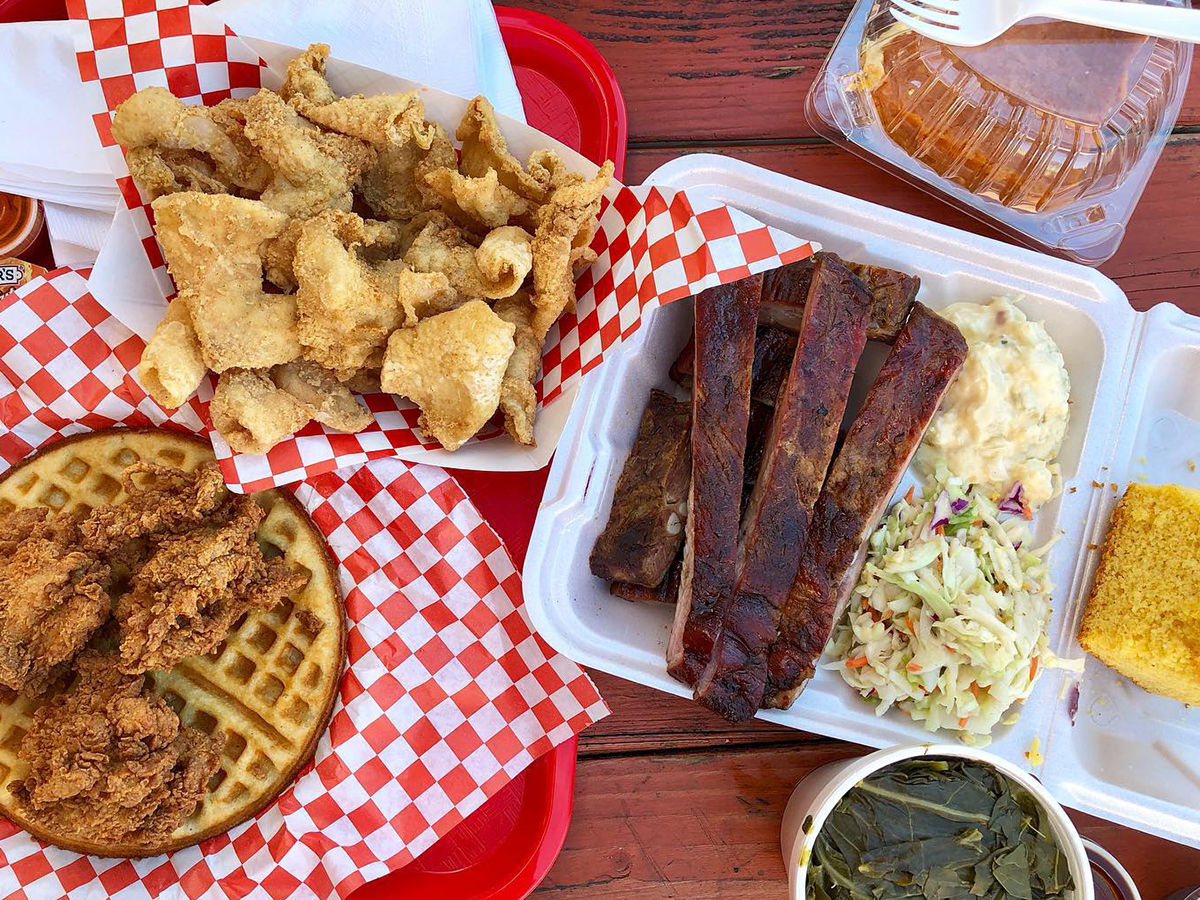
Brad Cooper knows this. He nearly made the wrong call. Right after San Diego banned on-site dining on March 17, he and his daughter shut down their two Lemon Grove restaurants, Coop’s West Texas BBQ and Da Chicken Coop.
“We let everybody go,” he explains. “We said, ‘We don’t want to not be able to pay you guys.’ Then I thought, if we shut down we may not be able to get back open. We’re dealing with meat, and just the costs to restart alone would kill you.”
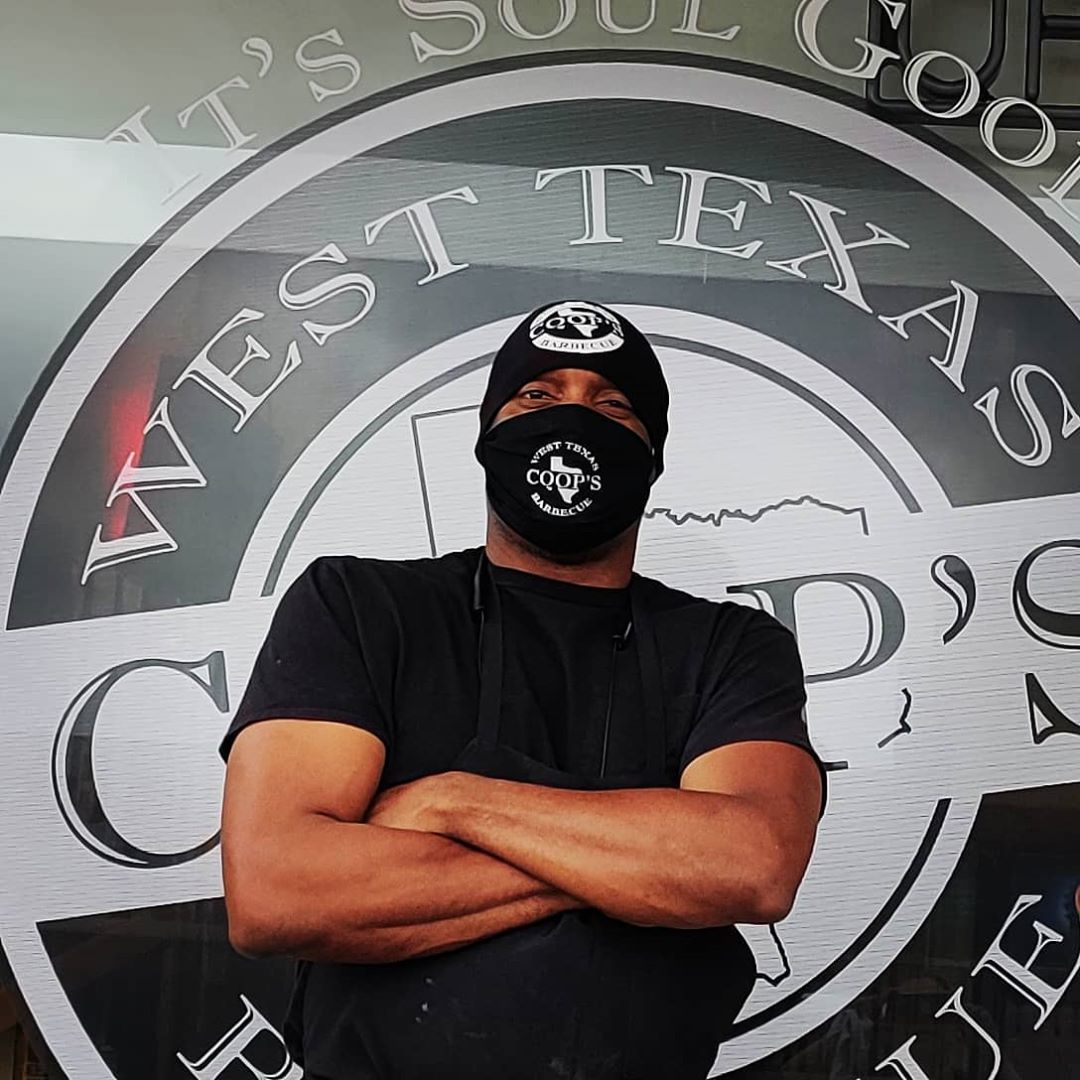
Brad Cooper
Photo courtesy of Coop’s West Texas BBQ
He called his daughter a day later and suggested they strip down the menus and try to stay open—just the two of them.
“We went in the next day and it was probably one of the busiest days we’d had in weeks,” he says, more than a little shock in his voice. “We were sweating, we were moving so fast. We called some of our regular employees and asked them to come back. We haven’t had a slow day since.”
Coop has been one of the most respected barbecue men in town for years. Was it reputation that got him through?
“That’s just God blessing us,” says Cooper, giving full credit to the Bible’s chief market analyst. “We were about to close, and at the last minute…”
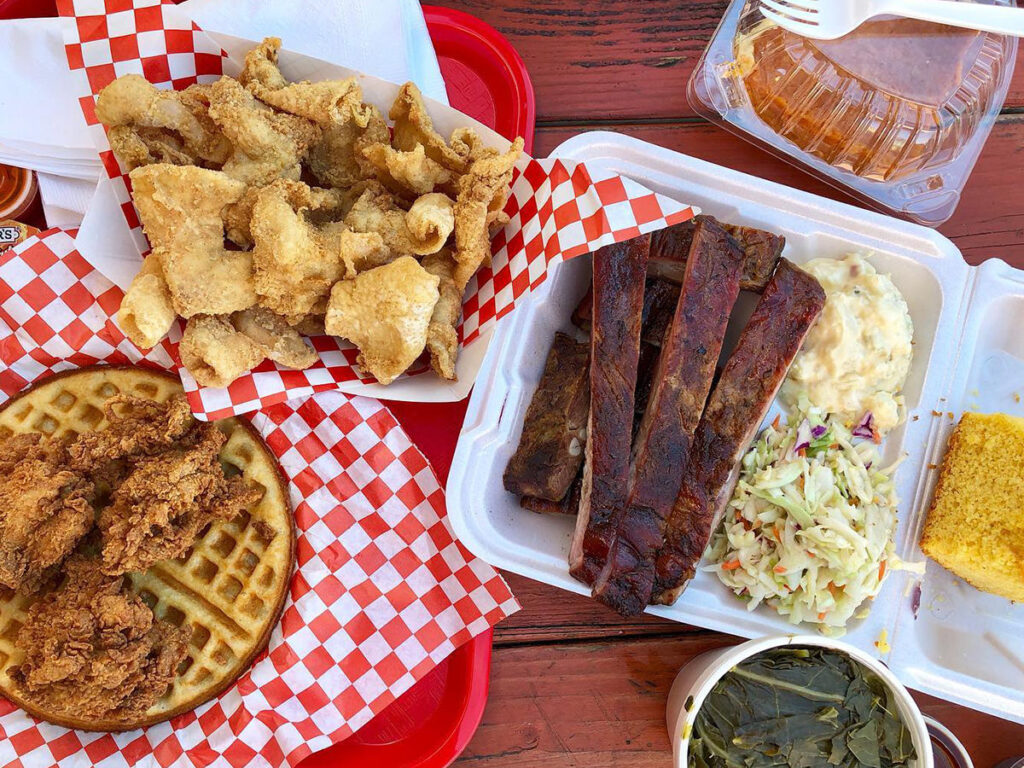
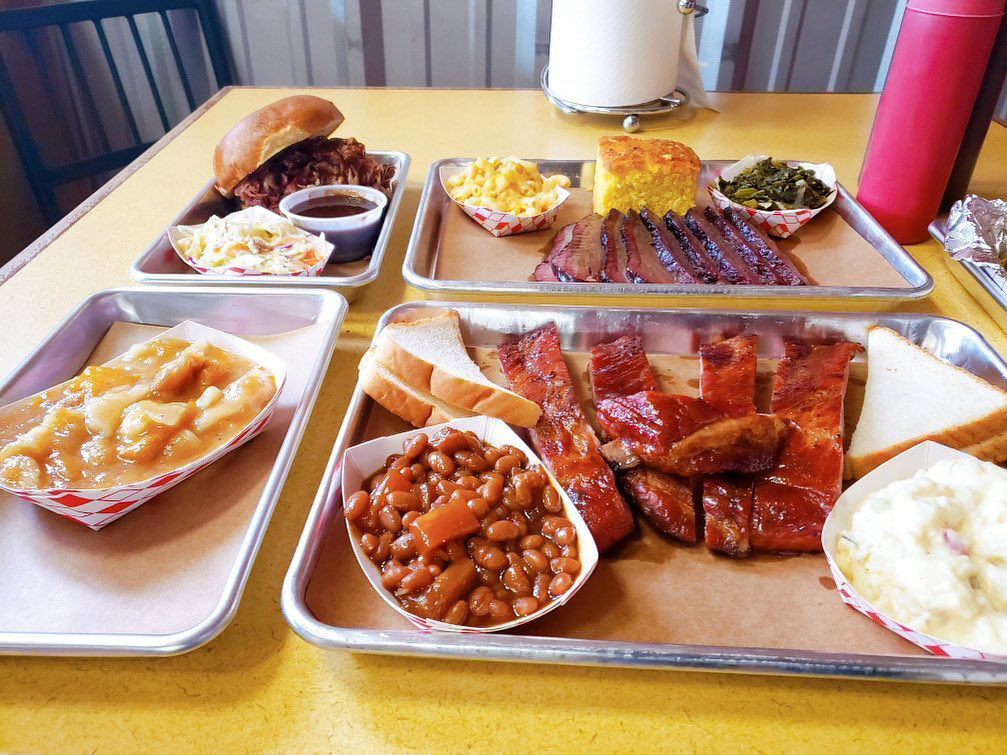
Coop’s West Texas BBQ / Food
Photo courtesy of Coop’s West Texas BBQ
I’ve spoken to local restaurateurs every night since the pandemic started, and one thing that’s clear is that some business models not only did okay during the shutdown, but thrived. The restrictions actually forced them to trim the fat of their operation, streamline their process, dial back some ambitions that weren’t really paying off. “Most of the customers have been very beautiful and understanding,” Cooper says. “One of the biggest compliments we’ve been getting is when people say, ‘Thank you for being open.’ I was just trying to save my business and keep a paycheck coming to my employees. People have been so appreciative, like we’re doing them a service.”
Coop had six tables in his small space. He ditched those. He says he has no interest in putting them back. So in a way, the coronavirus just improved his business model.
Surely there had to be some fallout. I pester him. What about the sauces? There’s always a sauce station for barbecue.
“People were stealing the bottles of barbecue sauces anyway,” he says, unfazed. “Or they’d squeeze a quarter of a bottle on the food and I’d think, ‘Man, that’s really costing us money.”
Coop’s West Texas BBQ / Chicken
Photo courtesy of Coop’s West Texas BBQ
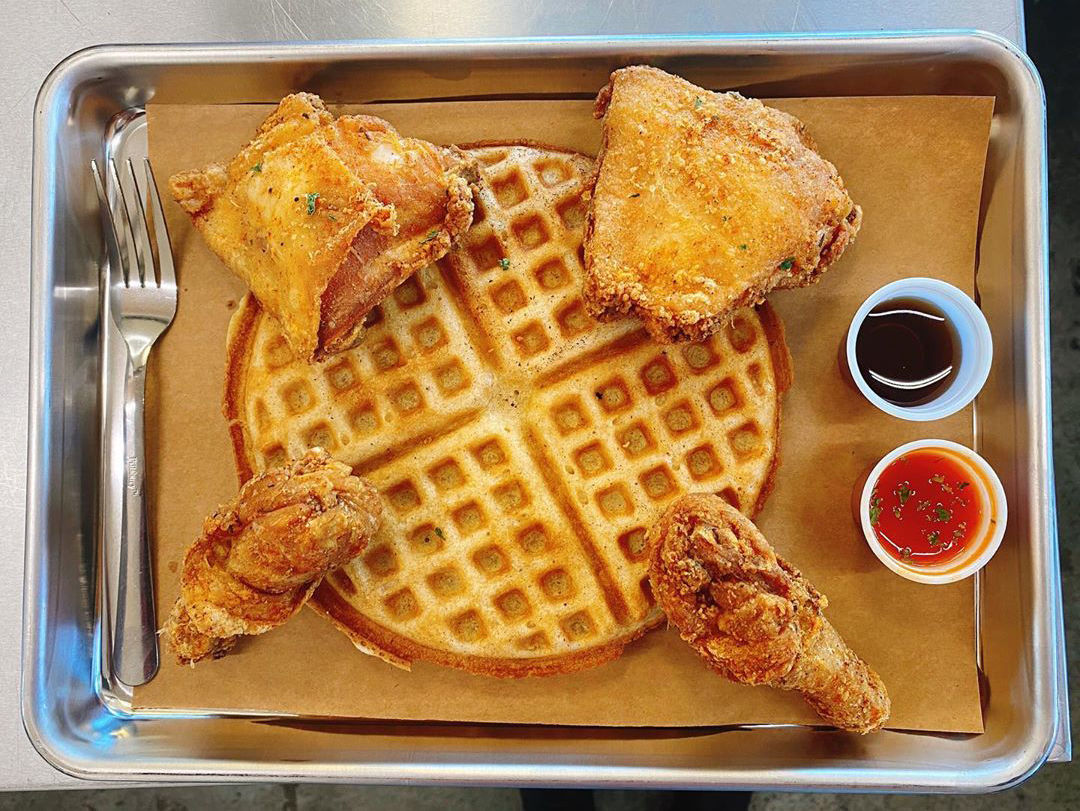
Casual restaurants like Coop’s tend to adapt most easily to the public health restrictions. It helps that their specialty—brisket and ribs and fried chicken—lends itself to being eaten under the sun. The other big advantage is that Da Chicken Coop, which operates across the parking lot from Coop’s West Texas BBQ in the same strip mall, had outdoor seating for customers from both restaurants.
Coop isn’t bragging about his good fortune, or saying that a crisis turned into a boon. But he is glad he second-guessed closing down. That decision—call it instinct or luck or tenacity or God or all of the above—most likely saved one of the city’s prized barbecue spots.
“I thank God I’d made up my mind in December to just go to lunch hours,” he says. “That’s all I wanted to do. Put meat on the pit and serve it until we run out.”
Troy Johnson is the magazine’s award-winning food writer and humorist, and a long-standing expert on Food Network. His work has been featured on NatGeo, Travel Channel, NPR, and in Food Matters, a textbook of the best American food writing.
It started with a grapevine growing over her house in Lemon Grove that threatened to strangle a utility pole. But Noura Bishay didn’t see it as an overgrown pest. She saw it as an opportunity.
“In our culture, we don’t look at grapes as the grape only,” she explains. Her family comes from Cairo, Egypt, where stuffed grape leaves (dolmas) are a common dish in traditional cuisine. What better way to introduce her homeland’s food to friends and neighbors than by taking the bounty of leaves in her own yard and teaching a few classes on how to make dolmas themselves?
It worked immediately. “There were miracles happening around the table,” Bishay marvels.
That success led to an idea, which led to a referral, which led to a $3,000 COOK Alliance grant, which eventually allowed Bishay and her mother Samia Khair to open The Hidden Gazebo Eatery, a microenterprise home kitchen operation (MEHKO) in January.
Courtesy of Hidden Gazebo Eatery
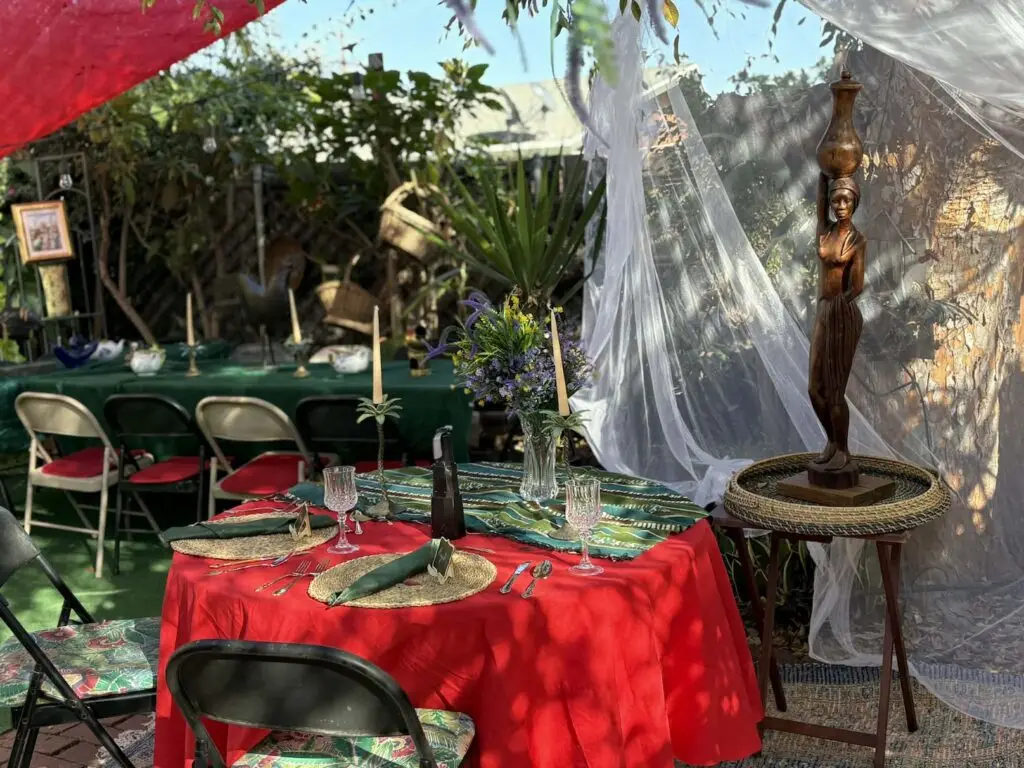
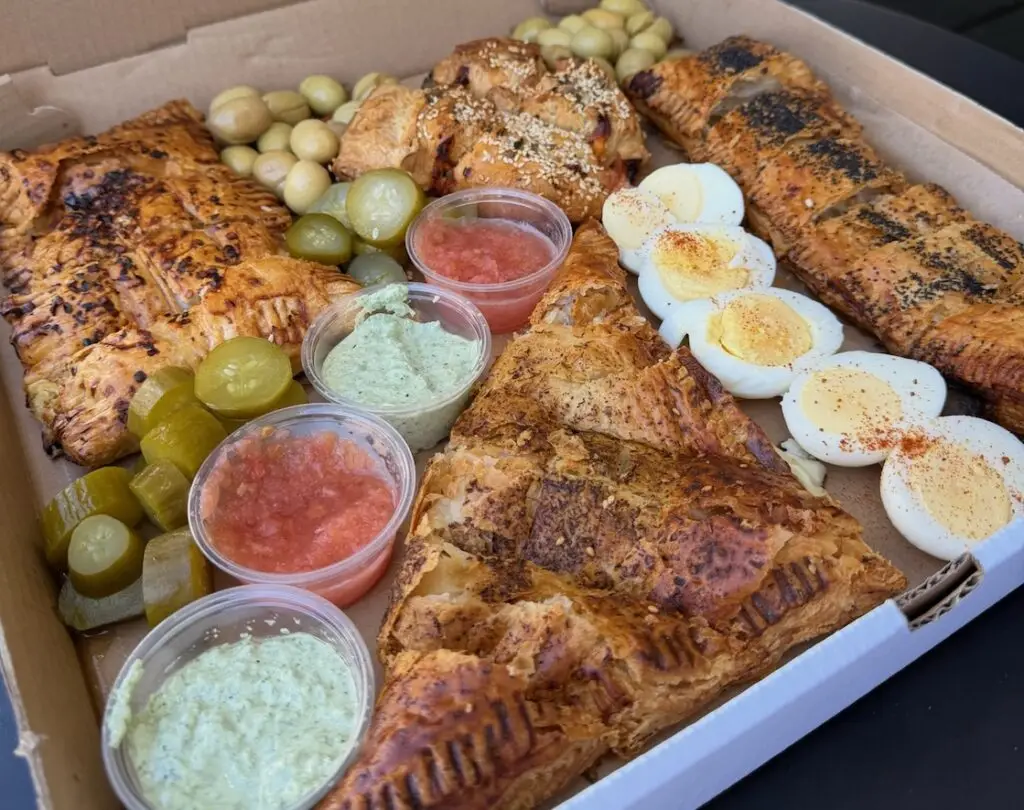
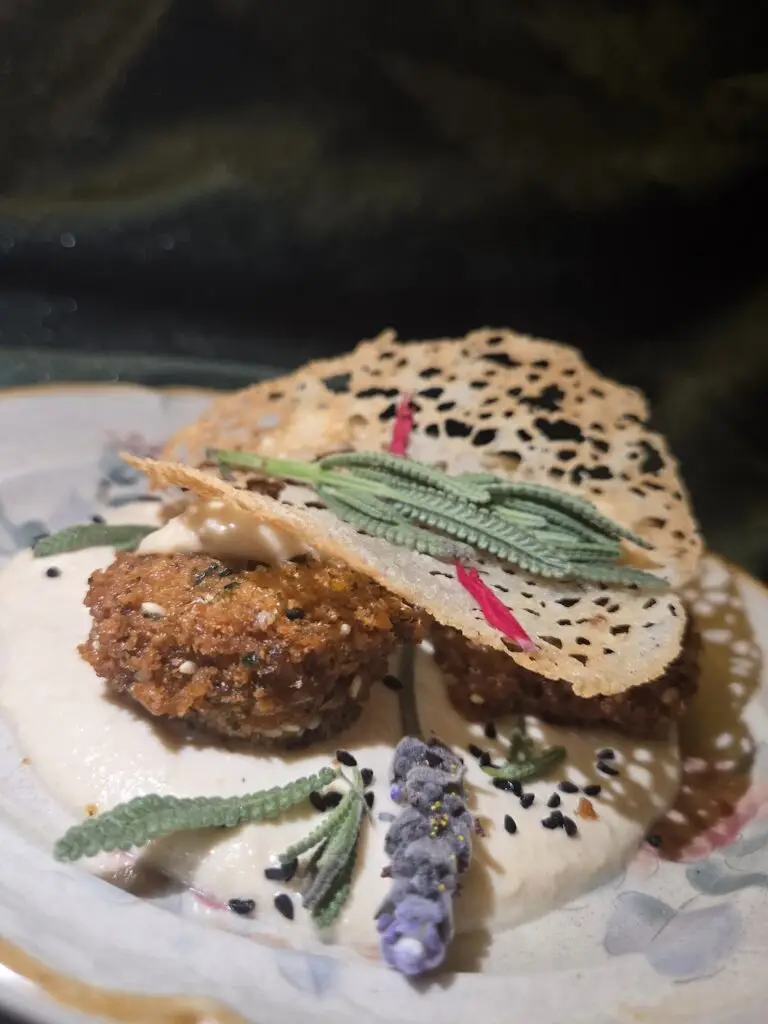
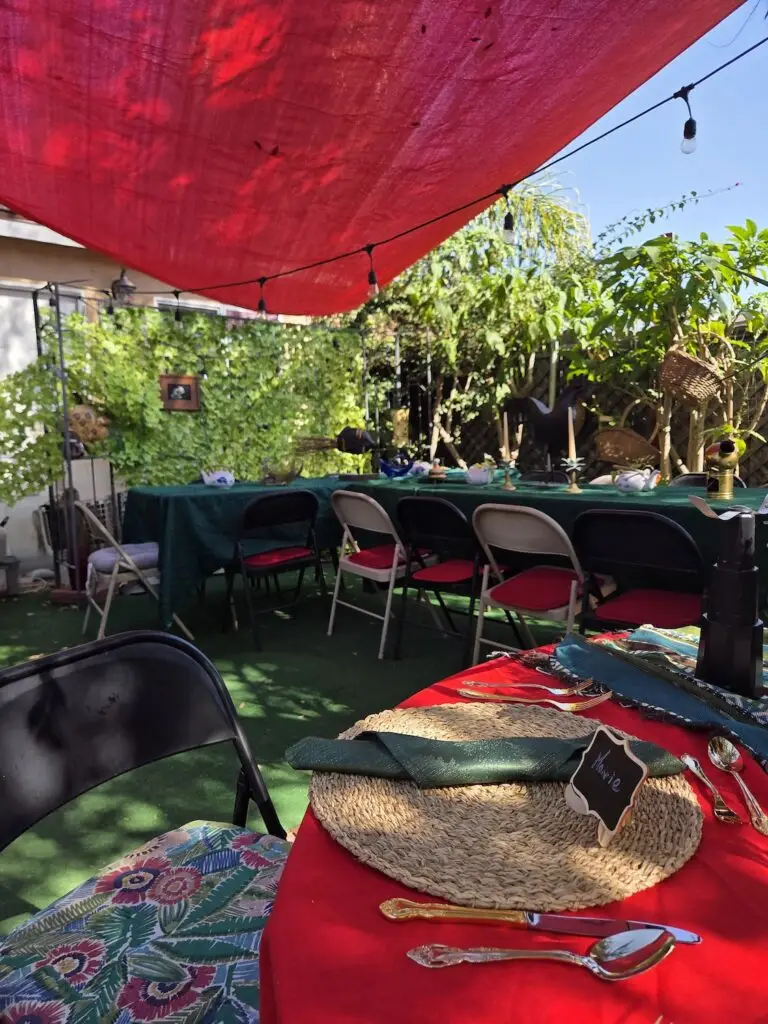
Hidden Gazebo offers a three-hour, seven-course set menu featuring classic Egyptian ingredients like lentils, chickpeas, fava beans, and other legumes; proteins like braised lamb; and microgreens and flower garnishes from Bishay’s garden. “I’d rather use the stuff in my backyard, so I know where it’s coming from,” she says. Whatever’s in season, blooming, and available makes it to the plate.
Back in Egypt, Bishay’s family planted 30,000 olive trees in the desert to cultivate a farm, creating an oasis that brought dozens of family members and friends to their table at any given time. Preparing a buffet feast for 20-plus guests was a regular occurrence, but California law limits MEHKOs to 30 meals a day or 90 meals per week. “It’s very different from our culture to do the seven plates, but for me, it’s like a journey. I’m taking you back to Egypt and bringing you back home,” she explains.
Courtesy of Hidden Gazebo Eatery
In some ways, that’s literal: For the sourdough bites in the first course, called The Pyramid, she claims the starter is 700 years old. (Considering sourdough originated in ancient Egypt around 1,500 B.C.E., I’m inclined to believe her.)
Fava beans are cooked for at least seven hours, then finished with lemon preserves for a splash of acid, drizzled with parsley oil, sprinkled with black sesame and housemade pickles, and garnished with flowers and microgreens from her garden. It’s the history of Egyptian cuisine and home cooking all in one.
For now, Bishay and Khair only offer Hidden Gazebo seatings on weekends, certain special occasions, or by private request during the week. They plan to launch brunch service in April and hope to perhaps expand to a bigger house one day, maybe near the ocean. The current space in the family’s backyard is a garden covered with trees, including the pièce de résistance: a century-old Chinese elm tree with a 50-year-old staghorn fern hanging from it. It’s an entirely different world, and that’s the point, says Bishay. “I tell [guests] to make sure to touch every tree,” she says. “Every tree has a story.”
Reservations for Hidden Gazebo Eatery are available here.
Photo Credit: Salsa Digital
San Diego Restaurant News & Food Events
Beth’s Bites
It’s a reunion of delicious proportions. On April 17, chef Roberto Alcocer of Michelin-starred Valle in Oceanside will host his culinary school compatriot chef Daniel Romero for a one-night dinner featuring the fabulous cuisine of Puebla in central Mexico. Guests can also add an optional tequila pairing from Reserva de la Familia, and can I just say: That sounds a lot more fun than a wine tasting (but that’s just me). I have a feeling this one might get a little lively.
The second annual Taste of La Mesa Village hits the streets of La Mesa on Thursday, April 23, at 5 p.m., featuring over a dozen local restaurants of the up-and-coming East County gem. Sold out? Not to worry—there are still opportunities to volunteer, and the waitlist is open. It seems as though the Jewel of the Hills isn’t quite so sleepy anymore…
Deckman’s North keeps reinventing itself, which seems like a smart move for restaurants that want to stay alive in this tough economy. The latest change is a new “Fire Table,” a two hour, eight-seat, five course chef’s-counter experience around a live oak fire (reminiscent of chef Drew Deckman’s Baja restaurant Deckman’s en El Mogor, which I assume is the point), with (optional) wine from Santa Barbara and Baja California, cold-smoked seafood, grilled veggies, smoked meats, and a slow-cooked main plus a few other fire-kissed surprises along the way.
Listen Now: The Latest in San Diego’s Food and Drink Scene
Have breaking news, exciting scoops, or great stories about new San Diego restaurants or the city’s food scene? Send your pitches to [email protected].
Beth Demmon is an award-winning writer and podcaster whose work regularly appears in national outlets and San Diego Magazine. Her first book, The Beer Lover's Guide to Cider, is now available. Find out more on bethdemmon.com.
It’s a dark day in San Diego, and not just because of the rain. Coop’s West Texas BBQ, one of the county’s original Texas barbecue joints, is closing shop after 13 years.
Coop’s Instagram page announced the news earlier today, days after being mentioned in a praiseworthy feature by barbecue expert Daniel Vaughn in Texas Monthly.
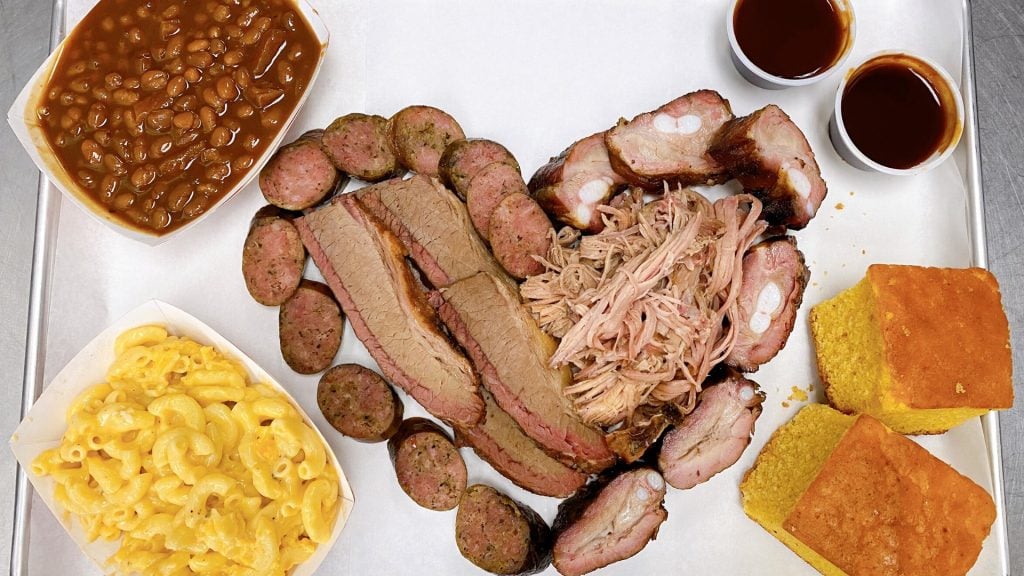
When Brad Cooper, a.k.a. Mr. Coop, opened Coop’s in Lemon Grove in 2010, he mixed Texas’ trademark low-and-slow style with his take on soul food, offering classics like beef brisket and pork ribs alongside Southwest jerk chicken, candied yams, and collard greens. Word of mouth quickly spread—the low-key joint on the south side of Lemon Grove was the place to be.
“A lot of our business was coming from outside of Lemon Grove,” says Cooper. “We consider ourselves a barbecue destination.”
Even when the pandemic wreaked havoc on the hospitality industry, Coop said they were able to stay afloat. But, he says over the past two years, rising inflation and the cost of gas made business untenable. “When gas went up, the cost of food went up, and we saw a drastic decline in business,” he says. “I’m just like, ‘You know what? It’s time to do something different.’”
Coop says it’s not the end—he plans to continue the catering side of Coop’s, as well as offering pop-ups around town to make sure people can get their Coop’s fix. He hopes to partner with local breweries who don’t have kitchens, and encourages anyone interested to contact him. He’s optimistic about the future.
Courtesy of Coop’s West Texas BBQ
“I think I’ve carried myself well enough in this community and represented San Diego well enough that my name will carry,” he says. “Once people know what we’re doing, people will be like ‘Oh man, Coop! Let’s go get it!”
Coop’s West Texas BBQ’s last day in business is Sunday, March 17 from 10 a.m. to 3 p.m. at 2625 Lemon Grove Avenue.
Have breaking news, exciting scoops, or great stories about new San Diego restaurants or the city’s food scene? Send your pitches to [email protected].
Beth Demmon is an award-winning writer and podcaster whose work regularly appears in national outlets and San Diego Magazine. Her first book, The Beer Lover's Guide to Cider, is now available. Find out more on bethdemmon.com.
Midway through my phone conversation with Shannon English, owner of The Delicate Squash, I hear an alarm shrilling in her background.
“Sorry, I’ve got to pull some cookies out of the oven right now!” she apologizes. After a few beats, she picks the phone back up and laughs. “I feel like I’m bouncing around all over the place.”
After hearing her run through a list of her professions and current hobbies, I’d have to agree. English runs The Delicate Squash, a gluten- and dairy-free bakery; teaches cooking demos; pops up at farmers markets; wrote a book of poetry (Deep Water came out this month from Beyond the Veil Press); hosts a monthly open mic night; dipped her toe into ballet; recently joined a running club; volunteers at local farms; and finally, teaches at a play-based, nature-based preschool.
I’m tired just talking to her.
Surprising no one, English seems to have unlimited energy and enthusiasm for all this work, notably in education. Early childhood education is one of the most pivotal times for nurturing lifelong learning, but she also aims to educate the public on how to eat cleaner, feel better, and support your local food systems. She started The Delicate Squash in late 2023 after discovering she has a chronic illness, going through the typical standards of care and even strict elimination diets, to no avail.
Courtesy of Shannon English
“I’m not going to say I found a diet that has ‘cured’ me, but I have found that taking a more mindful approach to a lot of things, including diet, has made symptoms far more manageable for me,” she says.
Even people with dietary restrictions deserve a little treat from time to time, but she had a hard time finding anything that tasted good and made her feel good. Thus, The Delicate Squash was born.
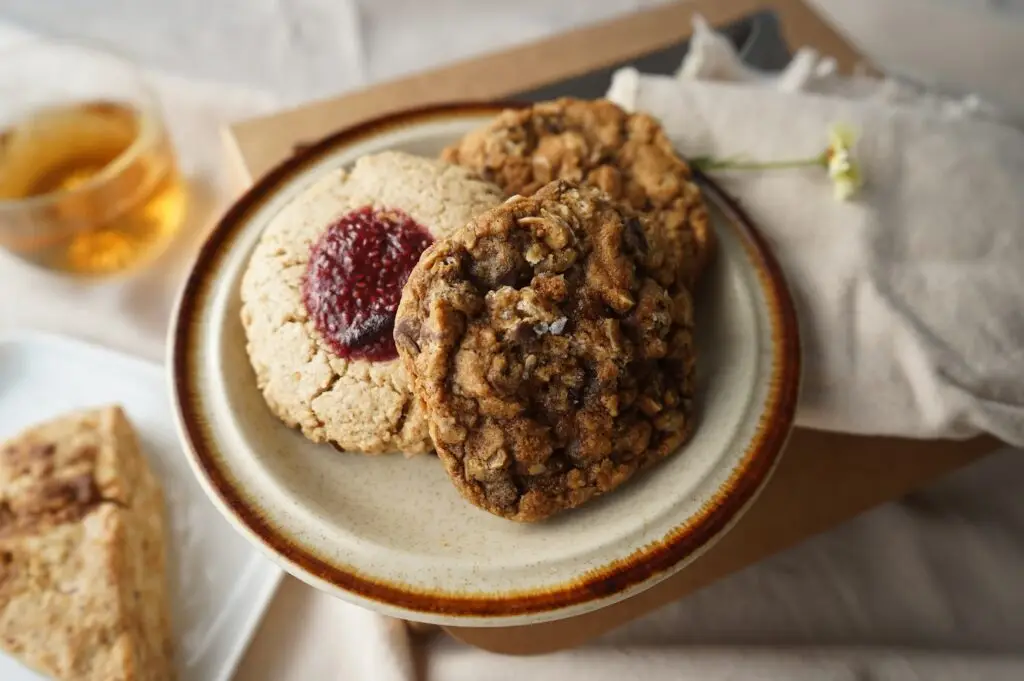
All of her baked goods avoid gluten and dairy, and use natural sweeteners like coconut sugar or maple syrup as well as herbs, fruits, foraged flowers, and other natural flavorings. Her signature cookie, the “Delicate” cookie, is a sea salt dark chocolate cookie that’s soft, a little salty, a little sweet, and made with oatmeal to keep it gluten-free. Other crowd favorites are thumbprint jam cookies with jams made from scratch with change seasonally; breakfast pastries like orange, dark chocolate and cardamom scones; brownies; orange and black sesame banana bread; seasonal pies; and custom and seasonal cakes (currently, the late summer flavor is a dark chocolate coconut milk ganache with berry jam).
English says some people are surprised she can produce such a variety of goods with the dietary restrictions she adheres to. “A lot of feedback I get is ‘I could never do that,’” she says. But if she can do it, she assures me that anyone can. “I like to say ‘practice makes progress, not perfection.’”
Her advice? Focus more on being present than presentation, and don’t be afraid to experiment to keep things interesting. And if that doesn’t work, you can always hit her open mic night to ask for tips.
Escondido is getting in on the listening bar phenomenon. On September 5, musicians Mat Rakers, Kevin Capacia, and Billy Petty will open Plot Armor, a Japanese-style vinyl listening bar that Rakers says they aim to feel “curated and intelligent.”
“Currently, there are not a lot of ‘cool’ spots in Escondido,” he says. Backed by The San Diego Music And Art Company and The Escondido Music And Art Company, Plot Armor will soon offer sake, wine, beer, and soju cocktails, plus Japanese non-alcoholic options and cold brew. Eventually, they’ll add Japanese-inspired snacks, but the focus will be creating a small place (very small—the seating capacity is 20) where vinyl junkies can come listen, linger, and libate.
Courtesy of Fairmont Grand Del Mar
Beth’s Bites
Ocean Beach has a new watering hole. The Jetty opened in July at 4934 Voltaire Street (where Voltaire Beach House used to be), and while I don’t think OBceans were hurting for where to get a drink, the more the merrier.
Chinese restaurant powerhouse Chef Fei is finally making it to the U.S., opening a spot at Westfield UTC mall on September 5. Known for Hunan-style stir fry dishes, it’s often lauded as one of the most consistently solid chains in the world—in fact, in 2018 chef Fei Lianghui took home the highest honor a Chinese chef can earn, the China Golden Chef Award. Again, I don’t think mallgoers were hurting for great places to slurp some noodles, but there’s always room in my heart for more stir fry.
In past years, Fairmont Grand Del Mar didn’t exactly jump to mind when I looked for different Día de Muertos celebrations around San Diego. That changes this year, when the five-star resort will debut its first Día de Muertos celebration on November 1. Michelin-recognized chefs like Javier Plascencia (Erizo, Animalon), Roberto Alcocer (Valle), Drew Deckman (Deckman’s En El Mogor), and more will come from both sides of the border for one night only, with proceeds going to Fundación Tijuana Sin Hambre. Get ready for what will undoubtedly be San Diego’s most upscale take on the Mexican holiday.
Listen Now: The Latest in San Diego’s Food and Drink Scene
Have breaking news, exciting scoops, or great stories about new San Diego restaurants or the city’s food scene? Send your pitches to [email protected].
Beth Demmon is an award-winning writer and podcaster whose work regularly appears in national outlets and San Diego Magazine. Her first book, The Beer Lover's Guide to Cider, is now available. Find out more on bethdemmon.com.
The Best Gym in San Diego Isn’t Really a Gym Anymore
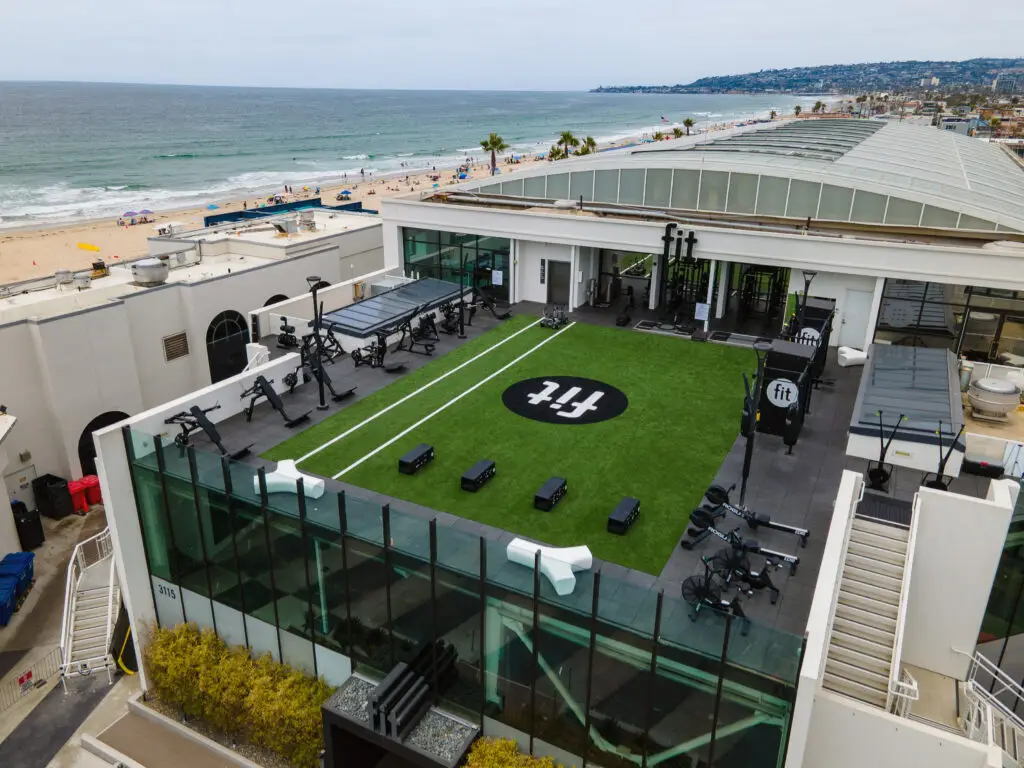
Earlier this year, Fit quietly dropped "athletic" from its brand, from Fit Athletic Clubs to simply Fit, and started calling itself something new: a social wellness club.
There’s a version of San Diego that lives in two extremes. On one side, the 5 a.m. crowd: biohackers, marathoners, people who’ve already logged a cold plunge before your alarm goes off. On the other, the after-dark crowd, the ones chasing sunset happy hours and late dinners with friends. Everyone seems to be either optimizing or unwinding, and most of us feel like we’re failing at both.
Fit, San Diego’s reigning Best Gym for the third year running, has built its entire identity around erasing that divide.
Walk into one of Fit’s three San Diego locations on a Tuesday afternoon and the lines blur fast. Someone’s mid-set on the squat rack. Someone else has a laptop open at a café table a few feet away, half-working, half-people-watching. A group is trading plans for the weekend’s event by the recovery lounge. Nobody’s in a rush to leave.
“We’re not competing for the same people,” says Emily Waybright, Public Relations Manager at Fit, addressing the arrival of a national luxury gym chain in San Diego this year. “We don’t really feel like we’re in the gym category. It’s this unique thing.”
That unique thing has a name now. Earlier this year, Fit quietly dropped “athletic” from its brand, from Fit Athletic Clubs to simply Fit, and started calling itself something new: a social wellness club.
It’s a small wording change with a bigger idea behind it. Fit was never built around escaping the workday. It was built around the people who genuinely like what they do, and who want workouts, work, and friendships to happen in the same place instead of three separate ones. Because sometimes red light therapy with a stranger turns into weekend plans.
Fit’s philosophy traces back to its founder, who started the brand nearly two decades ago after failing to find a gym he actually wanted to belong to. He looked instead to the old-school country club, where people came for a shared interest and stayed for the community. His version was made for a younger generation, minus the golf, plus the loud music.
Which makes it a little ironic that the very award putting Fit back in the spotlight this year is Best Gym.
What does the best traditional gym look like when the definition of a gym is becoming less traditional? It’s a fair question, and Fit’s answer is that the fitness industry itself is shifting. The 45-minutes-in, 45-minutes-out model is giving way to something closer to a genuine third space, the kind of role the office and the bar used to play before remote work and changing nightlife habits rearranged how people spend their time
For Fit, community isn’t a marketing add-on to fitness. It’s the through-line. Members aren’t just paying for a treadmill; they’re paying for an entire day of social wellness that’s built on performance, recovery, connection, and a plan for the next event on the calendar. That’s a much harder membership to walk away from.
Ambition and ease aren’t opposites here, they exist side by side, where passion and play share the same morning. On September 12, Fit is hosting Sol, a full day wellness festival at Fit Social. The morning focuses on wellness classes and vendors and then the evening is a full party with multiple DJ sets and an open bar. Think of it as a kick-off to locals’ summer in San Diego.
Ready to see what a social wellness club actually looks like? Visit fitclubs.com, or follow along at @thefitclubs on Instagram.
Basque grandmothers have not been making it for centuries. If you’re a millennial, there’s a strong possibility you’re older than the dessert itself. Yet somehow in less than 40 years, the Basque cheesecake—a half-pudding, half-cake creation with a top that looks like a mistake—managed to ooze its way onto menus all over the world.
It became the undisputed dessert star of San Diego’s restaurant world this year. So we invited 19 of the top restaurants, pastry chefs, and bakers to bring their best to the San Diego Magazine office for a blind taste test to find the best in the city.
First, a little history and context.
In 1987, after failing to find a job as an electrician, Santiago Rivera started working as a bartender at his parents’ unassuming pintxo bar La Viña, in San Sebastián, Spain. He was a naturally curious, self-taught cook who spent his free time testing recipes, tinkering with ingredients, and tweaking techniques.
So when it came to the cheesecake—which hadn’t changed much since its invention (a rudimentary version was served at the first Olympics in Greece 4,000 years ago, and the modern New York version in 1872)—he got radical with it.
He removed the crust (partly just to speed up the process because time is money for a small business). Without the crumbly crust, the experience was far creamier, less granulated. Then he cranked the oven to 400 degrees, nearly 100 degrees hotter than the normal baking temperature.
The result? The top became deeply caramelized, almost burnt, while leaving the center luxuriously soft and loosely set. The restaurant became a legend because of this breakthrough in the dairy arts, and his father never let him stop making it after that.
Now, 67 years after the restaurant’s opening, La Viña stands out for the unceasing line spilling onto the street, and the remarkable amount of curd cultists standing nearby, hovering over cream-smeared plastic containers. It’s the kind of scene that makes you stop and think: What the hell are they eating?
Now, the blind tasting. To keep things fair, the contenders were divided into four categories: Restaurant Traditional, Restaurant Flavored, Bakery Traditional, and Bakery Flavored. (It’s a tad unfair to pit a baker who specializes in the one glorious thing against a restaurant that cooks dozens of things.) Each entry was served blind and judged on texture, flavor, and number of vaguely inappropriate food moans.
The logistics were chaotic, to say the least. Our fridge—not a walk-in, sadly—was packed to the brim. Each cake was sliced, secretly labeled, and shuffled onto plates while the team gathered in the conference room. The whole shebang was not in any way sponsored by Lactaid, despite our various attempts to convince them of this ripe marketing opportunity.
The judging became gloriously unhinged. We heard it all, from “I don’t care how the cheesecake gets in my mouth, it just needs to happen,” and “Is it supposed to be this jiggly?” to “Kind of a baby throw-up situation,” “Straight cheese,” and “I’m getting vague socks there.”
But four Basque cheesecakes stood out among the rest, earning themselves the title of Best Burnt Basque Cheesecake in San Diego.
Courtesy of Mesa Agricola
Restaurant: Traditional
Mesa Agricola
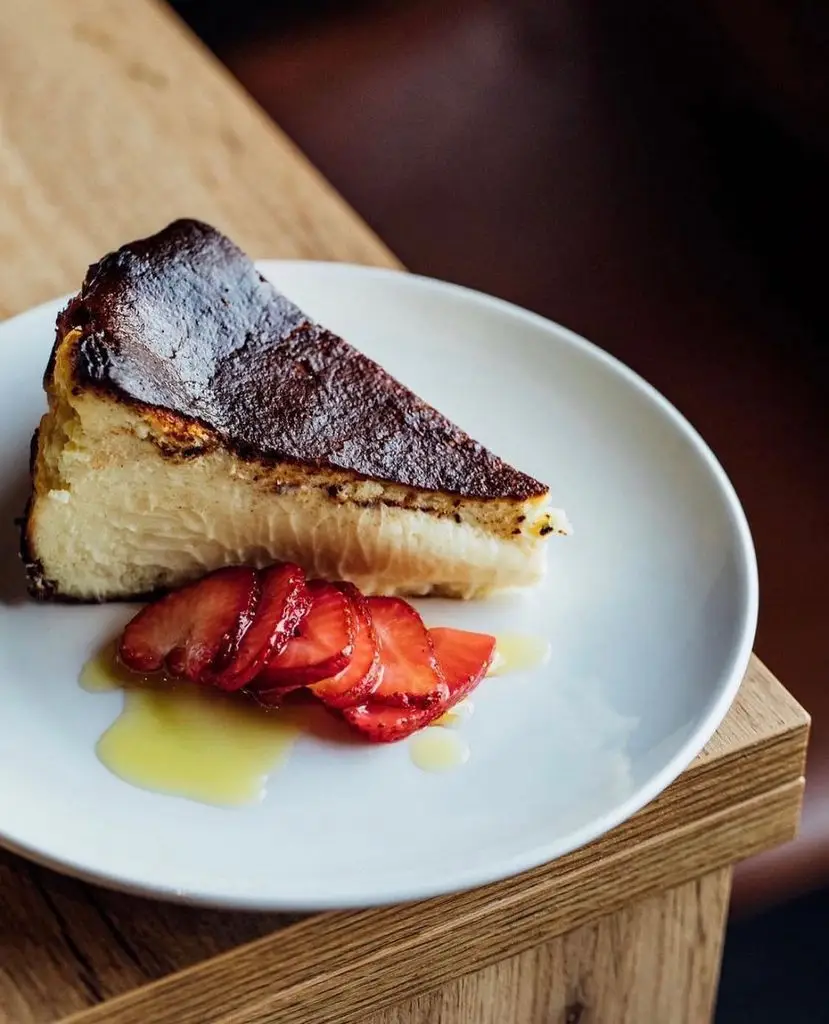
A restaurant for the people. Rosarito native chef Juan González and Megan Strom are the ideal married couple to be running a farm-to-table joint. She’s been a farmer for decades, selling top-notch produce to some of the best restaurants in California—which is how the two met. A couple years ago, she started working at the small organic farm in Valley Center run by Mike Reeske, who had spent decades breeding the perfect heirloom beans for SoCal’s climate. He recently retired, and gifted those strains to Strom—who grows them (and other crops) for their tiny Escondido taco/burrito shop specializing in guisados (Mexican stews).
A Basque cheesecake in a taco shop? You bet. Juan’s got family roots in Spain and has cooked in Spanish kitchens.
Mesa Agricola’s winning Basque is by far the most “burnt” of all contenders—so much so that an Instagram follower declared it a mistake. But as Chef Juan notes, there’s an art to hitting the sweet spot where “the bitterness of the char balances the richness and sweetness without turning it into ‘chicharrón.’” Plus, char is a core charm of Baja cooking. It’s the perfect Basque for the people who prefer setting their campfire marshmallows fully on fire.
Photo Credit: Casiel Sanchez
Restaurant: Flavored
Moe’s Steakhouse
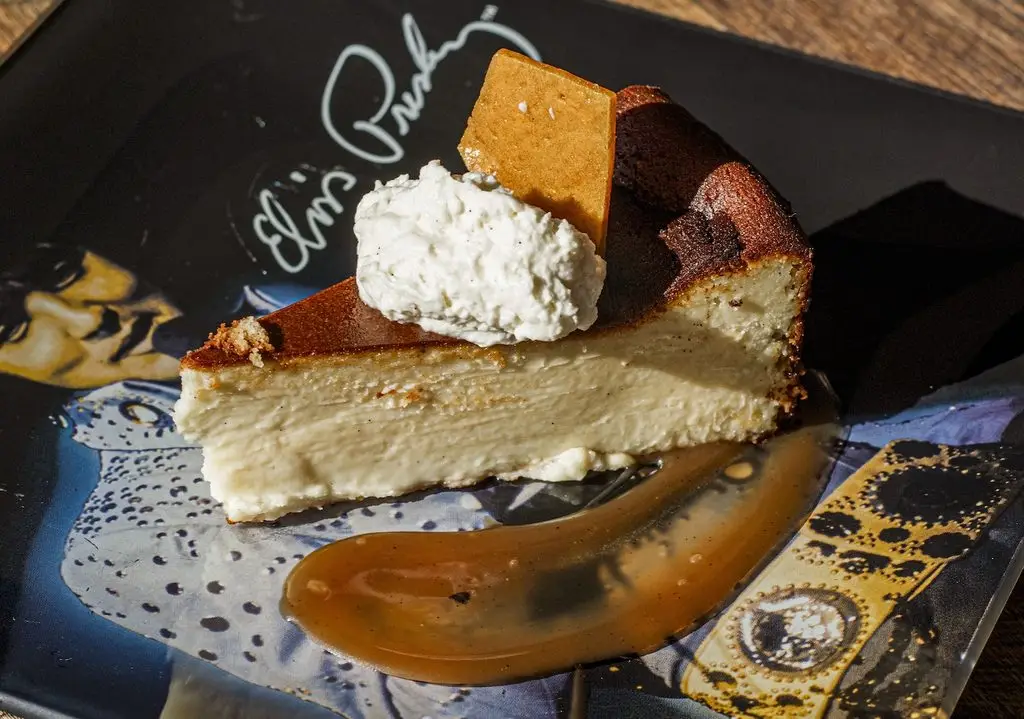
With red leather booths and a retro steakhouse vibe, Moe’s in Mission Beach is a good cheat day destination. The menu is flavor maximalism—dry-aged steaks, housemade pastas, brown liquors, and sides like the lobster truffle mac ’n’ cheese. Pastry chef Eli Peralta (whom some might remember as the creator of The Patio on Lamont’s “Twisted Elvis”—a peanut butter-banana brûlée stunner) brings that same intensity to the dessert menu.
Baked at sister restaurant Molly’s (6 feet away), his Basque is served on a bed of caramel with walnut brittle and a dollop of whipped cream, an indulgent recipe that converted the pastry chef himself. “I wasn’t crazy about cheesecakes,” Eli admits. “Then I started making different flavors, and I started to like them.” He’s not the only convert: During our blind tasting, one judge likened the cake to crème brûlée, concluding, “I don’t even like crème brûlée, but I like this.”
Courtesy of Muse Cheesecakes & Bakery
Bakery: Traditional
Muse Cheesecakes & Bakery
Every creative pursuit starts with a muse—and Lada Sadovnyk’s has been the Basque cheesecake for years. In Ukraine, she baked them for friends and family gatherings, never imagining she would one day build an entire bakery around them in the US. “When we moved to San Diego,” she explains, “I kept thinking, ‘What can I do? What do I really love to do?’”
The answer is pretty fantastic.
After obsessing over proportion and techniques, chasing that molten center and deeply caramelized top, what began as an online recipe evolved into something entirely of her own.
She moved from her home kitchen to a rented commercial kitchen close to Sports Arena. The orders kept coming, and so did the pressure. “At one point, I was thinking about divorcing my husband,” she says with a laugh (while sitting next to him). The grind paid off: Today, Muse Cheesecakes bakes roughly 1,200 cheesecakes a month and is planning to open its first brick-and-mortar home in Pacific Beach.
For our competition, the expectations met reality. Muse has made a quick name in San Diego as the Basque to beat. In a blind taste test, there’s no bias, no reputational shine to sway a room. The response on reveal: “Oh, of course.”
Photo Credit: Casiel Sanchez
Bakery: Flavored
Bite Cheesecakes & Bakery
Husband-and-wife duo Alex and Anastasia Kiperband pulled off the number of failures (and then some) that are required of any search for the best recipe. After adjusting baking temps, sugar rations, and experimenting with different brands of cream cheese and heavy cream—they finally landed on something worthy of a business license.
“When we started this business in America, we were really nervous,” Anastasia says, co-owner of Bite Cheesecakes & Bakery.
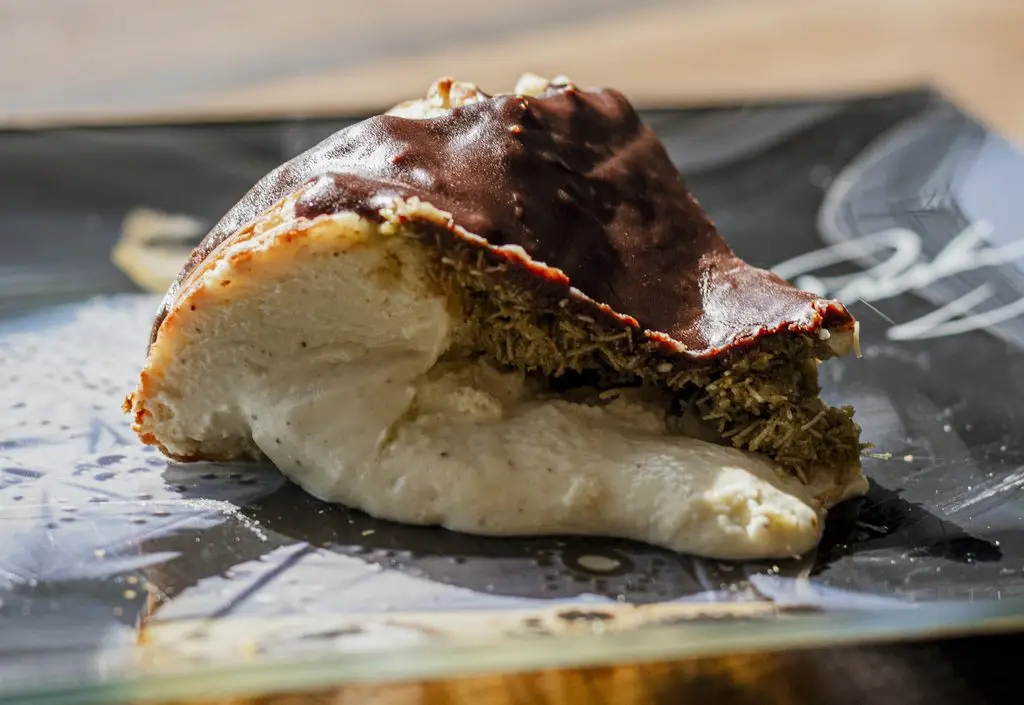
Once they won over those first customers, their confidence grew enough to start tinkering. When Dubai chocolate took social media by storm, they developed their own version, making the pistachio paste from scratch before layering the buttery kataifi pastry beneath a glossy chocolate shell to create its signature Dubai Chocolate Basque Cheesecake.
“In a lot of situations, we’re converting cheesecake haters to cheesecake lovers,” they say. “That’s probably the best feedback that we get.”
Camila Ibarra Gallego is a CaliBaja native pursuing a master's degree in culinary journalism at the Basque Culinary Center. Shaped by the culturally rich, bicultural megaregion, she's passionate about sniffing out stories that connect people, territory and culture through food. When she's not tumbling down internet rabbit holes, you can find her pretending to be a wine connoisseur at a local wine bar or nose-deep in a good book.
There aren’t many places left in San Diego with a lack of specialty coffee options. This week, we can add La Jolla Shores to that list—Casa Del Lobo has arrived. Life-and-business partners Christine Silver and Saul Moreno came to San Diego the same route so many of us have: coming for vacation and falling in love with the city and each other.
Silver was working on Wall Street in New York City and decided to visit some friends in SoCal after the pandemic clouds lifted. Moreno happened to be visiting from Mexico City at the same time. The two met, moved here, got married, had a baby, and thought, “Hey, why not start our own business?”
Apparently, their whirlwind lives needed more windy whirls. (Windy whirls? They like to stay busy.) Casa Del Lobo isn’t either of their first rodeos, although it’s both of their first forays into the coffee space. “We’re both serial entrepreneurs,” laughs Silver. She runs a venture capital business that invests in women-owned wellness companies, and he runs his own logistics company out of Mexico City. “We keep saying, ‘Oh, it’s the last time we’ll start a business. Then all of a sudden, a year or two later, we can’t help ourselves.’”
The idea to open Casa Del Lobo initially started when the pair began decorating their house in Windansea. After looking for large-scale ceramic planters and outdoor fountains that met their quality expectations without egregious price tags (something Moreno was used to seeing in Mexico), they realized there simply weren’t any comparable options here.
So rather than continuing to drive over the border to go shopping, they decided to bring Mexican ceramic style to San Diego.
The partners now run a manufacturing facility in Tecate, specializing in large-format ceramics and specialty glazes. As they sought out potential locations to open a planter store, they realized they could go one of two routes. One, get a warehouse in an industrial area and rely on marketing to get the word out. Or two, they could diversify by opening a homey retail store where people have to walk through the shop area to get a cup of specialty coffee.
They went with option two, and coffee quickly became their primary objective.
“My husband and I, we love coffee,” she says, adding that whenever they go on vacation, no matter where they are in the world, figuring out where to get a java fix every day is their number one goal. (Side note: I can strongly relate.) Mexico City coffee and design culture lean heavily urban and industrial in feel, mixing both an Old World architecture with modern sensibilities—something Silver says they felt was missing locally, specifically in La Jolla Shores.
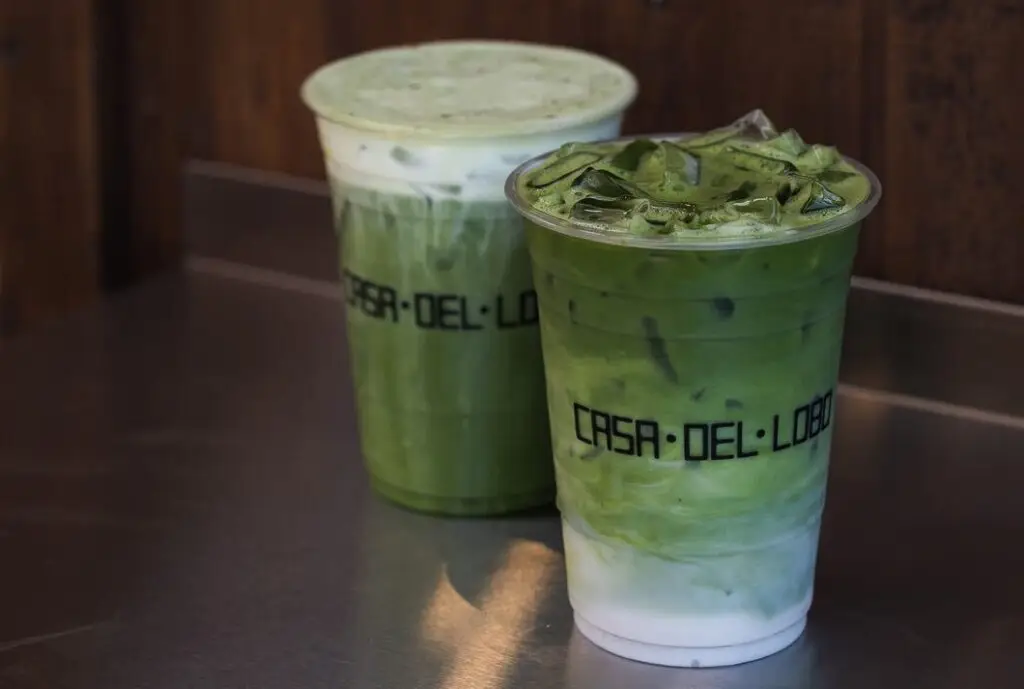
Casa Del Lobo, which translates to “house of the wolf” in Spanish, soft opened this week, with traditional coffee offerings like lattes, cappuccinos, and Americanos, along with four housemade syrups that will change seasonally (currently, they are vanilla, lavender, orange blossom, and brown sugar cinnamon). For now, the food is simple pastries from Knead Artisan Bakery, but Silver says they plan to add more options like breakfast burritos, paninis, and natural wine in the future. Eventually, customers will also be able to purchase their signature ceramics online, and one day, they may open more locations along the California coast.
But for now, they’re just getting started in La Jolla. “We’ll be here forever,” says Silver. “We want this to be the first of many.”
Casa Del Lobois now open at 2246 Avenida de la Playa every Tuesday through Sunday, 7 a.m. to 1 p.m.
Beth Demmon is an award-winning writer and podcaster whose work regularly appears in national outlets and San Diego Magazine. Her first book, The Beer Lover's Guide to Cider, is now available. Find out more on bethdemmon.com.
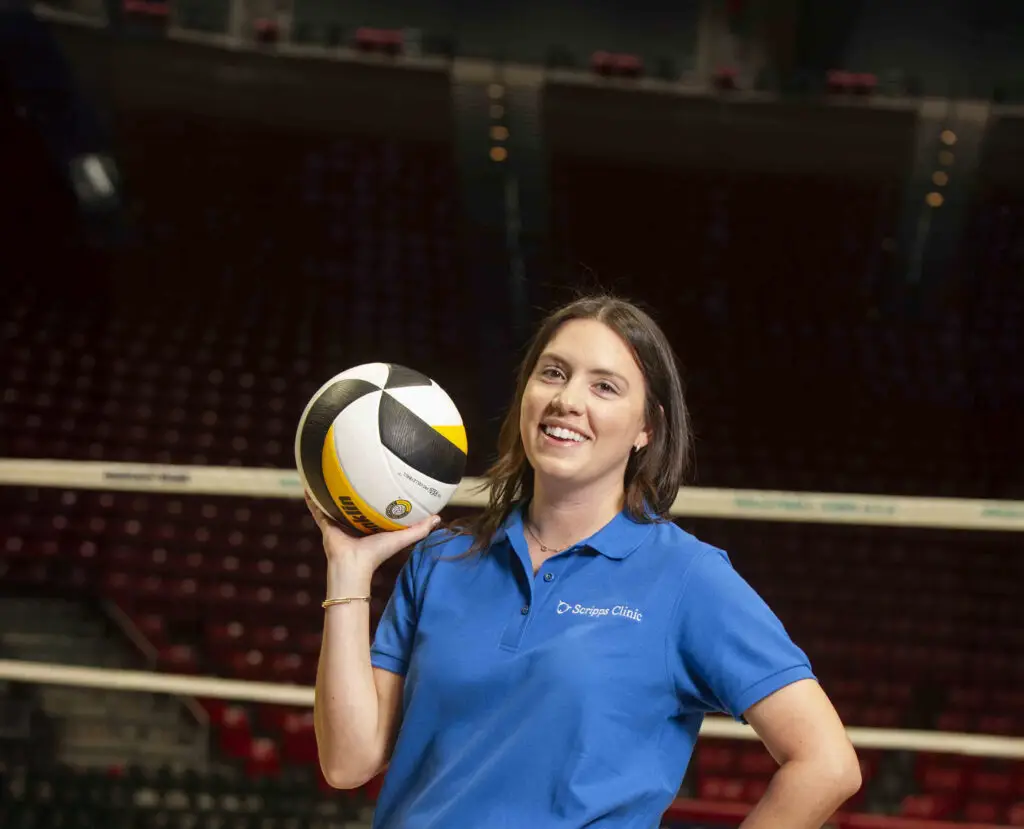
Growing up, Laika Nur, MD, Scripps Clinic sports medicine specialist, loved watching beach volleyball when the Association of Volleyball Professionals tour came to her hometown of Chicago. A talented volleyball player herself, she remembers sitting in the stands all day, and once, even got a couple autographs. Years later, Dr. Nur was attending a professional event focused on women’s sports, and the discussion turned to a new professional women’s volleyball league. The general manager and coaching staff for San Diego’s team, the Mojo, happened to be in attendance, and Dr. Nur took the opportunity to ask them if they needed a team doctor. Flash forward to the Mojo’s inaugural 2024 season, when Dr. Nur officially became the team physician. Click here to read more about Dr. Nur and how she incorporates lessons she learned on the court into her practice.
For more nutrition, wellness, and healthy living tips, sign up for the San Diego Health newsletter here.