Featured articles
Food & Drink
Food & Drink
Features
Featured articles
Everything SD
Things to Do
Things to Do
Featured articles
Things to Do
Things to Do
Food & Drink
Featured articles
podcast-ep
podcast-ep
podcast-ep
Featured articles
Food & Drink
Features
Food & Drink
Featured articles
Everything SD
Food & Drink
Partner content
Ready to know more about San Diego?
SubscribeReady to know more about San Diego?
Cohn Restaurant Group's big Hillcrest idea, including S.D.'s first non-profit taco shop
Reinvention has never been more necessary in the restaurant world. Used to be you only had to come up with a good concept, and diners would be very comfortable patronizing it for a couple decades. Now the cult of new is driving every American experience—from retail to restaurants to tech to dating. Diners used to find “their spot” and go back again and again until they got a plaque on a seat somewhere. Now the new “regular spot” is whatever spot is new.
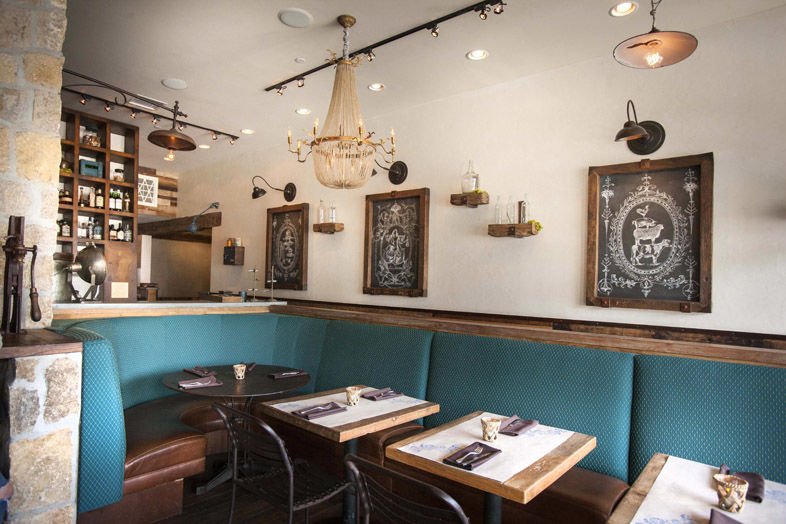
Not saying the need for renewal was what drove Cohn Restaurant Group (CRG) to re-brand 100 Wines in Hillcrest, but re-brand they have. And ambitiously. With the help of their designer Philippe Beltran, the spot (1027 University Ave.) has been recast in three different ways. It almost echoes the multi-concept trend diners have come to love at places like Eataly (New York) or Liberty Public Market (Point Loma).
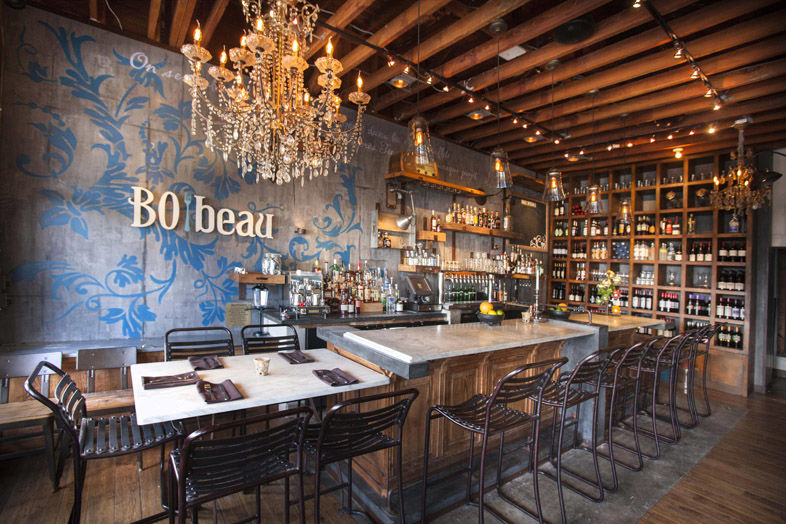
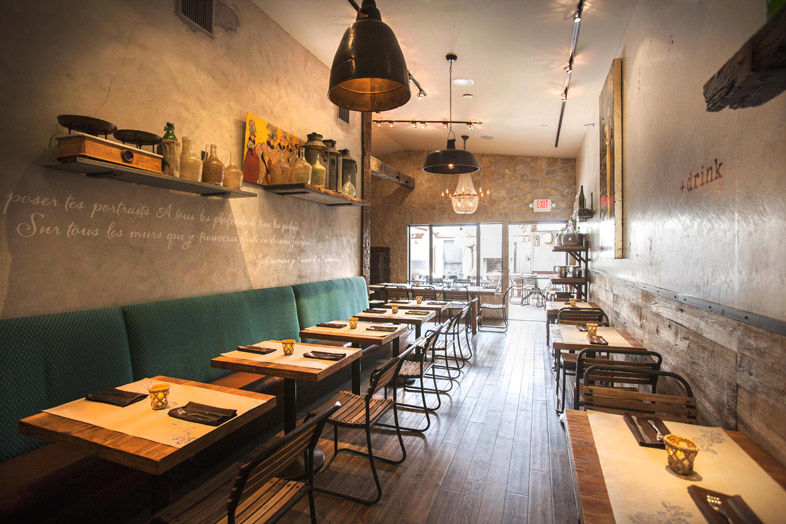
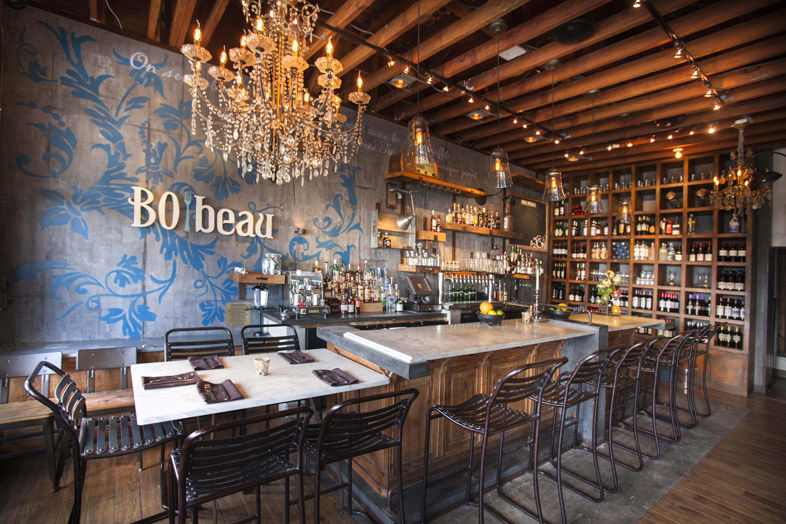
The first part of the reinvention isn’t new, per se. It’s arguably CRG’s most beloved concept, Bo-Beau Kitchen, a California-French bistro built on knock-out brussels sprouts and sepia-toned mood lighting. It’s next door where CRG is really spreading its wings.
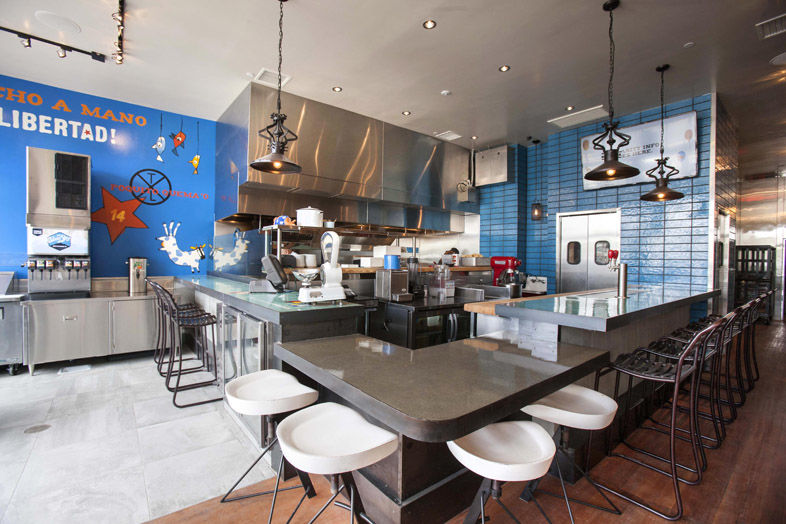
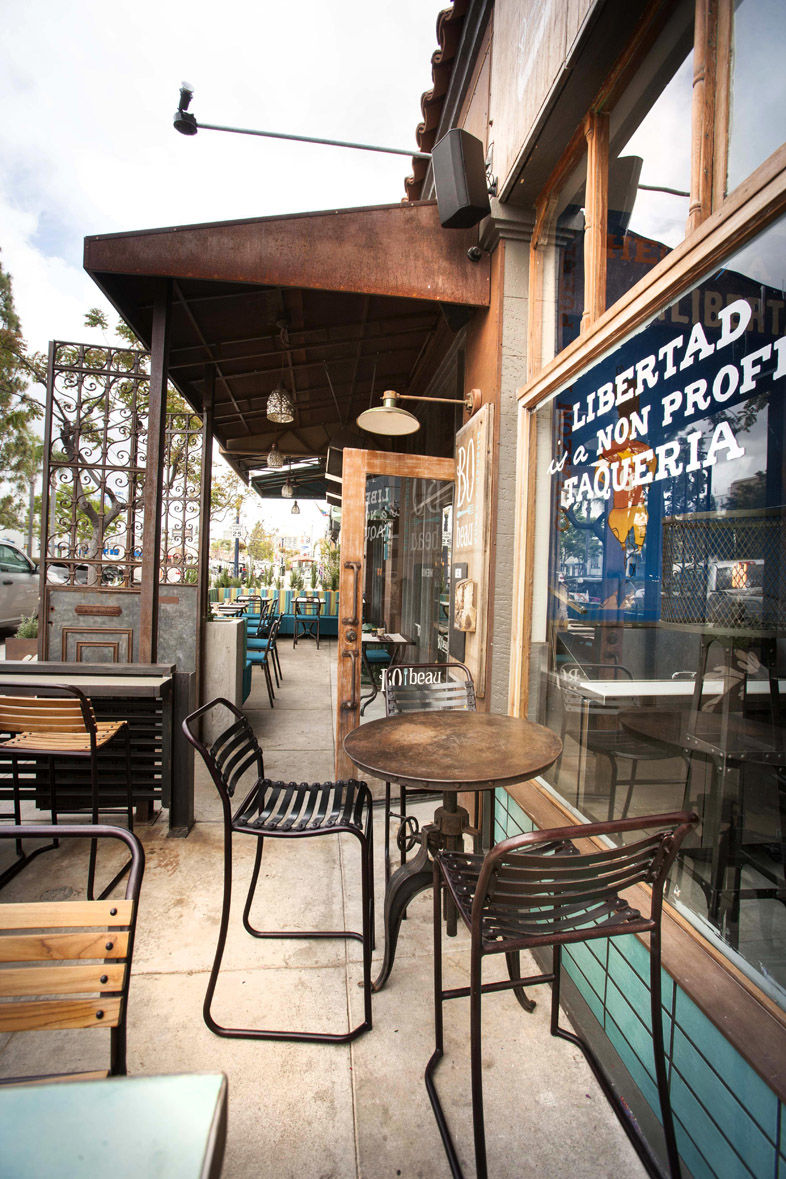
The major news is Libertad, San Diego’s first not-for-profit taco shop. The joke, of course, knowing the industry’s notoriously small margins, is: Aren’t all restaurants non-profits?
The for-charity restaurant is actually a trend that’s been slowly emerging across America, from Portland’s Oregon Public House to Troop Café in Milwaukee. At Libertad, 100 percent of the profits will go to charities. An advisory committee of five San Diegans will choose the charities, which will rotate every month. No advisory committee members will be part of CRG, and CRG will not have a role in choosing the charities. Even if Tacos Libertad loses money, CRG is guaranteeing at least $3,000 to that charity. When it comes to “profits,” CRG is just accounting day-to-day operations of the restaurant (food costs, employee wages, etc.) before paying out the charities. They’re not trying to recoup any of the build-out costs, cost of home office support or marketing from CRG, or designer Philippe Beltran’s work.
Seems to be a big win-win for Hillcrest and CRG. The company is accepting applications from charities online. If chosen, the charities are encouraged to promote in every which way they can, naturally, and sell as many tacos as they can. The customers buying a taco benefit from giving back and getting a meal. The Cohns have lived in Hillcrest for years, so they’re giving back to their own neighborhood. And as these charities promote and drive traffic every month, Libertad customers will no doubt see Bo-Beau Hillcrest. They may even decide to get a drink at the third part of this remodel—a “speakeasy” called caché.
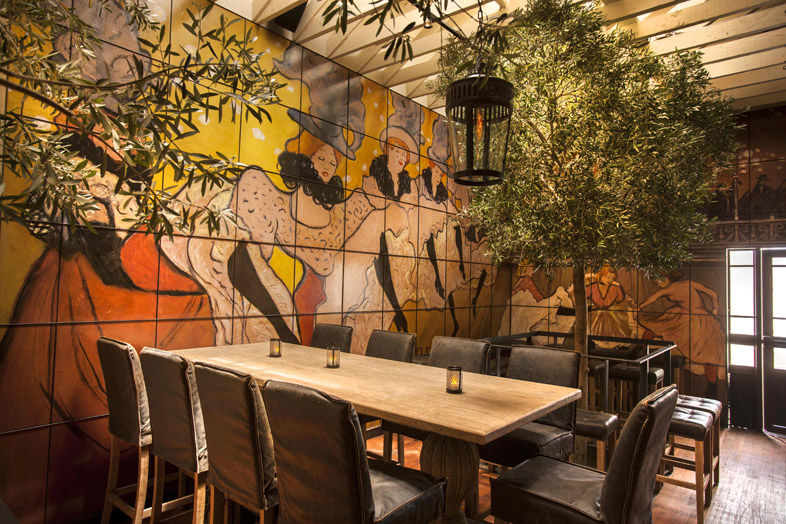
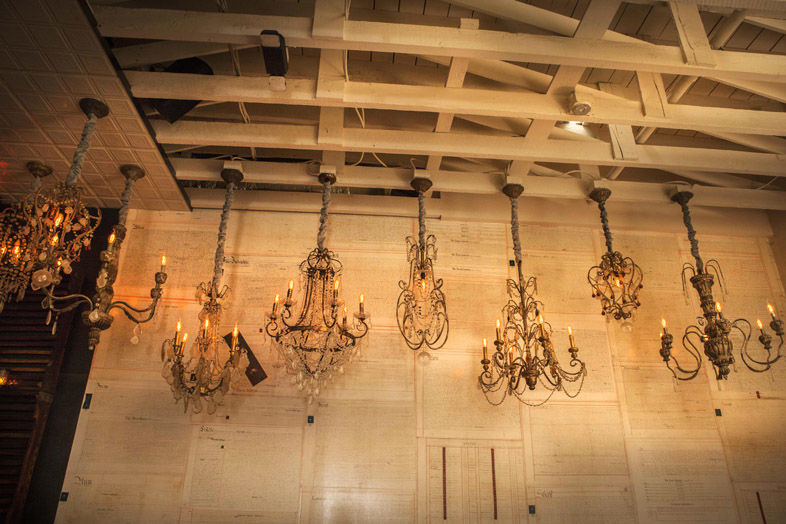
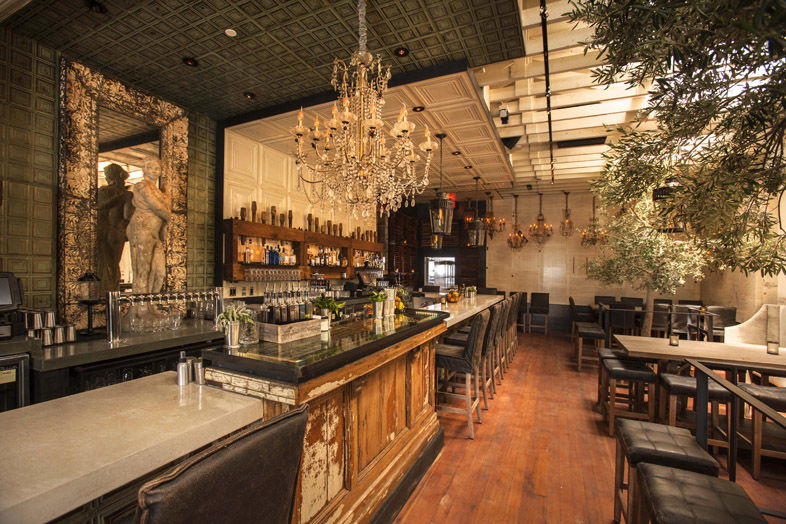
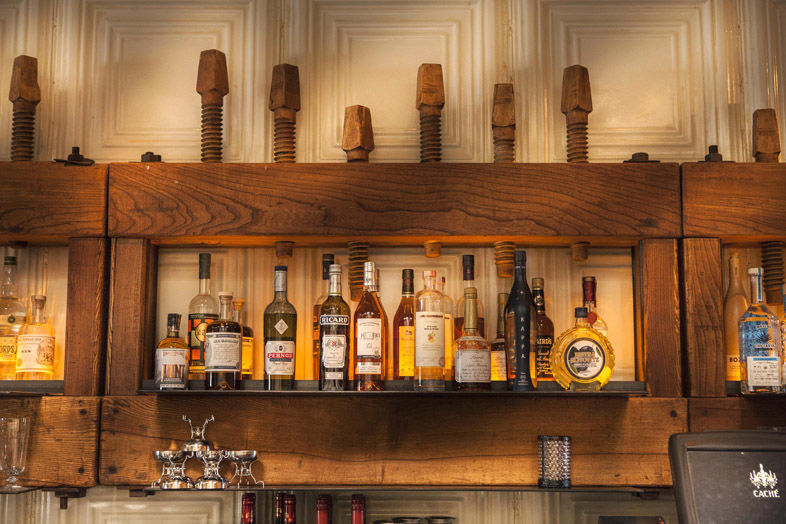
Caché will be a small, 19th century-inspired Parisian craft cocktail and wine bar hidden behind Libertad, with vintage chandeliers, a Toulouse Lautrec-era mural, wax paper-lined walls, living trees, etc.
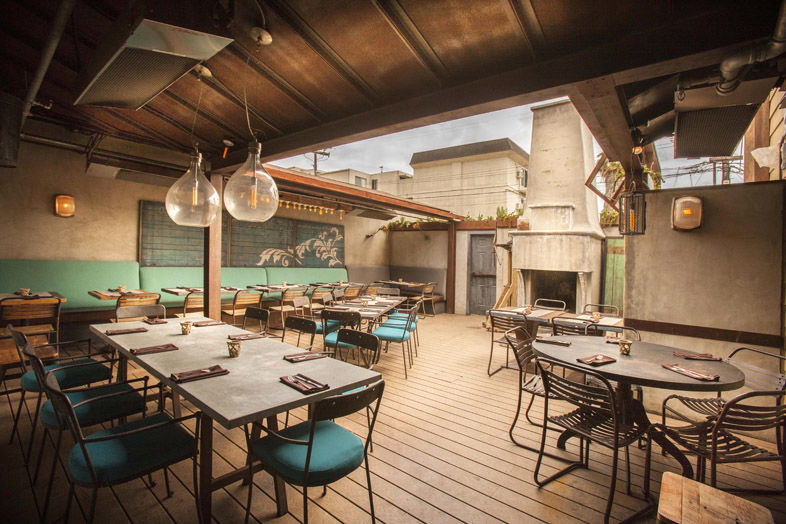
Enough with the talk. The concepts open doors in Hillcrest this week. Take a look at the first known photos in the universe.
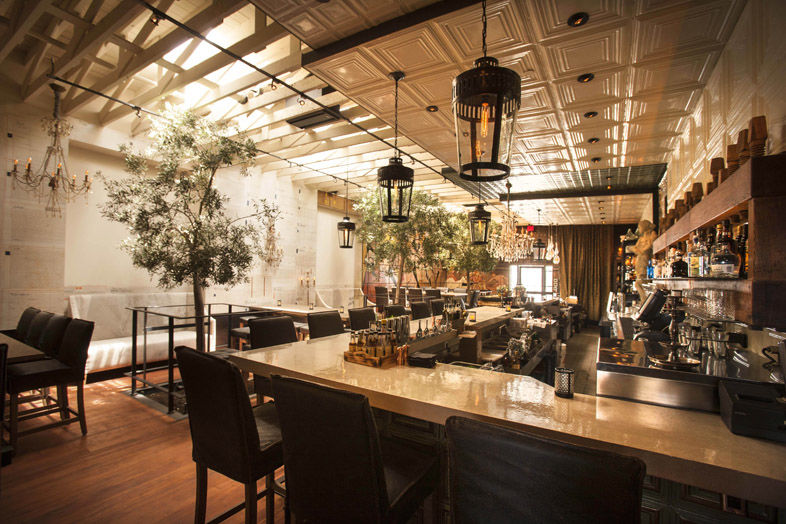
FIRST LOOK: Bo-Beau Hillcrest
PARTNER CONTENT
FIRST LOOK: Bo-Beau Hillcrest

Rocko’s Modern Taproom, a new family-friendly arcade and beer bar, opens is in early 2026
Is craft beer dead? Not according to Justin Philips and Patrick Woolum. “I don’t think craft beer is going anywhere,” says Philips. “People still go out. People still go to those breweries, they go to bars. People are still out there.”
He would know. He’s spent the last four-and-a-half years working at Mike Hess Brewing, plus he earned a Professional Certificate in the Business of Craft Beer from San Diego State University in 2024. Woolum worked as a bar manager at a steakhouse for nearly two decades. From their front-row seats, they kept their eyes open and waited for the right location, so when the opportunity arose, they could open their own spot. And early next year, they will—Rocko’s Modern Taproom, in the heart of Hillcrest.

Even though craft beer isn’t as dominant as it was in, say, 2015, Hillcrest hardly suffers from a lack of places to down a couple of drafts or slurp down some shots. But besides Hillcrest Brewing Company, Philips says he didn’t see a ton of other beer-centric places in the area and saw it as an opportunity to fill a void.
Rocko’s, named for their dog, will be an all-ages, dog-friendly place with lots of games and entertainment options like pool tables, dart boards, old school arcades, live music, karaoke, comedy shows, open mic nights—basically, fun for everyone, he says.

“We’re trying to make it a fun, bright place to hang out,” he explains, with a vibrant palette inspired by the ’90s cartoon Rocko’s Modern Life. (Rocko’s Modern Life, Rocko’s Modern Taphouse… get it?) They hope to open by January or February, pending permits, with plenty of craft beer and wine, cider, kombucha, hard seltzers, and non-alcoholic options to drink. The food menu leans towards hand-helds (easier to play games that way, Philips explains), with items like paninis, burgers, and other bar food staples.
Initially, they plan to open seven days a week for lunch and dinner, plus weekend brunch, depending on demand. But with Scripps Mercy Hospital across the street, plus plenty of other offices and businesses, Philips thinks they’ll probably add lunch hours by summertime. “People are going to need a place to take their break,” he says. But in true Hillcrest fashion, he welcomes everyone to come check it out. “We’re going to be open to all,” he promises.
Rocko’s Modern Taphouse opens at 3940 Fourth Avenue, Suite 200 (second floor) in early 2026.

Restaurants are struggling right now. The silver lining is the creativity and adaptations that come through the dip. To that end, a lot of restaurants are turning to social clubs—who bring in different crowds. Adams Run Club does a social run at 7 a.m. every Friday and a 5-mile run at 6 p.m. every Monday, both starting at Bica in Normal Heights. It gives the coffee shop a regular gaggle of runners who are probably pretty hungry when they’re done. For the more literary minded, book clubs meeting at bars has a storied history (pun apologies).
Madelyne Wagner launched Reading Not Required in 2021 as a way to connect with other women readers after Covid lockdowns. Attendees never have to read the book, she stresses. It’s much more about getting to know new folks in a very casual environment—in this club’s case, at The Ould Sod in Normal Heights. “It’s just like getting a drink with friends, and obviously you don’t have to drink,” she says. But on the last Tuesday of every month, around 30-50 people gather to talk books, trade books, or just have a drink with some new (and old) friends. It’s a win for attendees and a nice boost for the bar.
Restaurants and bars have never just been places to eat; they’re third spaces, nice-smelling gathering spots. If you’ve got a group of folks who, say, enjoy board games or bike rides, why not see if your favorite local spot will section off a space for you and your social pals every once in a while? Win-win.

Listen Now: The Latest in San Diego’s Food and Drink Scene
Beth Demmon is an award-winning writer and podcaster whose work regularly appears in national outlets and San Diego Magazine. Her first book, The Beer Lover's Guide to Cider, is now available. Find out more on bethdemmon.com.
The restaurant by co-founders Franco Mestre and Sebastian Berho opens on March 2 in the former XOXO Retro Neighborhood Diner space
Local food culture has finally, mercifully accepted that Mexican food goes far deeper than the albeit almighty taco. Baja seafood is world-class (if you haven’t yet enjoyed fresh lobster in Puerto Vallarta, remedy that as soon as possible). Oh, the lamb barbacoa of Hidalgo. Oaxacan mole tradition stretches back centuries, and the Caribbean influence across the Yucatán Peninsula manifests in fresh fruit accompanying things like cochinita pibil. Heck, just do a quick google search of “restaurants” + “ Mexico City” and you’ll get a glimpse of how wide the wings of Mexican food spread.
That variety is what Origen hopes to show off and proliferate when it opens in Hillcrest this week. It’s the first collaboration between co-founders Franco Mestre and Sebastian Berho who previously launched a number of concepts (like Trattoria Da Sofia in Kensington).

“Origen, in English, is where everything starts,” Mestre explains.
For Mestre, whose family came to San Diego from Mexico City (his father helped open a number of restaurants in San Diego, including the beloved Candela’s), it’s long been a dream to open a place that would redefine people’s notions of what Mexican food can be.
Chef Tomás Fernández has created a minimalist menu of shared plates that’ll change daily. Expect plenty of fresh seafood, a Mexican-seasoned short rib, a Peruvian-inspired ceviche with leche de tigre (tiger’s milk) with lots of fresh citrus, and tuna tartare—all served on custom plates made by a ceramicist in Guadalajara. Brandon MacLyman (Noble Experiment, Trattoria Da Sofia) will head the beverage program, focusing on organic ingredients and housemade accoutrements. Expect around seven house cocktails—plus wines from around the world, including natural options. “They’re fun, they’re funky, it’s something different and fresh,” Mestre says.

The 3,000-square-foot space seats 90 guests, with a design that expresses the laid-back, Baja beach vibe. “A lot of tans, a lot of beiges, very calming,” explains Mestre, who says he and Berho were inspired by surf trips to the area fueled by fresh seafood at unfussy restaurants. “It’s just the art from the local people that live there, and the community that it creates in those spaces. It’s fantastic… we wanted to replicate something from down there and bring it up here.”
Origen opens Sunday, March 2 and will be open for dinner service Tuesdays through Sundays from 5 p.m. to 9:30 p.m., although Mestre says they may quietly soft open this week to work out any kinks. He hopes that with a constantly rotating menu, people will feel enticed to keep coming back.
Origen opens its doors next month at 3831 Park Blvd, Hillcrest.

However you choose to celebrate 311 Day, there’s one place that will very likely be the most delicious destination in town. Marisi in La Jolla will host chefs Rodrigo Rivera-Rio (Michelin-starred KOLI in Monterrey) and Luis Ronzón (Ixi’im at the Chablé Yucatán, named a “50 Best” hotel in 2024) on March 11 for one night of Mexican-American wizard food. Expect course after course of housemade pastas, hearth-prepared meats, and other surprises (plus an optional wine pairing). Amber might be the color of my energy that day, but hungry will definitely be the state of my being.

Have breaking news, exciting scoops, or great stories about new San Diego restaurants or the city’s food scene? Send your pitches to [email protected].
Beth Demmon is an award-winning writer and podcaster whose work regularly appears in national outlets and San Diego Magazine. Her first book, The Beer Lover's Guide to Cider, is now available. Find out more on bethdemmon.com.
The California-meets-France concept opens in early March from "restaurant lifer" Michael Simpson
If you look up “restaurant lifer” in the dictionary, Michael Simpson’s picture will probably pop up.
He waited tables at the iconic French Gourmet in Pacific Beach. He was sommelier at Croce’s Park West in Bankers Hill for 11 years. He was the director of operations at Barrio Star for another six. He’s currently the GM at Town and Country Resort. The man cut his teeth at Disneyland Paris in his native France, for Pete’s sake. He’s been around.
But come March, he’ll do something he’s never done before—open his own restaurant. That restaurant is Frenchy’s Hideout, coming to University Avenue in Hillcrest.
“My whole life is based on creating experiences in hospitality,” he says.
At The French Gourmet, he saw how diners reacted to the alchemical magic of wine dinners—meeting winemakers, talking about regions and soils and varieties, and how and why certain wines paired so well with certain foods. Since then, he kept his eye open for the right spot at the right time. When he saw the former Crème de la Crêpe space for sale, “it was just a coincidence, but perfect timing.”

Frenchy’s Hideout will have a regular dinner menu, but focus primarily on multi-course wine dinners. Simpson will run the wine program to pair with food from chef Eric Radoc, who was chef de cuisine at ARLO at Town and Country Resort, plus California Native in Del Mar, and sous chef at 20|Twenty in Carlsbad.
Expect traditional French dishes with a twist. “We don’t want to just be a French bistro,” Simpson says.
So, there’ll be classic seafood towers and beef Bourguignon, but also fresh pastas and some vintage dining-room theatricality. “We have a lot of things that are flambéed,” he promises, like a crepes suzette with Grand Marnier, set aflame tableside. A majority of wines will come from France, but wine dinners will focus on domestic so winemakers from, say, Napa, can attend and guide the experience.
The vibe will be moody—navy blue walls, dark wood paneling, gold accents—and the space somewhat small (Simpson calls it “exclusive”) with 42 dining seats and five bar seats. He’s enclosing the patio and adding some fire pit tables for a more intimate, social experience. “My goal is not just to have food and wine and good service, but to have people’s minds blown away,” he says. “The ambiance is more of a social place to meet people and travel the world, while enjoying food and wine together.”
The name Frenchy’s Hideout comes from his early days in the United States when “every single person called me Frenchy.” And “Hideout” because it’s intimate, “a hidden gem kind of thing. It’s my dream come true.”
Frenchy’s Hideout opens at 142 W University Ave Ste C in Hillcrest this March. Open Tue-Sun, 4 p.m.-10 p.m., Fri-Sat, 4 p.m.-10:30 p.m.

Two of my favorite beverages unite at AleSmith’s second annual Coffee & Beer event on Feb. 22, with a tap list of coffee beers from around the country. The event-exclusive six-pack includes six breweries—Firestone Walker, North Park Beer Co., Arizona Wilderness, Fort George, Masthead, and Reuben’s Brews—and their collaborative beers with different roasters, including local darling Dark Horse Coffee Roasters. It’s free, there’s coffee, there’s beer, it ends at 3 p.m., and families are always welcome at AleSmith.

Have breaking news, exciting scoops, or great stories about new San Diego restaurants or the city’s food scene? Send your pitches to [email protected].
Beth Demmon is an award-winning writer and podcaster whose work regularly appears in national outlets and San Diego Magazine. Her first book, The Beer Lover's Guide to Cider, is now available. Find out more on bethdemmon.com.
Yes, Chef! winner Emily Brubaker leads the robust culinary program at Omni La Costa Resort & Spa
For Executive Chef Emily Brubaker, Omni La Costa Resort & Spa feels like home. She grew up just a mile-and-a-half away from the 400-acre property and fondly recalls walking the golf course perimeter as a kid. Though her ambitions led her away from San Diego for nearly two decades in which she honed her craft in some of the highest of high-profile Las Vegas restaurants—including triple Michelin-starred Joël Robuchon at MGM Grand—they ultimately brought her back to North County.

Today, the classically French-trained chef, who’s fresh off a victory on NBC’s Yes, Chef!, judged by Martha Stewart and José Andrés, oversees Omni La Costa Resort & Spa’s seven distinct dining concepts. Her goal is to elevate the resort’s culinary program with her creative, hyperlocal ingredient-driven approach while maintaining the Spanish- inspired flavors and fresh California coastal cuisine that are the bedrock of its culinary identity.
“The San Diego food scene is really growing, and in North County alone, it’s really exploded in the last five years,” Brubaker says. “There are Michelin stars, beautiful tasting menus, craft bakers, and all this food—when I was growing up in La Costa, it was fish tacos. Now there are really cool things popping up, and I’m so happy to be here to see where it’s going to go.”
Brubaker gives chefs de cuisine at each individual restaurant autonomy, however, her influence is evident across the resort.
For example, lobby restaurant Bar Traza serves as Omni La Costa’s culinary centerpiece and features bold Spanish flavors in a lively, social atmosphere. Brubaker overhauled the menu to be more consistent and centered on casual bites with that signature vibe. Think smoky paprika, vibrant citrus, and Spanish meats and cheeses.
At VUE, the focus is on seasonal offerings, California coastal cuisine, and Baja-inspired dishes. She and Chef de Cuisine Cameron Dixon change the menu biannually, which heading into summer, will highlight farm-fresh produce and hyperlocal ingredients—the resort even has its own herb garden and honeybee hives.

Poolside dining options are leaning into the country’s 250th this summer with a selection of classic American dishes with an Omni La Costa twist. And Bob’s Steak & Chop House (Brubaker is a trained butcher) offers a classic steakhouse experience with elevated service.
The chef and company also plan menus for special events at the resort where her creativity can really shine. For an upcoming National Ski Association dinner, the banquet hall will be transformed into an Alpine-themed winter wonderland complete with a snow machine, savory sausages, and melty, decadent raclette. A recent dinner was built around the Carlsbad Flower Fields and each course was matched to a color of ranunculus (Did you know pink dragonfruit are grown in North County? You do now.).
“It’s my zen to be in the kitchen playing with food,” Brubaker says.
Omni La Costa’s culinary program is a key part of the resort experience. And with Brubaker’s leadership, it’s becoming a draw for visitors and locals alike.
“These aren’t just hotel restaurants, these are restaurants that you should go to. They’re destinations, and I’m really hoping for the future that’s where we’re going,” Brubaker says.

Brubaker is also channeling her experience on Yes, Chef! into the culture at Omni La Costa—more emphasis on teamwork and collaboration, empowering her staff to share constructive critiques, and embracing different perspectives. Alongside her leadership role, Brubaker has become an advocate for mental health in the hospitality industry, serving as chief ambassador for the Burnt Chef Project and serves on the Board of Advisors for the Apex Culinary Program, where she mentors and develops future talent.
For more on Omni La Costa Resort & Spa and its dining program, please visit omnihotels.com/hotels/san-diego-la-costa.
The Hillcrest restaurant knows that great local ingredients need few interventions
The Perfect Order: Chicken Liver Pate | Summer Squash | Berkshire Pork
Sure, when starting any venture—business, family, cult—many would prefer a lovingly restored Victorian home, nuzzled between always-blooming jacarandas and a pint-sized lending library. We want our dream restaurant in a structure that makes people say, “I can’t believe this is a restaurant and not the home of a great person (possibly Tom Hanks) who teaches kids to read.” It’s preferable if the house is as old as possible without triggering the “historical building” designation, which causes all kinds of permitting snafus (your proposal of adding a patio will require approval from all active and former presidents of the historical preservation society and at least two Jesuses).
Or we want the opposite: a hole in the wall that turns us into a Rudy-level inspirational story, people slow-clapping and fighting back single tears with each dish we manage to serve (see Little Lion Cafe or Banh Thai). Or an industrial warehouse whose years as an auto shop or meth lab gives it a “once gritty, now liver-moussed” je nes sais quoi (Juniper and Ivy, Ironside Fish & Oyster).

What few of us put on our dream boards is the middle ground—the largely uniform pockets of micro-retail that harbor America’s vital nail salons and burner-phone entrepreneurs. Yet, as commercial space in San Diego becomes scarce and gougey, strip malls are the future and saving grace of our restaurant culture. Fresh out of investor war chests or a strong WhatsApp connection with gods, most of us are going to find a reasonable box and put some oomph into it.
For fans, strip-mall restaurants have a few advantages over those perched on stilts overlooking famed surf breaks, or old barns retrofitted into charcuterie journeys. And that is: For a few months after opening, a strip mall gem will be ours and only ours. The buzz tends to be slow-burn. The first people who discover it will be a more desirable brand of food seekers, immune to the virus of glitz. Less-shiny roads bring better travelers.

Though we associate strip malls with Quiznos-tier culinary might, San Diego has a more optimistic history. Convoy District is the paragon. Mira Mesa’s Indian and Middle Eastern food scene, too. There is the mighty Sushi Ota in Pacific Beach and, now, Cellar Hand in Hillcrest.
Adjacent the DMV and across from the 7-Eleven, Cellar Hand is the new concept from family-owned, Lompoc-based Pali Wine Co. and chef Logan Kendall. There is something poetic about a restaurant next to a chiropractor’s office, since the human back is no match for kitchen work.
Cellar Hand is not unsexy. They blew out the walls on this corner of University Avenue, added woods and metal, and cordoned the indoor-outdoor patio experience off from the parking lot with planters.

As for the food, I haven’t come across something this good since Callie opened. It blew away my expectations, but I’m not shocked—Kendall’s got a deft hand with herby sauces and has been stalking farmers and local boats and bakers in San Diego for a good while now. Though people go to Pali’s first tasting room in Little Italy for low-intervention wines, his small, simple bites there were always better than they needed to be.
But Cellar Hand is something more. And that more is ingredients. At this point the “farm-to-table” movement has been co-opted, mocked, pantsed, and wet-willied. I often wonder if some of the restaurants claiming “farm” think the back of every commercial-food semi truck is filled with a biodynamic greenhouse tilled by Wendell Berry.

But I’ve been around this food scene long enough to know that most of Kendall’s friends smell like vines and hot soil. He shadows them, riding around in their ATVs, and they reward his loitering. Sure, he and sous chef Ashley McBrady are cooking at Cellar Hand. But they mostly get the best damn ingredients you’re going to find—the apple you ate off a tree that blew your mind, the tomato you grew that tasted like every “tomato” before was a sham—and build them an A-list supporting cast.
It’s farm-to-table as an extreme sport or benevolent obsession, possibly a reaction to all the half-assing and straight-up fraud. The apex of this movement was when Alice Waters served a single raw peach as a dessert at Chez Panisse. Esoteric, sure. And I’d be a little pissed if I ponied up Panisse money to be offered a piece of fruit. But her point was made: When you start with food grown in healthy soil, picked ripe in the season it was supposed to be picked in, its base charms are pretty incredible. If we look at a great dish as a 100-yard dash, using the best ingredients is like beginning that race on the 60-yard line.

Start a meal at Cellar Hand with the bluefin nduja toast. Instead of cured pork, it’s cubes of raw bluefin caught in San Diego, tossed in nduja spices (usually sweet smoked paprika and Calabrian chiles), white soy, and Meyer lemon. A hillock of it comes piled on charred housemade toast with dill aioli and local chives.
From the dipping section of the menu, get the baba ganoush, eggplants from Chino and D’Acquisto Farms charred in the pita oven then blended with tahini and spiked with Meyer lemon. It’s the lemon balm harissa— pulverized with arugula and cilantro (Hukama Produce), then topped with pomegranate seeds and dukkah (toasted sesame, cumin, and smoky coriander)—that sets it off. The whipped tahini is decent, but high acid bullies the seedy, nutty depth—although the warm, airy, house-fermented and wood-fired pita makes anything taste better.

The chicken liver pate looks like a frat trick: a fluffy, creamy pile of mousse topped with Jell-O shots. Hillcrest has a formidable and enduring Jell-O shot tradition, so this feels like a sign of respect—except these ’80s jiggle-party cubes are made of Pali’s orange wine (a tannic white that gets its Cointreau-bottle hue from resting the wine with skins). Put on sesame bread cooked in brown butter and topped with sumac and local grapefruit oil, it’s a fairly incredible, Gatsbian bite.
Kendall and McBrady’s favorite thing seems to be Simon & Garfunkeling local dirt candy. Farm duets. The tomato dish pairs D’Acquisto tomatoes with R&L Farms stone fruit (white peaches and plums).
They’re dressed in a simple, intoxicant sauce made of arugula and fermented red wine and garnished with Chino Farm radish greens and salt.

For the phenomenal melon dish, they use Weiser Family Farms’ Rocky Sweet melons, JR Organics’ watermelon, and Chino Farm cucumbers (compressed with lemon juice and cinnamon basil). It’s tossed in urfa biber (a complex, moody Turkish chile that’s got a hint of dark raisin and gives the dish a rarely tasted flavor profile). They ferment cantaloupe in salt and Beylik Family Farms chiles, blend it into a gel-like kosho, and drizzle it atop the whole deal, then add Bulgarian feta and melon seeds they dehydrate and puff. The star is the cool, sweetened lemon-basil broth at the bottom (left over from compressing the cukes).
The Chino Farm squash is a meal in itself: trimmed and vacuum-sealed with dill, then charred with balm harissa and fattened up with herbed ricotta made from Thompson Heritage Ranch milk. The team makes their own za’atar (thyme, sesame, urfa biber, aleppo, sumac), then pours hot oil over it for a riff on salsa macha.

I try two entrees, one hit and one miss. The miss is the whole local rockfish, which gets overwhelmed in a too-acidic housemade labneh. The hit is the Berkshire pork—from the rapidly chef-famous Thompson Heritage Ranch in Ramona—that is simply seared in its own fat, basted in brown butter and pineapple sage, deglazed in Pali’s Tower 15 “Swell” wine (a mix of Bordeaux reds), and garnished with candy grapes from R&L Farms, toasted almonds, and jus. This pork redefines the genre.
It makes sense that winemakers would go this obsessive about peak agriculture—especially in San Diego, with its obscenely fertile soils (Waters would come to Chino Farm in Rancho Santa Fe for her produce), nearly year-round growing climate, and the most small farms per capita of any county in the US. Our produce is land caviar. Not all restaurant operators can afford to use it this extensively, and there’s no shame in that. But Kendall and McBrady get to, and they do it with just the right balance of tweak and restraint.
You don’t fingerpaint on Picassos.
Troy Johnson is the magazine’s award-winning food writer and humorist, and a long-standing expert on Food Network. His work has been featured on NatGeo, Travel Channel, NPR, and in Food Matters, a textbook of the best American food writing.
Cellar Hand's fully local menu will also showcase a who's who of California wine brands
Restaurants have officially transcended the term “local.” Now, they’re hyper-local, and Cellar Hand in Hillcrest is the latest to embrace it fully.
“We think the ‘farm-to-table’ moniker has gotten a little played out,” explains Carmen Perr, Cellar Hand’s managing partner, along with her husband Nick (Pali Wine Co.) and executive chef Logan Kendall (Freshman Year, Pali Wine Co. Little Italy). To achieve a hyper-local menu and stay sustainable, Kendall says they’re committed to using 100 percent local produce, which is “a really tough feat.”
“But it’s available,” adds Nick. “There are an abundance of incredible people in San Diego who are farmers or fishermen or ranchers… It feels like a wasted opportunity not to take advantage of that.”

Local sourcing isn’t a new concept—especially considering San Diego’s year-round growing season—but Cellar Hand pushes it as far as they can, getting fish from Tommy “The Fishmonger” Gomes, pork and beef from Thompson Heritage Ranch, and produce from Chino Farms, Cyclops Farms, Stehly Family Farms, Hakuma Produce, and more. With such an emphasis on seasonal sourcing, Logan says they utilize lots of fermentation in the kitchen to minimize food waste, going so far as to hire a dedicated fermentation chef, Chris Ruhl (Trust). Even their food scraps get collected for compost—the ones they aren’t using for other experiments.
“Chris is turning our egg whites into liquid aminos, fermenting them for three weeks,” laughs Kendall. “It’s getting really weird back there.”

Considering the Perrs hail from the family behind Pali Wine Company, fermentation already falls well within their wheelhouse. “Fermentation is important to us, and we feel comfortable around it. So it only makes sense that our food should also reflect that,” says Carmen. They broke the menu into four sections: Raw, Conserva, For Dipping, and Dinner. Kendall says conservas, which means tinned seafood, has been getting more popular than ever, showing up on menus at Mabel’s Gone Fishing and Oslo’s Sardine Bar pop-ups. Still he hadn’t seen a fully San Diego-sourced seafood preservation program, so he decided to build one himself.
“I wondered why nobody was doing their own conservas and own tinning,” explains Kendall. Then, he tried it for himself. “The process for processing [fish like] mackerel and sardines is insane. We have to have a team of seven people to [do it],” he laughs.

The For Dipping section centers around head baker Max Sun’s specialty—house-fermented and wood-fired rye-based pita, which Carmen calls a focal point of the menu. “It’s between a 24- and 48-hour ferment,” says Kendall, adding that Wildwood Flour Bakery in Pacific Beach is grinding the grains for all their bread. Dips accompanying the soft, chewy, delectable pita (seriously, it’s that good) currently include a whipped tahini, Chino Farms tomato and fennel matbucha, and housemade labneh.
Keeping things local on the menu sounds like a lot of work. But Carmen says every detail is kept as close to home as possible, from the artwork made by Nick to the wine list centered solely around California wine. “We go to farm-to-table or ‘local’ restaurants and it seems like it stops at the food,” she points out. “There might be two California wines. Why is it stopping there?”

The wine list reads as a Who’s Who in California winemaking, with bottles from Pali Wine and Lady of the Sunshine, Auteur, Lo-Fi, and more. Even the artwork stays close to home, with the paintings and cyanotypes made by Nick himself. But despite the constraints they’ve put on themselves, keeping it hyper-local hasn’t been a burden. Instead, Kendall says, it’s a rare opportunity that isn’t available anywhere.
“I’ve had the best of the best in Michelin restaurants in New York. And I really, honestly, truly believe that San Diego produces the best,” he says. Our arugula is spicier, our tomatoes are brighter, cleaner… I think the complexity of California produce—especially the citrus and everything out here—makes it a lot easier to cook this style of food. If I were in Montana, we’d have a lot harder time.”
Cellar Hand officially opens on June 6 in Hillcrest and will launch a brunch program in July. Reservations are available on OpenTable.

Bahn Thai has been a culinary cornerstone in University Heights for 12 years, dishing out tons of delicious Thai favorites from a tiny storefront on Park Boulevard. But owner Paul Srimuang is really looking forward to moving, even if it is just a few doors down. The family-run restaurant purchased 4628 Park Blvd., formerly Small Bar and Johnston’s, and is working to rebuild and expand the much larger space. Srimuang estimates they’ll be able to move over in eight or nine months (putting the timeline into early 2025) while keeping the original location at 4646 Park Blvd. open until then.
In the meantime, Srimuang says they’ve been waiting almost a year for the proper permits to rebuild their other location in Hillcrest, which has been closed since May 2023 due to a fire. He hopes to reopen in August.

Ramen just tastes better on a drizzly day, so I wasn’t too bummed when I had to dodge raindrops on my way to Ramen Nagi at Westfield UTC to try a bowl of their Genki Curry King. The huge bowl of rich curry blended with their signature tonkatsu broth and topped with crispy onions, minced pork, bell peppers, and a yogurt drizzle is part of their Limited King series and may be gone before you get a chance to try it. But don’t fret—they keep rolling out new releases for the series, and I plan to keep my eyes open for the next iteration before June Gloom lifts.
I have thoughts on tip culture, hidden surcharges, and other hospitality industry standards that we, as Americans (inexplicably), think are normal and acceptable. But starting July 1, at least one of these will change. All surcharges that unavoidably appear on your bill (like service fees or local mandate fees) will now simply be bundled into the menu price rather than be added later, a move that has restaurateurs worried and consumer transparency activists cheering. Times are tough for small businesses, that’s for sure. But having a clear idea of what your final bill will be before it comes seems like a step towards clarity, albeit somewhat painful for business owners.
A strange little building next to The Salvation Army Kroc Center has sat vacant for quite some time but may be getting new life as a new Señor Taquero. If they play their cards right and open once the dispensary at the end of the block is complete, I’m betting it’ll be a smash hit.
Have breaking news, exciting scoops, or great stories about new San Diego restaurants or the city’s food scene? Send your pitches to [email protected].
Beth Demmon is an award-winning writer and podcaster whose work regularly appears in national outlets and San Diego Magazine. Her first book, The Beer Lover's Guide to Cider, is now available. Find out more on bethdemmon.com.
Scripps study shows that some patients may be able to taper their dose and maintain results
While glucagon-like peptide-1 (GLP-1) receptor agents have been used to treat Type 2 diabetes for more than 20 years, their recent emergence as weight-loss wonder drugs marked a new frontier in medicine. But their effectiveness has left some patients wondering what to do once they’ve reached their goal. Stopping the medication could mean regaining some, if not all, of the weight. A Scripps Clinic internal medicine physician recently conducted a small study of whether GLP-1 patients who had reached their goal weight could maintain that weight by taking their regularly prescribed injection every other week instead of weekly. Spoiler alert: 30 of 34 patients did. Read more about the study here and what that may mean as pharmaceutical companies roll out oral GLP-1s.
For more nutrition, wellness, and healthy living tips, sign up for the San Diego Health newsletter here.