Featured articles
Food & Drink
Features
Food & Drink
Featured articles
Features
Things to Do
What's next
Featured articles
Featured articles
Food & Drink
Features
Guides
Featured articles
Food & Drink
Partner content
Features
Ready to know more about San Diego?
SubscribeReady to know more about San Diego?
Iconic Top of the Cove restaurant location gets new life
After eight long years, one of the most iconic and prized restaurant locations in San Diego is finally getting a new tenant. The Top of the Cove—the 13,222 square-foot landmark location on Prospect Street—will now become Duke’s.
Duke’s is a chain of surf-culture restaurants named after surf legend Duke Kahanamoku. The first were opened in Hawaii and then expanded into SoCal (Huntington Beach, Malibu). It’s owned by one of the largest, family-owned restaurant groups on the west coast, T S Restaurants, which has home offices in Solana Beach and Maui. Duke’s will be their second San Diego restaurant (Jake’s Del Mar was the first), and their fourteenth waterfront property (including Sunnyside in Lake Tahoe).
“We are thrilled to have the opportunity to create a dining experience specifically for this unique landmark location,” says CEO Bill Parsons. “In the tradition of T S Restaurants, we look forward to providing guests with a magnificent setting along with delicious food and striking décor inspired by Duke Kahanamoku and the beach lifestyle here in La Jolla.”
The deal was brokered by Michael Burton and Danny Fitzgerald of Urban Strategies Group. “La Jolla has the best weather in the country,” explains Burton, a La Jolla native. “But we didn’t have a family place where we could sit outdoors overlooking the water, and have a great meal in a more casual environment.”
“Ownership’s goal was to bring additional traffic to Prospect Street, instead of dividing up the existing clientele by doing another ultra high-end, luxury concept,” he explains. “We wanted a high-quality operator with a proven track record, and we wanted to create a different experience.”
Top of the Cove first opened in 1955. It was the crown jewel of Prospect for decades, a place to prove you hadn’t forgotten your wedding anniversary. After swapping owners multiple times, it finally closed in 2006 and has been vacant since—the most high-profile reminder of the ailing economy. Owner Sheila Lipin spent millions renovating the property and put it on the market for $7.5 million in 2011.
Now two stories, the plan is for a more casual bar upstairs and a dining room on the bottom floor. La Jolla’s Marengo Morton Architects will handle the build-out along with Hatch Design Group (Island Prime, Jimmy’s Famous) and SixteenFifty (Rancho Valencia, L’Auberge). They’re shooting for a fall 2015 open.
Mai tais and Hula Pies for everyone.
Duke’s Malibu.

One of San Diego's most iconic restaurant spots finally gets new life
Top of the Cove was an icon, pure and simple. Perched atop the oceanic cliffs overlooking La Jolla Cove, it reigned over the dining scene for decades. And then it shuttered. Its long closure was a reminder of just how bad things had gotten in the American economy.
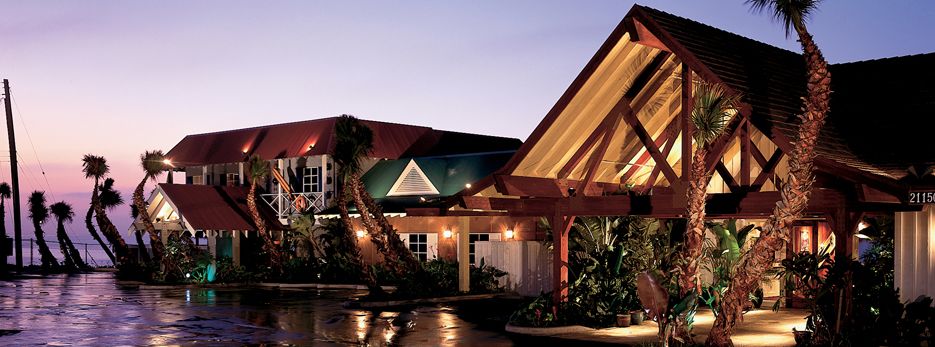
And now it has new life. Duke’s La Jolla is officially open. Most know Duke’s from the Hawaii locations, which are also sprawling, come-as-you-are waterfront restaurants. It’s named after Duke Kahanamoku, the legendary Hawaiian surfer and owned by T S Restaurants, based in both Hawaii and California,
The 13,000 square-foot, two-floor space has two dining spaces—the main dining room with seating for 230, and the second floor with room for 150. Both, smartly, have plenty of outdoor dining. It was designed by La Jolla’s Marengo Morton Architects, Bill Parsons (chairman of T S Restaurants) and Hatch Design Group. Surfboards (donated or on loan from pro surf legends, shapers, collectors, friends, etc.) riddle the place. Photos of Duke and his wife put soul into the place. A piece of art depicts La Jolla beach life. There’s a shot of Black’s Beach (the famously nude beach, and world-class surf spot in La Jolla) by photographer John Maher.
For food, executive chef Anthony Sinsay is heading up the approachable menu. Expect Tahitian octopus cooked on a wood grill with smoked papaya, cucumber and coconut milk. Or charred snap peas with burnt pineapple vinaigrette and brie. A lilikoi ceviche has coriander stem, tomato, avocado and Fresno chile. You’ll also have roasted firecracker fish and 24-hour Korean kalbi short ribs with house-made kimchi.
At the bar, it’s craft beers from San Diego and California—but only on draft, an effort to cut down on the restaurant’s carbon footprint. There will also be wines on tap and fresh cocktails like the Duke’s Mai Tai with fresh passion-orange-guava juices and two types of rum. Or the Lavendar Colada with lavendar, coconut, pineapple and rum.
Boat drinks and beach food for everyone. Enough with the words. Please enjoy the first photos of Duke’s La Jolla. Duke’s is located at 1216 Prospect St., 858.454.5888.
FIRST LOOK: Duke’s La Jolla
Iconic Top of the Cove restaurant location gets new life
After eight long years, one of the most iconic and prized restaurant locations in San Diego is finally getting a new tenant. The Top of the Cove—the 13,222 square-foot landmark location on Prospect Street—will now become Duke’s.
Duke’s is a chain of surf-culture restaurants named after surf legend Duke Kahanamoku. The first were opened in Hawaii and then expanded into SoCal (Huntington Beach, Malibu). It’s owned by one of the largest, family-owned restaurant groups on the west coast, T S Restaurants, which has home offices in Solana Beach and Maui. Duke’s will be their second San Diego restaurant (Jake’s Del Mar was the first), and their fourteenth waterfront property (including Sunnyside in Lake Tahoe).
“We are thrilled to have the opportunity to create a dining experience specifically for this unique landmark location,” says CEO Bill Parsons. “In the tradition of T S Restaurants, we look forward to providing guests with a magnificent setting along with delicious food and striking décor inspired by Duke Kahanamoku and the beach lifestyle here in La Jolla.”
The deal was brokered by Michael Burton and Danny Fitzgerald of Urban Strategies Group. “La Jolla has the best weather in the country,” explains Burton, a La Jolla native. “But we didn’t have a family place where we could sit outdoors overlooking the water, and have a great meal in a more casual environment.”
“Ownership’s goal was to bring additional traffic to Prospect Street, instead of dividing up the existing clientele by doing another ultra high-end, luxury concept,” he explains. “We wanted a high-quality operator with a proven track record, and we wanted to create a different experience.”
Top of the Cove first opened in 1955. It was the crown jewel of Prospect for decades, a place to prove you hadn’t forgotten your wedding anniversary. After swapping owners multiple times, it finally closed in 2006 and has been vacant since—the most high-profile reminder of the ailing economy. Owner Sheila Lipin spent millions renovating the property and put it on the market for $7.5 million in 2011.
Now two stories, the plan is for a more casual bar upstairs and a dining room on the bottom floor. La Jolla’s Marengo Morton Architects will handle the build-out along with Hatch Design Group (Island Prime, Jimmy’s Famous) and SixteenFifty (Rancho Valencia, L’Auberge). They’re shooting for a fall 2015 open.
Mai tais and Hula Pies for everyone.
Duke’s Malibu.

Drink 182 will pair pop-punk nostalgia with New England-style pizza starting this summer
If you’ve ever squeezed yourself into a pair of black skinny jeans with a studded belt, sported a track jacket under a band t-shirt, or swept your Manic Panic-hued hair so far to the side that your part got caught in your cartilage earring, I have good news: Ocean Beach will get a shot of emo and pop-punk nostalgia when Drink 182 opens this July.
The pop-punk bar and pizza spot comes with bonafide scene points. Co-founder Jay Nightride runs the music production studio Nightride Visuals, has worked with artists like Steve Aoki, Lil Jon, and Fall Out Boy, and also plays in Death Cab for Karaoke, a live karaoke band that performs every month at Soda Bar (among other venues). His partner Tony Jaw is easier to spot—he’s the guy with the sky-high mohawk manning the karaoke booth at Redwing Bar & Grill who’s been in the local bar and hospitality business for over a decade.
Nightride says he’s had the idea for an emo enclave for years, but it wasn’t until after Covid that he partnered with Jaw and got the funding to move forward. “What I was looking to build was a place that I would want to be, where would I want to go to remember these nostalgic songs,” he says.
Pending permits and final inspections, Drink 182 is slated to open the second half of July. The vibe will be dive bar meets emo night, with memorabilia from different bands who have supported the project splashed across the walls, plus a few arcade games, TVs, and (I assume) a decent sound system. The hours are still undetermined, but Nightride says they tentatively plan to be open until 2 a.m. on weekends and Wednesdays for the OB Farmers Market. In the mornings, they’ll serve fresh pastries and coffee from the similarly music-aligned James Coffee Company (whose co-owner David Kennedy is a member of Angels & Airwaves with blink-182’s Tom DeLonge).
But it’ll be the pizza that really stands out—or at least, they hope. “We’re doing New England beach pizza… a really niche pizza that not a lot of people would know about, unless you’re from North Shore, Massachusetts,” says Nightride, a former Bostonian. “It’s a thin crust, very sweet sauce, very simple, fast, go-to-the-beach kind of thing.”
“Beach pizza” is characterized by its rectangular shape, very thin crust, sweet tomato sauce, and slices of Provolone cheese with minimal toppings. Drink 182’s version will feature homemade dough and sauce, as well as freshly sliced Boar’s Head Provolone. And yes, they are aware there are already a lot of pizza options in the area. It won’t be the same, Nightride promises.
“Everybody’s first reaction when they hear ‘pizza’ is like, ‘Oh great, another pizza place in OB,’” he laughs. “But we’re trying to do something different, just enough to differentiate it and give people another option.” If you’re not keen on the style, try one of their “drunkables,” another nostalgic riff they hope the pop-punk and emo crowd will appreciate. And if you still need a reason to give Drink 182 a try, I have more good news—you don’t actually have to break out your old skinny jeans. (In fact, please don’t.)
Drink 182 opens July 2026 at 5049 Newport Avenue in Ocean Beach.

Listen Now: The Latest in San Diego’s Food and Drink Scene
Have breaking news, exciting scoops, or great stories about new San Diego restaurants or the city’s food scene? Send your pitches to [email protected].
Beth Demmon is an award-winning writer and podcaster whose work regularly appears in national outlets and San Diego Magazine. Her first book, The Beer Lover's Guide to Cider, is now available. Find out more on bethdemmon.com.
Tips from the trusted experts at Mauzy Cooling, Heating, Plumbing, and Electrical
San Diego summers can be brutal. But since the hottest period is typically late summer into early fall, San Diegans still have time to prepare. The pros at Mauzy Cooling, Heating, Plumbing, and Electrical are standing by to help homeowners fortify their homes against the elements and ensure their air conditioning is as frosty as the penguins that serve as the company’s mascots.
Many homeowners underestimate the load their AC system faces, especially in the inland valleys where temperatures regularly top 100 degrees. San Diego regularly sees multi-day heatwaves each summer, and a system that struggles on the first day will likely fail by the third. Longer run times, unusual sounds or smells, and uneven cooling from room to room are all signs that your system may not survive the next hot spell.
Systems typically last 12 to 17 years, but there are exceptions. If a system is approaching that, or is already there, a professional evaluation is recommended before summer really heats up. A good rule of thumb: If you can’t remember when your system was last serviced, it’s due.
“As technology changes, systems become smarter and smarter,” says Sean O’Connor, an install manager at Mauzy with 42 years of experience. “There are a lot of people out there who will say a system’s only good for 10 years. I don’t buy that—these systems are built to last as long as they’re taken care of.”
There are also a few steps homeowners can take between services to extend the life of their system. Regularly changing a dirty filter—especially if you have kids or pets—and keeping an outdoor unit clean can help head off problems in the future, says O’Connor.
Also, be realistic about whether it’s time to replace a unit. O’Connor likens pouring money into salvaging a faulty unit with patchwork repairs and replacement parts to “tripping over a dollar to pick up a dime.” When one part fails, others are sure to follow, and newer parts may not be compatible with older units. Mauzy recommends homeowners use the 50% rule: If a repair costs more than 50% of the system’s replacement value, and the equipment is over 10 years old, replacement is usually the better long-term value. And don’t forget the ducting. An older house that was built with heat and later had air conditioning added may not have sufficient airflow, regardless of how good the system is.
Last but not least, homeowners should know who to trust when it comes to their homes. Built on three generations of professional integrity, Mauzy has grown into not just a leader for cooling, heating, plumbing, and electrical services, but a leader in the community known for supporting local nonprofits across an array of causes. To ensure complete peace of mind, Mauzy stands behind a comprehensive 12-point guarantee that outlines its commitment to outstanding service, quality equipment, expert technicians who understand how the local microclimates affect HVAC performance, and no upsells or surprises on the bill.
“We go the extra mile. That’s what sets us apart,” O’Connor says. To get a free quote today, visit mauzy.com.

From surprise revivals to changing dining habits, these are the shifts redefining the local culinary landscape
If absence makes hearts (and stomachs) grow fonder, then shuttered restaurants quickly become the hottest tickets in town—something a number of iconic institutions found out after taking very public hiatuses after historically long runs. For instance, following a lengthy (and extremely flip-floppy) closing process after 92 years in business, Las Cuatro Milpas reopened two blocks away in Mercado del Barrio. Similarly, Carlsbad butcher shop Tip Top Meats reopened in the same location (albeit a smaller space) after the death of founder Joachim “Big John” Haedrich in 2023. Finally, after a whopping decade out of business, Sami Ladeki and chef Alfie Szeprethy brought back Roppongi to its original Prospect Street space, where it was the talk of the town in the late ’90s. All came back under the same proprietors, so they weren’t third-party nostalgia-licensing deals. The algorithm may have ravaged our attention spans away from all but the newest and shiniest, but this proves there’s still hope for our collective prefrontal cortex.
Other local eateries honored their pasts by bringing in new perspectives. The Lion’s Share in Embarcadero, Milton’s Deli in Del Mar, Dudley’s Bakery in Santa Ysabel, and J-K’s Greek Cafe in La Mesa handed over the keys to new owners willing to take on a big task: maintain the soul of icons through particularly rough economic circumstances for restaurants, navigate big feelings from longtime regulars (who often don’t take kindly to change), and make some necessary changes to keep going for another few decades. Taking over a project in process can be a lot harder than starting from scratch. But building that feel-good nostalgia doesn’t happen overnight, so it sure helps to have a well-established playbook of success passed down from those who came before.

It wasn’t just restaurant groups from Los Angeles that decided to put down roots en masse, although San Diego saw plenty of LA transplants recently (Sugarfish, Mr. Charlie’s, For the Win, Katsuya Ko, Bacari). Global brands like Chef Fei, Zuma, and Pepper Lunch have locations of their own on the way, and upscale Canadian eatery Joey joined to the inescapable gravitational pull of Westfield UTC’s culinary cosmos for its first spot in America’s Finest City. Good to see the rest of the world is catching up with what we’ve been seeing the last few years—San Diego is a dining destination already on the rise.
Between the never-ending news cycle of doom and perimenopause brain fog, I’m at the stage in life where I’m more than happy to let someone else make a decision for me, especially when it comes to what’s for dinner. And based on the way a lot of menus look right now, I’m not alone. It seems like half the places I visit offer some version of a prix fixe, omakase, or tasting menu. Restaurants are embracing the curated experience to solve the problem of affordability (a fixed menu reduces food and labor costs, guarantees an acceptable check average, etc.) and critical thinking in one fell swoop. Omakase (meaning “I leave it up to you”) is far from a new concept in high-end Japanese sushi culture, but now that it’s popping up everywhere from coffee experiences to grab-and-go sushi and sandwiches, it’s gone from somewhat niche to nearly omnipresent.

The world got an up-close look at San Diego’s coffee industry when we hosted the premier specialty coffee expo World of Coffee for the first time this April. San Diego’s long and rich coffee history stretches back to the late 19th century. Things percolated fairly quietly for around a century before really picking up steam. Today, there are nearly 200 specialty roasters and cafes across the county, with many earning national accolades like the Good Food Award (Steady State Roasting, 2020; Bird Rock Coffee Roasters, 2023, 2021, 2019, 2017, 2016), Roaster of the Year by Roast Magazine (Mostra Coffee, 2020; Bird Rock Coffee Roasters, 2012), and the Specialty Coffee Association Coffee Design Award for packaging (Rikka Fika, 2026). Now that we’ve moved past the comically insufferable coffee snob era of the early 2000s, even java newbies can feel comfortable walking into pretty much any coffee shop in San Diego, asking questions, trying a few things, and feeling confident they’re going to get great service and a great beverage.
Beth Demmon is an award-winning writer and podcaster whose work regularly appears in national outlets and San Diego Magazine. Her first book, The Beer Lover's Guide to Cider, is now available. Find out more on bethdemmon.com.
Offering everything from smashburgers to sundaes, the latest food hall from Tiger Hospitality opens its doors this weekend
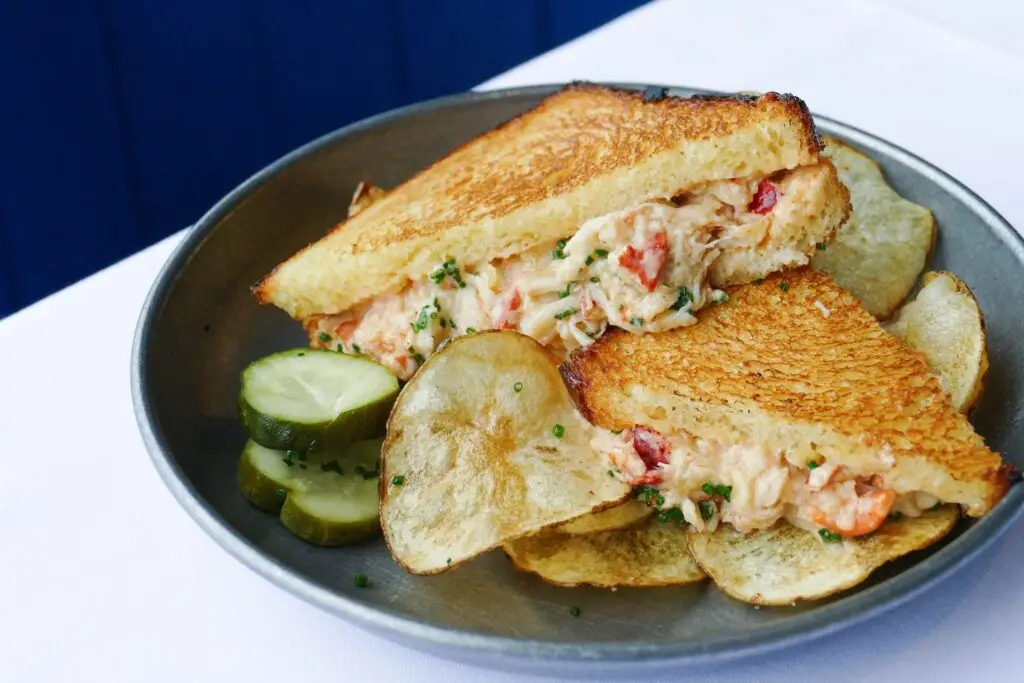
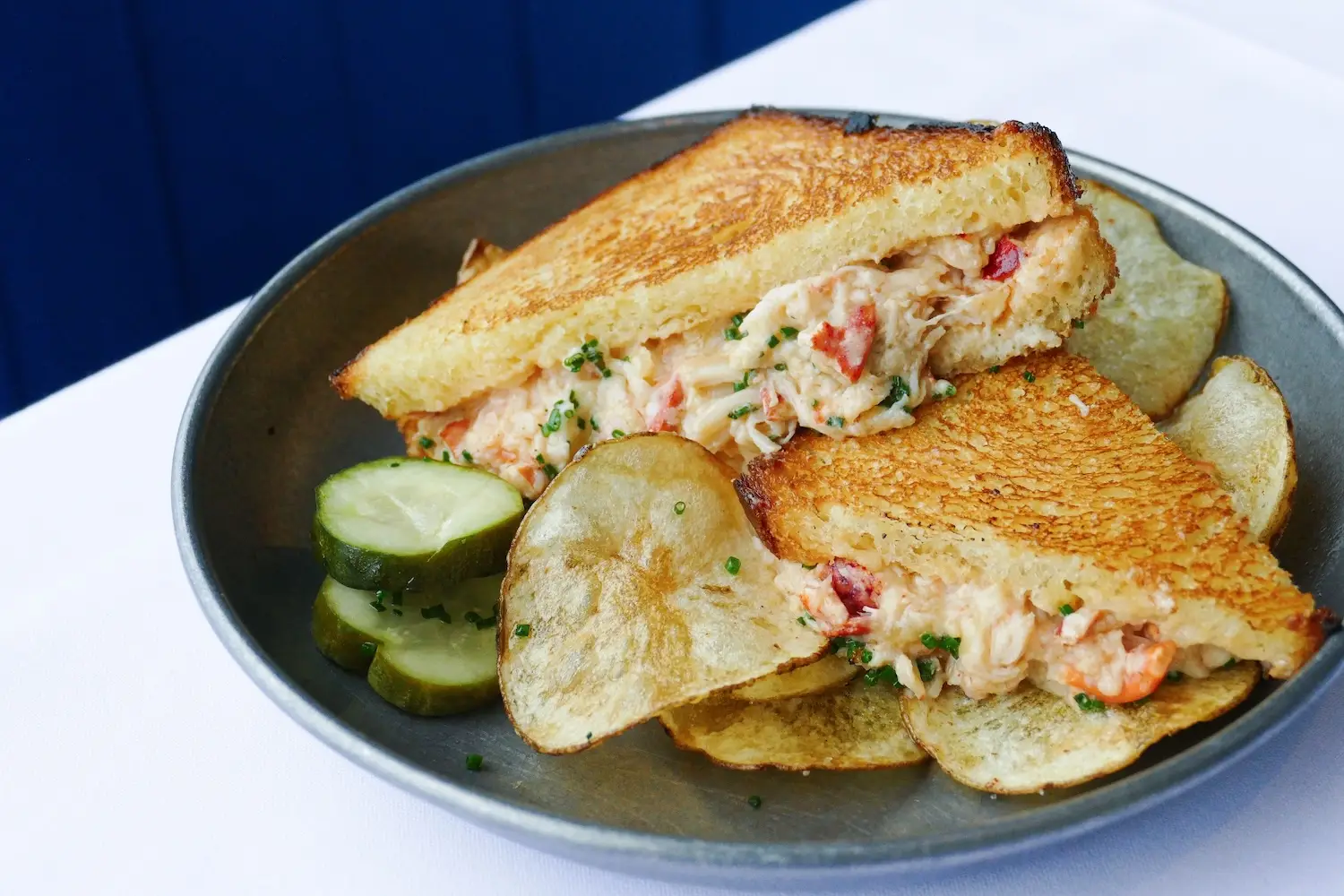
Omakase and fixed-price menus are one way hospitality businesses are addressing our collective food decision-making fatigue. But on the opposite end of the spectrum, some restaurateurs are offering a bonanza of totally unrelated options for people ordering on a whim. Why not pair a lobster grilled cheese sandwich, açaí bowl, and ridiculously loaded hot dog?
Starting June 27, diners can satisfy their spur-of-the-moment appetites at Global Fork in Little Italy, the latest food hall from Southern California-based Tiger Hospitality.
Six different food concepts will be featured in the 4,685-square-foot, indoor-outdoor space along the Piazza della Famiglia promenade. The space’s inaugural lineup includes a mix of Tiger Hospitality-owned concepts (Cosmos Burger, La Vida, Lobster Lab, and Prik Ki Nu Thai) and outside operators (Seattle-based Moto Pizza and Handel’s Homemade Ice Cream). The space next door, Good Enough Cocktail Club, is another Tiger-backed brand, operated by the team behind Same Same and Amor y Magia in Carlsbad.
Cosmos Burger serves smashburgers stacked with classic toppings, while Lobster Lab focuses on seafood favorites including lobster rolls, shrimp rolls, and lobster mac n’ cheese. Prik Ki Nu Thai adds Thai street food to the mix, with traditional noodle, rice, and stir-fry dishes. And for those looking for something on the lighter side, La Vida offers things like smoothies, salads, and wraps.

Moto Pizza focuses on Detroit-style square pizza with Filipino influences and, despite the name, is not affiliated with Mr. Moto Pizza. Handel’s, which began in Ohio in 1945, will offer dozens of flavors ranging from staples like chocolate and vanilla to rotating specialties packed with candies, cookies, and other mix-ins. (Handel’s already has a number of locations across San Diego, with a La Mesa store coming later this year.)
Some of these vendors already operate at Miramar Food Hall, the other Tiger-owned food hall in San Clemente. And some of them will also appear in Station8, the next food hall slated to open in UC San Diego’s Theatre District Living and Learning Neighborhood later this fall. But if you ask me, reviving the space that housed the Little Italy Food Hall before its closure last February is a far better outcome than leaving empty suites smack in the middle of an area saturated with fantastic food options. Plus, where else can you order a slice of beef adobo pizza alongside squares of caviar toast and a banana split?
Global Fork opens June 27 at 550 W. Date Street, Suite B, in Little Italy. Initial operating hours are from 9 a.m. to 9 p.m., seven days a week, but vendor hours may differ.

Listen Now: The Latest in San Diego’s Food and Drink Scene
Have breaking news, exciting scoops, or great stories about new San Diego restaurants or the city’s food scene? Send your pitches to [email protected].
Beth Demmon is an award-winning writer and podcaster whose work regularly appears in national outlets and San Diego Magazine. Her first book, The Beer Lover's Guide to Cider, is now available. Find out more on bethdemmon.com.
Discover San Diego’s Top Lawyers — the region’s most trusted legal professionals across diverse practice areas.
Daniel A. Kaplan is a founding partner of Panakos LLP with more than three decades of civil litigation experience in both state and federal courts. Mr. Kaplan pursues and defends legal claims on behalf of companies, entrepreneurs, and business owners in high-stakes disputes. He focuses on business disputes including breach of contract, unfair competition, trade secret theft, securities disputes, fraud/misrepresentations, and employment matters.
“The best advocacy combines preparation, perspective, and a client relationship built on trust and candor.” — Daniel A. Kaplan
His clients include real estate investors, private and public corporations, and individuals seeking sophisticated legal counsel. Known for practical judgment and strategic advocacy, he works closely with an experienced and diverse legal team to protect, enforce, and defend his clients’ interests.
555 W. Beech Street, Ste. 500, San Diego, California 92101
619-8000-LAW
Panakos.law