Featured articles
Food & Drink
Food & Drink
Featured articles
Features
Everything SD
Health & Wellness
Featured articles
Features
Health & Wellness
Things to Do
What's next
Featured articles
Featured articles
Features
Guides
Guides
Featured articles
Features
Everything SD
Partner content
Ready to know more about San Diego?
SubscribeReady to know more about San Diego?
Pairing the right beer with the right oyster is not as straightforward as you may think
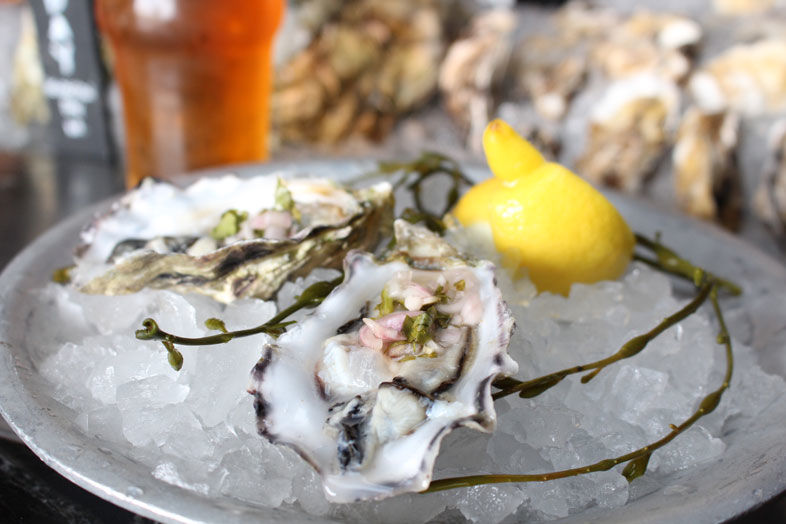
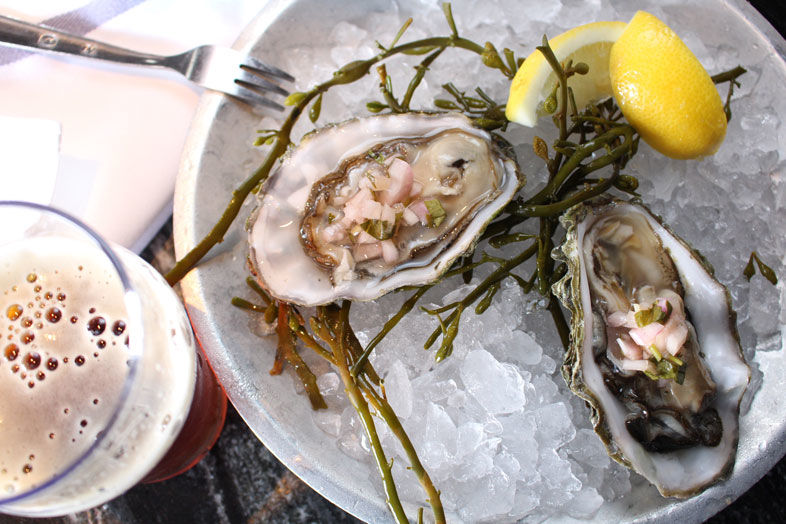
Respeto Mexican Lager from Mason Ale Works was the perfect match for Pacific Kiss oysters, which were sweet, delicate, and slightly herbaceous.
Photo Credit: Bruce Glassman
Originally published May 23, 2019 | Updated February 7, 2023
I showed up at King’s Fish House in Carlsbad fairly confident of what I was about to experience. I was there to do an oyster and beer pairing session with executive chef Fabrice Poigin, where I fully expected every oyster to pair easily with every beer. What I soon found out, however, was that oysters are much more varied and unique from one another than I had realized. And that meant not all beers pair perfectly with all oysters.
Now, I’m not saying that pairing oysters and beer is difficult. It’s not. I’m not even saying that you couldn’t blindly pair any beer with any oyster and be perfectly content. You could—probably. What I am saying is that creating the perfect pairing requires a little more thought and knowledge (about both the oyster and the beer) than you may have previously assumed.
The first thing I realized while sampling a wide variety of oysters was not only how different they were from each other in size, texture, brininess, and flavor, but also how subtle and delicate many of the flavors actually are. Depending on the variety, for example, you’ll often get subtle flavors of melon, cucumber, citrus, and freshly cut grass. Texture, too, will range from buttery and creamy to plump and meaty. Pairing some of these varieties with a beer that doesn’t allow the full array of flavors and textures to shine would, in effect, dampen your oyster experience.
The second major thing I learned sitting at the impressive fresh oyster bar at King’s was how many different oyster-farming techniques there are and how each technique creates specific characteristics in the oysters. There are, for example, beach-grown oysters, suspended tray oysters, floating cage oysters, suspended cage oysters, bottom cage oysters, rack & bag raised oysters, and, of course, wild oysters. Each of these farming methods greatly affects size, texture, and flavor, among other things. Water temperature and time of year (whether the oysters are spawning or not, for example) also significantly affect flavor and texture.
The minerally-and-earthy quality of Night Tides (beach grown in Washington) stood up well to the sweeter, more malt-forward profile of Coronado’s Mermaid Red.
Photo Credit: Bruce Glassman
In general terms, the closer to wild conditions that an oyster experiences, the stronger and more contoured its shell will be, the larger it will grow, and the chewier and meatier it will be. Wave and tidal action causes more constant agitation, which in turn creates a larger and more contoured shell, as well as a larger oyster inside. For these same reasons, open water oysters tend to be larger and meatier than bay oysters. The “off-bottom” techniques, such as suspended cages or trays, protect the oysters more and keep them away from the turbulent action on the ocean floor. This environment, in turn, often creates a smoother (often more brittle) shell, a creamier meat, and an overall smaller oyster.
Chef Poigin treated me to a tantalizing variety of oysters during my visit. On the menu were Carlsbad Blondes (raised locally in suspended trays, they had creamy meat with subtle flavors of white wine and melon); Pacific Kiss (beach grown in British Columbia, they had sweet, delicate meat with a green lettuce finish); Moo Moo Island (wild raised in Mecox Bay, New York, these had a slightly sweet brine and a nutty flavor); Island Creek (ocean bottom cage started and finished on bay bottom, these medium-sized oysters were buttery, briny, and subtly sweet); Night Tides (beach grown on tide flats in Thorndyke Bay, Washington, these were minerally and a bit earthy); and Henderson Bay (beach grown in Henderson Bay, Washington, these large and highly contoured oysters were plump and chewy, with notes of asparagus and cucumber on the finish).
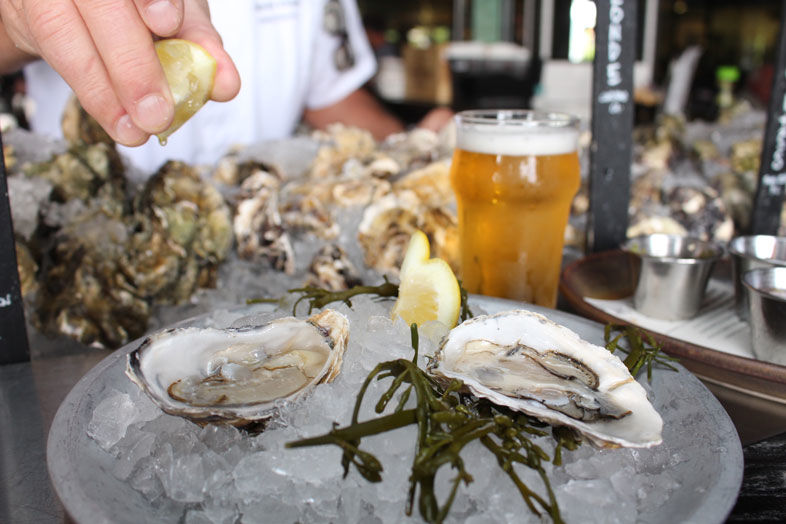
Pairing the perfect beer with the specific texture and flavor of a particular oyster is not hard, but the choices can be overwhelming.
Photo Credit: Bruce Glassman
Now, there are too many oyster varieties—and too many different beers from different breweries—to provide the perfect beer pairing for each oyster, so here are some basic guidelines to follow:
Smaller oysters (often with smoother shells) will have more delicate and subtle flavors.
These varieties will pair best with less intense beers, such as pilsners, blondes, Mexican lagers, and light Belgian styles. [Truth is, the lighter Belgians will work wonders with almost any oyster.] At King’s, the Pacific Kiss oysters were great with Respeto Mexican Lager from Mason Ale Works and the Carlsbad Blondes were awesome with Harlot Belgian-Style ale from Societe. Also perfect with Harlot: the Island Creeks, which were buttery and creamy and benefited greatly from the crisp, clean acidity in the beer.
The larger oysters, which tend to be meatier and more intensely briny, will stand up to beers with a little more body.
They will pair with beers such as IPAs or even reds and ambers. The Moo Moo Islands, which were wild grown, were meaty, minerally, and nutty, which stood up well to bright hops and silky mouthfeel of Orderville Hazy IPA from Modern Times. The Henderson Bays, big gnarly oysters raised on the beach, had an earthiness and vegetal quality that melded well with the caramel malt notes and light roastiness of Coronado’s Mermaid Red.
Topping your oysters with various condiments, such as mignonettes, relishes, cocktail sauce, and horseradish will alter the flavors you will be pairing.
In most cases, I found that a simple squeeze of fresh lemon or a bit of horseradish is the most satisfying garnish, and the least intrusive. If you’re topping an oyster with a spicy relish, or a strongly flavored sauce, you might want to increase the weight and boldness of the beer you pair.
As a general rule, steer clear of pairing oysters with fruited beers, coffee beers, and other beers that feature adjuncts.
I would also keep the hop levels of the beers you choose at the low to medium level; big aggressive double IPAs are simply going to overpower the seafood flavors you’re trying to taste. When in doubt, just remember that a clean, crisp, fresh, and straightforward beer will always be a great companion for an oyster.
Whatever you wind up drinking with your oysters, I hope you discover the beautiful subtlety, complexity, and variety of these creatures. A plate of fresh oysters and a cold, delicious beer are most definitely a culinary pleasure not to missed.

What's next for the 10-year-old award-winning destination? Owner Mike Tajran hopes to hand the reins to a local up-and-comer
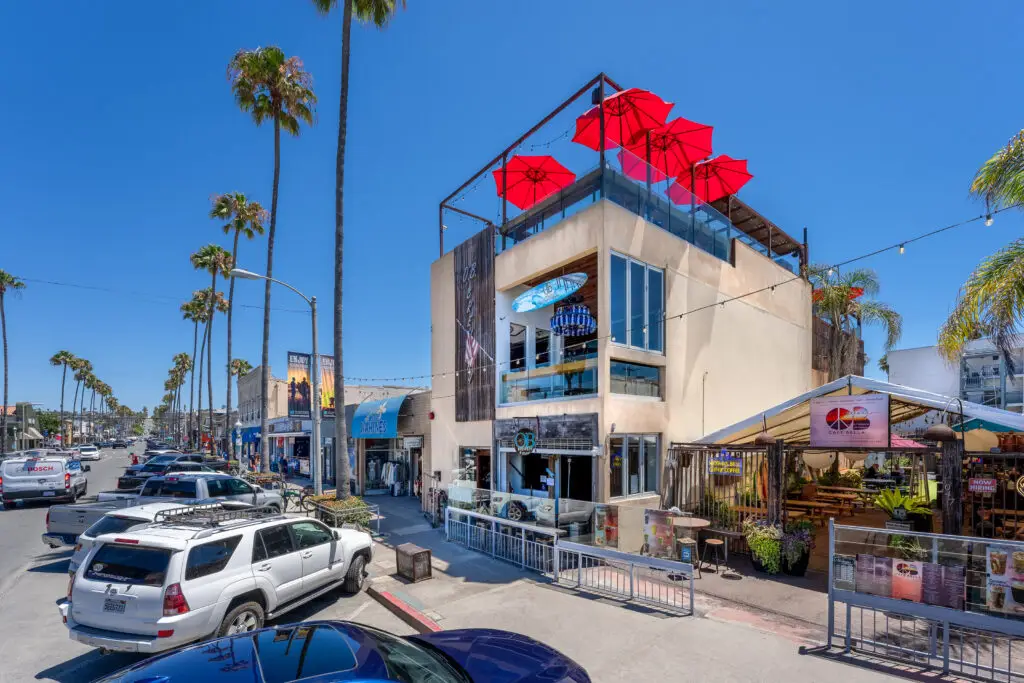
After 10 years of rooftop dining and brewing award-winning beers, OB Brewery is for sale. A local fixture on Newport Avenue, OB Brewery owner Mike Tajran is ready to retire and hand over the reins. “It’s got so much potential,” he says, pointing to the accolades the brewpub has collected throughout the last decade (it’s more than a few).
At the 2017 Great American Beer Festival, OB’s Hidden Gem Dunkelweizen won silver in the German-Style Wheat Ale category, followed by a World Beer Cup silver medal as a South German-Style Dunkel Weizen in 2026. In 2018, GABF named OB Brewery Small Brewpub of the Year, brewer Jim Millea earned Small Brewpub Brewer of the Year, and the B. Right On pale ale nabbed a gold medal in the American-Style Pale Ale category. The Elevator Red IPA also took bronze that year at the San Diego International Beer Festival, and earlier this year, they won gold for Couple’s Therapy chili beer and silver for Rauch Me smoked beer at San Diego County Fair Craft Brew Competition.
It’s a solid foundation for the right buyer, he says—someone with brewing and business chops ready for a turnkey operation in a favorable location a block from the beach on Ocean Beach’s busiest street. (And while he’s letting go of the brewpub business, he’s also open to selling the building as part of the deal.)
Originally from Iraq, Tajran’s family ran restaurants in Baghdad, but “they were decimated by Saddam Hussein,” he explains. Once in the United States, he launched Giant New York Pizza at 5050 Newport Avenue in 1984, which eventually became Newport Pizza & Ale House. Newport Pizza felt long ahead of its time, proudly proclaiming they served “no crap on tap” years before the craft beer craze caught fire in San Diego.

When the building’s owners passed away and their son cut his lease short in 2020, Tajran says he was disappointed, but he had a nagging feeling that would happen eventually—which is why he already purchased 5041 Newport Avenue back in 2009 and opened Ocean Beach Brewery in 2016.
“For 42 years, I have been in this location in this area, the same block,” he says with pride. Ocean Beach has gone through some changes since 1984 (the OB farmers market launched in 1992, Starbucks came in 2001 and left in 2022, ADUs crept in, and the iconic OB Pier closed in 2023), but Tajran says the heart of the beachside town has remained the same.
So has most of his staff. Millea has been brewing since day one, and longtime manager Megan Schuster has worked for Tajran for 19 years, first at Newport, then at OB Brewery. Most of the employees are locals, and Tajran says he doesn’t plan on closing the business until he finds the right buyer to carry on the baton.
The property itself comes with some unique features for the area—three stories with a rooftop deck and ocean views from every level. And if you’re wondering if those uninterrupted views will remain that way, Tajran assures me they will. Part of his original building purchase included language that prohibits the three buildings between him and the ocean from building up. He also leases space next door, which would allow a new owner to expand brewing capacity with more tanks and fermenters.
“I just wanted to make sure this goes in good hands,” he says. He and his wife both hope to retire soon in order to spend time with their children. But he’ll make sure his other baby is taken care of first.
“I love Ocean Beach,” he says. “I can say nothing but thank you, OB.”
OB Brewery is still open at 5041 Newport Avenue. Hours are Sunday through Thursday, 11 a.m. to 9 p.m.; Friday, 11 a.m. to 10 p.m.; and Saturday, 10 a.m. to 10 p.m. Interested parties should contact Next Wave Commercial.
Listen Now: The Latest in San Diego’s Food and Drink Scene
Have breaking news, exciting scoops, or great stories about new San Diego restaurants or the city’s food scene? Send your pitches to [email protected].
Beth Demmon is an award-winning writer and podcaster whose work regularly appears in national outlets and San Diego Magazine. Her first book, The Beer Lover's Guide to Cider, is now available. Find out more on bethdemmon.com.
Longtime San Diego beer veteran Erik Fowler and his wife, Shannon, will open their first brewery by end of year
“You’re opening a brewery? In this economy?”
This is the question I posed to Erik Fowler, executive director of the San Diego Brewers Guild. He and his wife Shannon just announced they’re opening Good Pressure Brewing Company in Allied Gardens at the end of the year.
Don’t get me wrong—this is fantastic news coming from great people. But I’m sure I’m not the only incredulous inquirer. The latest Brewers Association report says more breweries are closing than opening across the country, and craft’s overall volume has dropped 5 percent since 2024. Even San Diego, the self-proclaimed “Capital of Craft,” isn’t immune.
Goal Brewing pulled out of the Brewery Igniter space in North Park in March. Little Miss Brewing shuttered all nine locations earlier this year. Half Door Brewing sold to Villains Brewing Company. Division 23 Brewing closed in May. The owners of Jacked Up Brewery retired. Border X Brewing tried launching a GoFundMe before closing up shop in Barrio Logan. It feels a little bleak out there.
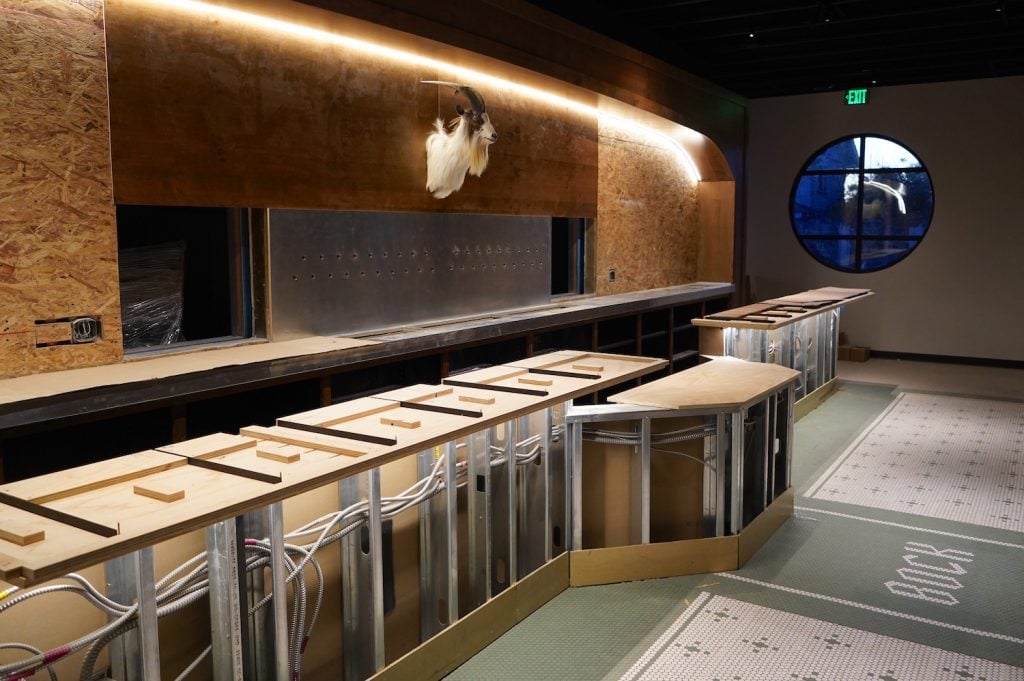
But Fowler is far from a naive beer newbie. On the sensory side, he’s a certified Cicerone and BJCP beer judge with sommelier training. He’s studied beer at UC Davis, and gone through the San Diego State University Professional Certificate in the Business of Craft Beer program. He worked in wine retail before managing the taproom and distribution for ChuckAlek in Ramona. He was a taproom lead at Stone Brewing, head of education and hospitality at White Labs for nine years, and the executive director for the Guild for two years. He just had one more thing to cross off his beer bucket list—open his own brewery.
“I’ve always wanted to own a business in the beverage space,” he says. “That’s been a goal since I turned 21. I’ve always had the entrepreneurial mindset, and I’m at an age and an experience level where the leap and the risk makes sense.”
The Fowlers had been looking for a space to realize their dream for 18 months, hoping to stay close to their home in East County. Of all of San Diego’s 150-plus breweries, less than 10 percent of them are in East County. El Cajon, La Mesa, Valley Center, and Ramona have one apiece; Julian and Alpine each have two; there are three in Santee; and a couple production facilities that aren’t even open to the public.
“There’s still a lot of opportunity there, especially for underserved neighborhoods,” he explains.
But after a year without any luck, they decided to expand their search slightly. When they saw the former Poochie’s Hooch Urban Cidery space in Allied Gardens that came with two patios, a cellar, existing tasting room, infrastructure for a kitchen, and a wine license, it just fit. “It’s in a great neighborhood that doesn’t have a whole lot to offer,” says Fowler. “We wanted a spot that could be family-friendly, and it just ended up working out.”
Despite an address in the city of San Diego, Fowler says they plan to focus heavily on serving the eastern side of the county, both in distribution and in their marketing approach. As residents of East County, the San Diego stereotype of beaches and surfing doesn’t always resonate with them.
“San Diego to a lot of people is the beach, but from growing up and being in East County, the San Diego that we know and see isn’t that at all,” he explains. Shannon works for the Escondido-based nonprofit Center for Plant Conservation, which inspired them to incorporate a more nature-based, plant-inspired motif for the brand that better reflects the San Diego East County locals might feel more attuned to.
They’ll initially launch with food trucks and mostly beer, but hope to expand to other beverages like wine and cider and eventually build out an in-house food program. Fowler says they want to first and foremost be a place for families, and an approachable destination for people who aren’t beer experts.
“I want somebody like my mom to be able to come in and feel comfortable, and be comfortable ordering, and just be focused on themselves and having a good time,” he says. He already took the tests at beer school—guests won’t need to feel like they’re taking a quiz to place an order.
“We never want anybody to have to pull out a phone to look something up,” he says. “We want people to come in and have a good time… we want to be the brewery that people are wrapping up their kids’ soccer games.”
Good Pressure Brewing Company will open in late 2025 at 7559 Mission Gorge Road in Allied Gardens.

For decades, College Area has been more defined by fast-casual concepts and taco shops than as a serious dining destination. (I totally get why—who else remembers being a broke college kid without a car?) That’s completely changed over the last couple of years, and the College Area Business District is showing off the restaurants, bars, coffee shops, and other eateries along El Cajon Boulevard—like Scrimshaw Coffee, The Luau, The Mesa Bar & Grill, and more. The second annual Taste of College Area starts at 11 a.m. on Sunday, September 28, with stops between 54th Street and 73rd Street. Don’t want to walk? Hop on the free trolley that runs until the event ends at 3 p.m.
Listen Now: The Latest in San Diego’s Food and Drink Scene
Have breaking news, exciting scoops, or great stories about new San Diego restaurants or the city’s food scene? Send your pitches to [email protected].
Beth Demmon is an award-winning writer and podcaster whose work regularly appears in national outlets and San Diego Magazine. Her first book, The Beer Lover's Guide to Cider, is now available. Find out more on bethdemmon.com.
From sours to stouts, pilsners, and porters, here are our top breweries across the county
San Diego is the craft beer capital of America—and that’s not just my opinion, it’s a fact. Already home to hundreds of breweries across the city, San Diego’s beer scene is ever-changing with new breweries emerging, old favorites experimenting with bold flavors, and local tap lists continuing to surprise even the most seasoned enthusiasts.
We all have our favorites, and that’s okay. No two beer drinkers are the same, and consensus in the craft beer world is almost as rare as a bad pint in San Diego. (Though we can probably all agree that Keystone Light belongs nowhere near a tasting flight.)
So, let’s lower our inhibitions and take a tour of San Diego breweries, with a brew worth ordering from each. From sours to stouts, pilsners, and porters, here are our top breweries in San Diego.

Yes, everyone should have their own opinion, but anyone who doesn’t also include North Park Beer Company in their own personal shortlists is wrong. With consistently high-quality brews and 360-degree approach to hospitality, those who wish to see how to run an award-winning brewery need only glance in North Park’s direction.
Locations in North Park, Crown Point, and Bankers Hill

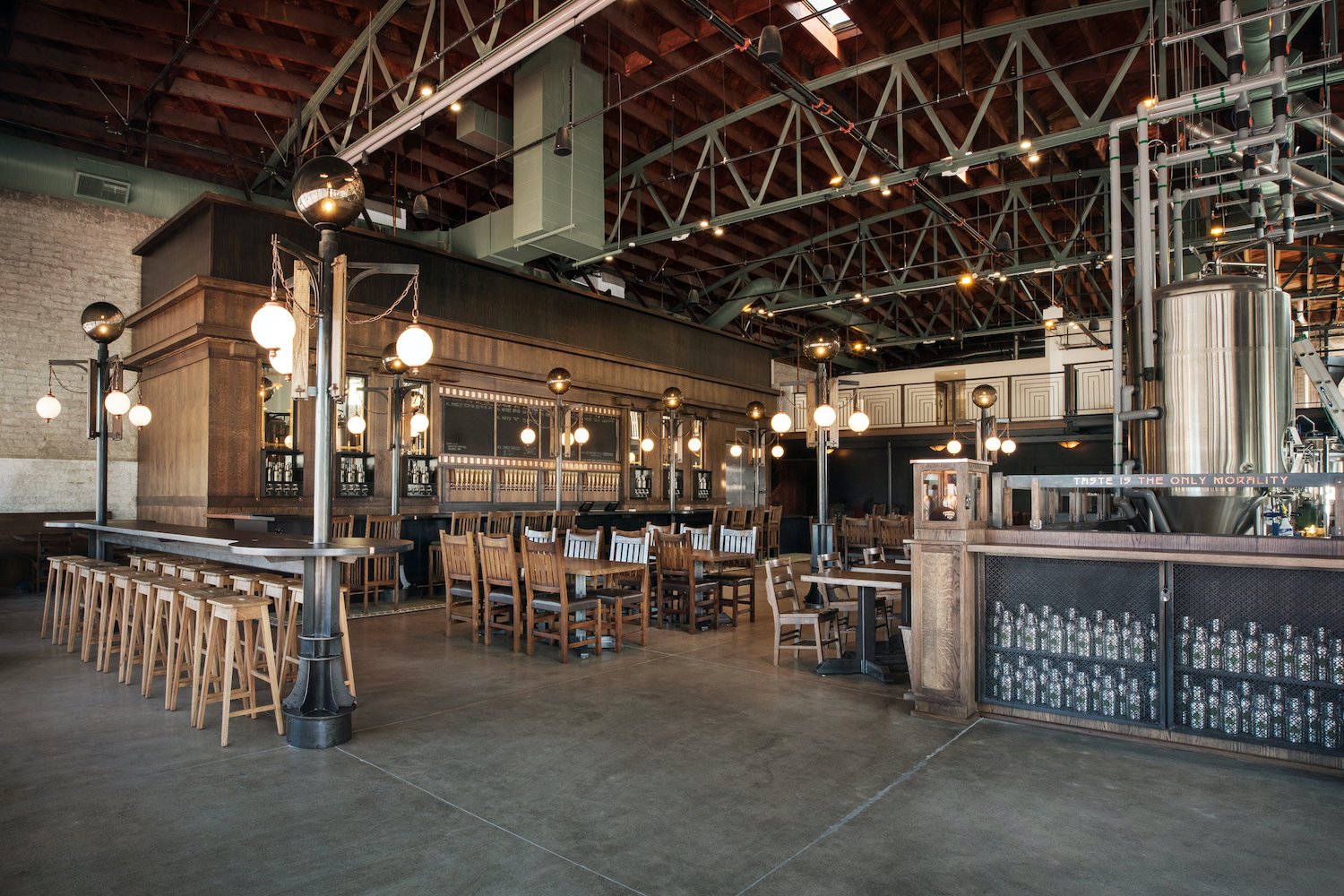
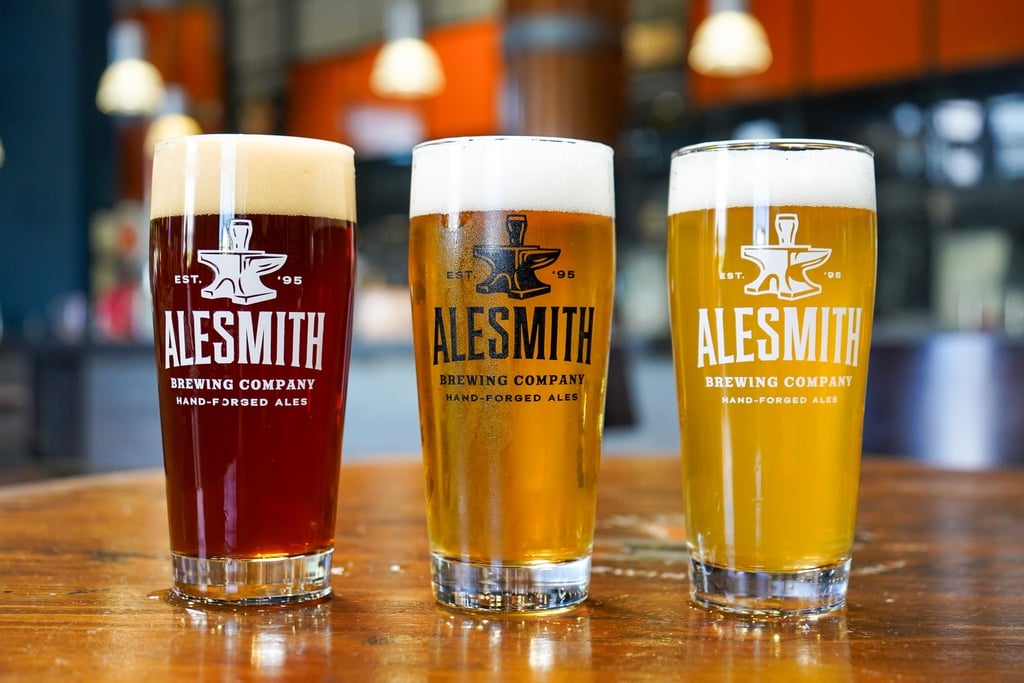
AleSmith has been a giant in San Diego beer for decades, and there’s no sign of them slowing down. Their mammoth tasting room and brewery should be on any beer lover’s pilgrimage list, but don’t just stop your wanderings at the bar. Meander around the Tony Gwynn museum, pop into their not-very-hidden speakeasy Anvil & Stave, and grab a few packs of their housemade Cheesesmith cheese curds on your way out.
9990 AleSmith Ct., Miramar

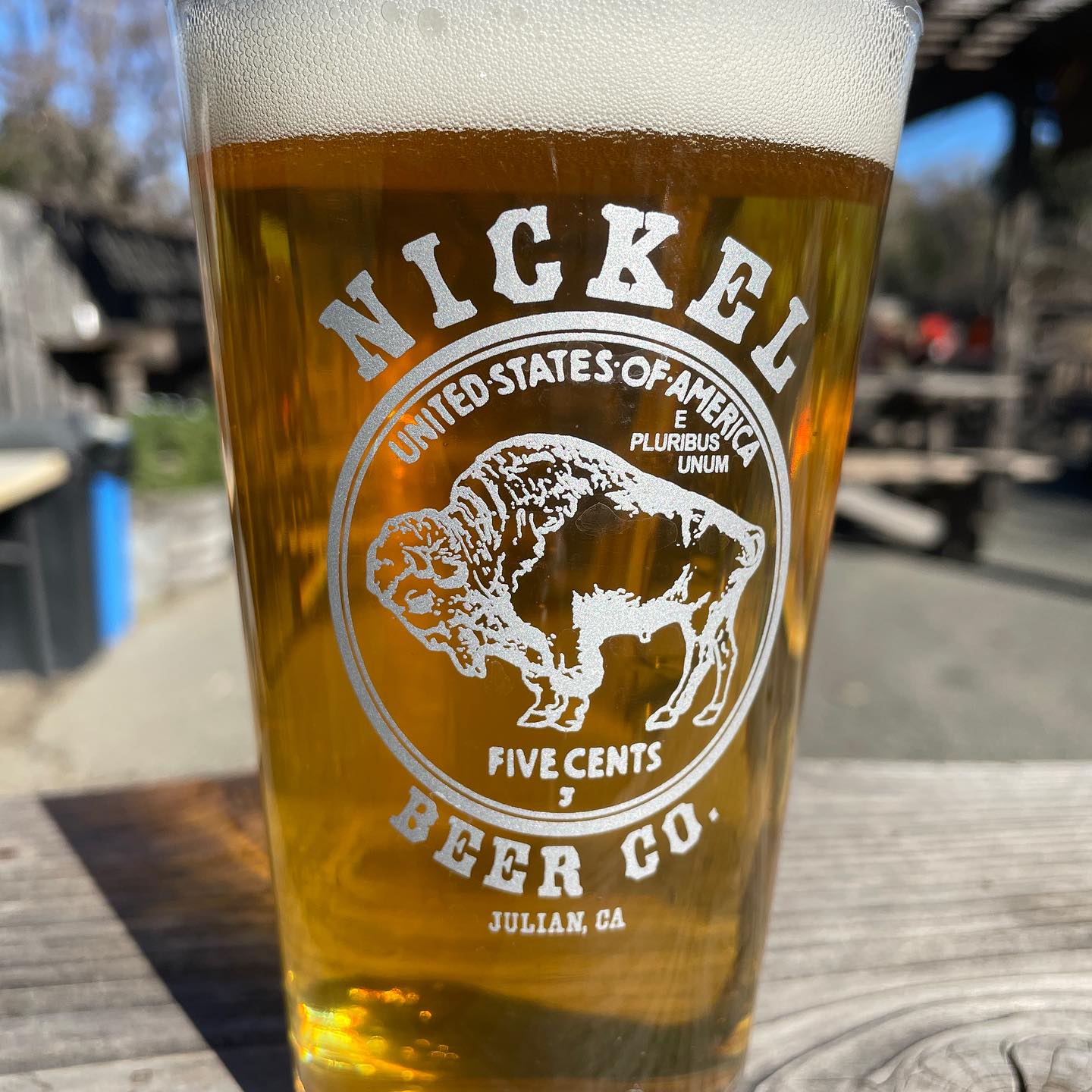
After 10 years, Nickel Beer Company is still going strong. Helmed by local beer pioneer Tom Nickel, his reach extends to a number of beer-centric businesses around the county, but this rustic outpost is a lovely oasis smack in the middle of cider and wine country, offering a wide variety of both esoteric and traditional beers on tap.
1485 Hollow Glen Rd., Julian

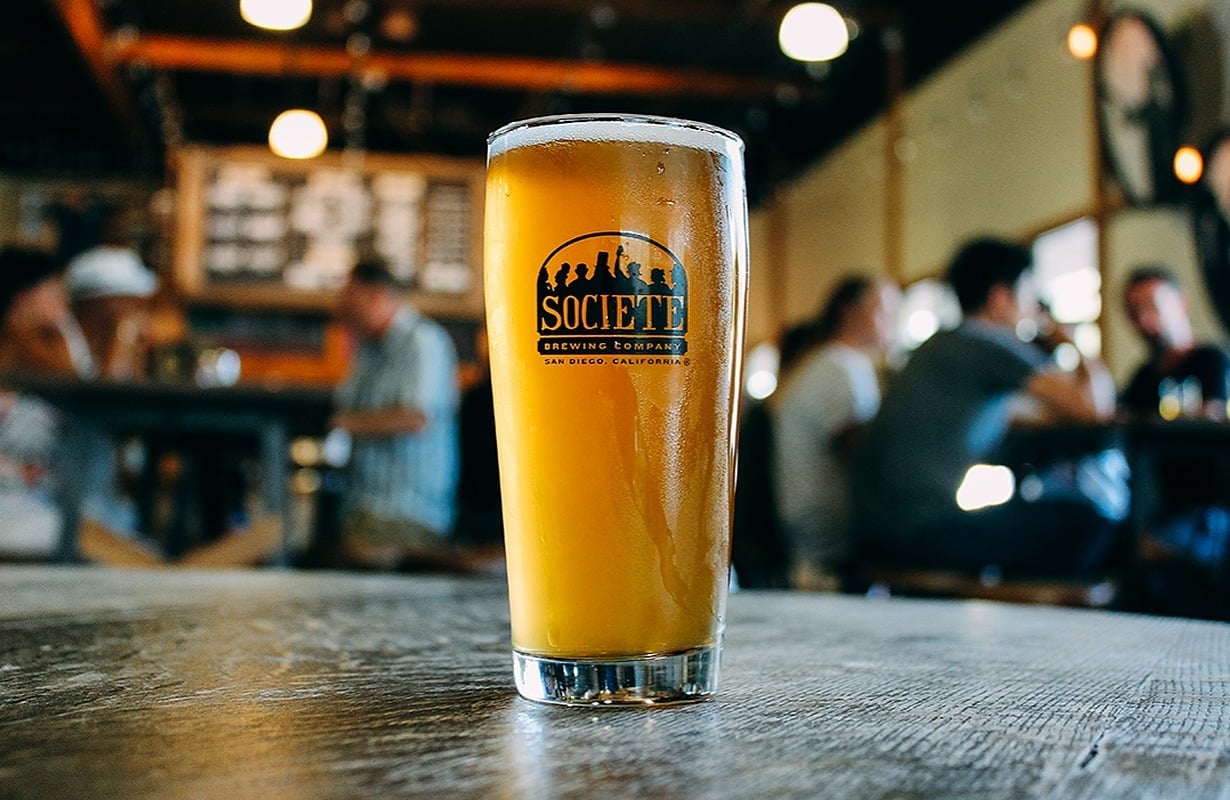
Societe takes its time, focusing on perfecting what they’re doing before moving onto the Next Big Thing. That’s why it took them 10 years to open a second location, and yes, it was worth the wait. Hype chasers may be left wanting, but those who value consistently excellent beer without gimmick will be more than satisfied.
Locations in Kearny Mesa and Old Town

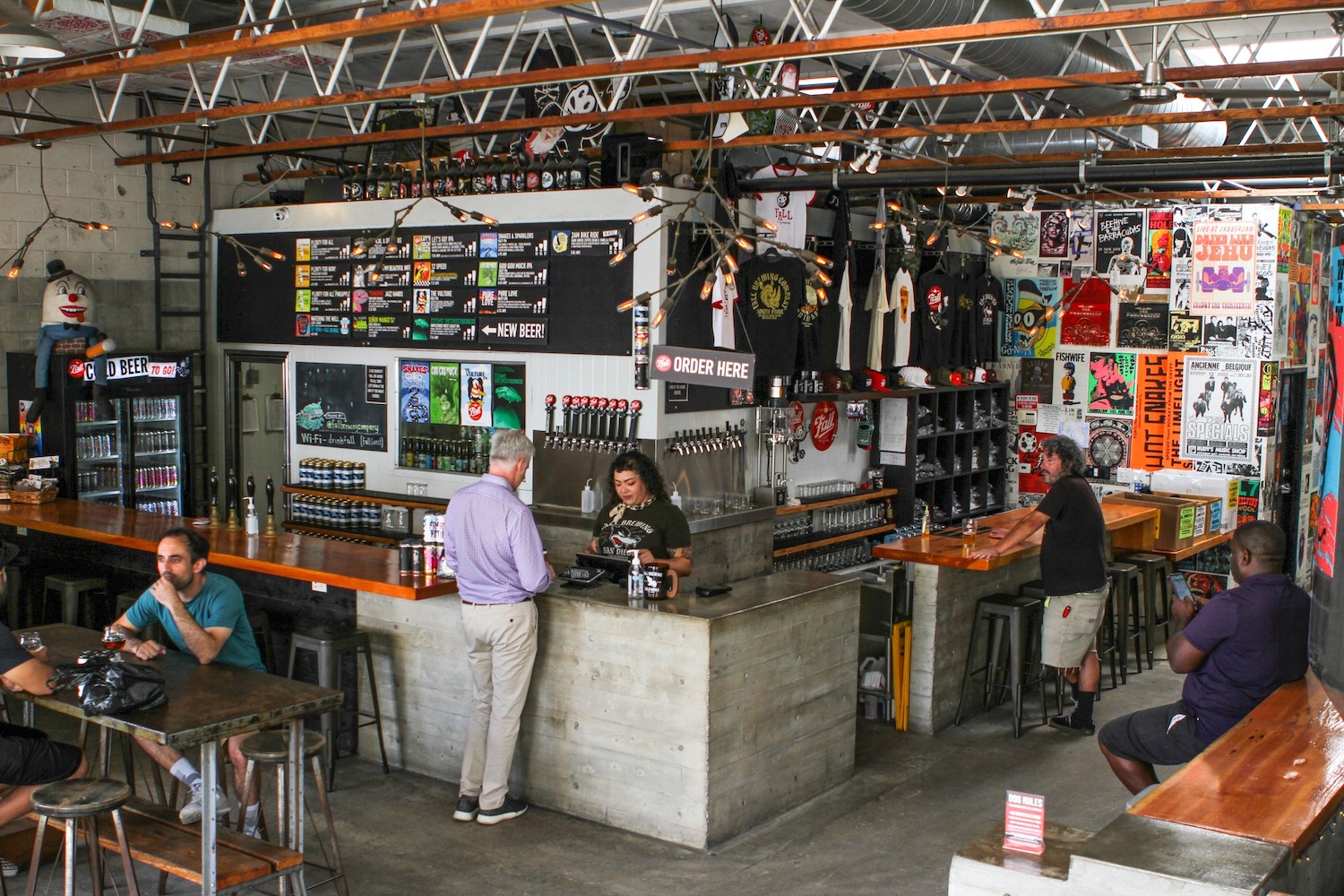
It’s rare to find a place that self-identifies as “punk rock” that doesn’t end up either seeming pretentious or for posers, but Fall Brewing manages to embrace edginess without either. Whether you’re in Doc Martens or docksiders, all beer lovers are welcome at their two Mid City locations. Come for the IPAs, stay for the stout on nitro.
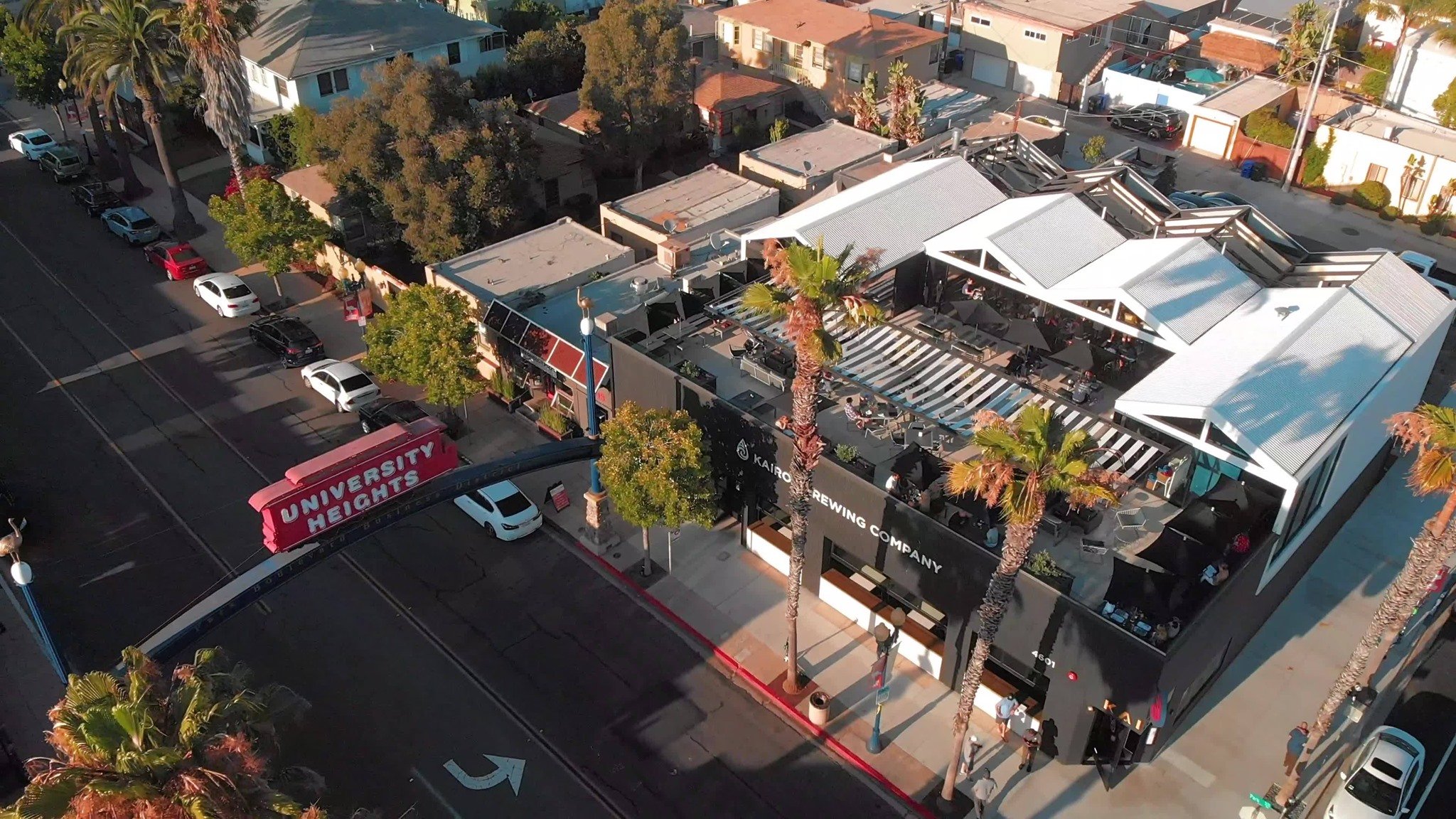
Locations in North Park and South Park

San Diego doesn’t have nearly as many rooftop patios as it should, but what it lacks in quantity it makes up for in quality. Perch yourself above University Heights with a pint in hand, but don’t forget to come hungry—Kairoa’s kitchen is as good as their brewhouse.
4601 Park Blvd., University Heights

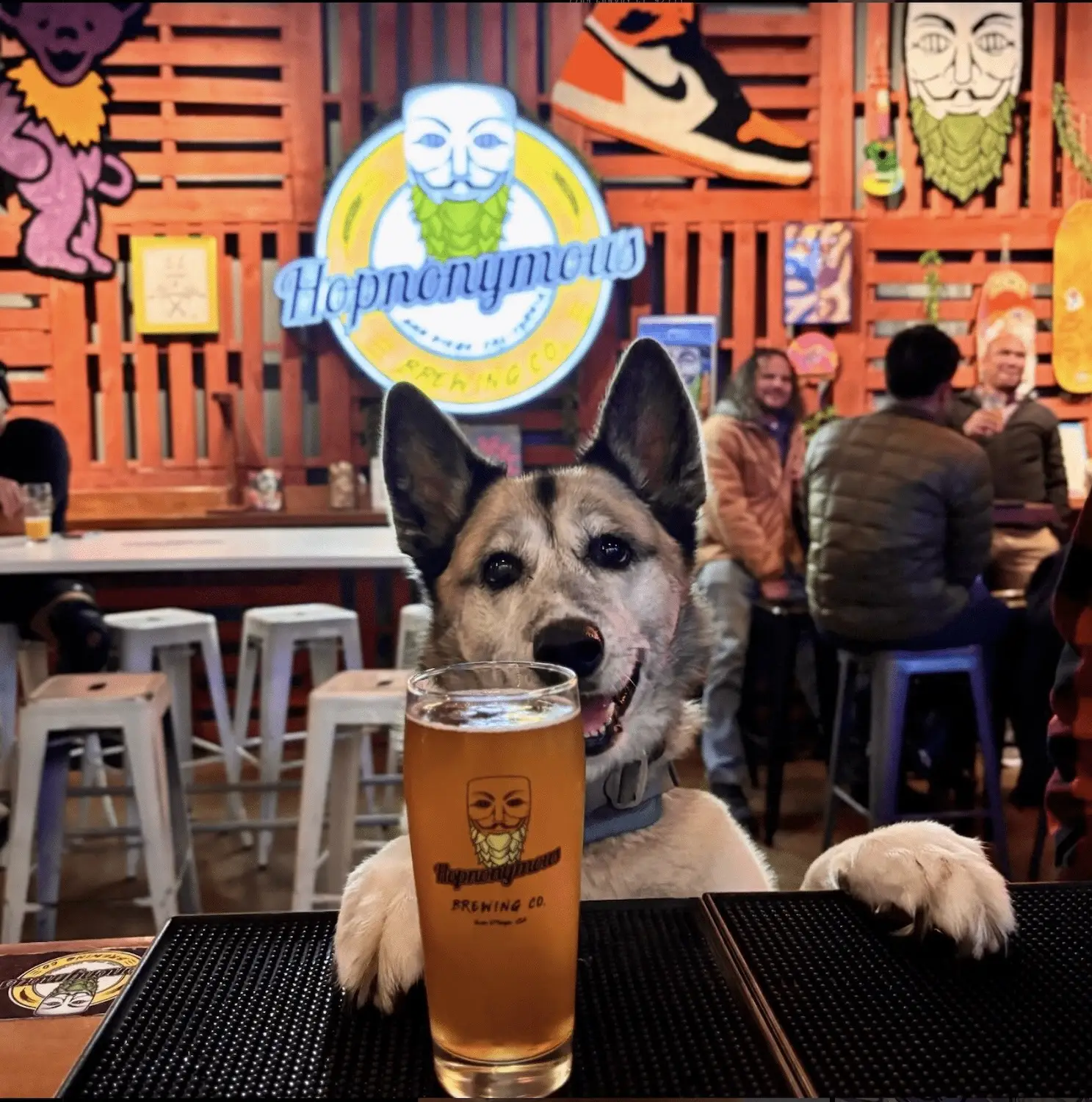
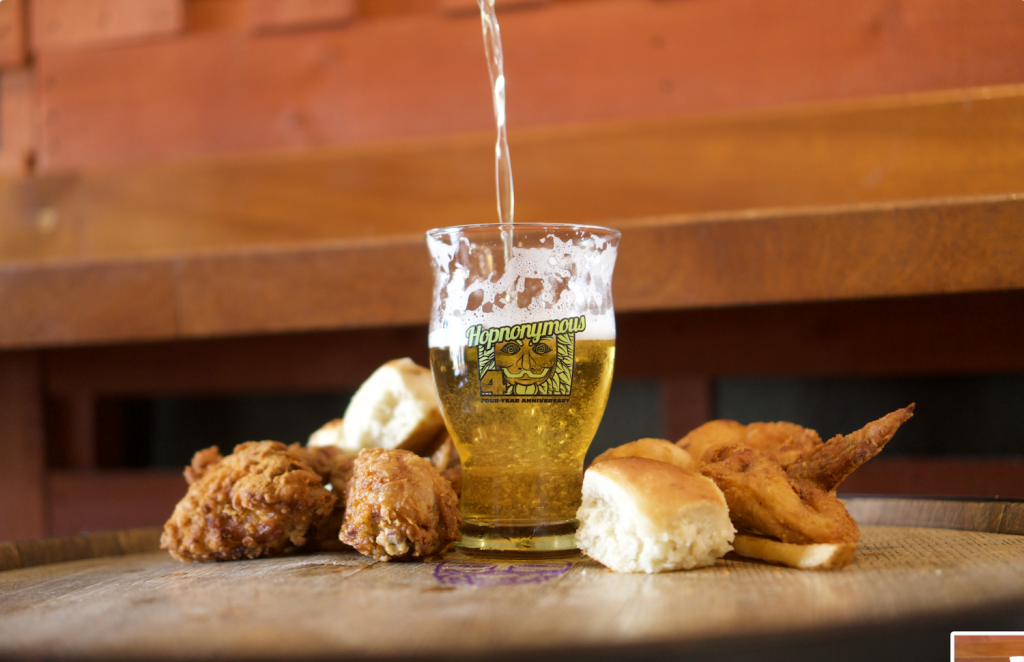
Located in the heart of the Convoy District, Hopnonymous is the perfect post-KBBQ wind-down spot. With 18 beers on tap, highlights include the Two Amigos Lime Mexican Lager—a refreshing alternative for Pacifico and Buenaveza fans. If you’re looking for something richer, Leaving Without Saying ‘Goodbye’ is a red ale that pays homage to the classic Irish goodbye with a hint of caramel. Whether you’re capping off a feast or looking for a dog-friendly brewery, Hopnonymous is the place to be.
7705 Convoy Court, San Diego

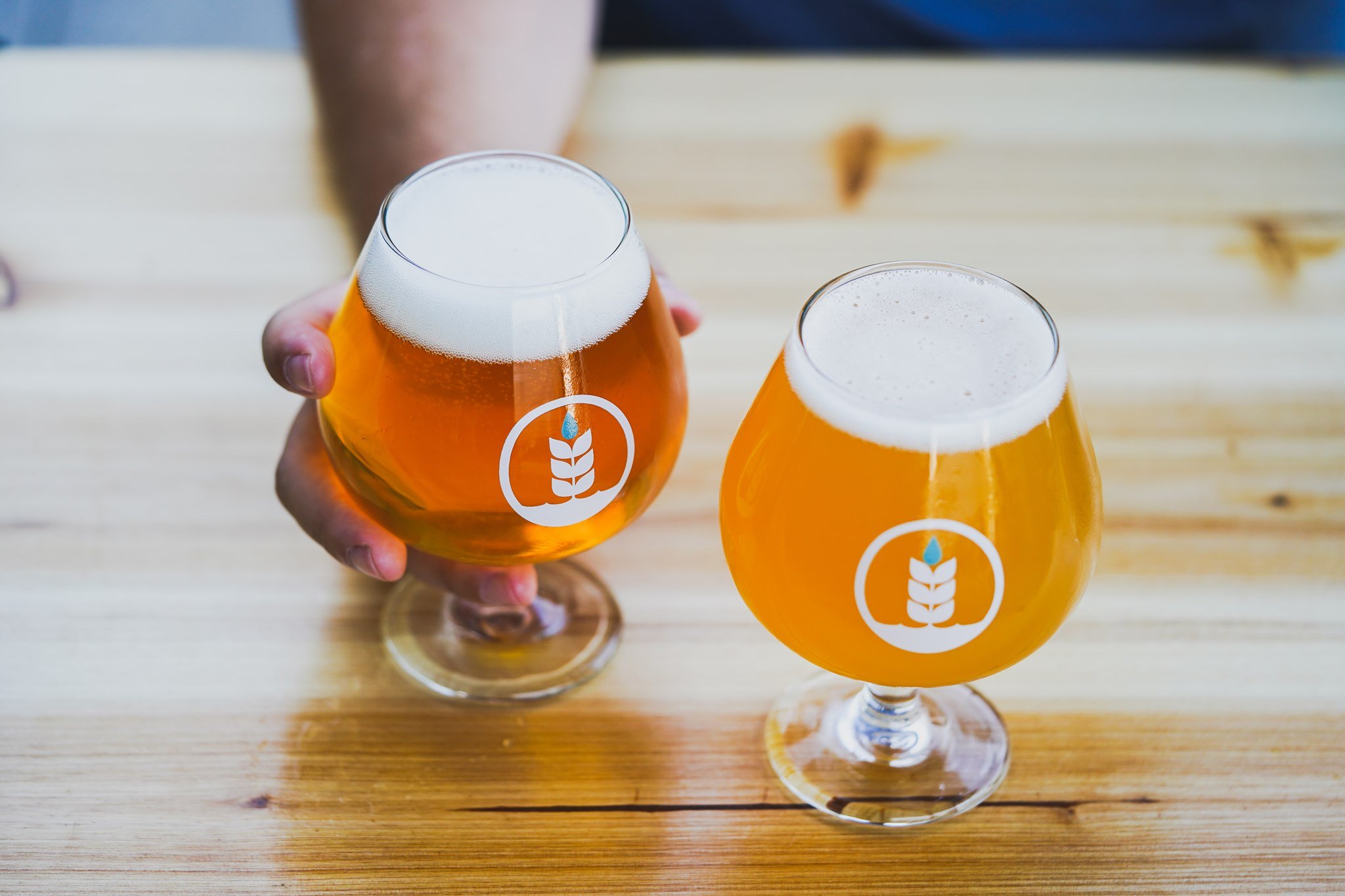
Pure Project opened in San Diego in 2016, but it seems like they’re been a part of the local brew scene for far longer than that. With 150+ breweries in the county, achieving icon status of this magnitude is no small feat, and I for one am thrilled that they keep opening new spots to make grabbing a pint (or two) easy.
Locations in Carlsbad, Bankers Hill, Miramar, North Park, and Vista

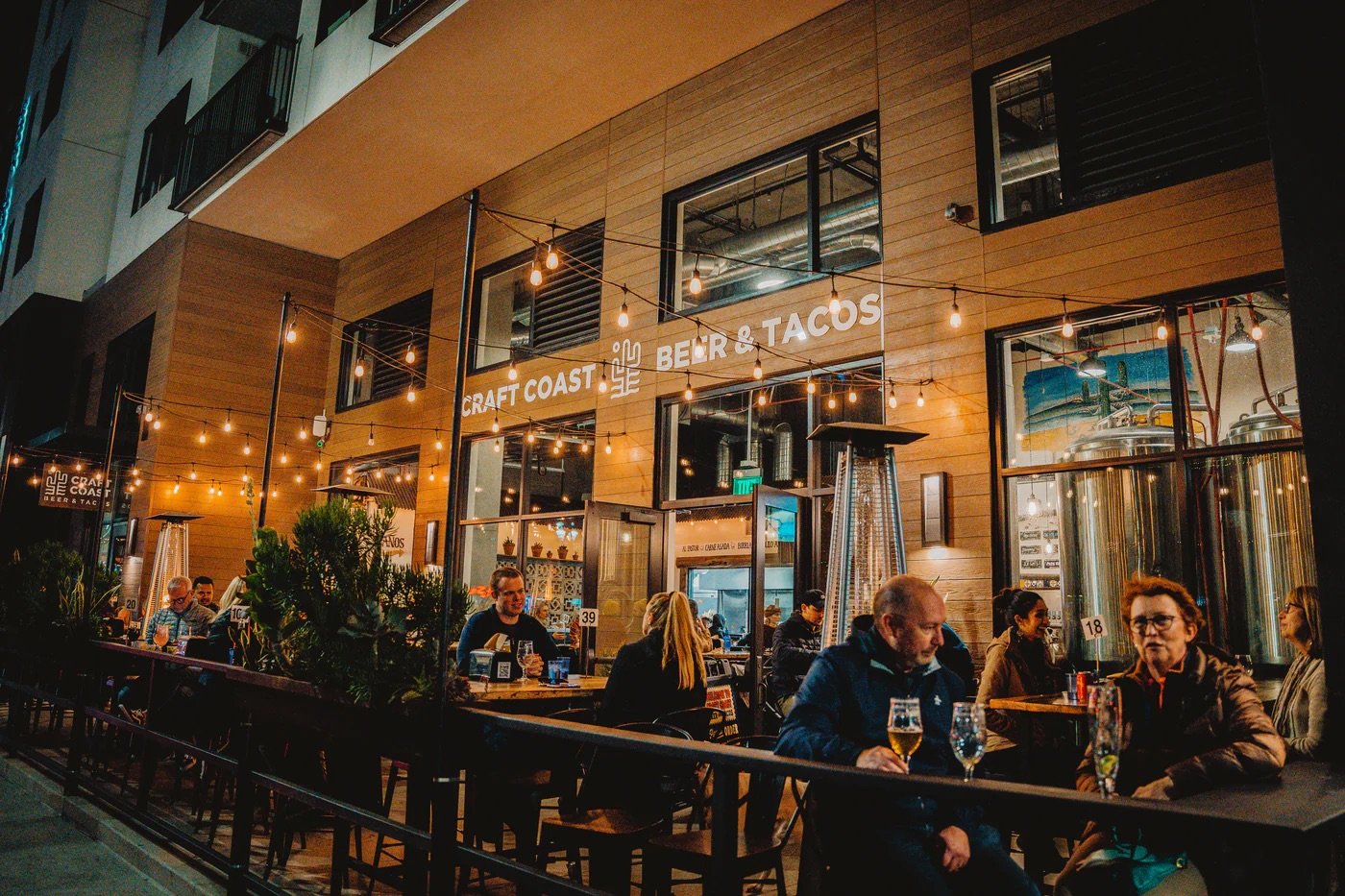
Good tacos deserve good beer, and both can be found at this Oceanside hot spot. With Pizza Port brewing alums at the helm and amazing birria coming out of the kitchen, this divine duo is a can’t-miss stop along the coast. Try Craft Coast Brewing Company‘s award-winning Old West IPA alongside a couple of tacos for a meal that’s hard to top.
275 Mission Ave., Oceanside

This month, the 2026 San Diego Business Impact Awards recognized local businesses making an impact in clean energy, biotech, hospitality, and beyond
Renewable energy companies building hundreds of power plants. Biotech startups using artificial intelligence to create personalized medicine for children with rare diseases. Hospitality companies quietly powering thousands of local events. Consumer brands growing from beach-town startups into national businesses. These are the kinds of companies driving San Diego’s economy today, and the businesses recognized at this year’s San Diego Business Impact Awards offer a snapshot of where the region is headed.
Hosted July 23 by San Diego Regional Economic Development Corporation (EDC) and JPMorganChase, the second annual awards event honored four local companies for innovation, growth, and economic impact. More than 100 nominations from San Diego’s middle-market businesses were reviewed by a 10-person judging committee, with winners selected across four categories: startup, early-stage innovator, rising star, and established heavyweight.
Two-time honoree Jimbo Someck, founder of Jimbo’s organic grocery stores, also joined the event for a fireside chat on buying local, supporting emerging brands, and giving back to the community.
“San Diego’s strength comes from its makers and builders—the resilient people who endure great risks and overcome obstacles to build and scale a company,” says Aaron Ryan, San Diego Region Manager and Middle Market Banking at JPMorganChase & Co. “These awards aren’t just recognition; they spotlight the talent, grit, and innovation shaping our region’s future. By celebrating those who create and build, we foster connections and fuel the growth that keeps San Diego thriving.”

Heavyweight honoree SOLV Energy has grown alongside the country’s rapid investment in renewable power. “It’s an exciting time for SOLV Energy as we are experiencing significant growth,” says CEO George Hershman. “The business has doubled over the last year and has almost double-digit growth since its inception.”
The Rancho Bernardo-based company designs, builds, operates, and maintains utility-scale solar and energy storage facilities. Since its founding in 2008, SOLV Energy has built more than 500 power plants.
Growth has translated directly into hiring. About 200 employees work from the company’s local headquarters, including roughly 20 interns. “Our intern program is a big part of the way that we grow our workforce,” Hershman says. “Last year, 43 percent of our interns became full-time employees. We believe San Diego is a great community to build and grow a high-tech infrastructure and technology company because of the incredible workforce—the ability to attract top talent and draw from world-class universities.”

Startup honoree La Jolla Labs is tackling one of medicine’s biggest challenges by developing personalized RNA therapeutics for patients with rare diseases—many of them children with neurological disorders like ALS. Using proprietary artificial intelligence and machine learning tools, the biotech company develops treatments tailored to each patient’s specific genetic mutation.
CEO Tamar Grossman says the recognition reflects how far the company has come despite limited resources. “We’re honored to be recognized for our ability to change and save patients’ lives and turn our lean startup into a clinical company with very minimal resources,” she says.
Grossman credits San Diego’s concentration of research institutions—including UC San Diego, the Salk Institute, and Scripps Research—with creating a pipeline of talent and collaboration. “San Diego is one of the world-leading centers for technology, genomics, and RNA therapeutics,” she says. “We have over 30 RNA therapeutics companies here, and we support each other and help with anything related to drug discovery.”
She says that collaborative spirit extends beyond formal partnerships. “You can walk around Torrey Pines, go into a café, and find colleagues from the industry and have an ad hoc conversation,” Grossman says. “That’s something very unique to San Diego.”

While Snake Oil Venue Company may not be a household name, chances are many San Diegans have attended one of its events. The early-stage innovator honoree has expanded from beverage catering and mixology consulting into venue management, operating Julep Venue in Mission Hills, Bramble Bay Venue in Imperial Beach, Vesper Venue, the Chapel at Liberty Station, and five outdoor venues throughout Liberty Station—more than 500,000 square feet of event space altogether.
“We do a lot of launch parties for corporations and new products,” says CEO Mike Esposito. “I really like working on the entrepreneur side of things, where new businesses are entering the San Diego market and looking to make a splash.”
Snake Oil has executed more than 16,000 events, employed more than 1,000 people, and partnered with more than 900 local vendors, including caterers, florists, photographers, entertainers, and other hospitality businesses. The company also works with many of San Diego’s nonprofits, museums, and cultural institutions. “We get to celebrate people’s most important moments,” Esposito says. “Whether that’s a wedding, celebration of life, or quinceañera, we’re fortunate to be involved in the community in so many different ways.”

Rising star honoree ALOHA Collection is proof that a simple idea can grow into a thriving company. Founded by two roommates who wanted a better way to carry wet swimsuits after a day at the beach, the lifestyle brand has grown into a business while maintaining strong year-over-year growth.
Now headquartered in Carlsbad, ALOHA Collection employs more than 100 people and operates its California flagship store in Encinitas, which is slated for a remodel. With roots in Hawaii, the company is known for its lightweight, splash-proof travel bags that have become a familiar sight on beaches in San Diego and beyond.
“‘Aloha’ is part of our name, but it’s also how we move through the world,” says CEO Lynna Barnard. “It’s how we show up for people, the way we travel, the way we give back.” Since day one, the company has maintained a 5 percent giveback to Hawaii conservation efforts, contributing millions of dollars over the years.
“I think what’s so inspiring about ALOHA Collection, and the founders in particular, is when you dream big, those dreams can come true when you work hard and trust in the universe,” Barnard says. “It’s inspiring to be a role model for other people wanting to start businesses from humble beginnings. Start small and watch it grow.”
Together, businesses like these form a cornerstone of San Diego’s economy—not only through the jobs and revenue they generate—but through the local workers they hire, vendors they support, and investments they make in the region. Their growth doesn’t happen in isolation; it ripples outward, strengthening the broader business community and the people who call San Diego home.

Owner Stacy Drayne looks back at a decade in East Village and shares why the brewery is to shutting its doors
All good things eventually come to an end, and San Diego’s craft beer scene is no exception.
The beer industry is far from out of business—there are still about 140 breweries operating today, with thousands of employees—but around a dozen have closed in the last year alone. This may be the first time local brewery closures and acquisitions outpaced openings in the current craft beer era, and many have cited increasing costs of real estate, ingredients, and labor as reasons for shutting their doors forever.
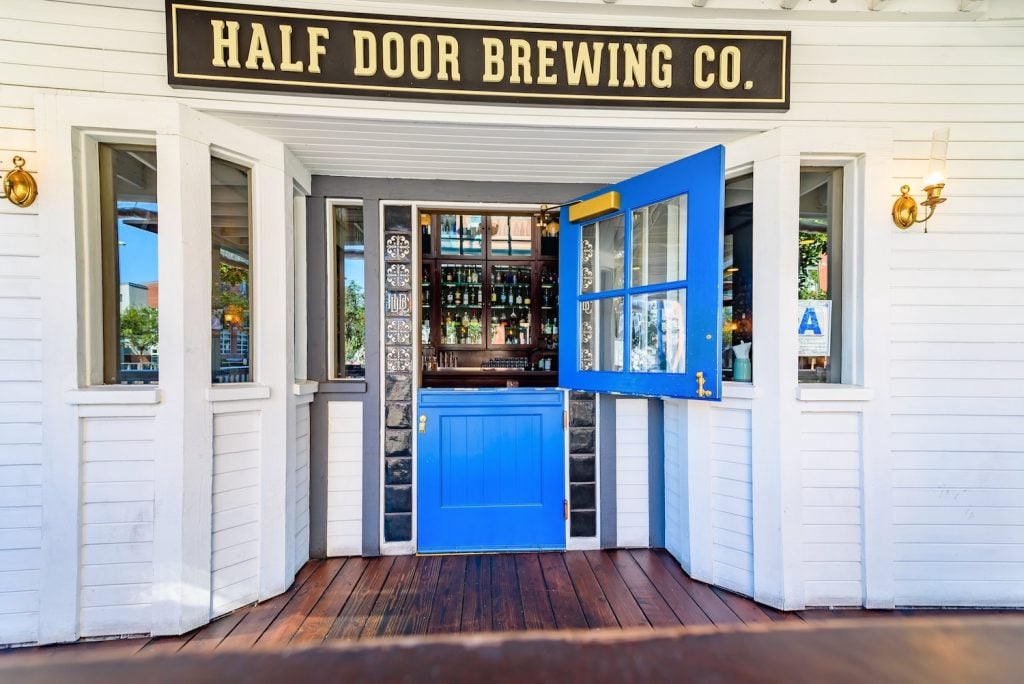
That’s not the case for Half Door Brewing Company. Siblings Stacy and Daniel Drayne opened Half Door Brewing in 2015, leveraging their experience running nearby Irish pub The Field with their parents. Daniel brewed the beers, Stacy ran operations (splitting her time between The Field and Half Door), and business has boomed for a decade, especially during baseball season.
So why are they closing Half Door and selling their iconic, 1906-era, two-story building in East Village to Anaheim-based Villains Brewing Company?

It’s precisely because the business has been so successful that the siblings decided to get out while they’re ahead. “I feel a little overwhelmed doing two places,” Stacy explains. “The industry is changing, [and] it just kind of felt like the right time.”
While she understands why other breweries have had to close due to economic factors, she says, that wasn’t one of the problems Half Door faced. Plus, she’s quick to add, the transition to Villains is in progress, but won’t occur for at least a few weeks, if not months (permits and license transfers permitting). “Everything is business as normal,” she adds. “I’m preparing for St. Patrick’s Day; I’m preparing for Opening Day. I’m assuming we’ll be here for the start of baseball.”
She also notes that only the property is for sale, not the Half Door name or trademark. “You never know what the future holds,” she laughs.
It’s a bittersweet moment for the pair, and one they didn’t initiate. Stacy recalls that, in the summer of 2024, another business reached out to them to see if they’d be interested in selling their space. That particular deal fell through, but it sparked a conversation between her, Daniel, and their father. “It was kind of like ‘What do we think?’” she says. “The seed was planted.” They decided to put the property on the market, and, after a couple of bids, Villains won out.
This is the second San Diego entity Villains has acquired. During the excruciatingly slow fall from grace for Modern Times Beer (which is still in progress and, frankly, painful to watch), Villains took over the brand’s former 33,000-square-foot Leisuretown location in Anaheim to launch a brewery and food hall concept. Until they hand over the keys, however, Stacy says they look forward to continuing to brew and serve their house beers to loyal customers as long as they can.
“It’s just a super special place,” she says. “I hope Villains does it justice.”
What’s the difference between Roman food and Italian food? Glad you asked. Italian food encompasses a wide variety of regional cuisines (think Sicilian, Milanese, Tuscan, and so forth) while Roman food hails from Rome (obviously). Roman cuisine’s signature dishes include fresh pastas like cacio e pepe and carbonara; meats like oxtail and seafood; vegetables like artichokes and fresh herbs; and thin, foldable pizza slices. Now San Diegans can get a new taste of the Old World at Romanissimo, which opened at 565 Fifth Avenue this week.
It’s the latest endeavor for restauranteurs Vincenzo Loverso, Alessandro Minutella, and Giovanni Gargano, who also each have stakes in Roman Wolves, Allegro, and Vincenzo Cucina & Lounge. Minutella tells me their goal is to give guests another opportunity to try the unique culinary traditions of Rome, using traditional ingredients and preparation methods. “We like to say ‘Eat as the Romans do,’” he adds. I say, if Romans are serving a one-pound meatball, then I’m on my way.
Beth Demmon is an award-winning writer and podcaster whose work regularly appears in national outlets and San Diego Magazine. Her first book, The Beer Lover's Guide to Cider, is now available. Find out more on bethdemmon.com.
From pumpkin beers to amber ales, here are some of the best craft beers to enjoy around San Diego this autumn
Move over summer beers, it’s time to embrace the flavors of fall.
There are no strict seasonal guidelines when it comes to beer styles, but certain recipes just taste better during different times of the year. Light, crisp, refreshing lagers hit all the hot spots during summer—both literally and figuratively—while rich, full-bodied, malt-forward brews tend to warm us up during the chilly winter months. But autumn remains an especially unique season for beers, thanks in large part to Oktoberfest celebrations that usually start in late September and run through October.
Lots of places that celebrate Oktoberfest tend to offer the classic trio of fall beers—Oktoberfests, Marzens, and Festbiers. Don’t get me wrong—all of these are deservedly iconic styles that are some of my favorites to drink. But there are many, many more fall-centric beers out there to discover. Here are a few options from around San Diego that may expand your mind and please your palate this fall season.

This 7.0 percent ABV beer has already earned both gold and silver medals at the Great American Beer Festival, and for good reason. It’s complex and crisp, highlighting both a malty backbone and balanced smokiness from beechwood smoked malts and a hint of Vermont maple syrup. Ironically, the word maibock actually translates to “May beer” and is typically brewed at the start of spring, but this smoky take on the seasonal style makes it an ideal option for the increasingly shorter San Diego days.

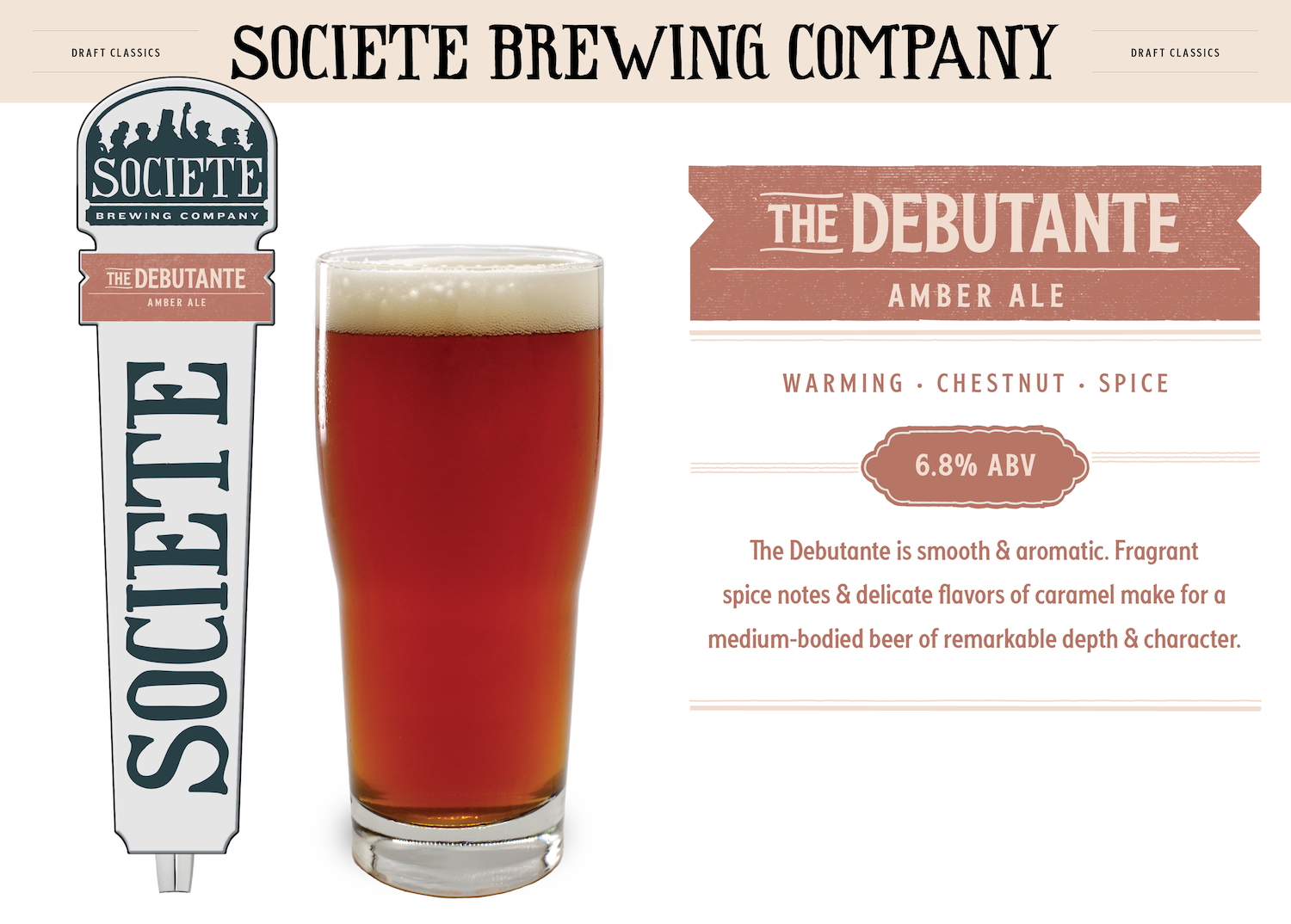
Yes, their Festbier is an excellent pick for the season. But once you’ve had your Festbier fill, take a chance on Societe’s amber ale, The Debutante. While the style has largely fallen out of fashion over the past decade, amber ales are some of the most balanced brews out there (if you can even find one in cans or on draft nowadays) and Societe is wise to include one in their portfolio. It’s delicious, too—and at 6.5 percent ABV, it hits all the high notes without going too far.

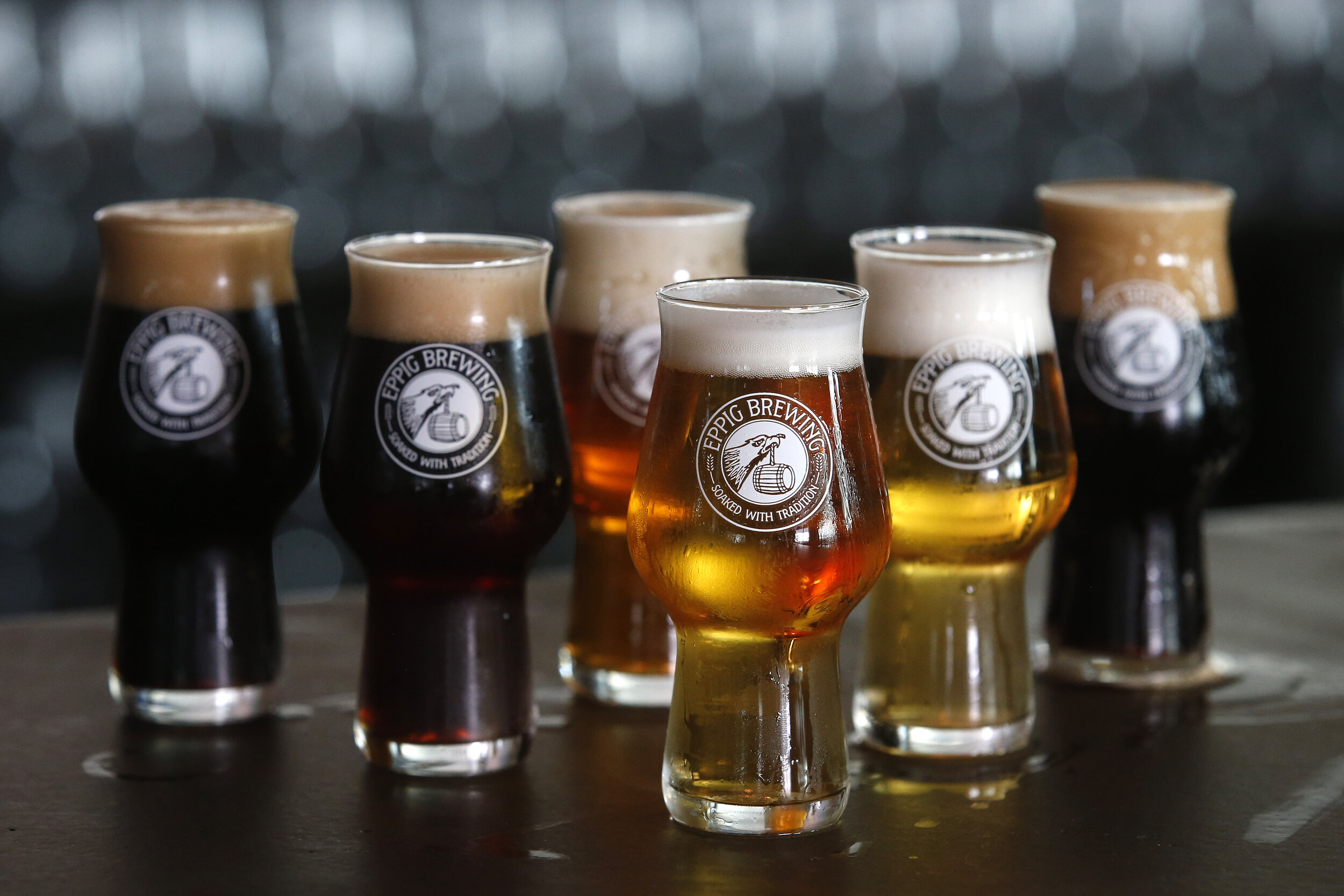
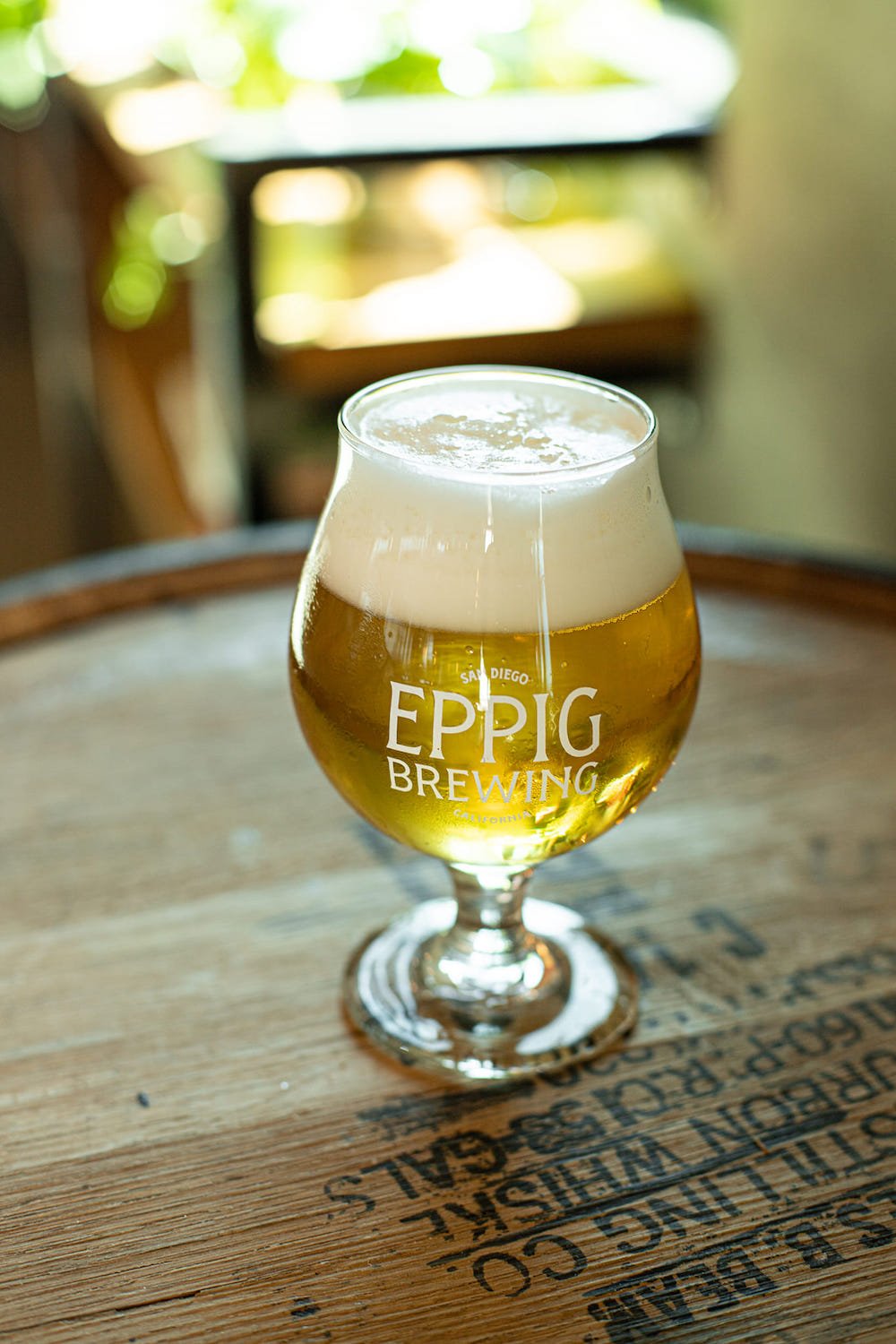
Wheat beers are another criminally underrepresented (and often very misunderstood) style that deserve much more of a spotlight. Eppig knows exactly how to handle their lagers, and with a beautifully round mouthfeel, clean finish, and pleasantly restrained 5.3 percent ABV, Meister goes down smoothly and tastes great the whole time. Try it with a salted Bavarian soft pretzel to contrast against the light sweetness, and please—don’t ask for an orange slice on the rim.
The name Extra Special Bitter can seem off-putting to those unfamiliar with the traditionally English style. Hop bitterness is held in check against a malt personality that’s full of biscuit and toast—a quintessential British brew. Deft’s founder Mo Nuspl is an expert in brewing traditional styles and often includes a rotating portfolio of uncommon brews like kellerbiers, altbiers, and dark milds. Even the most rabid hazebois will find something to salivate over. (Pro tip: if it’s available during your visit, try the ESB on cask for an ultra smooth and creamy pour.)

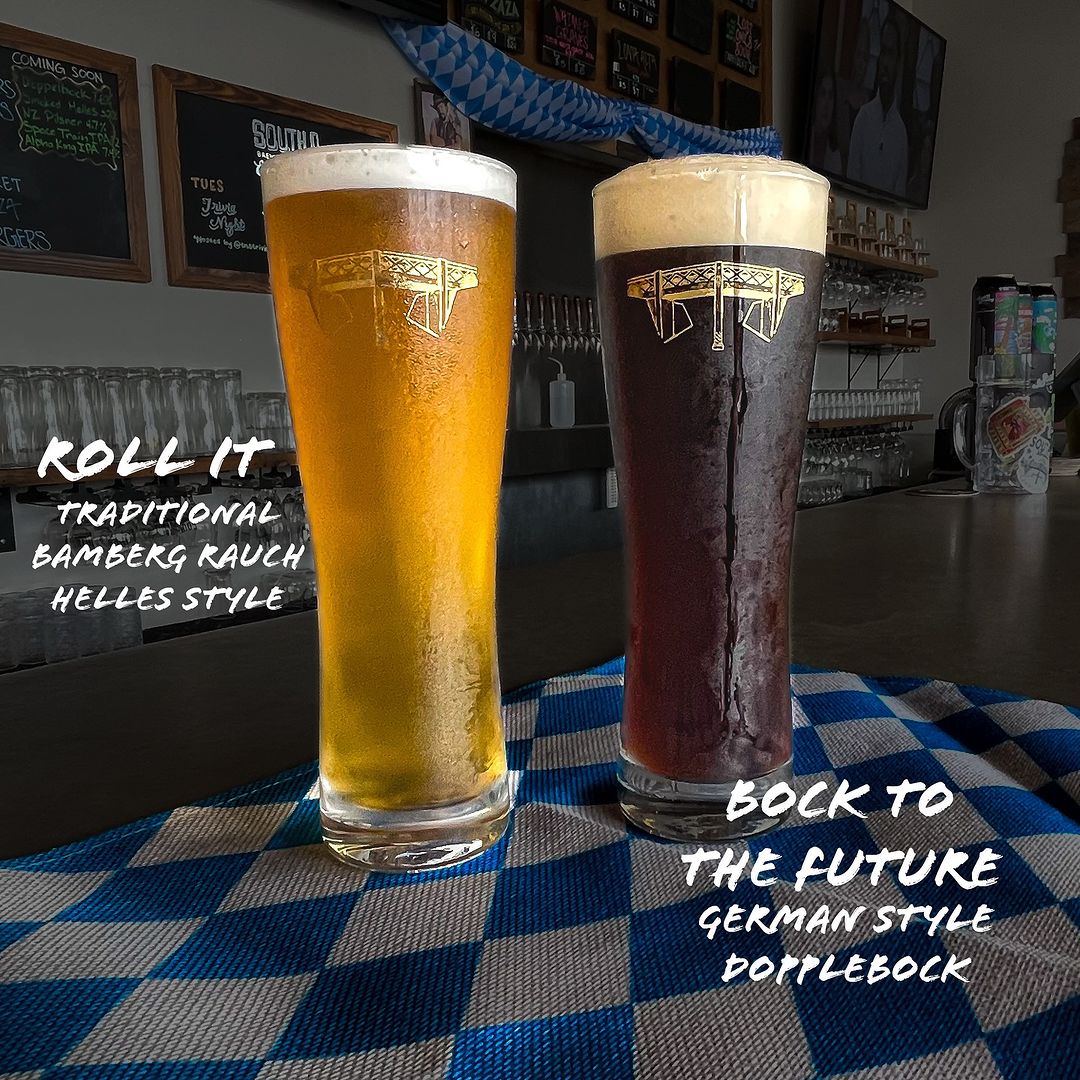
Bamberg, Germany is the world capital of rauchbier (“smoked beer”) and this Bamberg-style helles lager is a true European-style crossover with all the smoky delight of a rauchbier and all the crispness of a helles lager. With smoked malts giving intense aromatics and Noble hops providing the Old World hop flavor, rauchbiers can be a bit of an acquired taste. However, if you’re at all interested in walking on the smoky side, this is a great place to start.

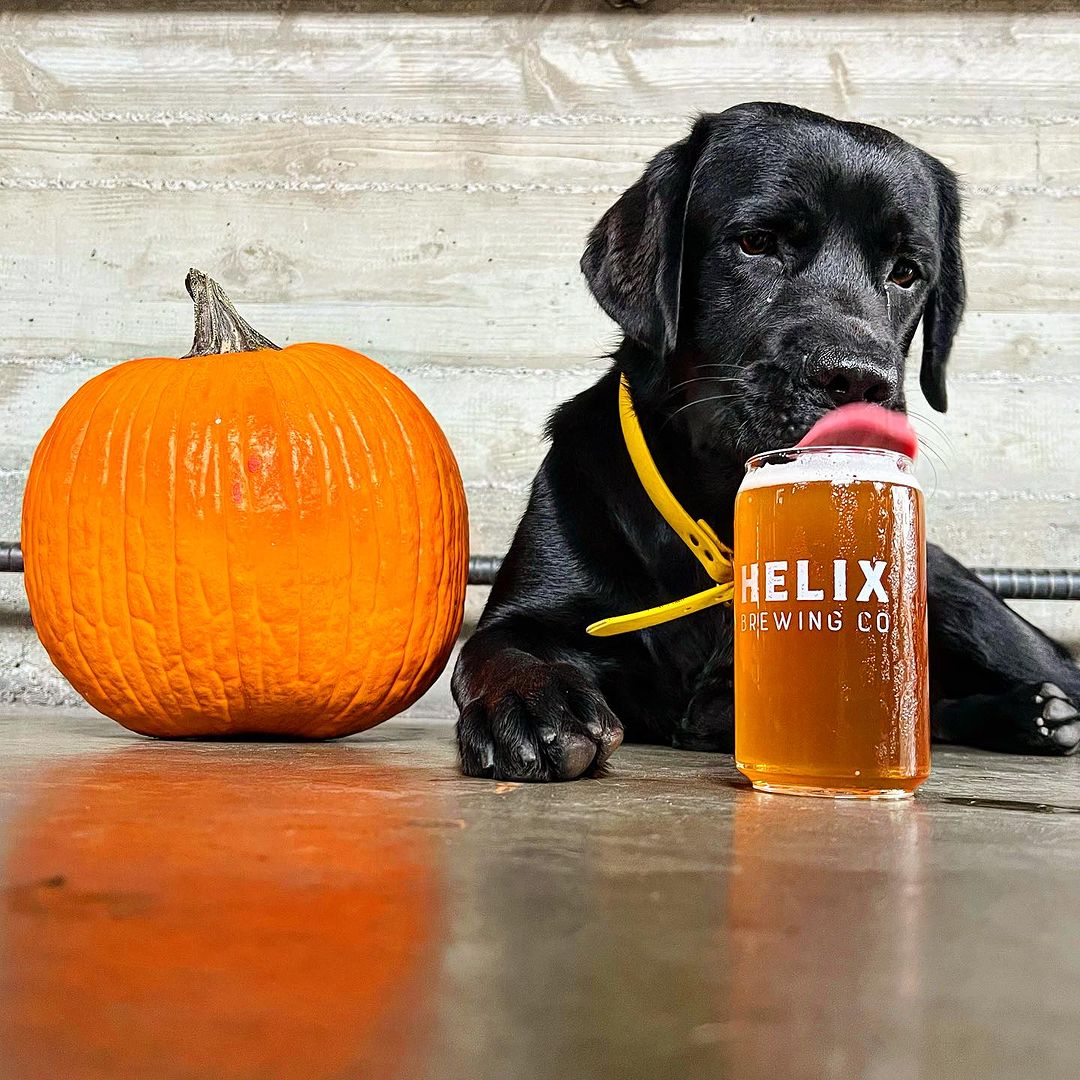
If you don’t like pumpkin beers, don’t drink them. But if you do, head to Helix Brewing’s La Mesa taproom and beer garden for their seasonal fall release, a 6.0 percent ABV easy-drinking ale packed with pumpkin spice flavor. It’s a fun, if not somewhat obvious, elixir that celebrates the changing of seasons, and I’m all for it. If you’re still on the fence, just know their beer garden is very dog- and kid-friendly, and you can count on food trucks, live music, trivia, or some combination of those three virtually every day it’s open.
Beth Demmon is an award-winning writer and podcaster whose work regularly appears in national outlets and San Diego Magazine. Her first book, The Beer Lover's Guide to Cider, is now available. Find out more on bethdemmon.com.
Hypertension is the leading cause of cardiovascular disease and premature death in women
It’s estimated that 44% of women in the U.S. have high blood pressure, also known as hypertension, but many don’t know it. The disease often has no symptoms, and when symptoms do present, they can appear similar to many other conditions. High blood pressure increases the risk for heart disease and stroke, so it’s critical that it’s detected and treated early. And for women at risk of developing high blood pressure, prevention is key. Click here for the basics of high blood pressure and how Scripps physicians at Scripps use screenings not just as a diagnostic tool, but as part of routine preventive care.
For more nutrition, wellness, and healthy living tips, sign up for the San Diego Health newsletter here.