Featured articles
Featured articles
Featured articles
What's next
Featured articles
Featured articles
Featured articles
Ready to know more about San Diego?
SubscribeReady to know more about San Diego?
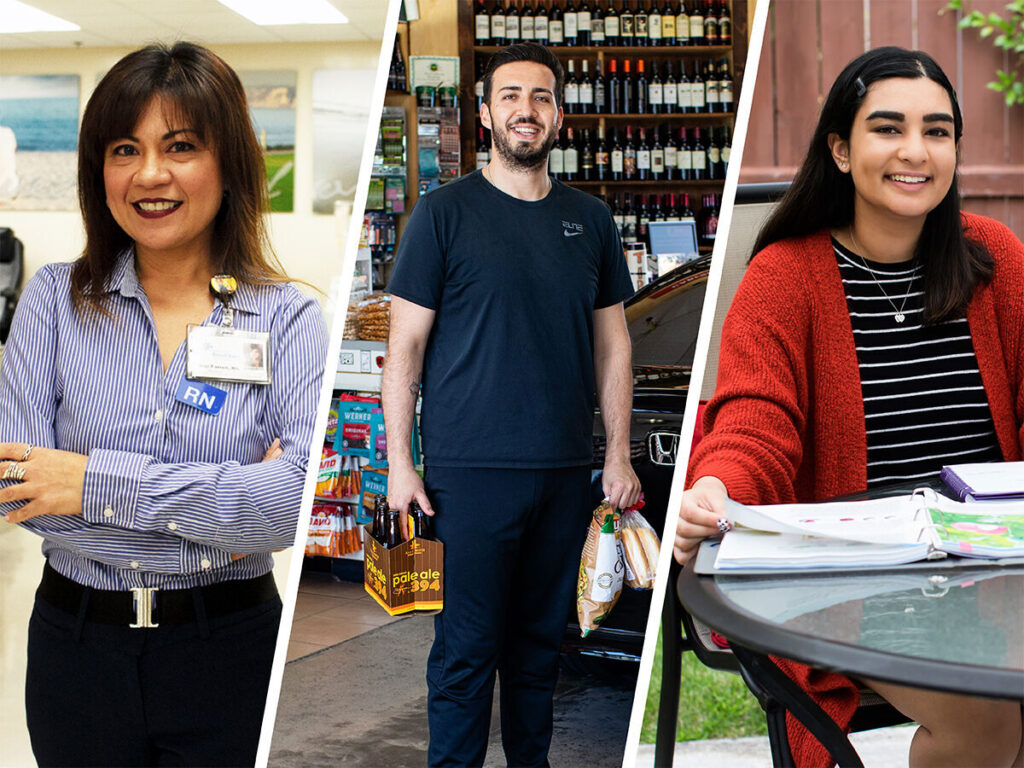
We asked 16 locals—from students to nurses, hoteliers and store owners—how they're working through the pandemic and helping others
Gigi Farrell
As told to Erin Meanley Glenny
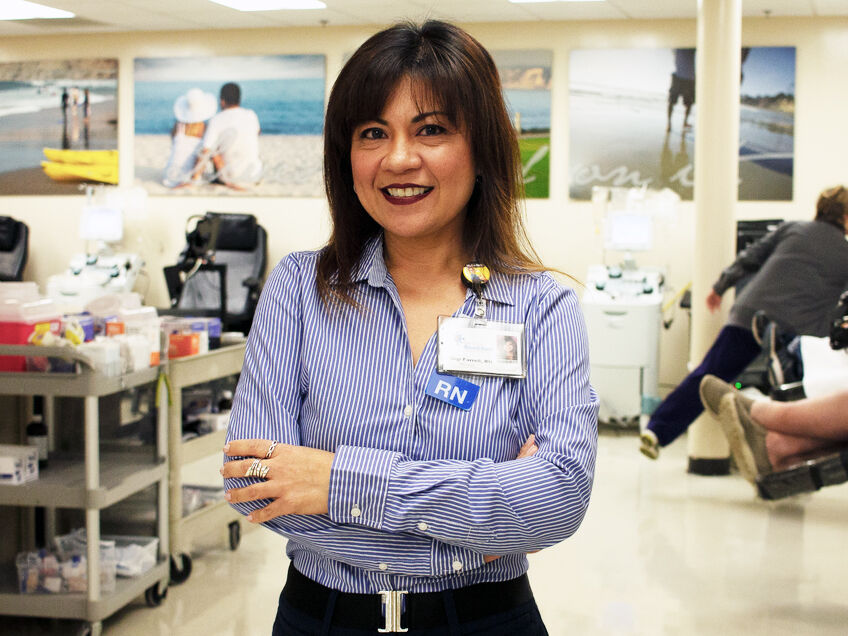
I manage San Diego Blood Bank’s main donor center near downtown and the one in El Cajon. I’ve been with the organization for 20 years and thought I had seen it all until COVID-19.
We supply blood to nearly 50 hospitals in the region; including some hospitals in Orange and Los Angeles counties such as City of Hope.
We usually have a general sense of what each hospital will use each week. We have real-time eyes on hospital supply and can see when there is a major drop, perhaps due to an emergency. This is why it is so important to have a 5-to-7-day supply on hand. At times during the pandemic, we’ve had less than a half-day supply of several blood types for several days in a row.
Each month, we typically collect about 2,800 pints of blood at our six centers and more than 5,000 pints from our bloodmobiles. So more than 60 percent of the local blood supply is collected on our bloodmobiles. We normally have six to 10 of them out in the community on any given day.
Around mid-March, our bloodmobile drives began to cancel due to schools closing and companies switching to remote work. We didn’t have enough blood on the shelves, and it was scary. We immediately jumped into sending out the plea—everyone was tweeting. We asked younger donors to step up to allow older donors to stay safe at home. The community answered our call, like they always do.
People were waiting two hours. It got very overwhelming. There was a point when we had an eight-day supply—that was unheard of.
Over my 20 years working at the blood bank, I have found that tragedies bring donors in—I was at SDBB in the days after 9/11. We had donors in lines around the building, waiting hours to donate. I believe people need to be with the community so we can mourn together and support one another. Coronavirus is slightly different, in the sense that there’s so much fear of the unknown out there.
Because a lot of our donors are baby boomers, we really need to bring the younger generation in, the millennials, Generation X. We got a lot of new donors, first-timers coming in, but we need them to come back. It’s not a one-time thing. The blood is only good for 42 days, and it is usually out the door within a few days. The platelets, in the blood plasma, have to be used within five days.
We need more COVID-19 convalescent plasma (CCP), which we collect from donors who have recovered from the illness. One CCP donation can help as many as three or four patients still fighting COVID-19. The demand for convalescent plasma in June was double that of May, and as of July we are starting to see even higher demand—we need more recovered patients to sign up.
Many hospitals have told us that our ability to stand up our CCP program so quickly was almost unheard of.
On a personal note, I reached my 15-gallon milestone recently, and donated in honor of my Uncle Rudy, a regular blood donor who was admitted to the hospital in April for a critical case of pancreatitis. Rudy received eight pints of blood over the course of five surgeries. These units saved his life, and it really hit home for me and reminded me of my purpose.
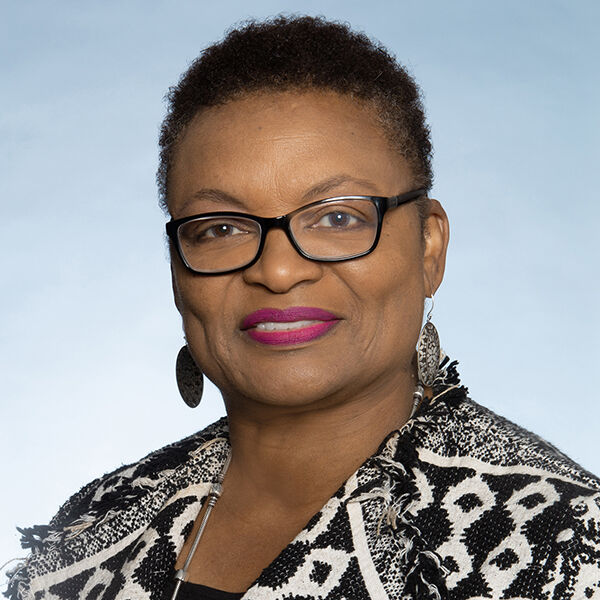
Dr. Wilma Wooten
San Diego County Public Health Officer
That we all have the power for personal and collective action—and we should use it. The pandemic is not over by any stretch. The virus is still here, and it’s likely to be with us for a while longer. We can’t be complacent and go back to living our pre-COVID lives. We all play a role. The health, and in some cases, life of someone’s child, parent, grandparent, or loved one is at stake. Wearing a face covering, maintaining physical distance from those not in your household, washing your hands frequently, and avoiding gatherings are small steps that can have a big collective impact.
Personally, a challenge I share with public health officials worldwide is not internalizing attacks on my character. I fully understand and appreciate that this is an inordinately stressful time and sympathize with the frustration, hardship, and other complicated feelings around this pandemic’s impact on our lives. Every once in a while, an attack is so personal and so off-base that it can feel unfair, but I take a breath and remind myself that this person is likely struggling and all my actions need to be focused on helping everyone cope with today and prepare for tomorrow.
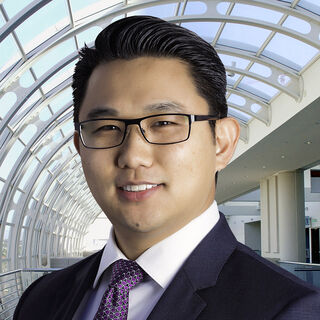
Elvin Lai
Fourth-generation hotelier, Ocean Park Inn
We closed the hotel for two months. Since we were already in renovation mode before COVID-19, we took the opportunity to move some projects up on the schedule for completion. Adapting to COVID-19 protocols for our guests wasn’t much of a leap. We faced the hepatitis A outbreak just prior and the industry—and we, as independent operators—mobilized to keep our staff and guests safe at that time. That being said, COVID-19 is very different.
Being a small hotel was much more beneficial. We have been able to be more nimble and ready to move fast on the implementation of protocols. But it has been more challenging to source the right materials due to the lack of purchasing power and the lack of a purchasing entity doing it for us. In the end, we found ways to buy directly from out of the country or leaned in hard on our relationships to make plans come through.
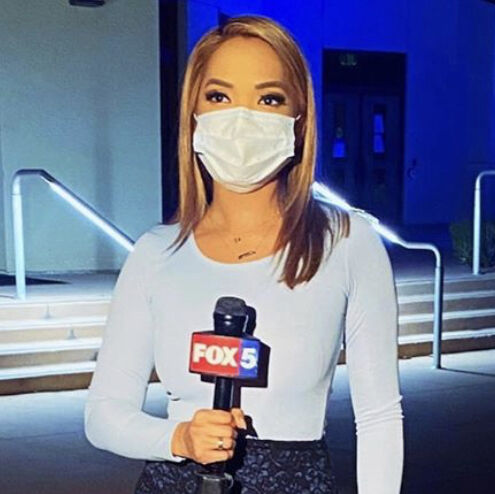
Liberty Zabala
Reporter, Fox 5
We’ve had to adapt to this like everyone else, by taking advantage of technology (conducting virtual interviews) and modifying our equipment (using longer stick mics) to maintain six feet of physical distance. We wear masks, disinfect constantly, and have limited the number of people inside the newsroom to a skeleton crew.
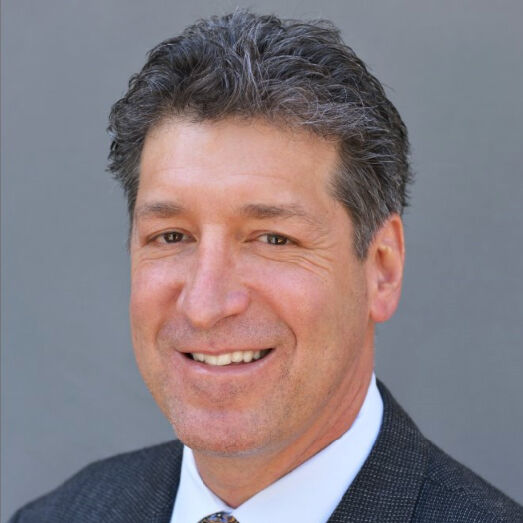
Steven Dinkin
President, National Conflict Resolution Center
The underlying concepts between one-on-one conflict resolution and peaceful large group protesting are essentially the same. Will yelling and screaming or violently protesting help an individual or group be heard, or is it just noise and a distraction? Perhaps a more thoughtful, strategic approach might actually get you closer to the finish line.
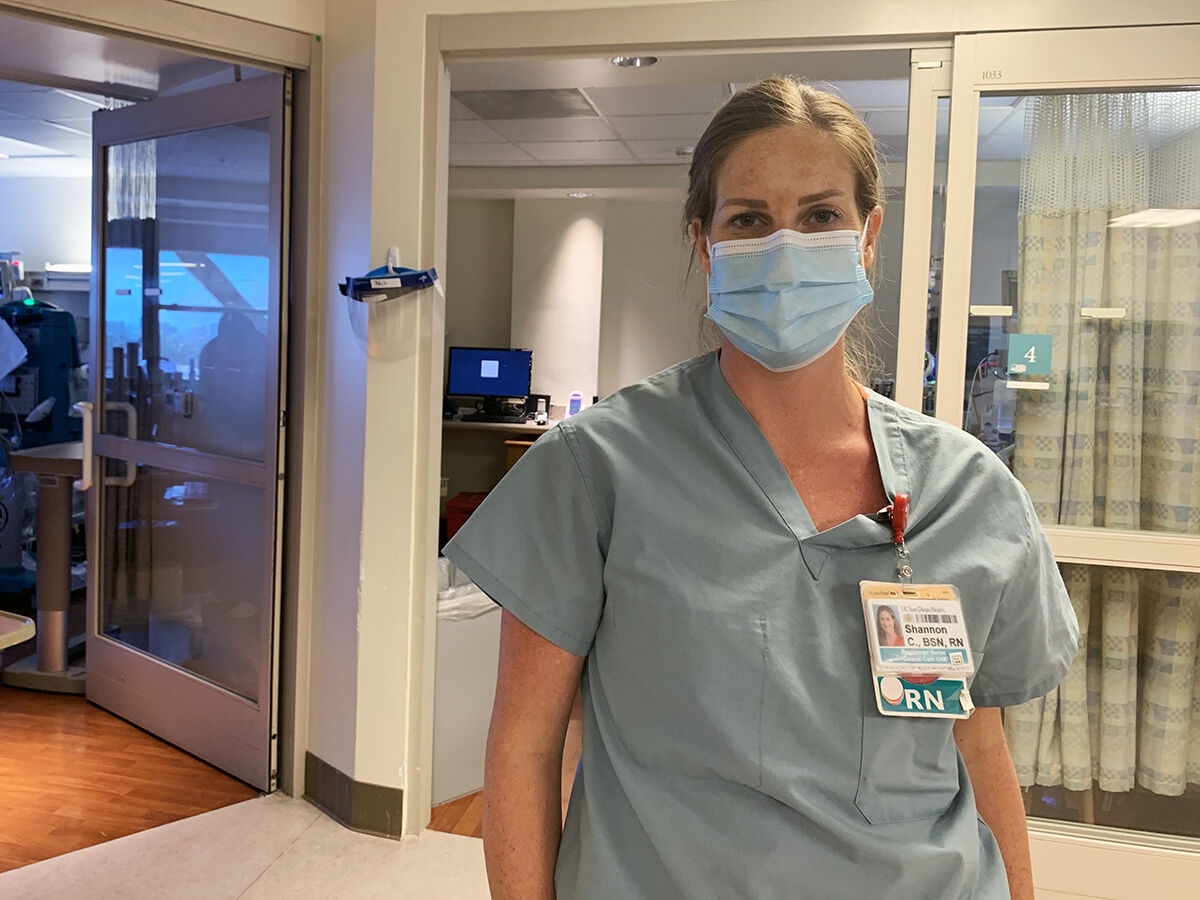
Shannon Cotton
As told to Marie Tutko
I work at A COVID-designated ICU. When COVID-19 first came to the US—to San Diego specifically—it was people disembarking from flights at the air bases, and they would send them to the hospital. There were military guards and extreme precautions. Now, we still have patients in the ICU, but it’s much thicker than in the beginning. We’re getting patients from all over Southern California. It’s really busy—the patients are extremely sick and require a lot of nursing care. Nurses continue to show up to work every day, for their patients and community, but we have to stay healthy to take care of people.
It’s really hard to see patients through the glass door. Because of the isolation, we have to keep the door shut and watch them. Maybe they’re confused, or are trying to take out their breathing tube, and you have to make that choice: Do I go in without it, stop the patient from doing this, and risk my own health? Or do I put on my PPE* as quickly as I can and pray that I get there in time? It’s a hard choice that we make every day.
Nurses in my ICU were the first ones who asked for, and practiced, universal masking. We wanted to wear surgical masks through the nurses’ station and every single patient room, whether or not they had tested positive. Nurses really led the fight on this. We continued to do it, despite threats of discipline and even discharge from administration. And now we have a universal masking policy.
We are mostly getting patients from Imperial County, where the positive testing rate—last time I checked—was 23 percent. Some of the sickest patients go to UCSD La Jolla to our COVID ICU, where they get ECMO treatment—extracorporeal membrane oxygenation—in which they move the blood out of your body, reoxygenate it, and send it back into your body through a large catheter. The patient is still intubated with a breathing tube, and ventilated.
I was at work on Monday, and the ICU was nearly at capacity when I left that night. It feels—just the heightened level of adrenaline you walk into the unit with—it feels like everyone is sick and needs you. I assume the hospital is not at capacity since we’re still doing elective procedures and surgeries, but as a front-line worker I rely on hospital administrators to monitor that situation and let us know what’s going on with transparent communication to all staff from their bird’s-eye view. Because to me, it feels like we’re on the verge of a surge, and that we need to start preparing our second ICU to take positive COVID-19 patients. The feeling in the unit is that it could come at any minute.
We worry about our patients when we go home. I’m still thinking about the patient I took care of in that room—did they make it through the night? There is that heightened sense of anxiety, at all times. The nursing staff used to be able to have lunch together at a break, talk about our lives, our kids… now it’s a social-distance-mandated break, and you don’t even have that connection with your coworkers. A lot of front-line staff are going through this emotional toll: I want to show up for my patients every day, and I do. But at what point do I have to take a step back and say, “I need a break for my own family or my own mental health”? It can be exhausting. But we show up every day, and/ we just go.
What’s difficult with really sick patients diagnosed with COVID-19 is that our visitor policy is severely restricted, and there’s very few exceptions. I had a Zoom meeting with one of my really sick patients and four of his family members; it’s hard, because they can’t touch him. They can see him, but it’s not the same as being there and being able to hold their hand. The nurse really does become the emotional support for the patient, and the patient’s only contact at the bedside. In my head, I understand and support the restricted visitor policy. But in my heart, I feel that someone has to be there to help you know that we’re watching you, that we love you. That you’re not just a number. We all try to provide that support to our patients, now more than ever.
We all remember the patients who died from COVID-19. Their families are so grateful for the care. It’s heartbreaking, but we know we did our best, and we fought for their lives as hard as we could. We know who they were. We know their names.
One patient who really sticks in my heart was on the step-down unit. He was requiring more and more oxygen. The nurse on his unit was really concerned, and the doctors brought him to the ICU. When he arrived, the doctors and I had a serious conversation with him: “Your numbers aren’t good and you’re breathing really fast. We have to put in a breathing tube.”
He said, “I have to call my mom.”
My colleague got on his phone and FaceTimed his mother and sister so he was able to tell them, “I’m sick and I’m in the hospital. I probably won’t be able to talk to you for a while, but I’m going to get through this.”
It was amazing to give him that chance to talk to his family, because you don’t know if you’re going to come out on the other side alive or dead. It’s so unpredictable. Within 30 minutes of him transferring to the ICU and making this phone call, we had him on a ventilator—but he eventually recovered, and was discharged home. He holds a special place in my heart.
It’s great to see someone move out of the ICU. In my unit, we clap and cheer when someone recovers and is wheeled out to the step-down unit. A special chime is played when a COVID patient moves out of the ICU or is discharged from the hospital. Everyone knows something good is happening, because usually those overhead announcements are emergencies. But these special chimes—you look up and you wonder if that’s someone you know. It feels like a victory.
*Our PPE is an N95 respirator, a gown, gloves, and a face shield. The hospital doesn’t require shoe coverings or hair coverings, but most of the nurses on my unit use them, simply because this is a novel virus. We just want total protection.
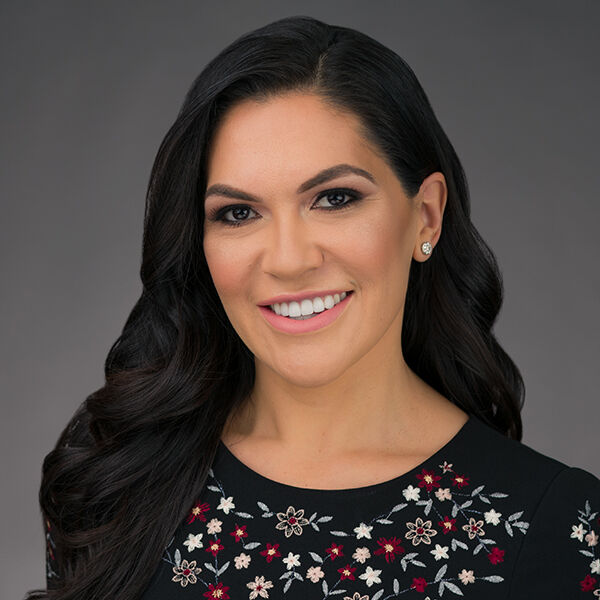
Nancy Maldonado
CEO, Chicano Federation
We don’t have to look further than the COVID-19 infection rate among San Diego Latinos to know this pandemic has exposed and exacerbated inequities that have existed for far too long. Our community’s greatest challenge right now is ensuring that we answer this call to action so that someday, we may be able to look back and see how this terrible moment in time pushed us to finally address structural inequities that make some communities more susceptible to poverty, disease, and death than others. My biggest fear is that we return to “normal” and miss our opportunity to interrupt the status quo and evolve in ways that can lead to a more equitable future.
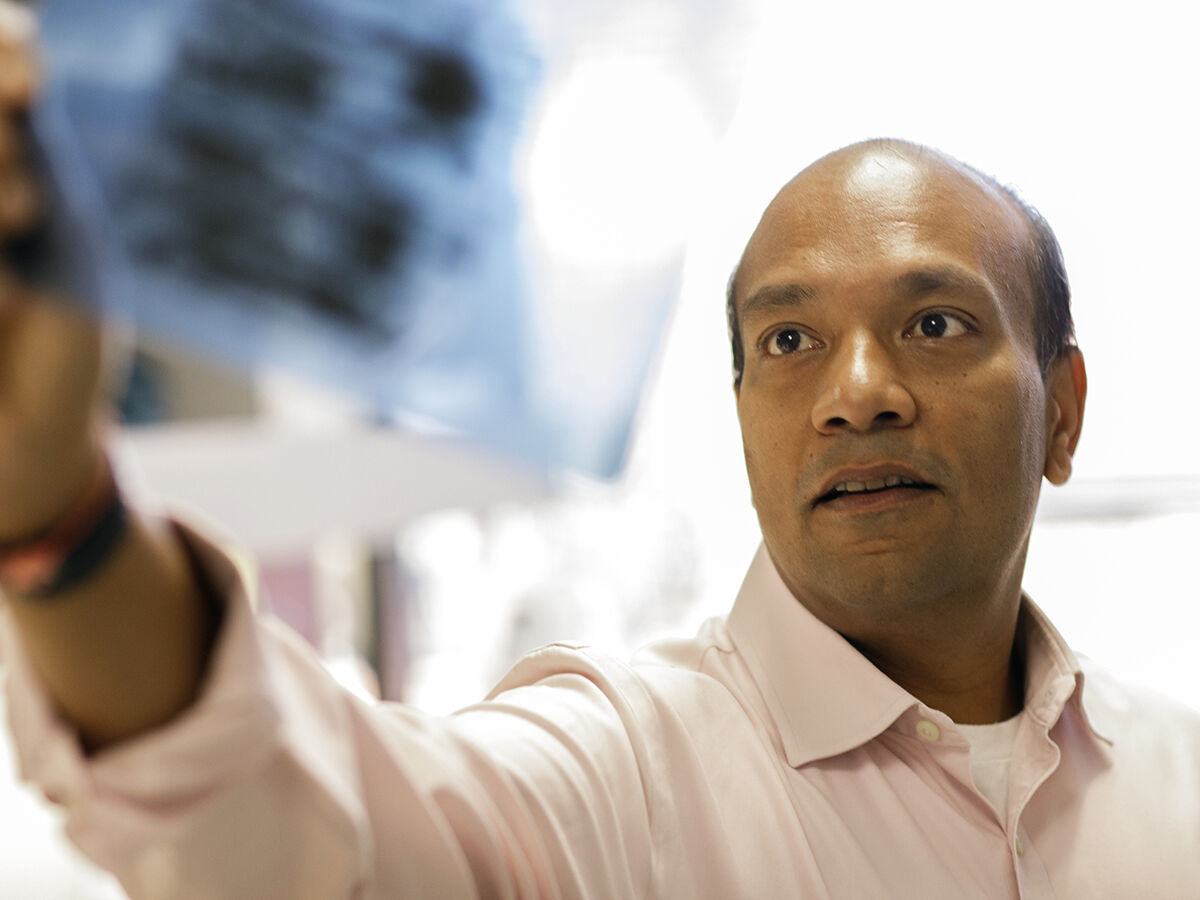
Sumit Chanda PhD
As told to Josh Baxt
For a virologist, when a new influenza or coronavirus comes on the scene, it’s just bad news. In contrast to something like Ebola, where you need close contact with bodily fluids, or Zika, where you need a mosquito to transmit it, these respiratory viruses just need one infected person on an airplane.
We knew from experience that coronaviruses could be dangerous: SARS in 2003, MERS in 2012. But no one had ever worked on this coronavirus—SARS-CoV-2—before, because it didn’t exist; we had to figure out how to grow it, how to manipulate it.
These are skillsets that scientists acquire over years. Because we already had those skills, we went from discovering the virus in January to having a screen done by April. If we hadn’t already done the work in influenza and dengue, there’s no way we could have moved so quickly.
We had a variety of tools we’d developed over the years for other viruses that we could adapt to the coronavirus. We didn’t have to build a biosafety level 3 facility in January. That already existed. If we were forced to start from scratch, we’d still be scratching our heads, going: “How do we get this virus to grow in the lab?”
The investments the government and Sanford Burnham Prebys have made in these programs around flu, SARS, and MERS have helped us, and everyone else around the world, move quickly, both in the therapeutic space and the vaccine space. If no prior investments had been made, we’re talking years, if not decades, to do something comparable.
Working with collaborators in San Diego, Kansas, New York, Hong Kong, and elsewhere, the Chanda lab has used SBP’s high-throughput drug screening capabilities (by which scientists can quickly investigate thousands of potential treatments) to identify existing drugs that might work against the coronavirus.
There are only a certain number of labs that can conduct high-throughput drug screening and work with nasty viruses. We have access to a collection of compounds from Scripps Research and, through collaborators in Hong Kong, we had early access to the virus.
We initially tested around 12,000 compounds and found 30 potential candidates, which are now being investigated further. For companies that had antivirals they thought might work against it, we screened those as well. Given our skillsets and resources, we felt it was our obligation to global health to move as quickly as possible.
In May, the Chanda lab received a $10.2 million Department of Defense grant to develop broad-spectrum antiviral therapies—a grant he initially applied for in June 2019, long before the coronavirus hit.
People need to start viewing pathogens, like SARS-CoV2, as existential threats to our health, to our economy, to civilization as we know it. We’ve been saying this as virologists for a long time, and people said, “This is science fiction, it’s the movies, it’s fear mongering.” We didn’t dodge the bullet this time, and I would say the bullet still just grazed us. I think we need to prepare for a much worse scenario.
We feel the best way to combat this threat is to develop broad-spectrum antiviral drugs. The whole premise of the grant is to move away from the “one bug, one drug” paradigm and develop drug candidates that are effective against multiple respiratory viruses—a broad-spectrum approach, which is commonly used to treat bacterial infections.
We can do that with bacteria because their genomes are so big, thousands of genes, and we can target one mechanism that many bacteria use because we have so many choices. Viruses, by contrast, are super compact. Most have just 20 genes, and there are almost no opportunities to find something that works on a broad swath of viruses.
Our strategy is to target the host—in other words, the people being infected rather than the virus infecting them. Our lab focuses on identifying and understanding the specific proteins in our bodies that viruses hijack to help them grow. If we do these kinds of analyses for enough viruses, we can find hijacking mechanisms common between viruses that we can target therapeutically.
If we can develop these broad-spectrum antivirals, we could have them stockpiled and ready. Then if there was a new, emerging virus, we could send them to the source and completely block the worldwide spread. We put out the fire while it’s still in the ashtray, not when it’s consuming the entire house.
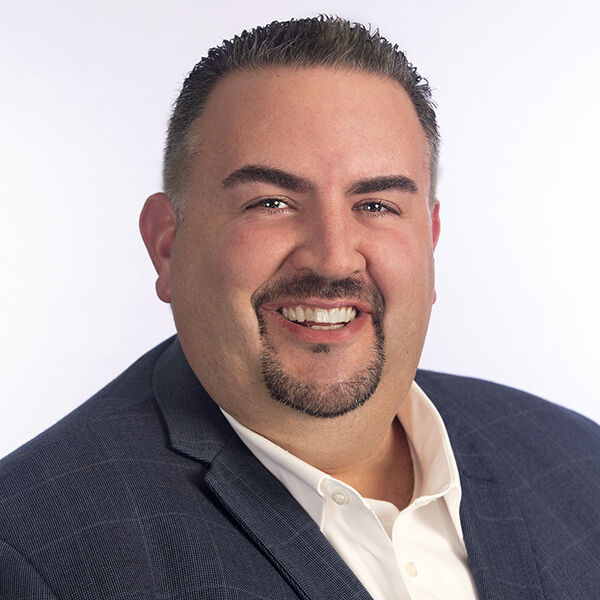
Paul VerHoeve
CEO, Mission Healthcare
We recently had a COVID-19 positive patient on our hospice services in a private home. When building a care plan for a patient at the end of his or her life, we normally would have the family be very involved. However, COVID-19 creates a difficult situation that we haven’t previously faced. From top to bottom, we seem to be learning on a daily basis how to stay safe while also being on the front line caring for people who contract the virus.
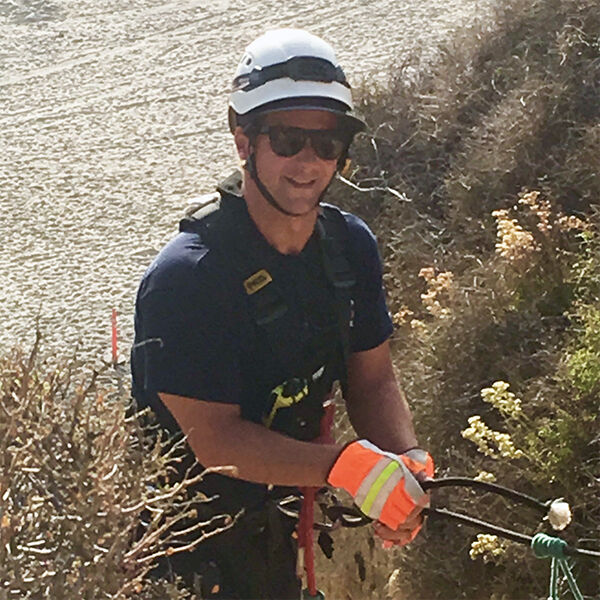
Drew Koehler
Lifeguard II, City of San Diego Fire-Rescue Lifeguard Division
When it comes to medical aids we definitely have to take a step back and think about things, ask the right questions before we try to help someone. It’s our duty to make water rescues and perform coastal cliff rescues, but it definitely makes you evaluate safer ways to get things done. We have to remember to keep ourselves up to date with department policies so that we are doing the best possible job at keeping each other safe.
Dealing with the large numbers of people on the beach while still maintaining social distance guidelines. Ever since the beaches opened up again the crowds have been massive. It’s been a challenge to still provide the best possible service to the public while keeping our distance, especially when the beaches are as crowded as ever.
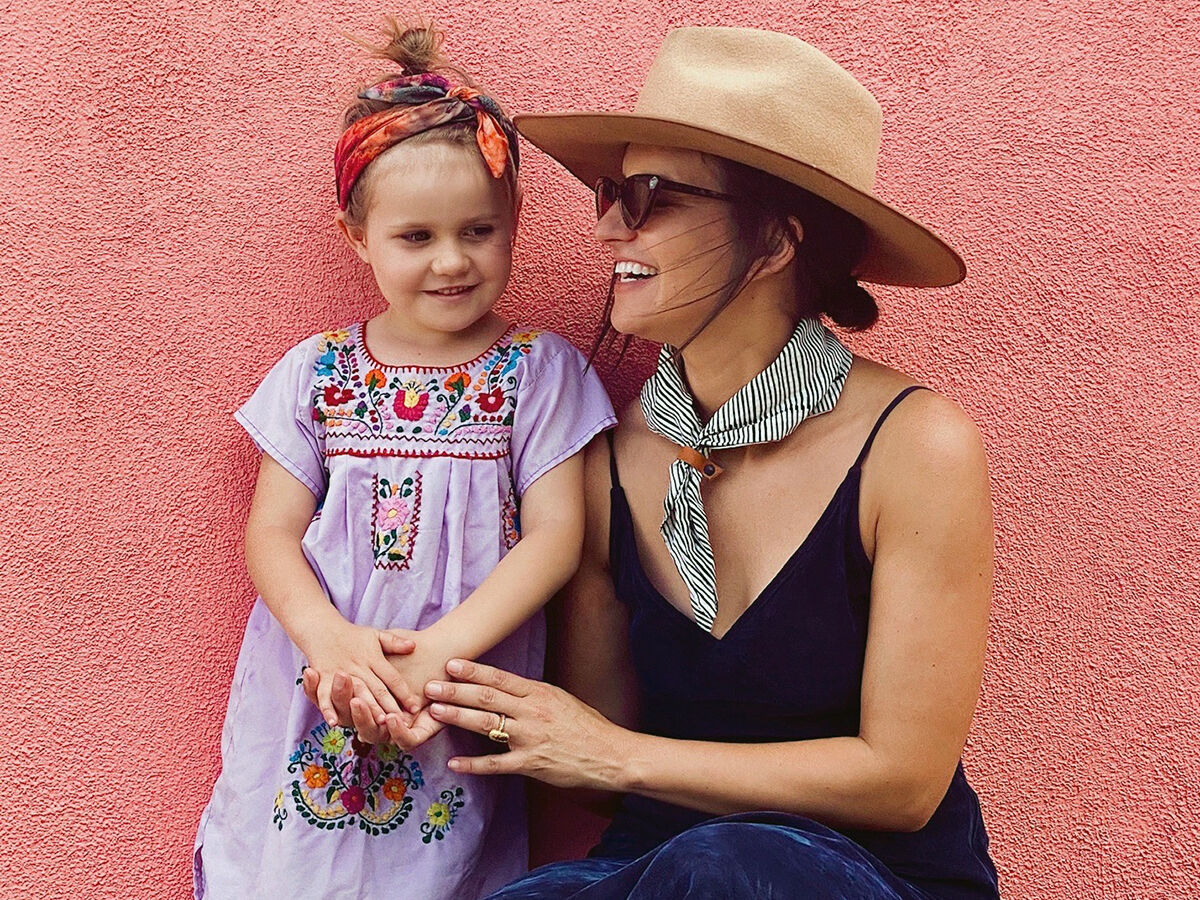
Julie Rais Ellis and daughter, Kaia
As told to Sarah Pfledderer
At the beginning of the pandemic, I planted a handful of sunflower seeds at our brick and mortar. It was the day we officially closed, March 16. It’s incredible to watch a seed sprout and turn into a flower, a reminder that we are a part of nature and a cycle. Rais Case is part of a cycle, too—a garden of its own.
We jumped into 2020 with a business plan to promote our new storefront, The Rising Co., and expand our bag line. One hundred percent of our sales came from our bags and accessories. Then in mid-March we had to stop and temporarily change course.
It all started when one of our team members, Avery, spoke with a nurse friend whose hospital was almost out of masks. Avery shared with me: “It would be amazing if we made masks. Maybe we work directly with her hospital and donate them?”
Honestly, I cannot recall wearing a face mask before then. I was overcome with the feeling that we should sew masks, and stayed up well into the night creating prototypes to share with my team. We began by sewing ourselves, driven by the immediate need for essential workers.
It was all-consuming for the first 60 days, working days, nights, and weekends to meet demands. We created a sewing collective. I had to calculate how to source, produce, distribute, and finance making masks with the resources I had in place. We transitioned my garage into our headquarters, creating a shipping station, inventory storage areas, a workshop space with a cutting surface, sewing stations, and other spaces.
Working alone, we couldn’t keep up, and eventually reached out to our handbag production partners. Because we use local manufacturers, we could train our cut-and-sew team in person, get them materials, and get them up and running making eco-cotton twill face masks immediately.
Making masks has carried Rais Case through the past few months. It kept the lights on and allowed us to keep our team together. We have made approximately 10,000 face coverings to date, and customer purchases directly support our ongoing efforts to donate masks to medical staff and other essential workers across the US.
Now, bags and accessories represent 40 percent of our sales, masks and bandanas 60 percent. We feel blessed to have successfully introduced these new products while helping our community stay safe.
Our most important job as human beings is to grow and nurture those around us. Those sunflowers are in bloom right now at the shop, reminding me that we are a part of that natural cycle.
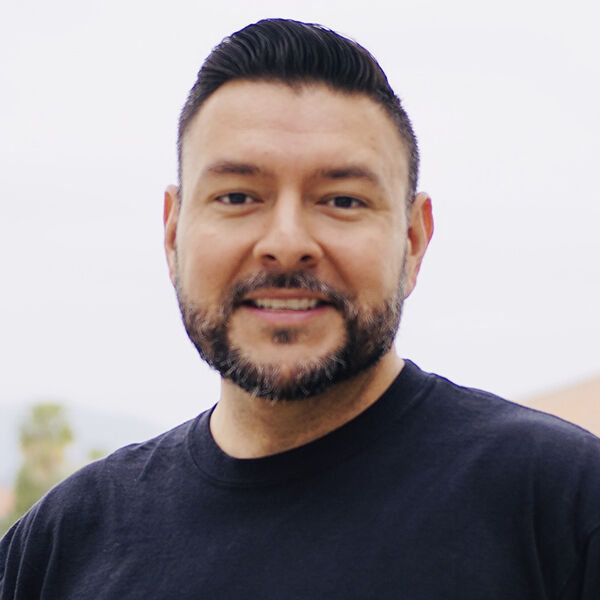
Dr. Nathian Shae Rodriguez
Assistant professor of Digital Media, San Diego State University
When everything closed down physically, the university administration basically said, “Get out, you can’t go back.” You needed permission from the deans to come onto campus. Everything was done in haste.
My students were feeling mentally and emotionally drained. A lot didn’t come to class. They were scared. They had to find ways to support themselves; many had lost their jobs. It’s not just teaching, it’s helping support them—finding resources for them, giving them information.
The intersectionality issues brought to light from the Black Lives Matter movement. We’re going into the fall being more aware of intersectional oppressions, and more cognizant of our students’ experiences.
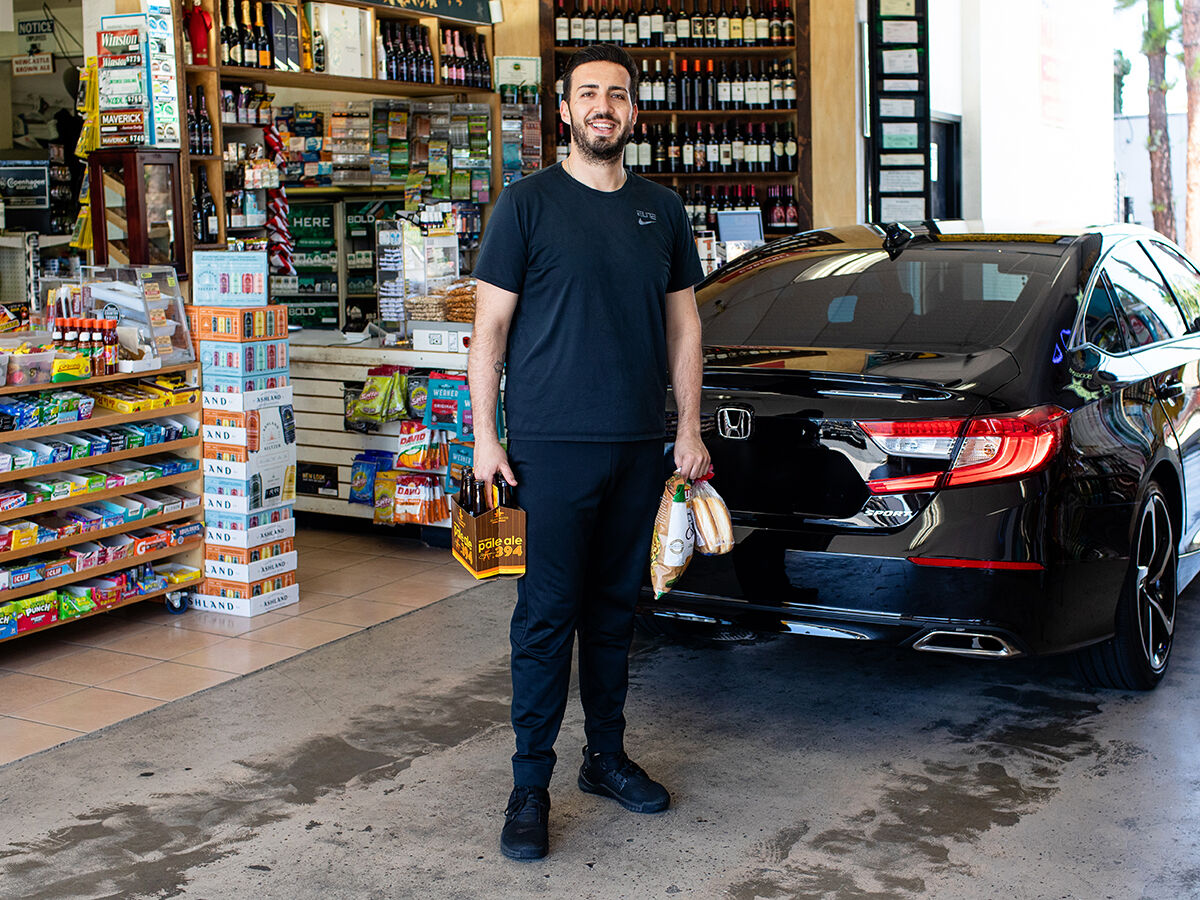
Danny Khairo
Jenny Siegwart
As told to Erin Meanley Glenny
The Alta Dena Drive Thru Market was already an established drive-thru when my family bought it, but it was just a dairy—milk products, cheeses. It’s been there for 71 years. The guy who started it is the landlord; he’s 97.
My dad and my brother and I have owned the drive-thru for 16 years. Sometimes people call and ask for the old Alta Dena ice cream, where it was a powder and you’d do the mixing. I hardly have anybody ask for it, so it’s not worth it to stock.
We expanded the market to alcohol, snacks, soft drinks, a little bit of everything. Apple juice, firewood. We still carry dairy products. You always get people driving through for the first time saying, “This is so cool, wow. How have we never heard of this?” There aren’t other drive-thrus in San Diego because they don’t give the license out; ours is grandfathered in. You can do a drive-thru with a window, like Burger King, but you can’t drive through the building. A lot of mothers like it because they don’t have to get the kids out of the car seats.
At the beginning of the pandemic, milk sales jumped really high. Milk and eggs were the two hot sellers. I’d say 75 percent more milk, so about 100 to 150 gallons a week.
We’ve always carried toilet paper. Whatever we got our hands on, it would sell out immediately. One person came in and bought everything, 15 four-packs of toilet paper, and it was unfair for the rest. So we limited it to one per person.
Business was a lot better. Because of no bars being open and grocery stores closing early, people realized they could save money here. People didn’t have much to do, and collecting an extra $600 a week did good for us. The grocery stores were always packed, so people were coming to us. The line could be 10 cars deep.
People were afraid to get out of their cars. We wear masks for our own safety. We use sanitizer after every customer.
My brother, my dad, and I worked 13, 14 hours every day. My dad is 62. My brother is 30. We have six employees, not including us, between all three stores. Business was good but really exhausting.
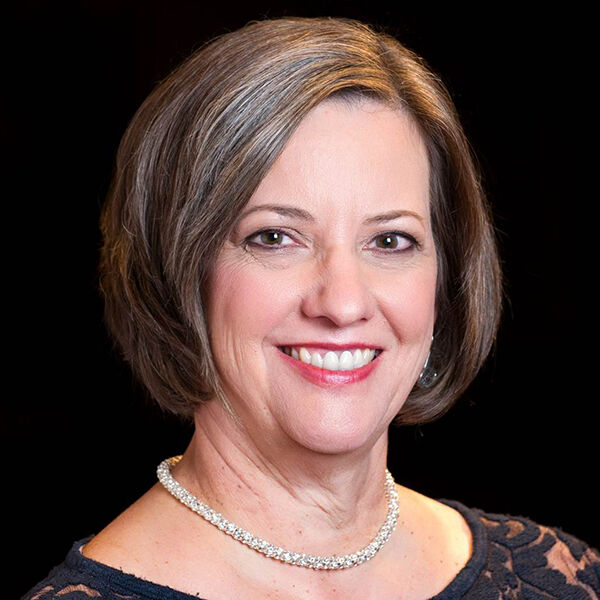
Martha Gilmer
CEO, San Diego Symphony
What I love about all of the content we are producing [Symphony Stream virtual performances, podcasts, weekly Lunch & Listen episodes on YouTube] is that it brings the audience closer to our musicians, to music director Rafael Payare, and to each other. The storytelling nature of these productions is something we have talked about for years, and before now had not found a format that worked. The fact that suddenly we all have become adept at using technology to connect makes this communication possible, and I think it will be with us even after we can begin live concerts again. However, the crucial core of the experience remains live performance, and we cannot wait to return to hearing our musicians making music together on our stages with a full audience.
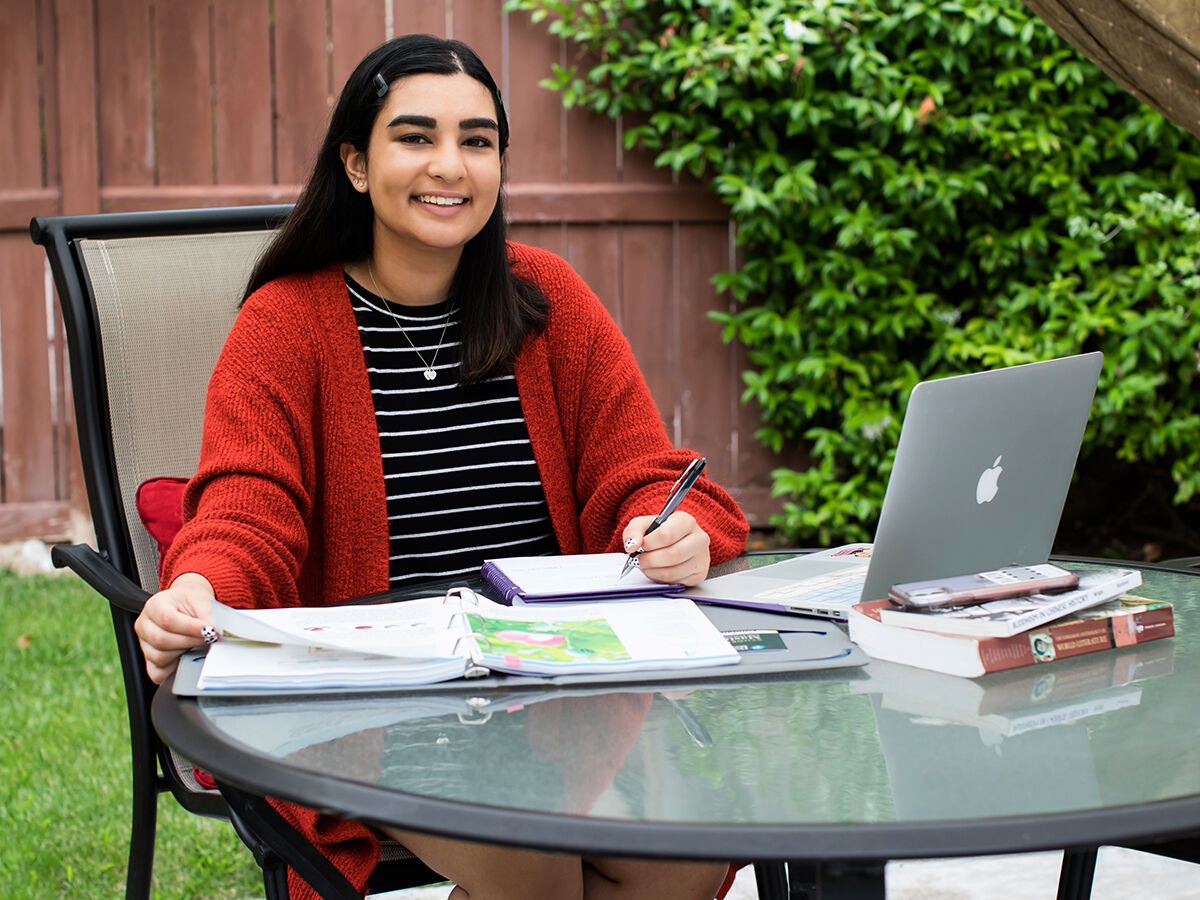
Zara Irshad
Jenny Siegwart
As told to Erin Meanley Glenny
Around mid-March I heard a lot of rumors about the school shutting down, and we kept getting these updates but no one knew what was going on. One by one, classes went online, and then people went on spring break and left all their stuff in the dorm. I had three roommates; one left early and didn’t take her stuff. Her dad came two weeks later to clear out her room.
They kept changing the day when you had to leave. There was a window that kept getting smaller. We had only a few days’ notice. It was overwhelming, stressful, and scary having to leave your friends and not know how long it would be. Everyone was crying. My friends and I had decided to go to Disneyland the weekend before, and we are so glad we did that together.
My parents moved me and my second roommate out at the same time. She stayed with my family for about a week at our house in Rancho Peñasquitos. Then her dad drove down from the Bay Area, but some of her stuff is still in our garage.
It was finals week when we moved out, so the last week of March we had to take our finals online. Professors didn’t have time to construct online plans, and it was very experimental for everyone. That was a challenge—studying for finals in the midst of moving out.
I was taking intermediate Spanish all year; a large part of that is conversation, and it was really hard to facilitate online through Zoom. The teacher did a good job trying to adjust, but I had a lot of frustration because we would be put into Zoom breakout rooms where it’s you and a couple peers on screen with no professor to moderate. I wasn’t getting much out of the conversation.
I was struggling in Spanish and seeing my friends struggle. I was like, I need help. I got an email from the UCSD Communication Department about this mobile app, PEERS edu, that was developed through Connect (a startup accelerator founded at UCSD). I downloaded it and tried it for Spanish. You can have a conversation with a native speaker. My tutor was someone in Spain. You type in what subject you like, it tells you where they’re from and how much they charge. The app uses credits, and the tutor decides the price. You can tutor, be a student, or do both—“earn or learn.”
I thought it really helped, thought it was a cool concept and my friends would benefit from it. The founder, Andres Abeyta, has been working on the concept for four years; I spoke to him and started interning for the company. His goal is to roll it out for college students around California who are trying to adjust.
I’ve learned to be more accountable to myself. It’s very difficult to focus from home—you’re not at a desk in the library. I had to block out times of the day to study each subject. It’s hard not to become discouraged when you’re unable to leave.
I’m excited to see how the school rethinks and restructures, and I’m looking forward to the fall. I wasn’t planning on living on campus for my second year anyway—my plan was always to commute from my parents’ house, but now I won’t have to. I’m hoping to be able to go to my newspaper offices a few times. I recently got promoted to opinion section editor at The UCSD Guardian, so I’m hoping to meet the other editors and writers in person.
Now I appreciate what I had. I look at pictures and wish that was still happening. I was personally so caught up in being busy: going home on the weekends to see my parents, work at a coffee shop, plan things with friends, go to class. I took that chaos as stress. It was really crazy, but honestly, I kind of miss that now.
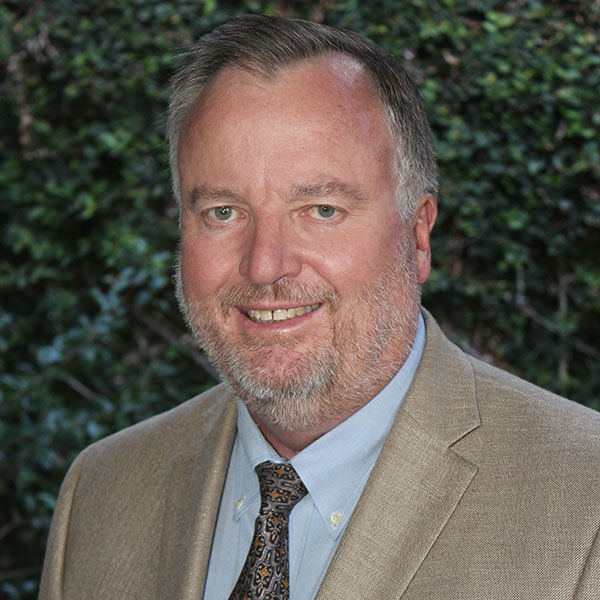
Paul Downey
President and CEO, Serving Seniors
I am busier than ever and have become a Zoom master! Serving Seniors had to completely reimagine our operating model—akin to building an airplane in-flight. In February, we served 60,000 meals to low-income seniors. We served over 220,000 meals in June. Pre-pandemic, about two-thirds of our meals were served in 15 senior centers throughout the county. Now, almost all are home delivered. We continue to serve homeless seniors “to-go” meals from our Gary and Mary West Senior Wellness Center downtown every day. We also have had to implement an array of safety protocols to ensure the health of our seniors, staff, and volunteers. I’m proud to say we’ve adapted to the new normal and are meeting our mission to help seniors in poverty.
PARTNER CONTENT
I worry that we have lost our way as a nation. It boggles my mind that we are divided over a basic human right that everyone is equal and should be treated accordingly. Why is wearing a mask to protect yourself and others from a deadly virus a polarizing political issue? Unless we regain our moral compass—including decency, compassion, and empathy for others—we can’t begin to solve our problems and heal our wounds.

After 20 years and thousands of meals as a food critic, San Diego Mag Content Chief Troy Johnson picks the city's top standouts
His ascent has been stealth and humble, which fits the man. When Liberty Station was struggling to convince people it existed over a decade ago, Sicilian chef Accursio Lota’s food at Solare Ristorante was a tractor beam for food people who sniff out hidden talent like truffle dogs. In 2017, he won the World Pasta Championship (a legit competition from global pasta brand Barilla) and struck out on his own, opening his and his wife’s from-scratch pasta trattoria in North Park (Cori Pastificio). Gambero Rosso—the Italian version of Michelin, the most respected source—has clamored for the restaurant since it opened, naming it “New Opening of the Year” and this year giving it their highest award, “Tre Forchette” (Three Forks), only knighted on a handful of US restaurants.
So this year, Lota opened his grandest thing—Dora Ristorante—and it pulls everything together. Steps from San Diego’s world-class theater, La Jolla Playhouse, it’s laden with brass and large-format murals, tile work and mosaics—like the one on the wood-burning oven that blisters, chars, and smokes a good portion of the menu. Their housemade focaccia is a new street drug (try it with the puttanesca, his grandmother Dora’s recipe). The olive oil-cured sardines make “sustainable seafood” and ethics not taste like a compromise. Dora might finally be the one to solve the “where do I eat before the world premiere at LJP” dilemma.

The yuzu-colored building that helped build North Park’s modern food culture is alive again. Years ago, the ornate French Quarter–inspired spot on 30th Street was home to chef Matt Gordon’s Urban Solace (duck macaroni and cheese). Then it laid conspicuous and fallow until a few months ago when Bacari took it on. It’s an LA transplant, but they’re proving forgivable of that trespass. Chef and co-founder Lior Hillel cooked at Jean-Georges before opening the first of this Venetian-style restaurant in 2008 with brothers Danny and Robert Kronfi (Bobby started his food venture with a pop-up dinner series in his college apartment at USC).
For dinner, it’s house-baked bread, crudo and shrimp ceviches, Mediterranean street corn, lamb hummus, shawarma, and glazed pork belly. Weekend brunch is bellinis and French toast and burekas (famed Jewish stuffed puff pastry), and chef Noa’s cauliflower (caramelized with chipotle). It’s Italian-ish with a heavy dose of pan-Mediterranean and Middle Eastern. Doesn’t hurt that they left the iconic exterior as is, adding chandelier-farmhouse insides with charm that echoes two of the city’s dearly departed (Jayne’s Gastropub, Cafe Chloe).

Much tolerance for friends who hate mussels because they look too biological. But if they manage to dislike À L’ouest’s—served over ice with vadouvan curry aioli and chili crisp—then you’ve successfully identified your brokemouth friend and should try bicycling or crafting with them to bond instead of eating in public places. It should be on everyone’s short list for dish of the year.
Chef Brad Wise and his team have earned their rep over multiple concepts—Trust, Fort Oak, Cardellino, Wise Ox, Rare Society. But he’s been eyeing this corner of North Park since before he opened his first (Trust, in 2016). North Park has been rising for a while, and À L’ouest feels like the missing piece—an indoor-outdoor brasserie stunner on the marquee spot of 30th and University, which long sat boarded up and vacant like a neighborhood missing a front tooth.
As with his other concepts, woodpile is king; smoldering red oak boosts the flavor of just about everything. Get the spätzle with braised rabbit, maitake mushroom, secret de compostelle (the famed Basque sheep’s milk cheese), and black truffle. Or the chicken liver parfait with persimmon, fennel aigre-doux (sweet-sour), and chives on toast. Or, like everyone else in there—the steak frites.

Chef Travis Swikard’s first solo restaurant, Callie in East Village, proved how details can make the most composed of us blubber a little in fine places—from citrus left in ovens overnight to blacken and transform, to the Scripps Oceanographic Institute saltwater he keeps his spot prawns thriving in until ordered, to the days-long fermentation and stone-ground dukkah that turn carrot shavings into a statement piece.
Now, he’s focusing on French food with a fitter, less buttery San Diego heart. Fleurette is his doubling-down, a SoCal riff on the food he learned under mentors Daniel Boulud and Gavin Kaysen. The French gave us the mother sauces, and Fleurette showcases the lightest and brightest evolutions. Like the anchoïade on his beef tartare, which uses famed Italian anchovy sauce colatura di alici, mixed with cured egg yolks over tiny, uniform-sized cubes of raw, USDA Prime Flannery beef.
There is soubise (onion sauce), a sauce vierge (tomatoes and herbs), and a fennel marmalade on the duck liver and bone marrow pâté. Although the structure is stunningly pure glass, Fleurette’s in a location—an office park on the edge of La Jolla, near UTC—that few chefs would be able to pull off. But Swikard’s Michelin-bound house of saucework pulls hard.

The Escondido taqueria from Rosarito-born-and-trained chef Juan González and farmer Megan Strom took the county by storm this year. The married couple started as a popup four years ago, hosting farmside dinners before taking up residency at Vino Carta in Solana Beach. Strom was working a small, 5-acre heirloom bean farm in Valley Center owned by Mike Reeske (aka “The Bean Man”) when he retired and sold them the plot.
The huge bonus was that the sale included Reeske’s famed collection of beans, curated over 20 years. The couple planted other things and now grow much of what they serve in the form of tacos and burritos at a permanent spot in Escondido: Mesa Agrícola.
The menu’s bone simple: housemade tortillas in your choice of taco or burrito norteños (which are smaller, like burritos de hielera) that change constantly and often topped with guisados (Mexican braises or stews) like lamb and garbanzo, birria, chicharrón, mushrooms al ajillo, rajas, you name it. And, of course, some of the best beans honoring the local legend of Reeske.

San Diego is now the recipient of national food buzz. The dark ages—during which we learned how to sear ahi and asada some carne and called it a day—felt prolonged, and they were. The problem was never ingredients. San Diego County always had the best raw dinner materials (more small farms per capita than any county in the US, seafood right there); it just didn’t have a critical mass of highly trained chefs to do them justice. Easy to understand the chef dearth.
For a very long time, if you wanted to be a serious chef you had to go to the restaurant superplexes of New York, San Francisco, or Chicago (which imported their raw ingredients from places like San Diego). But now—credit farmers or Alice Waters or Dan Barber or Michael Pollain or the reasonable conclusion that food picked right here tastes better than food picked way over there—some of the most talented chefs are moving to the ingredients, not the other way around.
In San Diego, we got Richard Blais, Swikard, and now Elijah Arizmendi, who cut his teeth in Vegas with Joel Robuchon (plus Boulud and Thomas Keller) and was chef de cuisine at NYC’s L’abeille when it got its first Michelin star. His debut restaurant in La Jolla—with partners Brian Hung and Melissa Yang—is a dark, moody multicourse tasting-menu hideaway with one of the best egg dishes in the city.
Troy Johnson is the magazine’s award-winning food writer and humorist, and a long-standing expert on Food Network. His work has been featured on NatGeo, Travel Channel, NPR, and in Food Matters, a textbook of the best American food writing.
We asked, you voted, and food critic Troy Johnson chose his favorites—these are the top food and drink people and places in the city
Some keep lists of favorite books, of quotes, of enemies whose time shall come. At SDM we keep vast, nuanced, hotly debated lists of the best food and drink in the city. Menus are our smut novels. From Michelin stars to mom and pops, our list constantly evolves over hundreds of new bites tried every year. Here’s the 2026 list from food critic Troy Johnson and 129,000-plus votes from our readers, who really, really know their food.
Troy Johnson is the magazine’s award-winning food writer and humorist, and a long-standing expert on Food Network. His work has been featured on NatGeo, Travel Channel, NPR, and in Food Matters, a textbook of the best American food writing.
SDM owner and food critic Troy Johnson identifies some standout stars in SD's food scene
I spent time in a hot dog stand on the edge of San Diego Bay, looking out a window that mattered. Mattered to a kid whose mom taught him to fish on this pier. They’d turn on a little transistor radio, find a signal through the static, stare at the water, and talk life and his dad. Dennis Borlek’s dad was out there, somewhere, commanding a naval submarine through god knows what. When his dad would dock in Point Loma weeks or months later, Borlek biked down the street along Shelter Island to see him and steal back stolen moments.
Later, Borlek helped midwife the craft beer scene, managing seminal spots like Small Bar and Liar’s Club. Wondering what to do with the rest of his life, he went back to that pier and saw a for-lease sign on the bait and tackle shop. He tore through the public library and spent the whole night learning how to write a business plan (he had no clue). A couple days later he found himself at the intimidating end of a massive conference table, pitching his dream to the very official Port of San Diego executives.
They gave it to the San Diego kid. Not sure if they ever imagined Fathom Bistro—the tiniest, mightiest craft beer and hot dog stand, filled with spear guns, ocean monster figures, and seafaring oddities—would still be there 13 years later, let alone be a local’s favorite. It’s the most San Diego place in the world. Borlek taught himself to make kimchi and puts it on his Explodo Dog. His friend Kevin, who played with him in a punk band, dresses as a pirate and works the door on weekends. Has done so for years.
And when Borlek stares out the window, he can see the sub base and the memories of his dad.

Later, a few beach towns over, I sat in an employee break area—a shaded back-alley alcove with grape vines that serves as an escape garden for the crew. The place used to be a taco shop. Owner Crystal White points to a window of a single bedroom behind the dough-mixing part of the kitchen. She lived there when she started, often finding herself on the roof at midnight, staring at a broken compressor, trying to will it into working.
A blue-collar kid who fell in love with bread, she moved to San Diego with a business plan and zero cash. Banks don’t loan money to bread dreamers. Fate, kismet, and door-knocking found her enough investors. In the weeks leading up to opening that dream—perfect croissants, kouign-amanns, sandwiches, pizzas, baguettes fermented with wild La Jolla yeasts—she was outside hammering and painting. Locals would pause to ask what she was putting into the spot. “A bakery!” she’d reply.
“Oh, we don’t need one of those,” they’d say. Eight years later, White has moved out of the bedroom, and Wayfarer Bread is one of the best bakeries in the land. I ask if she’ll ever open another location. “I grew up dirt poor,” she says. “This has surpassed even my wildest dreams. This is enough. Please make sure you mention Emma Koehler, K-O-E-H-L-E-R, my kitchen manager. She deserves the credit now.”
These are the people and the stories behind “Best Restaurants.” This issue is dedicated to them, the culture they’ve gritted into being. On the surface, the annual tradition—naming a list of “winners,” my favorite places and my honest answers to “who has the best taco/pizza/Thai…”—is a good-natured competition among friends. But the deeper point is that it’s a way to highlight hundreds of places that have risked it all to build a little magic across the city. Sure, some owners were born in the stars and used that dust to make more stars. But many or most restaurants started with a scrappy go-getter or two. And now those places are filled with dozens or hundreds of people who love the work, show up day in and day out, for years. People like Koehler and the ones we feature in our story, “Behind the Line”.
So please use this list as a beachhead. Try these places, email me ([email protected]) to say “thanks” or “you truly messed up.” Eat, drink, commune, say hello, get to know the stories of the people making your favorite food. Make your own list, and share it with us.
(Note: Fathom didn’t win anything, probably because there’s no category for “Best Hot Dog Craft Beer Stand on a Pier with a Pirate,” which is a shortcoming on our part. So I put him here because he should be a part of any conversation about best San Diego things.)
Troy Johnson is the magazine’s award-winning food writer and humorist, and a long-standing expert on Food Network. His work has been featured on NatGeo, Travel Channel, NPR, and in Food Matters, a textbook of the best American food writing.
A look back at the risks, grit, and instincts behind the local restaurant powerhouse
In this city, chef Brian Malarkey and restaurateur Chris Puffer are kind of like peanut butter & jelly, tacos and Tuesday, Padres and Petco—they just go together. This month, the duo celebrates 10 years of partnering on some of San Diego’s top restaurants including their first venture, Herb & Wood.
To celebrate this milestone, we stepped back and revisited their journey becoming some of this city’s most successful restaurateurs.
But first, let’s go back to the beginning. The duo met at Oceanaire in 2007 where they both worked. Malarkey was still riding the high from his stint on Top Chef Season 3 where he won runner-up. He was a great chef, Puffer recalls, if not a tad arrogant. Whatever he was doing, though, it worked. Sales doubled under his watch.
In 2009, Malarkey was approached by some patrons to start what would become Searsucker. He knew he wanted Puffer to be his partner. They had great chemistry and loved hospitality and food. “We both came to this with a bit of a chip on our shoulder,” says Malarkey. “We wanted to prove it to other people that we know what we’re doing.”

Searsucker, Gabardine, and Herringbone (under the Fabric of Social Dining restaurant group) were born through the new partnership. But in 2012, they sold their concepts to Hakkasan and soon partnered on a new lease.
That building would eventually become Herb & Wood. “We were going to do it differently this time around,” says Malarkey as he reflects on Wood’s early days. “And we [wanted to] build it to last.”
The vision: Great food. Great music. Great service. It’d be a place where diners would let go, put their phones down, and be fully present to enjoy a meal together. When they walked into 2210 Kettner Blvd, they knew they had found their spot.
The only problem was that, at the time, that area of Little Italy was still severely underdeveloped. In a 8,500-square-foot space, they were going to have 230 seats to fill. “It may as well have been on Mars,” says Troy Johnson, San Diego Magazine publisher, content chief, and the city’s longtime food critic.

And, of course, there were the naysayers. The prevailing feeling in the dining world was, “Let’s see what these f**king idiots do,” recalls Malarkey. The duo let all the noise be noise. In fact, the noise fueled them. “We weren’t going to cater to the haters,” Puffer says.
Their next hurdle would be to tackle the restaurant’s design. “There was nothing. It was literally a box,” says Puffer of the former space. Design teams were too expensive or didn’t quite get their vision—no, they didn’t want exposed beams or wooden tables made from reclaimed barns. “Then, Puffer was like, ‘f**k it, dude, I’m going to design this restaurant.’”
Having never really designed something like this before, he decided not to work in the programs that most professionals use to create their layouts. 3D mockup? Didn’t need it. CAD? That’s what a paper and pencil are for.

“It was all in my head,” he recalls. “I had this moment where I was like, ‘If I died right now, no one would know where any of this shit goes.’”
“Yeah, it made no sense,” Malarkey says.
And it still doesn’t if you hear him explain it. A mishmash of vignettes from the inner workings of his memory bank, evoking everything from Mississippi riverboats to Eiffel tower ironwork, Kensington home façades, an old theater he frequented, and a canoe, because why not? Yet somehow, it all worked.
“It’s a sense of nostalgia,” says Puffer. “People might say, ‘Oh, my gosh, this feels good’ and they don’t realize it reminds them of the time they were in Paris.’”
“We don’t play trends,” Malarkey says. “We play timeless.”

Over the course of many years and plenty of trial and error, the partnership has continued to thrive. And, the Puffer Malarkey Collective has found its sweet spot within their restaurants: The service had to be kind and unpretentious and the food had to come out quick, delicious, and consistent. “Consistency is key!” says Puffer.
They also learned to balance out one another. “He’s a go-go-go-go [person],” says Puffer, “I’m a let’s-take-a-deep-breath-and-sleep-on-it [type of person].”
So, when they opened the doors to Herb & Wood in April of 2016, with those lessons in place, everything was just right. “We knew it had to fire on all cylinders,” says Puffer. “And it did.”

There was no pretense and the dress code was exceedingly simple. “Money in your pocket,” says Malarkey. “That’s all you need.”
The phones rang, the seats filled, and the haters had to give it to them, those gnocchi hit. People began embracing every aspect of the place, even the edgier ones.
“We thought people were going to complain about all the paintings with boobs,” says Puffer of the many John Lanes on the wall. “But the amount of people who take pictures in front of the boobs is amazing.”
They even had a middle finger statue that Puffer had picked up from a yard sale. If a table was rude or antagonistic toward the staff, he’d walk over to them with the finger. “Congratulations,” he’d say, handing it over. “You’ve won asshole of the night.”

The point is, they were ready to laugh (and not take shit from anyone). When someone wrote a review of Herb & Wood and called it Weed & Boners, they both had a laugh. It’s one of the keys to longevity.
Along with the fun and deliciousness, they’ve also served as a culinary talent incubator for San Diego. “It’s like a centrifuge,” says Johnson about Herb & Wood. “They train up all these young chefs and start spinning all this talent into different parts of the city.”
There’s Sebastian Becerra with Pepino, Samantha Bird of Relic Bakery, Aidan Owens at Herb & Sea, and Tara Monsod of Animae and Le Coq (San Diego’s first James Beard award finalist) to name a few. “They’ve expanded the footprint of the food revolution in San Diego,” says Johnson.
Their plans for the next 10 years?
“We’re just going to keep the magic going,” says Malarkey.
"The Distinct Modernism of San Diego" tells the story of how some architects pioneered their own style in 20th-century San Diego
San Diego is just out here minding its own business. It’s long been cast as Los Angeles’s less ambitious sibling—the chill one, the one who shows up late for dinner reservations in flip-flops with a few provocative opinions. Architecturally it’s often cast the same: secondary, derivative, a footnote to California modernism that seems to begin and end with the Stahl House (Case Study House #22). LA has Pierre Koenig, Craig Ellwood, John Lautner. San Diego has the original fish taco.
But this version of the story is redacted, metaphorically speaking.
While the jazz hands of Hollywood and its hills cast a spell on historians and architecture buffs, San Diego had, and has, its own quiet evolution: It invented and reinvented itself through homegrown modernism, beginning with The Allen House (1907) in Bonita by Irving J. Gill.
“The biggest misconception is that San Diego was following Los Angeles,” says Keith York of Modern San Diego, one of the city’s top guides to modernist architecture. “Those who consider Rudolph Schindler and Richard Neutra as the fathers of Southern California Modernism often fail to recognize the outsize influence Gill and his buildings had on their work.”

A new book, The Distinct Modernism of San Diego—written by Mark Hargreaves and Hallie Swenson, published by York—focuses on eight architects who were born, raised, or built their careers in San Diego. It illustrates how the city wasn’t hosting weekend warrior architects on side quests. It was a staging ground for a less look-at-me modernism from luminaries like Gill, Lilian J. Rice, Richard Requa, Lloyd Ruocco, Frederick Liebhardt, Kendrick Bangs Kellogg, Sim Bruce Richards, and Cliff May.
“Absent the backstabbing competition for projects, a collegial group of architectural peers collaborated and maintained lasting friendships with one another as they designed in response to the temperate climate and slower economy,” York says.
Largely unknown until the mid-1960s, Gill is a marquee name today. He arrived here from the East Coast at a moment when San Diego was still defining itself, which gave him the freedom to invent something new, experiment, rebel.
Instead of imposing the flourishes and frills of the time, he considered San Diego’s climate, light, landscape, history—the joie de vivre—and designed for this place. “[Architects of the west] must have the courage to fling aside every device that distracts the eye from structural beauty, must break through convention and get down to fundamental truths,” he once said, a sentiment that nails the un-ornate, total lack of pretension that’s defined San Diego people and culture.
And, lo, did Gill fling: His flat roofs, clean lines, and almost no ornamentation—though not necessarily modernism in the Eames or Eichler sense—foreshadowed what would later be called minimalism. Gill eventually became synonymous with the Los Angeles narrative, but broader architectural histories overlook the fact that his most progressive designs happened here.

Another key to San Diego’s architectural movement was Lilian J. Rice, who often worked behind the scenes with little credit. She was one of only about 10 women in America licensed as architects at the time. Even though she died from cancer at 43, she somehow managed to complete an estimated 170 projects in the region, many in Rancho Santa Fe.
Born and raised in National City, Rice also wasn’t importing ideas. She shaped her own based on her understanding of this region and her commitment to protect the natural environment. Her work has been categorized as Spanish Colonial Revival, but she wasn’t reviving as much as she was refining a style suited to our border region—serene, mirroring nature, beautiful.
“San Diego architects were designing for a way of life, not just a look,” says York.
Like Sim Bruce Richards, who was his own way of life. While Gill stripped away ornamentation and Rice focused on the peace of open spaces, Richards came along several decades later and went full emo. By then, modernism had grown deep roots; its steel-and-glass structures took themselves very seriously. Richards came to party.

An eccentric, unpredictable man with half a face (part of his jaw was removed following a bone infection when he was a child), his life was a jalopy of adventures. He was opinionated and passionate about design, music, texture—and he created what he called a “sensuous environment.” He wanted his clients and their guests to feel the spaces as much as to be in them, appealing to the visual, tactile, nasal (“a cedar house smells good”), auditory (“acoustically superior”), even taste. “Though, I‘ve never had a client lick my houses,” he once wrote.
Organic, woodsy, textured, aromatic—if you ever find yourself in a Sim Bruce Richards house, a licking impulse might not seem so outrageous.
Gill, Rice, Richards and the other architects in Distinct Modernism built a legacy in San Diego that resonates nationally. And the work of these heavy hitters isn’t stuck in an inaccessible collectors realm: This October, homes by Kellogg and Liebhardt will open to the public as part of the La Jolla Modernism Home Tour—an opportunity to experience it not as a museum relic or magazine image (ahem), but as something alive.
Modernism in San Diego was never about glamour or an intention to be iconic. What transpired here is more nuanced, more ingrained with a less shouty aesthetic. A very San Diego aesthetic.
As Rancho Valencia's Chef Concierge and US Nominee for Les Clefs d'Or Young Leader Award, Simona Marciulaityte is equal parts doer and fixer
Your cup of coffee shows up exactly how you like it. The fully booked restaurant suddenly has a table. The last-minute, once-in-a-lifetime experience somehow comes together without a hitch. In the world of hospitality at top resorts, there’s an iceberg of scrupulous planning for each guest.
A concierge is in charge of that iceberg. There’s even an award for the best in the world: the Les Clefs d’Or Young Leader Award. It’s a months-long, multi-stage process with interviews, tests, and international competition, culminating at a global congress. Each member country only gets one nominee. Representing the US this year? Simona Marciulaityte from San Diego.
As Chef Concierge at Rancho Valencia Resort & Spa—a Relais & Châteaux retreat with Forbes Five-Star and AAA Five Diamond, a highly accoladed place with commiserate expectations—Marciulaityte is equal parts doer, fixer, and project manager for guests’ sometimes wild travel dreams.
“We see hospitality as theatre,” she explains. “There are a lot of moving parts, but when we arrive to the stage, it’s always with grace and a performance to create an incredible experience for the guests.”
That impossible-to-get reservation with custom cake and balloons at the table? She’s already texted three people. A guest calling on their way to the Zoo requesting a VIP-tour in 15 minutes? Booked in seven. The usual ‘Hey can you schedule me an appointment with Hermès to buy a $30K Birkin bag and plan my proposal in Italy’ request? Oddly specific, true story—and fully handled.

“Great concierge work truly begins long before a guest ever steps on property,” Marciulaityte says. “Who is traveling, notes from prior visits, special occasions, and dining history help me understand the nature of the stay. For new guests, I read between the lines: the questions they ask, the pace they seem to want, the kinds of experiences they gravitate toward.
“Curation draws on something that can’t be replicated by a search engine. It’s years of genuine relationship-building with partners across San Diego and beyond.”
Nearly a decade ago, Marciulaityte was juggling life as a personal stylist at Nordstrom and hostess/server at Brian Malarkey’s Herringbone and Searsucker. After working an event for the San Diego Concierge Association, she had a moment of clarity: “I remember thinking, oh my god—this is exactly what I want to do.”
Being a part of Les Clefs d’Or grants entry to a global network of concierges who operate like a very discreet, very efficient hotline (“In service through friendship,” as their motto goes). When local super-chef Tara Monsoud was nominated for a James Beard, Marciulaityte worked with the SD Concierge Association and Le Coq to send flowers and photos to Chicago where the chef was staying.
“It’s not only guests—we hope to touch everyone with our concierge magic.”
Lili Kim is a content coordinator and writer for San Diego Magazine, with experience highlighting local businesses and communities. When not writing or shooting film, she is likely brewing her seventh cup of tea of the day or strolling along Sunset Cliffs.
San Diego Magazine's 2026 Guide to Balboa Park.
Balboa Park is San Diego’s cultural heart.
The iconic 1,200-acre preserve’s history dates back more than 150 years, evolving from a scrub-filled plot atop a mesa overlooking what’s now Downtown to an urban oasis—the largest of its kind in the country—filled with an array of museums, attractions, gardens, trails, restaurants, and more. Balboa Park is an epic playground where San Diegans and visitors alike can experience the great outdoors just as easily as they can enjoy a world-class performance or explore groundbreaking discoveries.
Tucked away in the Spanish Colonial Revival-style architecture are 18 diverse museums that allow visitors to spend the day learning about, well, anything. A great place to start is the San Diego History Center. Located in the Casa del Balboa building, the museum tells the story of the city’s past, present, and future through photographs and art, clothing and textiles, and interviews with people who witnessed history-making events firsthand. The San Diego Natural History Museum takes visitors even farther back with interactive exhibitions that show what the region was like up to 75 million years ago.
Blast off on a simulated trip to space at the San Diego Air & Space Museum, then check out artifacts from aviation legends, including the Wright brothers, Amelia Earhart, and Buzz Aldrin. Discover new perspectives revolutionizing the science world, learn about an often overlooked but overutilized utility, and exercise your creativity at the Fleet Science Center.
Calling all theater-lovers, Balboa Park has something for you, too. The San Diego Junior Theatre will present their musical take on beloved children’s book A Bad Case of the Stripes from June 26 through July 12. And laugh, cry, and marvel in awe as the pros of The Old Globe perform Kim’s Convenience, the award-winning comedy that inspired the popular series, from May 15 to June 14.
There’s nowhere else in Balboa Park quite like WorldBeat Cultural Center. The institution celebrates African diaspora and indigenous cultures around the world using art, music, dance, and education. The building, a renovated water tower covered in colorful murals, houses a performing arts center, museum, gift shop, cafe, and outdoor classroom.
If you’d like a side of nature with your culture, Balboa Park has you covered there, too. Stroll through the gardens of the Japanese Friendship Garden & Museum, a monument to the relationship between San Diego and its sister city, Yokohama, Japan. Inspired by traditional Japanese design dating back centuries, the 10-acre respite features a living exhibition that showcases plants native to both cities.
If there seems like a lot going on in Balboa Park, it’s because there is. Let the Balboa Park Cultural Partnership be your guide. The organization is the umbrella for 24 of the park’s institutions and offers an Explorer Pass that allows visitors to access multiple museums for one affordable price. The hardest part is picking where to start.

Save on admission to San Diego’s top museums with the Balboa Park Explorer Pass. Explore 16 museums of art, science, history and culture across Balboa Park — all with one affordable pass. Choose the option that fits your pace: the Limited Pass (one day for up to four museums), the Parkwide Pass (seven consecutive days of access to all 16 museums) or the Annual Pass (365 days of unlimited exploring).
Looking for an experience-driven gift? Let the museum lover in your life enjoy their favorite museums all year with a Balboa Park Explorer Annual Pass gift voucher.
BuyMyExplorer.com | Phone: 619-232-7502, Press 2 for Explorer

Bigger experiments, brighter ideas, and boundless curiosity await at the newly reimagined Fleet Science Center. This summer, the Fleet debuts Element 8 Cafe, an expanded theater queuing and concessions space, two new gallery spaces, and, for the first time, a free entrance gallery exploring science in and around San Diego. The transformation marks a new chapter for the Fleet, keeping it a vital, innovative, and accessible science hub for the region. Visitors are invited to explore the experience this summer and connect with the power of science like never before.
Address: 1875 El Prado, San Diego, CA 92101
Website: FleetScience.org
Hours: 10 a.m. to 5 p.m. daily
Phone: 619-238-1233

An accredited cultural gem, the Japanese Friendship Garden & Museum brings traditional Japanese garden design to life with koi ponds, curving walkways and layers of greenery. Guests explore bonsai trees, streams and peaceful nooks while taking part in exhibits, educational programs and festivals that illuminate Japanese culture. Situated in the heart of Balboa Park, the garden doubles as a meditative retreat and a dynamic gathering place, welcoming visitors to slow their pace and connect more deeply.
Address: 2215 Pan American Road E, San Diego, CA 92101
Website: Niwa.org
Hours: 10 a.m. to 7 p.m. daily; last admission at 6 p.m.
Phone: 619-232-2721

A San Diego summer favorite, The Old Globe invites audiences to experience a beloved local tradition in its outdoor Lowell Davies Festival Theatre.
This summer, the 2026 Shakespeare Festival presents two thrilling tales of power, passion and romance. Measure for Measure, running June 14 through July 12, 2026, is a riveting story of justice and hypocrisy that asks who holds power, who is punished and what it truly means to be virtuous. Much Ado About Nothing, playing Aug. 2–30, 2026, is a classic rom-com packed with schemes, sparks and laughter as opposites attract. Audiences can enjoy both shows for $44.
Address: 1363 Old Globe Way, San Diego, CA 92101
Website: TheOldGlobe.org
Hours: Box office open Tuesday–Sunday, 1 p.m. to final curtain
Phone: Box office, 619-234-5623

Aviation and space exploration come to life at the San Diego Air & Space Museum. See an airworthy replica of the Spirit of St. Louis, a Gee Bee racer and historic aircraft from World War I, World War II and the Korean and Vietnam eras. Get up close to the Apollo 9 command module — one of only 11 of its kind in the world — along with Mercury and Gemini capsules, Mission Control and space shuttle simulators, and a selfie spot beside a lunar lander on the moon. Running through 2026, Ripley’s Believe It or Not! brings oddities from around the world to Balboa Park.
Address: 2001 Pan American Plaza, San Diego, CA 92101
Website: SanDiegoAirAndSpace.org
Hours: 10 a.m. to 5 p.m.
Phone: 619-234-8291

History belongs to everyone. At the San Diego History Center, two experiences bring that history to life this summer: America at 250 and the Center for Women’s History. America at 250 traces San Diego’s place in 250 years of U.S. history, while summer programs invite children to learn and explore. The Center for Women’s History amplifies the voices of women whose leadership and creativity have shaped our region.
By understanding our past, we build a more vibrant and inclusive community together. These vital educational experiences are only possible through generous community support. Discover your roots, spark meaningful dialogue, and help keep San Diego’s stories alive for future generations.
Address: 1649 El Prado, Suite 3, San Diego, CA 92101
Website: SanDiegoHistory.org
Hours: 10 a.m. to 5 p.m. Wednesday–Sunday
Phone: 619-232-6203

Junior Theatre is San Diego’s longest-running youth theatre program, empowering students ages 4 to 18 to explore storytelling, performance, and collaboration in a supportive environment. Through classes, camps, and productions, young artists build confidence, creativity, and lifelong skills onstage and off. Each season features a wide range of opportunities, from introductory experiences to advanced training in acting and musical theatre.
Looking for a summer adventure? Junior Theatre’s Summer Camps deliver dynamic programs for grades K–12, including musical theater intensives, acting academies and immersive JT Studio experiences. It’s a place where imagination truly takes center stage.
Address: 1650 El Prado, Suite 208, San Diego, CA 92101
Website: JuniorTheatre.com
Hours: 10 a.m. to 5 p.m.
Phone: 619-239-1311

This summer, The Nat is talking trash—literally. Their newest exhibition, Washed Ashore: Art to Save the Sea, features larger‑than‑life marine sculptures made of ocean debris collected from beaches. It invites visitors to explore the impact of plastic pollution and discover ways to take action.
But the experience doesn’t stop at the gallery doors. Friday nights, the exhibition transforms into an ocean-themed “dive bar” during Nat at Night. Select Sundays bring something brand new: a rooftop brunch with sweeping Balboa Park views. Add two new giant-screen films and five floors of nature to explore, and The Nat is shaping up to be one of the season’s must-visit destinations.
Address: 1788 El Prado, San Diego, CA 92101
Website: SDNat.org
Hours: 10 a.m. to 5 p.m. daily; 10 a.m. to 11 p.m. Fridays in summer
Phone: 619-232-3821

The WorldBeat Cultural Center is a nonprofit multidisciplinary cultural organization dedicated to promoting, presenting and preserving Indigenous cultures worldwide through music, art, dance, education, sustainability and community programs. WorldBeat elevates multicultural artists, expands opportunities for cultural enrichment and fosters deeper understanding across traditions. WorldBeat offers a holistic cultural experience that inspires pride, unity, connection and belonging for all ages.
Address: 2100 Park Blvd., San Diego, CA 92101
Website: WorldBeatCenter.org
Hours: Classes: Monday, Wednesday, Thursday, 6–9 p.m. Exhibits and café: Friday–Sunday, 11 a.m.–6 p.m.
Phone: 619-230-1190

Step into a world of the weird and wonderful at Ripley’s Believe It or Not! at the San Diego Air & Space Museum in Balboa Park. Explore hundreds of bizarre artifacts, interactive displays and unbelievable stories that celebrate the curious and the extraordinary.
San Diego Air & Space Museum | 2001 Pan American Plaza, San Diego, CA 92101

Presented in partnership with the San Diego Museum of African American Fine Arts, San Diego’s Lost Neighborhoods uses augmented reality, oral histories, and archival materials to explore communities and residents displaced by redlining, freeway construction, and other discriminatory policies.
San Diego History Center | 1649 El Prado, Suite 3, San Diego, CA 92101

Spend a summer night at The Old Globe. The Lowell Davies Festival Theatre stages Measure for Measure (June 14–July 12) and Much Ado About Nothing (Aug. 2–30), offering two unforgettable Shakespeare productions for just $44.
The Old Globe | 1363 Old Globe Way,
San Diego, CA 92101

Summer camps at Junior Theatre spark creativity for grades K–12 with hands-on training, musical theatre intensives, acting academies, and JT Studio experiences.
San Diego Junior Theatre | 1650 El Prado, Suite 208, San Diego, CA 92101

A museum visit turns into a Sunday Funday with the addition of rooftop brunch, featuring mimosas, bloody Marys, and brunch bites from Wolfish by Wolf in the Woods (June 14, August 9) and Hash House a Go Go (July 12).
San Diego Natural History Museum (The Nat)
1788 El Prado, San Diego, CA 92101

Celebrate Juneteenth weekend with guided birding, storytelling, soul food, native planting and an African peace drum circle.
WorldBeat Cultural Center | 2100 Park Blvd., San Diego, CA 92101

Nagashi at the Japanese Friendship Garden & Museum by floating a lantern to honor loved ones who have passed. Stroll merchant booths, enjoy cultural performances in the Inamori Pavilion, and sample food vendors plus a beer and sake garden in the lower garden.
Japanese Friendship Garden & Museum | 1649 El Prado, Suite 3, San Diego, CA 92101

Explore arts, science, history, and culture in the Balboa Park Cultural District with one convenient, affordable Pass. The Balboa Park Explorer Pass is your ticket to up to 16 museums and endless fun! Purchase your pass at BuyMyExplorer.com.