Ready to know more about San Diego?

Subscribe
Charitable SD AUGUST 20, 2019

The Volunteer Diaries

Three locals describe their work and how it enriches lives in the San Diego community

The Volunteer Diaries
San Diego Refugee Tutoring

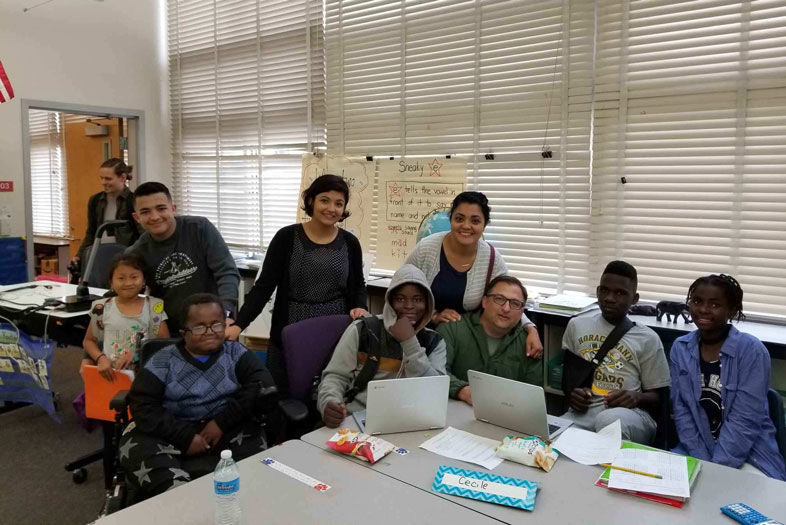
Tim Lawrence, 45, Lemon Grove

Volunteer Tutor, San Diego Refugee Tutoring

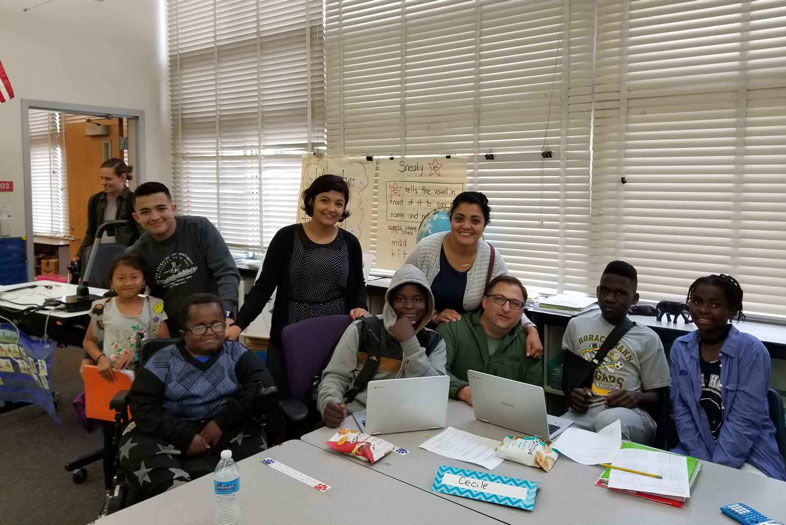
Since 2008, San Diego Refugee Tutoring has been providing one-on-one tutoring and academic support to refugee students at Ibarra Elementary School in eastern City Heights in an effort to bridge educational and cultural gaps.

TRAINING REQUIRED: A two-hour orientation, with updated training throughout the service period

TIME COMMITMENT: At least one of the two 1.5-hour sessions every week (5–6:30 p.m. Tuesday and Thursday)

WHY SAN DIEGO REFUGEE TUTORING: During her freshman year, my daughter heard about SDRT from a high school teacher. We went to check it out, and since then we haven’t been able to not go. We’re filling the gaps where the schools aren’t able to meet the needs of these individuals. My wife, my 15-year-old son, my daughter (who is now 18), and I have a family we’ve served for the last five years. It’s been a mainstay every Tuesday—we go once a week as a family, and in most cases I also show up on Thursdays. I spent 12 years working with the homeless at St. Vincent de Paul downtown. I’ve also been a teacher.

MY WORST DAY: There was a middle school student whose family was adjusting with how to live in the US, with Section 8 housing. All of the sudden I look up and see him storming out of the room, leaving tutoring, and wanting to go home—angry about being unable to comprehend, colliding with the language, not feeling like he fit in. I saw someone going through this right in front of me and not having control over his own frustration. He was really struggling.

MY BEST DAY: When I started to see that same student come back. Rather than just doing his homework and leaving, he started to see SDRT as a safe place. He’s able to ask us any question or deal with any subject in school, as well as the complicated subjects of family life, junior high, and being a teen in the US.

THE ADDED BONUS: I tutor because I get to learn other languages—or pretend I’m learning them, because I don’t retain much. The kids think that’s pretty funny, that I can’t learn their language and they’re learning mine. Sometimes when the kids are talking, I turn on Google Translate and look up words and try to interject. Sometimes Google Translate isn’t quite correct, because they don’t have all dialects, but the kids like that I’m trying. Why wouldn’t I try, if they have to try? It breaks down barriers. They’re faced with all this stuff, but usually unless we [Americans] are forced to, we don’t learn new things. It’s the least I can do to let them know that I know they struggle.

WHO SHOULD VOLUNTEER HERE: Anyone who’s willing to commit and be patient. We’re always looking for consistent volunteers. Sometimes it’s seasonal—a sorority or company or organization is looking to do X number of hours. But the number of people who serve consistently is a lower percentage. It’s a hard commitment. You see what it’s like to be a refugee in San Diego and you gain an appreciation for a world you never see—City Heights doesn’t have a lot of main attractions. Of course it’s great if individuals speak Swahili or Arabic or Hindi… that would make kids feel more comfortable, but ultimately they are immersed in English when they’re here because that’s what’s lacking at home. And we’re always looking for people who are really good in math, especially advanced levels for the older kids. Any adults with a good educational background are great, because the kids are doing stuff even I don’t know how to do.
The Volunteer Diaries

The Volunteer Diaries

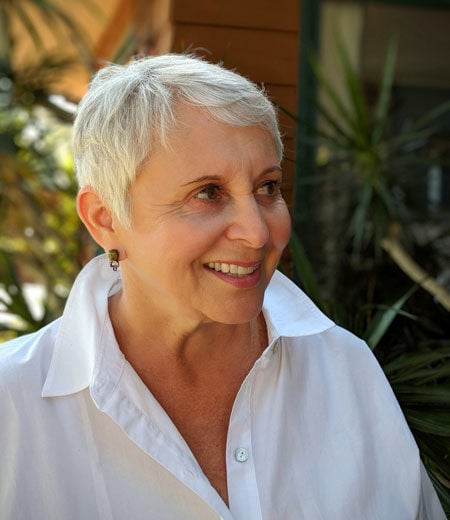
Elizabeth Rice Maget, 64, La Jolla

Crisis Interventionist, San Diego Police Department Crisis Intervention Team

Formed in 1988, the San Diego Police Crisis Intervention Team organizes civilian volunteers to provide immediate on-scene emotional and logistical support to people affected by a crime, death, or other tragedy.

TRAINING REQUIRED: All volunteer applicants must provide references and undergo a personal interview as well as an FBI background check. The academy training is approximately 100 hours and involves classroom training and testing, a ride-along with the fire department/paramedics and with a police officer, a four-hour training session in the 911 Operations Center, and a full day of field service training. We also receive ongoing training at monthly meetings.

TIME COMMITMENT: A minimum of 20 hours per month, plus monthly meetings. I work a weekly six-hour shift and, in an emergency, I respond when extra help is needed. We are expected to commit to a one-year minimum “on the job.” I’ve been involved since 2015.

WHY CRISIS INTERVENTION: What appealed to me was the opportunity to work directly with people who are in need of emotional and logistical support at the beginning of a personal tragedy. If I can help them not feel alone or overwhelmed and provide resources and guidance, then I’ve made a difference in my community. The calls most often involve the sudden, unexpected death of a loved one, often from natural causes but also from suicides and accidents. Other types of calls include homicide, drowning, or domestic abuse. You never know what you will be walking into. We were taught that “no two calls are alike.”

MY BEST DAY: I have two! Graduation Day from the Academy—it’s a little intimidating, at 61, when you’re getting ready to have the chief of police shake your hand and thank you before you’ve done anything. My other best day: Once I was called at 6 a.m. to a family home where the teenager ran away during the night with cash and a family car. The teen had been under stress in school and with the family. The police were investigating and didn’t want to add to the parents’ distress, so I was called to assist the family, and the mother in particular. After seven hours, word came from an officer that the teen had been located, with her car, in another state, and was fine and ready to come home. I got to leave the scene with hugs and smiles all around.

MY WORST DAY: It involved an industrial accident that was fatal. I joined four other volunteers to go to the company’s scheduling hall. We were assigned to meet with management and to be available to coworkers who knew the deceased and were learning about the tragedy, including the spouse of the deceased. The work at this company was physically grueling and intensive, and the workers were second- and third-generation workers. This group was solid, close-lipped, and not likely to let down their guard in front of coworkers. It took time to break down barriers and often we sat in “shared silence.” Eventually, after sighs and quiet tears they began to ask us questions, and began talking about their loss and feelings of disbelief. We stayed with them for as long as we were allowed. We left unsure whether we’d helped, as is often the case. We also gained knowledge and understanding about the contributions of these workers to our community. We listened to how they view life, their work, and how proud they are to be carrying on where their fathers and grandfathers left off. We benefited, perhaps more than we gave.

WHO SHOULD VOLUNTEER HERE: If you care about how people are treated when experiencing a personal tragedy, you may find satisfaction from this work. If you have empathy and let each interaction stand on its own, without weighing you down emotionally, that is important. It’s also important to use the training and resources we’re provided, and when at the scene, to take your cues from the officer who called you in. It is critical that you have no agenda besides assisting others, one human being to another.
The Volunteer Diaries

The Volunteer Diaries

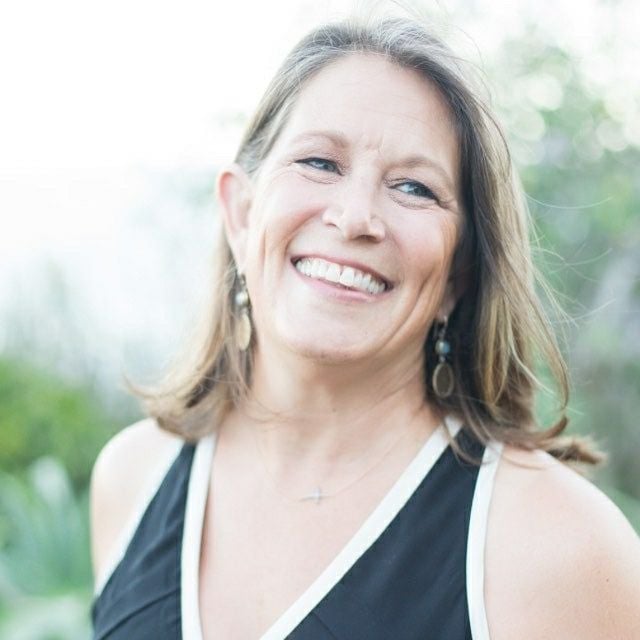
Nancy Kane, 56, 4S Ranch/Del Sur Area

Team Leader Volunteer and Ambassador, Feeding San Diego

Feeding San Diego, established in 2007, is a hunger relief organization focused on healthy food, education, and advocacy, offering food and resources to a network of partners that serve children, families, and seniors each week.

TRAINING REQUIRED: I completed the formal team leader training a few years back and now help to train other team leaders, who range from young adults to retirees.

TIME COMMITMENT: At least eight to 10 hours a week. I have logged in over 700 hours.

WHY FEEDING SAN DIEGO: I was looking for an outlet to bring food donations to and happened upon FSD. I signed up for a volunteer shift in 2012. On the tour, I heard that one in four children in San Diego County faced hunger. [It fell to one in six by 2017.] That shocked me! I plan on staying until the statistic changes to no children—or families, or seniors, or military, or college students…

MY BEST DAY: It’s usually when I’m interacting with volunteers, either in the warehouse or out in the community. I love the passion that comes from people who align with my desire to change hunger in this community.

MY FAVORITE STORY: I helped set up a school pantry at an elementary school in the City Heights area. It was wonderful to see the families pick up their food while picking up their students. Many of the families knew each other. It had a farmers’ market feel that allowed for food choices, and there was plenty of food to go around. That school pantry still exists today.

WHO SHOULD VOLUNTEER HERE: Anyone would love this work! Most opportunities are in the warehouse, packing food. It’s a fun environment, because the team and staff are passionate and helpful. Come join me!
The Volunteer Diaries

San Diego Refugee Tutoring

Subscribe to our newsletters

Select Options

By subscribing you confirm that you agree with our Terms and Conditions and Privacy Policy.

Charitable SD JULY 27, 2026

Where San Diego Seniors Find Support and Community

Serving Seniors provides meals and coordinated services to more than 13,000 older adults each year, aided by a dedicated volunteer network

Where San Diego Seniors Find Support and Community
Courtesy of Serving Seniors

Seniors today face challenges that were unimaginable to previous generations, and some turn to nonprofit organizations to bridge the gap. Serving Seniors helps low-income older adults with housing assistance, social services, and more. The nonprofit provides 1.5 million meals and coordinated services to 13,265 older adults each year, the majority living on less than $1,125 per month. 

Dedicated volunteers, like Fred Davis, help make this important work possible. Since roughly 2008, Davis has spent six days a week at the Serving Seniors Gary and Mary West Senior Wellness Center serves as a liaison to help clients access much-needed resources. Here, he shares what keeps him coming back day after day. 

Courtesy of Serving Seniors

What made you want to get involved with Serving Seniors?

I have a community outreach ministry and my grandson and I were on the streets downtown handing out sack lunches, water, hygiene products, clothes and shoes, and things like that and I noticed that most of the people I met appeared to be seniors. So the next logical step for me was to find a senior group that I could work with. I heard about Serving Seniors, and I made a few phone calls. No one really responded to me, so I showed up. They opened the door for me and now they can’t get rid of me. I found a home. I’ve met some really good people over the years. And as it turned out, I’ve been here longer than most of them. I’ve been here at the West Center ever since the doors opened. And matter of fact, I was the one who gave Gary and Mary West an award for their generous donation that made it possible to open up this center.

What do your volunteer duties entail? 

I’m in ministry, but I don’t want that to be the highlight of what I do. It’s not just a passion for serving people, it’s a calling. I like the idea of giving and serving people and trying to meet their needs. So I counsel, I oversee the serving of the lunches, and I work with the head of the volunteer group. I’m involved in different activities. Matter of fact, this coming Saturday, I’m going to take a group of seniors out sailing. I also helped start the Civic Engagement Group. It was a group of us, and there are about three members that are left from when we originally started it. Now Serving Seniors is taking it over, and my role is to work with them. I also took it a little bit further and ended up joining Aging and Independent Services and sat on that advisory board for a number of years. That led to me being elected to the California Senior Legislature. So I’ve been advocating for seniors for a very long time. They’re a vulnerable group. They worked hard and don’t always get the respect that they deserve. 

Courtesy of Serving Seniors

What do you like best about volunteering at Serving Seniors? 

The people—this is my target group right here. I don’t have to walk the streets like my grandson and I did anymore; they’re right here. I’m here every day at the West Center but Sunday. 

What’s the biggest challenge you’ve faced? 

The biggest challenge is not being able to help someone who really needs the help. But we try to find a way. I reach out to different organizations, faith-based organizations or other nonprofits, sometimes with success and a lot of times without success. There are quite a few people that are in need who are hardworking people, dedicated people who still want to provide for themselves and their family, and they’re just caught in that void.

Courtesy of Serving Seniors

Can you describe your favorite or most memorable experience while volunteering?

I was handing out clothes; I usually have a sock drive and I gave a homeless person a pair of socks. As they peeled their filthy socks off their feet, this person cried. You don’t know how important these little things are that we take for granted. It was really touching. 

Any advice for someone considering volunteering as a way to give back?

A lot of people use the term giving back, but I just say giving. When you say ‘giving back,’ that means you’re trying to repay something and you’re taking credit. But giving is a passion. It’s something that you do from your heart, not out of obligation. 

Sarah Sapeda

About Sarah Sapeda

Sarah Sapeda is San Diego Magazine’s Custom Content Editor. In her 15 years in San Diego journalism, she has covered charitable events, health care, education, crime, current events, and more.

Charitable SD JULY 22, 2026

SAY San Diego Has Been Helping Families for 55 Years

What began as a small youth organization now reaches more than 45,000 San Diegans annually through community programs

SAY San Diego Has Been Helping Families for 55 Years
Courtesy of SAY San Diego

For more than five decades, SAY San Diego (Social Advocates for Youth) has been helping local kids, families, and seniors navigate challenges they can’t face alone. The nonprofit serves as a beacon for local residents by offering more than 30 programs that range from youth mentorship and crisis support to increasing access to stable housing and mental health services to substance-use prevention and workforce development.

“For 55 years, SAY’s story has been shaped by listening to the community and being willing to grow with it,” says Louie Nguyen, SAY San Diego’s president and CEO. “Our mission is to partner with youth, adults, families, and communities so they can reach their full potential. That keeps us focused on the whole person, not just one immediate need. As San Diego evolves, we listen, work alongside trusted community partners, and adjust our services so they remain accessible, relevant, and rooted in opportunity, equity, and well-being.” 

SAY San Diego started as a grassroots nonprofit with one paid employee and a budget of $1,500. The organization has since evolved from humble beginnings as a youth-focused agency into a comprehensive and far-reaching social services organization. 

Several milestones mark SAY San Diego’s success, including partnering with local schools and neighborhoods to expand its child and youth development programs, family resource centers, and school-based mental health services; the creation of the San Diego Military Family Collaborative, one of the largest of its kind in the nation; and the opening of its licensed early childhood center that introduced an employer-supported childcare model. 

What underscores SAY San Diego’s programs and opens the doors for lasting change is a willingness to listen and grow in response to emerging needs, says Nguyen. 

“Lasting change comes from consistent support, strong relationships, and services that work together,” says Nguyen. “Our school-based programs have an especially broad reach, serving more than 6,500 young people across 57 school sites each day in places families already know and trust. Our mental health programs also stand out, with 72 percent of participants reporting improved emotional well-being. But the real strength of SAY is that a family can connect with early childhood care, parenting support, youth development, mental health services, or community resources as their needs change over time.” 

Much of SAY San Diego’s impact is possible thanks to partnerships with individuals and organizations across the county. Nguyen hopes to further expand that community investment through initiatives like its Play 4 SAY fundraiser, which brings together corporate partners, foundations, and other supporters. However, challenges remain in “meeting rising demand while public funding, workforce capacity, and the broader nonprofit environment remain uncertain,” he says.

As economic instability, rising housing and childcare costs, and access to mental health services continue to affect San Diegans, SAY San Diego’s role is more important than ever. The organization hopes to build on the foundation it has built over the past 55 years and continue to help kids, families, and communities thrive. 

“Today, we reach more than 45,000 San Diegans each year, but our goal is not simply to grow larger, it is to create a deeper, more lasting impact,” says Nguyen. “Our next chapter is about strengthening what works, expanding access to mental health and family support, investing in our people, and bringing partners together to build a stronger San Diego.”

Sarah Sapeda

About Sarah Sapeda

Sarah Sapeda is San Diego Magazine’s Custom Content Editor. In her 15 years in San Diego journalism, she has covered charitable events, health care, education, crime, current events, and more.

Charitable SD JULY 22, 2026

In Photos: San Diego’s Scoop Ice Cream Festival

The beloved annual festival raised a record-breaking $60,000 for Feeding San Diego

In Photos: San Diego’s Scoop Ice Cream Festival
Photos Courtesy of Scoop Ice Cream Festival

More than 6,000 ice cream lovers devoured tasty treats at this year’s Scoop Ice Cream Festival for a great cause. The event on June 28 launched an ongoing partnership with Feeding San Diego and raised $60,000, or enough to provide 120,000 meals to San Diegans facing hunger. 

See photos from the night below.

Sarah Sapeda

About Sarah Sapeda

Sarah Sapeda is San Diego Magazine’s Custom Content Editor. In her 15 years in San Diego journalism, she has covered charitable events, health care, education, crime, current events, and more.

Studio S JULY 25, 2026

These San Diego Companies Are Driving the Region’s Next Wave of Growth

This month, the 2026 San Diego Business Impact Awards recognized local businesses making an impact in clean energy, biotech, hospitality, and beyond

These San Diego Companies Are Driving the Region’s Next Wave of Growth
Matt Furman Photography

Renewable energy companies building hundreds of power plants. Biotech startups using artificial intelligence to create personalized medicine for children with rare diseases. Hospitality companies quietly powering thousands of local events. Consumer brands growing from beach-town startups into national businesses. These are the kinds of companies driving San Diego’s economy today, and the businesses recognized at this year’s San Diego Business Impact Awards offer a snapshot of where the region is headed.

Hosted July 23 by San Diego Regional Economic Development Corporation (EDC) and JPMorganChase, the second annual awards event honored four local companies for innovation, growth, and economic impact. More than 100 nominations from San Diego’s middle-market businesses were reviewed by a 10-person judging committee, with winners selected across four categories: startup, early-stage innovator, rising star, and established heavyweight.

Two-time honoree Jimbo Someck, founder of Jimbo’s organic grocery stores, also joined the event for a fireside chat on buying local, supporting emerging brands, and giving back to the community.

“San Diego’s strength comes from its makers and builders—the resilient people who endure great risks and overcome obstacles to build and scale a company,” says Aaron Ryan, San Diego Region Manager and Middle Market Banking at JPMorganChase & Co. “These awards aren’t just recognition; they spotlight the talent, grit, and innovation shaping our region’s future. By celebrating those who create and build, we foster connections and fuel the growth that keeps San Diego thriving.”

Matt Furman Photography

Building the Infrastructure Behind Clean Energy

Heavyweight honoree SOLV Energy has grown alongside the country’s rapid investment in renewable power. “It’s an exciting time for SOLV Energy as we are experiencing significant growth,” says CEO George Hershman. “The business has doubled over the last year and has almost double-digit growth since its inception.”

The Rancho Bernardo-based company designs, builds, operates, and maintains utility-scale solar and energy storage facilities. Since its founding in 2008, SOLV Energy has built more than 500 power plants.

Growth has translated directly into hiring. About 200 employees work from the company’s local headquarters, including roughly 20 interns. “Our intern program is a big part of the way that we grow our workforce,” Hershman says. “Last year, 43 percent of our interns became full-time employees. We believe San Diego is a great community to build and grow a high-tech infrastructure and technology company because of the incredible workforce—the ability to attract top talent and draw from world-class universities.”

Developing Medicine One Patient at a Time

Startup honoree La Jolla Labs is tackling one of medicine’s biggest challenges by developing personalized RNA therapeutics for patients with rare diseases—many of them children with neurological disorders like ALS. Using proprietary artificial intelligence and machine learning tools, the biotech company develops treatments tailored to each patient’s specific genetic mutation.

CEO Tamar Grossman says the recognition reflects how far the company has come despite limited resources. “We’re honored to be recognized for our ability to change and save patients’ lives and turn our lean startup into a clinical company with very minimal resources,” she says.

Grossman credits San Diego’s concentration of research institutions—including UC San Diego, the Salk Institute, and Scripps Research—with creating a pipeline of talent and collaboration. “San Diego is one of the world-leading centers for technology, genomics, and RNA therapeutics,” she says. “We have over 30 RNA therapeutics companies here, and we support each other and help with anything related to drug discovery.”

She says that collaborative spirit extends beyond formal partnerships. “You can walk around Torrey Pines, go into a café, and find colleagues from the industry and have an ad hoc conversation,” Grossman says. “That’s something very unique to San Diego.”

Powering San Diego’s Special Celebrations

While Snake Oil Venue Company may not be a household name, chances are many San Diegans have attended one of its events. The early-stage innovator honoree has expanded from beverage catering and mixology consulting into venue management, operating Julep Venue in Mission Hills, Bramble Bay Venue in Imperial Beach, Vesper Venue, the Chapel at Liberty Station, and five outdoor venues throughout Liberty Station—more than 500,000 square feet of event space altogether.

“We do a lot of launch parties for corporations and new products,” says CEO Mike Esposito. “I really like working on the entrepreneur side of things, where new businesses are entering the San Diego market and looking to make a splash.”

Snake Oil has executed more than 16,000 events, employed more than 1,000 people, and partnered with more than 900 local vendors, including caterers, florists, photographers, entertainers, and other hospitality businesses. The company also works with many of San Diego’s nonprofits, museums, and cultural institutions. “We get to celebrate people’s most important moments,” Esposito says. “Whether that’s a wedding, celebration of life, or quinceañera, we’re fortunate to be involved in the community in so many different ways.”

Matt Furman Photography

Growing a Beach-Town Brand into a National Business

Rising star honoree ALOHA Collection is proof that a simple idea can grow into a thriving company. Founded by two roommates who wanted a better way to carry wet swimsuits after a day at the beach, the lifestyle brand has grown into a business while maintaining strong year-over-year growth.

Now headquartered in Carlsbad, ALOHA Collection employs more than 100 people and operates its California flagship store in Encinitas, which is slated for a remodel. With roots in Hawaii, the company is known for its lightweight, splash-proof travel bags that have become a familiar sight on beaches in San Diego and beyond.

“‘Aloha’ is part of our name, but it’s also how we move through the world,” says CEO Lynna Barnard. “It’s how we show up for people, the way we travel, the way we give back.” Since day one, the company has maintained a 5 percent giveback to Hawaii conservation efforts, contributing millions of dollars over the years.

“I think what’s so inspiring about ALOHA Collection, and the founders in particular, is when you dream big, those dreams can come true when you work hard and trust in the universe,” Barnard says. “It’s inspiring to be a role model for other people wanting to start businesses from humble beginnings. Start small and watch it grow.”

Together, businesses like these form a cornerstone of San Diego’s economy—not only through the jobs and revenue they generate—but through the local workers they hire, vendors they support, and investments they make in the region. Their growth doesn’t happen in isolation; it ripples outward, strengthening the broader business community and the people who call San Diego home.

Matt Furman Photography

Partner Content
Charitable SD JULY 21, 2026

12 Charitable Events to Attend in August

Here’s where to celebrate, connect, give back, and make a difference this month

12 Charitable Events to Attend in August
Courtesy of Las Patronas

August 1: Curebound Cancer Challenge 

Raise money for cancer research while you work out at the Curebound Cancer Challenge. Fundraisers will cycle along the San Diego coastline, run a 10K on the UC San Diego campus, and participate in group spin, yoga, and strength classes. 

August 1: Club Masterpiece: One Haute Havana Night

Patrons of the Prado will channel 1950s Havana at this year’s Masterpiece Gala. Club Masterpiece: One Haute Havana Night will raise money for Balboa Park cultural institutions and will include a special honor for philanthropists Joan and Irwin Jacobs. 

August 3: CaddyHack Golf Festival 

Golfers will tee off to support Boys to Men Mentoring at the CaddyHack Golf Festival. Celebrating its 10th anniversary this year, the charity golf tournament will include golf, music, food, and fun at Fairbanks Ranch Country Club. 

August 7: Music By Eras Fundraiser for TERI Campus of Life

Acclaimed San Diego musicians will join together to support TERI’s programs and services for individuals with intellectual and developmental disabilities. The Music By Eras performance at TERI’s Bornemann Theatre will feature artists Whitney Shay, Jesse Ray Smith, Lauren Leigh, and Will Stucky. 

August 8: 80th Annual Jewel Ball 

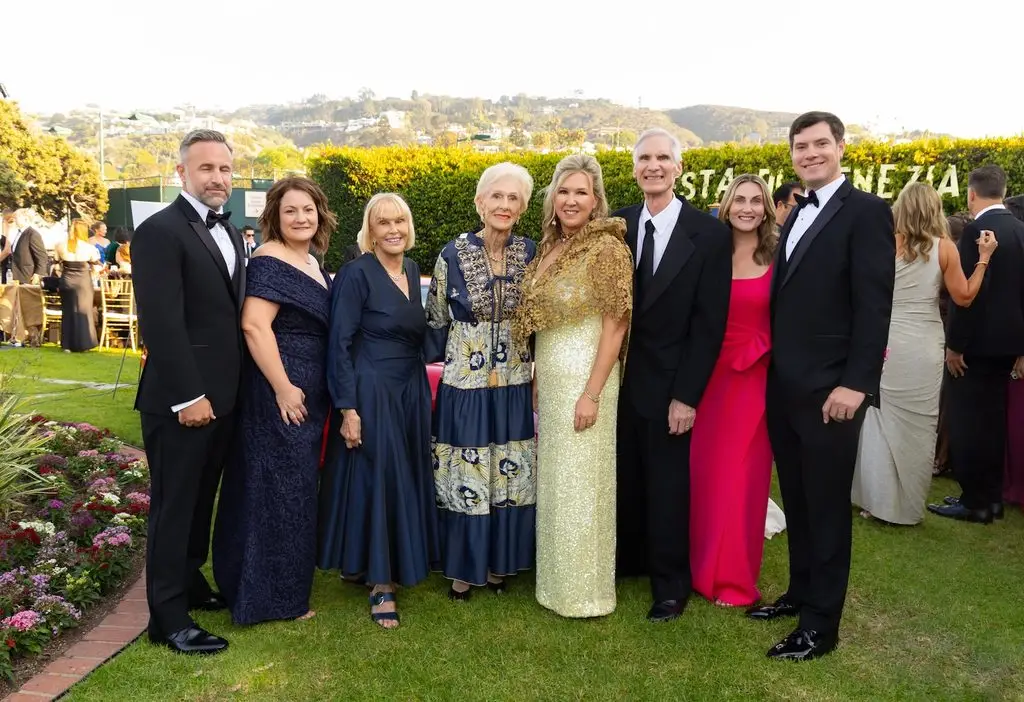
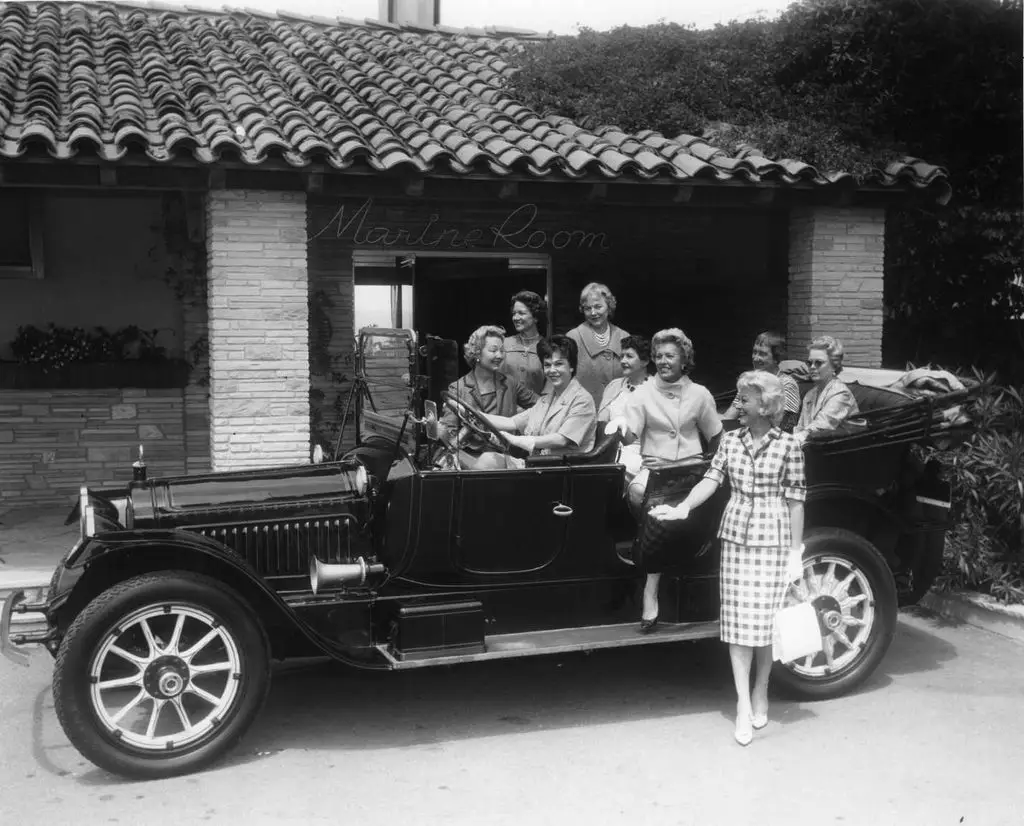
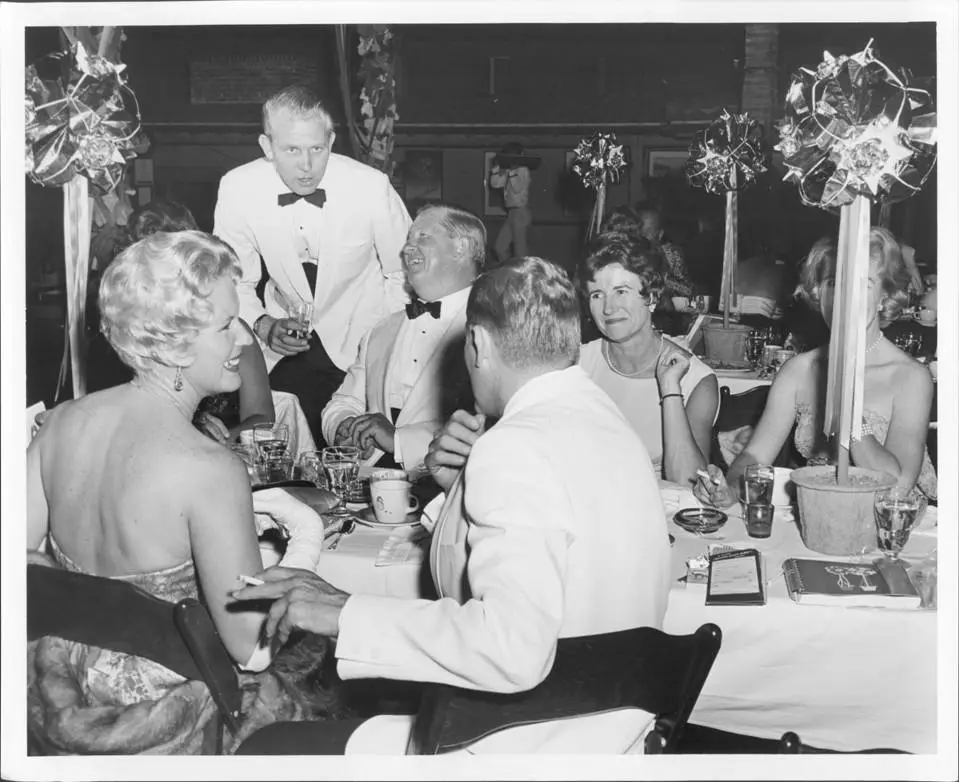
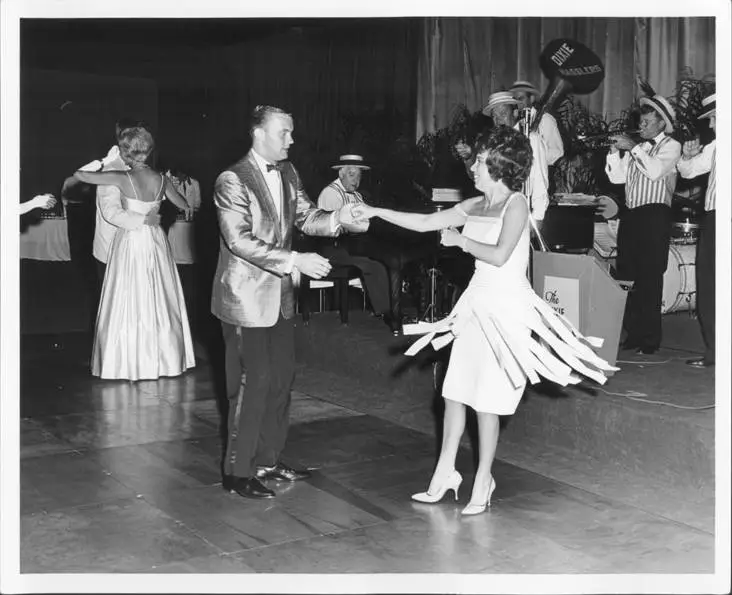
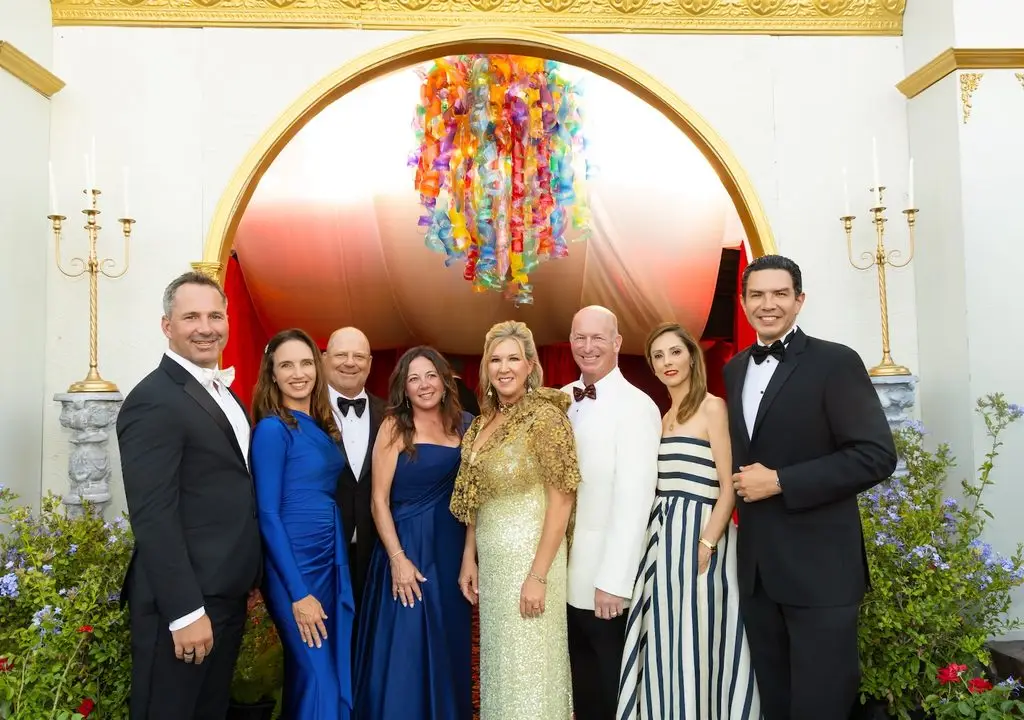
Las Patronas will recreate the magic of Venice at its 80th annual Jewel Ball. Las Patronas has spent the entire year preparing for the event, as well as raising money to support nonprofit organizations across San Diego County. 


August 14: Shelter to Soldier Be the Light Gala

Help Shelter to Soldier train rescue dogs to be psychiatric service animals for local veterans at the 14th annual Be the Light Gala aboard the USS Midway Museum. The gala will include silent and live auctions, dinner, dessert, and appearances by canine ambassadors and veteran recipients. 

August 15: Haute with Heart Fashion Show 

St. Madeline Sophie’s Center will celebrate its “hidden diamonds” at its 48th annual Haute with Heart Fashion Show. The lively event at the Hilton San Diego Bayfront will include a pre-luncheon reception, live music, a live auction, a stunning fashion show, and surprise entertainment to benefit the nonprofit’s programs for adults with intellectual and developmental disabilities.

August 15: Symphony at Salk’s Concert Under the Stars

The Bacon Brothers will perform with the San Diego Symphony at this year’s Concert Under the Stars. Now in its 30th year, Symphony at Salk supports research in areas such as cancer, Alzheimer’s, wellness, and agriculture. 

August 22: SummerFest Gala 2026

La Jolla Music Society supporters will enjoy an evening of exclusive performances at its SummerFest Gala 2026. The event at the Museum of Contemporary Art San Diego will raise money for La Jolla Music Society’s artistic, learning, and engagement programs. 

August 28: 2026 Alpha Project Golf Tournament 

Tee off to help San Diegans facing homelessness at Alpha Project’s 16th Annual Charity Golf Classic. The four-person scramble at the Rancho Bernardo Inn Golf Resort and Spa will support the Alpha Project’s housing, employment, recovery, and support services. 

August 29: Relay for Life of San Diego

Walkers will join forces to celebrate cancer survivors and remember those who lost their fight at the annual Relay for Life of San Diego. The 24-hour relay at Liberty Station NTC Park is part of a global network of similar events that raise money for the American Cancer Society. 

August 29: A Night United: Illuminating the Way

United Way of San Diego County will host its A Night United: Illuminating the Way gala at Eve, an event destination on San Diego Bay. The elegant evening will benefit UWSD’s mission to improve lives and strengthen communities across the region. 

Sarah Sapeda

About Sarah Sapeda

Sarah Sapeda is San Diego Magazine’s Custom Content Editor. In her 15 years in San Diego journalism, she has covered charitable events, health care, education, crime, current events, and more.

Guides JULY 6, 2026

6 Perfect Days in North County

We found a handful of inspiring people who live in, and truly know, these 'hoods and asked them how they’d spend their time out and about

6 Perfect Days in North County
Courtesy of Oceanside Museum of Art

Growing up in Carlsbad, I never quite understood why people vacationed there. What, so you want to check out the field where I have soccer practice? Pay my orthodontist a visit? Carlsbad just felt like a town by the beach, no better or worse than any other in the country. It took going to college out of state for me to actually understand just how rare a place like Carlsbad is.

Thanksgiving break my freshman year, my first time coming home after three months in the Midwest, my shoulders dropped. I rolled down the windows and drove to lifeguard tower 37—the hangout magnet for Carlsbad’s youths (and, in the summer, tourists)—and the smells of the ocean woke me right up like smelling salts do. I finally got it.

Carlsbad isn’t just a stopover town on your way to something better. It is the destination. Travel + Leisure named Carlsbad one of the top 50 places around the world to travel in 2026. From the whole globe, the travel magazine picked my home. Sure, we’ve got the Flower Fields and Legoland—but now it’s the smaller ships and indier dreams that are giving it street-level character.

It’s not just Carlsbad, either. People have talked about the “North County bubble” for decades—a force field that prevents its residents from traveling south of the 56. It’s often used derogatorily, and it’s a fairly accurate burn.

For decades, living up in North County meant giving up on culture, or at least culture within close proximity. But now, the main expansion of San Diego culture is happening up north. Central San Diego restaurants have started taking notice and are expanding into the area—spurred no doubt by Oceanside’s food boom and the Jeune et Jolie–Campfire–Wildland–Lilo constellation in Carlsbad. City Heights burger joint Key & Cleaver opened a new spot in Oceanside; the owners of Parc Bistro-Brasserie in Bankers Hill opened Parc Lounge in Rancho Santa Fe. Possibly the strongest market indicator is that Sam Fox—one of the most successful restaurateurs west of the Rockies—has started focusing on North County for his concepts. In 2025, he opened both The Henry in Carlsbad and Culinary Dropout in Del Mar.

For the ultimate insider guide, we found a handful of inspiring people who live and create and truly know six North County neighborhoods—San Marcos, Escondido, Oceanside, Leucadia, Rancho Santa Fe, and Vista—and asked them how they’d spend a dream day out and about in their town.

Courtesy of North City Farmers Market

San Marcos

San Marcos is in full renaissance mode. The biggest story is that the grand North City vision is starting to peek through the scaffolding. It’s essentially the North County Downtown that’s been written in the tea leaves and discussed whenever someone gets stuck in traffic at the 5/805 merge: a 200-acre, pedestrian-friendly, mixed-use face-changer that’s slated for 2,600 homes, 350,000 square feet of retail and restaurants, 250 hotel rooms, and about a million square feet of offices and labs. Its most recent manifestation is 222 North City—a 12-story residential tower with over 450 residences, rooftop garden, pool cabanas, art installations, and almost 20,000 square feet of ground-floor retail (Necessity Coffee, Buona Forchetta, Draft Republic, Milonga Empanadas, and a grocery store anchor on its way).

Which means Restaurant Row is no longer burdened with being the primary caregiver for the hungry or the socially inclined. Patricia Prado-Olmos has watched the city morph during her nearly three-decade tenure at CSUSM, having spent the past six years as the school’s chief community engagement officer. She also just announced her forthcoming retirement at the end of the 2026–2027 school year, so she’ll have even more time to haunt local haunts.

Meet the Local: Patricia Prado-Olmos

Those in the know call the university “Cal State StairMaster” from the Sisyphean amount of stairs on the hillside campus. So, any day at or around CSUSM should start with a homestyle carbo-load (biscuits and gravy) from Mama Kat’s.

“There’s something about this breakfast spot that immediately puts me in a good mood,” she says. Mama Kat’s is also known for its pie (strawberry-rhubarb), which is breakfast if you change your perspective.

After a few hours on campus—with a break to pet the university’s official therapy goldendoodle, Frank, who helps ease finals tremors or apprehension of on-campus stairs—Prado-Olmos will wander into North City, just steps away. She says the almond croissant and coffee at Christophe Rull Patisserie rival Parisian cafés: “It feels like the kind of place you’d stumble across in a much bigger city.”

Rull, a Michelin-trained pastry chef who’s done stints on Netflix (Bake Squad) and Food Network (Super Mega Cakes, Halloween Wars), opened his patisserie last fall. The hype hasn’t cooled off yet: Get there early because the crowds do.

Emma Veidt

About Emma Veidt

Emma Veidt is an editor at San Diego Magazine. She earned her bachelor's and master's degrees from the Missouri School of Journalism. She loves running, hiking, and rock climbing, but really, she mostly loves encounters with the street cats around North Park.

Partner Content JULY 21, 2026

You….Elevated: San Diego Magazine’s Guide to Aesthetics 2026

San Diego aesthetic medicine providers help you look—and feel—your best

You….Elevated: San Diego Magazine’s Guide to Aesthetics 2026
SDM-SS_ AestheticProcedures_2026

San Diego is home to world-class aestheticians, plastic surgeons, and dermatologists who can help turn back the hands of time and revitalize tired, damaged skin. Enhancing your look is a spectrum. Treatments range from noninvasive procedures like lasers or injectables to the big guns, like a deep-plane facelift—many with better results and less downtime than ever thanks to advanced techniques and technology. Whether you’re a Botox beginner or an aesthetic medical care veteran, San Diego aestheticians and aesthetic medicine providers can help you look and feel like the best version of yourself.

Changes Plastic Surgery & Spa

Changes Plastic Surgery & Spa is San Diego’s premier destination for aesthetic surgery, led by world-renowned plastic surgeon Dr. Michael Rossi. Celebrated for his artistry, precision, and natural-looking results, Dr. Rossi is known for creating customized Mommy Makeovers that help women restore confidence and reclaim their bodies after pregnancy. His expertise also extends to comprehensive post-weight loss body contouring, addressing excess skin and skin laxity with sophisticated surgical techniques tailored to each patient’s unique anatomy and goals. From breast and body rejuvenation to deep plane facelifts and eyelid surgery, every treatment plan reflects Dr. Rossi’s commitment to surgical excellence, personalized care, and transformative results that look as beautiful as they feel.

Cosmetic Laser Dermatology

At Cosmetic Laser Dermatology, the board-certified, internationally acclaimed team has the power to erase 10+ years of aging in a single treatment. The center’s 60+ laser, light, and energy devices do it all—refining texture and tone, calming acne, minimizing pores, and erasing that ill-advised spring break tattoo of yesteryear. Their dermatologists take it further by stacking multiple devices in one session for synergistic results—the philosophy behind their signature Take5 and Take10 treatments, the latter capable of removing a decade-plus of aging in just one visit. Add a full suite of injectables, body sculpting, and vein treatments for every skin type and tone, and it’s no wonder the practice’s medical director was named the #1 cosmetic dermatologist in America by Newsweek two years running.

Cultivé Medical Aesthetic

If it’s subtle, lasting results you’re after, Cultivé Medical Aesthetics has you covered. Cultivé purposely combines aesthetics and wellness. The Bankers Hill practice offers a full menu of services designed to improve skin health and support the three pillars of aesthetic aging: skin tone and texture, volume loss, and laxity. Cultivé offers a wide range of aesthetic treatments, including collagen boosting powerhouse Morpheus8, biostimulators like Sculptra and Radiesse, PRP therapy, laser hair removal, VI peels, and regenerative skincare treatments. They also provide wellness-focused services such as hormone replacement therapy, IV therapy, and medical weight management programs.

Starlite Aesthetics and Wellness 

Starlite Aesthetics and Wellness focuses on enhancing natural beauty through science-backed treatments tailored to each client’s goals. Michelle Langston, MSN, APRN, FNP-BC, founded Starlite on the principle that aesthetic medicine should be precise, personal, and rooted in wellness. The boutique aesthetic practice in La Jolla combines modern medical aesthetics with holistic wellness principles for refined results personalized to each patient. Langston has spent more than a decade honing her skills in advanced injectables, regenerative therapies, and anti-aging care. Starlite offers regenerative therapies rooted in science, promoting skin rejuvenation using a multiple modality approach. Service offerings include RF microneedling, wrinkle relaxers, facial balancing and more.


The “It” List

In the rapidly advancing field of aesthetic medicine, it can be hard to tell what’s worth the hype. Here are some of the latest, most advanced, and most popular options out there.

Morpheus8: This combination of microneedling and radiofrequency (RF) energy activates your skin’s own collagen and elastin without the downtime associated with some
laser treatments. It can be used to reduce wrinkles, tighten skin, improve skin tone, contour the jawline, and minimize acne scars.

Exosome Therapy: This cutting-edge treatment uses protein-packed nanoparticles to trigger repair and rejuvenation at the cellular level. Often used post-microneedling or lasers, exosomes penetrate deep into the skin to stimulate collagen production.

Post-GLP-1 Skin Removal: Rapid fat loss prompted by GLP-1 medications, including semaglutide, tirzepatide, and retatrutide, can leave users with sagging skin. Skilled surgeons can remove excess skin and reshape the figure.

Treatment Stacking: Sometimes it’s the more the merrier when it comes to aesthetic procedures. Combining multiple non-surgical treatments in a single session allows users to address several issues efficiently, with less downtime.

Partner Content

Make an Impact in San Diego.

Once a month, get an inside look at the people, causes, and events behind the good in our city and how to be part of it.

Close the CTA

Contact Us

1230 Columbia Street, Suite 800,

San Diego, CA