Featured articles
Food & Drink
Food & Drink
Features
Featured articles
Everything SD
Things to Do
Things to Do
Featured articles
Things to Do
Things to Do
Food & Drink
Featured articles
podcast-ep
podcast-ep
podcast-ep
Featured articles
Food & Drink
Features
Food & Drink
Featured articles
Everything SD
Food & Drink
Partner content
Ready to know more about San Diego?
SubscribeReady to know more about San Diego?
Bencotto's offshoot takes it to the streets
Monello
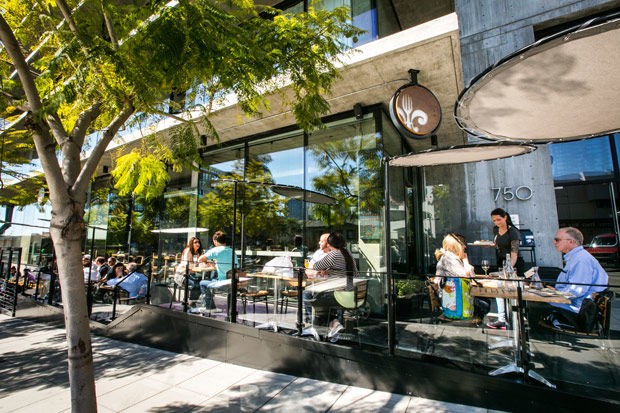
750 West Fir Street,
Little Italy
TROY’S PICKS
Raspa dura
Spaghetti carbonara
Bencotto pizza
Gordon Gekko wouldn’t approve. A competitor trying to collect money within five miles of your own collection point? They’re to be loathed, undermined, relieved of body parts. And yet popular northern Italian restaurant Bencotto opened up a large northern Italian restaurant next door.
Nuts… or a clever way to expand?
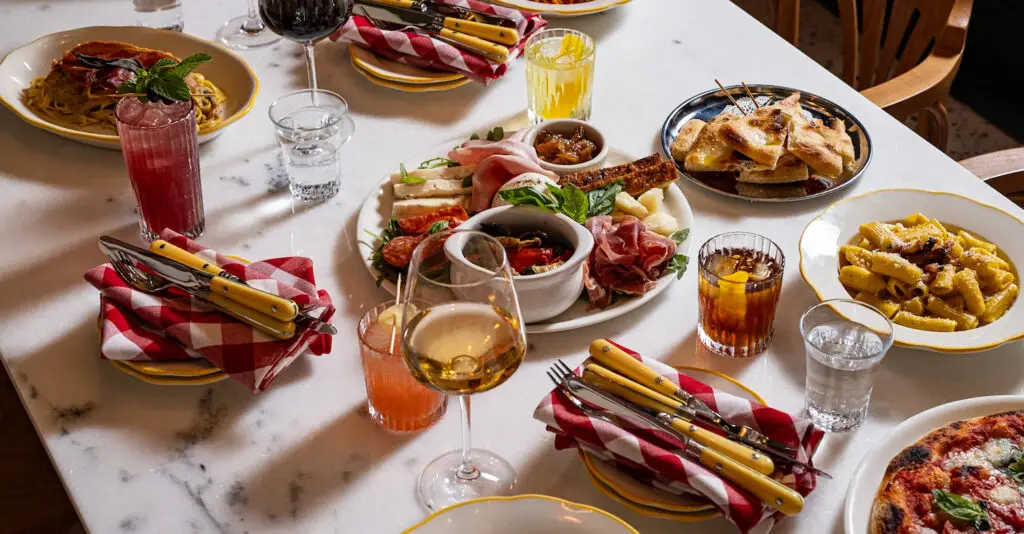
Surely, an expansion. Like building a guesthouse out back and calling it Chez Rear. That’s not to say the two aren’t unique. They are, in subtle shades. What Bencotto lacked (a bar scene), Monello provides. Carbohydrates star at both (Bencotto’s fresh-daily pastas, Monello’s pizzas). At Monello, small bites are multiplied, formality diminished.
Bencotto won over Little Italy with modern design (these clichéd streets looked like Disney’s vision of Rome, circa 1960), chef Fabrizio Cavallini’s saucy talents, and the host-charm of the husband-wife owners, Valentina Di Pietro (Milan’s Audrey Hepburn) and Guido Nistri (your sardonic uncle).
Monello’s big idea is street food. If it’s served near a propane tank in Milan, it’s found here. But with polished silverware and fine architecture, can it be called street food? Is a classy joint serving poor man’s cheese like the time the orchestra played with Metallica? Regardless, Nistri has a story for every dish, each related to their original home (where he ran a high-end bistro and she handled P.R. for Dolce & Gabbana).
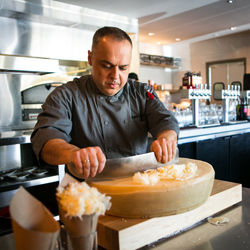
The teensy fried calzones called panzerotti are just like those sold by Giuseppina Luini at her famous shop in the shade of the Duomo. Raspa dura—shavings of young cow’s milk cheese, seen as unfinished and inferior—started as a “treat” for rustic poor. Now chef Cavallini stands in Monello’s fancy kitchen, shaving a wheel. The trio of spaghettis is what you eat in Milan when your blood-alcohol level is higher than your IQ.
Speaking of. The bar signature is housemade rosso vermouth. Vermouth? That bitter stuff? On tap? Yes, but the Italians drink it sweet, a tradition first commercialized by Italian companies Cinzano and Martini & Rossi. Before Americans decided flavorless, skinny drinks were the bomb, a martini used to be more vermouth than gin, and a Manhattan more rosso than whiskey. It’s excellent on the rocks. Tastes like bark, roots, and all sorts of aromatic forest loam, ground and mixed with citrus peels. It also anchors the Negroni and the classic Corpse Reviver (brandy-soaked apple, Cognac, and vermouth).
Décor at Monello is urban restraint. Concrete pillars. Concrete flooring. Exposed AC tubes. A lot of gray, highlighted by more gray. Even the salt and pepper shakers are immaculately clean (one of my telltales for restaurant sanitation). Not a baroque element in the place, save for maybe the triptych of a gothic Italian cathedral, painted with ghostly luminescence by a local artist.
Every meal at Monello begins with lupini beans. Just think of the yellow, waxy buggers as Italian edamame. With garlic and rosemary salt, they squeak at the bite like fresh cheese curds. I could eat them all day.
The small bites at Monello are the way to go, heretofore a noted path to nirvana. The raspa dura is a brilliant snack—at once grainy and creamy, so thin it evaporates at first tonguing. The huge selection of cured meats—oh lord please try the finocchiona (fennel salami) and soppressata di cinghiale (boar)—is from Nistri’s pals in New York. They don’t normally export their goods; exceptions are made for comrades.
Off the rolled bites menu—not unlike Jewish aram sandwiches—we moan over the one stuffed with burrata, arugula, and Parma prosciutto. That silky goop of buffalo cream is cut perfectly by the Parma’s salty, aged brininess. We try all three dye-pressed spaghettis because, well, Bencotto aces all things pasta. The traditional aglio e olio pepperoncino (garlic, EVOO, Fresno peppers, bread crumbs) is very good, if subtle, with uni-orange strands of spag. We taste our first misstep with the cacio e pepe. With thick cream sauce and a mound of raspa dura, it’s simply too much cheese (or maybe we’re not drunk-in-Milan enough). But that carbonara with bacon (not guanciale, which would be traditional, but that’s okay), pecorino, eggs, and black pepper? Amazing sober or ubriaco.
We didn’t find a ton to rave about from the fully composed portion of the menu. The whole branzino (sea bass) was average, a touch fishy roasted with the skin on. The Jidori chicken has a very good flavor, but dry. Monello seems to know this and serves it with a side of delicious olive oil. Speaking of delicious oils, order the focaccia bread. Strangest I’ve ever seen—just plain bread, like toast points or canapés. But it’s got that hit of rosemary, and the olive oil mixture (garlic, Parmesan, herbs)—well, you could drink that and be terribly happy until they entered you as a balloon in the Macy’s Thanksgiving Day Parade.
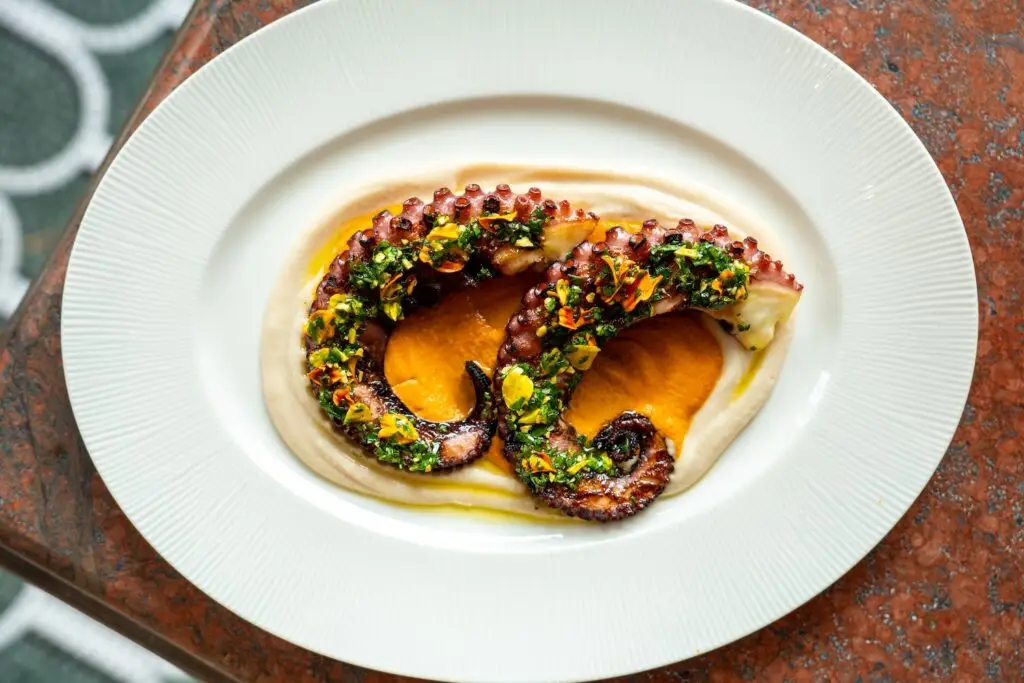
Barring any hang-ups (“Oh Jeeves I just can’t it has suction cups on its arm thingies!”), the octopus is a must-try. Chef lets the meat soak in olive oil for 28 years or something (EVOO has monoglycerides, which tenderize meat), so the cephalopod cuts and tastes like a pillow of filet mignon. Served over arugula and fennel, it’s a wonder.
We tried two pizzas. The Margherita—Neapolitan-thin crust, discs of fresh moz, basil leaves—was serviceable; not the best I’ve had. The dough had zero char, a tad undercooked. But on return we ordered the Bencotto—moz, ricotta, plus Bencotto’s signature sauce (cream, tomato, and guanciale)—and it floored us. Good enough to shut up your most manic, un-shut-up-able friend for a few precious moments.
PARTNER CONTENT
As for Monello being its own competition—well, that’s fine. Because minor missteps aside, very few restaurants are even playing at the same level.
We speak with the city's top food and drink makers in this exclusive video series hosted by food critic and Food Network judge Troy Johnson
Welcome to SDM’s Guide to San Diego Food + Drink, our new video series dedicated to our favorite food and drink in the city. At the end of the summer, we’re bring many of these restaurants to the Del Mar Wine + Food Festival for a massive party. You should come. San Diego restaurants, local wineries, Food Network chefs… it’s our big dream for the city.
Check back each week to catch our newest video:
Troy Johnson is the magazine’s award-winning food writer and humorist, and a long-standing expert on Food Network. His work has been featured on NatGeo, Travel Channel, NPR, and in Food Matters, a textbook of the best American food writing.
The specialty sourdough bakery will expand to more pastries, sandwiches, and coffee in its first brick-and-mortar space, opening in 2026
Stop me if you’ve heard this one before: person gets laid off during the pandemic. Bored at home, they turn to baking. A passing interest turns into a passion, and before you know it, they’re launching a full-fledged bakery.
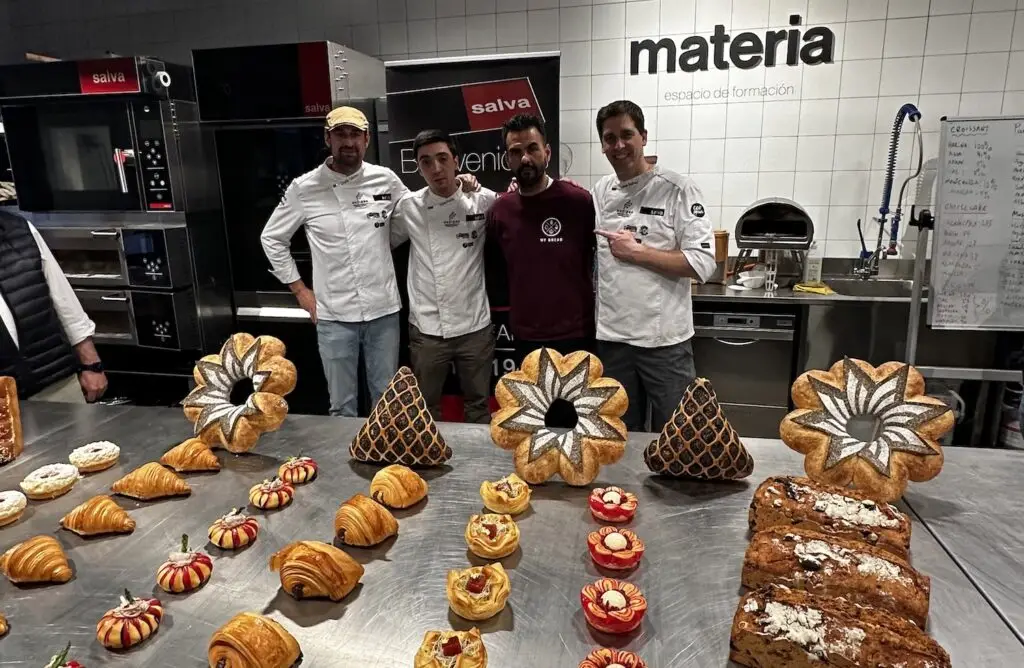
Yes, that’s the story of how Mi Pan Bakery started, and yes, 10,000 other aspirational bakeries began the exact same way. But the difference is that Mi Pan’s baker and owner Alejandro Gomez didn’t stop at making a few loaves of sourdough for his friends and family.
He’s spent the last five years building a beloved local business whose bread and pastries are now sought out at three different farmers markets, was nominated for both Best Bread and Best Farmers Market Food Vendor in San Diego Magazine’s Best of San Diego Reader’s Choice Awards for 2025, and only decided to finally move from baking in his garage to their first brick-and-mortar location in order to keep up with sheer demand.
“I talked to my wife, and I said ‘Listen, if we’re not going to move out of the garage, I don’t think I can keep doing this, because I’m baking pretty much 10 to 12 hours a day,’” Gomez laughs. “I think it’s time.”
After a year of looking for the right location—where Gomez and his wife and business partner Alejandra Ruelas could open Mi Pan with enough space for an expanded commercial kitchen, an area for hosting workshops, and an onsite retail store—they found it. Mi Pan Bakery’s first brick-and-mortar location will open in the first half of 2026 at 6435 Mission Gorge Road in Grantville.
Once open, Mi Pan will still remain at all of the farmers markets: Tuesdays in Pacific Beach, Saturdays in Little Italy, and Sundays in Chula Vista. They hope to add one more to their rotation once they have the ability to increase production. Gomez says he also plans to launch a wholesale side of the bakery, something he says multiple businesses have approached him about, but he hasn’t been able to take on with his small operation. And then, maybe one day, maybe even a second location in North County.
Gomez also didn’t work as a baker previously, unlike other pandemic-launched operations like Companion Bread Company and Relic Bakery. But in the past five years, he’s taught himself the craft and traveled across the world to places like France, Spain, and Mexico City to both take and teach various baking classes, something he also plans to offer at the new space.
Mi Pan’s menu will remain small, offering its signature sourdough and pastries—especially medialunas, an Argentinian pastry that’s a cross between a flaky croissant and soft brioche with a light glaze on top. “If you haven’t tried it, you should,” he promises. “They’re amazing.” They’ll also add sandwiches using its own bread, as well as coffee. (Most of this will be intended to-go, but it’ll have a few tables onsite if people wish to enjoy their goodies right away.) But above all, Gomez says what they’re building is meant to last, modeled after the family-owned neighborhood cafes of his native Mexico and across Europe.
“It’s not about being the kind of trendy bakery that’s hyped for six, seven months, or a year, and then after that, they disappear,” he says. “We want an atmosphere that feels like home, and then when you come back… you’re greeted by name. I think that’s what we want—a warm, reliable, everyday bakery where the community feels welcome and you always find exceptional bread and pastries.”
Mi Pan Bakery will open at 6435 Mission Gorge Road in Grantville in mid-2026.
Beth Demmon is an award-winning writer and podcaster whose work regularly appears in national outlets and San Diego Magazine. Her first book, The Beer Lover's Guide to Cider, is now available. Find out more on bethdemmon.com.
Inside the plant-based steakhouse from the creatives behind Kindred and Mothership
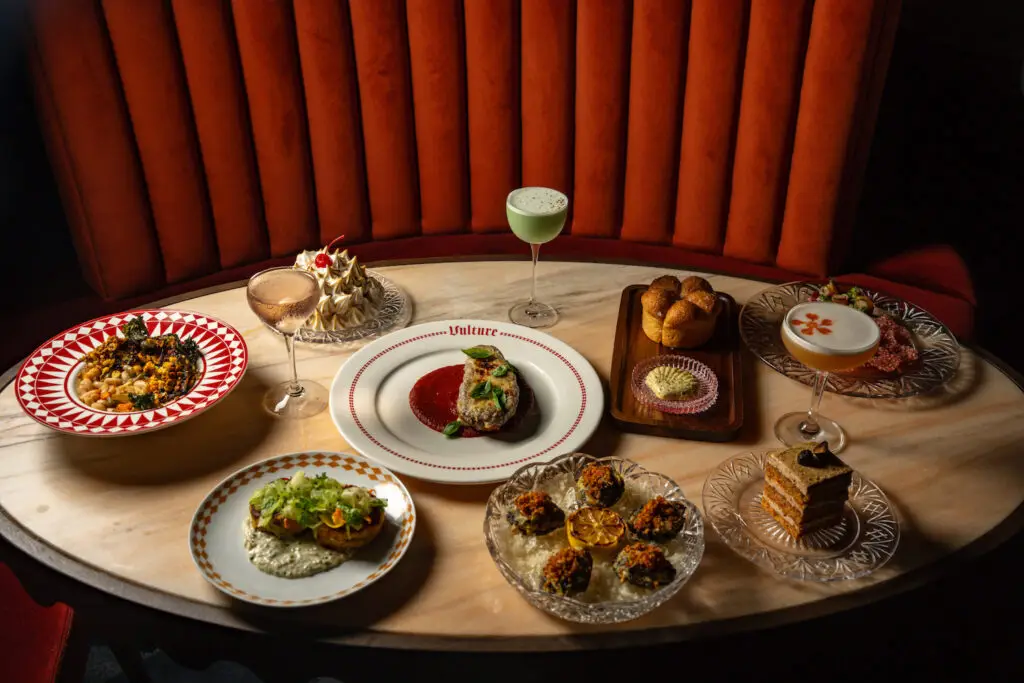
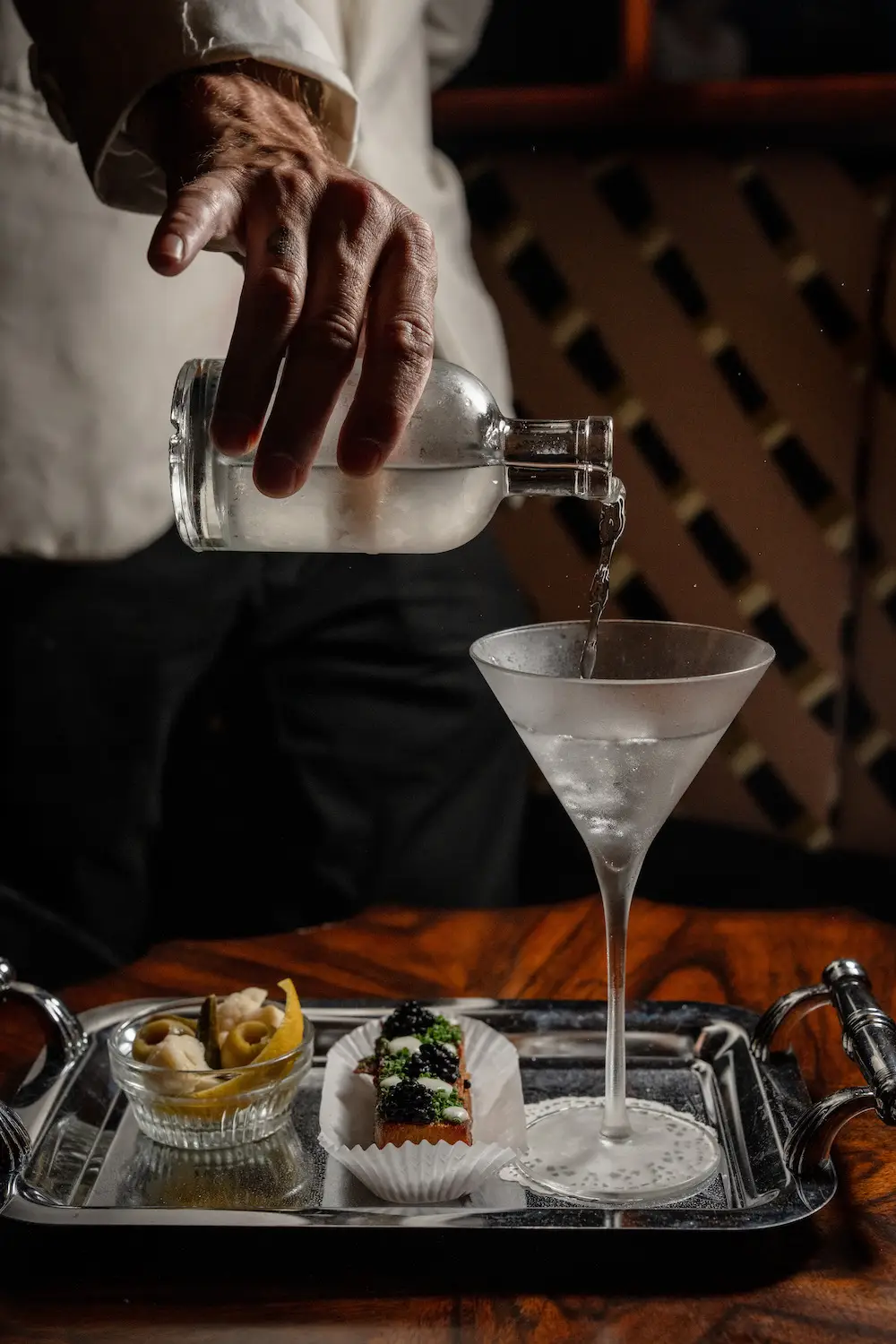
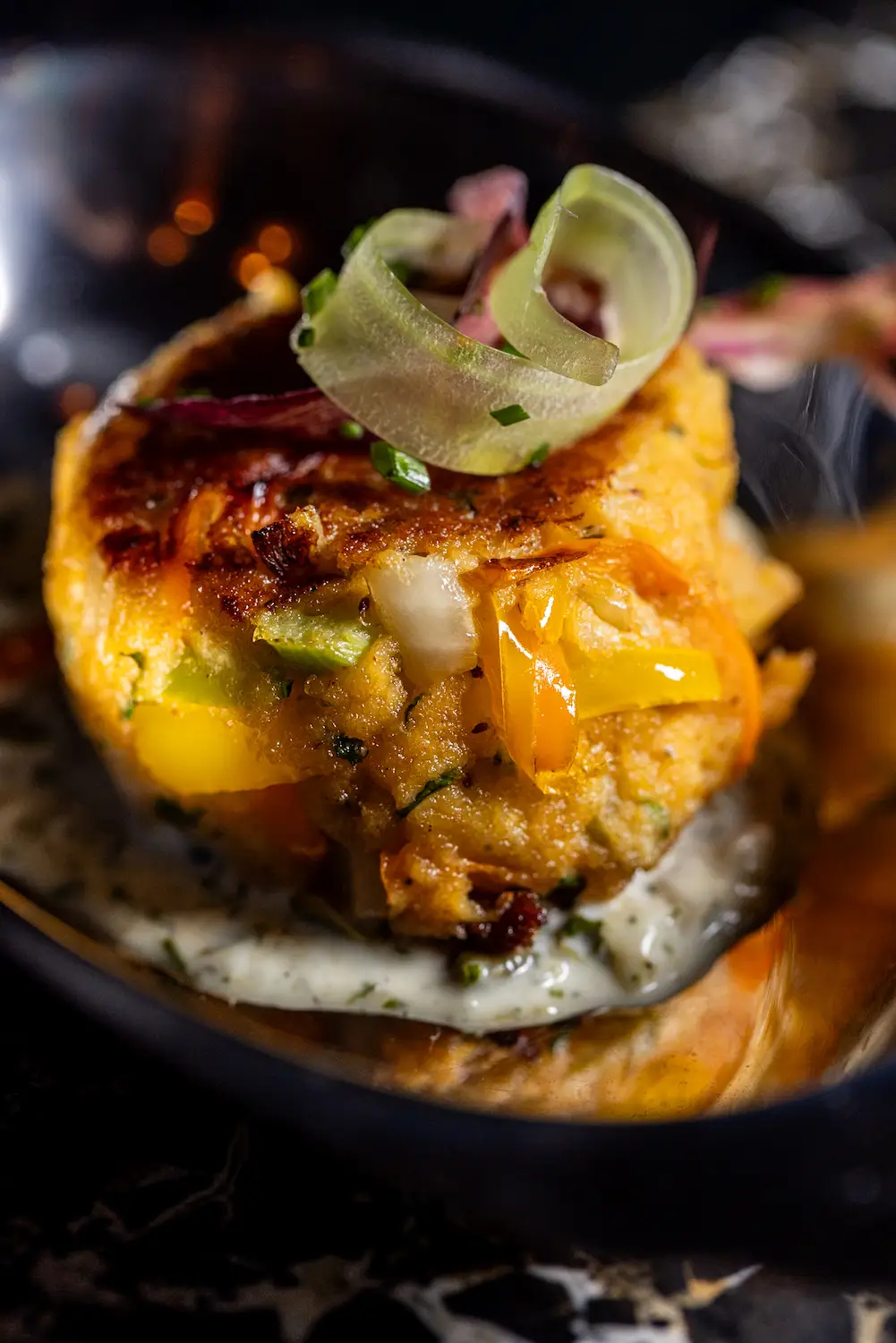
The Perfect Order: Vulture Martini | Potato Pavé | Crab Cake
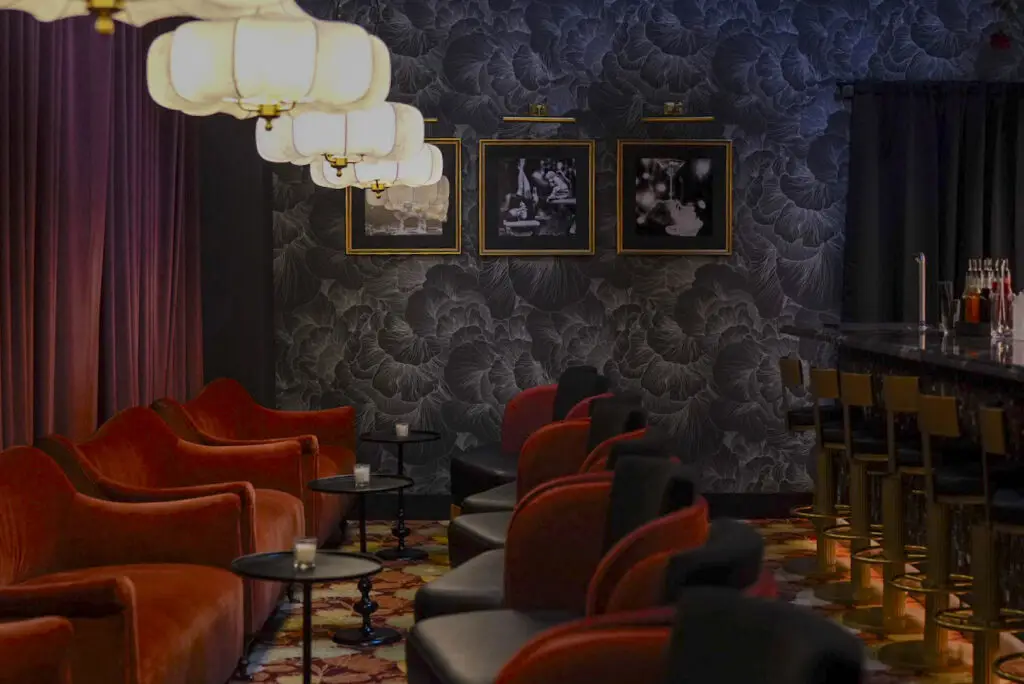
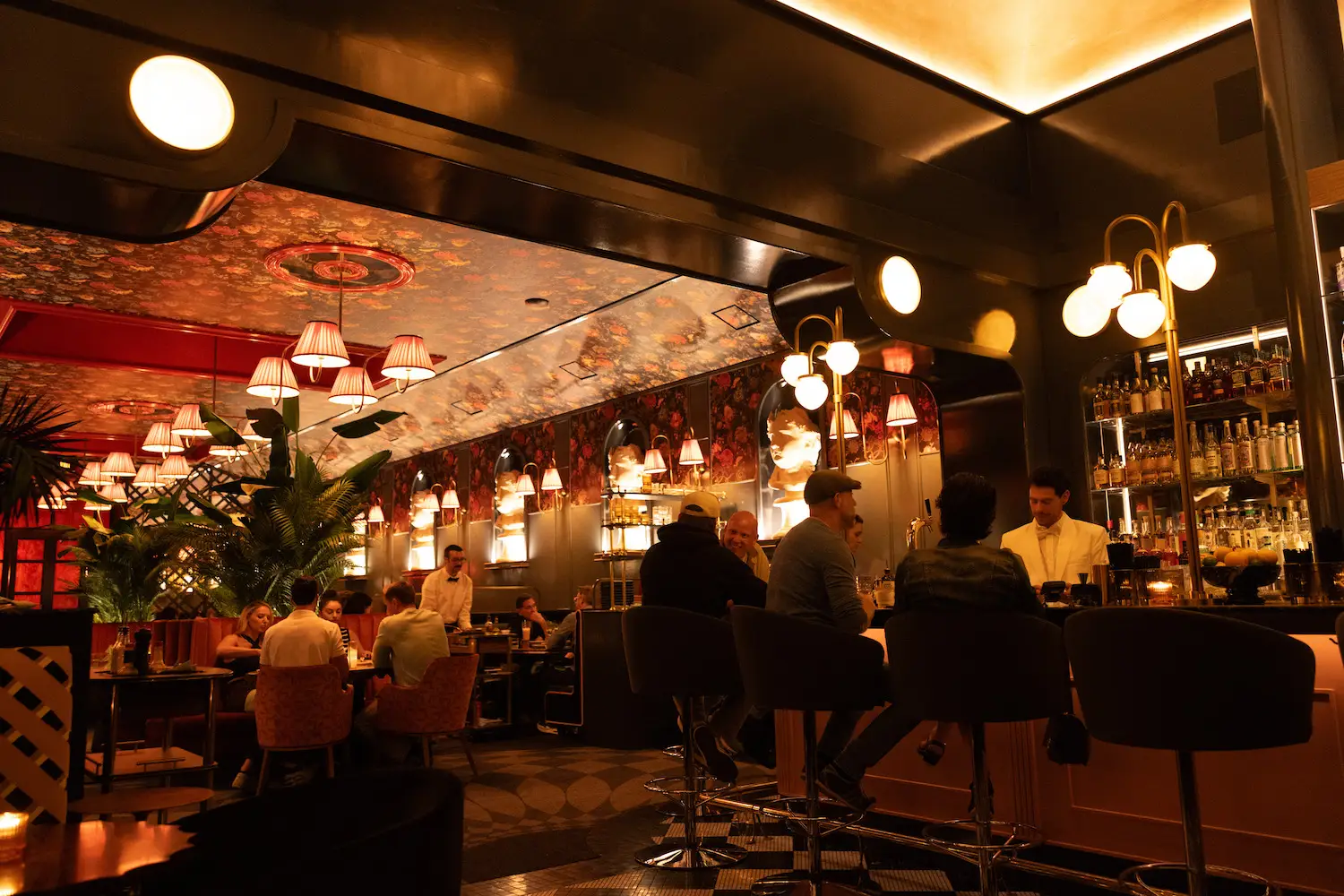
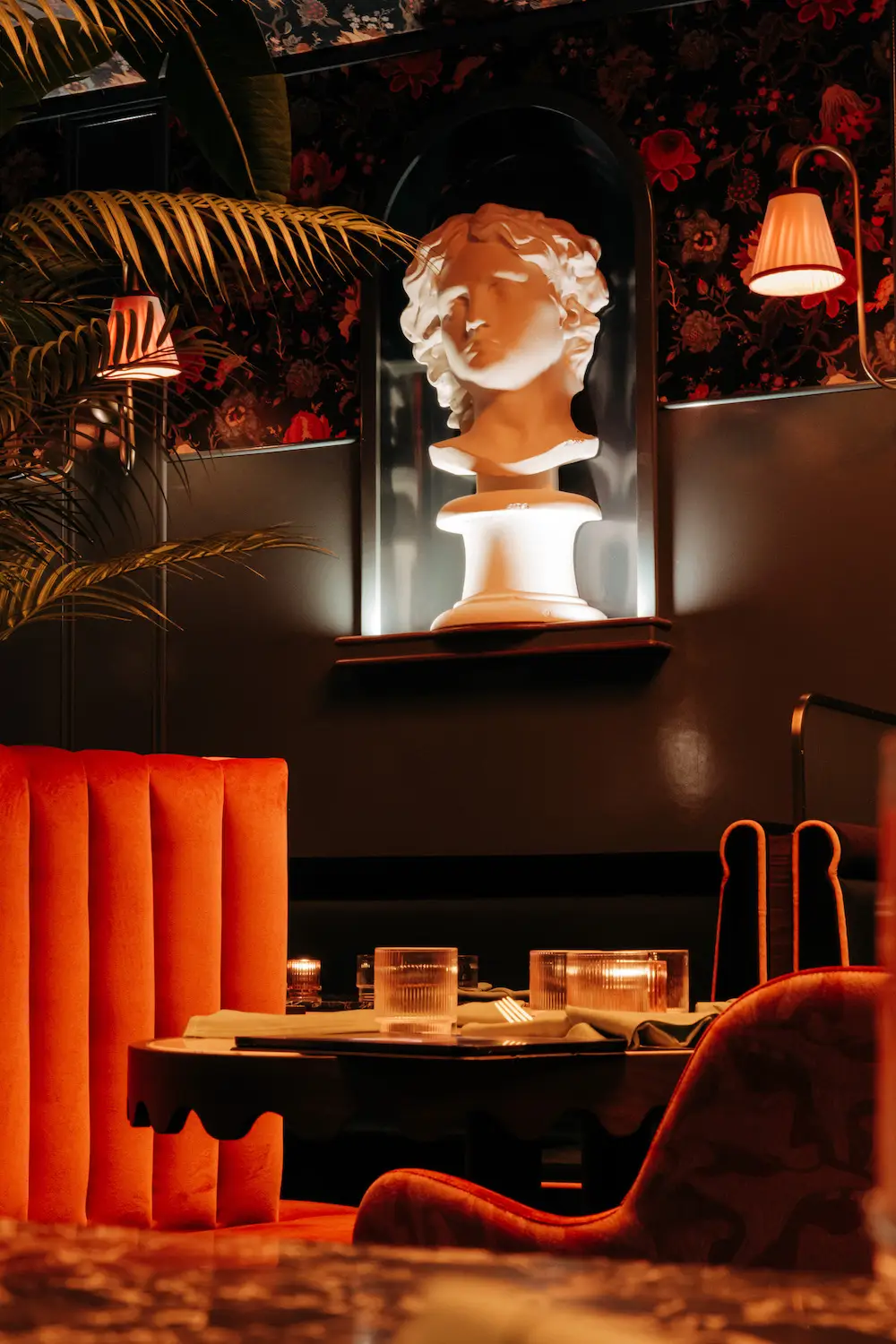
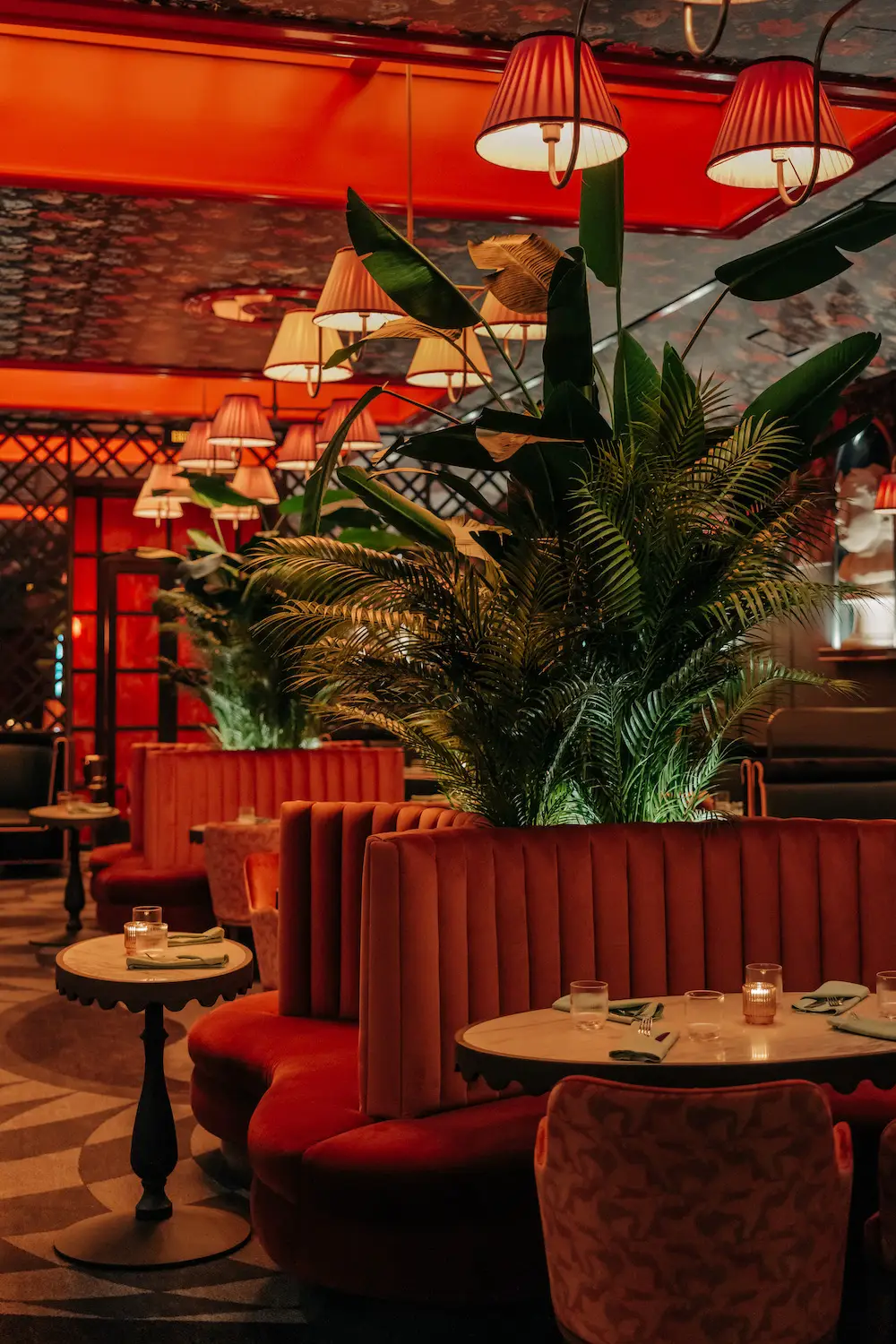
Kory Stetina is a long way from learning what vegan food was through a pamphlet at punk-rock shows in his teens. He stands in his dream restaurant, Vulture, wearing a non-sportsy sports coat. He’s married with a child. There’s a very non-punk potato pavé on the monogrammed plate, the servers are in tux-adjacent attire, and this whole building in University Heights has been turned into a plant-based funhouse with formidable, obsessive style.

Despite the earmarks of midcentury continental formalism, five out of 10 people in here wear arcane t-shirts. Word got out early on that Vulture was a fine-dining experience, and while there’s a tableside Caesar and velvet curtains and soft, artful furniture, that was never the intent. Stetina had to do some PR legwork to pop the “special occasion” balloon that floated over the project—another collaboration between himself and Arsalun Tafazoli of CH Projects—and it seems to be working.
One of the t-shirt people I recognize: Justin Pearson of The Locust and Three One G Records. A thoughtful and progressive punk force in SD, he’s seated at a corner table with individuals who look like they’ve at least dabbled in if not dedicated their lives to graphic design and can casually play a theremin near a rare fern. Vulture captures that same dinner-party-for-creative-people mood that the Middletown bar Starlite first brought to the city.

It’s a place for grown-up punks, for ideas and ideals.
(Obtrusive but important note about punk rock and plant eaters: The rather genuine punk music of the 1970s and ’80s that eventually birthed Green Day and Nirvana and even, I guess, My Chemical Romance emerged from a philosophical and creative instinct to challenge status quos, which often meant expressing unpopular and political opinions in an excessively loud and urgent manner—pretty much exactly what Simon & Garfunkel were doing but far more invigorating and annoying. There were plenty of bands who got big because they had great hair and a good producer; there were other bands who got cult-famous based on the holy-wow way they expressed uncomfortable ideas, making people question the way they lived. Eating only plants was a part of this live-different worldview, and, like any good movement, it got co-opted by the tad too righteous, moral, and shame-mongery. It should be said that Stetina made his name in San Diego by being a philosophical vegan who’s un-mongery.)

To get to Vulture, you enter through Dreamboat, a well-lit, bright, Mr. Clean-ish, ’60s-era, plant-based, romantically American diner that’s all white and chrome and charm—poodle-skirt notions and connoisseur coffee and smoked potato latkes and Impossible burgers and baked goods and milkshakes and cocktails. Seating occupancy: one-and-a-half people on Ozempic (fine, it’s 10).
In the back corner of this tiny diner is an antique host stand. The host takes you through a velvet curtain, down the short hall, and through a door, until you enter into, what?

Some will call it a speakeasy, but it’s really just a fun surprise restaurant (“speakeasies” do still exist, but they’re not on OpenTable, and almost everyone with a project they call a “speakeasy” will, on their most honest days, admit it’s not a speakeasy).
You’ll step into cavernous, amber-glow, lava-lamp darkness. So, the first experience Vulture offers all of us is temporary blindness, followed by the opportunity to behold the shockingly slow ability of human eyes to adjust to radical shifts in light. The music is on point, a mix of obscure indie tracks and guilty-pleasure soft-rock bangers. Thanks to listening bars, restaurants have become the stereo-system showrooms of America. Remember that guy in high school who one day showed up with box speakers in his trunk and a $6,000 head unit, an amp, subwoofers, and EQs, and his car sounded like Dr. Dre’s and Rick Rubin’s place of business? That guy is restaurants.

Troy Johnson is the magazine’s award-winning food writer and humorist, and a long-standing expert on Food Network. His work has been featured on NatGeo, Travel Channel, NPR, and in Food Matters, a textbook of the best American food writing.
Yes, Chef! winner Emily Brubaker leads the robust culinary program at Omni La Costa Resort & Spa
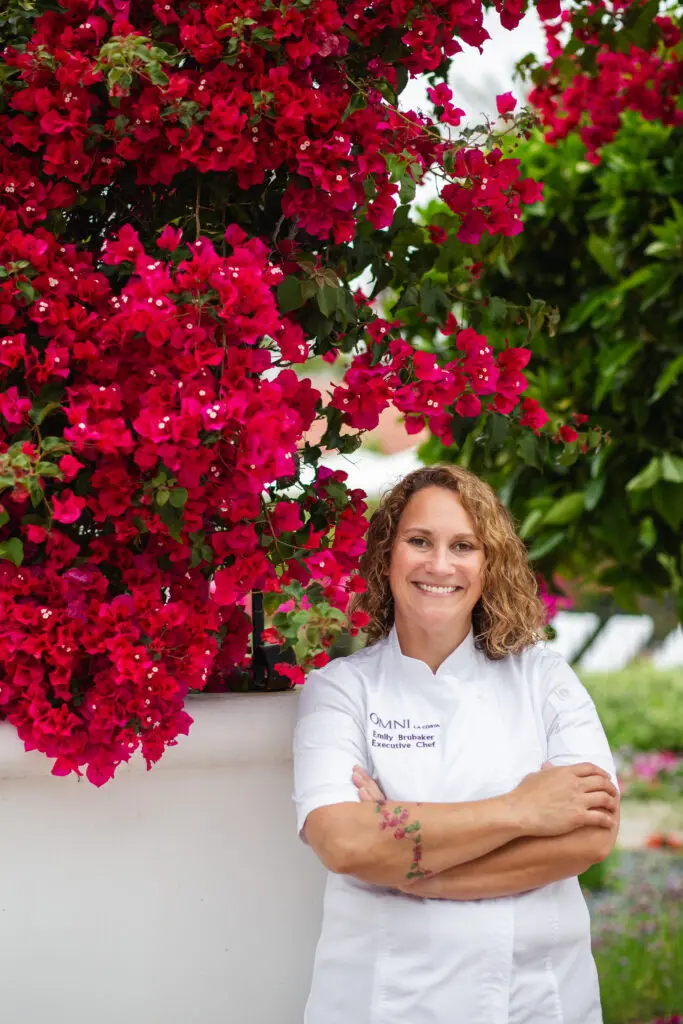
For Executive Chef Emily Brubaker, Omni La Costa Resort & Spa feels like home. She grew up just a mile-and-a-half away from the 400-acre property and fondly recalls walking the golf course perimeter as a kid. Though her ambitions led her away from San Diego for nearly two decades in which she honed her craft in some of the highest of high-profile Las Vegas restaurants—including triple Michelin-starred Joël Robuchon at MGM Grand—they ultimately brought her back to North County.

Today, the classically French-trained chef, who’s fresh off a victory on NBC’s Yes, Chef!, judged by Martha Stewart and José Andrés, oversees Omni La Costa Resort & Spa’s seven distinct dining concepts. Her goal is to elevate the resort’s culinary program with her creative, hyperlocal ingredient-driven approach while maintaining the Spanish- inspired flavors and fresh California coastal cuisine that are the bedrock of its culinary identity.
“The San Diego food scene is really growing, and in North County alone, it’s really exploded in the last five years,” Brubaker says. “There are Michelin stars, beautiful tasting menus, craft bakers, and all this food—when I was growing up in La Costa, it was fish tacos. Now there are really cool things popping up, and I’m so happy to be here to see where it’s going to go.”
Brubaker gives chefs de cuisine at each individual restaurant autonomy, however, her influence is evident across the resort.
For example, lobby restaurant Bar Traza serves as Omni La Costa’s culinary centerpiece and features bold Spanish flavors in a lively, social atmosphere. Brubaker overhauled the menu to be more consistent and centered on casual bites with that signature vibe. Think smoky paprika, vibrant citrus, and Spanish meats and cheeses.
At VUE, the focus is on seasonal offerings, California coastal cuisine, and Baja-inspired dishes. She and Chef de Cuisine Cameron Dixon change the menu biannually, which heading into summer, will highlight farm-fresh produce and hyperlocal ingredients—the resort even has its own herb garden and honeybee hives.

Poolside dining options are leaning into the country’s 250th this summer with a selection of classic American dishes with an Omni La Costa twist. And Bob’s Steak & Chop House (Brubaker is a trained butcher) offers a classic steakhouse experience with elevated service.
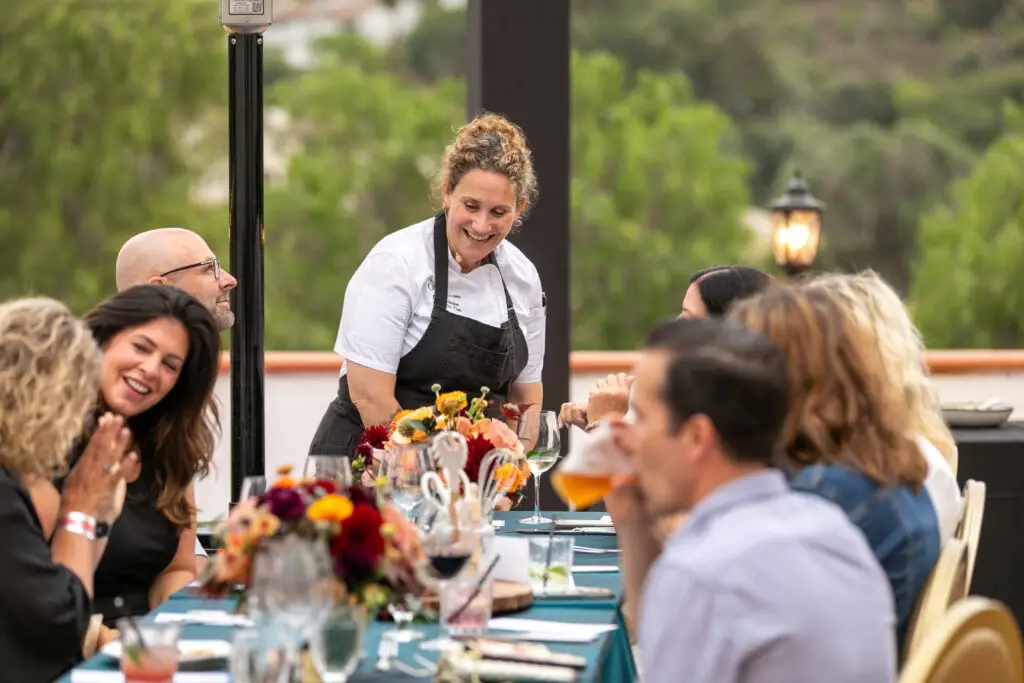
The chef and company also plan menus for special events at the resort where her creativity can really shine. For an upcoming National Ski Association dinner, the banquet hall will be transformed into an Alpine-themed winter wonderland complete with a snow machine, savory sausages, and melty, decadent raclette. A recent dinner was built around the Carlsbad Flower Fields and each course was matched to a color of ranunculus (Did you know pink dragonfruit are grown in North County? You do now.).
“It’s my zen to be in the kitchen playing with food,” Brubaker says.
Omni La Costa’s culinary program is a key part of the resort experience. And with Brubaker’s leadership, it’s becoming a draw for visitors and locals alike.
“These aren’t just hotel restaurants, these are restaurants that you should go to. They’re destinations, and I’m really hoping for the future that’s where we’re going,” Brubaker says.

Brubaker is also channeling her experience on Yes, Chef! into the culture at Omni La Costa—more emphasis on teamwork and collaboration, empowering her staff to share constructive critiques, and embracing different perspectives. Alongside her leadership role, Brubaker has become an advocate for mental health in the hospitality industry, serving as chief ambassador for the Burnt Chef Project and serves on the Board of Advisors for the Apex Culinary Program, where she mentors and develops future talent.
For more on Omni La Costa Resort & Spa and its dining program, please visit omnihotels.com/hotels/san-diego-la-costa.
As a wave of endings hit San Diego’s food and drink scene, we survey the damage and remain hopeful for an upturn in the industry
I know every day can’t be a Best Restaurants issue or badass food festival. But damn, it’s been a bleak week for San Diego food and drink (and it’s only Wednesday). Let’s start with Comedor Nishi, which closed this week without any warning. This La Jolla eatery had all the markings of The Next Big Thing when it opened last July. Two superstar chefs hailing from Mexico City destination restaurants Pujol and Máximo? Check. Totally drool-worthy wall of Instagram pics? Check. A menu of absolute breakfast bangers like a torta de cochinita pibil and cured salmon tostada? Check.
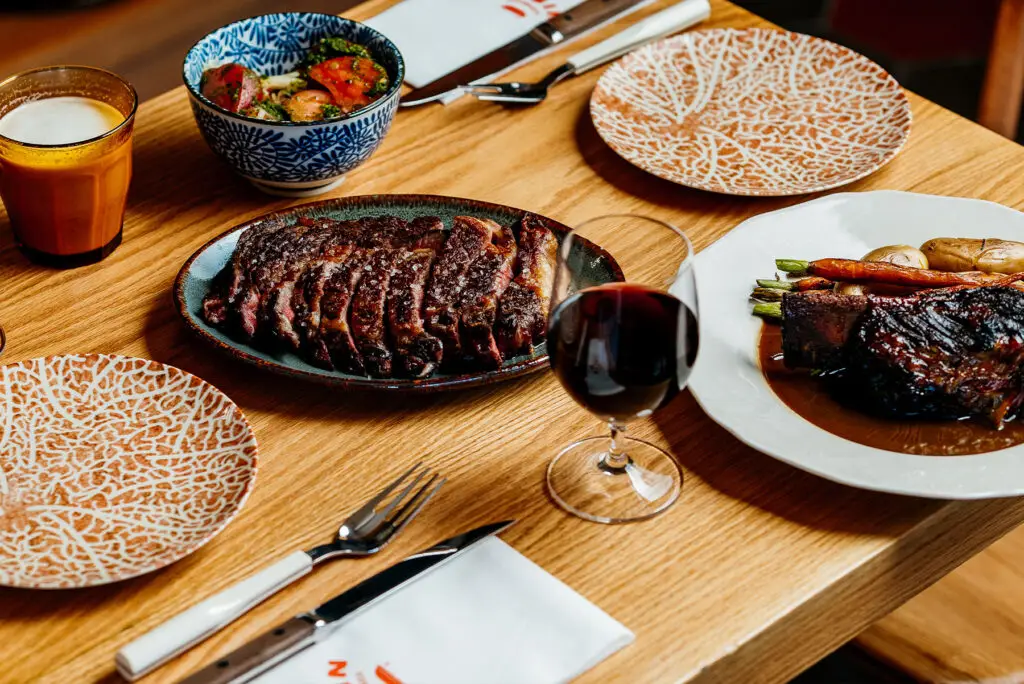
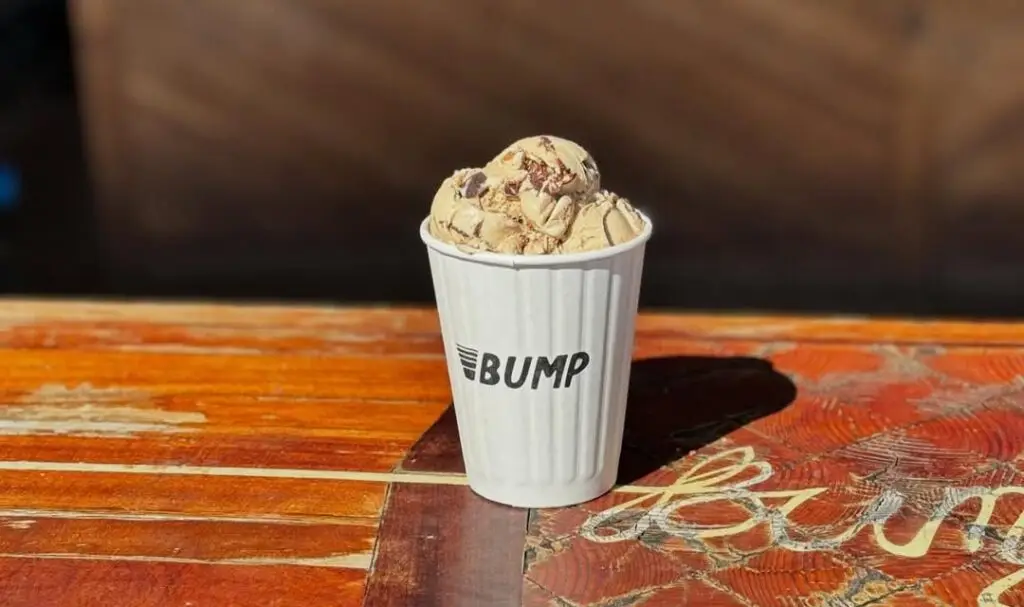
But even big names, a solid menu, and impeccable service aren’t surefire defenses against the powers that be. Just look at the James Beard Award-nominated Roma Norte, which closed in August after a year.
Monday may very well be remembered as one of San Diego’s worst restaurant industry days since the pandemic. At least three other hospitality ventures shuttered that same day, also without notice—Camino Riviera in Little Italy, Casa de Freds in Old Town, and Black Plague Brewing in Oceanside and Escondido.
Fred’s in particular struck me by surprise—it’s been around for 25 years. I’m unashamedly a huge fan of its patio and ridiculously giant margaritas. For such a longstanding figure to go so gently (not to mention suddenly) into that good night without even a whiff of warning ahead of time feels especially disheartening. “Like many small businesses, we’ve faced challenges that became insurmountable, including rising operational costs and a substantial decline in tourism,” stated its Instagram post.
Tourism, San Diego’s economic bread and butter, has been down since coronavirus shutdowns in 2020, and Old Town is ground-zero for visitors. If anywhere is going to get hit hard by a decline in travelers, it’s there. So I guess it’s less surprise, more sadness.
Black Plague has yet to make a public statement about its closure, which was first reported by San Diego Beer News. But again, huge bummer. Its gothic brewery branding was equal parts unique and macabre, and its beer more than held its own in a sea of world-class craft breweries. It stuck it out for an admirable eight years, and I doff my cap to them.
Camino Riviera acknowledged its sudden closure only after its final day of service, which was Sunday, September 28. According to owner and restaurateur Matt Spencer, the decision came following repeated noise complaints to the city from an anonymous neighbor.
“Over the course of several years, we invested heavily to address these concerns: installing a new roof, implementing sound mitigation strategies, hiring a sound engineer, reconfiguring indoor and outdoor operations multiple times, and building new seating areas,” said Spencer in a statement. “Despite these efforts, we found it impossible to operate the way we had been operating those years prior and we simply couldn’t afford to hang on.”
And these were just the closures on Melancholy Monday.
In September alone, Flap Your Jacks, Red House Pizza, Blackmarket Bakery, Copper Top Coffee & Donuts, and Woodstock’s Pizza in Pacific Beach all closed their doors forever.
Running a restaurant is hard and expensive. It always has been and it sure as hell isn’t getting any easier. In San Diego, rent prices are up, tourism is down, diet trends like Ozempic-use is potentially making a dent in some markets, and new business models are popping up specifically to maximize marketing efforts and rent costs. It’s a jungle out there, and sometimes even the strong, savvy, or skilled don’t survive. So what can we do?
Eat out when you can. Pick up a little something at your corner shop. Maybe get that avocado toast. Sometimes, businesses close due to a landlord issue or noise complaint and there’s just not a whole lot the average Josephine can do about that. But if you love something, shout it from the rooftops. Or in this scenario, on Yelp.
Listen Now: The Latest in San Diego’s Food and Drink Scene
Have breaking news, exciting scoops, or great stories about new San Diego restaurants or the city’s food scene? Send your pitches to [email protected].
Beth Demmon is an award-winning writer and podcaster whose work regularly appears in national outlets and San Diego Magazine. Her first book, The Beer Lover's Guide to Cider, is now available. Find out more on bethdemmon.com.
After two decades of work and four years of waiting, the Carlsbad restaurant's opening came with a big splash
It had been open six weeks when it got the Michelin star. At six weeks, a restaurant is a newborn. Newborns wail and struggle to breathe. They’re cracking open their first panic attack. Nine months in the flotation tank of the mom spa, then—blammo—the landlord shuts off the water and fairly traumatically evicts them into a drafty world that has no clue about mood lighting.
It’s old food critic wisdom that restaurants need six months to get running and ready for real analysis. Crew members will have lied on their resumes, narcissists will find themselves bored, the strangely emotional demands of diners will break newbies. It’s a fresh organism dedicated to executing nightly public theater, and it takes time for all the parts to learn how to operate as a fluid whole—develop mutually beneficial roles, nail the timing, speak the unspoken language.
Granted, the team at Lilo in Carlsbad aren’t newcomers, and they’ve had way more time than they ever wanted to plan this out. Plus, the partners—restaurateur John Resnick and chef Eric Bost—helped earn their restaurant across the street, Jeune et Jolie, a Michelin star (and they run its raved-about sister restaurant, Campfire, down the block).

“We’re lucky,” Resnick says. “About 80 percent of the people on our team, we either worked with immediately or they came back because they were excited about this project.”
The project is a 22-seat, tasting menu–only restaurant featuring Bost, longtime chef de cuisine Dusan Todic, wine director Savannah Riedler (formerly of Post Ranch Inn and two-Michelin-starred Saison), and beverage director Andrew Cordero (Jeune et Jolie and Campfire). It’s four years in the making. When a 10,000-square-foot building became available on State Street in 2021—the last of its kind on one of Carlsbad’s most up-and-coming drags—they jumped at it. The plan was to build a massive all-day restaurant (Wildland, now open) and, behind it, tiny Lilo, where they could showcase what their vision of the ultimate San Diego dinner experience could be. It’s the kind of James Beard Award and Michelin bait that ambitious restaurateurs dream of and makes basic sense when they have a chef-partner like Bost.
“Campfire and Jeune—from the time leases were signed to opening doors—took about 12 months,” Resnick says. “So I kind of felt like, alright, 18 months should be doable.” He pauses. “It was not.”

At that time, the pandemic was still slowly releasing its chokehold. Supply chains had been shot with a billion tranquilizer darts. Building two restaurants at a time while exhibiting a noble American amount of ambition was no picnic. The week after the project finally broke ground, the construction lead on the project—“the only person more essential to the buildout than us as owners,” Resnick says—departed. A fun idiosyncrasy of construction in North County is that most contractors live 40 minutes away and prefer freelance gigs closer to home. So, finding help was hard. Plus, a new ordinance had been passed in Carlsbad since Resnick opened his first two restaurants.
“I was down in Baja having lunch when I got an email about needing a ‘minor site development plan,’” Resnick remembers. “I was like, ‘Well, it’s got the word minor in it; it’s probably not a big deal.’ That one thing added nine months to the project.”
Project costs ballooned. Hems were hawed. The buzz on this project had been loud, and now the scene wondered and whispered. I ask Bost and Resnick if there was a time they considered giving up or drastically reducing the vision.
“It came up, yeah,” Resnick says. “At the end of the day, it was a ‘the only way out is through’ type of thing.”
They thought they’d launch in July 2023. The doors opened in April 2025.

For Bost, the unveiling of that restaurant was especially redeeming. In 2020, he’d lost what felt like everything. He’d spent 20 years working his way through some of the world’s best kitchens: Le Cirque, The Ritz-Carlton in St. Thomas, Alain Ducasse, and both The Lodge at Torrey Pines and The Inn at Rancho Santa Fe in San Diego. He hit the top when he was named executive chef for Guy Savoy, launching the famed French chef’s elaborate Vegas restaurant and then overseeing his places in Singapore. In 2017, ready to do his own thing, he returned to SoCal and spent two years developing the idea for his dream restaurant. He finally opened his unpretentious tasting-menu place, Auburn, in LA in 2019.
Troy Johnson is the magazine’s award-winning food writer and humorist, and a long-standing expert on Food Network. His work has been featured on NatGeo, Travel Channel, NPR, and in Food Matters, a textbook of the best American food writing.
Scripps study shows that some patients may be able to taper their dose and maintain results
While glucagon-like peptide-1 (GLP-1) receptor agents have been used to treat Type 2 diabetes for more than 20 years, their recent emergence as weight-loss wonder drugs marked a new frontier in medicine. But their effectiveness has left some patients wondering what to do once they’ve reached their goal. Stopping the medication could mean regaining some, if not all, of the weight. A Scripps Clinic internal medicine physician recently conducted a small study of whether GLP-1 patients who had reached their goal weight could maintain that weight by taking their regularly prescribed injection every other week instead of weekly. Spoiler alert: 30 of 34 patients did. Read more about the study here and what that may mean as pharmaceutical companies roll out oral GLP-1s.
For more nutrition, wellness, and healthy living tips, sign up for the San Diego Health newsletter here.