Things in my family tend to skip a generation. My mother can hang with caffeine, while my grandma and I fare far better with decaf. By contrast, grams and I can get down a glass of sauv blanc, while my mom isn’t a wine fan.
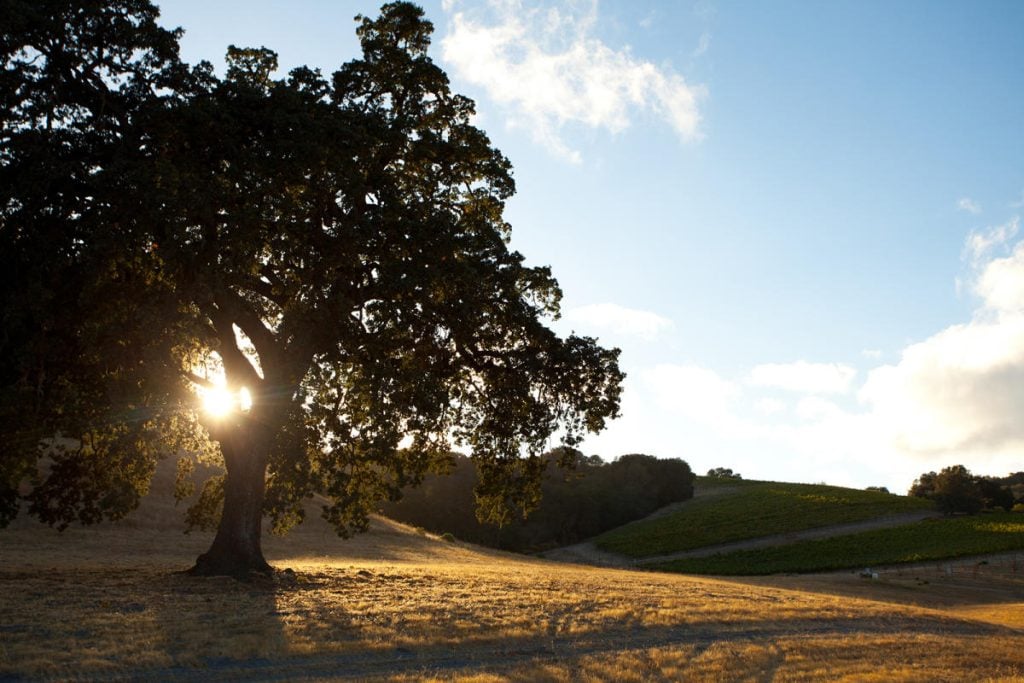
Her aversion to vino has never been a problem… until I fell in love with a San Diego transplant from one of the strongholds of California wine: Paso Robles. Thankfully, wine tastings aren’t all the city has to offer. From an increasingly vibrant food scene, hot spots for other sips like cocktail and beer, and myriad ways to explore the outdoors and the arts, there’s much to experience amid Paso Robles’ rolling hills and beautiful vineyards.
So if you’d like to pass on wine—or are simply seeking things to do between sips—book your direct flight from San Diego to San Luis Obispo (a mere half-hour from Paso), grab a room at the Paso Robles Inn or Hotel Cheval, and jump into the city’s less-heralded adventures.
If going meat-free isn’t your jam today (or if you’re seeking something a little healthier, ironically), head to the Odyssey World Cafe, a counter-serve, internationally inspired kitchen with an expansive menu, including salads (get the Asian chicken), sandwiches, pasta, and stir frys.
Courtesy of Paso Robles Wineries
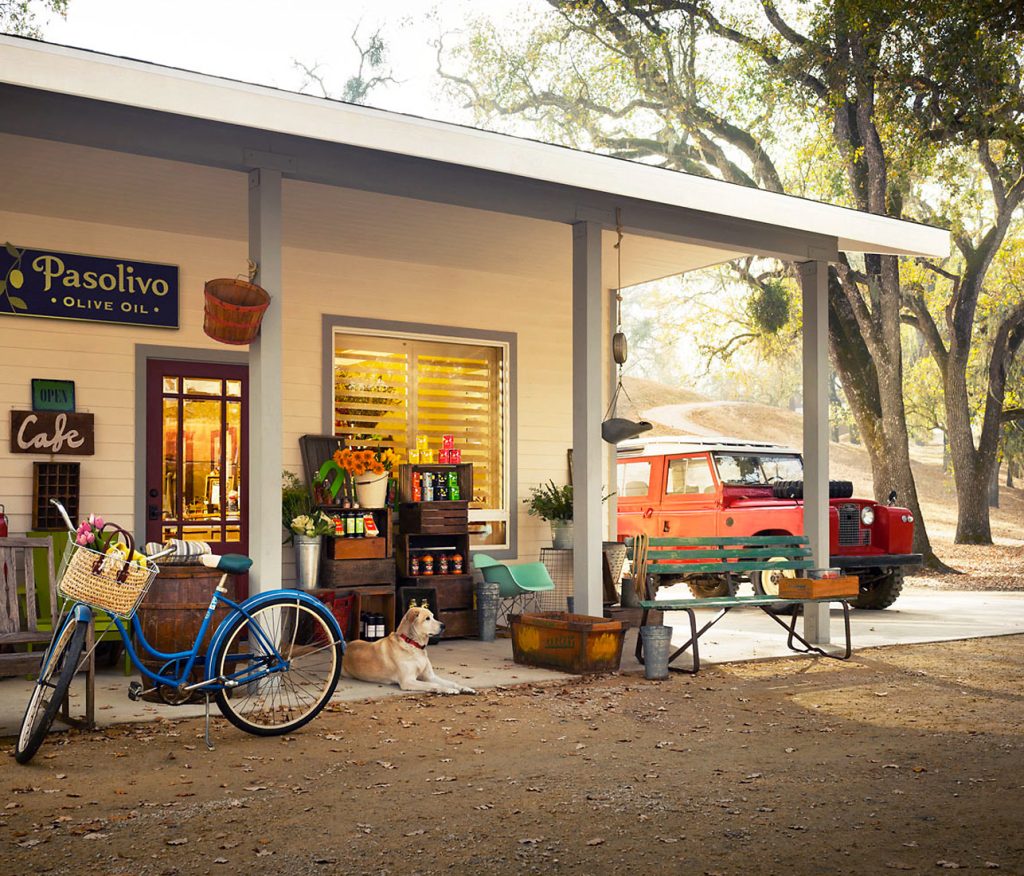
Afterwards, don’t go too far—downtown is packed with charming shops, from clothing and gift boutiques to sprawling antique stores (like the 4,000-square-foot Relics Antique Mall) where you can hunt for treasures to take home. Speaking of souvenirs, cheffy types should pop by Pasolivo, a mecca of extra-virgin olive oils in flavors like rosemary, caramelized onion, and tangerine.
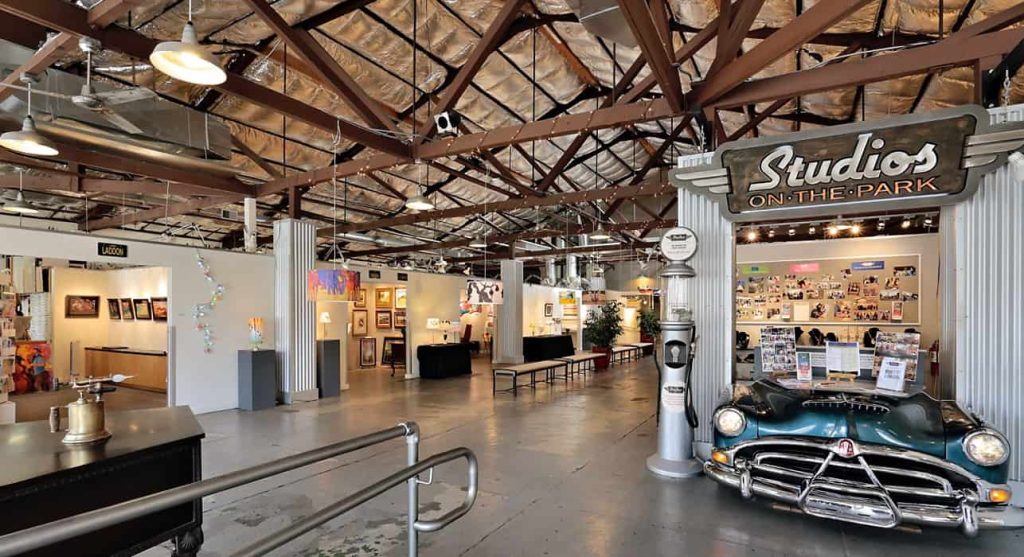
Over at Studios on the Park, meander through several working art studios and four galleries with rotating exhibitions. If you’re feeling ambitious, sign up for a workshop in advance—the studios offer single-class courses in art forms as diverse as wood engraving and cookie decorating.
Courtesy of Sensorio Paso
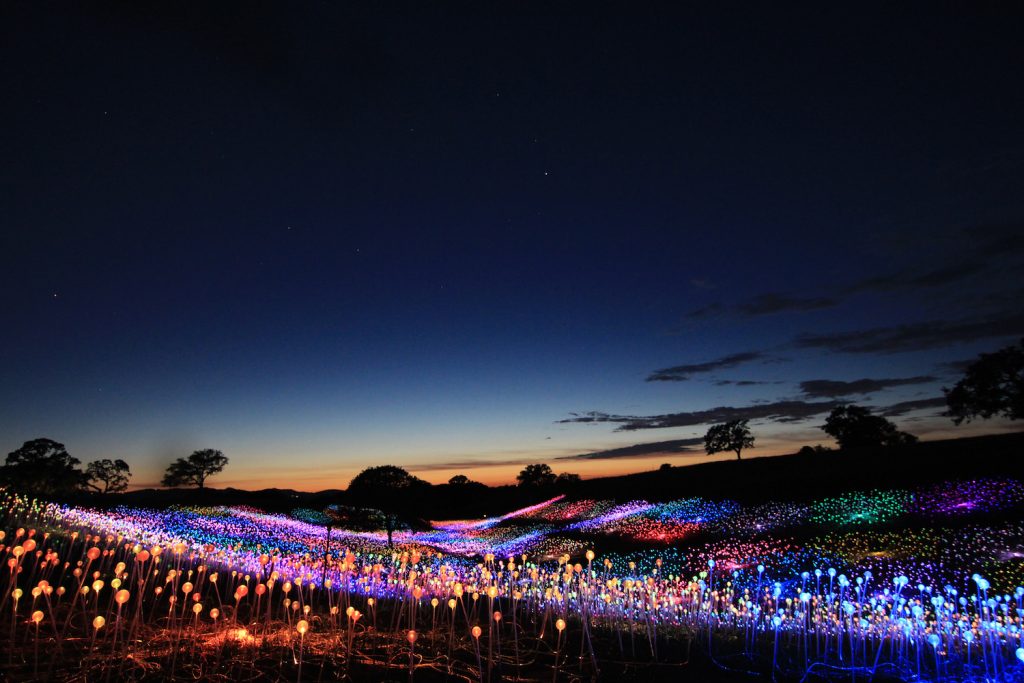
After the sun sets, explore a part of Paso only accessible in the post-twilight hours: Sensorio. British artist Bruce Munro planted 58,000 fiber-optic spheres in a field in 2019—an intended temporary exhibition that became permanent (and was expanded to 100,000 bulbs) due to popular demand.
I’ll admit, even as an arts reporter, my initial reaction upon learning about the exhibit was, “Okay, a bunch of lights on some grass?” But the kaleidoscopic spread is staggering in its scope (it spans multiple acres), and there’s much to explore beyond it, including a handful of other light-centric, site-specific Munro installations, a live music stage, and multiple food and drink stops. A dazzling new exhibit by LA-based artist collective HYBYCOZO is incoming, along with a larger performance stage and event lawn.
Courtesy of In Bloom
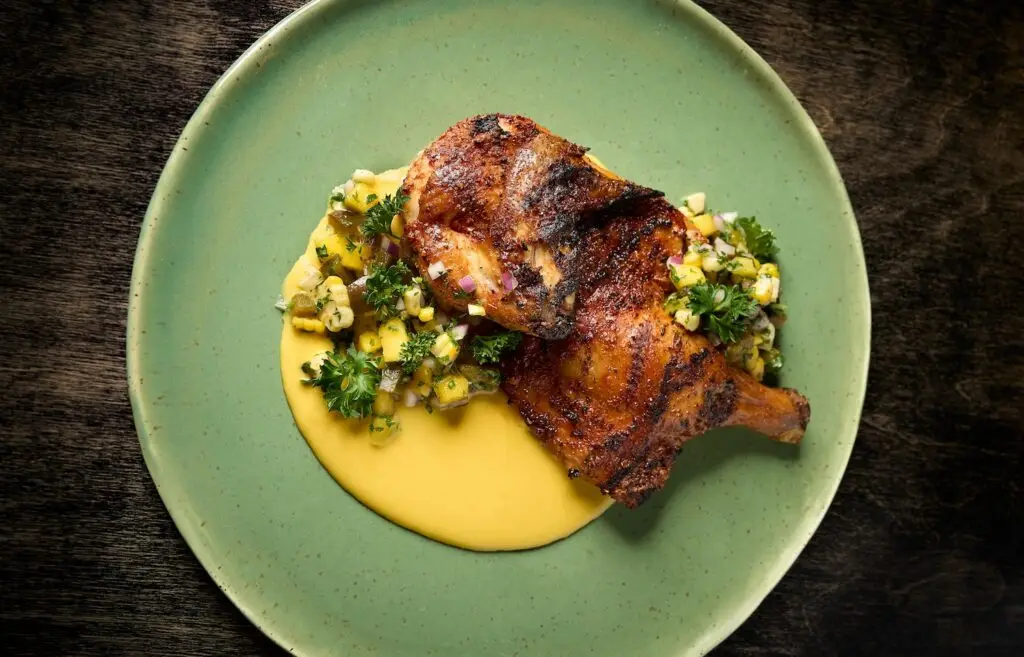
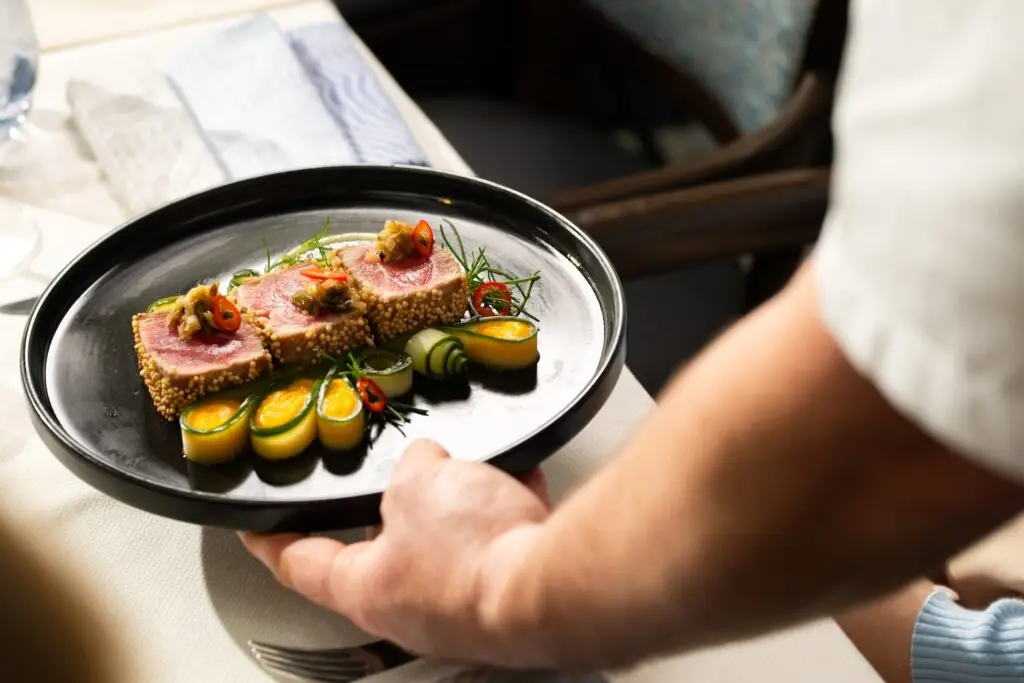
Though Sensorio offers a bustling food court, you’ll want to save room instead for dinner at In Bloom, adjacent to downtown’s Paso Market Walk. Sleek and cozily upscale, the Michelin Guide–recommended restaurant earns its laurels with gorgeous plating and the flavors to match.
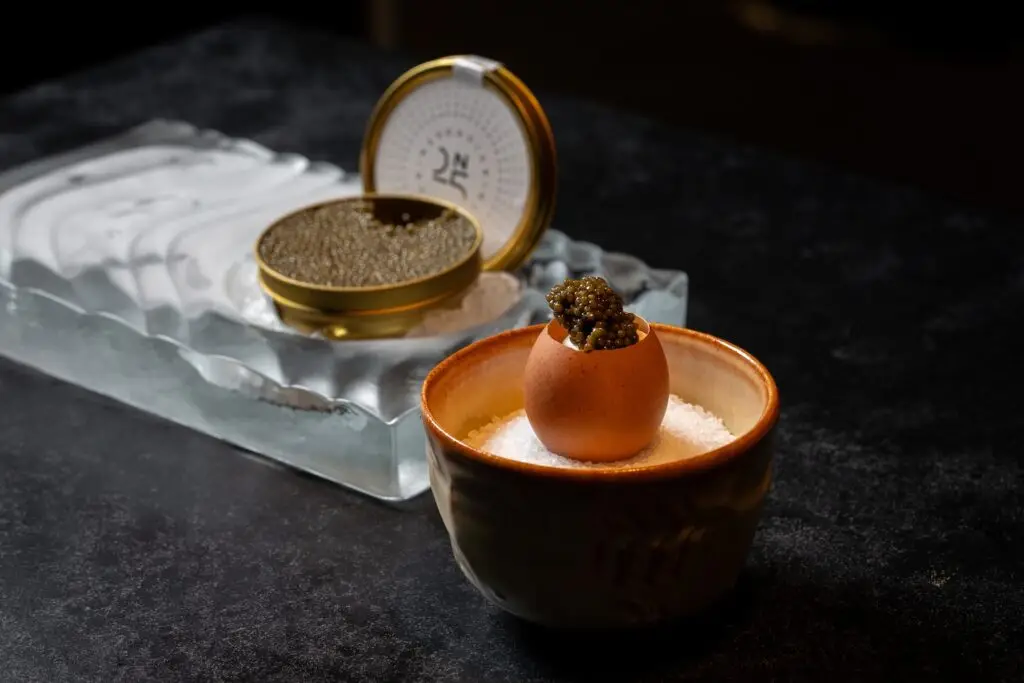
The five-course tasting menu provides a nice sampling of their creative approach (I didn’t know I needed fried chicken with caviar in my life, but now I can’t stop thinking about it). Even when ordering a la carte, though, it’s hard to go wrong here.
Courtesy of Tripadvisor
Day Two
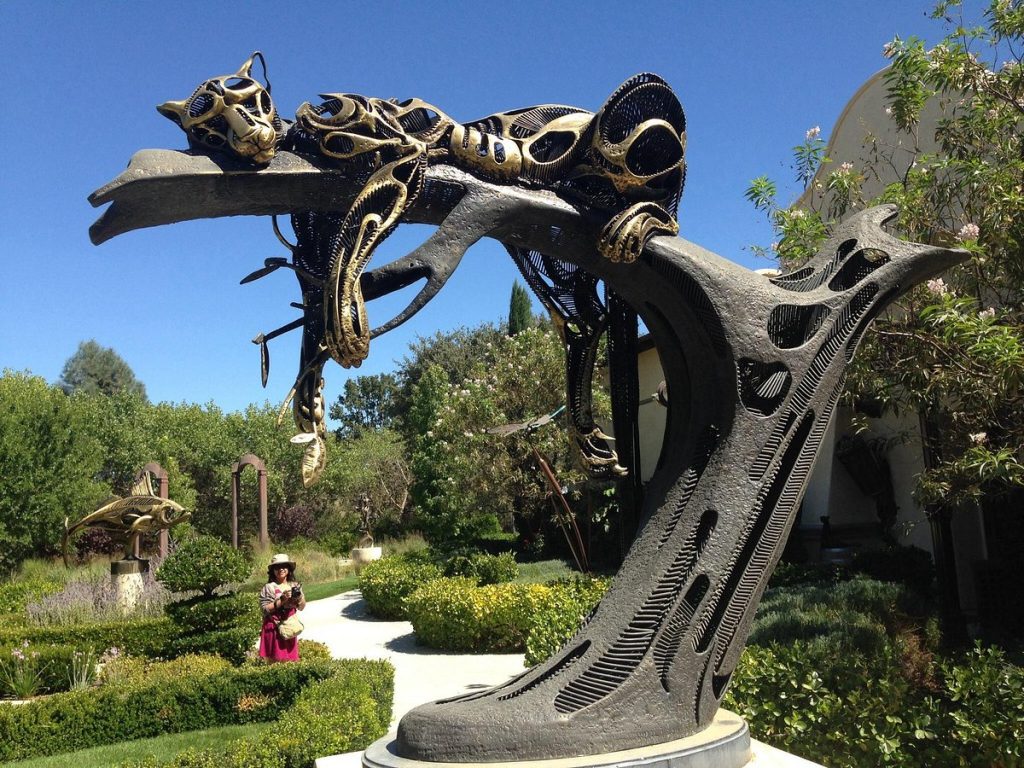
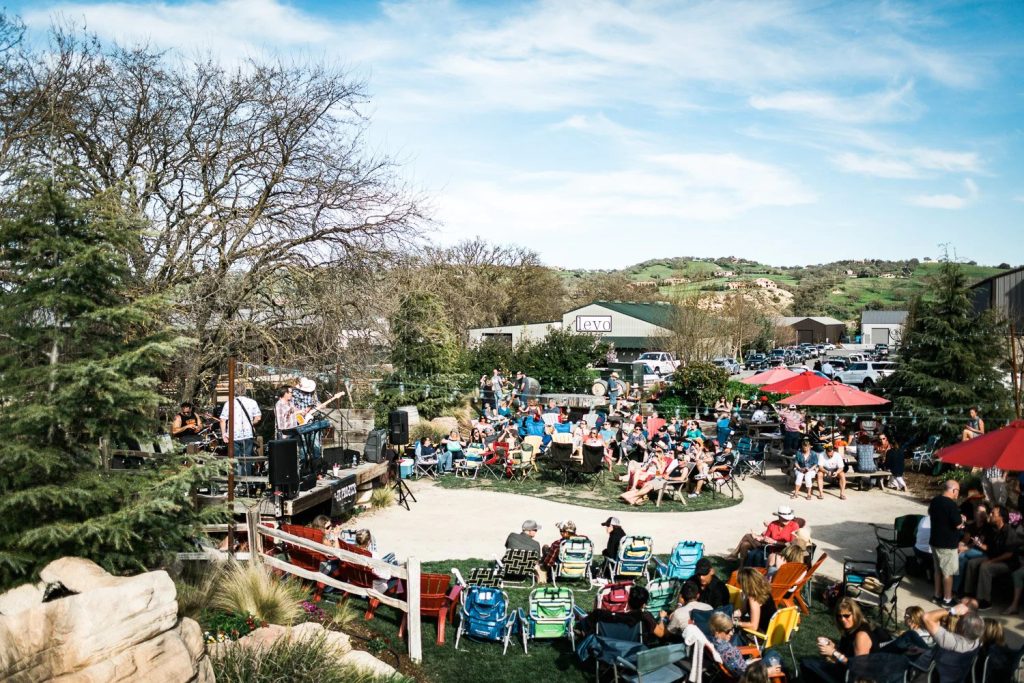
Begin your day at Joe’s Place, an old-school diner serving generous portions of bacon and eggs. Spend the rest of your morning about 15 minutes away at Sculpterra Winery & Sculpture Garden—while wine is, of course, on offer here, it’s just as much about the art, a collection of large-scale works by Central Coast residents John Jagger, Dale Evers, Darren Brown, and Bob Bentley. Wander through the acres of gardens and vineyards and, if you’re lucky, catch a live band.
Courtesy of Travel Paso
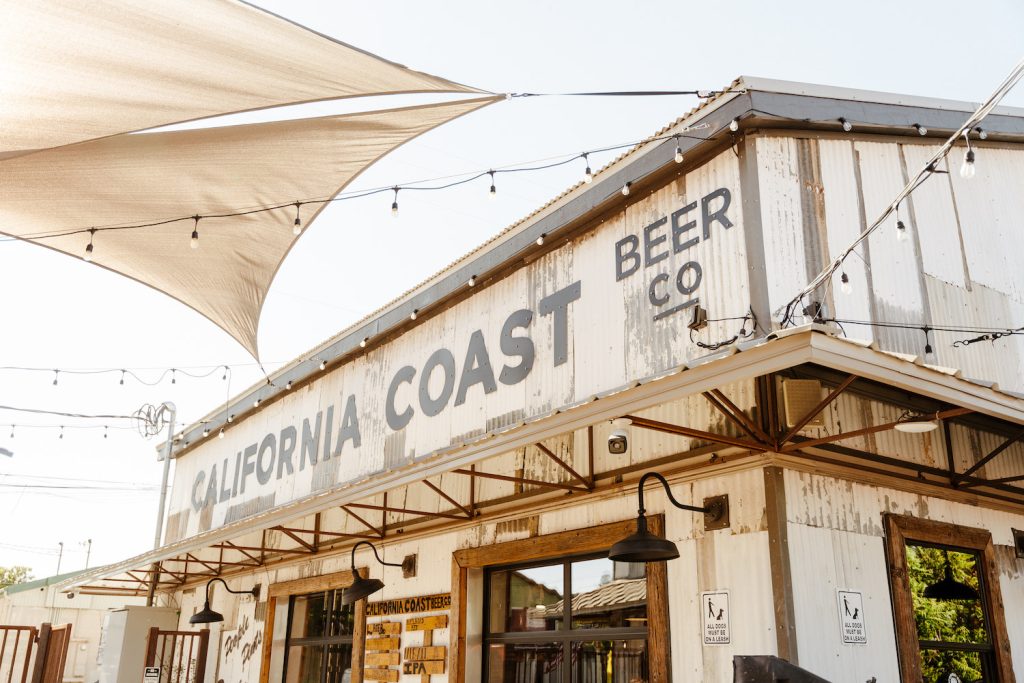
For lunch, head to every San Diegan’s natural habitat: a brewery. California Coast Beer Co. serves pizza and barbeque (try the tri-tip sandwich, a popular offering in Paso) on a sprawling campus built from parts of the autobody shop that once stood in its stead. They brew 16 beers onsite, but their best “dessert” isn’t on the draft list. Ask for the Golden Strong with a Nitro Stout float for a pint reminiscent of a chocolate-covered banana.
If you round out the meal with a cocktail at the brewhouse’s attached sister concept, The Den—a 1970s-inspired lounge decked out in era-appropriate décor sourced from co-owner Frank Panian’s parents—you’re technically cheating the no-wine thing, but only slightly. Bartenders whip up espresso martinis, Moscow mules, and other mixes with a 40-proof, wine-based vodka that tastes exactly like the real deal. Grab a white Russian and chill out to the sounds of an old 8-track.
Courtesy of River Oaks Hot Springs Spa
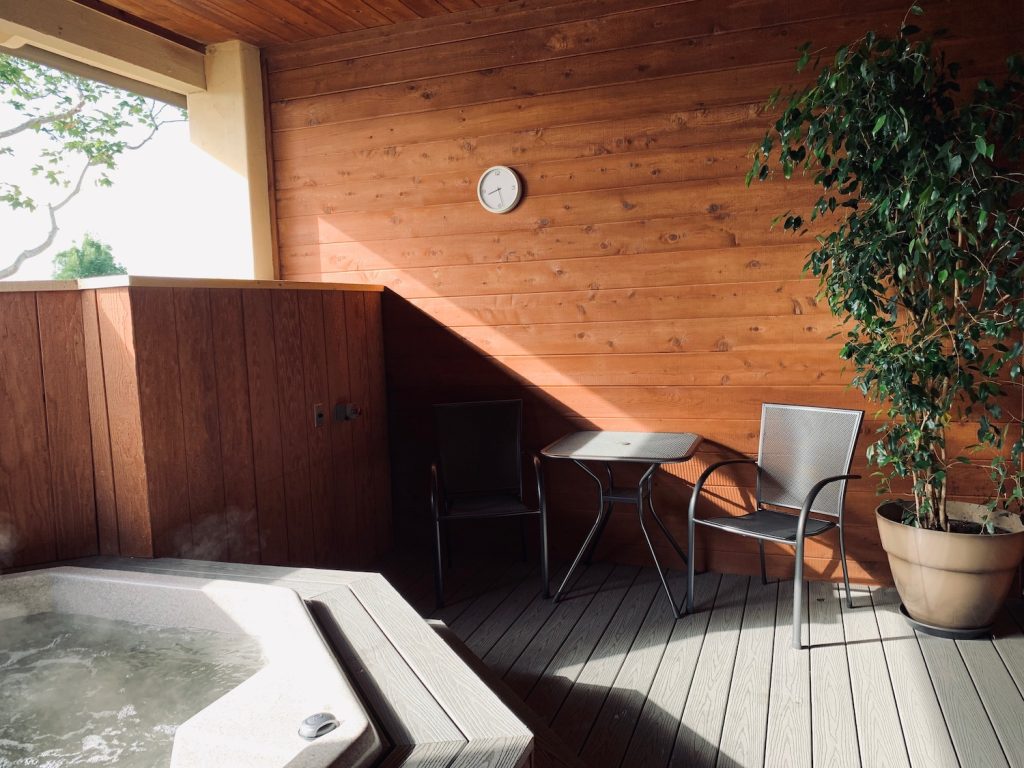
Soothe sore muscles after that morning workout at River Oaks Hot Springs Spa. A stay at a hot spring resort would typically set you back at least a couple benjamins, but River Oaks rents out private mineral water hot tubs by the hour for a mere $28 per bather. You can tack on a massage or facial for further bliss.
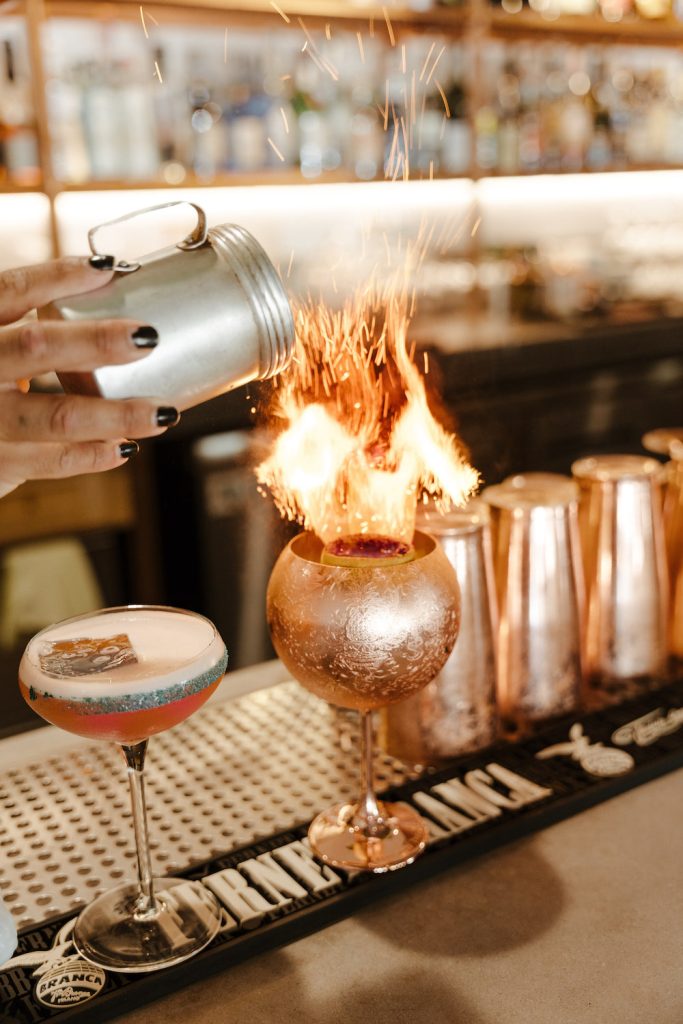
When it’s time for dinner, head to an unexpected wine country haunt: a tiki bar. Cane Tiki Room operates with a joyful more-is-more mentality, setting stiff (and delicious) drinks on fire at your table and laying down the tastiest and spiciest green beans I’ve ever had. A mai tai is a must here, of course, but don’t sleep on their non-rum-based concoctions.
Later, head next door to Libretto, a subterranean jazz bar that hosts such heavy-hitters as Grammy-winning trumpeter Jay Jennings and American Idol star Elliott Yamin in an intimate, cloistered space. Shows sell out often, so nab a ticket in advance.
Courtesy of Travel Paso
Day Three
Grab a quick breakfast at Joebella Coffee Roasters inside the Paso Market Walk. The café, which toasts its beans in nearby Atascadero, serves plant-based brekkie burritos and sweet and savory pastries alongside classic caffeinated bevs (and harder-to-find ones, like a yerba mate latte).
Then, get out there. You may be on vacation, but that doesn’t mean you can’t keep up with that 2024 intention to move more. As for the type of exercise, pick your poison—Paso Robles has its fair share of open-air spaces to roam.
Golf is a beloved pastime here, and you can spend the morning hitting the links at one of the city’s several courses, including Hunter Ranch Golf Course and Paso Robles Golf Course. Or book an electric bicycle with Central Coast Bike Rental and chart a course through downtown and past the city’s sprawling vineyards.
Courtesy of Tin City
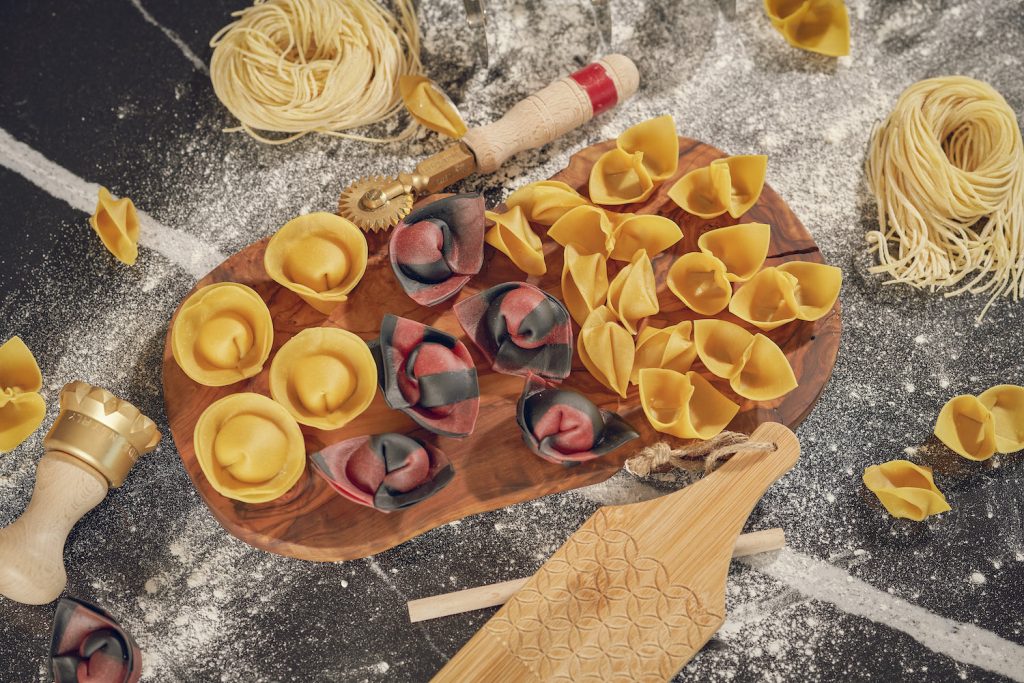
At lunchtime, head to business collective Tin City (located 10 minutes from downtown), a paradise for those who like thoughtful sips—not just wine but beer, cider, and spirits from homegrown brewers and distillers. Unwind with a pint on Barrelhouse Brewing’s shady patio or discover your new favorite cocktail base with a tasting at Tin City Distillery, which produces vodka, whiskey, and gin. Once you’ve drunk your fill, balance out the booze with a big lunch at Etto Pasta Bar, an airy Italian joint that makes its noodles in-house.
Close things out at Negranti Creamery. Plenty of scoop shops sling a combo of cow’s milk and non-dairy ice cream, and Negranti has both, but the dessert spot is best known for its sheep’s milk ice cream in creative flavors like strawberry basil and cinnamon apricot crisp. The alternative dairy is easy on the stomach for lactose-sensitive folks and sits pretty in the shop’s housemade waffle cones.
Courtesy of Travel Paso
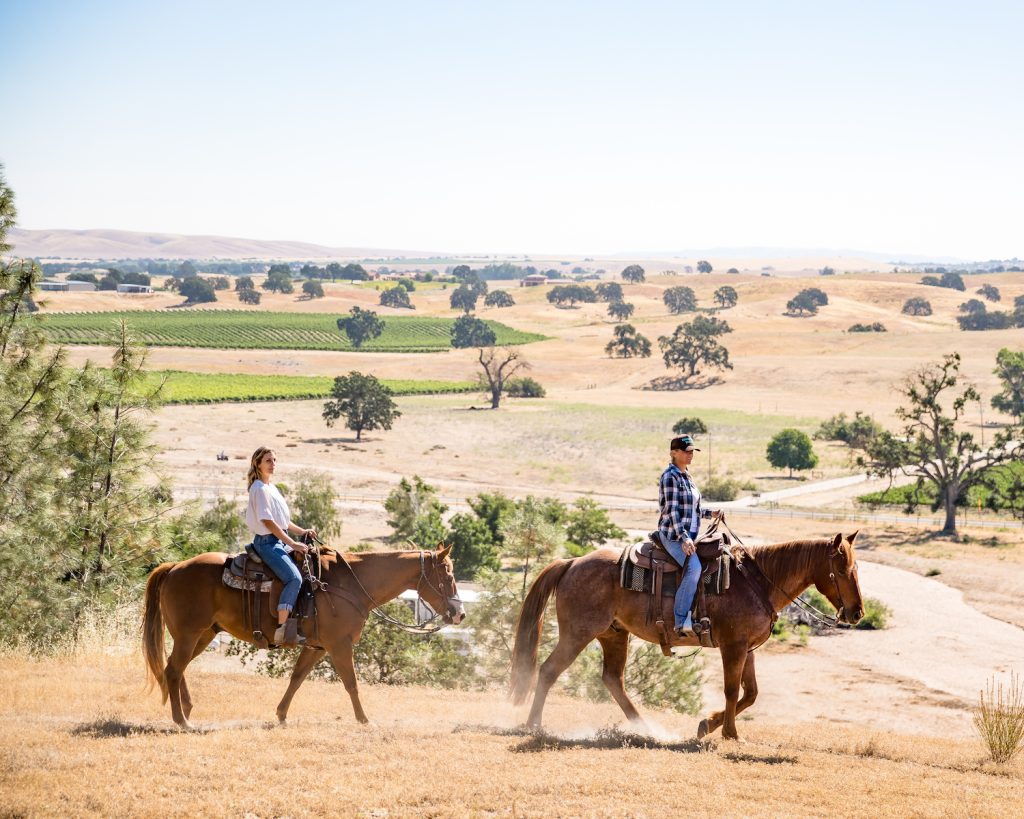
Next stop? Another winery—but not for the vino, of course. Central Coast Trailrides hosts scenic, guided treks on horseback through Cass Winery’s vineyards, less than 20 minutes from downtown Paso Robles. Those who are a bit nervous to saddle up can opt for a low-key path through the vines, while more adventurous riders may prefer the trail that climbs into the hills for more expansive views. (Note that the ride at Cass Winery is available only to parties of four or more. Smaller groups can giddy up at the Santa Margarita and Santa Rita ranches in nearby Santa Margarita and Templeton, respectively.)
Courtesy of Travel Paso
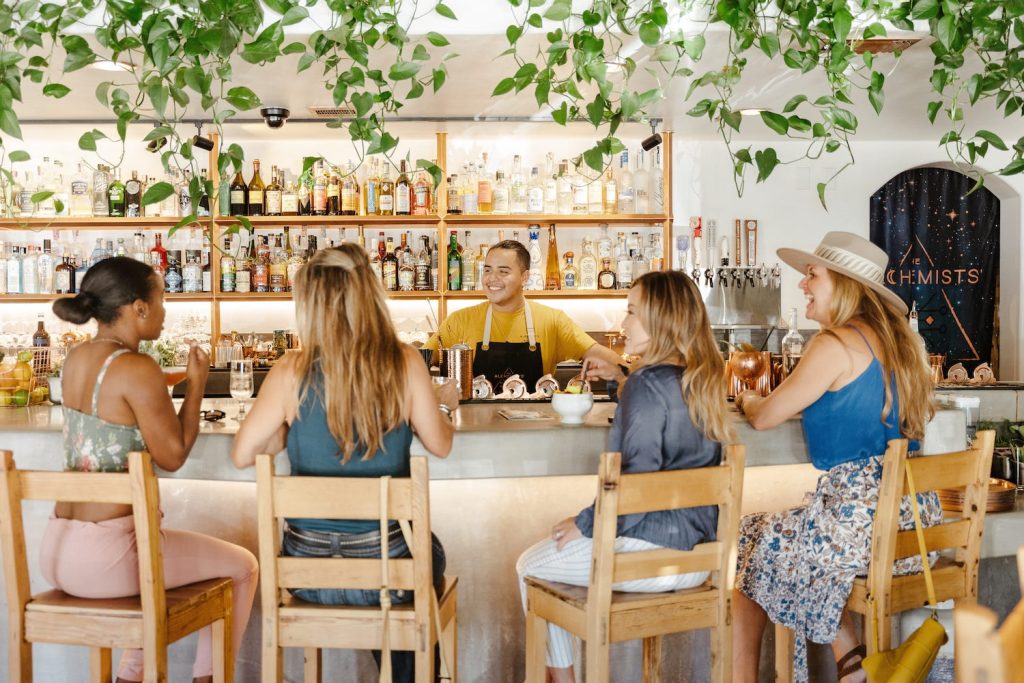
Once you’ve worked up an appetite, hit The Alchemists’ Garden. The downtown eatery has a wine list, sure, but requesting a chard at this Eden for cocktail nerds would be like ordering just fries at Mister A’s. Co-owner Tony Bennet is a spirit savant, always happy to walk you through the chemistry behind each of your G&T’s subtle, shifting notes.
Drinks like a hibiscus-vodka-and-sweet-potato-liquor spritz and a PB&J old fashioned pair with bar bites, salads, and protein-driven entrées. Speaking of fries, though, you should get them here. Flat and crispy, they come with a goat cheese ranch I wanted to smuggle the last dregs of away in my purse.
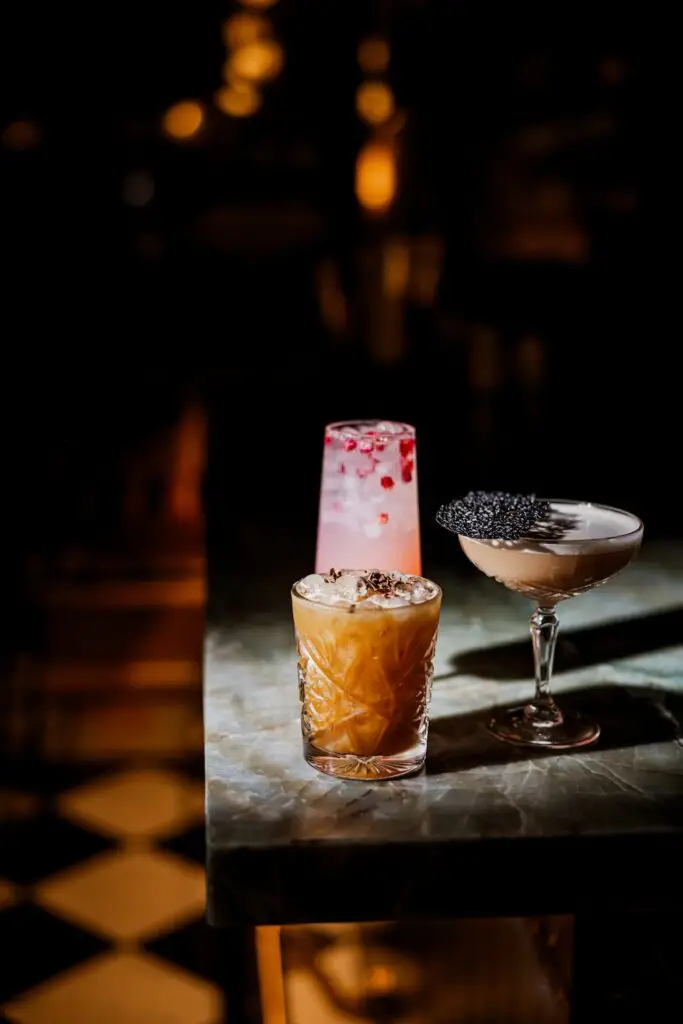
After dinner, head next door (you’ll need to make a reservation in advance) to The Remedy, the cozy cocktail-only cave from the folks behind The Alchemists’ Garden. Fashioned like a regency-era gentlemen’s club and lined with bottles of rare whiskey, The Remedy is Bennet’s mad-scientist playground, a dimly lit hideaway where he conjures creations like a deconstructed negroni served with little jewels of campari “caviar.”
Each sip comes with a (thoroughly enjoyable) lecture. Getting smarter while you get a little sauced is a great way to end a weekend in Paso Robles.
Amelia Rodriguez is a writer and journalist and winner of the San Diego Press Club's 2023 Rising Star Award and 2024 Best of Show Award, she’s also covered music, food, arts and culture, fashion, and design for Rolling Stone, Palm Springs Life, and other national and regional publications. After work, you can find her hunting down San Diego’s best pastries and maintaining her five-year Duolingo streak.
Carlsbad’s Newest Restaurant Is All About One Perfect Dish
The team behind Harumama and Blue Ocean will open Little Kiki Katsu & More on June 15, serving premium cutlets, Japanese sandos, and curated sake pairings
Every culture has its own comfort foods—cozy dishes that nurture the soul as much as the body. In the US, dipping a grilled cheese sandwich in a bowl of tomato soup can feel as satiating as pulling a warm sweater out of the dryer. In China, a steaming bowl of congee is basically a miracle remedy for anything you can imagine. I’m pretty sure Italian carbonara could achieve world peace. And in Japan, katsu remains one of the most universally satisfying inventions of the past century.
Katsu was originally invented as a riff on côtelette de veau, the classic French veal cutlet coated with breadcrumbs and pan-fried in butter. In 1899, a Western-style restaurant called Rengatei in Tokyo decided to put their own spin on the dish by pounding the cutlets until thin, then coating them with softer panko and deep-frying versus pan frying (like tempura) for a crispier, lighter, crunchier bite. Today, pork—called tonkatsu in Japanese—tends to be the most common base for katsu.
The dish has yet to achieve the same mainstream status as say, chicken nuggets, in the US. But Little Kiki Katsu & More hopes to change that, when the katsu-focused restaurant opens in Carlsbad on June 15.
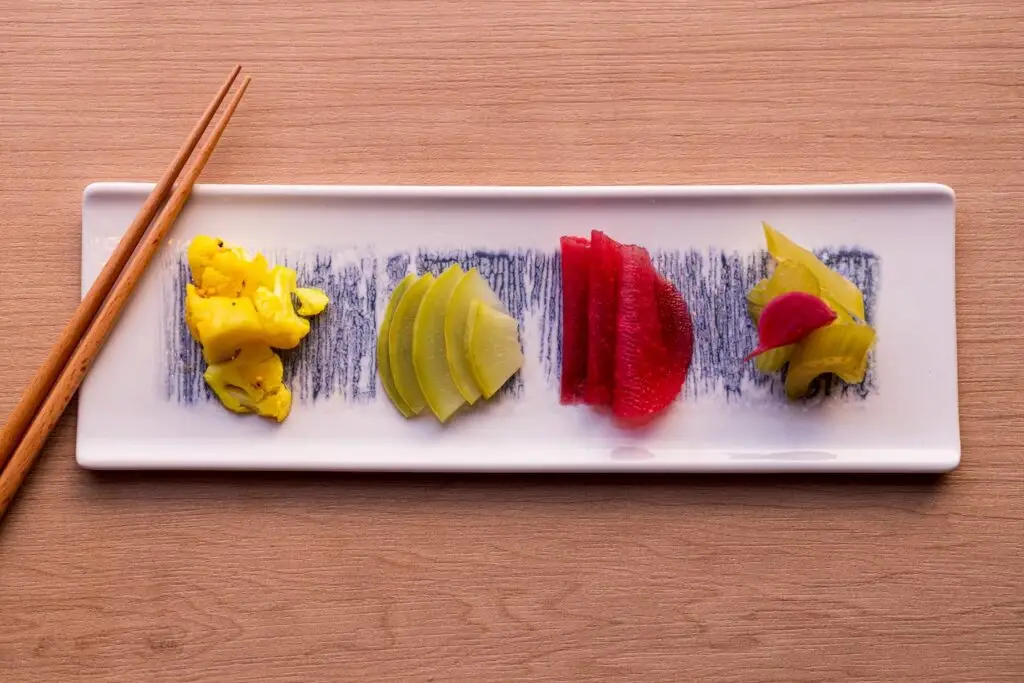
Created by the team behind Harumama and Blue Ocean, Little Kiki will focus on premium katsu dishes paired with sake and around a dozen small bites like miso soup, karaage, edamame, and Japanese pickles. Executive chef James Pyo, who co-owns all three restaurants with his wife Jenny, created a menu that features proteins like Berkshire Kurobuta pork, Jidori chicken, salmon, scallops, and dry-aged Pacific cod for the katsu and grilled stone selections. (Note: the grilled stone options will be offered for dinner only.)
Photo Credit: Arlene Ibarra
The lunch menu includes Japanese-style sandos like a tonkatsu sandwich with pork, housemade bread, and tonkatsu sauce (available regular or spicy). Dessert options are simple to start—yuzu cheesecake, matcha crème brûlée, and mango/yuzu mochi ice cream. The Pyos curated a selection of premium sakes as well, specifically for pairing purposes, as well as offering some beer and cocktails.
Little Kiki, which is named for Jenny’s cat, seats 25-30 guests inside with room for only a few more on the small outdoor patio as well. Designer and assistant Yoojin Jang says the vibe is meant to be warm and welcoming but modern, using colors like olive green, cream, and pops of orange against Japanese-style wood slats.
Initially, Little Kiki will only be open for dinner service, but aims to introduce lunch hours for the grand opening on July 1. Due to the limited seating, Jang encourages guests to make reservations, and while the restaurant will offer takeout, it will not be available on food delivery apps like Uber Eats or DoorDash to motivate guests to come experience it for themselves.
“Come in curious and leave satisfied,” says Jang. And keep your eyes open for subtle cat motifs—she promises they are hidden all over the place. Whimsy, it seems, is also on the menu.
Little KiKi Katsu & More soft opens on June 15, 2026 at 2958 Madison Street, Suite 101 in Carlsbad. Hours are Monday, Wednesday, Thursday, and Sunday from 11:30 a.m. to 3 p.m. for lunch and 5 p.m. to 9:30 p.m. for dinner; Friday and Saturday from 11:30 a.m. to 3 p.m. for lunch and 5 p.m. to 10 p.m. for dinner; closed Tuesday.
Courtesy of San Diego Restaurant Week
San Diego Restaurant News & Food Events
Beth’s Bites
The Cygnet Theater in Liberty Station roared back to life last summer and hasn’t slowed down since. Their current show, The SpongeBob Musical, runs through July 12, and anyone who wants to enjoy a meal from a Michelin-recognized restaurant before the curtain drops need only pop next door to Solare Ristorante. The local Italian favorite just nabbed multiple accolades in this year’s Best Restaurants issue (Reader’s Pick for Top Five Restaurants, Critic’s Pick for Best Gluten-Free Menu, and runner-up for Best Wine List in San Diego) and is offering a prix-fixe menu for the show for $59 per person. With choices like “Bikini Bottom Bruschetta” and “Squidward’s Shell City Risotto,” parents and kids can both enjoy a cheeky evening out.
It’s the most wonderful time to eat—or at least, it’s coming soon. San Diego Restaurant Week returns September 13 through 20 to celebrate everything delicious the area has to offer for eight gloriously gluttonous days. Over 120 restaurants in every corner of the county will have pre-set menus to showcase their crème de la crème dishes, so at three meals a day, that’s at least 24 meals you can check off your list. But if you decide to go for triple-digits, I certainly won’t judge you.
Following Vanguard Culture’s 10-year anniversary dinner series, artist Ben Guerrette will once more take over The Chapel at Liberty Station for Ritual:SOLSTICE, an immersive dining experience to celebrate the summer solstice. On June 20, he’ll light up the chapel with his signature illumination experience, with Riva providing the smooth sounds of jazz, Beth Guerrette and company showcasing their choreography and dance, and Snake Oil Cocktail Company on hand for specialty cocktails. What better way to commemorate the sun’s slow retreat than with an explosion of creative energy to carry you through the next seasons?
Listen Now: The Latest in San Diego’s Food and Drink Scene
Have breaking news, exciting scoops, or great stories about new San Diego restaurants or the city’s food scene? Send your pitches to [email protected].
Beth Demmon is an award-winning writer and podcaster whose work regularly appears in national outlets and San Diego Magazine. Her first book, The Beer Lover's Guide to Cider, is now available. Find out more on bethdemmon.com.
Just south of Lake Hodges near 4S Ranch and Poway, Rancho Bernardo is a suburban community that blends residential neighborhoods with industrial pockets, elevated by a decidedly diverse food scene.
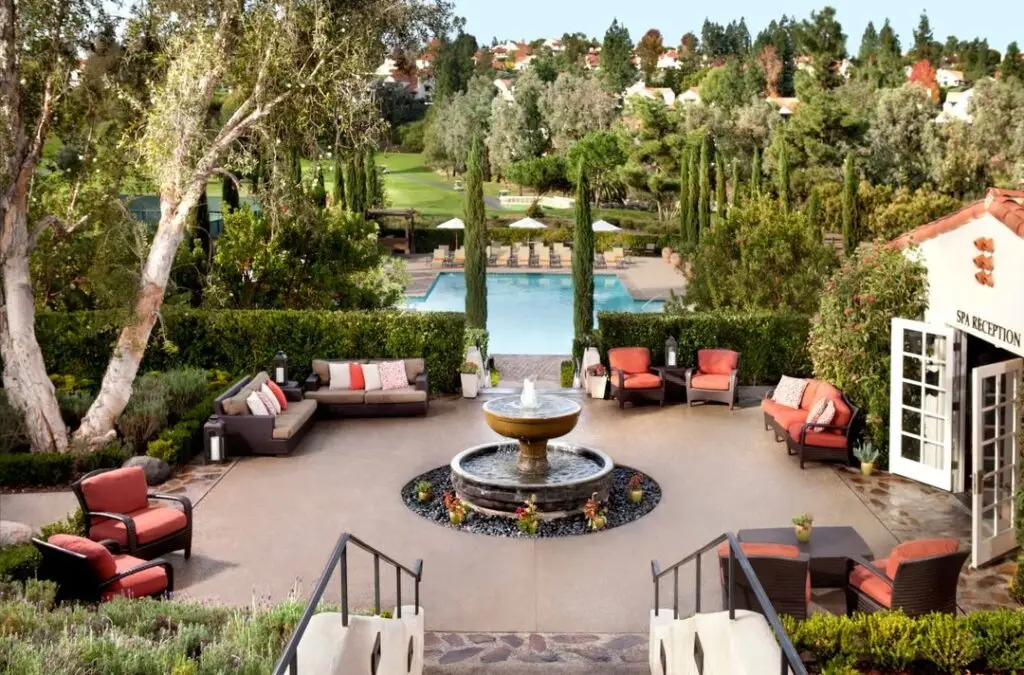
Over 60 years ago, this North County neighborhood was once part of a family ranch. Since that time, big tech companies have taken up residence here, including Amazon, Sony Electronics, Oura Ring, HP, Teradata, and ASML. Rancho Bernardo Inn serves as a community hub, with locals frequently meeting at the hotel’s restaurants, golf course, and spa.
Whether it’s work or a round of golf that brings you to Rancho Bernardo, we’ve taken care of the agenda planning with our guide to the area’s best restaurants, activities, and shops.
Courtesy of Avant Restaurant
Rancho Bernardo Restaurants, Bars, and Coffee Shops
Avant
Sample ingredients plucked straight from Rancho Bernardo Inn’s onsite garden and served at their signature restaurant Avant. One of the neighborhood’s most upscale dining options, they serve a French-inspired menu with nods to California, including many seafood options. Don’t miss their more casual sister restaurant Veranda for al fresco dining.
Wood-fired pizzas and handmade pastas are standouts at The Kitchen, Bernardo Winery’s counter-service restaurant specializing in Sicilian flavors. Charcuterie boards and bruschetta make for great starters or snacks while wine tasting.
13330 Paseo Del Verano Norte
Bushfire Kitchen
Fast-casual and family-owned eatery Bushfire Kitchen recently opened a location in Rancho Bernardo, serving sandwiches, bowls, salads, burgers, protein plates, and housemade empanadas. Bushfire prepares comfort food with healthy ingredients, and offers plenty of vegetarian and vegan options.
11962 Bernardo Plaza Drive, Suite 110
The Cork & Craft
Some might call The Cork & Craft an overachiever. This gastropub has an in-house craft brewery and winery: Abnormal Beer and Wine. The more, the merrier. Their sushi menu is definitely worth exploring, but don’t miss other specialties like garlic noodles, chicken wings, and pork belly.
16990 Via Tazon
Courtesy of Carvers Steaks & Chops
Carvers Steaks & Chops
You don’t have to leave Rancho Bernardo to get a white tablecloth steakhouse experience. Carvers Steaks & Chops has prime rib (their best seller), filet, ribeye, porterhouse, New York strip, and other cuts, served alongside crab-stuffed mushrooms, wedge salad, French onion soup, potato skins, and other steakhouse specialties.
1940 Bernardo Plaza Drive
Burma Place
This no-frills Burmese restaurant is known for its traditional tea leaf salad that’s topped with sesame and sunflower seeds, garlic chips, peanuts, tomatoes, jalapeños, fried yellow beans, and fermented green tea leaf dressing. Tucked into a nondescript strip mall, Burma Place is a great takeout option when you want to eat garlic noodles, fried rice, chicken curry, and samosas from the comfort of your couch.
16719 Bernardo Center Drive, Suite A
Phở Ca Dao
Find authentic Vietnamese cuisine at Phở Ca Dao, including favorites like phở noodle soup, vermicelli noodles, broken rice dishes, and spring rolls. One of eight locations throughout San Diego, this family-owned chain uses robot servers for food delivery.
11808 Rancho Bernardo Road, Suite 100
The Kebab Shop
It’s all about the sauce at fast-casual Mediterranean restaurant The Kebab Shop. Smothering your chicken shawarma, gyro, or falafels in garlic yogurt, cilantro jalapeno, fire chili, and dill yogurt sauce is practically a rite of passage. The hardest part is deciding whether to order a wrap, bowl, or salad.
11980 Bernardo Plaza Drive
Casa Lahori
Get a taste of South Asian flavors at Casa Lahori, a Pakistani restaurant noted for its grilled meat kabobs. Other best-selling dishes include beef nihari, chicken biryani, and shahi paneer— best enjoyed with naan bread.
11975 Bernardo Plaza Drive
Kangnam Korean BBQ
Grill your own meat on the tabletop at Kangnam Korean BBQ, an interactive, all-you-can-eat experience that’s well-suited for large groups. Marinated beef bulgogi, grilled galbi short ribs, and spicy pork are served alongside traditional banchan dishes like kimchi, japchae glass noodles, and flavorful stews. Weekday lunch specials provide a nice discount on these filling meals.
11828 Rancho Bernardo Road, Suite 117–119
Courtesy of Curry & More Indian Bistro
Curry & More Indian Bistro
Dig in to your favorite curries and kebabs at Curry & More Indian Bistro. Most entrees are served with a choice of two side dishes, including basmati rice, potatoes with cumin, daal, naan, or mixed greens. Help offset the spice with one of their sweet mango or strawberry lassi drinks.
Kai Oliver-Kurtin is a San Diego-based writer who covers travel, dining, events, and culture. Her writing has been published in USA Today, Condé Nast Traveler, Fodor's Travel, Marie Claire, and HuffPost, among others.
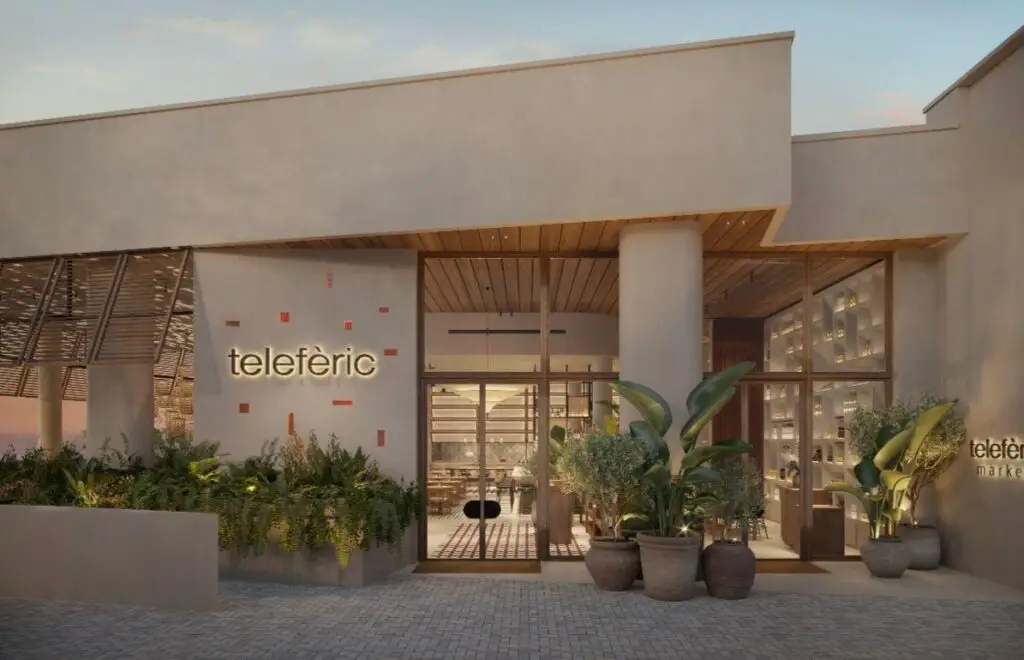
Westfield UTC mall is adding yet another “first” to the ever-growing roster of restaurants. The first US location for China’s stir-fry sensation Chef Fei is on the way later this year, Japan already reinvented crispy rice pioneer Katsuya by opening the first Katsuya Ko, and now, it’s Spain’s turn—Telefèric Barcelona opens early this summer.
The family-owned, Barcelona-based tapas joint first opened in the US 10 years ago in Walnut Creek, California, but co-founder and CEO Xavi Padrosa says they’ve had their eye on San Diego for years. Westfield UTC “just clicked,” he says, pointing to the burgeoning collection of world-class eateries already within the mall’s walls. Plus, La Jolla’s breezy vibe echoes Spain’s easygoing tapas culture.
The indoor/outdoor space spans 5,526-square-feet, with seating for 150 inside, 60 on the patio, and 16 more at the bar. Xavi’s sister and co-owner Maria Padrosa designed the Mediterranean-inspired space as a contemporary take on coastal Catalonia, using imported furniture and materials from Spain like hand-glazed tiles and wood accents. And if all the dining spaces are planets, the center of the suite’s universe is the bar.
Courtesy of Telefèric Barcelona
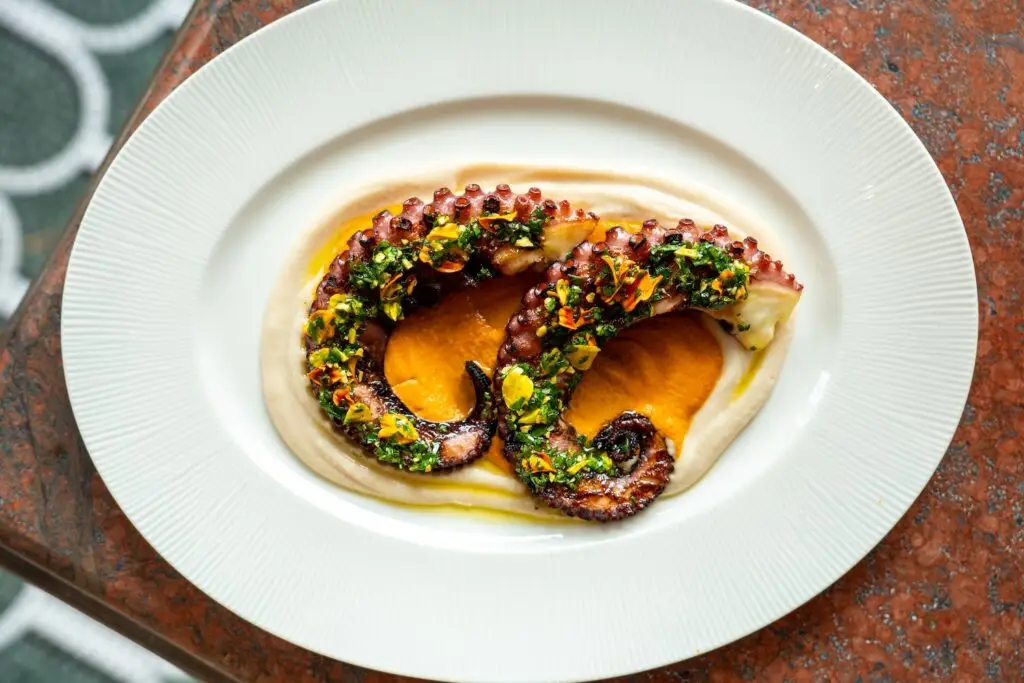
Padrosa points to signature favorites like patatas bravas (fried potatoes drizzled with a spicy red sauce and house aioli), jamón ibérico de bellota (Spanish ham from free-range pigs raised on acorns, cured for 38 months and sliced to order), gambas al ajillo (garlic shrimp), pulpo Telefèric (octopus with potato purée and pimentón XO, a spicy Spanish/Cantonese fusion sauce), and croquetas (a popular fried tapas dish coated in breadcrumbs and made with béchamel mixed with fillings like jamón or king crab.
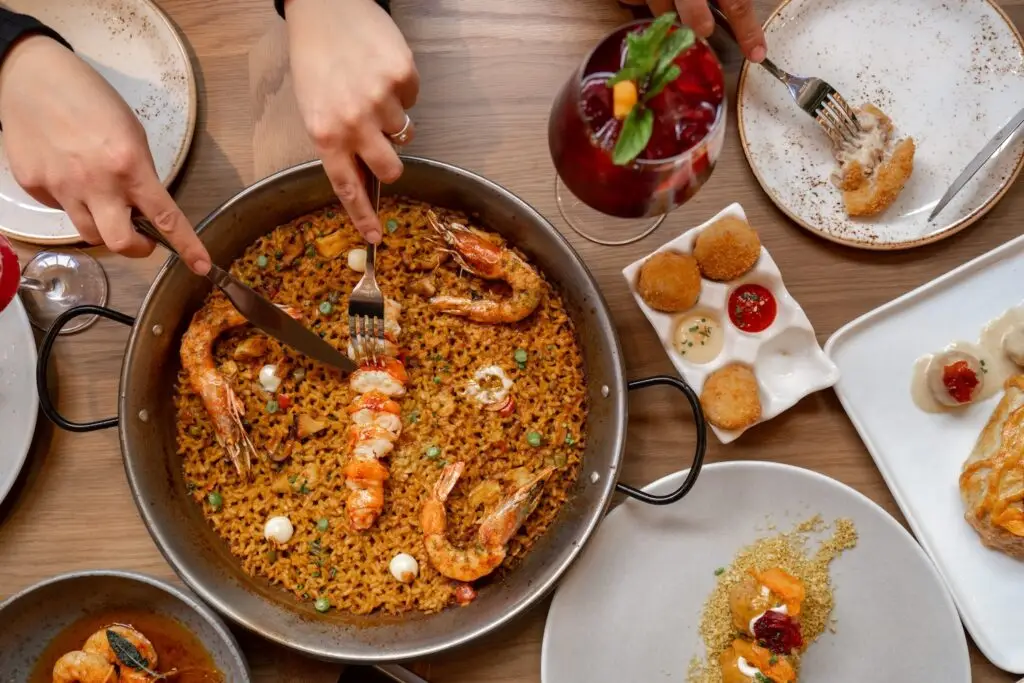
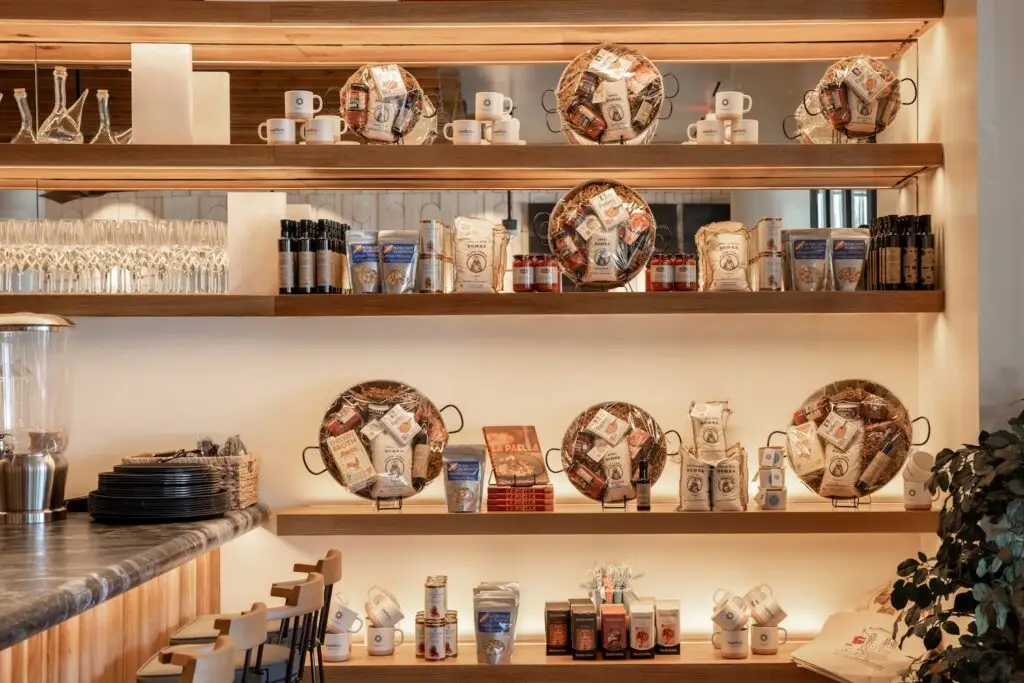
There are a very small handful of legit paella spots in San Diego (Costa Brava in Pacific Beach and Cafe Sevilla in Gaslamp Quarter come to mind), so I’m personally looking forward to giving Telefèric’s a go—especially the squid ink paella negra, which is perhaps the most goth paella of all. Every location also offers different weekend specials, La Jolla’s being seafood-driven and meant to pair with beverage director Alex Serena’s drinks. There are over a hundred Spanish wines, Spanish-inspired cocktails, sangria, and of course, plenty of twists on the iconic gin and tonic. The restaurant will also have a gourmet market called The Merkat with imported Spanish sundries.
Courtesy of Telefèric Barcelona
With more US locations in the works (Newport Beach will open soon after La Jolla), Padrosa says the company hopes to open more across California, but are open to anywhere in the country that feels right. “We don’t know exactly what new cities will appear on our map in the coming years,” he says. But in true Catalan fashion, anywhere they go should be ready for big plates of hearty Spanish cuisine.
Telefèric Barcelona La Jolla opens early summer 2026 in Westfield UTC. Opening hours will be Monday through Thursday, 11:30 a.m. to 10 p.m.; Friday and Saturday, 11:30 a.m. to 11 p.m.; and Sunday, 11 a.m. to 10 p.m.
Most of the time, you have to be 18 years old to change your name. In Arcana’s case, it was about a month. The immersive speakeasy behind Archive in Encinitas updated their moniker to Animga (a play on “enigma”) earlier this month, after what one can only assume was an upset letter from a similarly-named business. However, partner Paula Vrakas promises that the concept remains the same—mystery, cocktails, and a forthcoming bottle locker membership club. Since the only constant is change, Anigma is off to a good start!
Courtesy of Good Honey
Beth’s Bites
It’s not a salad bar—Mary’s Gourmet Salads is a salad experience. And soon, Bankers Hill will get a taste of the green when the local eatery opens its third location at the corner of Sixth Avenue and Upas Street in the Park Summit building. Yes, that’s the same building as Cowboy Star’s new venture She Rode West, so it sounds like veggie lovers and carnivores alike will be covered.
Speaking of expansion plans, La Corriente is likewise on a roll. The Mexican seafood concept opened its first location in the US in La Jolla in 2024, followed by Coronado in 2025, and announced plans to open a third branch in Oceanside in the Freeman Collective. With neighbors like Tanner’s Prime Burgers and Little Fox ice cream, the culinary collective is only getting more ridiculously tasty.
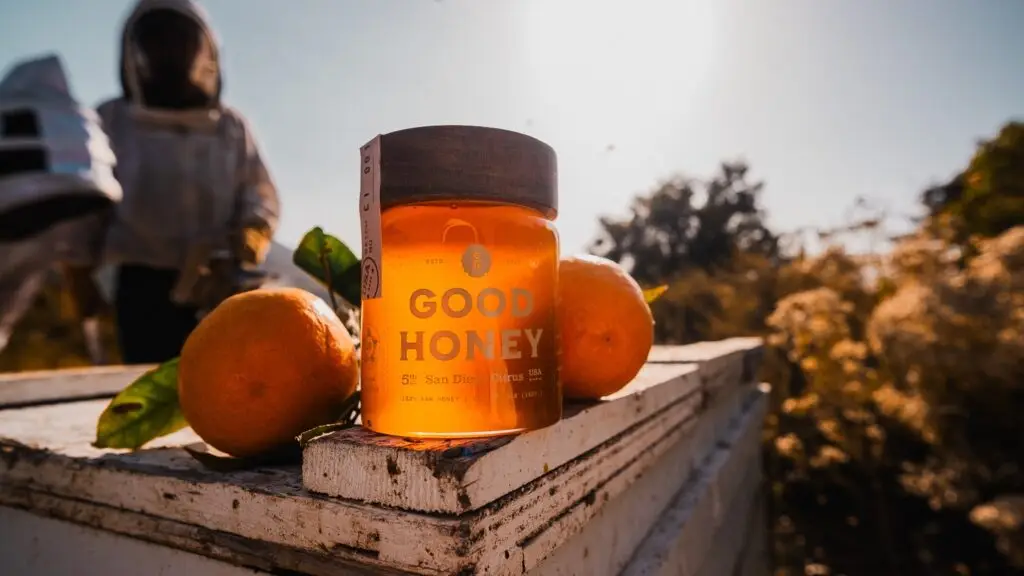
One delicious event that will occur before both of the aforementioned openings is a honey + cheese + focaccia tasting at Pastaria Vivi on July 17. With the help of Good Honey (which took top honors as the highest-rated honey in the U.S. at the International London Honey Awards) and Point Reyes Farmstead Cheese Company (easily one of the best artisanal cheesemakers in California), the Encinitas-based pasta shop and market will host a free pairing event from noon to 3 p.m. And if you’re an aspiring apiologist, don’t miss Good Honey’s on-site observation hive to watch these busy bees in action.
Listen Now: The Latest in San Diego’s Food and Drink Scene
Have breaking news, exciting scoops, or great stories about new San Diego restaurants or the city’s food scene? Send your pitches to [email protected].
Beth Demmon is an award-winning writer and podcaster whose work regularly appears in national outlets and San Diego Magazine. Her first book, The Beer Lover's Guide to Cider, is now available. Find out more on bethdemmon.com.
Implementing a farm-to-table model hardly deserves acknowledgement these days. It’s not a stretch. It’s not innovative. “It’s the bare f**king minimum,” says Herb & Sea‘s executive chef Aidan Owens.
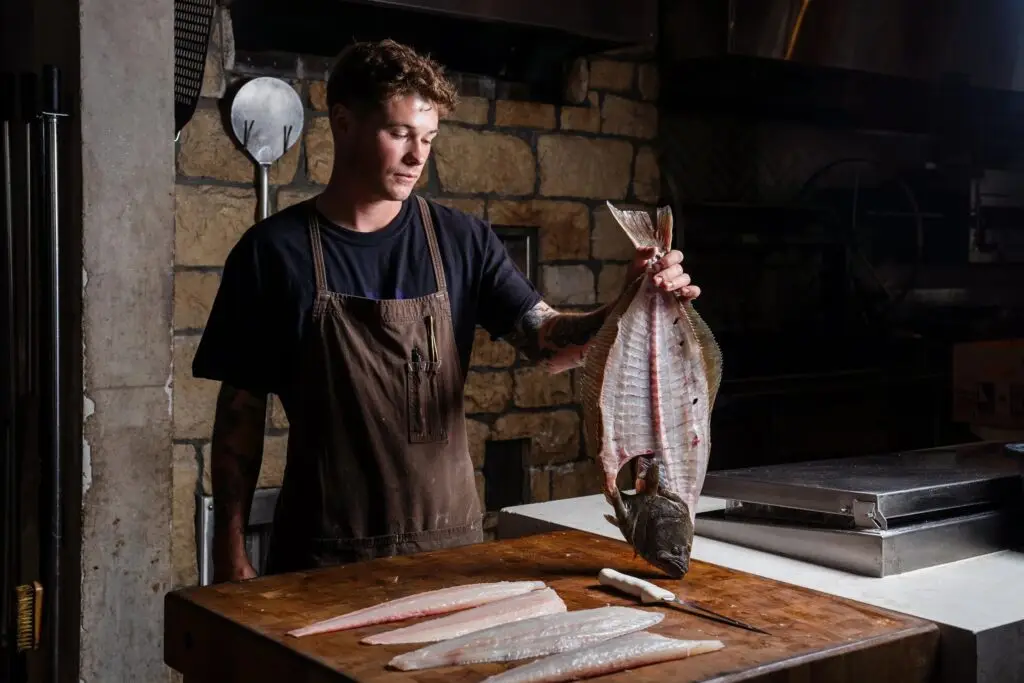
When I arrive at the Encinitas restaurant, I’m ready to talk sustainability, farm-to-table stuff, with Owens. “Did you see the chin on that?” he says of the extra big jiggly chin on the sheephead that just arrived with the day’s fresh catch. I did. It was Jay Leno adjacent.
I learn quickly that he somehow oozes both charm and stone-cold honesty. Maybe he could construct a new dish with chin goo, like he did when he had a bunch of tuna scraps and voila’d it into a smooth and crowd-pleasing ‘nduja. “I want to know what’s in there,” he says.
Courtesy of Herb & Sea
The instinct to look closer, to dig into what others might discard, says a lot about the chef’s approach. I guide him back to our topic, but he has something else on his mind. “We’re overcomplicating food—what happened to just cooking good food and having fun with it?”
Owens grew up on a farm in Byron Bay, Australia, where sustainability wasn’t a concept you chat about so much as a way of life. Think dirt roads, backyard chickens, pulling vegetables straight from the ground, and a mother who believed that if you couldn’t pronounce the ingredients on a package, you shouldn’t eat what was inside.
Food wasn’t precious or performative. Making it was what you did because you were hungry and that’s still what inspires Owens today. “I like to cook good food because I like to eat good food,” he says.
His approach to sustainability at Herb & Sea began so naturally that it felt just like instinct. “I was just like, ‘Let’s order food from the people who live and work here,’” he says.
Courtesy of Herb & Sea
And why wouldn’t he when lives in San Diego? Cities all over the world vie for our goods. Our tuna is sent overseas. Our spiny lobsters hit dinner plates in China and Japan. Not to mention California’s producing a third of the country’s vegetables and three-quarters of its fruits and nuts.
“Why would we outsource when it’s all here?” Owens asks.
Sustainability, in this context, is about cooking what exists in abundance, nearby, right now. “I love the local fish here. It’s f**king delicious and San Diego citrus, I mean, it is so f**ing good,” he says.
Instead of importing ingredients, Owens also looks for nearby alternatives. “You can find really cool things in the local waters,” he says, pointing out that stingray cheeks taste similar to scallops.
Courtesy of Herb & Sea
Whatever he finds in that sheephead chin might just be the next substitute for marrow. But to make this work, it means getting diners amped up about the slightly unfamiliar.
Tasting menus, where diners are completely in his hands, become an opportunity to gently push boundaries. “I’ll serve mackerel, because people think they hate it,” Owens says, noting that the abundant local fish can have some fishiness. “But when it’s fresh, it’s arguably one of the best fish in the ocean.”
He also tweaks the language on the menu so people might feel more compelled to give dishes a try without preconceived notions. He might use “lengua” instead of “tongue.” “Whelk” instead of “snail.” When he puts “stingray throat” on the menu, he disarmingly calls it “skate.”
To reduce waste, scraps aren’t always discarded but rather turned into something new. Sometimes they’re smoked, cured or fermented. Apples going bad turn into apple ponzu. Lemons turn to marmalade, which stretches their usefulness far beyond peak season. “And it’s super tasty on our pizza,” he says.
What makes the food even richer, is the relationships he’s built with farmers. Though it didn’t always feel natural, Owens sought personal connection first. He recalls approaching a fisherman at the Tuna Harbor Dockside Market. “I was awkward,” he says. “I went up to him and said, ‘I like your fish.’”
Owen’s is now so close to his suppliers—like fishermen Ryan Sebo and Joe Daly—that he gets texted pictures of fresh catches right as they flop on the boat. The messages always ask if he wants first dibs. “I say yes to a lot of fish,” Owens says, noting that Herb & Sea can go through 2,000 pounds of seafood a week.
Courtesy of Herb & Sea
The next evolution of sustainability, in his view, will be chefs working directly with producers such as his alliance with Sebo, cutting out middlemen and purveyors where possible. “It will put more money in the pockets of the people doing the work,” he says.
It will mean that chefs can’t just know their local farmers and producers, but they’ll choose to work with the ones who have the best practices. Dining and sustainability will become much less about the final plate. “It will be more about the impact that plate has on the Earth,” he says.
Ultimately, he believes sustainability doesn’t need to be loud. It doesn’t need hashtags. It just needs to be honest.
“We aren’t saving lives. We’re feeding people good food,” he says.
And yet, in feeding people well—simply, thoughtfully, responsibly—something meaningful happens. Guests leave satisfied. Ingredients are respected. Local ecosystems are supported and food returns to what it has always been at its core: nourishment, pleasure, and a quiet reflection of the place it comes from.
When three nations and 16 cities come together to host the FIFA World Cup 2026, the scale stops feeling like a tournament and starts feeling like geography. A continent becomes the stage as borders soften into corridors. And Southern California—shaped by migration, sport, entertainment, and constant movement—sits inside that landscape with all eyes on it.
San Diego and Los Angeles have always felt connected. Hop on the Pacific Surfliner, and the trip unfolds in one continuous stretch of coastline, passing beach towns, neighborhoods, and city centers.
Traveling from San Diego, everything still feels slightly suspended as the Pacific Surfliner follows the coast north with ocean on one side and a slow suburban blur on the other. San Diego stays in exhale. Los Angeles is already building toward something louder.
This summer, Los Angeles will host eight matches of the FIFA World Cup at Los Angeles Stadium, including the US Men’s National Team opener on June 11, while the region stretches into 39 days of programming across stadiums, parks, transit hubs, beaches, and neighborhoods. Instead of one massive fan hub, Los Angeles is embracing a citywide celebration, with fan zones spread across its entirety.
But this pattern has been rehearsed here for decades. In 1994, Southern California became one of the defining stages of the World Cup, when matches at the Rose Bowl placed global attention on the region and turned local stadiums into international landmarks, confirming its ability to hold the world at scale.
What distinguishes Southern California is not just infrastructure, but cultural permeability. Fashion, music, film, art, and sport constantly overlap here, creating an environment where identity is flexible and always in motion. From the Venice boardwalk, where skate culture shaped modern street style, to global soccer stars rubbing shoulders with Hollywood celebs, to authentic Spanish cuisine moving up and down the I-5 corridor, everything circulates.
The World Cup is not introducing anything new here, it’s showing up for the summer and showing out, revealing what this city has always known about itself. What follows is a look at the fan zones and how Los Angeles turns itself into a city-wide stage for the tournament, one neighborhood at a time.
Courtesy of Los Angeles Tourism & Convention Board
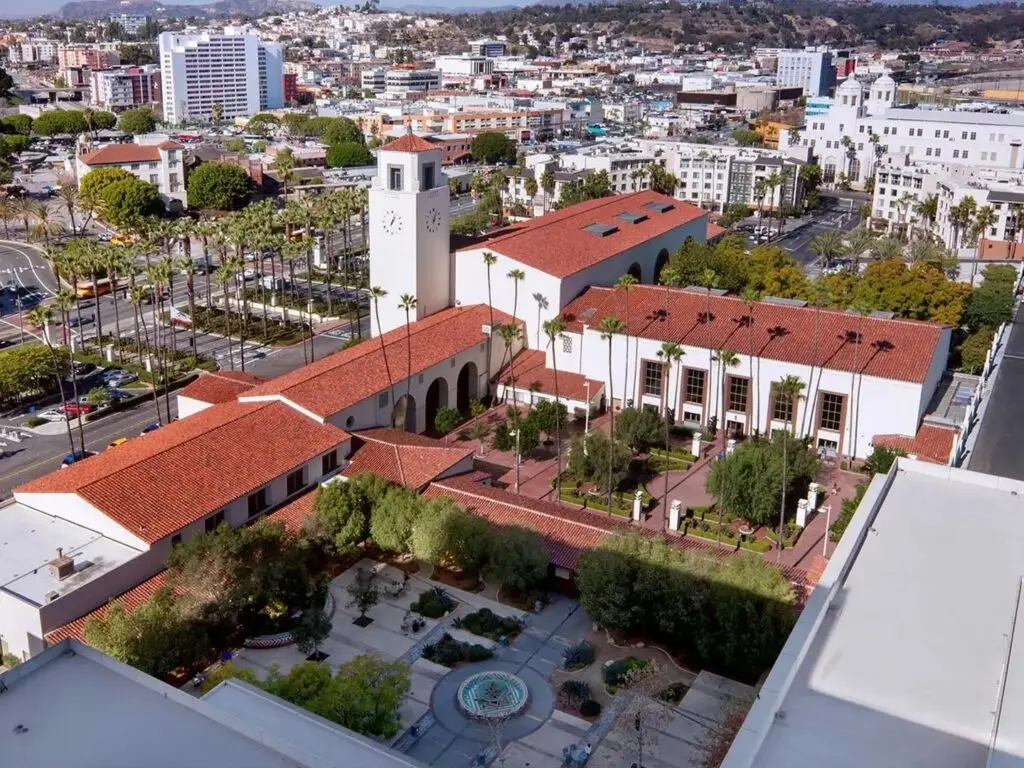
Los Angeles Union Station
As the heart of Los Angeles, Union Station is an official Fan Zone June 25-28 during the World Cup, but in practice it never really stops being one.
It is the city’s circulation point, its meeting ground, its pressure valve. Commuters, travelers, match-day crowds, and everyday Angelenos all move through the same space, and everything mixes, overlaps, and scales in real time. In a way, this is where the World Cup stops arriving in Los Angeles and starts moving through it.
The Pacific Surfliner from San Diego to Los Angeles makes that shift feel almost too easy. No stress or gridlock anxiety, just a straight line up the coastline with ocean on one side and everything slowly becoming more built on the other. It’s one of the rare ways into LA that doesn’t feel like arrival as friction. You can sit with a laptop, watch the Pacific drift past, grab coffee from the café car, and let the city come to you in pieces.
That’s the beauty of arriving at Union Station. Instead of feeling like you’re on the edge of the city, you’re immediately surrounded by it. And, inside, the station already reads like a World Cup nerve center: banners, movement, multilingual energy, the sense that something global is about to funnel through this exact point. The Heart of the City Fan Zone only sharpens that feeling, with simultaneous match screens, DJ sets, meet and greets, and immersive activations built around marquee games like USA vs. Türkiye.
ROW DTLA feels like the first exhale after arrival. A converted industrial campus turned creative district where restaurants, retail, and open-air courtyards form a self-contained ecosystem. If you’re looking for the perfect first meal in LA, make it lunch at Pizzeria Bianco. The thin-crust pizza is reason enough to go, but the space leaves just as much of an impression.
What I liked most about ROW DTLA is how quickly it resets you after the train. One minute you are stepping off at Union Station, and the next you are in a space that feels like its own version of LA, a city inside a city with some of the most curated shopping I’ve ever seen.
Bodega hides itself behind a convenience-store front, a sneaker and streetwear space disguised as something ordinary, like LA refusing to make anything feel too obvious. The whole campus moves like that, part retail, part gallery, part neighborhood you are only temporarily inside.
Isabella Dallas is a freelance writer for San Diego Magazine and the Arts and Culture Editor at The Daily Aztec in her final year at San Diego State University. She previously worked as an editorial intern for SDM, but when she’s not writing, you can find her trying the best coffee spots in SD, devouring the latest rom-coms, and indulging in anything and everything pop culture.
Garden Kitchen was special. During its seven-year run on a quiet street in Rolando, even the farmiest-to-table devotees were pointing to chef-owner Coral Strong and slow-clapping. When the restaurant’s lease was up without the option to renew, which forced her to close in 2022, Strong wasn’t sure what to do next.
Farm-to-table wasn’t new by any means—chef Alice Waters spawned the movement at her pioneering restaurant Chez Panisse in Berkeley in the early ‘70s, and many San Diego chefs did it right. But by the mid-2000s, the idea had been so co-opted by the mainstream that the meaning was almost completely lost.
“In the beginning, I used to get very honestly angry and upset when I would go to other restaurants that were claiming they were farm-to-table, but knowing some of the chefs or prep cooks inside [telling me] ‘Oh no, that comes from Restaurant Depot,’” she says.
Strong grew up in Cardiff before her parents moved the family to Costa Rica in 1989. They’d bounce between the two countries for months at a time, but when they lived in a motel by the beach while building their own house, she witnessed an incredibly tight-knit food culture. “As a Latin American country, everyone kind of cooks together,” she says. Everyone chopped, prepped, prepared, and served as a unit. “[That] definitely shaped my adolescence as to how I thought about food and the community of food.”
Photo Credit: Olivia Hayo
When her father, a commercial fisherman, brought the family back to San Diego, Strong leaned into an entrepreneurial streak, moving from coffee to accounting and eventually bartending to pay the bills. But food remained a passion, especially after she met her future husband, who introduced her to his Be Wise CSA and the wonderful world of truly fresh, farm-grown vegetables.
“We were just always disappointed with the vegetables out at restaurants and were like, ‘Why can’t they just make vegetables taste good?” she wondered. She realized that despite having more small farms than any other county in the country, most restaurants in San Diego simply weren’t using local ingredients.
So she decided to do it herself.
Strong opened Garden Kitchen without any formal culinary training—just a commitment to getting the freshest vegetables, meat, fruits, and other produce onto people’s plates. Her first chef quit within a month, telling her it was impossible. “So I got in the kitchen one day and said, ‘I can do this, let’s figure it out.’ I taught myself how to cook.”
She already had connections with farmers, fishermen, and ranchers, and designed a different menu almost daily based on what she could get. “My farmers sometimes delivered in the middle of dinner service,” she laughs.
Garden Kitchen lasted until after the pandemic, but before the current economy cut into already razor-thin margins. Could Garden Kitchen exist today? She’s not sure.
“The biggest thing right now is just looking at the finances and how expensive it is,” says Strong. “Obviously, the cost of food is up right now, gas is crazy right now… it just crushes you.” Despite that, she believes that committing to the true farm-to-table ethos is as easy as one decides to make it.
“If you think it’s hard to order directly from your farmer, if you don’t understand the absolute pleasure in doing that and you’d rather order from a computer, then that’s your own difficulty,” she says. “People say they’re into it, but are they willing to make the effort like I am, to drive an hour to go get my meat, or drive 35 minutes to go to my farm to go pick it up? I don’t know.”
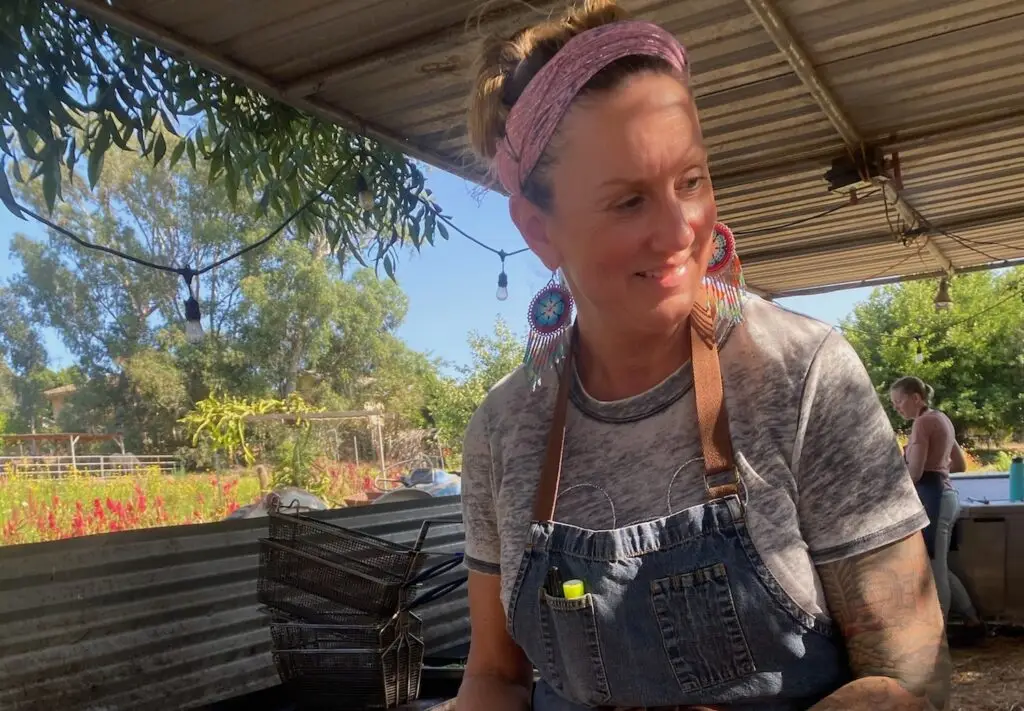
Today, Strong works as a private chef, hosts pop-ups, and offers catering services, all still using seasonally available ingredients from San Diego. And while she has no intentions of opening another restaurant, she says we might see even more of her in the future.
“I have a large property [in Valley Center], and let’s say that there will be more of my food to come,” she promises.
Courtesy of Tajima Ramen
San Diego Restaurant News & Food Events
Beth’s Bites
Dora is less than a year old, but already shaking things up—mostly, behind the bar. Bar lead Francesca Proietti Semproni (whose resume includes stints at Young Blood, Civico, and Rustic Root) launched what sounds (in my humble opinion) like an absolutely charming initiative called Nonna’s Recipe Book. Instead of picking your next drink off a menu, tell the bartender what you’re in the mood for, what you’re eating, and what flavors you tend to enjoy and they’ll whip up a unique concoction just for you. But wait, there’s more! Once the custom cocktail comes to life, the Dora team adds it into a living archive of recipes—a collection of guest-created drinks you can come back to again and again and again. In an age of algorithmic choices made for us rather than by us, I kind of love this analog vibe.
South Bay’s local coffee favorite Cafecito on Palm is doing the damn thing for number two. Cafecito on Park will open later this year near San Diego City College, bringing their signature espresso service closer to downtown. Hopefully, City College attendees can plan for their next finals week to be a little more java-driven.
It’s always 5 o’clock at Margaritaville Hotel San Diego Gaslamp Quarter, and now, it’s perpetual summer as well with a slew of rooftop cabanas now available to the public. If you ask me, it’s just in time for the hotel’s Yappy Hour, hosted on the last Thursday of every month through October, where pups and people can kick back on the rooftop and enjoy dog-friendly (and people-friendly) menus, plus giveaways, leis, and more. If your dog likes to chill as much as you do, this might be the place to hang poolside this summer.
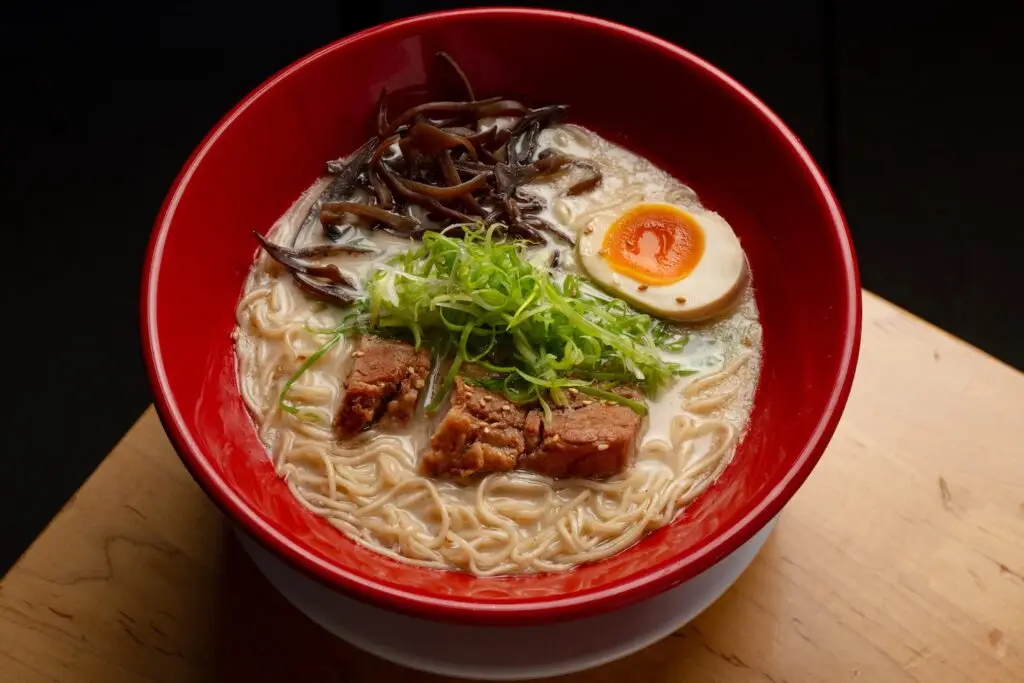
Time flies when you’re slurping noodles. Tajima Ramen just hit the big 2-5 and is marking the occasion with a month of specials, events, deals, and other giveaways throughout June. From June 1 to 7, head back in time with their Throwback Menu bringing back some old favorites, June 8 through 14, you can get any two ramen bowls for $25 or free extra noodles with your ramen (dine-in only), or from June 15 through 21, snag happy hour prices all day, every day. There’s even more on the schedule, so take a peek at your local shop’s calendar and enjoy the taste (and some prices) circa 2001.
Listen Now: The Latest in San Diego’s Food and Drink Scene
Have breaking news, exciting scoops, or great stories about new San Diego restaurants or the city’s food scene? Send your pitches to [email protected].
Beth Demmon is an award-winning writer and podcaster whose work regularly appears in national outlets and San Diego Magazine. Her first book, The Beer Lover's Guide to Cider, is now available. Find out more on bethdemmon.com.
National Philanthropy Day, presented by PNC Bank, Celebrates the Best of Philanthropy in San Diego
The 53rd Annual National Philanthropy Day Takes Place on November 21. Join us from 11:00 a.m. – 1:30 p.m. at the new Gaylord Pacific Resort & Convention Center!
Once yearly, AFP San Diego joins with others worldwide to celebrate National Philanthropy Day (NPD), a special day set aside to recognize the great contributions of donors and nonprofits that enrich of our community and the world. San Diego’s NPD is one of the largest and most successful in the U.S., attracting nearly 900 participants, including philanthropists, nonprofit leaders, CEOs, board members, development professionals, and business, community, and civic leaders.
Sponsorship proceeds from National Philanthropy Day are reinvested in education, training, scholarships, career development, and the advancement of fundraising professionals throughout San Diego. These resources and training provide fundraising professionals with the tools necessary to support our region’s diverse array of nonprofit organizations, which rely on charitable giving for close to half of their annual revenues.
The National Philanthropy Day Honorees are selected by the NPD Honorary Committee, a group of highly respected, diverse nonprofit and business leaders. Our 2025 Honorees include:
Outstanding Development Emerging Leader – Taylor Thompson Self-Nominated
Outstanding Development Professional – Sharyn Goodson Nominated by: AJ Steinberg & Jeanne Schmelzer
Outstanding Organization for IDEA – Accessity Self-Nominated
Outstanding Philanthropic Institution – Life Science Cares San Diego Nominated by: Blair Search Partners
Outstanding Philanthropist – Dan & Phyllis Epstein Nominated by: CSU San Marcos & KPBS
Outstanding Student Volunteer – Camden Hall Nominated by: Curebound
National Philanthropy Day San Diego provides an opportunity to reflect on the meaning of giving and to celebrate the selfless contributions of individuals and organizations across the region. We look forward to celebrating with you!
Sponsorship opportunities and individual tickets are available. Please visit www.afpsd.org for more information.