Ready to know more about San Diego?

Subscribe
Archive DECEMBER 23, 2016

17 Big Ideas for 2017

From blue technology to workforce housing to social innovation, San Diego surpasses major hubs around the country

17 Big Ideas for 2017

San Diego surpasses major hubs like Silicon Valley, Boston, and even the nation at large in terms of genomics, drug discovery, blue technology, restorative justice programs, and more. Here, 17 local innovators share their ideas to make our city more prosperous, healthy, and kind.

Let’s fix our local teacher shortage with unique partnerships and programs.

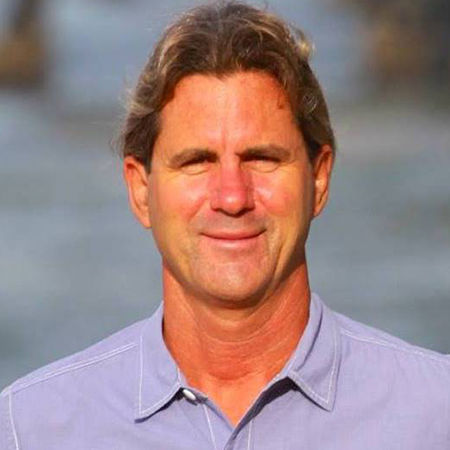
Joseph Johnson Jr., Dean, College of Education, San Diego State University
17 Big Ideas for 2017

17 Big Ideas for 2017

When the recession hit in 2008, many of San Diego County’s 42 school districts hired fewer teachers, and made layoffs when budget cuts got worse. That meant fewer students considered a career in teaching, fewer new teachers were going into the system, and the average age of teachers increased. We’re feeling the ripple effect now, as the number of teachers across the county currently eligible to retire is in the thousands. SDSU Dean Joseph Johnson Jr. warns, “If we’re not building a strong pipeline of new, high-quality teachers, then we’re not serving our children well.”

His College of Education is ramping up efforts to recruit future teachers. One such effort is The Compact for Success, a partnership with the Sweetwater Union High School District. Sweetwater has the largest student body population of any high school district in the state, and any grad who meets certain rigorous academic criteria is guaranteed a place at SDSU.

In 2015, Sweetwater took it full circle: Former students pursuing a teaching credential in certain high-need subjects at SDSU are guaranteed a teaching job back in Sweetwater schools. “They’re looking at their numbers of potential retirees and they’re quite confident they will have vacancies, especially in math, science, and special education.” One stumbling block, however, was the fifth year of schooling required for students to get a credential. “For many students, paying for that extra year would be between difficult and impossible.”

Enter the RISE Scholarship: Return, Inspire, and become a Sweetwater Educator. SDSU has received a grant from the California Commission on Teacher Credentialing to develop programs that would allow students to earn their bachelor’s degree and teaching credential in four years. That will make the teaching profession more attractive and speed up the flow of new teachers entering the system.

Let’s give women the opportunity to have careers that are supportive of motherhood.

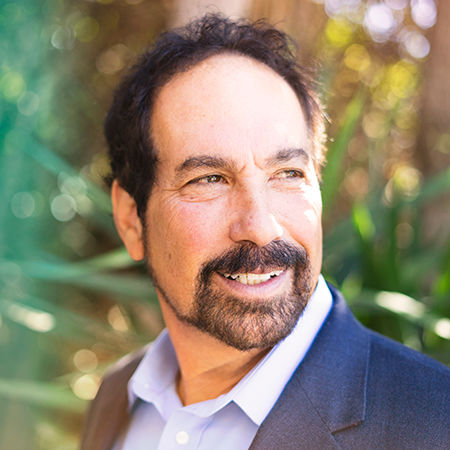
Lisa Druxman, Founder, Fit4Mom

17 Big Ideas for 2017

17 Big Ideas for 2017

“You’re not supposed to take a puppy away from its mom for at least eight weeks. Yet we expect moms to go back to work after just six,” says Lisa Druxman, SDSU grad and mompreneur. Even worse, a quarter of employed American mothers return to work within two weeks of giving birth. While some companies’ policies fly under the radar, that doesn’t work for a mother-centric business like Druxman’s.

In 2001, the fitness pro founded Stroller Strides in San Diego and began franchising nationwide a few years later. She has since written a book and expanded her business to include pre- and postnatal fitness. “We’re trying to build a business for motherhood, not despite it,” she says.

Druxman believes more companies should give freedoms to not just working moms, but parents and individuals in general. She allows most of the employees at her San Elijo Hills–based company Fit4Mom to work 30 hours a week and from home when they want to, as long as 70 percent of their hours fall during traditional work time.

“I don’t think I’ve had an employee work nine to five in the last 15 years.” Fit4Mom has unlimited PTO and mandatory “Unplug Days.” “When you’re managing mainly moms, you spend so much time going, ‘Okay, you took half a day because your kid was sick or you had a doctor’s appointment’—but I don’t care. You are going to take what you need, so take what you need.”

She communicates with remote employees via Skype or Facebook’s Workplace feature. “I connect to a person who’s downstairs in my office the same way I connect with someone in Chattanooga.” She teaches employees time-budgeting and productivity hacks. She also recommends San Diego employers ask their workers what their ideal schedule would be. “If they have a better quality of life, they won’t jump to another job so fast. Even if someone’s able to offer a higher salary—let me tell you, there are way more important things than money.”

Let’s aid minorities and women in the Middle East and mentor young refugees.

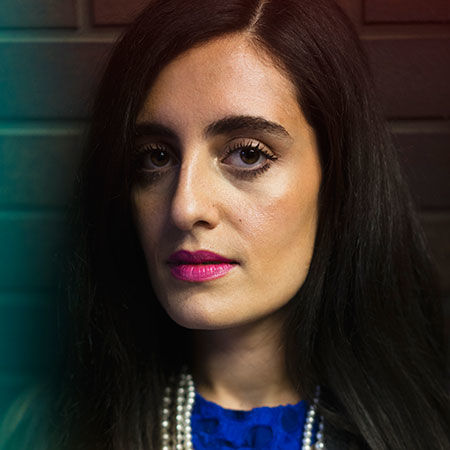
Jacqueline Isaac, Attorney at Law and Vice President, Roads of Success
17 Big Ideas for 2017

17 Big Ideas for 2017

Jacqueline Isaac was born and raised in L.A., but moved to Egypt with her family at 13. “It was really difficult,” she says. “I had to learn what it was like to be a woman, a Christian, and American—all odds were against me.” At 15, she returned to the U.S. to go to college in Orange County, and four years later she was back in Egypt on her first humanitarian project, speaking out against female genital mutilation and child marriage. She went to law school at USD, but began making humanitarian aid trips to Jordan and, when ISIS arose, to Iraq.

During one mission, she started to wonder what she could do about the psychological deterioration of the children she met, and she soon founded a mentorship program under her mom’s SoCal-based humanitarian NGO Roads of Success, where Isaac serves as vice president. “There are so many refugees coming to San Diego; these kids have seen so much, and then they have to deal with the language barrier, the culture shock, and getting bullied—they can become good or they can become gang members and terrorists because of the trauma. It’s really dangerous if they don’t have the right mentorship.”

As part of the program, a San Diegan pairs with one refugee from Iraq and helps them integrate. The pairings are strategic—an aspiring dentist will be matched with a local dentist, for example. “We want them to feel like leaders, not victims,” Isaac says. “We are not going to let this generation be lost.”

A second program helps teenage refugees who have fled ISIS and now live in Iraqi camps. Tech Over Trauma currently connects 32 girls with mentorship, counseling, education, and English lessons via the internet. Donors can “adopt a girl,” providing a computer and internet subscription.

In between her trips to the Middle East, Isaac has testified in front of Congress, which voted unanimously to declare the ISIS situation a genocide; the U.K. has done the same, and she’s currently trying to pass a genocide resolution at the United Nations Security Council that declares genocide has occurred against Christians, Yazidis, and other minorities (making it possible to prosecute ISIS for the crime of genocide).

In the meantime, she continues a container program she began when the refugee crisis broke out, collecting shoes, blankets, and other supplies to the Middle East (Prince Mired of Jordan sponsored the first shipment). San Diegans have helped fill and send thirteen 40-foot containers since 2012, and Isaac’s goal is to ship one every month.

Let’s use restorative justice to keep teens out of prison.

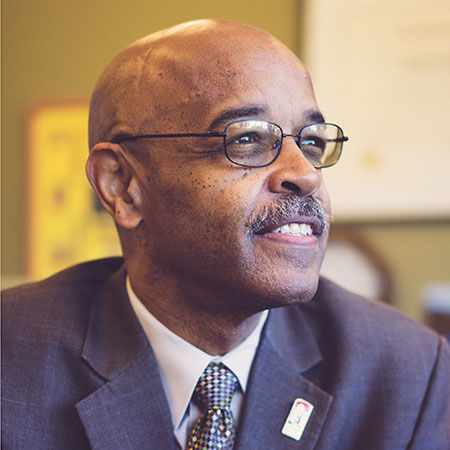
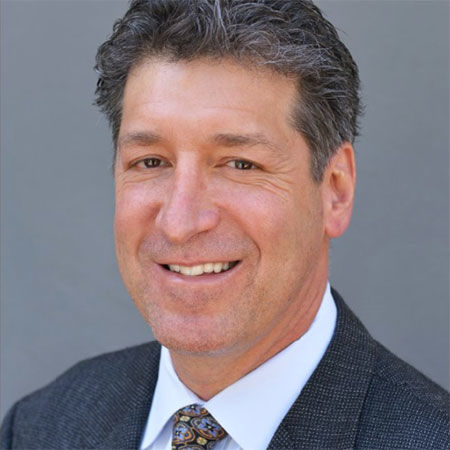
Steven P. Dinkin, President, National Conflict Resolution Center
17 Big Ideas for 2017

17 Big Ideas for 2017

Steven Dinkin launched the National Conflict Resolution Center (NCRC) in 2003, and today it has a novel partnership with San Diego’s law enforcement agencies. If a youth is charged with a misdemeanor or felony and admits to wrongdoing, they can go through NCRC’s restorative community conference program, which includes a sit-down dialogue with the victim, their relatives, and other members of the community affected by the crime.

Together, they come up with an action plan, usually involving an apology, restitution, and/or community service. If everything is carried out, the justice system agrees to drop charges. It sets kids on the right path and saves taxpayers money: The estimated average cost to prosecute and incarcerate a youth is $113,500, versus $6,000 to participate in the restorative program. “In the punitive justice system, you can’t be proactive or be empowered to work toward a solution,” Dinkin explains. “But that’s what creates empathy and compassion and true change. That’s what really alters the behavior going forward.”

Dinkin tells the story of a boy who was succeeding in school and dreamed of joining the military. But while he was out with a group of kids in a big box retail store, he stole a camera. Because of the camera’s value, the crime was considered a felony, which would’ve prevented him from ever joining the military. However, through restorative justice, the boy came to understand the consequences of his behavior, the cost of heightened surveillance at the store, and the impact on the employees. He apologized to the managers as part of his accountability plan and is now back on a solid path to success.

Two years ago, the NCRC began working with San Diego Unified School District. Instead of using the zero tolerance disciplinary system, under which the youth would be suspended or expelled from school, they start a dialogue with teachers, staff, school police, family, and others so that the student can remain in class and avoid the school-to-prison pipeline.

In fall 2016, the NCRC opened its first Center for Community Cohesion in Southeast San Diego and plans to open more throughout the country. The center trains people in inclusive communication and informal mediation and helps neighbors navigate cultural and political differences. NCRC is also rolling out programs for building campus stability at community colleges and universities, and training thousands of San Diego County government employees. “We’re the only organization in the nation that works at all levels of society, from the family to the community to government, and on a national scale. I’m very sanguine that we’re going to continue to see significant change in the future.”

Let’s integrate wellness programs into all communities, particularly in low-income areas.

Serge Dedina, Mayor, Imperial Beach

17 Big Ideas for 2017

17 Big Ideas for 2017

After attending the 2015 Global Wellness Summit in Mexico City, Serge Dedina, environmentalist, activist, PhD, and author, led the charge in making Imperial Beach one of the first U.S. cities to celebrate Global Wellness Day the following year. “We brought together everyone—Stroller Stride moms, CrossFit gyms, military families, yoga studios, surfers, seniors, and everyday residents—around the idea of being healthy, happy, and celebrating wellness,” he says.

Since then, the city has added more athletic events to its annual calendar, transformed garbage-filled parking lots into community work and health centers, beautified open spaces like People’s Park, supported new yoga and CrossFit studios, and given residents more access to art, music, and nature (tearing down those chain-link fences!). A new partnership with SDSU’s Arts Alive program and the Port of San Diego brought the Symphony by the Sea to IB, Pier South Resort hosted a Latin Jazz Summer Concert Series, and Switchfoot played a free concert on the pier for 10,000 people. “Regardless of income level or residence, everyone should have a right to a high quality of life.”

Let’s use greater advocacy to bring sporting events to our city.

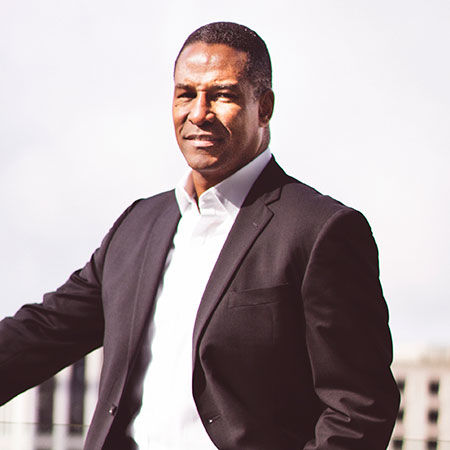
Henry Ford, Senior Vice President, Fox Sports West
17 Big Ideas for 2017

17 Big Ideas for 2017

“Why does Indianapolis do such a good job of attracting high-profile events over San Diego?” Henry Ford asks. “Their sports commission makes Indianapolis look like the place to be in the middle of winter.” Hosting events such as basketball’s Final Four can be a huge financial boon to the local economy. Ford, a former board member of the Greater Cleveland Sports Commission, describes a very active, well-funded group that flies to other states advocating for Cleveland and soliciting business. In other cities, “There’s a sense that we need to go out and sell our community, sell our facilities, sell our readiness for these events.”

And if last summer’s MLB All-Star game was any indication, San Diego has many advantages beyond just the great weather. Ford says San Diego was perfect for the big event, in part because fans could take a cab from the airport and never get in a car again. “We do conventions and events very, very well,” he says, “oftentimes much faster than other cities.

The Padres’ ownership and the city had 18 months to pull together the All-Star Game, where most communities have more than four years.” So why not better organize the push for attracting more sporting events? Let’s play hard ball! (Editor’s note: We could start with an updated, attractive web presence. Currently, The San Diego International Sports Council still ranks on Google search pages, but has an outdated site that lists the Buick Invitational among the city’s annual events. It was renamed the Farmers Insurance Open years ago. The San Diego Sports Commission site also features a 2014 golf event. Time for a refresh—and maybe an Instagram account.)

Let’s develop more affordable drugs.

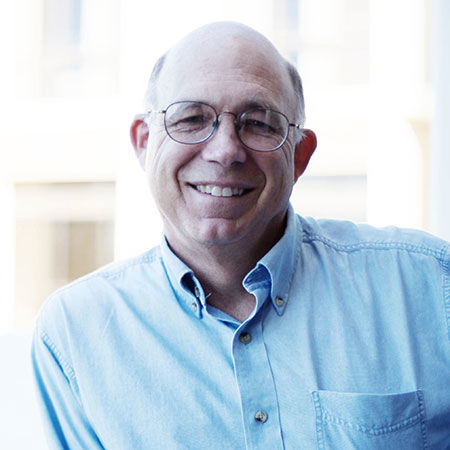
Pete Schultz, President, The Scripps Research Institute and California Institute for Biomedical Research
17 Big Ideas for 2017

17 Big Ideas for 2017

John Dole

What if you could combine basic science, translational research, and drug discovery under one roof, and do it in the not-for-profit sector? If revenues from drugs went to fund more research instead of going back into investors’ pockets? What if a drug could go from research bench to bedside in six years, rather than twenty, cutting costs of clinical trial phases and lowering the price of the medicine? Dr. Pete Schultz may have found a way to do it all.

As president of both The Scripps Research Institute (TSRI) and California Institute for Biomedical Research (Calibr), he is creating a partnership that, while just a few months old, is already preparing ten programs for human clinical trials. “That’s really quite rare, for a not-for-profit to move molecules all the way from inception to actually giving new drugs to patients,” he says.

With funding from the Gates Foundation, they have a potential treatment for childhood diarrhea, one of the leading killers in developing nations. Another may stop the transmission of viruses like Ebola, Marburg, and Zika. There’s also an ongoing regenerative medicine project for osteoarthritis, as well as programs for multiple sclerosis, prostate cancer, fibrosis, and chronic heart failure. TSRI and Calibr maintain partnerships with foundations as well as the biotech and pharmaceutical industries because it takes significant resources to develop a drug, and for-profit companies often sponsor research phases.

But if they’re quick, efficient, and experience fewer failures, the savings can be anywhere from tens to hundreds of millions per drug. Schultz recently met with medical school deans from Harvard, Penn, and other prominent institutions who are all trying to do the same thing within their universities, starting from scratch. Schultz says that without the infrastructure, technologies, and direct experience, it’s extremely difficult to do.

“What’s unique about this partnership is that we’re marrying two existing highly productive organizations,” Schultz says. Calibr will be a corporation under TSRI, and someday, he believes, adding a genomic medicine institute will create a plural: The Scripps Research Institutes.

Let’s make San Diego the capital of socially responsible businesses.

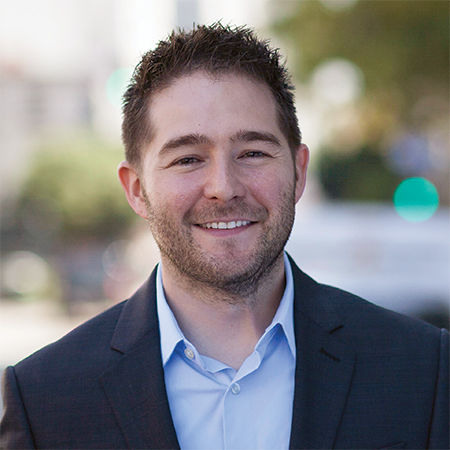
Jay Buys, CoFounder and CEO, Visceral
17 Big Ideas for 2017

17 Big Ideas for 2017

Good things come in small packages: Downtown digital agency Visceral has just seven employees, yet in 2016, the company paid 60 percent of everyone’s health care premiums. This year, they’re paying 70 percent. “We won’t stop until we can afford to pay it all,” says company cofounder Jason Buys. Treating employees well is just one part of what it takes to qualify as a B Corp by the nonprofit B Lab.

In addition to employee care, B Corps are determined by environmental impact, social accountability, and more. In practicing what they call “conscious capitalism,” Visceral seeks clients that are “mission-driven organizations” committed to doing good work, and Visceral promotes its own employees’ volunteer time and resources throughout San Diego. “Essentially, it’s a business framework for all of the things we already value in society.”

With cofounder Matthew Billingsley, Buys recently published Repurpose: Be Good at What You Do & Do Something Good, about finding a career path that has purpose and meaning. He says that although there are 2,000 certified B Corps in the world, San Diego has fewer than 20, and he hopes the number will grow. “There’s so much entrepreneurship here—turning all our businesses into B Corps would make San Diego a model of what a modern, progressive city can be.

Let’s ask the public to decide how we use our ocean.

Jason Giffen, Assistant Vice President, Port of San Diego (left)

Job Nelson, Assistant Vice President, Port of San Diego
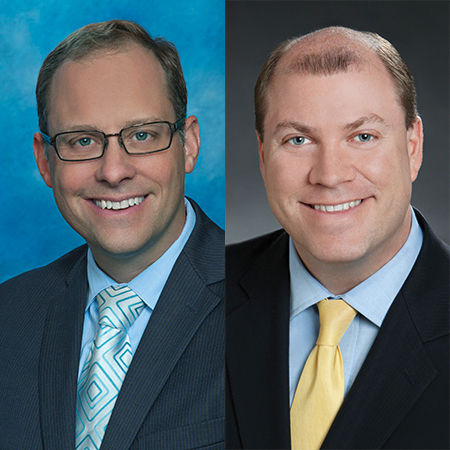
For the first time in history, the State Lands Commission is partnering with the Port of San Diego to study and plan for the health of our waters. “In the years to come, we’re going to see a number of increasing pressures on the ocean, whether it be sea level rise, overfishing, or wanting to use the ocean for things like renewable energy or mining,” Job Nelson says. Hence a collaborative effort to come up with a meaningful plan. The first phase will involve asking the Navy, commercial and sports fishermen, the environmental community, the blue tech industry, and the general public how we should address the future of our waters.

Deciding on the scope of the assessment is the first step. The State Lands Commission’s jurisdiction extends three miles from the shore for the entire California coast, so the study could include the Tijuana River Valley all the way up to Oceanside, but will most likely look at a smaller area. The next step is a formalized planning process.

“Land use and most of what is built on land is highly regulated,” Jason Giffen says. “When you think about the ocean, there’s a lot more opportunity to start more or less from ground zero. We’re going to really think about how we can synergize different uses in a way that creates harmony.”

For example: Nelson often fields calls from people looking to test unmanned marine vessels, but they don’t know whom to ask or where to do it. “I want to make sure we’re allowing new companies to develop by testing their technologies, but doing it in a safe and secure way that’s not going to do any lasting harm,” he says. “We see the ocean as a resource as well as a laboratory.”

Let’s implement more school counseling programs.

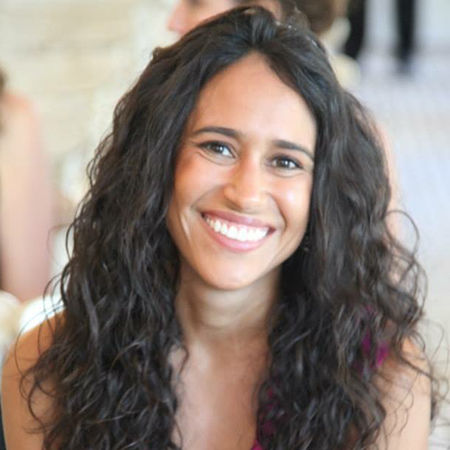
Danielle Duarte, Director of Professional Development, Hatching Results
17 Big Ideas for 2017

17 Big Ideas for 2017

California’s counselor-to-student ratio ranks second to last in the nation. The American School Counselor Association recommends a ratio of one counselor to 250 students, but California has an average of one to 822.

Our kids are missing out. A well-trained school counselor visits classrooms to teach skills for academic success, help with college and career readiness, and provide support for social and emotional learning. A sample lesson might be on respect and anti-bullying, or about how to check grades online and why they are important.

“A lot of people don’t see the positive impact a school counselor can make,” says Danielle Duarte, former president of the California Association of School Counselors, who currently teaches part-time at SDSU’s Department of Counseling & School Psychology. A good school counselor can also identify problems at home and even play an essential, life-saving role: According to the CDC, the suicide rate of middle school students, ages 10 to 14, doubled between 2007 and 2014. In fact, a middle schooler is more likely to die by suicide than by car accident. Helping a child feel supported and connected to school is not only good for the child but good for the school, reducing chronic absenteeism.

“The state’s education code says a school district may provide a comprehensive educational counseling program,” she says. “My big wish would be for a shall instead of a may.” Along with that, she insists, the counselors must be well-trained, implement a comprehensive program, and show positive results such as improved attendance records, increased college admissions, or a reduction in behavior referrals. “A study by professors at UC Davis and Texas A&M showed that hiring a counselor is equally effective as hiring another teacher to reduce class size.”

Let’s address childhood stress in school curricula.

Brian Alman, Psychologist and Author

17 Big Ideas for 2017

17 Big Ideas for 2017

After firsthand experience with his own daughter, Dr. Brian Alman, a wellness consultant at Kaiser and therapist to CEOs, rock stars, and athletes, turned his focus to childhood stress resulting from peer pressure, cyberbullying, competition, and more. “Kids are bombarded with negative energy, as we all know how overly critical and cruel they can be to each other. And truthfully, most parents don’t have any idea about the amount of daily stress their kids are experiencing.” In 2015, 25 percent of U.S. teens had suffered from an anxiety disorder.

Alman has penned seven books, including Less Stress for Kids, which gives children hands-on techniques to counteract the abundance of these challenges. He’s also developed a year-long curriculum—which includes stress management tools like visualization, relaxation techniques, positive self-talk practices, creative games, and drum circles—which has already been implemented in two Encinitas private schools. Alman envisions the program becoming accessible to all schools in San Diego County. To his credit, Stedman Graham (Oprah’s beau!) has championed the program in Chicago schools as well.

Let’s make it possible to live in Little Italy for $1,500 per month.

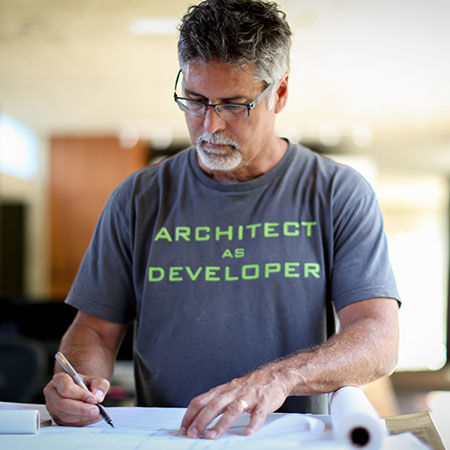
Jonathan Segal, FAIA, Architect and Developer
17 Big Ideas for 2017

17 Big Ideas for 2017

Architect Jonathan Segal, the brains behind the North Parker and Hillcrest’s Mr. Robinson building, wants more “efficiency unit lofts,” a sexier term for workforce housing (not to be confused with affordable housing). The building at Columbia and Cedar—which he hopes to get approval on early this year and move-in ready within six months—would have 35 600-square-foot units, each with built-in cabinetry and a fold-out bed—no furniture required—and a 6 by 10′ deck.

The catch? Zero parking. He wants the bartenders and store clerks who work in Little Italy to be able to live in the same community and walk to their jobs, rather than commute in. To legally forgo parking, he’ll provide four affordable housing units ($600 per month rent). “Nine parking spaces are required for a project like this and we’re saying we want none. Zero.”

His agenda isn’t to demand people get rid of their cars. “My intention is to provide housing that hopefully, by design, will attract people that don’t have a car or that work in the area.” Not owning a car brings expenses down for both developer and tenant, in addition to being better for the environment and easing traffic. Currently, the average rent for a one-bedroom apartment in Little Italy is $2,000, while 46 percent of millennials don’t even have a driver’s license.

Segal thinks workforce housing is the way of the future. Good candidates for this type of development are North Park, Barrio Logan, around Morena Boulevard, our university areas, and anywhere near mass transit.

“I am trying to change the planning code to allow developers to build workforce housing anywhere the zoning allows medium to high density,” he says. “I want to build workforce housing by right, with no community involvement.” But he’s facing “tremendous pushback” from the NIMBYs. “The residents don’t understand. It’s a sophisticated thing to make a city right, and leaving it up to the community doesn’t accomplish anything other than delaying a project. It’s extortion and a waste of time.”

To that end, he is educating people through his lecture series, Masters of a Generation, which raises awareness of good design in San Diego. Top architects in the nation participate; this month’s dates are January 13 and 20.

Let’s make our binational region a hub for social innovation.

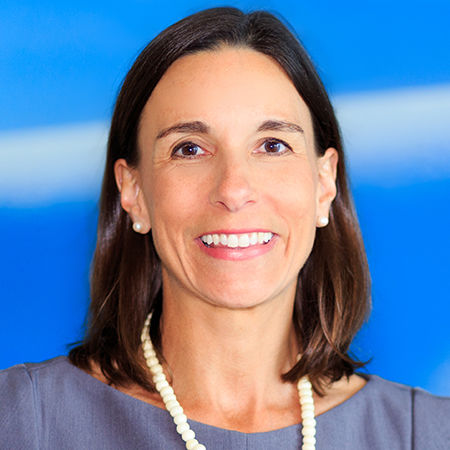
Patricia Márquez, Dean, Joan B. Kroc School of Peace Studies, University of San Diego
17 Big Ideas for 2017

17 Big Ideas for 2017

In the same way we might look at a piece of art from several angles, Dean Patricia Márquez wants us to look at social issues from more than one angle and come up with new solutions. “We can do all the policy making and urban planning, we can create more nonprofits, but we’re still using the same logic to approach homelessness, inequity in the educational system, gender differences, and racial tensions,” she says.

As an example of social innovation, she cites a European organization that hosts soccer matches for homeless people. “It’s not just creating awareness of homelessness,” she says. “It’s giving a sense of integration. Does it solve that problem entirely? No, but is it something that is changing a dynamic and social relations and the way the community looks at the homeless? Yes. That’s the kind of thing that I want to nurture in San Diego.” Take our city’s large population of refugees—they’ve moved from a rural community to an urban one. Márquez suggests working with owners of abandoned lots to allow refugees from different areas to connect through urban agriculture.

How do we execute so many ideas? Márquez suggests developing a culture of empathy and problem solving early on. The next generation, she says, “Won’t just learn two plus two, but begin to see at an early age that math can contribute to solving the problems in our own community.”

As an educator, she’s giving students not just from USD, but all the universities here, including Tijuana, access to mentoring and advice for creating an org and getting funding. And this fall, she’s launching the new Master of Arts in Social Innovation (MASI) program. “It’s not just [talking about] how to change the world. We’re saying, ‘If you have those ideas, show us.’ Remember, solving people’s problems is not about being in an office with A/C. If we develop a generation who is hungry to see that they can contribute while making a living, then I think it’s a different story in the 21st century. I want to be part of that story.”

Let’s create more artist-in-residence programs and make arts more than a one-night event.

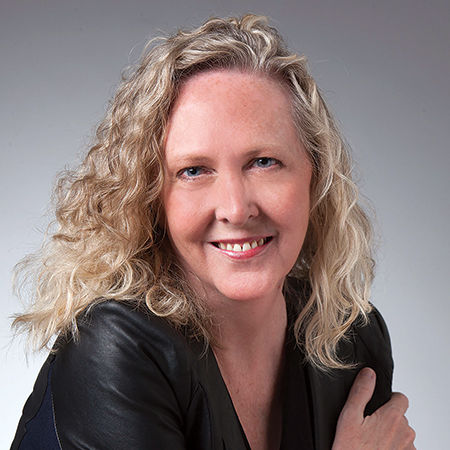
Kristin Lancino, President and Artistic Director, La Jolla Music Society
17 Big Ideas for 2017

17 Big Ideas for 2017

Kristin Lancino arrived in San Diego armed with more than 30 years of experience at various arts institutions, including New York’s Carnegie Hall, where she witnessed firsthand what can be accomplished with enough community support. At La Jolla Music Society, she’s been tasked with the once-in-a-lifetime opportunity of building and developing programming for the new Conrad Prebys Performing Arts Center, aka The Conrad, set to open in 2018.

The new 49,000-square-foot venue will house a 500-seat concert hall and a smaller multipurpose space. But for Lancino, it’s not just about attracting big names and limited engagements. “We want to bring in artists not just for a one-night slice. We want to invite them to come and stay awhile,” she says. “It’s about frameworking specific artists to be artists in residence.” Her mission is to put creativity and imagination at the forefront of every program they present, which means showcasing new music and choreography as well as hosting workshops and other educational classes.

Lancino has a list of potential ways to engage the creative process, such as displaying children’s artwork in the lobby. Or how about a “petting zoo” in the courtyard, where kids can touch every instrument from the orchestra and hear how it sounds? She also knows composers who could teach fifth graders to compose something original after spending just an hour with them. Construction on the new center is slated to begin this month. “When you’re digging, it’s fertile ground, and we have fertile ideas.”

Let’s put the hospitality back in hospitals.

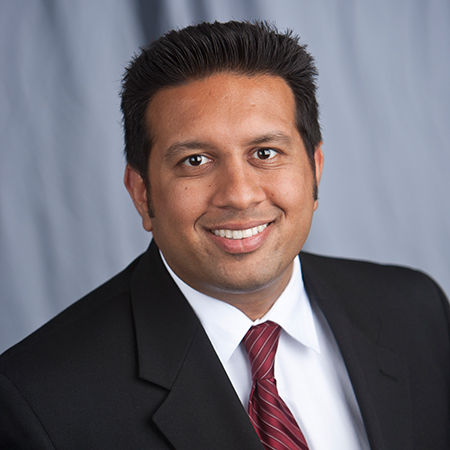
Neerav Jadeja, Hospital Administrator, Paradise Valley Hospital
17 Big Ideas for 2017

17 Big Ideas for 2017

Towels shaped like animals, ceilings painted like the sky, and seashell-shaped soaps—in some ways, Paradise Valley Hospital’s new San Diego Spine & Joint Center could double as a seaside resort. There’s also a newspaper at every door and an orchid for each patient (or “client”) as they leave. “Staying in a hospital shouldn’t be like entering the prison system—the admissions, ugly uniforms, and bad food,” Neerav Jadeja says.

Clients don’t have to wear hospital gowns, which he calls “demeaning—a psychological barrier.” They’re also given all the tools to recover, such as a pre-op class and group therapy. A friend or relative is encouraged to be a “coach” at physical therapy. And if something is unsatisfactory, well, the hospital leadership does the rounds.

It’s quite forward thinking for a hospital founded in 1904. In 2007, the National City institution was struggling to keep its doors open, losing $1.5 million a month. Then Prime Healthcare bought it. When Jadeja joined four years later, he helped turn it around, and now plans to rethink other departments. With that kind of success, it’s no wonder he says he “works in paradise.”

Let’s make San Diego the leading city for sustainable seafood.

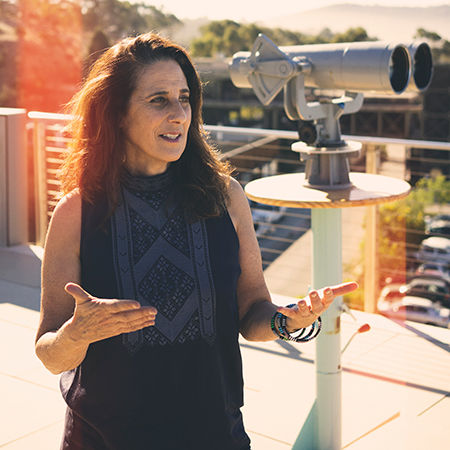
Sarah Mesnick, Ecologist, Southwest Fisheries Science Center, NOAA Fisheries
17 Big Ideas for 2017

17 Big Ideas for 2017

San Diego is uniquely positioned to lead the sustainable seafood movement, safeguarding the ocean and our high standards of cuisine at the same time. “We have all the right ingredients,” Sarah Mesnick says. “World-class marine scientists, talented fishermen, knowledgeable markets, award-winning chefs, and educated consumers who understand the value of a healthy, sustainably sourced seafood supply.”

She believes that we need this fusion of insights to create a long-term vision for the future of fish, fisheries, and seafood. She points to cross-industry, ocean-to-table events for sharing ideas over supper with “people who work on the water, with scientific data, and with dinner.” And they are looking into a partnership with Scripps where chefs and biologists can learn directly from one another in the kitchen.

“What makes us different from other coastal cities with rich seafood cultures is that we’re also home to hundreds of the world’s best fisheries, scientists, oceanographers, marine resource economists, ecologists, and climate experts.” This pool of talent informs sustainable management of ocean resources, so they, too, contribute to healthy fisheries in the long term. “We who live in San Diego may not realize it,” Mesnick says, “but we are emerging as a sustainable seafood model for the rest of the world.”

Let’s organize sporting events for disabled veterans.

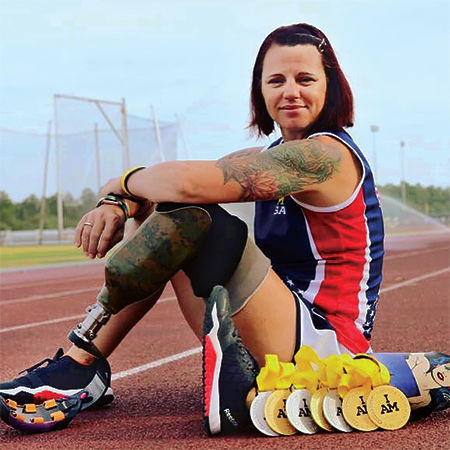
Sarah Rudder, U.S. Marine Corps Veteran; Gold Medalist, Invictus Games 2016
17 Big Ideas for 2017

17 Big Ideas for 2017

After a traumatic car accident and subsequent injuries from serving as a first responder at the Pentagon on 9/11, USMC veteran Sarah Rudder has encountered problems with her brain, leg, shoulder, and more. She underwent five unsuccessful surgeries before having her leg amputated in 2014.

A year later, she began running. “It’s really hard for an amputee to run,” she says. “Depending on how high the amputation is, we use anywhere from 30 to 70 percent more energy.” Still, she threw herself into all kinds of sports. A highly competitive athlete, she entered the Warrior Games and, based on her performance, qualified to be part of Team USA at the 2016 Invictus Games.

There, she competed in shot put, discus, running, and rowing, taking home seven medals. Rudder was the first American to win gold, the MVP, and the most decorated participant out of all 14 nations at the games. Now she runs four miles a day and trains in sprinting; she has just one second to lose in order to make the Paralympian team.

Rudder also mentors and raises money for disabled troops. She volunteers for Walking Wounded, Ampower, Semper Fi Fund, the Bob Woodruff Foundation, and Walking with the Wounded. She loves athletics, and insists that getting to games is a major challenge for any vet with visible or invisible injuries. “For veterans with the same disabilities to be able to get together and not have to explain where we’ve been or anything… that would be something. And having that competitive nature is also a plus.”

San Diego County is home to about 236,000 veterans, roughly 10 percent of the population, and the third highest population in the country. Rudder sees a need for an organization where volunteers help organize events in the region, find sponsors, transport vets, and most importantly, keep them updated. “We have to research all that on our own. It’s really difficult, especially for people with brain injuries.” She explains that her brain injury causes migraines, short-term memory loss (to the point that her husband sets multiple reminders a day on her calendar), occasional confusion, and more.

But none of that weakens her desire to compete. “It’s an amazing feeling to be able to get back into the world. When I compete, I might be running for 15 seconds or 30, but for that specific time, I think about nothing, and that right there is worth every second.”

17 Big Ideas for 2017

Subscribe to our newsletters

Select Options

By subscribing you confirm that you agree with our Terms and Conditions and Privacy Policy.

Everything SD JULY 15, 2026

He Saved an Encinitas Landmark Then Built a New One

After Captain Keno's closed, pro surfer Benji Weatherley gave its tables, dishes, and memories a second life at Breakers Cafe Bar & Grill

He Saved an Encinitas Landmark Then Built a New One
Photo Credit: Matt Furman

Captain Keno’s No. 8 special—pancakes, sausage, toast, home fries, and eggs for $2.99—was the fuel that powered Benji Weatherley for surf competitions as a teenage pro. A couple decades later, tears were shed when the Coast Highway dive-slash-eatery called it a day after 54 years. Usually, the guts of a shuttered restaurant go to liquidation auctions or straight to the dump to decompose along with its legend. Instead, Weatherley took in Keno’s spare parts—plus other relics from Encinitas’ past—and used them to build the newest community hangout.

Every single piece in the place is from somewhere in this town,” Weatherley says about Breakers Cafe Bar & Grill. “I’m not going to settle for anything less.”

Breakers is a Hawaiian hideout in an uncool part of the coastal surf town, but it’s got the set design of an Encinitas superfan. The plates, silverware, and coffee mugs are from Keno’s. So are the tables and booths. There’s a bench made from the last table preserved in The Derby House (a building that, for over a century, was a hotel, then became a hospital, a religious retreat, and a private home). Weatherley’s not performing CPR on old upholstery because he’s a fan of antique furniture. It’s a method to bring people together.

“Representing nostalgia in this town is the only way to grasp a hold of the community,” Weatherley says. “Everyone wants to touch and feel something different from what they’re experiencing on their phones.”

Photo Credit: Matt Furman

Every week, locals bring him photos, artifacts, and bits of paraphernalia from Encinitas’ past and ask Weatherley to give them a new home. “I’ve had ladies who were there when [Captain Keno’s] opened cry in my arms and say, ‘This table is where I had my second birthday with my grandma,’” he says. “They tell me these stories, and I tell them I have all the same stories about my mom.” (Weatherley’s mom first brought him to Keno’s and helped raise the young surfers from the Momentum Generation documentary—Weatherley, Taylor Steele, Rob Machado, Kelly Slater, etc.—as they surfed some of the world’s most dangerous waves at Pipeline in Hawaii. Back then, she owned Breakers Restaurant & Bar in Haleiwa. Name sound familiar?)

Weatherley has always been the funniest man in the room. He calls Breakers “the Chuck E. Cheese of Encinitas.” The restaurant hosts hula dancing classes, open-mic comedy nights, and evenings bartended by longtime Captain Keno’s barkeep Vaka Kaufusi. Cult-loved reggae band Steel Pulse hit the Breakers stage recently to perform a new song that Weatherley also helped write. His longtime friend Jack Johnson has dropped by to sing a few, too.

Despite not having a fancy location along the 101, people are catching on. Fire stations and hospitals have held staff parties there. Weatherley also currently sponsors four sports teams.

“Last night, I had a girl say, ‘I want my birthday party at Breakers,’” he says. “That, to me, is community in a nutshell.”

Emma Veidt

About Emma Veidt

Emma Veidt is an editor at San Diego Magazine. She earned her bachelor's and master's degrees from the Missouri School of Journalism. She loves running, hiking, and rock climbing, but really, she mostly loves encounters with the street cats around North Park.

Arts & Culture JULY 13, 2026

How Scrojo Became One of Rock’s Most Prolific Poster Artists

The San Diego designer has created more than 3,000 concert posters over nearly 40 years for artists including the Rolling Stones and the Red Hot Chili Peppers

How Scrojo Became One of Rock’s Most Prolific Poster Artists
Courtesy of Scrojo

Let’s start with his name.

No, not his birth name, Craig McKenzie Haskett.

Scrojo.

When he was in high school, he and his friends were trying to come up with the perfect name for their punk band that would encapsulate all their personas. Nicaragua. The Freds.

One of his friends said he was going to go by Jimmy Stacks and called it “the perfect rock and roll name.” Their names changed so much that Haskett erupted: “Fine, I’m f—ing Scrotum Joe, the true defender of the Open West.”

Their response: Wow, that’s a great name.

As a teenager, he drew chalkboards for Del Mar’s Pannikin coffee shop and would design T-shirts for surf/skate brand Life’s a Beach. He signed the shirts with his moniker, but even in punk rebellion, who wants a shirt with the words Scrotum Joe on it? “They just cut out the ‘t-u-m,’ and the next thing you know, a client referred to me as that, and it stuck,” he says.

Courtesy of Scrojo

Scrojo could have been part of a band as iconic as The Misfits—had he been able to learn the famously cumbersome bassline to The Kingsmen’s “Louie Louie.” Becoming one of the most renowned concert poster designers—someone who quite literally designed the cover of Art of Modern Rock: The Poster Explosion—is a pretty good Plan B.

“To my knowledge, he’s done more rock posters than anybody else alive,” says Dennis King, whose D. King Gallery in Berkeley, California, serves as one of the largest private rock poster collections in the world. “He’s the hardest-working guy in the poster business.”

King not only co-authored the sequel to music historian Paul Grushkin’s The Art of Rock, but he also handles distribution and sales for all of Scrojo’s work. That’s more than 3,000 different posters over nearly 40 years. (That’s over one poster each week. For four decades straight.)

For anything from boxing matches to rodeos, posters have long been used as promotional items. Toulouse-Lautrec’s famous lithographs advertised Moulin Rouge in the late 1800s. Around the same time, Hatch Show Print in Nashville was making handbills for the Grand Ole Opry.

“I propose this: Cave paintings are the first poster art,” Scrojo says.

Courtesy of Scrojo

Rock and roll posters took off in the 1960s, when the hippie counterculture era replaced conformity and suburbia. Artists like Jimi Hendrix and the Grateful Dead used their vibrant, psychedelic prints as a form of rebellion from the mainstream. Posters were promotional, commemorative, collectible, and especially expressive.

If the name Scrojo is any indication, he doesn’t shy away from imagery that toes the line of being too provocative. He focused more on what inspired him instead of trying to be offensive for the sake of getting attention.

“Didn’t want to show it to my grandmother, but my parents were fine with it,” Scrojo says with a laugh.

“We’ve had to ask him to put a Band-Aid over a nipple every now and then,” says Chris Goldsmith, president of Belly Up Tavern in Solana Beach, where Scrojo started out and hundreds of his posters currently line the walls.

Scrojo spent six weeks at Otis College of Art and Design for a summer semester before drugs, alcohol, and a self-described lack of discipline prevented him from enrolling full time. Still, he taught himself concepts like text hierarchy and later found his niche at the Belly Up and in the surfing and skating world, working with brands like Quiksilver, Rip Curl, Scorpion Bay, and DGK.

His first concert poster was for North County band Borracho y Loco, of which Goldsmith was bass guitarist. Scrojo drew an abstract version of the Belly Up’s iconic shark with colorful calypso and tiki themes.

Early on, he would craft using a pencil, pen, non-reproduction blue pencil, X-Acto knife, rubber knife, and proportion scale to create each poster, and the finished product could take a week or even longer.

Courtesy of Scrojo

“I recommend every artist coming up to do that for like six weeks,” Scrojo says. “It forces you to think about every design decision as you’re going along.”

He has since mastered vector imagery through Adobe Illustrator to the point where, depending on the level of detail needed, he could finish two projects in a day. Still, he fills sketchbook after sketchbook to blueprint.

“I liked his line in particular, and he knows how to draw, which a lot of people don’t really know how to do these days,” King says.

Scrojo would research what each musician’s merchandise looks like to get a feel for each artist’s tone and voice. Once he has his central image in mind, he focuses on what and where to place the text.

He doesn’t have one specific style, ranging his talents from art deco to psychedelic and everything in between (and outside the lines). Want a pop surrealist comic book cartoon devil with splattered paint textures, halftone dot patterns, and pure chaos? Red Hot Chili Peppers, February 1986. Want a minimalist graphic portrait with bold strokes and graffiti text? P!nk, October 2023. Want a carnival sideshow style piece with a tasteful caricature of Jeff Bridges? The Big Lebowski, August 2011.

Scrojo calls himself a jack of all trades because he can create posters for all music genres. King calls him a chameleon for his ability to adapt his voice to new eras.

Courtesy of Scrojo

“The variety of his skillset makes it possible for us to put 50 of his posters on a wall next to each other and have it look compelling, not just a bunch of the same thing over and over,” Goldsmith says.

Some of Scrojo’s favorite posters are when he feels a personal connection to the artist or the album. He has a vivid memory as a child of being trapped in a closet filled with marijuana leaves while playing hide and seek and staring at Jimmy Cliff’s “The Harder They Come” LP. “For whatever reason, as a kid, that sparked a desire to do graphic design,” Scrojo says.

Fast forward to February 2012, Cliff is performing at Belly Up. Scrojo decided to modify Cliff’s original album cover from rainbow gradient fills to classic reggae psychedelia while preserving Cliff’s striped pants and bold hat. Cliff’s manager called him and said they wanted to use it for the rest of their tour.

“We always get artists requesting that he does their posters,” Goldsmith says. “A lot of artists don’t want venues to go all rogue because they want to control how they’re being presented. With him, they’re like, ‘Let him go nuts.’”

Matt Eisenberg is an award-winning writer and photographer based in San Diego. A former ESPN editor, his work has also been published by CNN, Bleacher Report and the New York Daily News.

Guides JULY 6, 2026

6 Perfect Days in North County

We found a handful of inspiring people who live in, and truly know, these 'hoods and asked them how they’d spend their time out and about

6 Perfect Days in North County
Courtesy of Oceanside Museum of Art

Growing up in Carlsbad, I never quite understood why people vacationed there. What, so you want to check out the field where I have soccer practice? Pay my orthodontist a visit? Carlsbad just felt like a town by the beach, no better or worse than any other in the country. It took going to college out of state for me to actually understand just how rare a place like Carlsbad is.

Thanksgiving break my freshman year, my first time coming home after three months in the Midwest, my shoulders dropped. I rolled down the windows and drove to lifeguard tower 37—the hangout magnet for Carlsbad’s youths (and, in the summer, tourists)—and the smells of the ocean woke me right up like smelling salts do. I finally got it.

Carlsbad isn’t just a stopover town on your way to something better. It is the destination. Travel + Leisure named Carlsbad one of the top 50 places around the world to travel in 2026. From the whole globe, the travel magazine picked my home. Sure, we’ve got the Flower Fields and Legoland—but now it’s the smaller ships and indier dreams that are giving it street-level character.

It’s not just Carlsbad, either. People have talked about the “North County bubble” for decades—a force field that prevents its residents from traveling south of the 56. It’s often used derogatorily, and it’s a fairly accurate burn.

For decades, living up in North County meant giving up on culture, or at least culture within close proximity. But now, the main expansion of San Diego culture is happening up north. Central San Diego restaurants have started taking notice and are expanding into the area—spurred no doubt by Oceanside’s food boom and the Jeune et Jolie–Campfire–Wildland–Lilo constellation in Carlsbad. City Heights burger joint Key & Cleaver opened a new spot in Oceanside; the owners of Parc Bistro-Brasserie in Bankers Hill opened Parc Lounge in Rancho Santa Fe. Possibly the strongest market indicator is that Sam Fox—one of the most successful restaurateurs west of the Rockies—has started focusing on North County for his concepts. In 2025, he opened both The Henry in Carlsbad and Culinary Dropout in Del Mar.

For the ultimate insider guide, we found a handful of inspiring people who live and create and truly know six North County neighborhoods—San Marcos, Escondido, Oceanside, Leucadia, Rancho Santa Fe, and Vista—and asked them how they’d spend a dream day out and about in their town.

Courtesy of North City Farmers Market

San Marcos

San Marcos is in full renaissance mode. The biggest story is that the grand North City vision is starting to peek through the scaffolding. It’s essentially the North County Downtown that’s been written in the tea leaves and discussed whenever someone gets stuck in traffic at the 5/805 merge: a 200-acre, pedestrian-friendly, mixed-use face-changer that’s slated for 2,600 homes, 350,000 square feet of retail and restaurants, 250 hotel rooms, and about a million square feet of offices and labs. Its most recent manifestation is 222 North City—a 12-story residential tower with over 450 residences, rooftop garden, pool cabanas, art installations, and almost 20,000 square feet of ground-floor retail (Necessity Coffee, Buona Forchetta, Draft Republic, Milonga Empanadas, and a grocery store anchor on its way).

Which means Restaurant Row is no longer burdened with being the primary caregiver for the hungry or the socially inclined. Patricia Prado-Olmos has watched the city morph during her nearly three-decade tenure at CSUSM, having spent the past six years as the school’s chief community engagement officer. She also just announced her forthcoming retirement at the end of the 2026–2027 school year, so she’ll have even more time to haunt local haunts.

Meet the Local: Patricia Prado-Olmos

Those in the know call the university “Cal State StairMaster” from the Sisyphean amount of stairs on the hillside campus. So, any day at or around CSUSM should start with a homestyle carbo-load (biscuits and gravy) from Mama Kat’s.

“There’s something about this breakfast spot that immediately puts me in a good mood,” she says. Mama Kat’s is also known for its pie (strawberry-rhubarb), which is breakfast if you change your perspective.

After a few hours on campus—with a break to pet the university’s official therapy goldendoodle, Frank, who helps ease finals tremors or apprehension of on-campus stairs—Prado-Olmos will wander into North City, just steps away. She says the almond croissant and coffee at Christophe Rull Patisserie rival Parisian cafés: “It feels like the kind of place you’d stumble across in a much bigger city.”

Rull, a Michelin-trained pastry chef who’s done stints on Netflix (Bake Squad) and Food Network (Super Mega Cakes, Halloween Wars), opened his patisserie last fall. The hype hasn’t cooled off yet: Get there early because the crowds do.

Emma Veidt

About Emma Veidt

Emma Veidt is an editor at San Diego Magazine. She earned her bachelor's and master's degrees from the Missouri School of Journalism. She loves running, hiking, and rock climbing, but really, she mostly loves encounters with the street cats around North Park.

Studio S JULY 7, 2026

Xplosion Box: A Customized Keepsake Your Loved Ones Won’t Forget

A customized memory-filled explosion gift box is a creative way to show someone you care

Xplosion Box: A Customized Keepsake Your Loved Ones Won’t Forget
Hero image – Birthday Explosion Gift Box

Finding a gift that feels truly personal can be surprisingly difficult. In a sea of generic options — flowers, gift cards, candles, and the like — Xplosion Box offers something more lasting: a customized keepsake built around the photos, messages, and memories that matter most. 

Founded by Southern California entrepreneur Jay Vijay, Xplosion Box LLC creates fully customized explosion gift boxes that arrive professionally designed, printed, assembled, and ready to gift. Each box opens layer by layer to reveal personal photos, heartfelt messages, pull-out albums, origami-style photo pockets, and hidden notes, turning a simple gift into an emotional reveal. 

The brand was built for people who want to give something meaningful without spending hours printing photos, cutting paper, folding cardstock, or assembling a DIY project. Customers simply choose a box, upload their favorite photos, add personal messages, and the Xplosion Box team transforms those details into a polished keepsake that feels thoughtful, personal, and beautifully made.

Xplosion Box offers personalized gift boxes for birthdays, anniversaries, weddings, graduations, Mother’s Day, Father’s Day, Valentine’s Day, Christmas, proposals, bridesmaid gifts, long-distance relationships, and thoughtful “just because” moments. 

Customers can choose from flexible customization options starting at $27. The Mini Surprise Box includes 10 photos, three message cards, and one hidden secret note, while the Mega Surprise Box offers a fuller keepsake experience with 40 photos, three message cards, and one hidden secret note. 

What sets Xplosion Box apart is its high level of customization combined with convenience. Filled with personal photos, custom text, decorative details, and layered surprises, each box gives customers the freedom to create a gift that feels one-of-a-kind — without having to make it themselves. 

At its core, Xplosion Box helps people turn favorite photos, stories, and words into something tangible: a keepsake that can be opened, revisited, and remembered long after the occasion has passed. asion has passed.

Partner Content
Everything SD JULY 1, 2026

Editor’s Note, July 2026: Hello Again

New editor Emma Veidt gives an introduction and her ode to the once-sleepy, now slept-on North County

Editor’s Note, July 2026: Hello Again
Courtesy of Visit Oceanside

I am fairly sure they don’t let you graduate from Carlsbad High School without a W-2 from Legoland. Being a Legoland MC (Model Citizen, the employee’s moniker) is a rite of passage for all of us who grew up in North County. If you spent a day at the theme park in the 2010s, I probably pointed you toward the Granny Apple Fries or measured your height at a ride entrance.

And now we meet again. I can still point you to quality fries.

This is my first full issue as the new print editor for San Diego Magazine. But it’s not my first time here: I was an editorial intern for these pages back in 2018 (see photo). To be a part of a constant study of the city, its people, its culture, then finding the most compelling stories and bringing them to life—it was incredibly impactful and solidified my decision to pursue all of this (local, print magazine journalism) as a career. Since my internship, I’ve gotten my bachelor’s and master’s degrees from the Missouri School of Journalism and worked for nearly five years at Backpacker magazine. And I’m back at San Diego Magazine, baby. There’s a real magic to narrating the lives lived and dreams dreamt in the place that built me. I am excited to be a part of building the culture of where I’m from. And, born in Tri-City Medical Center and raised in Carlsbad, I can’t think of any other place than our North County issue for me to make my grand entrance as an editor.

Editor Emma Veidt at San Diego Magazine in 2018

To me, North County isn’t just where I’m from; it’s home. Throughout the years, I have run thousands of miles (I did the math) up and down the 101 between Oceanside and Cardiff. I’ve spent thousands of dollars (an estimation, too painful to do the actual math) on BRCs—beans, rice, and cheese burritos—from Lola’s, Juanita’s, and the late, great Pollos Maria.

The stretch of land between Camp Pendleton and the 56 is easy to love. We’re quieter and a little more zenned out than our lower-latitude neighbors, sure, but we’re neither sleepy nor boring.

Do you think Scrojo, the Belly Up’s punked-out poster artist featured on page 68, could last a day somewhere boring?

What I’ve always loved about North County is that the culture shifts every couple of miles as you reach a new town. For years, the media seemed to cast the realm above the merge as a two-toned monolith: sleepy surf towns to the west, suburbs and country living to the east. The nuance of each section seemed flattened or clumped. I think you’ll see the vastly different cultures of North County in this issue—but all distinctly San Diego. Which is to say a little mellower, fewer airs, come as you are.

It’s hard to imagine that the dusty trails and vibrant, muraled alleyways of Escondido are just miles from the barefoot surfers roaming Leucadia. Even though the SDM editorial staff is made up of two lifelong locals and other longtime residents, we don’t pretend to be the experts on every street. What a good city media company does is find the people who are experts, who have a unique hyper-local perspective—and give them the stage.

So we picked six North County neighborhoods—Oceanside, Vista, San Marcos, Leucadia, Rancho Santa Fe, and Escondido—and reached out to artists, community leaders, business owners, anyone making their neighborhood brighter, and we had them describe their perfect day out and favorite things that give their neighborhoods meaning and culture. These itinerary curators included San Marcos’ Patricia Prado-Olmos, Leucadia’s Jeff Schade, Oceanside’s Aaron Crossland, Escondido’s Suzanne Nicolaisen, Rancho Santa Fe’s Charo Garcia-Acevedo, and Vista’s Steve Glaudini. If there’s anyone who lives and breathes North County, it’s them. Check out their recommendations in our feature on page 56.

This month, we’re also going back in time almost 15 years to the Big Bay Boom. Yes, that meme-ified Fourth of July fireworks show where enough pyrotechnics for a 17-minute show went off at once over San Diego Bay. Content Chief Troy Johnson remembers the day and dug back through the story for a hilarious locals’ take on the big debate: Was it the worst fireworks show of all time, or the greatest? (Page 38.)

Before I leave you to our hard work, a sentimental note. When my parents moved from St. Louis to San Diego in the early ’90s, my mom subscribed to San Diego Magazine to learn about her new neighborhood. Now, over three decades later, I’m here—on this planet and in these pages. I thought about my parents a lot as we worked on this issue. Maybe there are a couple new San Diegans reading this magazine for the first time. Maybe that’s you.

Well then, to both of us, I say, “Welcome.” Let’s do this.

Emma Veidt

About Emma Veidt

Emma Veidt is an editor at San Diego Magazine. She earned her bachelor's and master's degrees from the Missouri School of Journalism. She loves running, hiking, and rock climbing, but really, she mostly loves encounters with the street cats around North Park.

Everything SD JUNE 30, 2026

The Fireworks Disaster That Made San Diego a Legend

Eighteen seconds, one unforgettable mistake, and a Fourth of July story that somehow gets better with age

The Fireworks Disaster That Made San Diego a Legend
Courtesy of The Port of San Diego

There’s a famous video.

“This is insane!” the guy filming it seems to proclaim. “It’s the best fireworks show ever!” a companion confirms, inspiring a debate lasting over a decade.

All told, 7,000 fireworks exploded in the span of 25 seconds over San Diego Bay on July 4, 2012. A Michael Bay amount of unison. $125,000 worth of shells, cakes, Roman candles, and skyrockets had been placed on a barge—enough for 17 minutes of decorative sky flares—and…

Boom.

The sky looked like someone had set a giant Rorschach test on fire. Or as if whatever we all see in our Rorschachs—butterflies, clowns, tongue kissing, dads—was being electrocuted and lifted heavenward, amen. It was shocking how bright it was, how much it sizzled the local cosmos. Could’ve been one of those sci-fi films where a hole is ripped open between warring universes. But angstier, more metal—the work of some methy creator in a sleeveless concert tee.

The sound?

Lou Reed once released an entire album that contained 64 minutes of mindflaying guitar screeches and machine noises. No regular songs, just a fascinating amount of ear distress. His record label reps no doubt heard the melodic outro of their careers, but everyone else was in pain and stumped. That album still sounded better than the bay did that night. The bay sounded like a god who struggled with emotional regulation had blown his speakers and was working through the anger stage of AV grief.

In the left frame of the video, a middle-aged woman is attempting to drag her husband off by the hand. In no way does he want to go, possibly because he had missed the time Roseanne Barr sung the national anthem at a Padres game, simultaneously disemboweling and amusing America through the power of song. He would not willingly abandon an equally worthy San Diego trainwreck.

Another woman in the video appears to have just filled her beer, rushing to sit down for the show. She pauses mid-sit and returns to the full and upright position to properly bear witness. What was supposed to be prolonged entertainment has been so radically shortened that she will have to find another reason to drink. Lucky for her, drinking will be the only way to adequately process.

Locals remember the conspiracy theories. People wondered if the fuses had been tripped by a saboteur who was sympathetic to dogs, fish, or the growing suspicion that late-stage capitalism is a gorgeously branded but impossible dream sustained by remarkably efficient top-tier wealth retention and the soft compliance of fireworks-watchers who can no longer afford a house, a beer, or the personal impacts of human reproduction.

Speaking of being terrified of babies, babies were terrified. The children who witnessed it probably still can’t go near a candle store. But those kids will be tougher, perfectly scarred kids. They’ll write better songs.

That night helped us absolutely dominate the national news cycle. For a hot minute, we became America’s water-skiing squirrel. Now, years later, when you Google “fireworks gone wrong,” San Diego is always a top contender, along with that poor Nebraska family who nearly wiped out a couple generations in their front yard, their minivan somehow turning into a howitzer of recreational TNT.

There is still debate as to whether Big Bay Boom 2012 is the worst or greatest fireworks show of all time. But the advanced parts of civilization arrived at the truth as quickly as the women in the video did. It was undeniably amazing.

First of all, the point of Fourth of July fireworks isn’t “the intricate choreography of sky fire over a guaranteed amount of show time.” It’s about creating a vivid memory shared with some people you like, love, or would like to love.

BBB2012 used large-scale chemical fire to create the ultimate memory.

Sure, some people who iron their jeans subjected their family to a sermon about how San Diego managed to botch America’s birthday like a Disney princess-for-hire who smelled of quite a few Sauvignons.

The rest of us saw how perfectly it nailed the actual feeling of being an American. Because only a miniscule percentage of us bake postcard apple pies where every inch of crust is perfectly laminated like the wood in an Irish bar. Very few of us can paint on par with Picasso. The rest of us—despite truly believing in our America-activated abilities to achieve greatness in almost any field of our choosing—burn pies. We try to paint only to realize it looks like our fine motor skills have entered active death.

That’s why BBB2012 was the most perfectly American fireworks show ever: A wildly ambitious idea galvanized thousands upon thousands of people to both work on it and come to hold a beer and gawk at it, only to have it fail in the most glorious TMZ-level spectacle.

America isn’t about immaculate, storyless wins. It’s about how the framework of a country is solid enough that we can accidentally detonate our entire lives—a few times—and still probably be OK.

No one has America’d quite like San Diego did on that day. It was performance art. Lou Reed’s heart slow-clapped. Any brief municipal embarrassment quickly became a pride of our people. I can only hope the same for the Nebraskan yard family whose Dodge Aerostar became a hyperactive Death Star.

P.S. Local writer Maya Kroth compiled a quite great oral history of that night for Thrillist. The bottom lines for me were—it took nine months to prepare, no one was hurt, and even though the pyrotechnics company tried to zero out the bill, Big Bay Boom founder H. P. “Sandy” Purdon refused and paid them in full. This year will mark the 25th Anniversary of the yearly Big Bay Boom.

Troy Johnson

About Troy Johnson

Troy Johnson is the magazine’s award-winning food writer and humorist, and a long-standing expert on Food Network. His work has been featured on NatGeo, Travel Channel, NPR, and in Food Matters, a textbook of the best American food writing.

Partner Content JULY 10, 2026

Health & Wellness Summer 2026

It’s a Self-Care Summer. Because your best self is our favorite self.

Health & Wellness Summer 2026

If you’re anything like us, it can be easy to get so caught up in taking care of everyone else, that your own needs get lost in the ether. But while this may be a cliché, that doesn’t make it any less true: You can’t give your best self to other people unless you’re taking care of yourself.

Sometimes, that looks like stopping in for your regular acupuncture or chiropractic appointment. Other days, it means giving your body the fresh, organic fuel it needs to truly feel and function at its best. And some other times still, it involves leaving your responsibilities behind for a weekend to pamper yourself at an incredible resort and spa.

Only you can decide what your truly need. We’re just here to help you find the best ways to get it.

Tommy Bahama Miramonte Resort & Spa

Island living meets desert luxury at the Tommy Bahama Miramonte Resort & Spa in Indian Wells. When you step onto the 11-acre property, you’ll be surrounded by sweeping view of the Santa Rosa Mountains with olive trees and fragrant citrus groves decorating the grounds. In other words, everything about this relaxed but refined resort is primed to help you let go of the stress from home and enjoy easy sun-soaked days and gorgeous starry nights.

The rooms blend calming, woven textures with Tommy Bahama’s signature tropical prints and feature private lanais, making it easy unwind the moment you walk in the door. If you book one of the four Villa Suites, you’ll be treated to exclusive Tommy Bahama furniture and unique personal touches to further that feeling of instant ease.

At the award-winning Spa Rosa, the expert team will help reset and recharge your body and mind using methods and rituals inspired by the desert. The 12,000-square-foot retreat includes outdoor soaking pools, eucalyptus steam rooms, and outdoor cabanas, as well as massages, facials, and body masks—all aimed at creating a day dedicated to you. We’re particularly partial to the Day Long Escape, an indulgent all-day affair of CDBs soaks, renewing scrubs, life changing massages, and transformative facials.

Following your treatment, continue the experience with a meal on the patio at Grapefruit Basil. We love the Hamachi Crudo, a light, citrus-forward dish featuring premium yellowtail, house-made ponzu, creamy avocado, and fresh seasonal garnishes.

Whether you’re strolling the gardens, relaxing beside its saltwater pools, or indulging in a restorative treatment, you’ll be able to escape in style and relax in luxury at the Tommy Bahama Miramonte Resort & Spa.

Healcove Chiropractic

There’s no shortage of ways to stay active in San Diego—but if you really want to enjoy everything the city has to offer, you’ve got to make sure you’re giving your body its tune-ups. Enter: Healcove Chiropractic. The board-certified chiropractors and wellness professionals at Healcove are experts at addressing that stage where you’re not injured, exactly, but you’re not at 100%, either. Maybe you’re feeling a bit tense or stressed out. Or it could be that you’re not quite moving the way you want to. Sometimes, it’s just that the accumulation of days, weeks, or even years of daily strain is starting to take a toll. No matter what stage you find yourself at, the Healcove Chiropractic team can provide integrated, preventative care centered on long-term, science-backed approaches that ensure you can always stay active and live the life you want to live pain-free.

This starts by providing truly individualized care. Every patient can expect a thorough 60-minute consultation session that includes a posture and movement screening. This allows the team to develop a completely personalized plan. That plan might include chiropractic care, acupuncture, or massage therapy, as well as functional fitness training, vibration and sound therapy, and Dynamic Neuromuscular Stabilization, a clinical rehabilitation method that retrains the body’s stabilization systems. Whatever the team recommends, you can be sure that it’s tailored to meeting your body’s needs today and the future.

There’s a reason that San Diego Magazine named Healcove the “Best Chiropractor in San Diego”—don’t wait until you’re struggling with an injury to find out why. Book an appointment today for holistic, integrated care that helps ground and heal your body before it reaches a crisis point. 

Juice Holler

West Coast wellness culture meets the community feel of Southern Appalachia at Juice Holler. Juice Holler’s menu consists of made-to-order smoothies and smoothie bowls, as well as grab-and-go cold-pressed juices, wellness shots, salads, and more. It operates from the blissfully simple premise that fueling up with food and drink that’s guilt-free and good your body should be simple, accessible, and, above all else, delicious. And if you haven’t yet made it out to the Encinitas café, which opened just this year, let us be the first to tell you: Juice Holler delivers on each and every of these fronts.

We love the Supercharger smoothie, a mood-lifting and body-fueling option made with banana, almond butter, blue spirulina, maca, grass-fed whey protein, raw cacao nibs, medjool dates, and coconut milk. We’re also partial to the Thrive Alive smoothie bowl, where avocado, mango, sea moss, spirulina, mint, coconut milk, and agave are mixed and topped with coconut, chia seeds, strawberry, mango, and chocolate drizzle. The wellness shots include the Detoxifier, a cleansing blend of kale, cucumber, lemon and spirulina, plus a shot specially designed to fight inflammation (named, fittingly, Anti-Inflammation). Probiotic overnight oats, lemon turmeric bars, and strawberry shortcake chia pudding are other standouts on the grab-and-go menu.

Much of the vibe feels beachy North County chic—think green tile with orange and pink accents, grounded with greenery and natural wood—but Juice Holler founder Kelly Sergott, a longtime Encinitas local, has also enfused the space with her Kentucky roots. In Appalachia, a holler is small valley between hills and mountains, where nature reigns, community is king, and nourishment comes right from the land. At Juice Holler, Sergott has created a holler for the busy modern times, using local ingredients to create a spot for people to come together and enjoy fresh, fast, feel-good fuel for their day.

Everwell Acupuncture

We’ve all had that experience with a medical professional where we’ve felt rushed, ignored, or misunderstood—and ultimately, like we didn’t get the answers that we needed. But at Everwell, the holistic acupuncture practice located in Solana Beach, the care team wants to transform your understanding of what healthcare can look like.

Patients at Everwell experience care rooted in intentional listening and radical empathy—and trust us, those aren’t just corporate buzzwords. This place actually puts those ideas into practice. You will always be given the time you need to tell your story— initial in-take appointments are two hours long—and you can rest assured that your story will be believed. Every single question and concern will be addressed by a dedicated practitioner who wants to find the specific solutions that work best for you, and you’ll receive care that’s aimed at healing the body, mind, and spirit.

Everwell’s highly trained, doctorate-level practitioners blend evidence-based acupuncture with the practice of classical Chinese medicine. (If you’ve never tried acupuncture before or aren’t sure if the team will be a fit, we’d highly recommended Everwell’s complimentary 20-minute consultations.) Research shows that by stimulating specific points on the body, acupuncture activates a natural healing response in the body, helping to restore balance, regulate the nervous system, and improve overall wellbeing. This allows the practice to address an incredibly wide range of conditions from chronic pain and autoimmune disorders to digestive issues, from stress and burnout to headaches migraines, fertility and postpartum struggles, hormonal imbalances, sleep concerns and more.

At Everwell, you can expect to feel heard, trusted, respected, and cared for. This is a space that doesn’t want to be just another healthcare provider you visit; it wants to provide patients with dedicated partner who will be there for their entire health journey.

Partner Content

Thousands of savvy locals already get it.

San Diego's best restaurants, experiences, and events—handpicked and delivered to your inbox weekly. You in?

Close the CTA

Contact Us

1230 Columbia Street, Suite 800,

San Diego, CA