Ready to know more about San Diego?

Subscribe
Archive DECEMBER 23, 2015

26 BIG Ideas

The city's leaders in health, science, politics, food, and culture share their game-changing ideas for San Diego in 2016.

26 BIG Ideas
Illustration by Andrew Wagner

San Diego stands on the brink of becoming a leader in genomics, bioethics, public transit, criminal justice, and so much more, improving our daily lives and pushing the boundaries of possibility. For our second annual feature on game-changing ideas, the most innovative thinkers tell us how they would make America’s Finest City a whole lot finer.


Let’s define a regional cuisine.
26 BIG Ideas

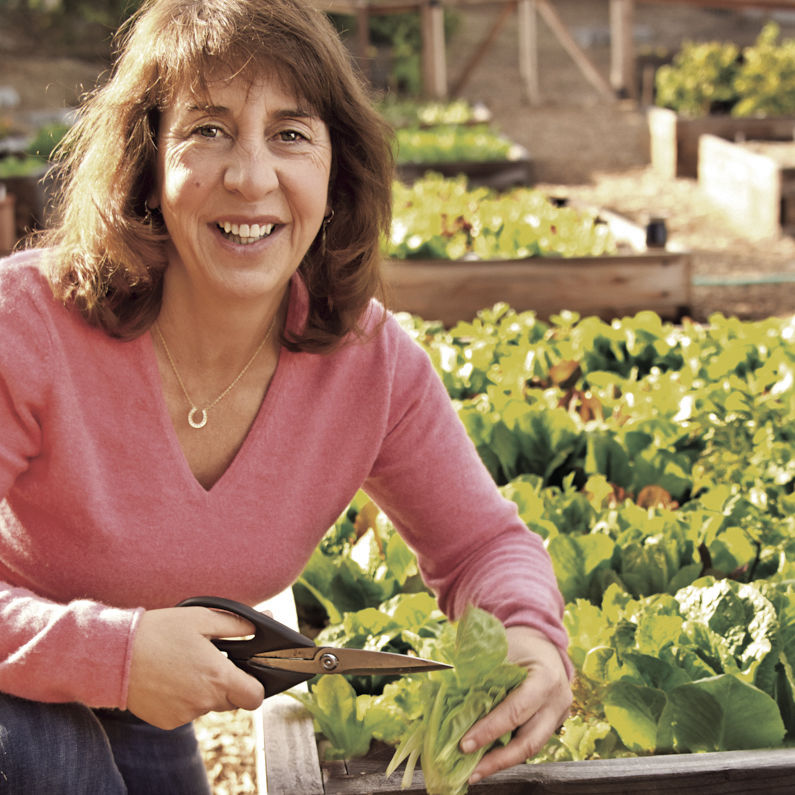
Trish in the garden

Cass Greene

Trish Watlington, Owner, The Red Door

“Because we have a year-round growing season and because it’s so easy to ship things in, we haven’t developed the kind of regional cuisine you’d find in European countries,” says Watlington, who co-owns The Red Door restaurant with her husband, Tom. “In the small regions of Europe, you start with what’s available and then you create a cuisine. We don’t do that in the U.S. It’s totally backwards.” Watlington works with local farmers to take advantage of native ingredients, including low-water crops and low-carbon-footprint animals like rabbits. The couple also owns a half-acre farm on Mount Helix that yields up to 7,000 pounds of produce, all used for their Mission Hills restaurant. Cultivating only what our surroundings can grow, she says, means supporting the local economy, eating more flavorful food, and developing a culinary identity anchored by seasonality. “True regional cuisines are made up of recipes that serve the environment and dishes that are byproducts of the primary goal, which is to protect the ecosystem for the long term,” she says. “And that cuisine should be driven by farmers, fishermen, conservationists, and environmentalists, not by the whims of a chef.”

Use the navigation below to see more Big Ideas.


Let’s host more cross-border events.
26 BIG Ideas

26 BIG Ideas

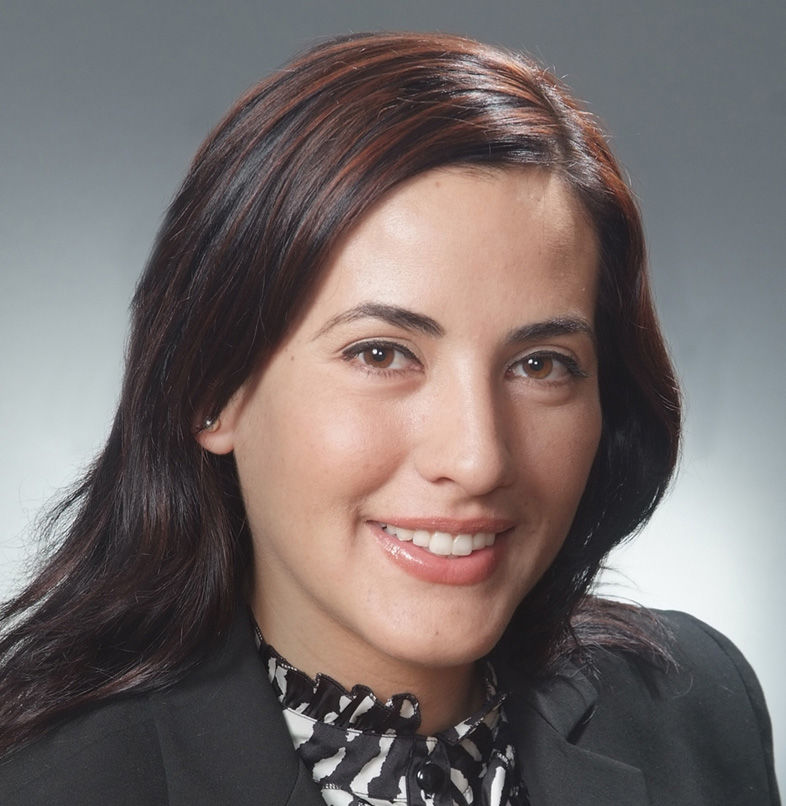
Denice Garcia, Director of Binational, Affairs, Mayor’s Office 

“I’m a border child,” says the Tijuana-born Garcia. “My family did a constant back and forth and that seemed so normal.” An estimated 50,000 people cross the U.S.-Mexico border daily, making it the busiest port of entry in the Western Hemisphere. Garcia says, “It makes us extremely unique and it’s also a competitive advantage that doesn’t exist anywhere in the world.” Businesses can establish headquarters in San Diego while manufacturing products in Tijuana at a lower cost, with a more efficient supply chain. “You’re not going to manufacture in China to import it back to the U.S.” At the mayor’s office, Garcia is in charge of liaising between San Diego and Tijuana, Rosarito, Ensenada, Mexicali, and Tecate. Last year saw the first ever cross-border TEDx as well as a binational Maker Faire at Balboa Park. She would like to see more of these events, and at next year’s Maker Faire, she hopes to throw a spotlight on Baja’s culinary talents. “I consider myself a border groupie,” Garcia laughs. “I think it’s cool that you can go back and forth.” ¡Bienvenidos!


Let’s sequence the genome of every child who needs it. 

26 BIG Ideas

26 BIG Ideas

Dr. Stephen Kingsmore, President and CEO, Rady Pediatric Genomics and Systems Medicine Institute at Rady Children’s Hospital

When a baby is in the NICU, doctors are often treating the symptoms without a diagnosis. If a doc misses the diagnosis in the first week, the consequences could be deadly. Enter Dr. Kingsmore, who came to San Diego in September from Kansas City, where he had been experimenting with genomic sequencing at Children’s Mercy Hospital. Given the nearly 8,000 genetic diseases caused by mutations, Kingsmore sought to make genomic sequencing the standard way of identifying a genetic disease. But testing a child and their parents costs about $22,000. So he spent a year talking to universities and hospitals all around the country, until finally landing at Rady Children’s, where Ernest Rady and his family donated $120 million to establish the institute. By March, the hospital will be sequencing the genome of every child in the NICU and PICU whose condition calls for it. That means receiving a molecular diagnosis in less than a week, sometimes as soon as two days. “Each day of life is not for certain,” Kingsmore says of these babies. “Mortality is high. And complications can be long-term. Every day we can shave off the process is very meaningful.” The project will start in the NICU and PICU, where it’s most urgently needed, but even now Kingsmore’s team is developing strategies for other areas, such as autism and brain cancer.

It will take a decade, but Kingsmore plans to put genomic sequencing into the hands of every child in San Diego who needs it. He is working on the technology with local biotech company Illumina to make the testing faster and cheaper. “Illumina is a big part of the reason I came here. I’ve been working with Illumina for a decade and I knew they were keen to make it happen. Genome sequencing was kind of invented in San Diego. We’re in a position where we can become the world leader,” Kingsmore says. “In a few years, people will fly to San Diego [for treatment] if their child has a genetic disease.”


Let’s build a smarter city infrastructure.
26 BIG Ideas

26 BIG Ideas

Kiva Allgood, Vice President of Business Development, Qualcomm

On the Qualcomm campus in Sorrento Valley, you’ll find smart trash cans equipped with garbage compactors as well as detectors that alert maintenance workers—via smartphone app—when the containers are full and need to be picked up. And they determine the worker’s route using real-time data, in order to save time, labor, and gas. The Qualcomm buildings, too, are optimized with wireless products to show where electricity is being used. “We’re trying to live through example,” Allgood says. The campus is also a great lab for testing these ideas before taking them to the real world. Using information, communication, and intelligent connectivity, her department is solving city problems in infrastructure, transportation, building and automation, and energy. That can mean making a single-purpose lamppost multipurpose—it not only lights the sidewalk but is equipped with parking sensors; gunfire, earthquake, and pollution detectors; cellular and Wi-Fi relays; and more. That same concept could also apply to a park bench, trash can, or any type of city fixture. “There is a strong correlation between how the better infrastructure becomes, the better a person’s overall welfare is.” Qualcomm is working with local universities, the mayor’s office, and San Diego planning departments to develop that sort of thoughtful infrastructure. It gives new meaning to the term “street smarts.”


Let’s become a major voice on ethical science.
26 BIG Ideas

26 BIG Ideas

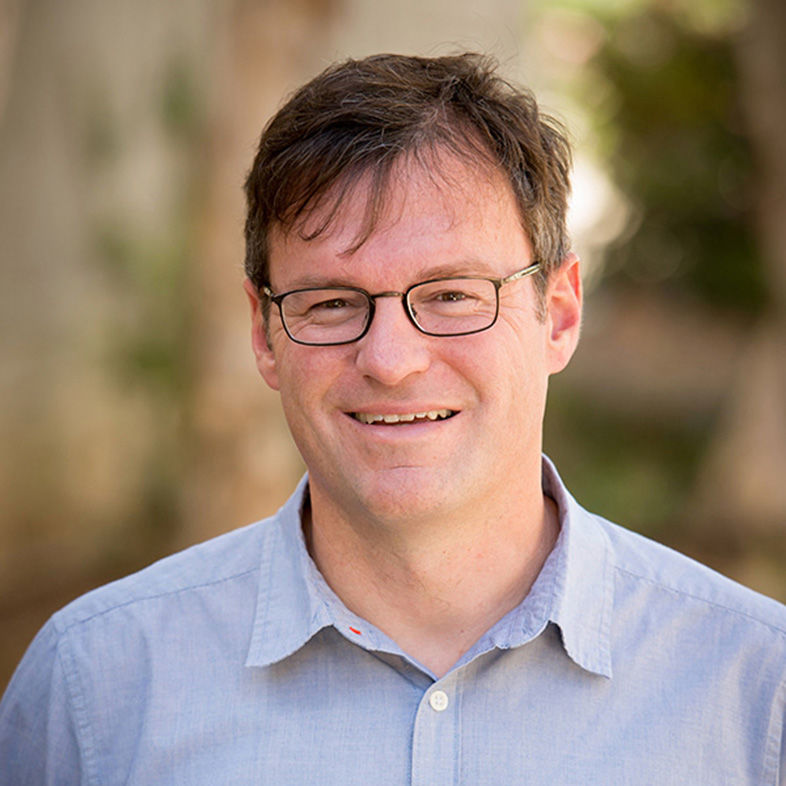
Craig Callender, Chair of Philosophy, UC San Diego

Designer babies, driverless cars, and modified mosquitoes—innovations may be boundary-pushing, but the moral quandaries these advances create are raising plenty of controversy. That’s why Dr. Callender, who is launching UC San Diego’s new bioethics minor this month, has big plans to establish the Institute for Practical Ethics.

At the institute, research would identify costs and benefits and, in some cases, influence policy and legislation. “Sometimes the results of research are indirect. Yet ideas have power. Look at the spread of informed consent forms throughout medicine. That idea went from the ivory tower to the hospital wards in my lifetime,” he says. “Scientists, like the rest of us, are well-meaning people and also fear these irresponsible interventions. So perhaps the bigger worry is that not knowing what’s responsible leads to paralysis. The idea is not to slow down science, but rather to figure out what’s responsible, so that we can progress.”


Let’s build a design exhibit space in SD.

26 BIG Ideas

26 BIG Ideas

AndreaRaffin

Elena Pacenti, Director, Domus Academy School of Design at NSAD

Coming from Milan, Pacenti has a unique perspective on San Diego. “I see an opportunity to reinforce the importance of design as a promoter of innovation and as a connector between technology, human beings, business, and society.” She would like to see a design exhibit space that would display items like the next GoPro, the next wearable device for preventive health, the next sustainable prefab house, or the next Car2Go. “San Diego is ripe to become part of the international design scene and conversation, but it has to give visibility to local innovations and be exposed to innovation worldwide.” She envisions design awards, satellite event series, and other programming inspired by Design Week in Milan. “The goal would be to show how design can truly innovate the way we live.”


Let’s make rugby the new NFL.
26 BIG Ideas

26 BIG Ideas

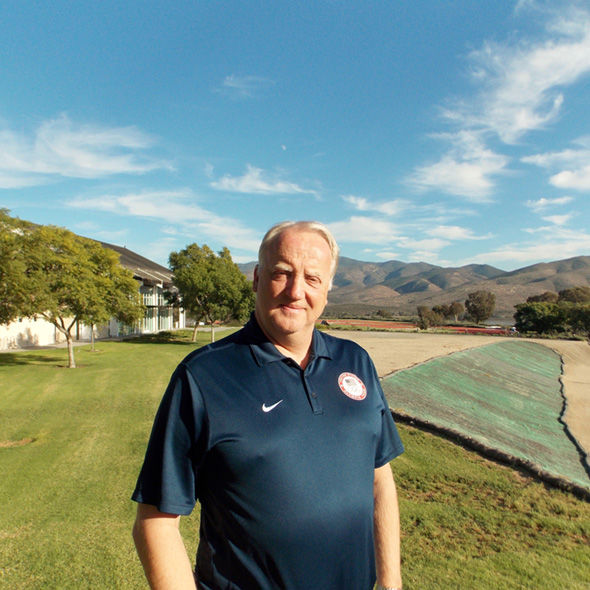
Tracy Lamb, Director, Chula Vista Olympic Training Center

Why should the Chargers get all the attention? “Let’s get more people interested in archery, BMX, and rugby,” says Lamb, who notes that right in our own backyard, Olympic hopefuls are training for the Rio 2016 games. Rugby, especially, is having a moment. “It’s one of the fastest-growing sports in the United States. Both the men’s and women’s sevens national teams are based in Chula Vista and will make their Olympic debut this year.” While most rugby games are played internationally, you can check out local rugby clubs like the Old Aztecs, Old Mission Beach Athletic Club, and San Diego Surfers Women’s Rugby. That is, until the sport grows more visible. USA Rugby and World Rugby just announced that a pro rugby league similar to MLS and the NHL will launch in 2016. Beyond rugby, you can watch important meets at the Chula Vista Olympic Training Center this year: The second round of the U.S. Archery Team Olympic trials will be held April 17–22; the U.S. BMX Team Olympic trials are scheduled for June 11–12.


Let’s build a downtown for North County.
26 BIG Ideas

26 BIG Ideas

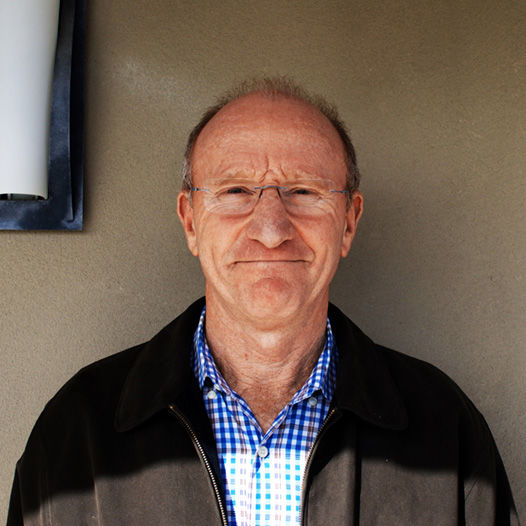
Gary Levitt, Developer, Urban Villages

The planners are calling it North City and likening it to a college town. South of Highway 78 and north of Cal State San Marcos lies space for a 204-acre mixed-use development, with a pedestrian bridge linking to the college. This city will have housing, retail, restaurants, offices, entertainment, and a hotel designed by architects Taal Safdie and Ricardo Rabines (the brains behind Harbor Drive Pedestrian Bridge and Scripps Seaside Forum). The Quad, a student housing building, has already opened and won a 2015 Orchid Award for Architecture. Next up? A mixed-use building with 197 market-rate units above retail and restaurant spaces that will open to an outdoor plaza. “Central to this concept is the need to achieve land use intensities that support smart growth and utilize available mass transit,” Levitt says. The community is highly walkable and also strings together two stations on the Sprinter light rail line. To put the size of North City’s 204 acres in perspective, Carmel Valley’s polarizing One Paseo is 23 acres—a mere shopping plaza by comparison. And the idea of having two downtowns is nothing new—L.A. has a downtown by USC and high-rises in Westwood near UCLA. Hey, if North City provides housing and improves our commute, our only question is: When can we move in?


Let’s make San Diego a breeding ground for billion-dollar companies.
26 BIG Ideas

26 BIG Ideas

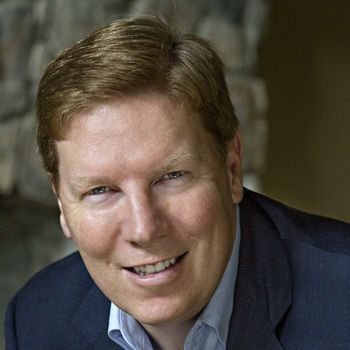
Greg McKee, CEO, Connect

McKee says San Diego’s vertical industries like agricultural tech, microbiome, genomics, and digital health are popping up quickly, and we should capitalize. “We need to get real and step up our game around how we innovate. We need to be faster and a lot more global,” urges McKee, whose company connects entrepreneurs and CEOs with great talent, capital, and technology. His startup accelerator, Connect, is developing a platform that will track emerging technologies and match teams with capital providers. This past summer the company opened its new Innovation Clubhouse, in University City, where people can meet about ideas as well as sit and work for free. “We don’t ask people to pay. We ask them to pay it forward if they’re successful.” San Diego’s billion-dollar success stories already include Illumina, Ballast Point, and Qualcomm. McKee would like to see the city build ten more billion-dollar companies in the next decade. “Enterprises of this magnitude bring economic vitality, jobs, tax revenues, international recognition and sophistication, and—perhaps most importantly—critical mass. Naturally, highly successful entrepreneurs want to be around other successful entrepreneurs, so the more successful companies we can create, the stronger the gravitational pull to San Diego becomes.”


Let’s develop an arts district downtown.

26 BIG Ideas

26 BIG Ideas

Sam Hodgson

David Bennett, General Director, San Diego Opera

New Yorkers love their neighborhoods, and East Coast transplant David Bennett is no exception. The new general director of the opera has been studying San Diego since he arrived last summer and has found that while places like the Gaslamp, East Village, and Little Italy seem to have their own identities, our city lacks an arts district. “The institutions are in place, so why not focus on the strength of what we already have?” To wit: You can walk from the Jacobs Music Center to the Lyceum and Balboa theaters, Spreckels, the Civic, and even MCASD. Bennett adds that the closed rock venue 4th and B would make “a perfect black box theater,” if only the right people would step up. “The arts district would have its own energy. Arts should be what gives this zone its sense of identity, and a developer should build on that.” He pictures retail and restaurants in the first floors of the bank buildings, so that people coming to the theater don’t necessarily have to dine in the Gaslamp. “If you exit the Civic after a show, you’re in a plaza, and if you squint your eyes you can almost imagine you’re in an Italian piazza—but then you open your eyes. It wants to be developed.” Bennett also points out that “traffic is an issue in San Diego County… We have to be mindful and reach audiences where they are in addition to where art is being made.” He has his eye on North County performing arts centers, plus outdoor venues and nontraditional performance spaces. (Bennett once produced an opera in a New York planetarium.) Opera: coming to a theater, warehouse—and possibly our very own version of Times Square—near you.


Let’s teach every kid in San Diego County how to swim. 
26 BIG Ideas

26 BIG Ideas

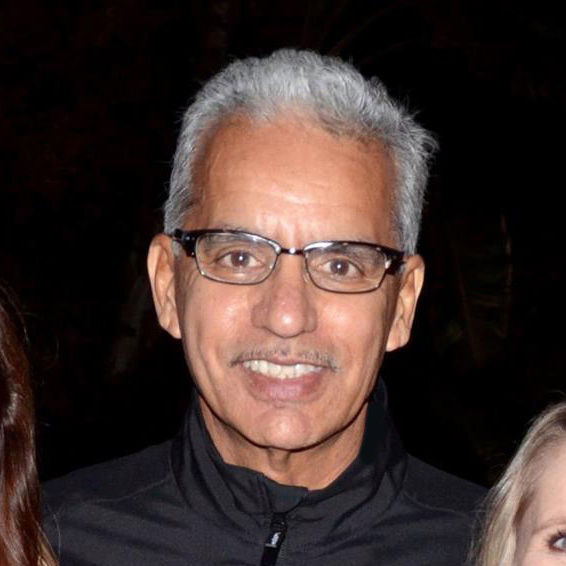
Michael Brunker, Executive Director, Jackie Robinson Family YMCA

There are only three public pools in the Southeastern San Diego community, including the Jackie Robinson Family YMCA where Brunker works. Within its service area, an estimated three-quarters of children ages 5–12 have never taken swimming lessons. “At a time when our kids see loss of life in so many venues, learning how to swim teaches children the value of life—starting with their own,” says Brunker. More pools are needed, as well as more swim instructors, more days and hours of operation, and a way to get the kids to the lessons. “Plus,” says Brunker, “the fear factor of parents who cannot swim themselves.” The San Diego Junior Lifeguard Foundation works with the region’s YMCAs to help fill this gap with its Waterproofing San Diego initiative, running a Junior Guards program, parent-child swim lessons, and more. But statistics show it’s still not enough. “Especially for a coastal region, it’s time to ensure that every child learns how to swim and develops a healthy respect for the water.”


Let’s streamline our response to natural disasters.
26 BIG Ideas

26 BIG Ideas

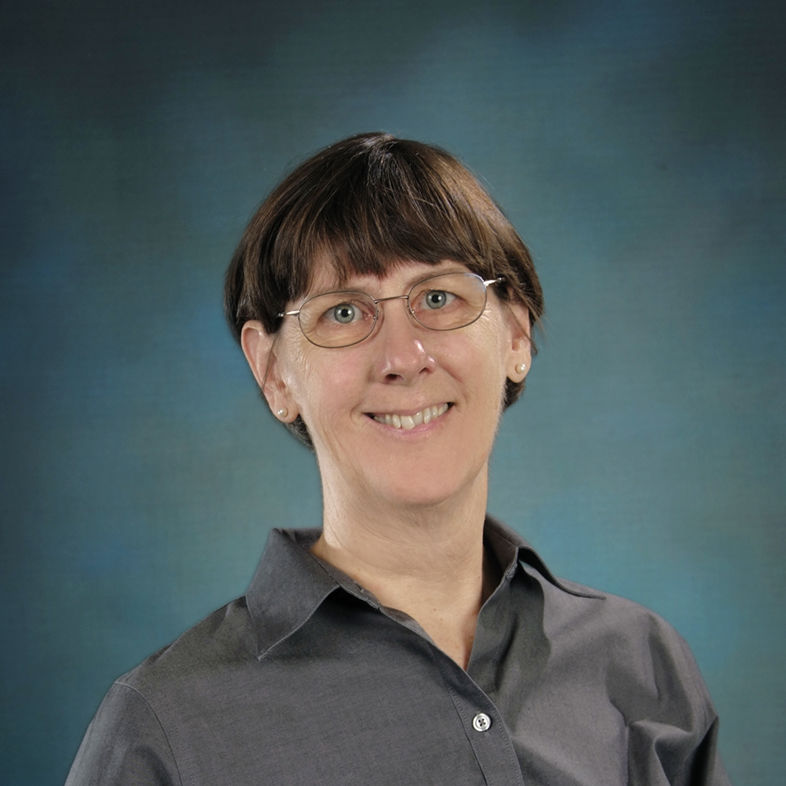
Jo Ann Lane, Co-director, USC Center for Systems and Software Engineering

Floods, fires, earthquakes, tsunamis… Mother Nature could strike here at any moment. When San Diego native Jo Ann Lane was getting her PhD at USC, she studied historical crises like these—and the oftentimes lagged and insufficient responses that followed. With focus, she says, we could prepare better. Lane envisions adaptable and flexible systems, like a network of smart roads to change the direction of traffic flow in case of evacuation. And we should be able to reroute resources—divert water that is flooding, or restore power in areas where it is lost. “El Niño is the potential issue that’s on our doorstep.” She cautions that we will probably struggle with poor drainage, overloaded sewers, and other infrastructure in flood-prone areas. “When systems like that break down, it can affect water supply, our health, and more.” One of Lane’s research areas is “systems of systems,” or how we look at groups of individual systems, whether they’re electronic or bureaucratic. The key is communication and interoperability between agencies so we don’t rely on just one source, which could get overwhelmed and shut down. She recommends studying past mistakes. Looking at how we’ve responded to wildfires, she believes we should use the military sooner. “The marines were sitting there. They wanted to go fight but they weren’t allowed, because it was political.” One system needs to work with another, she says, and we need to improve our “situational awareness”—understanding what is happening and when. Only then we will be a Smart City.


Let’s reduce greenhouse gases by going zero waste.
26 BIG Ideas

26 BIG Ideas

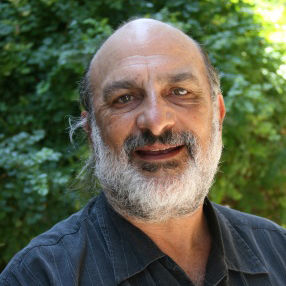
Rick Anthony, President, Zero Waste International Alliance

The top three sources of greenhouse gases in the city and county are traffic, farming, and landfills. While lifestyle solutions like carpooling and eating less meat can help with the first two issues, landfills are an increasingly problematic issue. But there’s a plan in place to fix that—so long as San Diegans do their part. Last July, the city approved a zero waste initiative that would first divert up to 75 percent of waste by 2020 and eliminate it by 2040. “In our affluence, we’re not paying attention to what we’re doing to the environment,” Anthony says. “If we don’t, we’re going to lose 10 feet of coastline. What does that mean to Ocean Beach or Pacific Beach or Baja?” While a lack of accessible composting is one of the region’s biggest impediments—Anthony says we’ll see more resources over the next five years thanks to state mandates—it also boils down to smarter consumer decisions now. “Watch what you buy and make sure what you have is recyclable and compostable. If you’re a single family resident, make soil for your garden with compost. It’s more cost effective, and it’s better for quality of life.”


Let’s build a bay-to-park skyway.
26 BIG Ideas

26 BIG Ideas

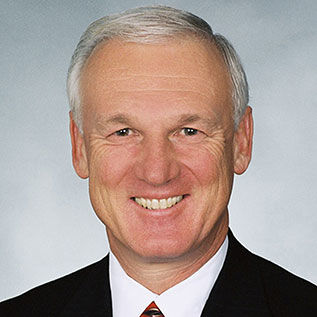
Ron Roberts, San Diego County Supervisor

Most people have heard of Roberts’s passion for adding aerial gondolas to our growing mass transit system, and now, thanks to a vote for an initial engineering study, the bay-to-park skyway is starting to take off. The first line would be a two-mile stretch up Sixth Avenue from the 12th & Imperial trolley station to Spreckles Organ Pavilion in Balboa Park. Think of moving not just the occasional cyclist, but all the crowds during December Nights and Comic-Con. “What’s not to love about a project that can fly a busload of people per minute, be powered by a 500-horsepower electric engine, pay for its operations with fares, and be fun for transit riders?” asks Roberts. The county supervisor has been enamored with aerial gondolas ever since he rode the zoo’s Skyfari in 1969, when it opened. In 2006, he was equally impressed when he rode a cable car line in Singapore that passed through the top floor of a high-rise. “Once San Diegans use this, I think they’ll find places to add more, as will other cities now considering skyways.” In fact, a federal or state grant may help fund the $75-million skyway, in the interest of beta testing it for other cities. San Diego seems to be an ideal place for a gondola network, given our unique topography. Where a trolley can’t climb a hill or descend a canyon, the gondola flies right over. Roberts envisions a system that connects our trolley, Coaster, and Sprinter stations, alleviating some of the tourist and commuter traffic into places like Pacific Beach or Sorrento Valley.


Let’s use data to cure San Diego’s social ills.
26 BIG Ideas

26 BIG Ideas

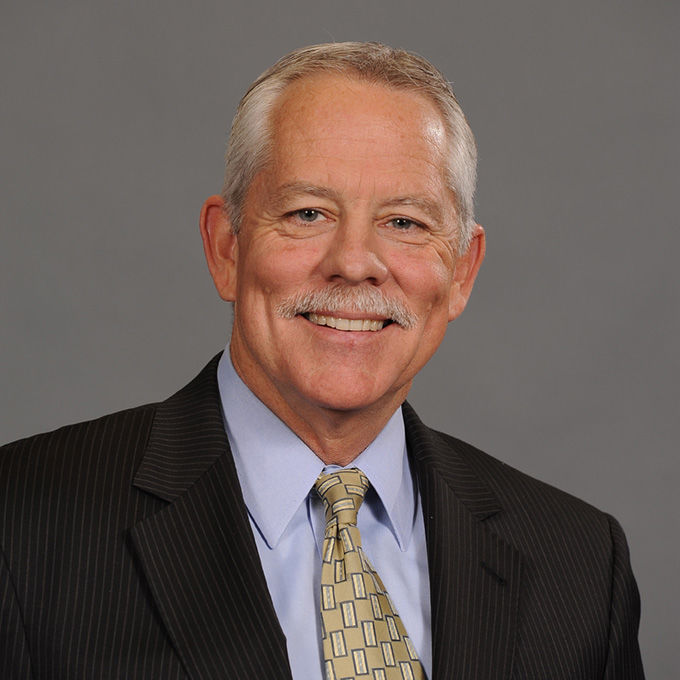
Kevin Crawford, CEO, United Way

The nonprofit world has long been missing the mark with redundancies and overlapping services. For instance, a mom might be given clothes when her child needs food and health care instead. “With the old model, a lot of good work was done but not in a coordinated fashion,” says Crawford. But United Way is changing all that. In City Heights, the organization collaborates with the Hoover Cluster of schools, which tracks and shares attendance records and reading scores. After identifying kids who are frequently absent, United Way places social work and public health interns from SDSU and Point Loma Nazarene into the classroom, who in turn reach out to the kids’ families. The interns then refer those families to area nonprofit programs and services that specifically address the issues causing the absenteeism. “They’re not just passing along a phone number, but developing a relationship,” Crawford explains. Later, they follow up to see if attendance and scores have improved. “Before, a lot of the effort was motivated by the heart, and the measuring of success was not as critical. But we’re in a day and age where we need to be more shrewd about outcomes and the cost of those outcomes.” The San Diego County chapter is just one of nine that are incorporating what they call the “collective impact model,” aligning resources among universities, school districts, and nonprofits. Here’s to United Way helping us make a united effort.


Let’s put a farm in every community.
26 BIG Ideas

26 BIG Ideas

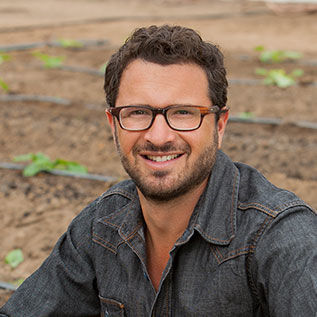
Daron Joffe, Director of Agricultural Innovation and Development, The Leichtag Foundation

When Joffe dropped out of the University of Wisconsin–Madison to buy a 175-acre farm, he got another education altogether. While he was successful in turning the land into a community-supported farm, he was living and working two hours from the nearest place where he could sell the produce and have a social life. That’s when Joffe, also known as “Farmer D,” quit and began consulting on community farms and agrihoods—housing developments built around crops instead of a golf course or pool. Joffe believes agriculture shouldn’t have to compete with urban sprawl. “There is still time to shift the paradigm to a symbiotic relationship where the land, people, and business all win,” he says. “Growing food closer to where people live helps to reduce its carbon footprint and increase freshness and nutrition, while connecting people to where their food comes from.” A community farm, he reminds us, can take root anywhere—rooftops, prisons, schools, corporate campuses, military bases, and hospitals. It provides education, a social platform, and more. In 2012, the Leichtag Foundation purchased the Ecke Ranch in Encinitas, a 67.5-acre, independently run, nonprofit community farm. About a dozen farmers live on site. “We’re creating a community farm in a really large neighborhood—the City of Encinitas—to engage community in the same way you would if you were designing an agrihood. It’s a somewhat reverse approach. We’re kind of retrofitting and preserving the presence of farmland in the area.”


Let’s get next-gen technology in the hands of the next generation.
26 BIG Ideas

26 BIG Ideas

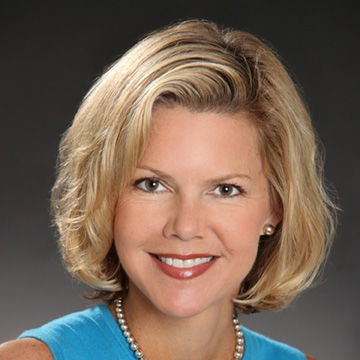
Katherine Stuart Faulconer, Honorary Chair, One San Diego

“Imagine showing up to work and your computer has vanished. Your boss expects you to complete your assignments, but without an Internet connection you’re going to fall behind,” says Faulconer, wife of Mayor Kevin Faulconer. “This is the reality for many San Diego children in struggling communities who don’t have the technology at home they need to do homework and keep up in class.” Faulconer wants to fix that. In its first year of operation, the nonprofit One San Diego provided more than 100 laptops for kids to use in libraries in Logan Heights, Southeastern San Diego, San Ysidro, and Linda Vista, courtesy of local organizations and businesses like the San Diego Library Foundation, Cox Communications, Wal-Mart, and Hewlett-Packard. “Imagine a city where everyone has the opportunity to succeed, no matter which neighborhood they call home.”


Let’s reuse every cardboard box.
26 BIG Ideas

26 BIG Ideas

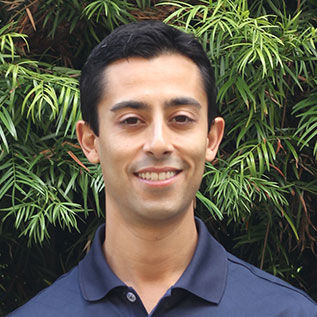
Eaman Talai, Founder and CEO, BoxedGreen

Given our transient population—Veterans! Students! Beach-loving nomads!—it’s no surprise that every year roughly half a million people in the county move. But that also means more than 12 million boxes are needed annually to accommodate those moves. Add to that the millions of boxes that stores and companies go through, and that’s a lot of cardboard waste. Though most gets recycled, local startup BoxedGreen is shifting people’s habits toward reusing before they recycle. “Recycling a cardboard box takes 70 percent of the energy needed to create a new box,” says Talai. “People sometimes forget about the ‘reuse’ in ‘reduce, reuse, recycle,’ but most boxes can be reused up to three more times.” His company’s website connects people who are moving with stores that have gently-used cardboard boxes. Customers buy the boxes, starting at $1 per box, and pick them up at retail stores and storage facilities in San Diego. Talai, who plans to expand to North County, got the idea after seeing stacks of perfectly usable cardboard at a neighborhood store. “It’s easy, good for the environment, and saves you money. No-brainer,” he explains. “We need to get to a point where anytime we discard something, we ask ourselves, ‘Can someone else reuse this?’ One man’s trash can really be another man’s treasure.”


Let’s encourage more women to become entrepreneurs.

26 BIG Ideas

26 BIG Ideas

Lada Rasochova, Director, mystartupXX accelerator program at UCSD

​Why aren’t there more female entrepreneurs in San Diego? Rasochova says she constantly meets women who don’t think their ideas are ready. “They typically do not want to participate in startup competitions, apply for various accelerator programs, or pitch to potential investors,” she says. “They think they need to work on their startup more before they are ready and before they can be competitive. Because of that, they miss opportunities.” In 2012, Rasochova co-founded mystartupXX (“XX” as in the female chromosome) to build confidence in female entrepreneurs. At their space in UCSD’s Rady School of Management, mystartupXX holds biweekly workshops where guest speakers help teams with all aspects of building a startup, such as legal, accounting, human resources, and IT. They also host “mentor mixers,” sponsor pitch competitions and conferences, and connect entrepreneurs with potential investors. “An important part of mystartupXX accelerator is creating a community of female startup founders so they can support each other.” Rasochova and her cohorts are succeeding in their mission. Case in point: the annual UCSD startup competition, E-Challenge. “Typically, women don’t participate and the finalists are very often 100 percent males. This year, for the first time in E-Challenge history the gender ratio was 50:50, with two female-led teams from mystartupXX competing in tech track finals out of four finalists.” Now that’s a ratio we can get behind. 


Let’s banish stereotypes of Latinos in American pop culture.
26 BIG Ideas

26 BIG Ideas

William Anthony Nericcio, Director, SDSU’s Master of Arts in Liberal Arts and Sciences program 

In 2007, Dr. Nericcio published a well-received book called Tex[t]-Mex: Seductive Hallucinations of the “Mexican” in America, which later led to an art exhibit featuring many of the artifacts—such as stereotypical magazines and advertisements—that appeared in his book. Two years ago, a producer from Mexico City and another from Madrid approached him to ask if he’d ever considered doing an Anthony Bourdain–style TV show. They got a $750,000 deal from a Mexican production company and began filming Mextasy in San Diego, Los Angeles, and Mexico, with Nericcio as head writer and host. “If you see Latinos on TV, they’re crooked or naked or both,” he says. “My show is the flip side. It’s about all the smart people, the artists, the intellectuals, the restaurateurs—my friends and the people in my network. I never see these people on TV.” With several episodes in the can, he has been trying to sell Mextasy for a year. “The Mexican cable networks said it was too American, and the American cable networks said it was too Mexican.” It was recently screened alongside Bordertown, Fox’s new “Simpsons meets San Ysidro” animated series. But as for distribution, it’s hard to say what the future holds. “Mextasy is the greatest unsold project that’s ever been made.” We’re looking at you, Netflix and Amazon!


Let’s require San Diego’s athletic trainers to get certified before working with our kids. 
26 BIG Ideas

26 BIG Ideas

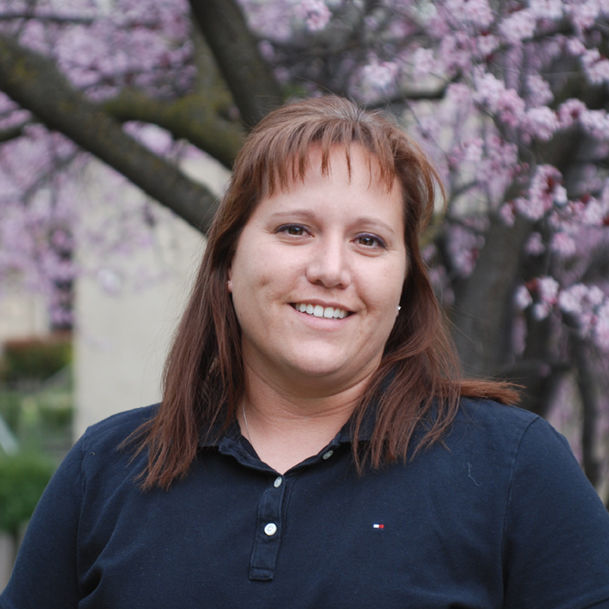
Christina Scherr, Region 6 Director, California Athletic Trainers’ Association

If your son or daughter is a student athlete, heads up: California is the only U.S. state that does not require athletic trainers to have certification. Scherr and her organization recently tried to pass a bill that would require trainers to take a “rigorous national certification exam” and earn a bachelor’s degree from an accredited university program. “Despite unanimous, bipartisan approval in the state legislature,” she says, “the bill was vetoed by Governor Jerry Brown this past September.” Thankfully, more than 70 percent of the country’s certified trainers have at least a master’s degree—and by the year 2022, it will be a requirement. But in the meantime, ATs are providing emergency care and rehab in our schools, among other services, and their expertise is critical. It’s not just footballers who are at risk for injury. According to the American Journal of Sports Medicine, football results in the most concussions, followed by soccer and lacrosse. Student athletes are also in danger of spine, growth plate, and overuse injuries, as well as sudden cardiac arrest. What’s a parent to do? Scherr, who is the only trainer serving all 23 of Torrey Pines High School’s sports teams, advises: “Verify if your high school’s athletic trainer is actually certified by searching his or her name on bocatc.org. If the person is not a certified athletic trainer, contact your school district and ask why they haven’t made student athlete safety a priority.”


Let’s apply our beach density to places beyond the beach.
26 BIG Ideas

26 BIG Ideas

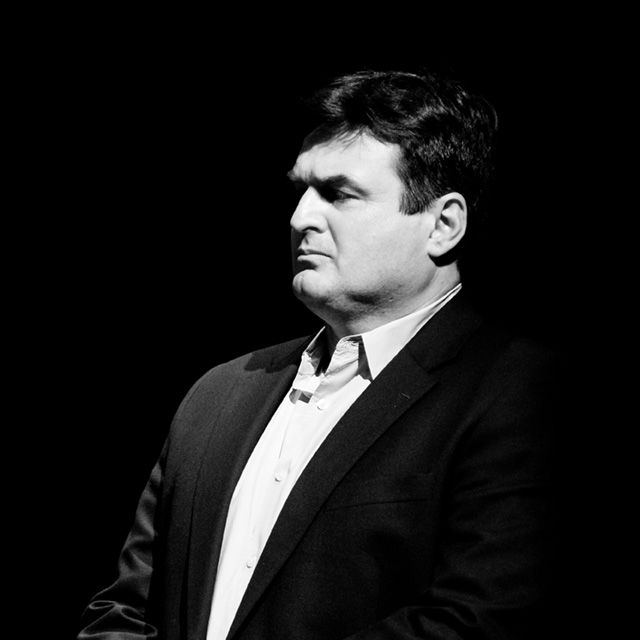
Howard M. Blackson III, Urban Designer, Michael Baker International

“The San Francisco Bay Area’s housing disaster tells us that our housing crisis will only get worse,” warns Blackson, “and doing nothing is not an option.” He proposes modeling our neighborhoods after San Diego’s beach areas, where “mixed-use walkable urbanism” rules the scene. “Our beach density model is essentially a residence or shop with three to five units that are no more than two or three stories on each lot.” This kind of development would support public transportation and small businesses “without dramatically altering our city’s character.” It would also instill a healthy, pedestrian-friendly lifestyle, and bolster local developers. Existing urbanized areas such as Southeastern San Diego, Golden Hill, and South Park are perfect candidates, as well as Bay Park, City Heights, and neighborhoods along our major corridors like El Cajon Boulevard and University Avenue. Unfortunately, there’s a fear of change. “‘Density’ is a polarizing term that eventually turns either to demands for no new growth or to building tall towers,” Blackson says. “Our home values are a major part of our personal wealth. Therefore, we are leery of any change that may affect any of that value. That’s why using a local model makes sense—as opposed to an imported Portland or Vancouver model.”


Let’s develop a model criminal justice system.
26 BIG Ideas

26 BIG Ideas

Justin Brooks, Director, California Innocence Project at California Western School of Law

When an innocent person goes to prison, the cost is high—not just to the accused, but to all taxpayers. Take into account the time spent by police pursuing a case, the use of prosecutors and defense attorneys (whom are paid by the county), and the expense of keeping the wrong person incarcerated. “All while the guilty person is walking the streets committing more crimes,” says Brooks. Since 1989, 1,702 wrongful convictions have been documented in the U.S., and according to Brooks, whose organization has exonerated 19 San Diegans so far, at least 6,000 of California’s 150,000 inmates shouldn’t even be in custody (most recently including Luis Vargas, who spent 16 years doing time for three sexual assaults that—according to new DNA evidence—were actually committed by the “Teardrop Rapist,” who is still at large).

“The leading causes of wrongful convictions are witness misidentification, false witness testimony, false confessions, bad police work, and bad lawyering,” Brooks explains. He’d like to probe deeper and do the kind of investigating that happens after a plane crash. “Law enforcement, prosecutors, and defense attorneys should come together and study the cases where people were wrongfully convicted.” San Diego is in a good position to set an example. “We already have a great public defender’s office and prosecutor’s office. The D.A. cooperates on exonerations in ways very few others do in the U.S. Our chief of police is open to reform. We now have body cameras and a low crime rate.” But to raise the bar, we should perform identification procedures based on the latest science. We should record all interrogations and use best practices to lessen the likelihood of false confession, throw out unreliable informant testimony, hire independent labs rather than police crime labs, and provide full discovery and maximum transparency in every case. How to fund these extra steps? He says we could stop pursuing costly death penalty cases, and use those resources to investigate uncharged rape and murder cases. To get the ball rolling, firsthand experience would be a great motivator for change. “I’d like to see every police officer, prosecutor, defense attorney, and judge spend one day in jail, so they have at least the slightest idea what people go through when the system gets it wrong.”


Let’s raise the next generation of groundbreaking scientists. 
26 BIG Ideas

26 BIG Ideas

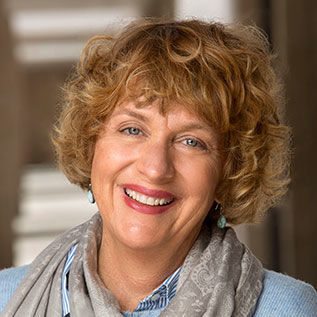
Ellen Potter, Director of Educational Outreach, Salk Institute for Biological Studies

The Salk Institute is best known for its groundbreaking scientific research, but few know the prestigious organization has been bringing science to the masses for decades. Dr. Potter’s department runs several programs that expose kids to genetics and biotechnology, subjects San Diego schoolteachers have requested because they lack experience with them. One such program is a mobile science lab that travels to middle schools and provides a three-day curriculum. “We’re not teaching content as much as awareness,” says Potter, who’s met kids in San Ysidro who have no concept of where La Jolla is, nor any clue about the breakthrough science being done on the mesa. “We want to show them that this work is fun and you can have a career and it’s close to home,” she says. “We want them to look at science as something they can understand. That’s our real mission.” Salk recently invited 300 girls from the San Diego Unified School District for a Women in Biotech presentation. And this year, Salk will begin SciChats—Skype tours and talks between researchers and students—as well as video curriculum for teachers. Sounds like science just got a lot cooler.


Let’s make our neighborhoods about community and connection, not about isolation and consumerism.
26 BIG Ideas

26 BIG Ideas

© weheartphotography.com

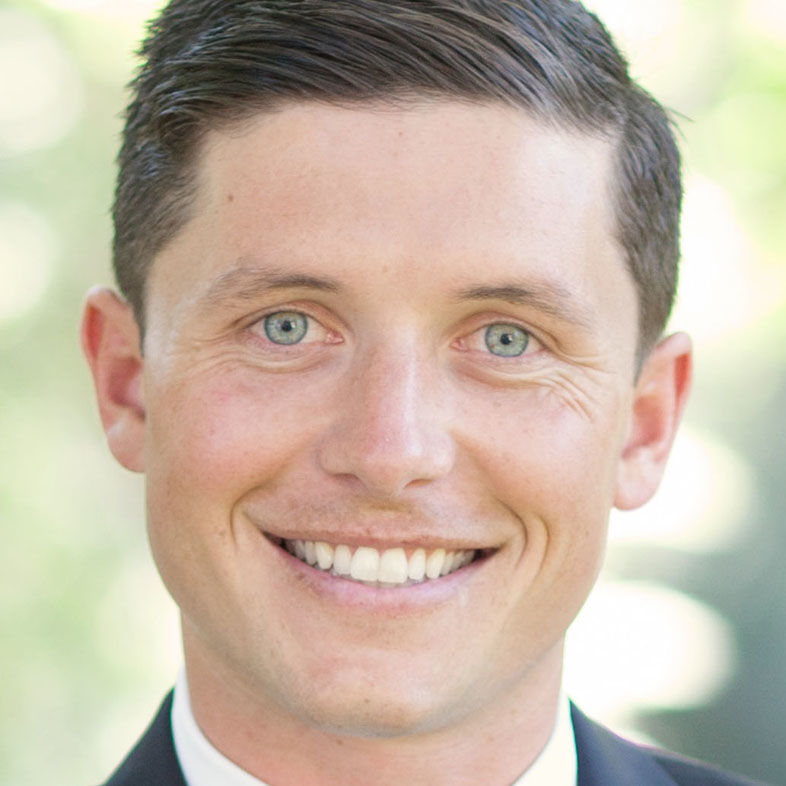
Nathan Cadieux, Vice President, The Corky McMillin Companies

In 2016, Liberty Station is set to unveil a brand new look, particularly in its north end Arts District, with more pedestrian-friendly access and new boutiques and restaurants. The makeover will define Liberty Station as its own neighborhood and redefine what it means to be a community. “Our communities and shopping centers are very car-focused and consumerist. And technology means we’re hyperconnected but disconnected personally,” Cadieux says. “We’re creating a space that you can experience by foot, which is more intimate than driving around at 65 miles per hour from one place to the next. We’re pushing against societal laziness.” While Buona Forchetta, Liberty Public Market, and luxury cinema venue The Lot are set to open in the first quarter, the next phase of development will focus on utilizing even more outdoor space. That means less screen time, more sunshine.


Let’s make SDSU a top 50 public research university.
26 BIG Ideas

26 BIG Ideas

Lauren Radack

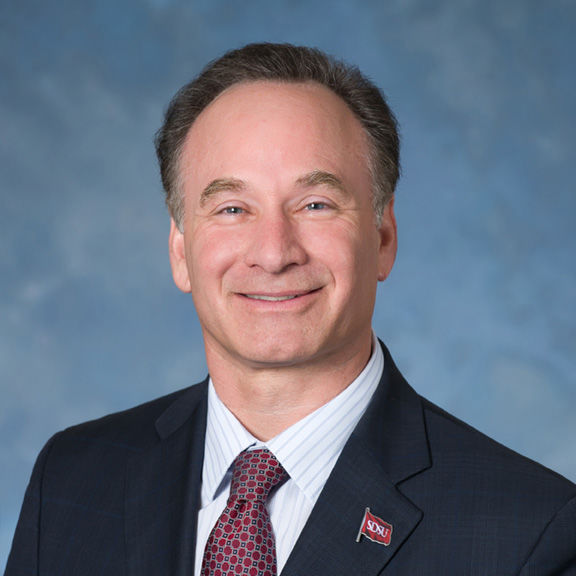
Elliot Hirshman, President, SDSU

Coming to the Aztec mesa in 2018: a $90-million, five-story, 85,000-square-foot Engineering and Interdisciplinary Sciences Complex. Bring on the engineers, biologists, climatologists, and entrepreneurs who will work together within its viromics, nanotechnology, and wireless technology labs; brain imaging center; and more. “It will provide unprecedented opportunities for our students, faculty, and staff to collaborate and learn at the cutting edge of discovery,” says Hirshman. It will stand next to the current engineering building with a quad in the middle, adding “a literal crossroads for our scientists, engineers, and entrepreneurs to gather, create, and innovate.” Go, Aztecs!

 

26 BIG Ideas

Illustration by Andrew Wagner

Subscribe to our newsletters

Select Options

By subscribing you confirm that you agree with our Terms and Conditions and Privacy Policy.

Everything SD JULY 31, 2026

The Best of San Diego 2026: Retail

From handmade goods to one-of-a-kind finds, these local shops prove the best souvenirs are the ones with a story

The Best of San Diego 2026: Retail
Photo Credit: Matt Furman

Best Place to Buy Original Art Without Needing a Tiny Paddle

Goblin Shark Emporium

Almost everything in this Oceanside shop is made by local artists and independent weirdos, and almost none of it requires a gallerist’s budget. Goblin Shark Emporium rotates a new featured artist every month between the vinyl crates, blacklight posters, and hilariously specific stickers, so you can walk out with original work and a tarot reading to contemplate as you sip your Banana Dang Coffee from a couple storefronts down.

Best Hidden Gem

Through the Fold

Tucked within the potting tables and ferns of Mission Hills Nursery, the oldest nursery in Southern California and a Kate Sessions original, sits Through the Fold, the sweet indie bookstore that mother-daughter team Gail Levine and Jennifer Medeiros hand-built and opened in late April. Two retired educators and lifelong bibliophiles run it like a neighborhood living room: three book clubs, toddler story time, and a summer camp for the 7-to-12 set. It’s the rare retail run that smells like soil and new paperbacks, which is to say, like a very specific kind of heaven.

Best Place to Blast Off Into Another Universe

Mysterious Galaxy Bookstore

Open since 1993 under the unbeatable tagline “Books of Martians, Murder, Magic, and Mayhem,” this Rosecrans Street institution is the city’s portal for anyone who would rather be on a different planet. Load up on sci-fi, horror, and fantasy, then stick around for the weekly Dungeons & Dragons campaign, because the only thing better than reading about another universe is rolling a d20 inside one.

Best Stop into Trinket Town

Library Shop

On the ground floor of the downtown Central Library, tucked into the Joan and Irwin Jacobs Common, sits the Library Shop, a tightly curated gift store stocked with presents and trinkets you didn’t know you needed: wind-up kitchen timers, specialty pencils, felt coasters in colors cheerful enough to overcome the first half of the Padres’ season—you get it. Every dollar funds the San Diego Public Library system, which makes the shop’s official “Guilt-Free Shopping” motto the rare slogan that holds up. Come for a paperback, leave having formed a genuine emotional attachment to a $4 pencil.

Best Window Shopping

Purrgatory

The window at this North Park shop is alive: a front-of-house catio where adoptable rescue cats audition for your heart while you pretend to be just browsing. From there, a literal catwalk runs along the ceiling to a back resting room (because existing around inferior beings is exhausting for cats). Owner Vera Blatchley of Purrgatory stocks the full cat-lover arsenal, plus a wall of gifts for the feline who already has nine of everything. Fan favorite: a retro-style, bubblegum-pink Kit-Cat Clock.

Best San Diego Mood Board

Club Paradise

Surf art’s everywhere, but it’s somehow always a little kooky. Painter Andy Davis’ style captured that elemental soul, making him one of the most successful surf artists of the last few decades (check his giant mural at Town and Country Resort). His tiny Encinitas storefront, Club Paradise, is a gallery-slash-gift shop that stocks his paintings and prints—and he’s using the space as a culture club for local and touring creatives.

Best Limited-Edition Tan Line

Tulux Resortwear

Tulux is the Pacific Beach swimwear label out of Cass Street, where designer Yamhed Torres turns the whole Tulum fantasy into bold, limited-run bikinis. This year, Vogue México y Latinoamérica named her one of just 10 emerging designers to watch, so each suit comes with the kind of credentials that practically books its own sunset getaway. Everything is one and done: When a piece sells, it’s gone for good, which is either smart scarcity or the universe telling you to commit.

Ramen Nagi Table full of food Best UTC Westfield Mall Restaurants and Bars San Diego

Best Malachite-to-Millionaire Shortcut

Pacific Beads

Free lotto tickets at crystal shops? Yes, please. Pacific Beads owner Shlomo Gruer greets you at the door of this Clairemont Mesa warehouse of crystals, geodes, and beads by the bin. He presses a lotto ticket into your hand, sometimes with the stipulation that if you hit it big, you can throw his staff a party. You come for cheap amethyst and sterling findings; you leave holding a fistful of healing stones and a statistically remote shot at early retirement.

Best Nostalgia Purchase

123 Sweetsss

El Cajon’s Parkway Plaza could look radically different in the near future, as city officials are hatching plans to reinvent the one-time community and commercial center. Inflection points of iconic structures are always compelling times to visit and tabulate your own urban-planning daydreams. As you do, hit the first NAMA-certified automatic cotton candy vending machine in the country. Push a button, and 123 Sweetsss spins you a fresh cloud of childhood in under a minute. No carnival, no county fair admission, no sweaty teenager in a paper hat required.

Everything SD JULY 31, 2026

The Best of San Diego 2026: Health & Outdoors

From getting your sweat on at hip-hop class to celebrating with a zero-proof cocktail, here are San Diego's top fitness and wellness spots

The Best of San Diego 2026: Health & Outdoors
Photo Credit: Brett Butterstein

Best We Named It What for Why Oh Dear

Cush-pii

For thousands of years, the Kumeyaay who lived in this area called a mountain south of Julian Cush-pii, meaning “sharp peak.” Then, after the Civil War, Confederate sympathizers saw that same mountain and decided to rename it Stonewall Peak—after General Stonewall Jackson. The name stuck for nearly a century and a half, until Cuyamaca Rancho State Park announced earlier this year that the name will return to its original, Cush-pii. Hike to the summit for expansive views of the Coronado Islands to the west and Mexico to the south.

Courtesy of Culture Shock San Diego

Best Pop and Lock Spot

Culture Shock

In 1993, Angie Bunch gathered a group of hip-hop dancers—called Culture Shock Dance Troupe—and gave them a space to practice and perform. As hip hop grew through the ’90s, so did Culture Shock. It has since become a nonprofit, a space for young and old, beginner and expert dancers. Culture Shock has also expanded to Los Angeles, Oakland, Las Vegas, Chicago, Atlanta, New York City, and Washington, D.C., as well as Ottawa and Toronto, Canada.

Best Way to Sweat on a Lava Lamp

Yoga Box

In 2019, Amanda Leach created the Yoga Box method, which takes high-energy flows and adds strength-building poses in heated, vibey, lava-lamp-lit studios. What started on Grand Avenue in Pacific Beach has spread to 15 locations across the county, with even more trickling into Denver, Chicago, and Brooklyn. The best part? Mindfulness newbies who can’t touch their toes and six-packed contortionists can hang in the same class. You can customize each session based on your ability and fitness level.

Courtesy of Fit Athletic Club

Best Leg Day Turned Social Hour

Fit Mission Beach

A gym taking over a historic beachfront pool sounds like the setup for a new season of Love Island, but Fit Mission Beach operating the nearly 100-year-old Plunge at Belmont Park is real. The independent fitness brand has spent the past several years building a loyal following through group fitness classes, community events, and a members’ social club overlooking the ocean. Upstairs, members can work remotely, meet friends, or hang out long after their workout ends. Between the Plunge, the coworking-style lounge, and a packed calendar of events, Fit has evolved into something bigger than a gym. It’s a clubhouse for San Diego’s fitness crowd.

Best Place to Learn What a Vagus Is

Breathe Degrees

The wellness world is finally transitioning away from HIIT workouts and cult-like spin classes, where your heart rate hits Zone 5 within minutes and stays there until cooldown. Good. At Breathe Degrees, wellness takes the form of zenned-out communal breathing sessions or vagus nerve–activating cold plunges. Breathwork is said to boost your mood in the short term and improve your heart health in the long term, and maybe that’s why everyone’s coming back for more. You can’t run into someone in Carlsbad who hasn’t dropped into at least one breathwork session, and now the studio has opened a second location in Liberty Station.

Photo Credit: Shot On Us

Best Pilates Studio for People With Tiny Roommates

Soul Pilates and Care

Pilates wasn’t just popular this year; it was practically a requirement for maintaining your San Diego residency. New studios seemed to appear weekly across San Diego, each promising stronger cores and better posture, but Soul Pilates and Care found a way to stand out by addressing a challenge many parents know well: finding time to exercise at all. Fitness doesn’t have to compete with parenting responsibilities. Parents can drop their kids off with trained caregivers while they head into reformer classes, eliminating one of the biggest barriers to working out. The studio has earned strong reviews for both its instruction and family-friendly approach.

Best Million-Dollar Massage

Spa at The Del

The Hotel del Coronado’s sweeping $550 million restoration touched nearly every corner of the historic resort, but one of the most anticipated unveilils was the debut of its redesigned spa. The oceanfront wellness destination now features 21 treatment rooms, a relaxation lounge, a sauna, steam room, and a treatment menu inspired by the coastal environment just steps away. The redesign blends the Del’s Victorian legacy with a cleaner, more contemporary aesthetic, creating a space that feels distinctly SoCal rather than generic luxury hotel. For locals who don’t have time for a vacation, it’s the next best thing.

Best Cheers Without Beers

Good News Bar

As non-alcoholic beverages continue their meteoric rise, Good News Bar has become one of San Diego’s most compelling arguments for a booze-free evening. The University Heights hotspot serves a menu of carefully crafted zero-proof cocktails that borrow techniques and ingredients from traditional cocktail programs (it’s not just fancy juices and soda water), minus the hangover. The space also hosts regular community events and has quickly become a gathering place for everyone from sober San Diegans to the merely sober-curious. In a nightlife industry built around alcohol sales, Good News proved there’s plenty of demand for connection without the buzz.

Everything SD JULY 31, 2026

The Best of San Diego 2026: Kids & Family

From elephant encounters to escape rooms, these are the adventures that kept San Diego families busy all year long

The Best of San Diego 2026: Kids & Family
Courtesy of San Diego FC

Best Trunk Show

San Diego Zoo Safari Park’s Elephant Valley

If you can’t quite swing the cost of a trip to the African outback, the Safari Park’s new Elephant Valley is a pretty convincing Plan B. The 13-acre immersive habitat—the largest project in the San Diego Zoo Wildlife Alliance’s 109-year history—is home to eight African elephants, but it’s the thoughtful details that steal the show. Keep your eyes open for intricate Kenyan-inspired artwork, native landscaping, and stop by the Mkutano House, where you can grab lunch with a front-row view of the herd.

Best Fresh Grounds

Pepper Park

Pepper Park became the emotional anchor of the bayfront overhaul when the National City park reopened this March with a 2.5-acre expansion. Hopefully that’s just the start. The California Coastal Commission also approved the city’s ambitious waterfront plan, clearing the way for a long-envisioned 77-acre bayfront makeover with more green space, better bike paths, and improved waterfront access. Money still has to be raised, but head to Pepper Park, sit on a brand-new bench, and gaze out at the future of the South Bay.

Family holding hands walking up to a free concert at Balboa Park's Spreckels Organ Pavilion in San Diego

Best Community Sports Glow-Up

Willie Henderson Sports Complex

Not every family destination comes with roller coasters—sometimes, they have paint rollers. The Willie Henderson Sports Complex in southeast San Diego recently received a new paint job and major facelift (courtesy of San Diego FC, the Prebys Foundation, and community advocates), giving thousands of kids a safer, smoother, and more colorful place to play basketball or soccer. If your weekends revolve around sports gear, folding chairs, and orange slices, you’ll definitely appreciate the upgrade.

Best Slice in the Galaxy

Killer Pizza From Mars

Parents come for the pizza. Kids come for the games. Sci-fi nerds come for it all. Killer Pizza From Mars is an Oceanside mainstay for families who love arcades, vintage Star Wars memorabilia, and piled-high pizzas with outrageously silly names like the “Mars”gherita pizza. Order a basket of Killer Fries, sink your teeth into a Martian Melt sandwich, and don’t be surprised if your kids clamor for a return mission.

Best Return to Monkey Business

Fanuel Street Park

After what must have felt like an eternity for Pacific Beach families, Fanuel Street Park’s playground is finally back. The old play structure got the heave-ho nearly two years ago, but this spring, the community raised enough donations to replace it with modern climbing structures, new swings, and better accessibility. It’s finally back to being a low-key locals spot perfect for picnicking, splashing around, and letting the kids burn off some energy.

Photo Credit: Farah Assi

Best Way to Frustrate Your Child in a Fun Way

Lara’s Labyrinth

If screen time has obliterated your attention span, try giving your brain a workout at an escape room. Lara’s Labyrinth provides a few options ranging from kid-friendly to “try not to pee your pants in fright,” where participants can attempt to escape an enchanted forest or decipher clues left by Leonardo da Vinci. (Some rooms have G, PG-13, and R-rated versions for your family’s comfort level, but maybe save the “Cannibal” room for an adults-only excursion.)

Best Babysitter With a Degree in Marine Biology

Living Seas at Birch Aquarium

Birch Aquarium has always made a splash, but the $18.7 million Living Seas exhibit is a tidal wave of awesome. The immersive exhibit features different marine ecosystems throughout the Pacific Ocean, from the warm aqua waters of tropical zones to the frigid (but nourishing) Pacific Northwest. Bigger is better here: There are areas designated for the gigantic sunflower sea star and giant Pacific octopus, so prepare for oceanic marvels to wow you.

Best Hip New Thing at the Hip Kid Place

Artopia at The New Children’s Museum

Forget “don’t touch the art.” At Artopia, touching, building, climbing, experimenting, and making a colorful mess are all exactly the point. Created by the museum’s in-house Creative Studios team, the interactive space invites kids to become artists through hands-on projects like weekend ceramics workshops and after-school programs. When creativity gets a little chaotic is when it’s at its most fun.

San Diego family friendly restaurant Corvette Diner featuring kids

Best Free-Range Kid Lawn With Wine

Grand Social at the Fairmont Grand Del Mar

The Fairmont Grand Del Mar used to feel like someplace you admired from afar. Grand Social changed that. Three levels of outdoor space are now home to a bar and grill, bocce courts, and other lawn games, as well as a summertime concert series and other family-friendly events that welcome locals just as much as overnight guests. It’s proof that one of San Diego’s fanciest addresses also knows how to have a little fun.

Best Place to See Sharks and Only Be a Little Scared

SeaWorld’s Shark Encounter

You don’t need a cage to come face-to-face with sharks anymore. SeaWorld’s revamped Shark Encounter lets you get startlingly close to species like reef sharks, massive sand tigers, and endangered Australian leopard sharks, all inside newly redesigned habitats. It’s equal parts adrenaline and education, and a good reminder that these misunderstood predators are closer to Bruce in Finding Nemo than Jaws in… well, Jaws.

Photo Credit: Richie Wireman

Best Mission for Major Tom

LEGOLAND’s LEGO Galaxy

Houston, we have a new reason to visit LEGOLAND California. LEGO Galaxy is the plastic-brick haven’s biggest in-park investment ever, including the first new roller coaster in 20 years. Between the customizable Galacticoaster experience, build-your-own spacecraft stations, and interactive space adventures, aspiring astronauts can easily spend hours exploring this brick-built universe.

Studio S JULY 25, 2026

These San Diego Companies Are Driving the Region’s Next Wave of Growth

This month, the 2026 San Diego Business Impact Awards recognized local businesses making an impact in clean energy, biotech, hospitality, and beyond

These San Diego Companies Are Driving the Region’s Next Wave of Growth
Photo Credit: Matt Furman

Renewable energy companies building hundreds of power plants. Biotech startups using artificial intelligence to create personalized medicine for children with rare diseases. Hospitality companies quietly powering thousands of local events. Consumer brands growing from beach-town startups into national businesses. These are the kinds of companies driving San Diego’s economy today, and the businesses recognized at this year’s San Diego Business Impact Awards offer a snapshot of where the region is headed.

Hosted July 23 by San Diego Regional Economic Development Corporation (EDC) and JPMorganChase, the second annual awards event honored four local companies for innovation, growth, and economic impact. More than 100 nominations from San Diego’s middle-market businesses were reviewed by a 10-person judging committee, with winners selected across four categories: startup, early-stage innovator, rising star, and established heavyweight.

Two-time honoree Jimbo Someck, founder of Jimbo’s organic grocery stores, also joined the event for a fireside chat on buying local, supporting emerging brands, and giving back to the community.

“San Diego’s strength comes from its makers and builders—the resilient people who endure great risks and overcome obstacles to build and scale a company,” says Aaron Ryan, San Diego Region Manager and Middle Market Banking at JPMorganChase & Co. “These awards aren’t just recognition; they spotlight the talent, grit, and innovation shaping our region’s future. By celebrating those who create and build, we foster connections and fuel the growth that keeps San Diego thriving.”

Photo Credit: Matt Furman

Building the Infrastructure Behind Clean Energy

Heavyweight honoree SOLV Energy has grown alongside the country’s rapid investment in renewable power. “It’s an exciting time for SOLV Energy as we are experiencing significant growth,” says CEO George Hershman. “The business has doubled over the last year and has almost double-digit growth since its inception.”

The Rancho Bernardo-based company designs, builds, operates, and maintains utility-scale solar and energy storage facilities. Since its founding in 2008, SOLV Energy has built more than 500 power plants.

Growth has translated directly into hiring. About 200 employees work from the company’s local headquarters, including roughly 20 interns. “Our intern program is a big part of the way that we grow our workforce,” Hershman says. “Last year, 43 percent of our interns became full-time employees. We believe San Diego is a great community to build and grow a high-tech infrastructure and technology company because of the incredible workforce—the ability to attract top talent and draw from world-class universities.”

Photo Credit: Matt Furman

Developing Medicine One Patient at a Time

Startup honoree La Jolla Labs is tackling one of medicine’s biggest challenges by developing personalized RNA therapeutics for patients with rare diseases—many of them children with neurological disorders like ALS. Using proprietary artificial intelligence and machine learning tools, the biotech company develops treatments tailored to each patient’s specific genetic mutation.

CEO Tamar Grossman says the recognition reflects how far the company has come despite limited resources. “We’re honored to be recognized for our ability to change and save patients’ lives and turn our lean startup into a clinical company with very minimal resources,” she says.

Grossman credits San Diego’s concentration of research institutions—including UC San Diego, the Salk Institute, and Scripps Research—with creating a pipeline of talent and collaboration. “San Diego is one of the world-leading centers for technology, genomics, and RNA therapeutics,” she says. “We have over 30 RNA therapeutics companies here, and we support each other and help with anything related to drug discovery.”

She says that collaborative spirit extends beyond formal partnerships. “You can walk around Torrey Pines, go into a café, and find colleagues from the industry and have an ad hoc conversation,” Grossman says. “That’s something very unique to San Diego.”

Photo Credit: Matt Furman

Powering San Diego’s Special Celebrations

While Snake Oil Venue Company may not be a household name, chances are many San Diegans have attended one of its events. The early-stage innovator honoree has expanded from beverage catering and mixology consulting into venue management, operating Julep Venue in Mission Hills, Bramble Bay Venue in Imperial Beach, Vesper Venue, the Chapel at Liberty Station, and five outdoor venues throughout Liberty Station—more than 500,000 square feet of event space altogether.

“We do a lot of launch parties for corporations and new products,” says CEO Mike Esposito. “I really like working on the entrepreneur side of things, where new businesses are entering the San Diego market and looking to make a splash.”

Snake Oil has executed more than 16,000 events, employed more than 1,000 people, and partnered with more than 900 local vendors, including caterers, florists, photographers, entertainers, and other hospitality businesses. The company also works with many of San Diego’s nonprofits, museums, and cultural institutions. “We get to celebrate people’s most important moments,” Esposito says. “Whether that’s a wedding, celebration of life, or quinceañera, we’re fortunate to be involved in the community in so many different ways.”

Photo Credit: Matt Furman

Growing a Beach-Town Brand into a National Business

Rising star honoree ALOHA Collection is proof that a simple idea can grow into a thriving company. Founded by two roommates who wanted a better way to carry wet swimsuits after a day at the beach, the lifestyle brand has grown into a business while maintaining strong year-over-year growth.

Now headquartered in Carlsbad, ALOHA Collection employs more than 100 people and operates its California flagship store in Encinitas, which is slated for a remodel. With roots in Hawaii, the company is known for its lightweight, splash-proof travel bags that have become a familiar sight on beaches in San Diego and beyond.

“‘Aloha’ is part of our name, but it’s also how we move through the world,” says CEO Lynna Barnard. “It’s how we show up for people, the way we travel, the way we give back.” Since day one, the company has maintained a 5 percent giveback to Hawaii conservation efforts, contributing millions of dollars over the years.

“I think what’s so inspiring about ALOHA Collection, and the founders in particular, is when you dream big, those dreams can come true when you work hard and trust in the universe,” Barnard says. “It’s inspiring to be a role model for other people wanting to start businesses from humble beginnings. Start small and watch it grow.”

Together, businesses like these form a cornerstone of San Diego’s economy—not only through the jobs and revenue they generate—but through the local workers they hire, vendors they support, and investments they make in the region. Their growth doesn’t happen in isolation; it ripples outward, strengthening the broader business community and the people who call San Diego home.

Photo Credit: Matt Furman

Partner Content
Arts & Culture JULY 31, 2026

The Best of San Diego 2026: Arts & Culture

Whether you love theater, music, dance, or public art, these are the cultural experiences that stood out this year

The Best of San Diego 2026: Arts & Culture
Photo Credit: Stacy Keck

Best Statewide Arts Flex

Arts District Liberty Station

Arts District Liberty Station officially became one of the state’s designated cultural districts, joining a list reserved for places with thriving creative communities. Considering the campus is home to more than 100 galleries, artist studios, museums, and arts organizations—not to mention The Joan, the 42,000-square-foot performance center housing Cygnet Theatre—it was only a matter of time until the district got its flowers.

Best Deterrent of Public Vandalism

Vision Culture Foundation

If you can’t beat ’em, join ’em. The National City Public Works building has been a target of graffiti artists for years, only to be constantly painted over (and the cycle restarts). Now, it’s working with the local artists from Vision Culture Foundation to create intentional public murals. A win-win in our book.

Best Champion of the Arts

Vanguard Culture

One of the biggest questions this year is who will show up for San Diego arts and culture—so a Best Of nod goes to a nonprofit that’s been doing it for years. Founded by longtime arts advocate Susanna Peredo Swap, Vanguard Culture has staged events for creatives, told their stories, and just created an SD ARTS Pass—a single ticket that gets you access to 39 creative spots.

Photo credit: Carly Topazio

Best Way to Overcome Your Fear of Ghosts

The Rosin Box Project

Ballet’s already got a sort of otherworldly thing going for it, with people morphing into 90-degree angles and defying gravity with each pirouette. The Rosin Box Project feels like a raw, creative new force in the classic art form, though—especially with its annual Ghost Light Masquerade. It’s a dance of eerie spirits that makes you second-guess what’s real and what’s not.

Best Music Venue That Also Sells Hot Dogs

Gallagher Square

Once upon a time, Gallagher Square was just a grassy knoll behind the outfield wall at Petco Park. Now, it’s a concert venue, playground, play ball field, dog park, and unofficial home for those who prefer the vibe of baseball more than the actual game. Big-time performers are showing up: Ms. Lauryn Hill, Cypress Hill, and Peach Pit.

Best Local Canvas

Casa Casillas

Casa Casillas has filled a long-standing gap in Chula Vista’s art scene. Open since last August, the space gives local artists a dedicated venue to display their work and visitors a chance to explore the neighborhood’s vibrant art. Two rotating resident artists always keep the space moving, so it rarely looks the same twice.

Courtesy of Alley Cat Art Fest

Best Place to Say “I Think It’s About Capitalism”

Alley Cat Art Fest

El Cajon translates to “the box” in Spanish—a nod to the city’s surrounding hills—but Alley Cat Art Fest (previously called Artivál) doesn’t stay inside it. As the first arts festival in East County, it celebrates local galleries, sculpture, live music, and food trucks—the whole nine.

Best On-Two-Feet Art Tour

Barrio Art Crawl

Every second Saturday, Barrio Logan turns into a choose-your-own-adventure with the Barrio Art Crawl, a free self-guided art tour through galleries, museums, and murals, with street food and music filling in the gaps. Barrio is one of the city’s most thriving arts neighborhoods, and it’s worth getting a bit lost in.

Best Peek Inside Alicia Keys and Swizz Beatz’s Living Room Without the Awkward DM

Museum of Contemporary Art San Diego

MCASD is showcasing two powerhouse exhibits—Giants: Art from the Dean Collection of Swizz Beatz and Alicia Keys and The Dean Collection Presents: Hometown Heroes. The pop music titans are highlighting local artists, with an intentional focus on diverse experiences. It was one of the biggest (and coolest) art openings of the year, and it closes August 9. So get on it.

Best Season Opener

The Old Globe

Leave it to The Old Globe to give the local theater scene some Hollywood glamour. Katie Holmes led the premiere of Henrik Ibsen’s Hedda Gabler this past spring, turning the classic Norwegian play into one of the most buzzed-about theater productions of the year.

Everything SD JULY 31, 2026

The Best of San Diego 2026: Sports

From championship runs to hometown heroes, these are the people, places, and moments that kept San Diego moving this year

The Best of San Diego 2026: Sports
Courtesy of San Diego Sockers

Best Original Gods of SD Soccer

San Diego Sockers

As soccer mania hit full tilt the last few years, the OG team continued their habit of winning excessively. In April, the San Diego Sockers won their 17th Major Arena Soccer League championship trophy in front of a home crowd at Frontwave Arena—defeating the Milwaukee Wave 10–3 in the Ron Newman Cup series. Twelve-year veteran Leonardo de Oliveira was crowned Finals MVP with two goals and an assist. The Sockers finished the 2026 season with a league-best 11 road wins. More importantly, attendance was up six percent on the year. Long live the legend of Juli Veee.

Best Place to Raise the Next Patti McGee

Exposure Skate

The world’s largest and longest-running women’s skateboarding event? In San Diego, run by Vista’s Exposure Skate. Founded by Olympian skater Amelia Brodka and Lesli Cohen, the nonprofit puts on year-round skateboarding classes, camps, and retreats at parks and pools across the county, even funding college scholarships for women, girls, and nonbinary individuals. It’s wellness and community through grip tape and trucks. This year marks its 15th annual event—world-class athletes, young talent, a skate extravaganza.

Best Reason to Sustain That Fútbol Fever

Snapdragon Stadium

San Diego may have only gotten secondhand smoke from the World Cup, but the city will get its fútbol fix soon enough. In March, the 2028 Olympic and Paralympic Games announced San Diego was chosen as one of seven cities to host Olympic soccer matches. Eleven men’s and women’s matches—including the bronze medal games on both sides—will be held at Snapdragon Stadium in July 2028. That might feel far off, but ticket sales have already begun, so remember where you stored the face paint.

Best Place to Own a Wildly Large Racket Bag

Barnes Tennis Center

Not sure if the news is that Barnes Tennis Center has now fully emerged as the city’s racket-sports mothership or that it’s operated by a nonprofit (Youth Tennis San Diego) whose mission is to bring tennis to underserved communities. Regardless, since hosting its first ATP pro tournament five years ago, Barnes has expanded—25 tennis courts, 19 pickleball courts, seven padel courts—and is now home to the USTA Billie Jean King Girls’ National Championships (girls junior tennis), the USA Pickleball National Championships, the San Diego Open (pro tennis), and the Stingrays, our resident Professional Padel League squad. They built it, and everyone’s coming.

Best Place to Fall Off a Cliff

Vital Climbing

Thought you had grip strength? Vital Climbing Gym in Oceanside and Carlsbad will put that to the test—and activate every micro-muscle in your forearms—with hangboards and 16-foot-tall bouldering walls. For days you’re not willing to go full-send but still want to test gravity’s limits, go P!nk mode and try the aerial silks classes. Caution: There will be youth competition climbers who flash your project on their warm-up.

Photo Credit: Tyler Brown

Best E-Bike Replacement Therapy

San Diego BMX

Remember when construction sites were the unofficial BMX tracks of San Diego youth? Hard-hat workers would show up on Mondays and find Mongoose or Diamondback grooves crisscrossing all over their giant piles of work dirt. But kids in the know have been at the San Diego BMX track in Kearny Mesa since 1980. One of the oldest BMX tracks in the country, it’s got a starter gate launching into a downhill, banks, turns, rollers, rhythm sections, tabletops, jumps—the works. The track operator is Tyler Brown, a three-time US pro champion and two-time world champion. From tykes on glider bikes to Olympic hopefuls, this dirt palace is a self-powered kind of rad.

Best Way to Pretend You Enjoy Running

Pacific Beach Run Club

If you’ve ever watched a flood of runners take over Pacific Beach like the I-5 at rush hour—sometimes carrying a flag bearing their crest—chances are you’ve witnessed the Pacific Beach Run Club. With almost 25,000 followers on Instagram (plus their own app), the self-proclaimed “social club that likes to run” has evolved into a wildly popular way for locals to make friends while shedding the effects of Taco Tuesdays. Meeting every Wednesday at 6 p.m. and Saturday at 8:30 a.m., the group makes its way along a 5K route through PB with pump-up music blasting and four organized stops throughout to catch your breath and socialize along the way.

Best Boxing Legend Welcome Party

San Diego TJs

Filipino roots run deep in San Diego (the fifth-largest Filipino American community in the US), and now we’re adding the most legendary boxer in Filipino history to the fold. This year, Hall of Famer Manny Pacquiao announced he’s coming in as owner, ambassador, and competitor of the San Diego TJs (a Team Boxing League expansion franchise). The Philippines-born fighter is set to begin his time with the TJs in 2027 as a captain before stepping into the ring in future seasons.

Best Place to Channel Your Inner Marty Supreme

San Diego Table Tennis Association

Table tennis is an art form, and we won’t hear otherwise. Tucked inside the Balboa Park Activity Center, the San Diego Table Tennis Association boasts a whopping 25 Butterfly tables and over 400 members who play regularly. Weekly Thursday night Round Robin tournaments keep the competition lively, and as home to the Senior Table Tennis Olympics, SDTTA welcomes players of all ages and levels to compete in a friendly, supportive atmosphere.

Best Return to the Dance

SDSU Women’s Basketball

SDSU women’s basketball got back on the dance floor and was invited to the NCAA tournament for the first time in 13 years. The team also tied the program’s highest win total (27, the same as the last time it made March Madness) and won its seventh Mountain West championship. The now-graduated Nala Williams won Conference Player of the Year, sophomore Kaelyn Hamilton was named Sixth Player of the Year, and Stacie Terry-Hutson took home Coach of the Year (a first for SDSU women’s basketball). The point is, as women’s sports continues its rapid rise—and basketball specifically, especially with Caitlin Clark tearing up the WNBA—SDSU women’s hoops is getting its own wings.

Best Place to Make Annoying Yet Satisfying Sounds

Gaslamp Urban Pickleball

It’s like a pickleball flash mob. Gaslamp Urban Pickleball is taking “the kitchen” to the next level this month by turning Fifth Avenue into an open-air, urban pickleball arena. Every Thursday from July 30 to September 3 (so, right now), it’ll be lined with eight open-air courts for all of your dinking desires. Live DJs will bring the hype. Nearby restaurants and bars will run Paddle Hour specials. A Zero-Proof Garden will do NA/wellness beverages, hydration stations, and a laid-back lounge. If this means potholes will be fixed, we’re all in.

Partner Content JULY 31, 2026

Blood Pressure Basics

Hypertension is the leading cause of cardiovascular disease and premature death in women

Blood Pressure Basics
Courtesy of Scripps Health

It’s estimated that 44% of women in the U.S. have high blood pressure, also known as hypertension, but many don’t know it. The disease often has no symptoms, and when symptoms do present, they can appear similar to many other conditions. High blood pressure increases the risk for heart disease and stroke, so it’s critical that it’s detected and treated early. And for women at risk of developing high blood pressure, prevention is key. Click here for the basics of high blood pressure and how Scripps physicians at Scripps use screenings not just as a diagnostic tool, but as part of routine preventive care.

For more nutrition, wellness, and healthy living tips, sign up for the San Diego Health newsletter here.

Partner Content

Thousands of savvy locals already get it.

San Diego's best restaurants, experiences, and events—handpicked and delivered to your inbox weekly. You in?

Close the CTA

Contact Us

1230 Columbia Street, Suite 800,

San Diego, CA