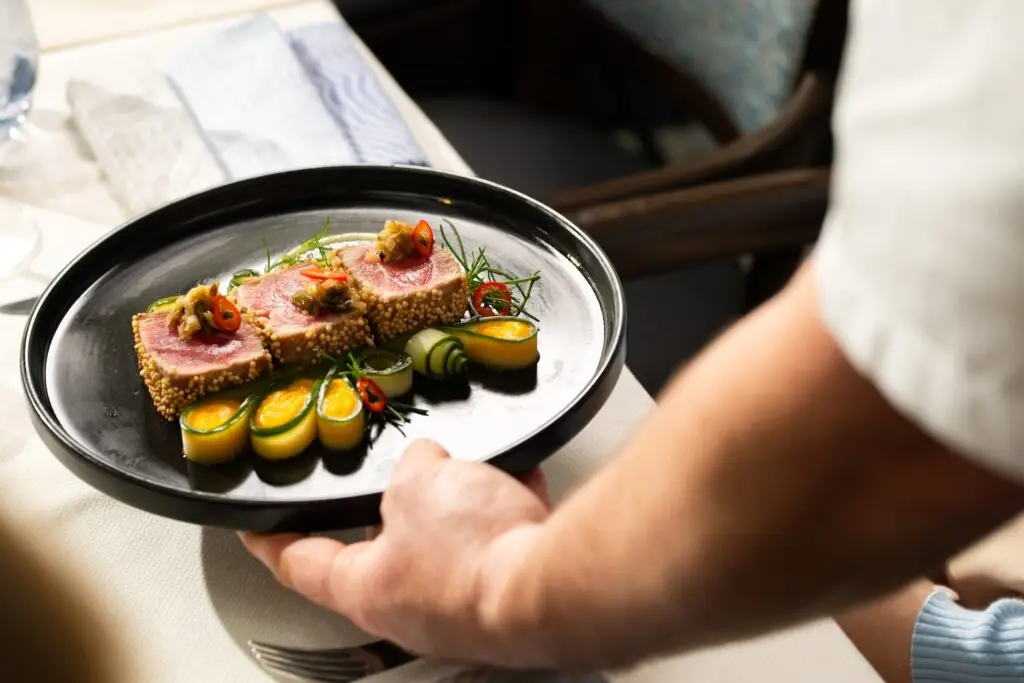
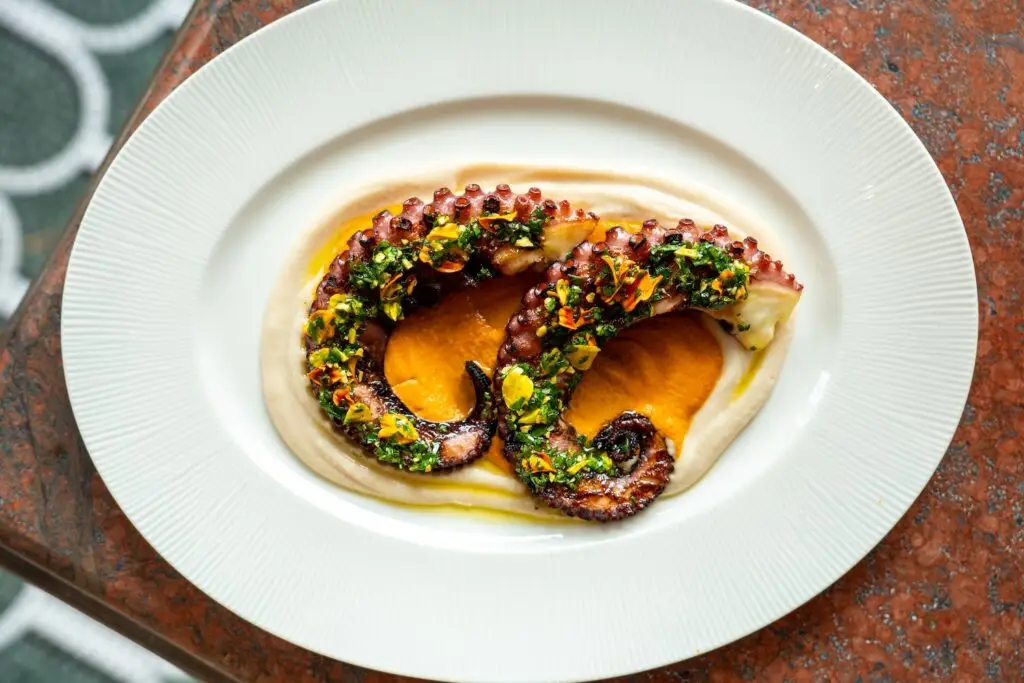
Last year, brewer Jeff Bagby left Pizza Port to open his own brewery and pub. Now Bagby Beer is getting close to the finish line. 601 South Coast Highway2.
This inventive, mul- ticultural sushi pub impresses with its fresh, quality fish. 1815 South Coast Highway
3. NEW
Succulent CafeÌ
What began as a succulent shop is now a plant-filled secret Apothequegarden with a coffee cart, sandwiches, pastries, and smoothies. 322 North Cleveland Street
4. Flying Pig Pub & Kitchen
This farm-to-table restaurant pushes uniquely crafted comfort food and hand- made pasta. 626 South Tremont Street
5. The Privateer Coal Fire Pizza
Sit at the bar to watch the pizzaiolos in action as you enjoy gourmet pizza made with produce from the rooftop garden. 1706 South Coast Highway
6. BullTaco
Sample an “inauthentic Mexican” menu with carne asada tater tots, duck, shrimp curry, and unique specials like alligator and caribou. 1815 South Coast Highway
7. Apotheque Lifestyle Spa
This modern apothecary offers its own product line with custom blending, spa and salon services, acupuncture, and yoga. 322 North Cleveland Street
8. Stone Company Store
Fill your growlers, buy bottles and accessories, and sit outside sipping new Stone brews at this shop and tasting room. 310 North Tremont Street
9. 333 Pacific
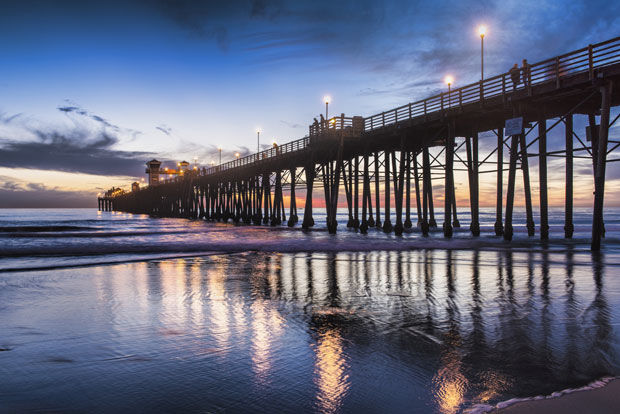
Enjoy steak and seafood (with a raw bar) accompanied by views of the Oceanside Pier. 333 North Pacific Street
10. California Surf Museum
Browse artifacts and exhibits celebrating the local and international surf culture. 312 Pier View Way
11. Linksoul
Step up your golf game with simple, yet design-forward apparel and accessories. 530 South Coast Highway
12. Captains Helm
This cool vintage shop features brands like Brixton, Loser Machine, Captain Fin, and Cycle Zombies. 1832 South Coast Highway
Some keep lists of favorite books, of quotes, of enemies whose time shall come. At SDM we keep vast, nuanced, hotly debated lists of the best food and drink in the city. Menus are our smut novels. From Michelin stars to mom and pops, our list constantly evolves over hundreds of new bites tried every year. Here’s the 2026 list from food critic Troy Johnson and 129,000-plus votes from our readers, who really, really know their food.
Scroll down for the full list of Best Restaurant winners
Troy Johnson is the magazine’s award-winning food writer and humorist, and a long-standing expert on Food Network. His work has been featured on NatGeo, Travel Channel, NPR, and in Food Matters, a textbook of the best American food writing.
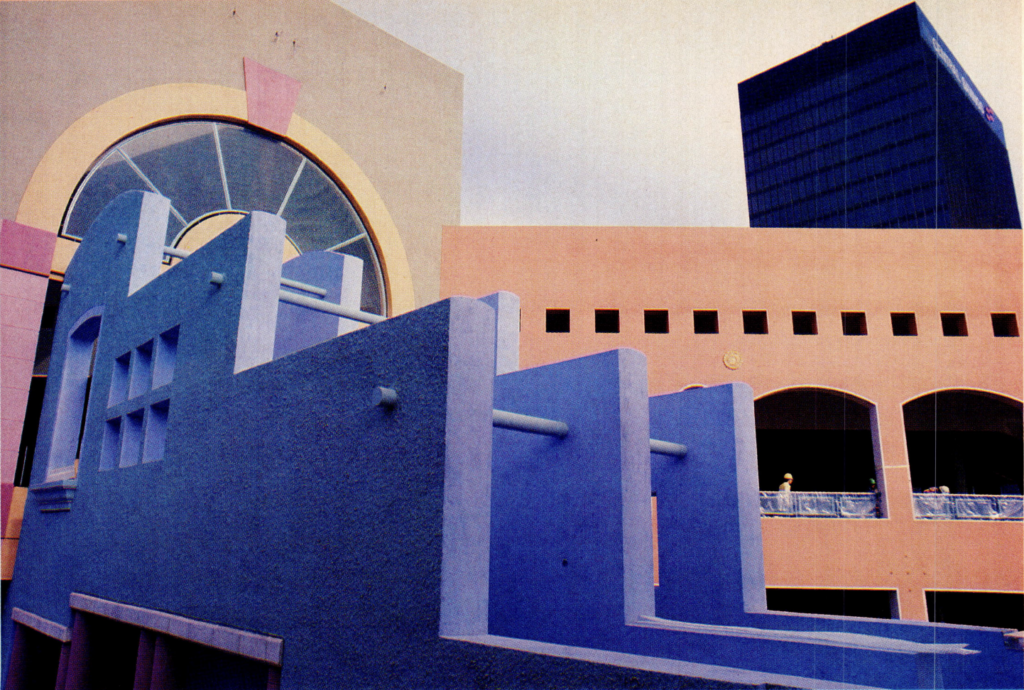
San Diego is just out here minding its own business. It’s long been cast as Los Angeles’s less ambitious sibling—the chill one, the one who shows up late for dinner reservations in flip-flops with a few provocative opinions. Architecturally it’s often cast the same: secondary, derivative, a footnote to California modernism that seems to begin and end with the Stahl House (Case Study House #22). LA has Pierre Koenig, Craig Ellwood, John Lautner. San Diego has the original fish taco.
But this version of the story is redacted, metaphorically speaking.
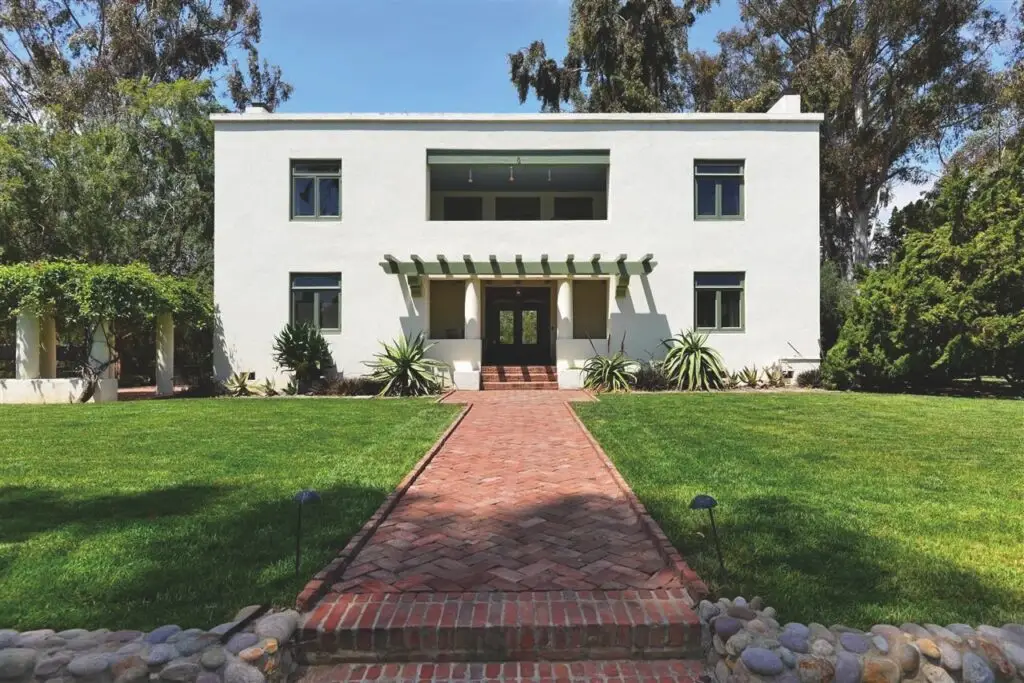
While the jazz hands of Hollywood and its hills cast a spell on historians and architecture buffs, San Diego had, and has, its own quiet evolution: It invented and reinvented itself through homegrown modernism, beginning with The Allen House (1907) in Bonita by Irving J. Gill.
“The biggest misconception is that San Diego was following Los Angeles,” says Keith York of Modern San Diego, one of the city’s top guides to modernist architecture. “Those who consider Rudolph Schindler and Richard Neutra as the fathers of Southern California Modernism often fail to recognize the outsize influence Gill and his buildings had on their work.”
Courtesy of Keith York
A new book, The Distinct Modernism of San Diego—written by Mark Hargreaves and Hallie Swenson, published by York—focuses on eight architects who were born, raised, or built their careers in San Diego. It illustrates how the city wasn’t hosting weekend warrior architects on side quests. It was a staging ground for a less look-at-me modernism from luminaries like Gill, Lilian J. Rice, Richard Requa, Lloyd Ruocco, Frederick Liebhardt, Kendrick Bangs Kellogg, Sim Bruce Richards, and Cliff May.
“Absent the backstabbing competition for projects, a collegial group of architectural peers collaborated and maintained lasting friendships with one another as they designed in response to the temperate climate and slower economy,” York says.
Largely unknown until the mid-1960s, Gill is a marquee name today. He arrived here from the East Coast at a moment when San Diego was still defining itself, which gave him the freedom to invent something new, experiment, rebel.
Instead of imposing the flourishes and frills of the time, he considered San Diego’s climate, light, landscape, history—the joie de vivre—and designed for this place. “[Architects of the west] must have the courage to fling aside every device that distracts the eye from structural beauty, must break through convention and get down to fundamental truths,” he once said, a sentiment that nails the un-ornate, total lack of pretension that’s defined San Diego people and culture.
And, lo, did Gill fling: His flat roofs, clean lines, and almost no ornamentation—though not necessarily modernism in the Eames or Eichler sense—foreshadowed what would later be called minimalism. Gill eventually became synonymous with the Los Angeles narrative, but broader architectural histories overlook the fact that his most progressive designs happened here.
Courtesy of Keith York
Another key to San Diego’s architectural movement was Lilian J. Rice, who often worked behind the scenes with little credit. She was one of only about 10 women in America licensed as architects at the time. Even though she died from cancer at 43, she somehow managed to complete an estimated 170 projects in the region, many in Rancho Santa Fe.
Born and raised in National City, Rice also wasn’t importing ideas. She shaped her own based on her understanding of this region and her commitment to protect the natural environment. Her work has been categorized as Spanish Colonial Revival, but she wasn’t reviving as much as she was refining a style suited to our border region—serene, mirroring nature, beautiful.
Like Sim Bruce Richards, who was his own way of life. While Gill stripped away ornamentation and Rice focused on the peace of open spaces, Richards came along several decades later and went full emo. By then, modernism had grown deep roots; its steel-and-glass structures took themselves very seriously. Richards came to party.
Photo Credit: Ollie Patterson
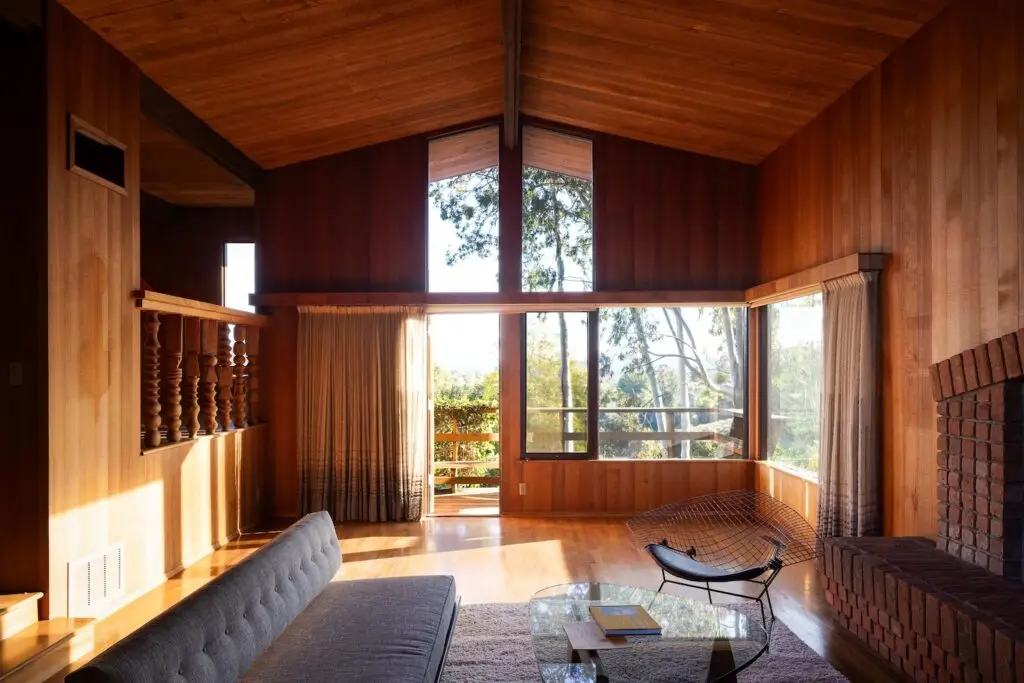
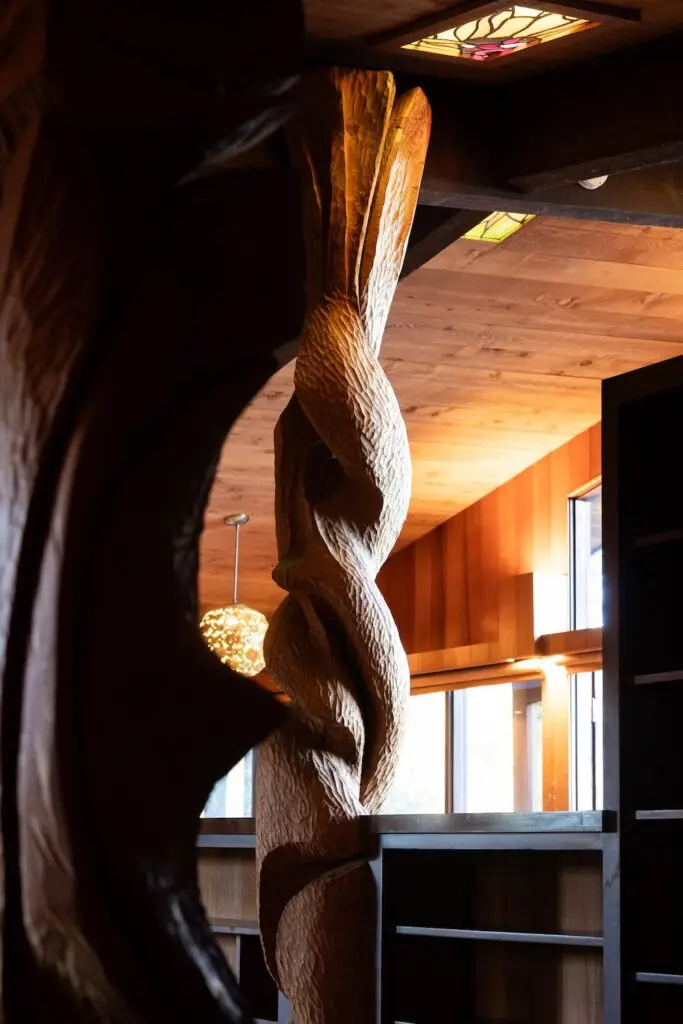
An eccentric, unpredictable man with half a face (part of his jaw was removed following a bone infection when he was a child), his life was a jalopy of adventures. He was opinionated and passionate about design, music, texture—and he created what he called a “sensuous environment.” He wanted his clients and their guests to feel the spaces as much as to be in them, appealing to the visual, tactile, nasal (“a cedar house smells good”), auditory (“acoustically superior”), even taste. “Though, I‘ve never had a client lick my houses,” he once wrote.
Organic, woodsy, textured, aromatic—if you ever find yourself in a Sim Bruce Richards house, a licking impulse might not seem so outrageous.
Gill, Rice, Richards and the other architects in Distinct Modernism built a legacy in San Diego that resonates nationally. And the work of these heavy hitters isn’t stuck in an inaccessible collectors realm: This October, homes by Kellogg and Liebhardt will open to the public as part of the La Jolla Modernism Home Tour—an opportunity to experience it not as a museum relic or magazine image (ahem), but as something alive.
Modernism in San Diego was never about glamour or an intention to be iconic. What transpired here is more nuanced, more ingrained with a less shouty aesthetic. A very San Diego aesthetic.
Craftsmans and Spanish Revivalists and mid-century modernists—why does San Diego have so many different architectural styles? What makes a home distinctly San Diego? What are the trends shaping the look of the city’s neighborhoods for years to come? We asked the experts: architects and designers honoring the past, crafting the present, and radically altering the future of San Diego living. They opened their portfolios, shared points of view, and treated us to snapshots of their latest work that speaks to the ideas they’re playing with. The result? Six trends, design choices, and a proposal to make local homes unique. Grab a lemonade and get a little inspo for your own place.
Outdoor comfort goes to 11 with climate-controlled architecture
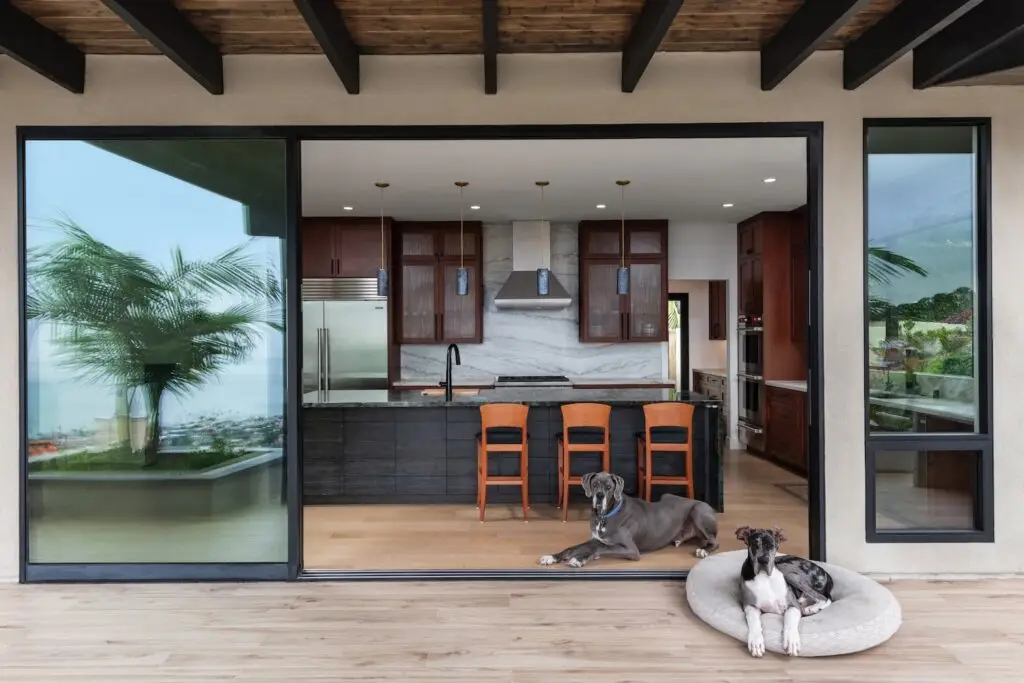
“Clients are now reaching for comfortable outdoor spaces that can be controlled for subtle shifts in the environment—heated covered porches, or patios with controlled louvered ceilings with integrated fans, lighting, heaters, and adjustable light.” –Mark Morris, Oasis Architecture & Design
“I think outdoor spaces in San Diego can be as useful or even more useful than indoor spaces. Relating to the site, view, [and] neighborhood can bring so much value and richness to a home.” –Bill Bocken, Bill Bocken Architecture & Interior Design
Photo Credit: Lauren Taylor Creative
Trend 2: End of the Farmhouse Era, Finally
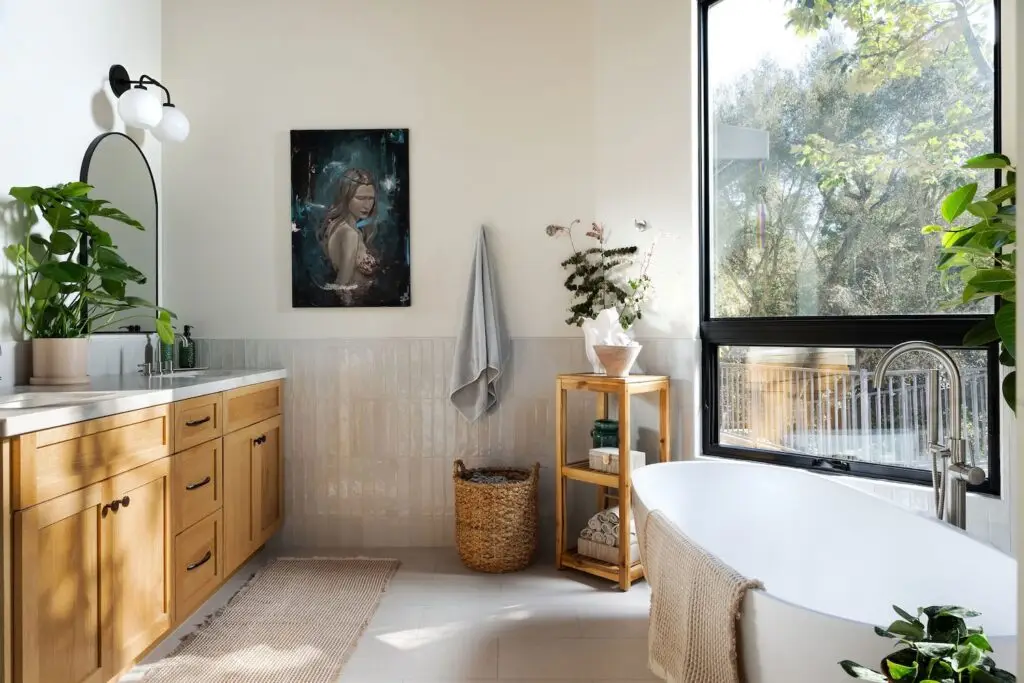
The death of Little House on the Coast and the rise of warmth and organic materials
“After years of modern farmhouses—black windows, white houses, and gray walls and floors—natural tones are coming back. We are seeing a return to organic textures and more saturated color. Homes feel layered rather than stark.” –Susan Wintersteen, Savvy Interiors
“There’s a move toward homes that feel like every element has a purpose. I see a strong desire for warmth and natural stone, wood, organic textures with softer transitions, and materials that age well.” –Jen Pinto, Jackson Design & Remodeling
Designers’ plea: Don’t ditch beautiful bones for trend whimsy
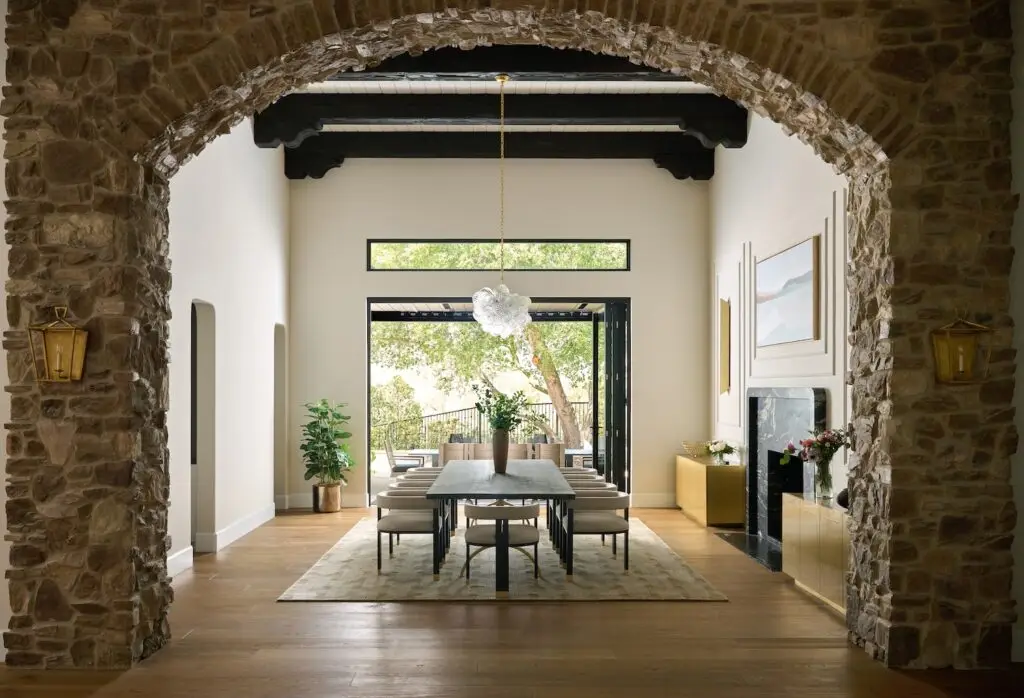
“I would like to see even more architectural integrity, fewer quick flips, and more thoughtful renovations that respect proportion, scale, and context. San Diego deserves homes that feel timeless, not transactional.” –Susan Wintersteen, Savvy Interiors
“We want to see people respecting the original character of their homes while re-imagining them for modern life, rather than erasing character in favor of quick transformations that look ‘cookie-cutter.’” –John Kavan, Jackson Design & Remodeling
Trend 4: We’re Designing to Stay Awhile
San Diego’s design market is maturing in place
“Homeowners are staying in their homes longer—some 15 or 20 years. That has shifted design away from trend-driven choices and toward architecturally driven spaces that are functional, cohesive, timeless, and designed to support daily life over decades.” –Jen Pinto, Jackson Design & Remodeling
Photo Credit: Brooke Brady
Trend 5: This Is Not Spicoli’s House
We probably don’t need a starfish next to our “Beach That Way” sign
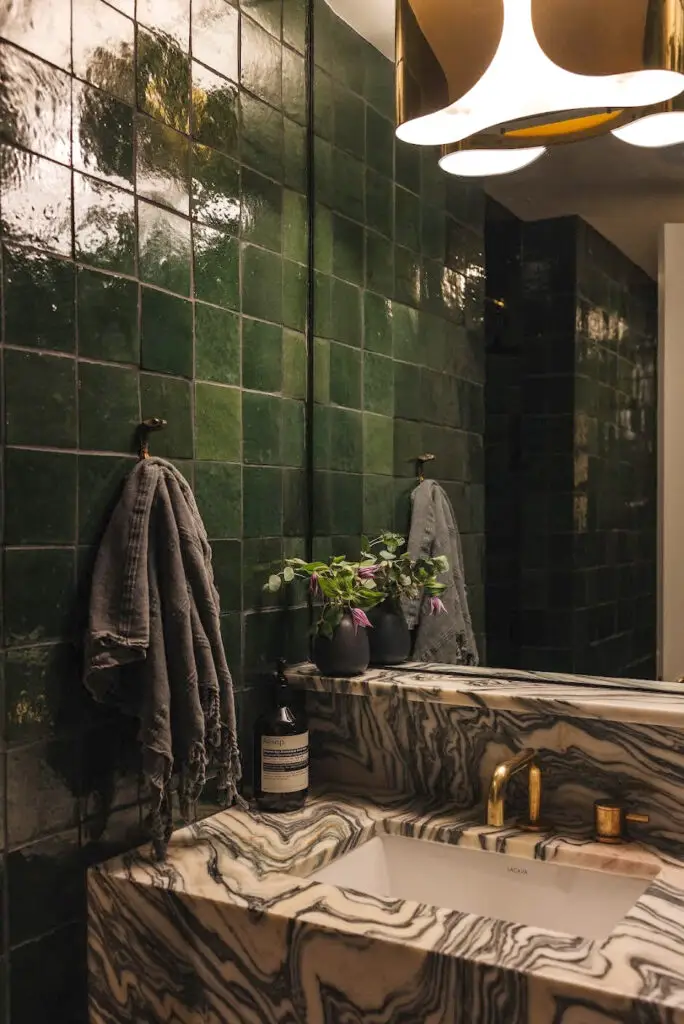
“There’s a noticeable move away from literal ‘coastal themes’ and toward more layered, textural environments. San Diego homes today often feel cleaner, more architectural, and more personal.” –Julie Crosby, designer
“Today, the aesthetic is more refined but still rooted in ease. It is coastal without being cliché and modern without being cold. The throughline is light, air, and a relaxed sophistication that reflects how people actually live here.” –Susan Wintersteen, Savvy Interiors
Trend 6: The House Outside Your House
Outdoor square footage as equally valuable as interior space
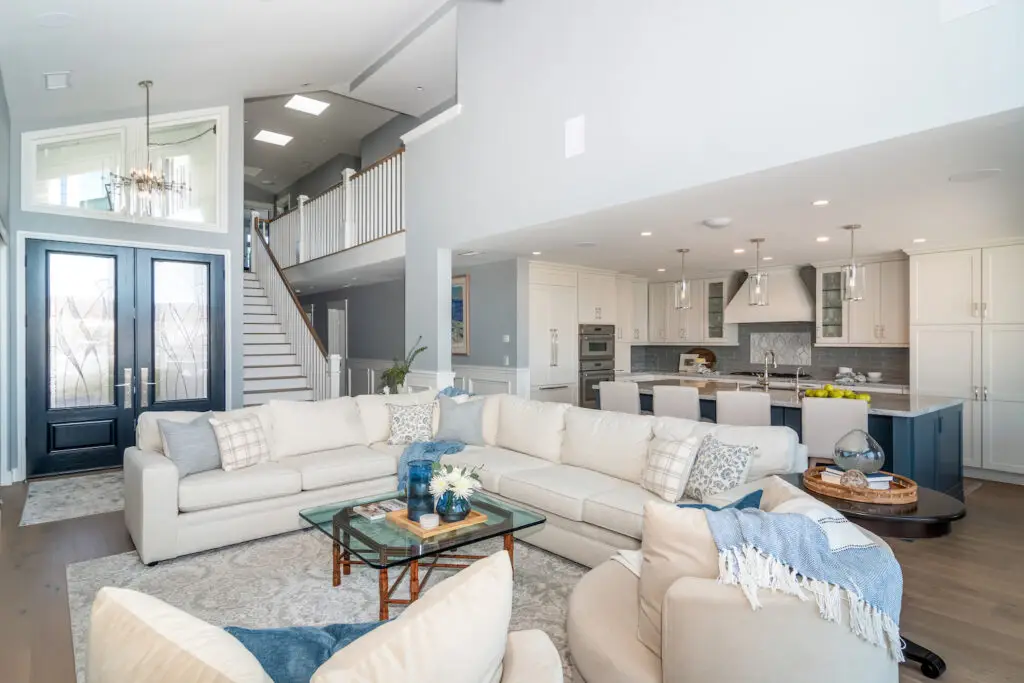
“When you can live outdoors most of the year, architecture and interiors must support that. Large format doors, layered patios, durable materials, and seamless flooring transitions all stem from lifestyle.” –Susan Wintersteen, Savvy Interiors
“Nearly everyone wants to take advantage of the constant sunshine, so we see a huge desire for indoor-outdoor living, light and airy fabrics, organic materials that bring the feeling of nature into the home, and a desire to incorporate a relaxed, coastal lifestyle into everyday living.” –Lilli Fish, LS Design Studio
Lili Kim is a content coordinator and writer for San Diego Magazine, with experience highlighting local businesses and communities. When not writing or shooting film, she is likely brewing her seventh cup of tea of the day or strolling along Sunset Cliffs.
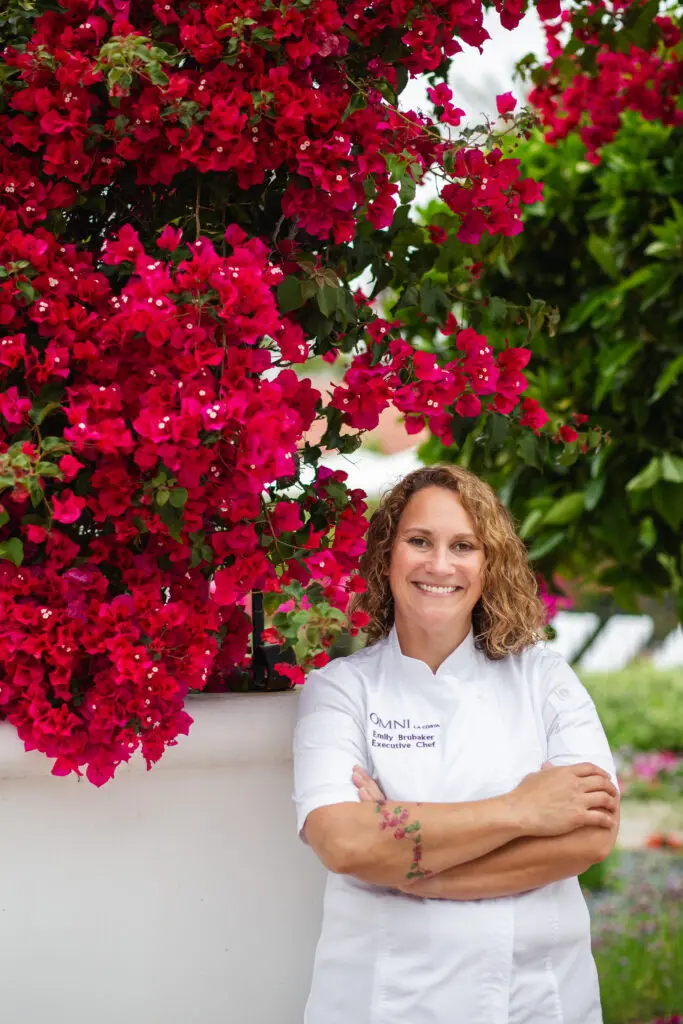
For Executive Chef Emily Brubaker, Omni La Costa Resort & Spa feels like home. She grew up just a mile-and-a-half away from the 400-acre property and fondly recalls walking the golf course perimeter as a kid. Though her ambitions led her away from San Diego for nearly two decades in which she honed her craft in some of the highest of high-profile Las Vegas restaurants—including triple Michelin-starred Joël Robuchon at MGM Grand—they ultimately brought her back to North County.
Courtesy of Omni La Costa
Today, the classically French-trained chef, who’s fresh off a victory on NBC’s Yes, Chef!, judged by Martha Stewart and José Andrés, oversees Omni La Costa Resort & Spa’s seven distinct dining concepts. Her goal is to elevate the resort’s culinary program with her creative, hyperlocal ingredient-driven approach while maintaining the Spanish- inspired flavors and fresh California coastal cuisine that are the bedrock of its culinary identity.
“The San Diego food scene is really growing, and in North County alone, it’s really exploded in the last five years,” Brubaker says. “There are Michelin stars, beautiful tasting menus, craft bakers, and all this food—when I was growing up in La Costa, it was fish tacos. Now there are really cool things popping up, and I’m so happy to be here to see where it’s going to go.”
Brubaker gives chefs de cuisine at each individual restaurant autonomy, however, her influence is evident across the resort.
For example, lobby restaurant Bar Traza serves as Omni La Costa’s culinary centerpiece and features bold Spanish flavors in a lively, social atmosphere. Brubaker overhauled the menu to be more consistent and centered on casual bites with that signature vibe. Think smoky paprika, vibrant citrus, and Spanish meats and cheeses.
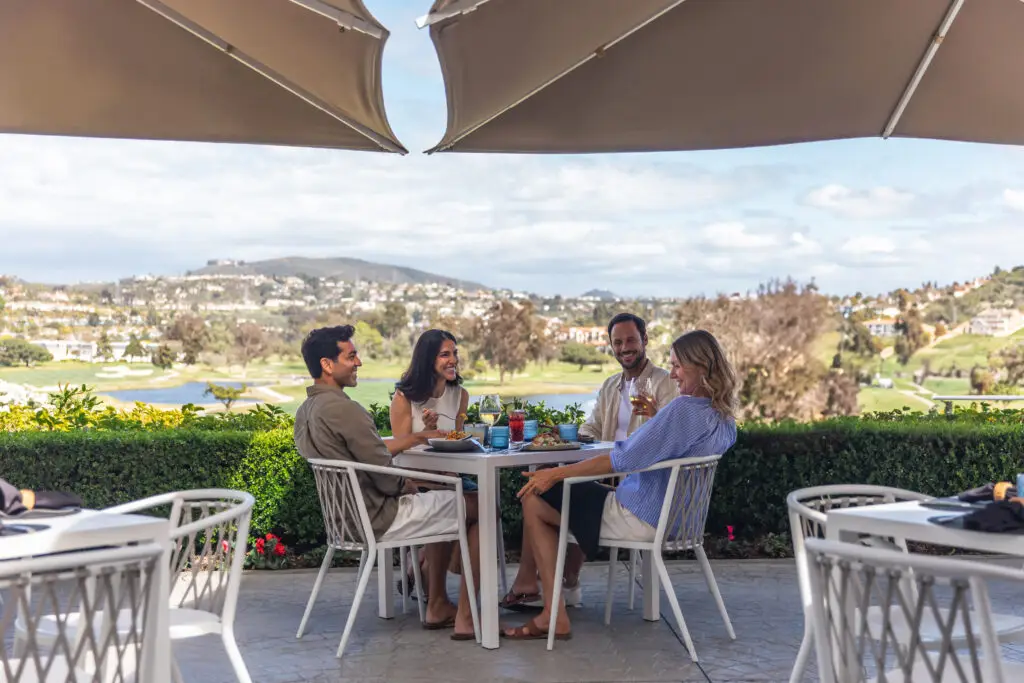
At VUE, the focus is on seasonal offerings, California coastal cuisine, and Baja-inspired dishes. She and Chef de Cuisine Cameron Dixon change the menu biannually, which heading into summer, will highlight farm-fresh produce and hyperlocal ingredients—the resort even has its own herb garden and honeybee hives.
Courtesy of Omni La Costa
Poolside dining options are leaning into the country’s 250th this summer with a selection of classic American dishes with an Omni La Costa twist. And Bob’s Steak & Chop House (Brubaker is a trained butcher) offers a classic steakhouse experience with elevated service.
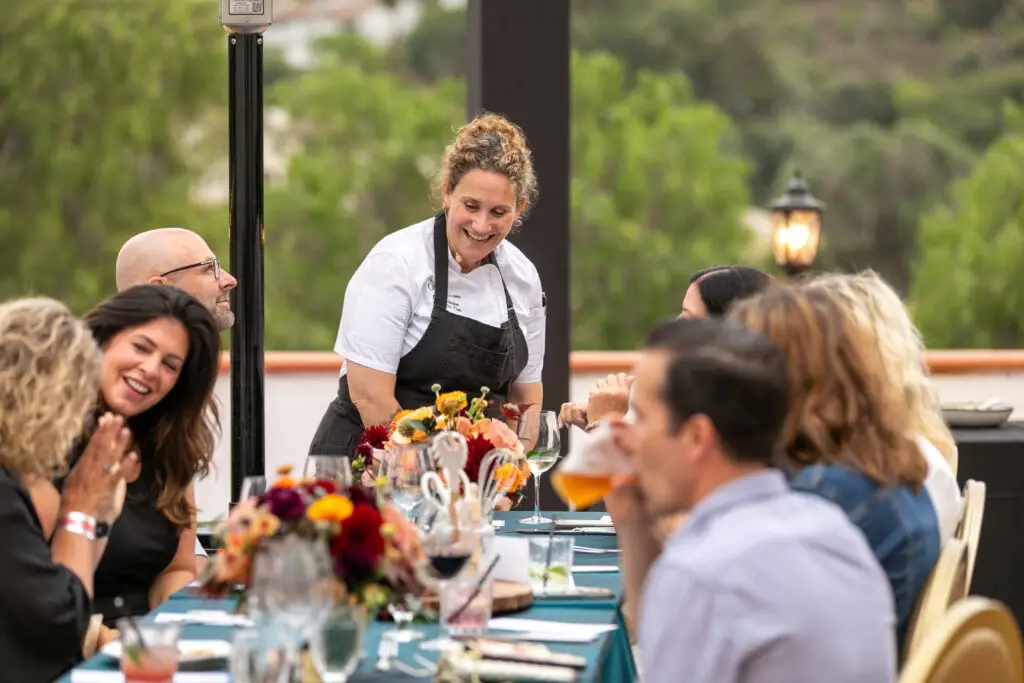
The chef and company also plan menus for special events at the resort where her creativity can really shine. For an upcoming National Ski Association dinner, the banquet hall will be transformed into an Alpine-themed winter wonderland complete with a snow machine, savory sausages, and melty, decadent raclette. A recent dinner was built around the Carlsbad Flower Fields and each course was matched to a color of ranunculus (Did you know pink dragonfruit are grown in North County? You do now.).
“It’s my zen to be in the kitchen playing with food,” Brubaker says.
Omni La Costa’s culinary program is a key part of the resort experience. And with Brubaker’s leadership, it’s becoming a draw for visitors and locals alike.
“These aren’t just hotel restaurants, these are restaurants that you should go to. They’re destinations, and I’m really hoping for the future that’s where we’re going,” Brubaker says.
Courtesy of Omni La Costa
Brubaker is also channeling her experience on Yes, Chef! into the culture at Omni La Costa—more emphasis on teamwork and collaboration, empowering her staff to share constructive critiques, and embracing different perspectives. Alongside her leadership role, Brubaker has become an advocate for mental health in the hospitality industry, serving as chief ambassador for the Burnt Chef Project and serves on the Board of Advisors for the Apex Culinary Program, where she mentors and develops future talent.
San Diego’s most iconic architectural tower sat closed and vacant for over 80 years until the invisible architects came in.
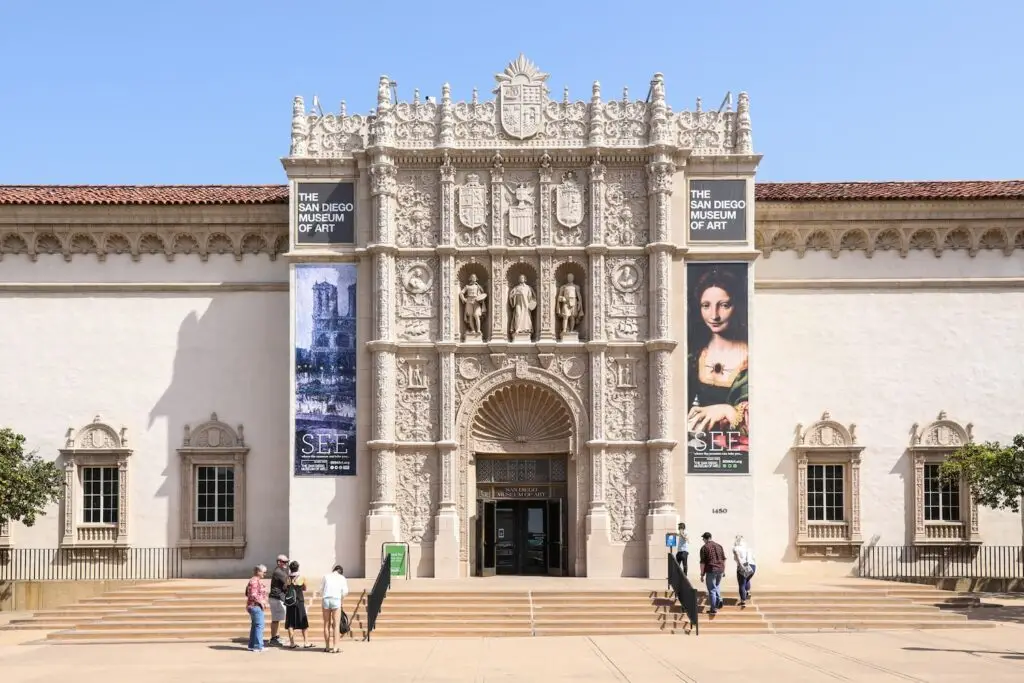
A century ago, the dramatic structure we now know as the California Building greeted visitors to the 1915–16 Panama–California Exposition in Balboa Park. It was covered in ornate pilasters, colorful tiles shone on its domed roof, and an attached eight-story tower surveyed the expo below. The building resembled a church, yet attendees who stepped inside expecting a sermon instead encountered an exhibit called The Story of Man Through the Ages. The showcase would inspire the building’s longtime-permanent use as the Museum of Us (formerly the Museum of Man).
Its tower became famous but furtive. Shut to the public in 1935, it spent decades as an instantly recognizable but inaccessible landmark. Finally, the museum decided that the California Tower would reopen for tours by 2015 and be outfitted for earthquake safety by 2020.
The challenge was significant. In order to keep it secure during seismic shifts, the whole structure needed steel braces, concrete walls, and tension rods—major infrastructure that had to remain a secret; hidden so that it didn’t alter the tower’s legendary look.
The people who completed the work were secret, too. Sort of.
“We call ourselves ‘invisible architects,’” says David Marshall, principal architect at Heritage Architecture & Planning, the firm tasked with restoring the California Tower. “Most architects going through school, their dream is to create something that’s never been created before. That’s not what preservation architects do. We are following the footsteps of great designers, and we don’t want to leave our fingerprints on everything we work on.”
Courtesy of Heritage Architecture & Planning
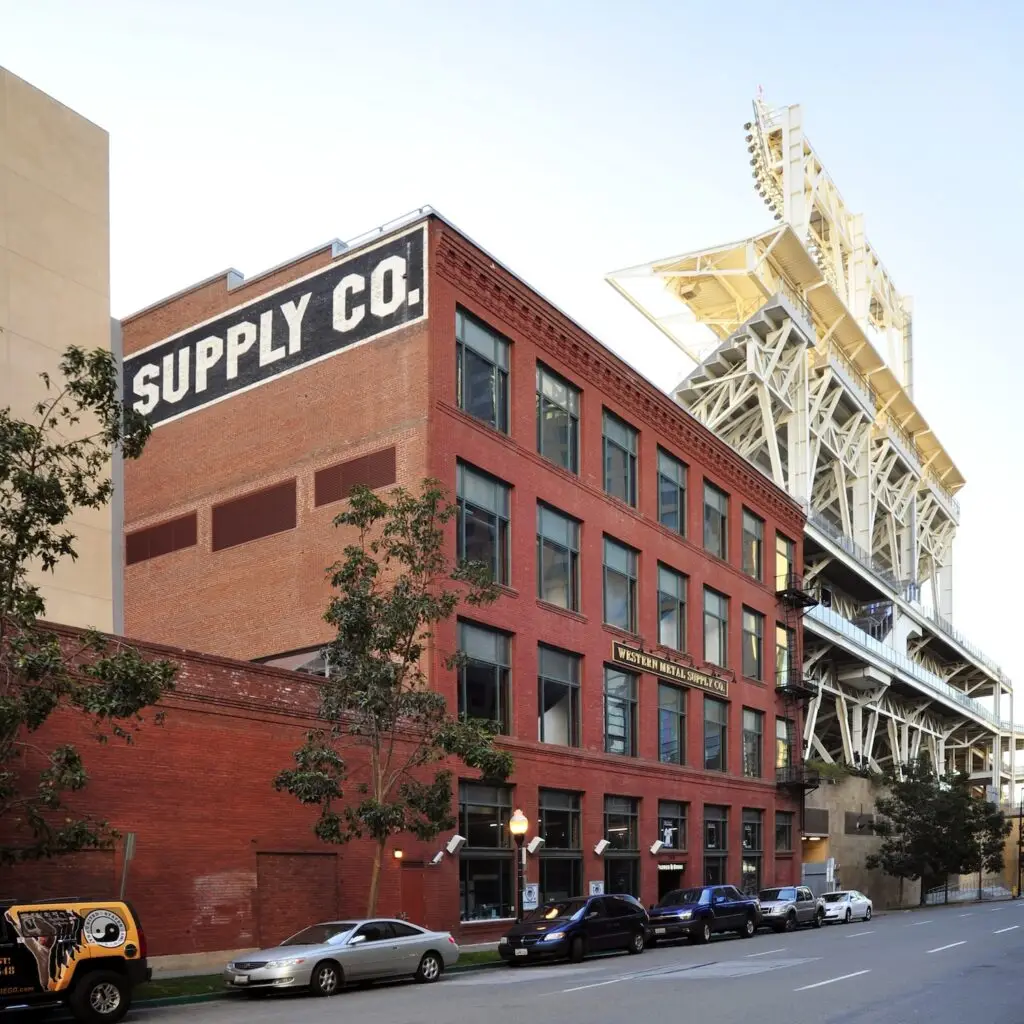
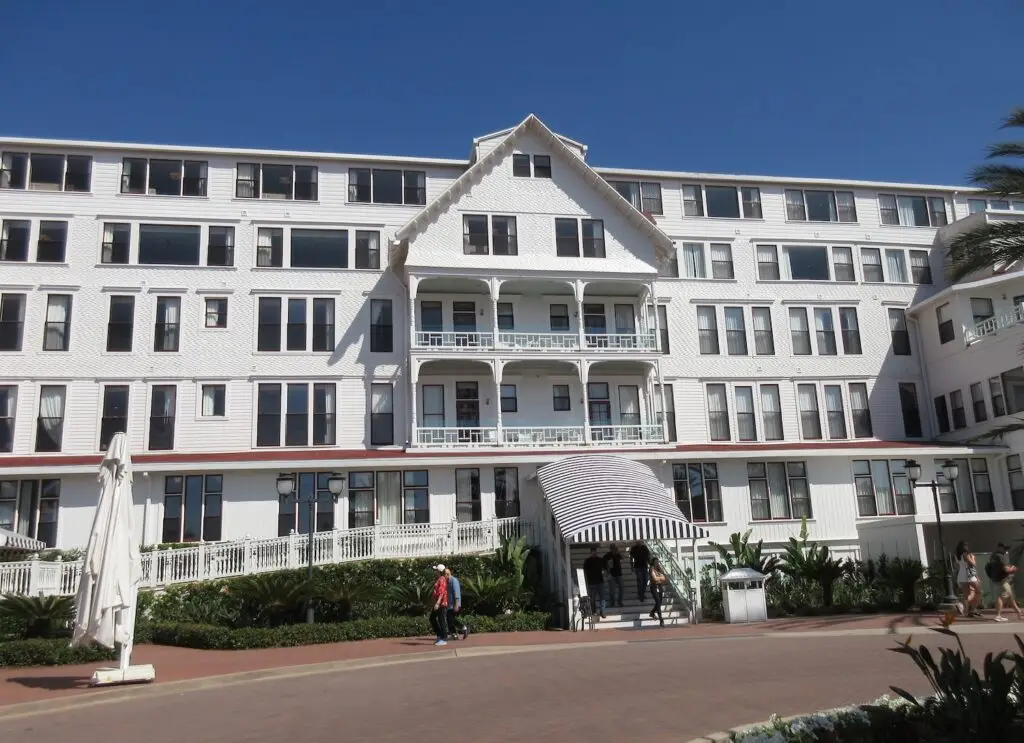
Marshall has spent the last 35 years returning iconic San Diego structures to their original shine: Balboa Theatre, the Top Gun house, Hotel del Coronado, and the Western Metal Supply Co. building, to name a few. And those are just the well-known ones. San Diego has more than 1,000 buildings—from modest homes to multi-story civic structures—that qualify as historic for various reasons.
“Number one is age: It has to be over 30 years old,” says Cathy Herrick, who founded the development company San Diego Historic Properties with her father Leon in 1984. (Though that’s not a hard-and-fast rule—Marshall’s team was able to help top local architect Jonathan Segal designate three of his buildings constructed after 2000, since any structure proven to be architecturally significant is up for consideration.)
“Second, it has to have enough of its original fabric—like 90 percent,” Herrick continues. The preservationist’s ultimate goal is to gently repair and, if absolutely necessary, replace weakened or damaged portions of the building while making modern safety and accessibility upgrades.
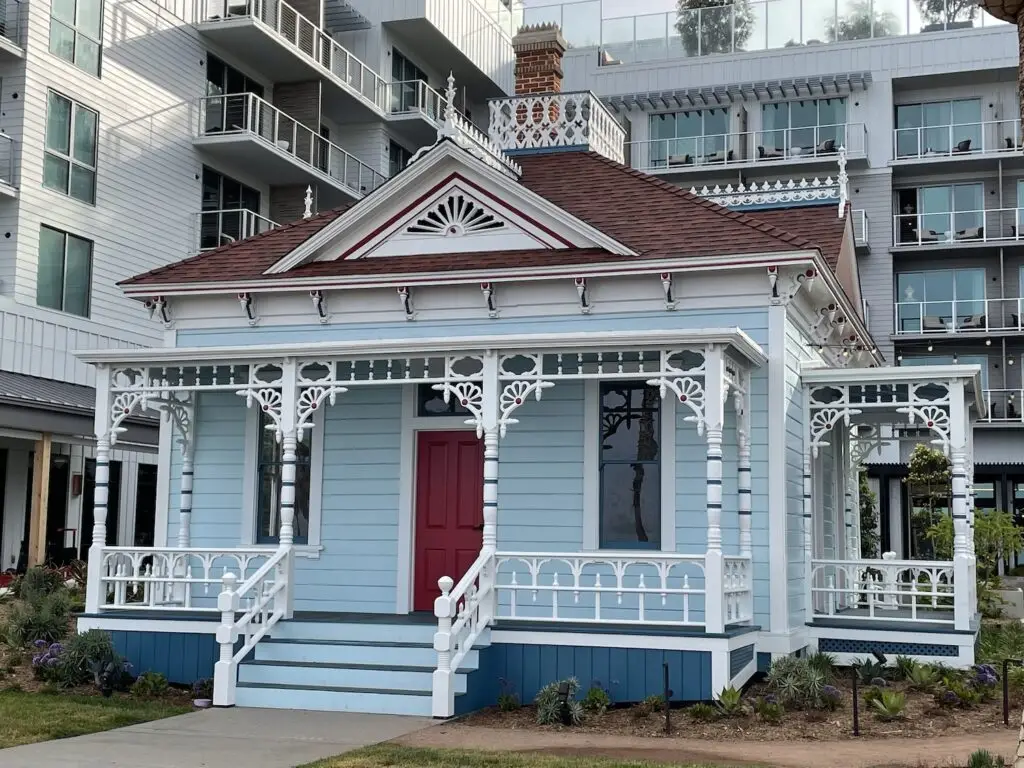
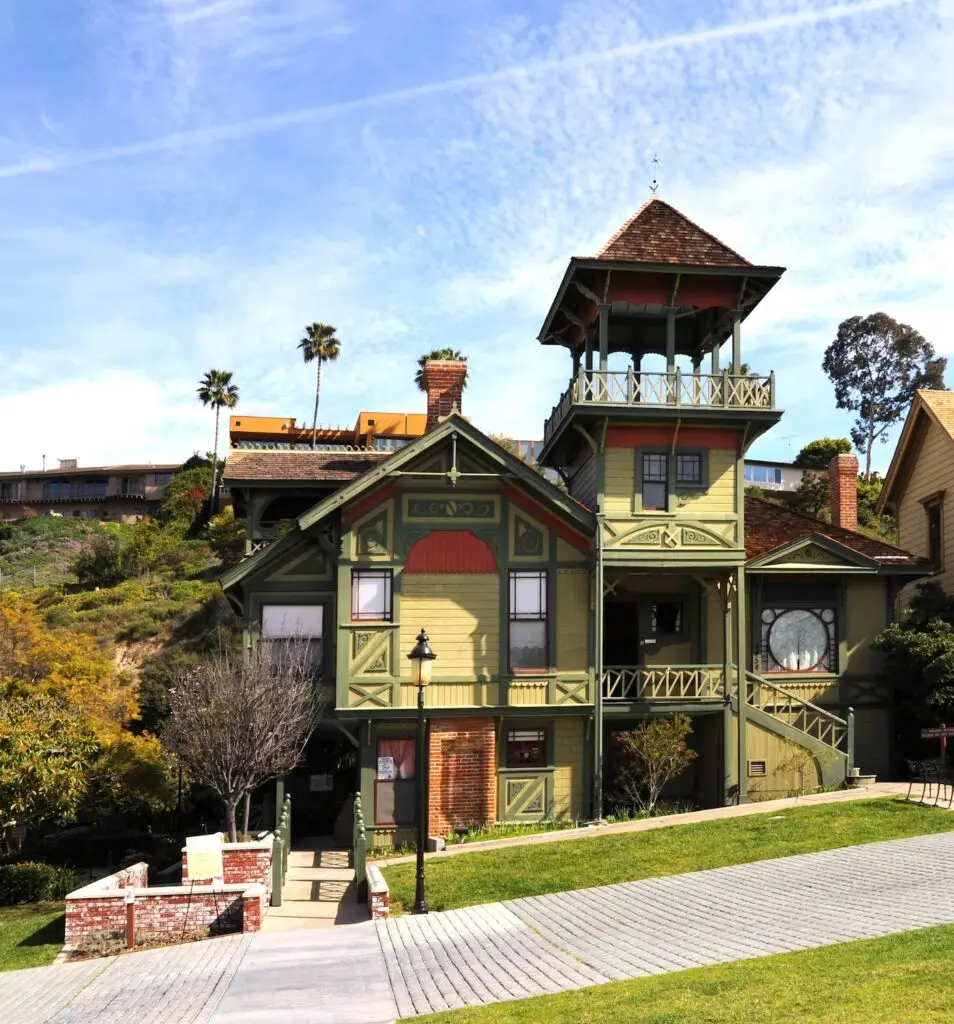
“We were trying to bring back the historic handrails around the front porch,” he explains. “They were built in 1888, so they didn’t meet the current code—they were only 29 inches tall instead of 42 inches tall.” On top of their diminutive stature, the handrails had seven-inch gaps between their pickets, more than twice the current safety requirement of less than four inches. The Heritage Architecture team’s solution: build exact replicas of the original handrails, but add a frameless glass rail behind them that’s only visible up close.
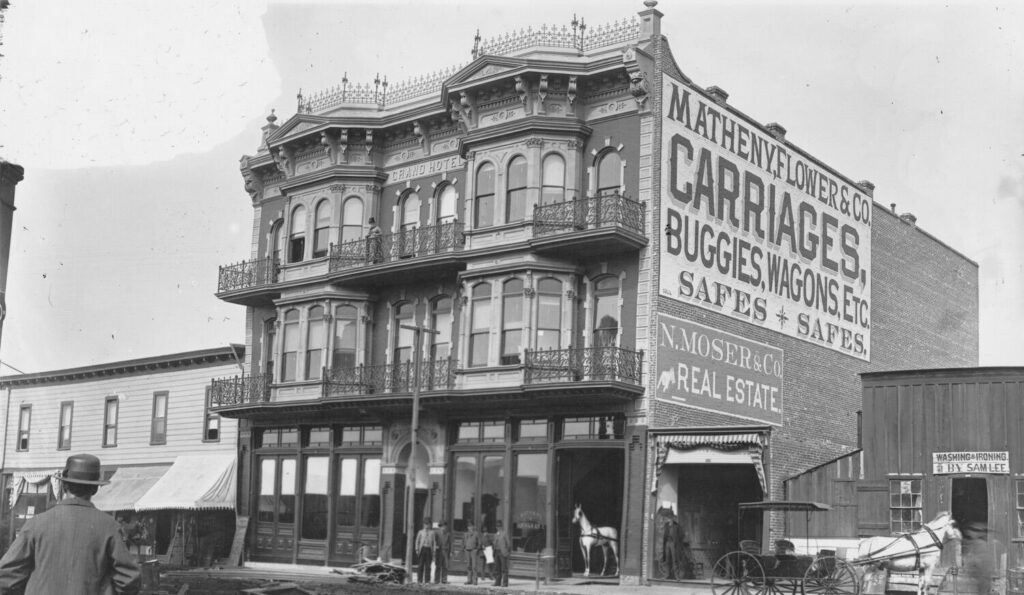
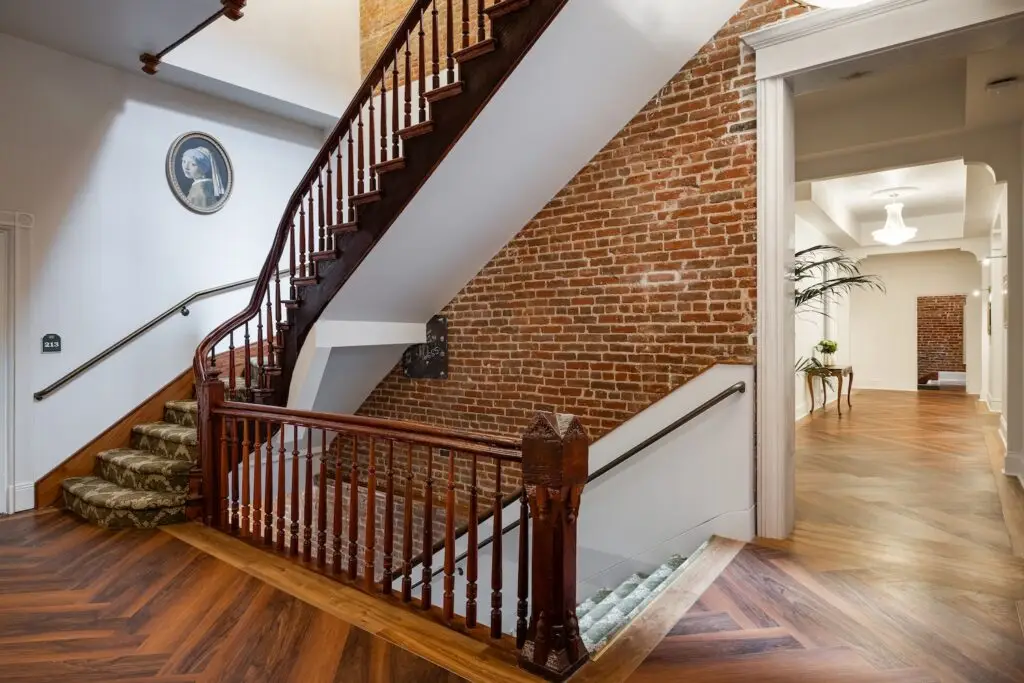
At The Beau—Herrick’s $5 million restoration of an 1886 Gaslamp Quarter hotel said to have been a favorite haunt of Al Capone—“there was a section of redwood staircase banisters and posts that were deteriorated,” Herrick says. “We took the pieces that remained and sent them to Northern California to a guy who specializes in hand-tilling [creating a distressed appearance on the redwood]. He made new pieces to match the historic.”
Restoring an old building for a new purpose—which preservation architects call adaptive reuse—can become even trickier. “Standard number one is to find a new use that’s compatible with the historic use,” like turning an old hotel into apartments, Marshall says.
His team transformed the Western Metal Supply Co. building at Petco Park into suites and a team store for Padres fans. “Warehouses like that are the easiest to convert because they’re usually large, open spaces with very few columns and partitions,” he explains. Any additions can be torn out by future preservationists, returning the building to its original state.
All these efforts to preserve the past don’t come cheap. “At The Beau Hotel, we wanted to put back the original 140-year-old bay windows. There were only eight of them, but it would have cost me $750,000,” Herrick says. “You sometimes have to make the economic decision to go with something that looks like the original but really is new.”
Photo Credit: Ollie Paterson Photography
Another challenge is that skilled artisans capable of restoring and replicating historical designs and materials are becoming increasingly rare. Over her four-decade career, Herrick utilized craftspeople—some in their 80s—who specialize in unique skills like repointing historic brick or reworking century-old window sashes. “Those guys aren’t around anymore,” she says. “It’s a lost art.”
Historical preservation may also be under threat from a policy perspective. As of now, the City of San Diego automatically reviews any building that’s over 45 years old before it’s demolished or its exterior is altered. But with the city’s current focus on densification and increased housing, Marshall says, “there seems to be a lot of push for fewer restrictions on new construction in historic neighborhoods.”
A proposed amendment to the current Heritage Preservation program would alter that automatic review process because it is “a reactive and, overall, less efficient approach to historic preservation,” says Kelley Stanco, deputy director of Climate, Preservation & Public Spaces for the City Planning Department. “Of the roughly 3,500 properties reviewed every year, 85 to 90 percent are found to have no potential historic significance. In addition to creating unnecessary delays for project applicants, it is an ineffective use of city resources that could be more effectively spent proactively surveying and identifying what is significant and bringing those properties forward for designation.”
Photo credit: Sandé Lollis
Another suggested amendment would give the Historical Resources Board new recourse for overturning historical designations. “If a building owner wants to tear down these newly designated historic houses, they’re gonna go to the council and appeal and, depending if they have any leverage—financially or otherwise—the council could say, ‘It’s not historic anymore,’” Marshall says. He fears that the change would “open the door to nothing being able to stay designated historic and nothing being safe from demolition.”
Stanco argues that changes to the city’s Heritage Preservation program are intended “not to eliminate historic preservation, but rather to incorporate…other important factors” like housing, equity, and sustainability.
The Save Our Heritage Organization (SOHO), a nonprofit dedicated to preserving historical architecture in San Diego, recently sent a letter, signed by former members and staff of the San Diego Historical Resources Board, to Mayor Todd Gloria and the city council decrying delays in historic designation reviews and nominations, among other concerns.
Ultimately, “growth and preservation are compatible,” believes SOHO Executive Director Bruce Coons. “The fact of the matter is that even if all the eligible houses and buildings were designated, it would be one percent or less of the city’s entire housing stock.”
Photo Credit: Sandé Lollis
Coons considers many historic properties “naturally occurring affordable housing”: They already exist, for one, giving them a financial leg-up on costly new builds. They’re also typically smaller than contemporary homes, and San Diego’s Mills Act financially incentivizes homeowners to maintain their historic houses through property tax relief. A number of structures in older San Diego neighborhoods also added ADUs during the first and second World Wars, contributing to density.
And beyond the practical, these structures contribute an inimitable texture to the local landscape. San Diego is unique for its mix of architectural styles—the famous Spanish Revival buildings, of course, but also Victorian, Pueblo-style, Art Deco, Craftsman, ranch-style, and midcentury-modern structures, spread across popular neighborhoods like Hillcrest, Bankers Hill, North Park, Point Loma, La Jolla, Logan Heights, and more.
“Our built environment is really what makes San Diego what it is,” Coons says. “It’s difficult to get meaning from a stucco box. I think San Diegans want to feel like San Diegans, and [historical buildings] provide that context, meaning, depth, and character to our lives. We realize that when they’re gone.”
Amelia Rodriguez is a writer and journalist and winner of the San Diego Press Club's 2023 Rising Star Award and 2024 Best of Show Award, she’s also covered music, food, arts and culture, fashion, and design for Rolling Stone, Palm Springs Life, and other national and regional publications. After work, you can find her hunting down San Diego’s best pastries and maintaining her five-year Duolingo streak.
Your bedroom is your sanctuary—a haven for your favorite shoes (the ones you never actually wear but love to admire), the place where your best thoughts sneak in before you drift off, the safe space that’s seen you through anxious nights and joyful secret dance parties.
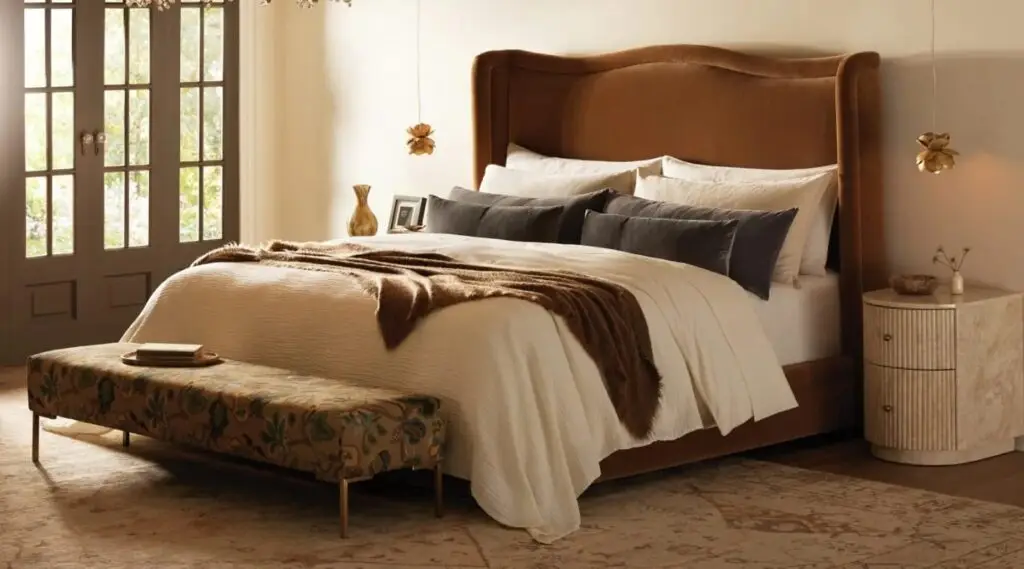
With a little guidance and intention, this space can feel just as dreamy as that one nap you never want to end, anchored by warm burl wood, smooth (and sustainable) upholstery, and stone nightstands that read as art. And we’re not talking about the overly staged look-at-me rooms you see on HGTV. Great design prioritizes feeling just as much as form. We’ve handpicked upscale, quietly chic finds from local home stores to bring your ultimate bedroom vision to life.
Mary had a little…chair? Wrapped in camel-hued wool, the Allora Chair proves that one standout spot for lounging is often all a bedroom needs to feel like the penthouse suite at a fancy-schmancy hotel.
Courtesy of Room & Board
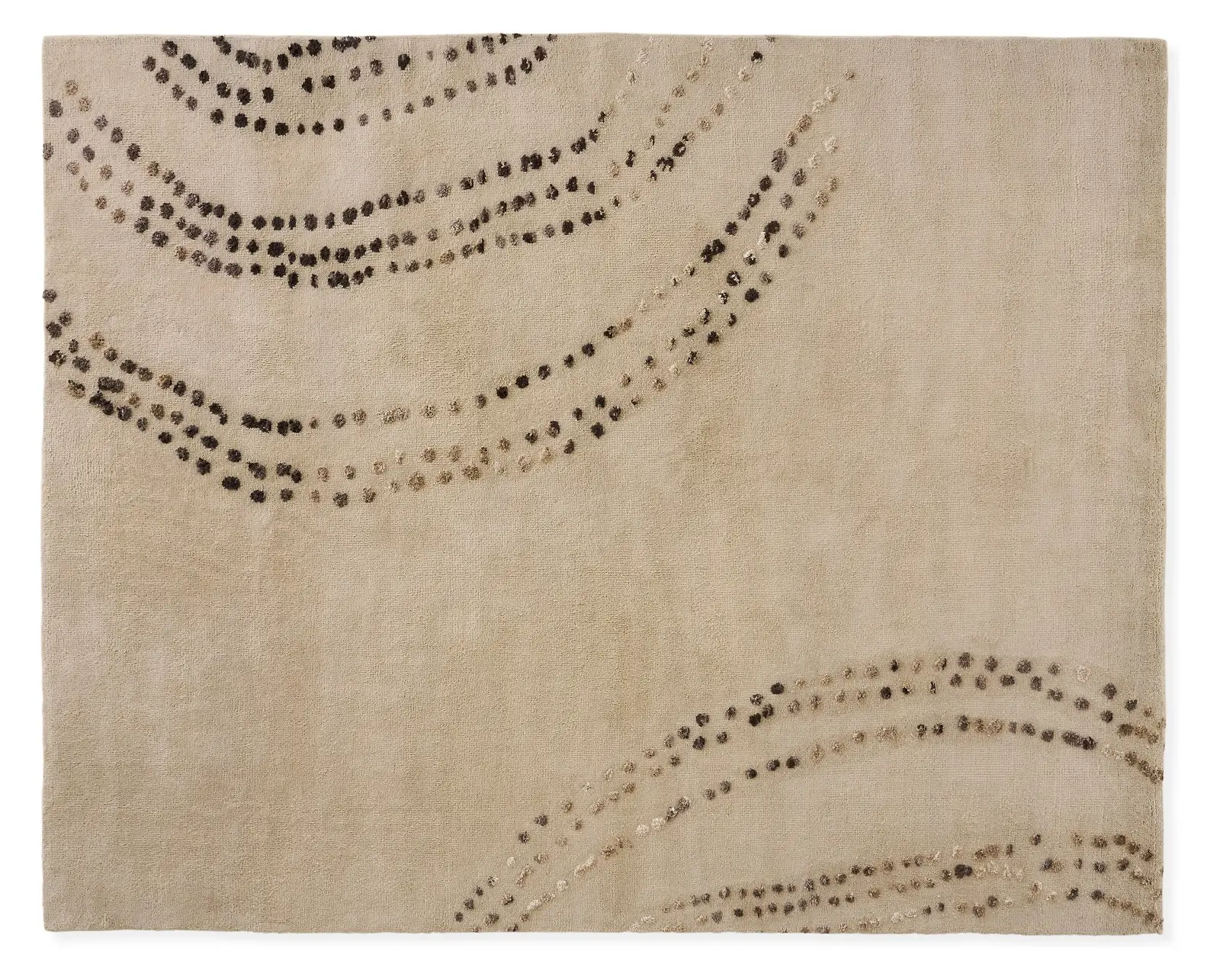
Sitara Rug
$2,399, available at Room & Board
Room & Board sources the Sitara Rug from India, where skilled craftspeople hand-knot every inch of this soft wool carpet. Tiny flecks of gold silk add a subtle shimmer. Just try not to drop any earring backs on it.
Courtesy of Arhaus
Faux Calla Lily in Round Vase
$950, available at Arhaus
Everyone loves flowers, but real lilies lose points for fading fast—and being dangerous for pets! Sub in these hand-painted faux calla stems suspended in crystal-clear “water” for a fresh bouquet that never withers.
Courtesy of Arhaus
Morley Canopy Bed
$7,600, available at Arhaus
Who said canopy beds had an age limit? Add a little whimsy to your sleep schedule with this walnut burl frame. Arhaus’ Morley Collection is artisan-crafted, meaning no two beds are exactly alike, so your room is as unique as you are. Go ahead, sleep like royalty.
Wrapped in a pale mint (Moonstone) velvet, the Berlin Bench delivers a soft pop of color. Equal parts functional and beautiful, it’s made for collecting discarded shirts during an outfit-planning sesh and supporting dramatic swoons.
Courtesy of Arhaus
Amelie Floor Mirror
$1,600, available at Arhaus
Bonjour, bedroom—meet your new obsession. Inspired by traditional French design, this mirror’s iron-and-resin frame features delicate floral-and-vine detailing. Your reflection just got a vacation in Nice.
Courtesy of Arhaus
Christie Floor Lamp
$5,900, available at Arhaus
If the Pixar lamp got a glow-up, it’d look a lot like the Christie Floor Lamp. Thanks to a curving brass post, milk glass globe, and coralle stone base, it’s a killer source of mood lighting, but it’s also a whole mood in itself.
Courtesy of ReModern Living
Erika Chandelier by Eichholtz
$2,495, available at ReModern Living
Whoever said recessed lighting was enough clearly hasn’t met this chandelier. Finished in antique brass with three layered tiers of glass that gently diffuse light, the fixture resembles a soft cascade of feathers. Showgirl glam or one with nature? Why not a little bit of both?
Courtesy of Arhaus
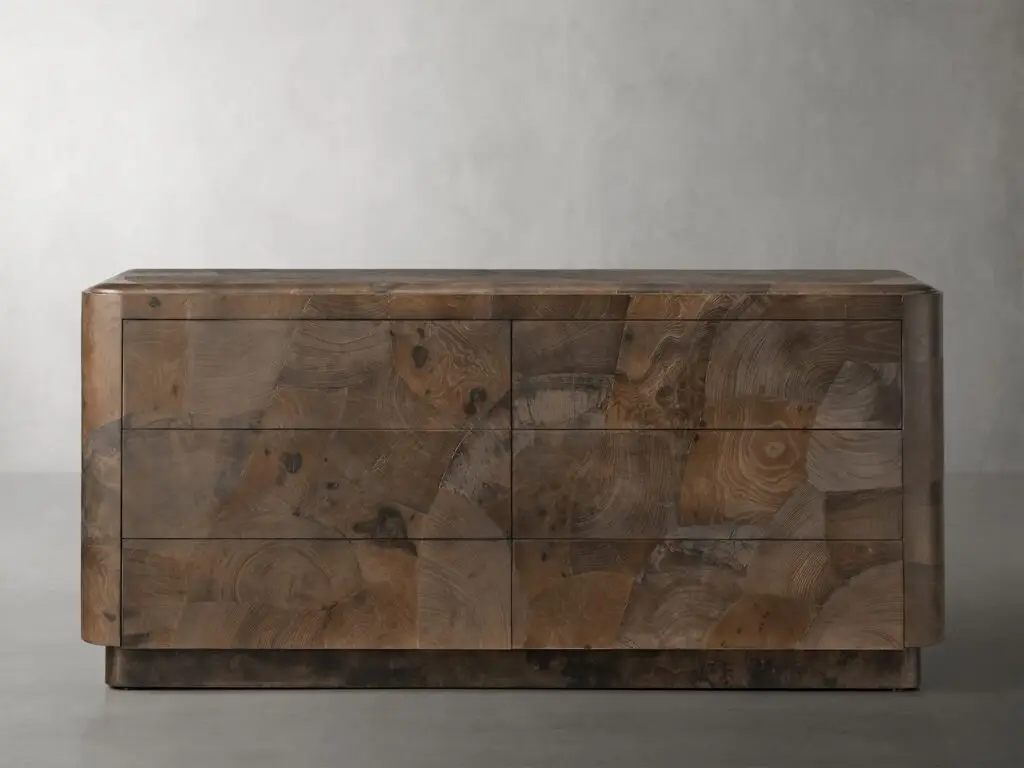
Polanco Six-Drawer Dresser
$6,600, available at Arhaus
This dresser has a backstory: Mexican artisans collect ash trees felled by storms; cut them into cross-sections that show off their natural rings, cracks, and watermarks; and piece them together into a patchwork that has bits of sustainably-farmed European ash burl.
Courtesy of Roam Homeware
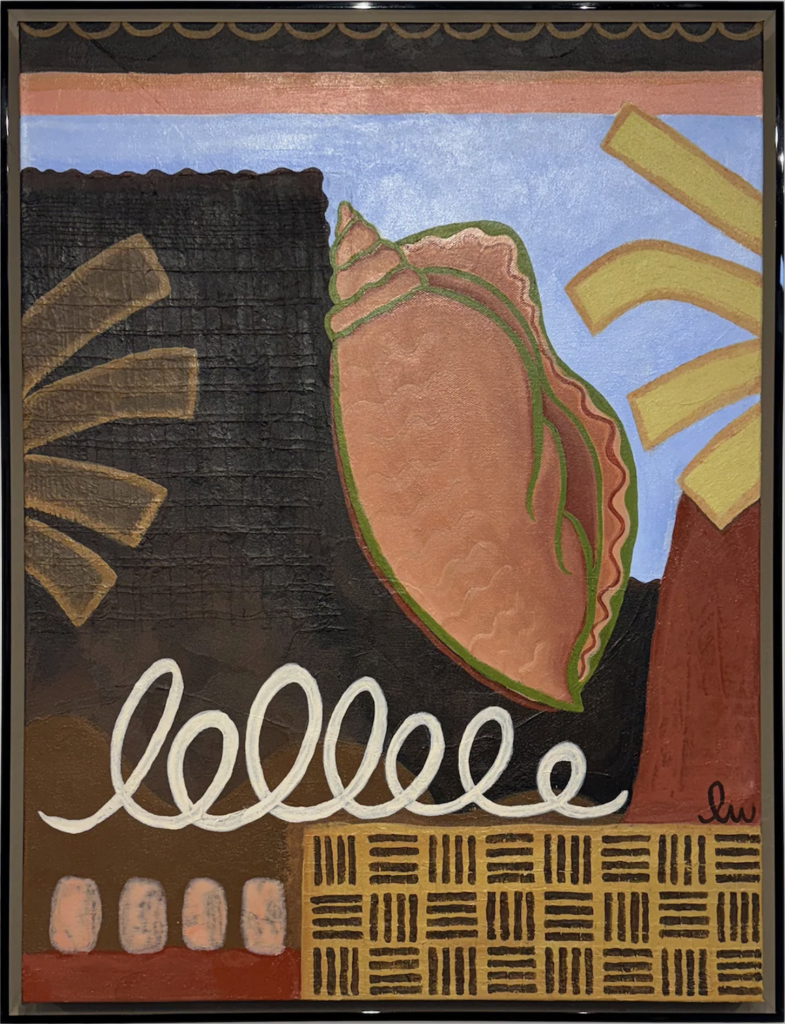
Shell Collector Painting
$1,800, available at Roam Homeware
It’s okay—you can finally let go of the beige canvas you panic-bought for above your bed. Roam Homeware’s Shell Collector feels perfectly SoCal with soothing neutrals, interesting abstract patterns, and recognizable shapes (but no faces to scare you during a 3 a.m. bathroom trip).
Courtesy of Arhaus
Clementine Reeded Stone Nightstand
$2,600, available at Arhaus
Furniture made from rocks can lean a little Flintstones. Not here, though. The scalloped curves and shiny finish of this charming little nightstand coax an unexpected softness and romance out of natural stone.
Courtesy of Roam Homeware
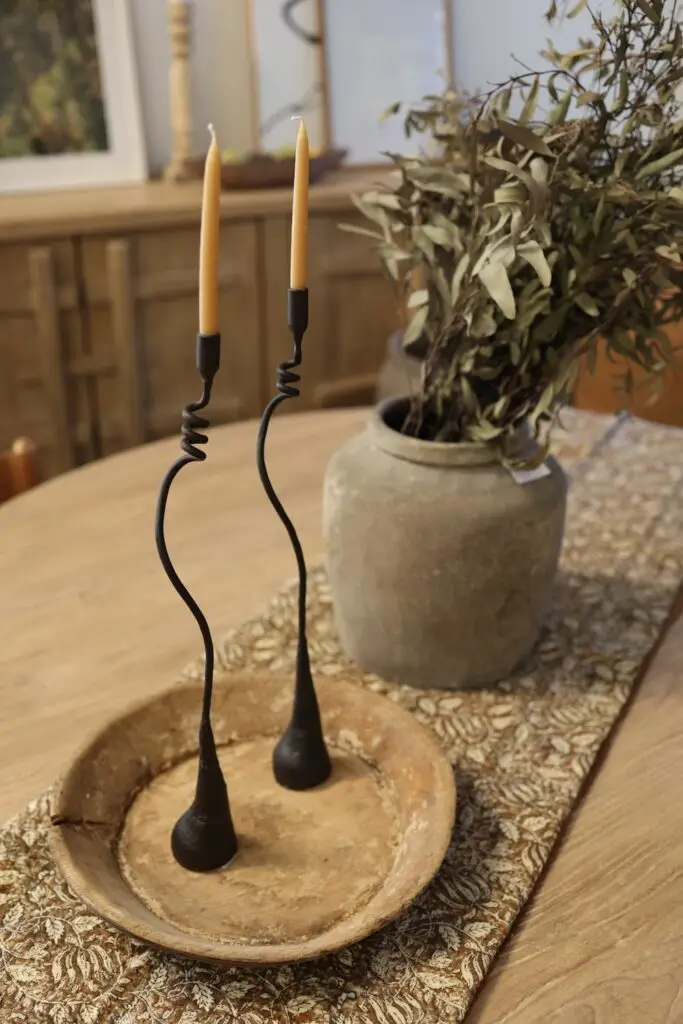
Iron Candle Holder
$80, available at Roam Homeware
Candles in a glass jar are so last season. Instead, pop some beeswax tapers into these sculptural sand-cast iron holders. Set them on a shelf, and you’ve got a touch of vintage charm without the fussy fragility of antique pieces.
Isabella Dallas is a freelance writer for San Diego Magazine and the Arts and Culture Editor at The Daily Aztec in her final year at San Diego State University. She previously worked as an editorial intern for SDM, but when she’s not writing, you can find her trying the best coffee spots in SD, devouring the latest rom-coms, and indulging in anything and everything pop culture.
While glucagon-like peptide-1 (GLP-1) receptor agents have been used to treat Type 2 diabetes for more than 20 years, their recent emergence as weight-loss wonder drugs marked a new frontier in medicine. But their effectiveness has left some patients wondering what to do once they’ve reached their goal. Stopping the medication could mean regaining some, if not all, of the weight. A Scripps Clinic internal medicine physician recently conducted a small study of whether GLP-1 patients who had reached their goal weight could maintain that weight by taking their regularly prescribed injection every other week instead of weekly. Spoiler alert: 30 of 34 patients did. Read more about the study here and what that may mean as pharmaceutical companies roll out oral GLP-1s.
For more nutrition, wellness, and healthy living tips, sign up for the San Diego Health newsletter here.