There’s a lot happening in Oceanside’s dining scene, even if you can’t see it all just yet. Flying Pig Pub relocated to a new spot on Mission Avenue this month. In its place (for now) is chef William Eick’s Japanese fried chicken sandwich pop-up, Naegi, which will be expanded by the end of summer into a permanent Japanese tasting menu concept, Matsu.
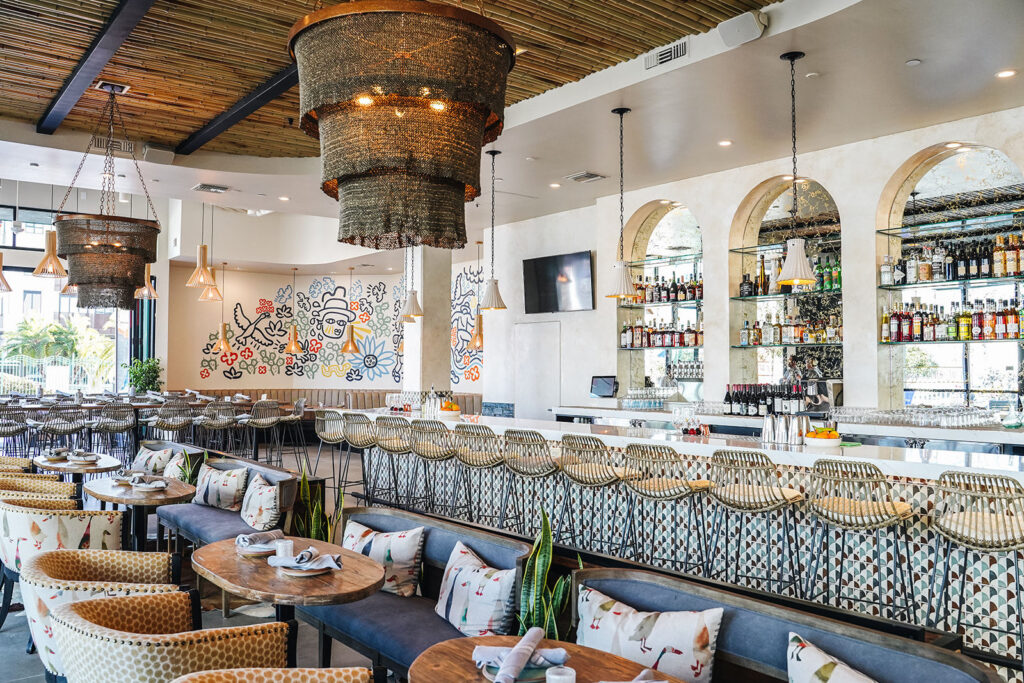
Carte Blanche Bistro & Bar
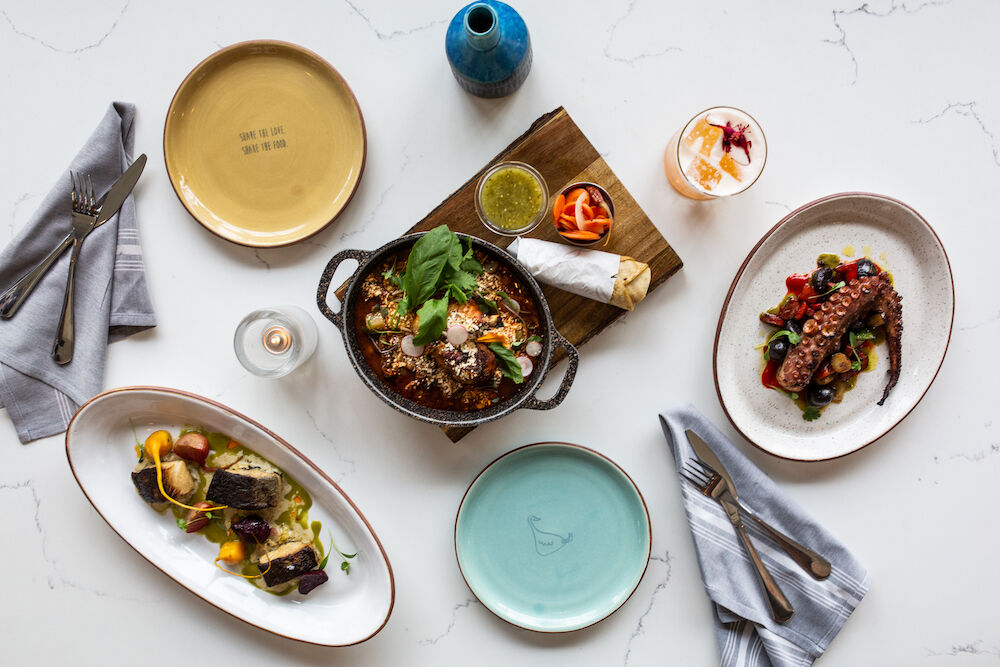
In the meantime, try Eick’s Famous Karaage Sando: a crunchy fried chicken thigh topped with togarashi mayo, cabbage, and teriyaki sauce between two slices of milk bread. Also to come on Tremont Street is Tremont Collective, a co-op that’ll house retail and restaurants like Bottlecraft and Al Fresko so you can dine, drink, shop, and play in one place. Until then, explore the new kids that are already open, like Frankie’s for cocktails and live music, Craft Coast for a taste of Oceanside craft beer and tacos, and Carte Blanche Bistro & Bar for French- and Mexican-inspired plates—all opened in the last year.
Secondhand shoppers rejoice—Oceanside is chock-full of antique malls, curated vintage boutiques, and thrift stores to scour. Poke around South Oceanside, where you’ll find Sea Hive—a 13,000-square-foot antique mall with everything from jewelry and jeans to midcentury furniture and grandfather clocks. Just down the street, you can sell or trade your gently used items before you peruse the racks at Captain’s Helm. They stock vintage band tees, ’90s crewnecks, and accessories, and there’s even a café (Captain’s Grounds Coffee) to keep you caffeinated while you shop.
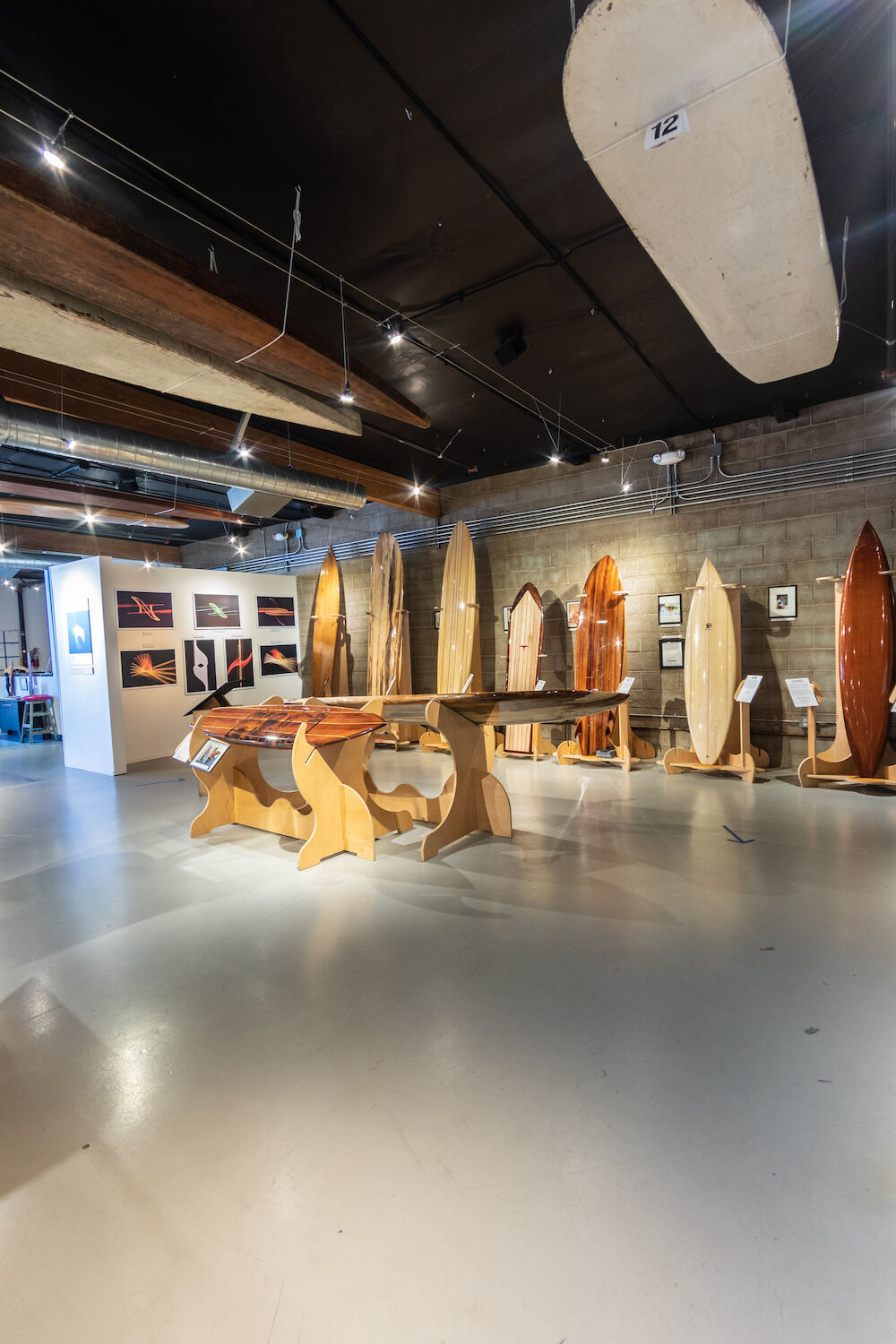
California Surf Museum
Explore
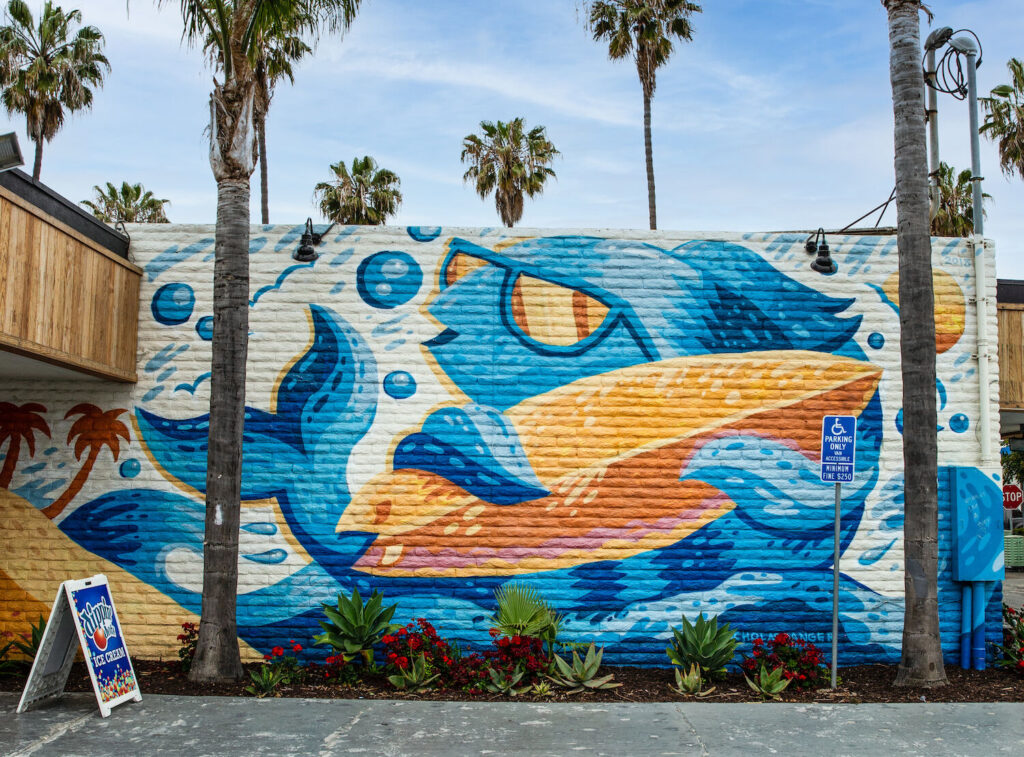
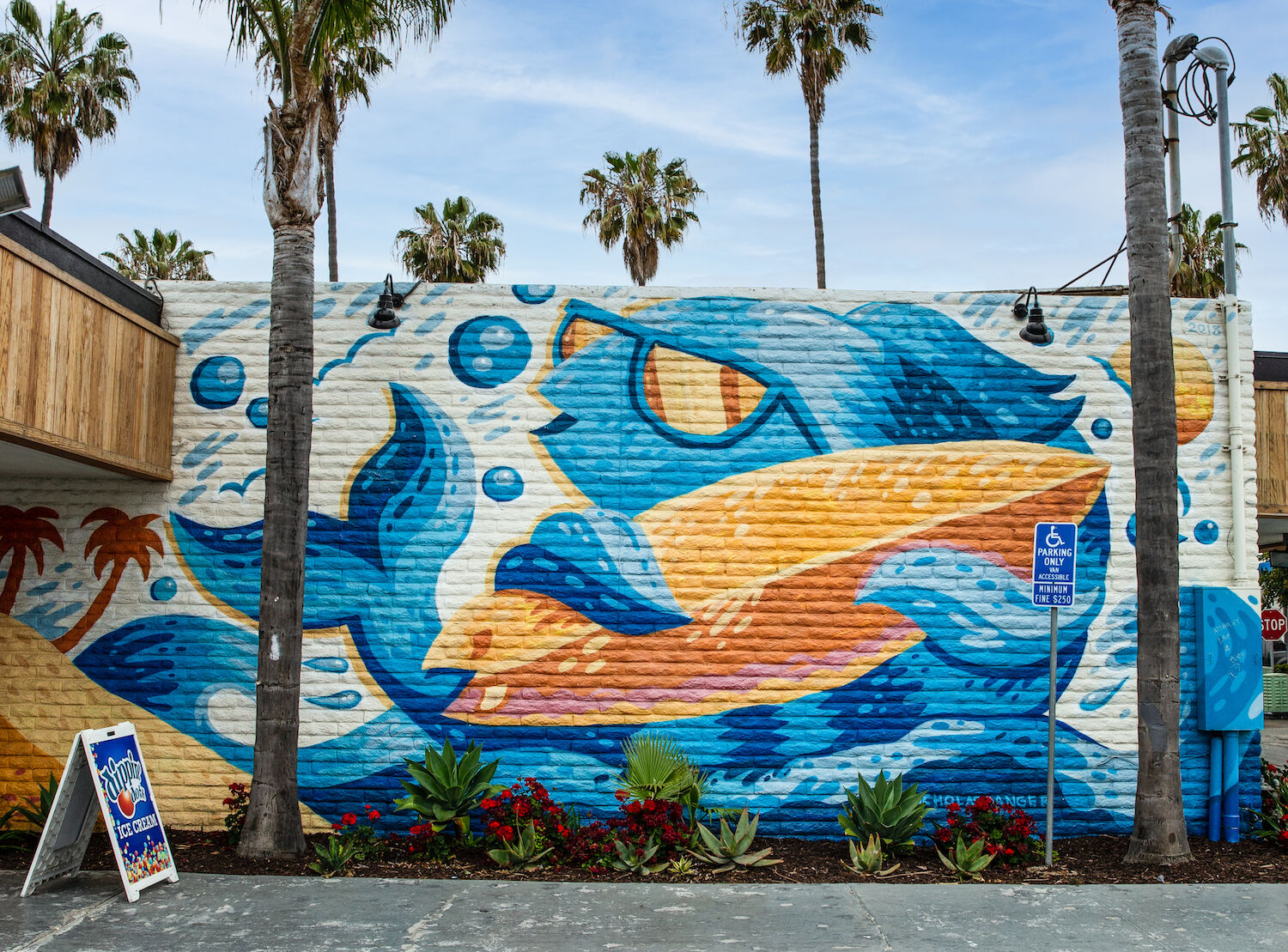
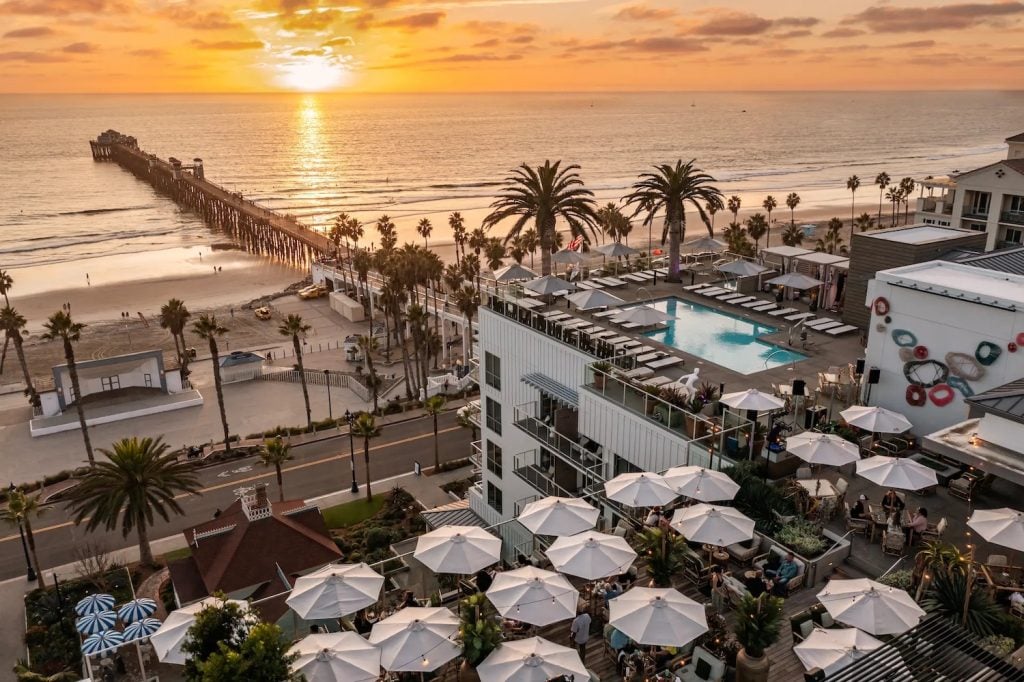
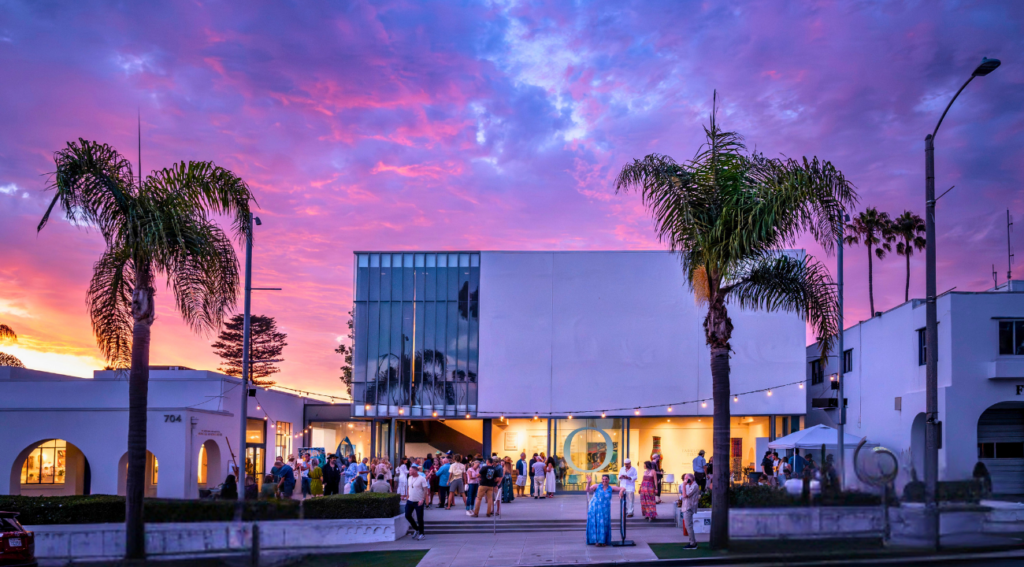
No matter what’s on your agenda, you can’t go too far without spotting one of Oceanside’s colorful outdoor murals; there are over 30 created by local and visiting artists alike. Snap a photo of the Star Theatre mural on Civic Center Drive on your way to the Oceanside Museum of Art—exhibits this summer include painting installations by Taylor Chapin and an exhibit of 35 works by Mark Bryce. Closer to the water, the California Surf Museum recently reopened their permanent exhibit of memorabilia that chronicles the history of Southern California’s surf culture. Sound like a lot to see? Make a staycation out of it so you have more time to explore. The Seabird Resort and Mission Pacific Hotel both opened in May and offer sweet amenities and ocean views.
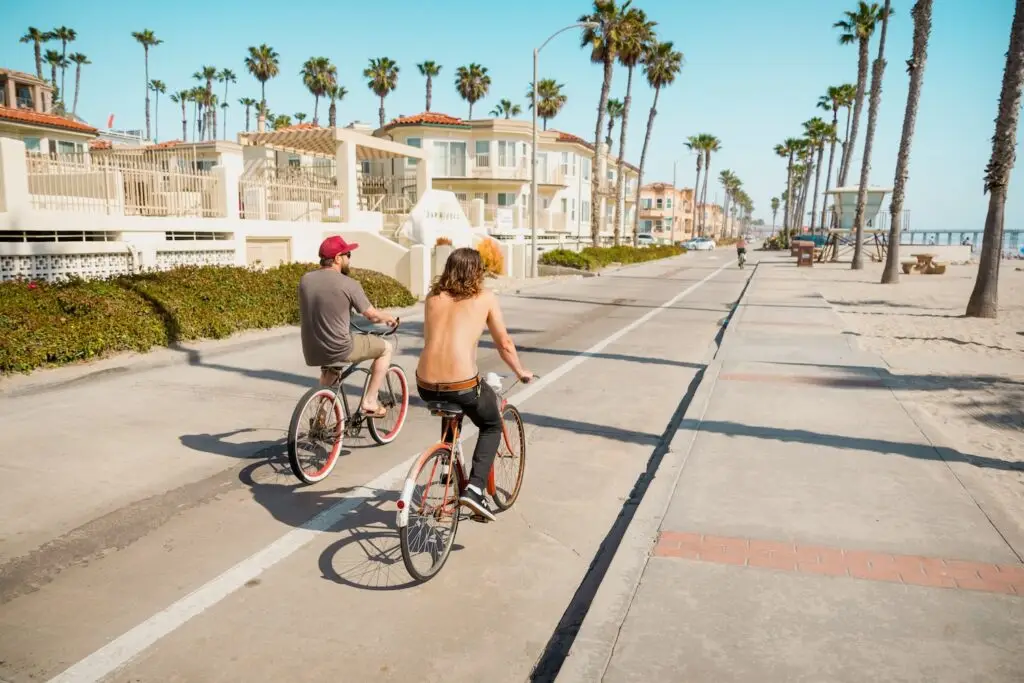
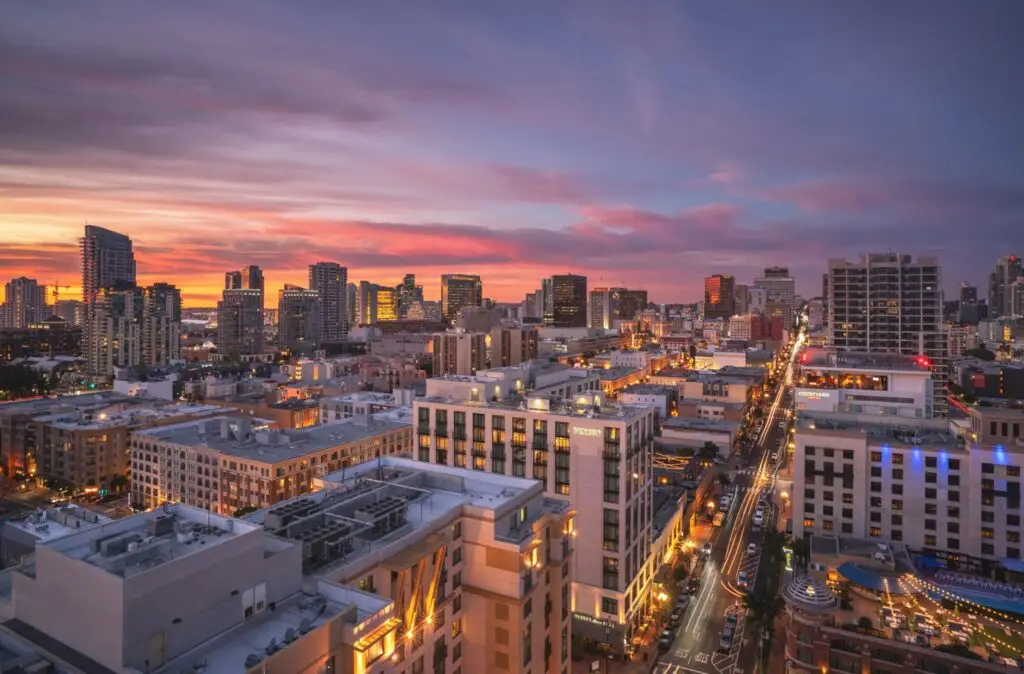
A coastal gem that feels like it’s been heavily polished over the last several years, Oceanside effortlessly blends beach-town charm with a burgeoning foodie and things-to-do scene. From its iconic pier and swim-and-surf worthy beaches to its hidden culinary treasures—and everything in between—Oceanside is having a well-deserved moment, that by all accounts, is here to stay. This guide highlights some of the must-visit spots that make Oceanside shine.
Photo Credit: Dee Sandoval 24 Suns
Oceanside Restaurants, Bars, and Coffee Shops
Allmine
An elevated take on Italian-inspired cuisine, Allmine showcases masterfully crafted artisanal pizzas, handmade pastas, and thoughtfully curated natural wines. With careful attention to ingredients—like imported Italian flour for their signature pizza dough—and making nearly everything in-house, from rich sauces to house-cured sausages and creamy burrata, every dish reflects a commitment to quality and craftsmanship.
119 S Coast Hwy.
Communal Coffee
Communal Coffee offers a wide selection of coffee, teas, fresh pastries, and cafe bites all set against a boho-chic space with creative energy, and plentiful indoor and outdoor seating. A favorite for those working remote, as well as business and friend meet-ups.
A new addition to the historic Brick Hotel, The Lobby Tiki Bar & Grill isa vibrant tiki-inspired vibe with Instagram-worthy drinks, and island-infused American cuisine. Don’t miss the Tiki dancers during Friday’s dinner service.
408 Pier View Way
Valle
One of the rare Michelin-starred restaurants in San Diego, Valle showcases the flavors of Baja California through elevated, modern Mexican cuisine with an extensive wine list highlighting Valle de Guadalupe wines. The multi-course experience is ripe for a special-occasion set amongst a breathtaking ambiance—with ocean views as the cherry on top.
222 N Pacific St
Rose Cafe
Head to Rose Cafe for breakfast, lunch or a little of both with their popular brunch menu and enjoy tasty bites in a charming and cozy setting. They offer a surprisingly large and diverse menu whether you’re popping in for a quick coffee, or fixing for a full on meal.
A refined and modern Japanese omakase style experience, Matsu uses seasonal ingredients and meticulous techniques to offer a five-star dining experience. Helmed by chef/owner William Eick, his menu blends tradition with innovation and the food is as much art as it is delicious.
626 S Tremont St
Wrench and Rodent Seabasstropub
An Oceanside staple since 2013, Wrench and Rodent Seabasstropub is sustainability-driven sushi-forward spot is known for inventive flavors and a daily-changing menu, with a focus on responsibly sourced ingredients. The eclectic vibe makes for an effortlessly cool setting.
1815 South Coast Hwy
Dija Mara
Blending Balinese flavors with modern California cuisine, Dija Mara offers bold, umami-rich dishes. With a stylish, laid-back atmosphere and a well-curated natural wine list. It’s a worthy visit for adventurous and spice-loving foodies.
232 S Coast Hwy
The Plot
The Plot features an elevated earthy vibe with outdoor dining in a garden-setting complemented by its inventive plant-based dishes. Artfully crafted sushi rolls are popular, as well as the brunch, where the vegan chicken and waffles and the bold and bountiful Bloody Mary, are a crowd favorite.
1733 S Coast Hwy.
Little Fox Cups & Cones
Little Fox Cups & Cones makes creative ice cream concoctions with a host of inventive flavors, and tried-and-true classics. While they dish out traditional cups and cones of ice cream, they also have their popular ice cream taco, ice cream cakes and other goodies. As a bonus they cater to all dietary needs with a few seriously good vegan options. Everything is made in house, from scratch.
1940s S Freeman St
24 Suns
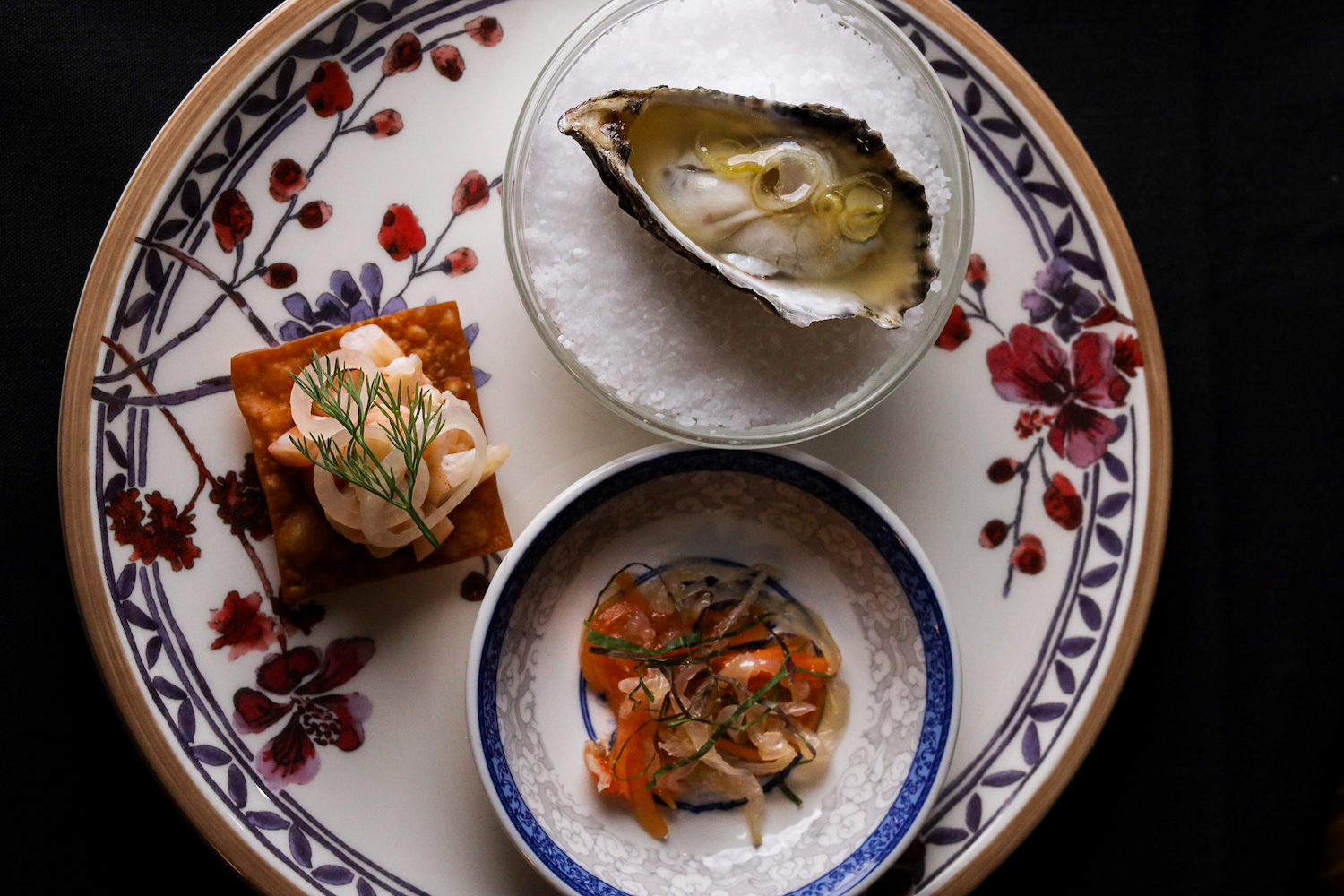
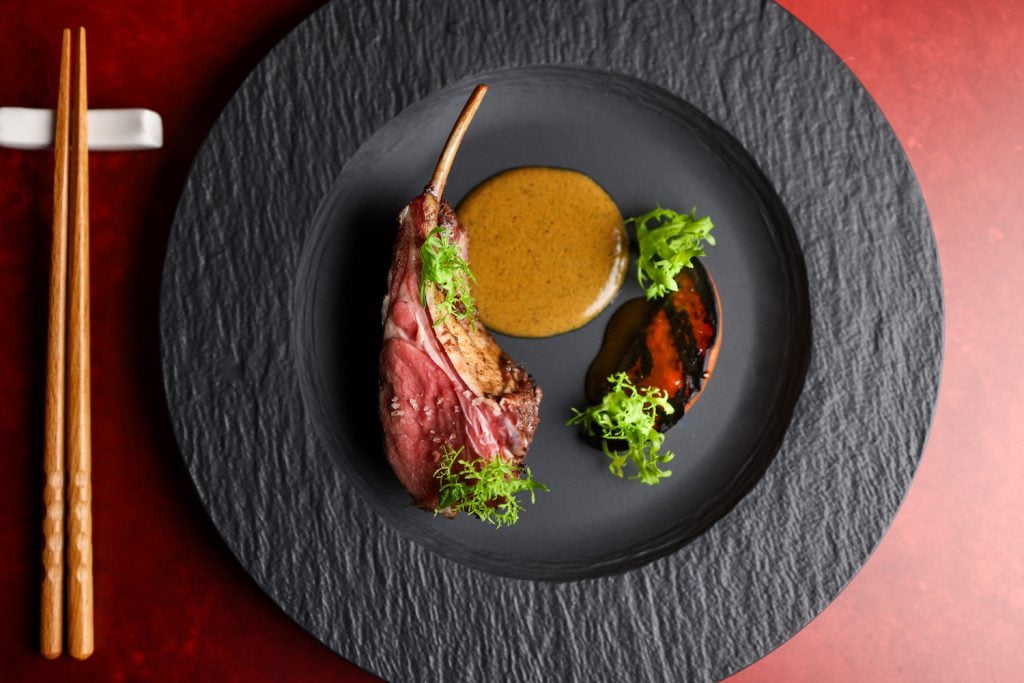
In an unassuming strip mall, 24 Suns is a shining culinary achievement. Two former Michelin three-star restaurant chefs have taken over an old dive bar, and turned it into a chef-driven culinary experience with a focus on modern Chinese cuisine.
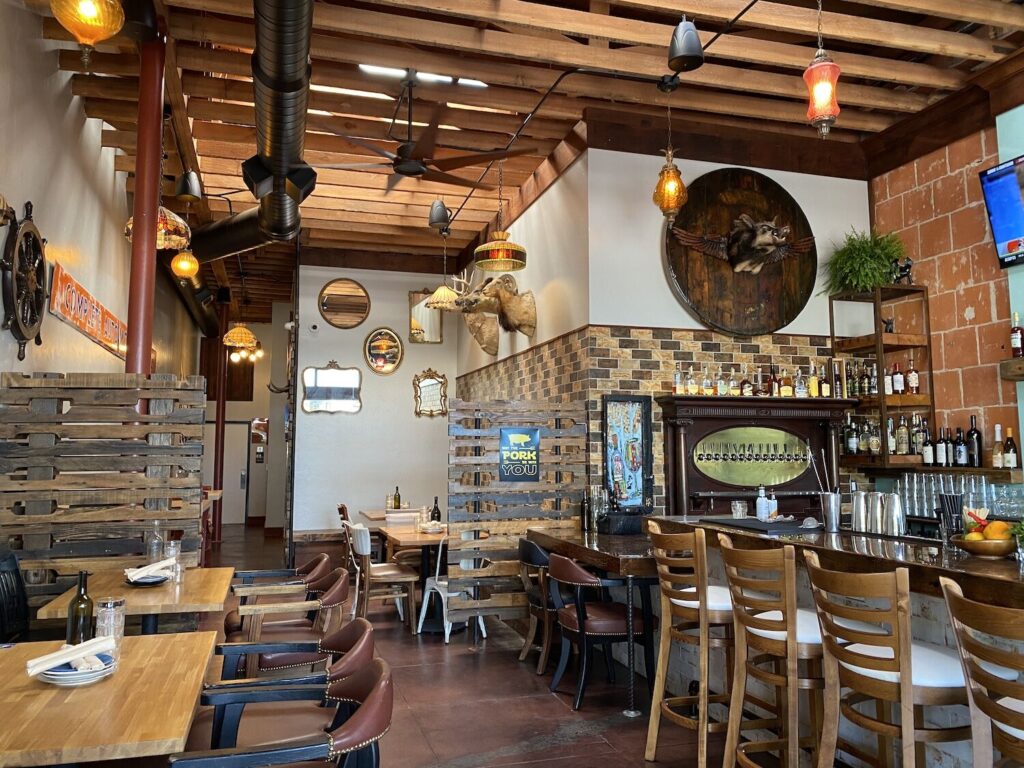
There is something familiar and vulnerable about those glasslike panels above the entrance to the new Flying Pig.
“Shower doors,” laughs owner Aaron Browning, pointing at her husband.
Yep, that’s it. Shower doors from the ’70s. That hard plastic almost-glass, dimpled to secure the privacy of our own dimples. As we’ve heard, the pandemic rattled and snapped supply chains, bulled its way through the china shop of how we send and receive the things we need. So, unable to get windows that fit, Roddy Browning’s glance fell on old shower doors in his home (while many of us made banana bread during the pandemic, Roddy rebuilt his home). He measured them, smiled, found yet another solution in the discard pile.
This is why I have always loved The Flying Pig. It’s why Oceanside loves the Pig. When Roddy and Aaron opened their original restaurant in 2011, they found a one-story building in an obscure, forgotten location. And they resuscitated it, filled it with life and art and good Southern food. With old vinyl records, succulent pork chops, ramshackle mason jars, buttery grits, kitschy garage sale finds, hush puppies, eye-popping tchotchkes, so much bacon, figurines with moxie, craft beer and good booze.
The pandemic was hell on restaurants, and the Brownings weren’t spared. They had to close their second Vista location (they openly admit that location never worked, and the pandemic expedited the end of its run). They moved from their original spot and had to find a new home. But, the silver lining: They bought a building on Mission Avenue in Oceanside, put down real roots just off main street. And their old place is now home toMatsu, a just-opened Japanese concept from their friend and talented young chef William Eick.
Roddy and Aaron Browning, owners of Flying Pig
And so the Pig—often rightly credited with sparking a food movement in O’side years back—will remain a fixture of its future. They hired a young chef, Harrison Hackett, who studied under James Beard nominee Eli Kulp (Fork restaurant in Philadelphia), sustainability chef Eric Morris (Nightbell, in Asheville), and a hot minute at San Diego’s George’s at the Cove.
Still proudly Southern, their hush puppies are textbook deep-fried savorycakes with a side of smoked shrimp butter (lobster takes all the credit for illuminating the magic of shellfish and butter, but it works with shrimp, too). The Pig has never been accused of hoarding or even serving very many plants, but their butternut squash is excellent—pulled from the family’s garden, roasted and glazed in a serrano reduction, set atop fresh apples and a lemon-mint yogurt sauce with crispy garlic.
But it’s the chicken—brined in sweet tea, smoked, and tossed in an herb vinaigrette with oranges and greens—that’s a stunner, moist with just enough campfire, offset by the vague sweetness of the summer Southern tea. Finish the night off with a bananas Foster in a bowl, that classic way to sabotage the human pleasure center.
The Pig is now open. With a large patio and a full bar with great wine (Roddy came from Market Del Mar, and knows his wine), the Brownings hope it’ll become the neighborhood spot for a late-night nip. You’ll see Aaron standing as hostess at the front, Roddy running food, and both of them washing dishes. “The dishwashing machine busted,” she says.
No sweat. Just have Roddy make one out of old car parts.
Troy Johnson is the magazine’s award-winning food writer and humorist, and a long-standing expert on Food Network. His work has been featured on NatGeo, Travel Channel, NPR, and in Food Matters, a textbook of the best American food writing.
“My brother and I started in the dish pit,” says Ryan Ross.
Ross is a starkly nice man. I’d been warned about this, but still, it’s striking. Along with his brother, their wives, and chef Alex Carballo, he’sopening Carte Blanche, a new French-Mexican restaurant in Oceanside (French-Mexican sounds like a promising combo, as does Carballo’s escargot tostada). It’s a big deal for a long-time San Diego restaurant family. Their dad rejuvenated Old Town’s Fiesta De Reyes and The Cosmopolitan Hotel. The sons have been with him there for 11 years, scrubbing dishes and cutting avocados and crunching numbers and managing and doing whatever urgent thing needs doing (in restaurants, things are always urgent).
Though dad’s still involved, Carte Blanche is a passing of the torch, a couple of grown restaurant industry kids giving it their own go. It’s all hands on deck and—oh, who am I kidding. I’m just filling this story with stats because I didn’t hear anything he said for the next ten seconds after the words “dish pit.” I didn’t black out, but I wasn’t there.
I was standing in a blindingly bright room. Everything is hot and wet and loud and metal and chaotic, like an off-brand, apocalyptic rainforest. The air is a sauna of bleach and egg sulfur and aerated broccoli parts and abandoned ounces of booze. I am being steamed like an artichoke. I am spackled with damp bits of food. Every breath feels like partial drowning. I will break many dishes, and the dishes will break me. I was 24, and my brain brings up this memory every time I consider complaining at a restaurant.
Every U.S. citizen should be required to spend at least a month as a dishwasher in a restaurant by the time they’re 20 years old. Few realms put life into sharp perspective quite as effectively as the dish pit.
Anyway, Ross has spent time there, and that’s important for Carte Blanche’s potential success—as is Carballo and the French-Mexican idea.
“We run Mexican restaurants, and this is a bit of an evolution,” Ross explains. “We were enthralled with places like Bracero and Death by Tequila, but we were struggling to find our own identity. So we dug through the roots of Mexican cooking and culture, and read about the French influence from the war. Once we put those two together, it just became a dervish of creativity. We knew we had it.”
“Every U.S. citizen should be required to spend at least a month as a dishwasher in a restaurant by the time they’re 20 years old. Few realms put life into sharp perspective quite as effectively as the dish pit.”
Ross also admits without shame and a glint of pride that they’ll be making their own version of a White Claw. Scoff if you’re snooty, but flavored sparkling waters with an ABV have been around for centuries in very serious drink regions (Italy, for one). There are reasons to poke fun at the Claw (it’s made of malt liquor, which is the roach motel of alcohol), but the concept isn’t one of them. At CB, their housemade hard seltzer doubles as a sustainability effort, utilizing leftover garnishes and trimmings that might otherwise go in the trash.
There will be a salad of grilled frisee and jalapeño-candied lardons, pomme frites and duck mole tacos, mushroom raclettes and carne asada tartare, fig-jalapeno pork chops and Mexican hot pots in adobada broth, French and Mexican throughout. Plus a burger. Always a burger.
Carte Blanche opens Feb. 18. 339 N. Cleveland St., Oceanside.
Troy Johnson is the magazine’s award-winning food writer and humorist, and a long-standing expert on Food Network. His work has been featured on NatGeo, Travel Channel, NPR, and in Food Matters, a textbook of the best American food writing.
Renewable energy companies building hundreds of power plants. Biotech startups using artificial intelligence to create personalized medicine for children with rare diseases. Hospitality companies quietly powering thousands of local events. Consumer brands growing from beach-town startups into national businesses. These are the kinds of companies driving San Diego’s economy today, and the businesses recognized at this year’s San Diego Business Impact Awards offer a snapshot of where the region is headed.
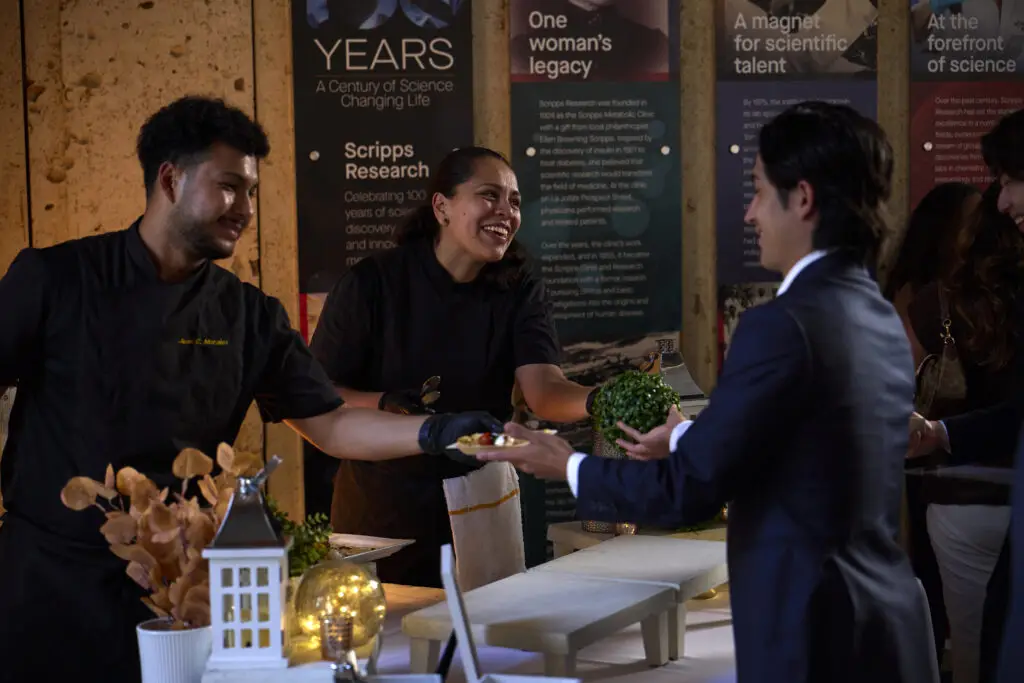
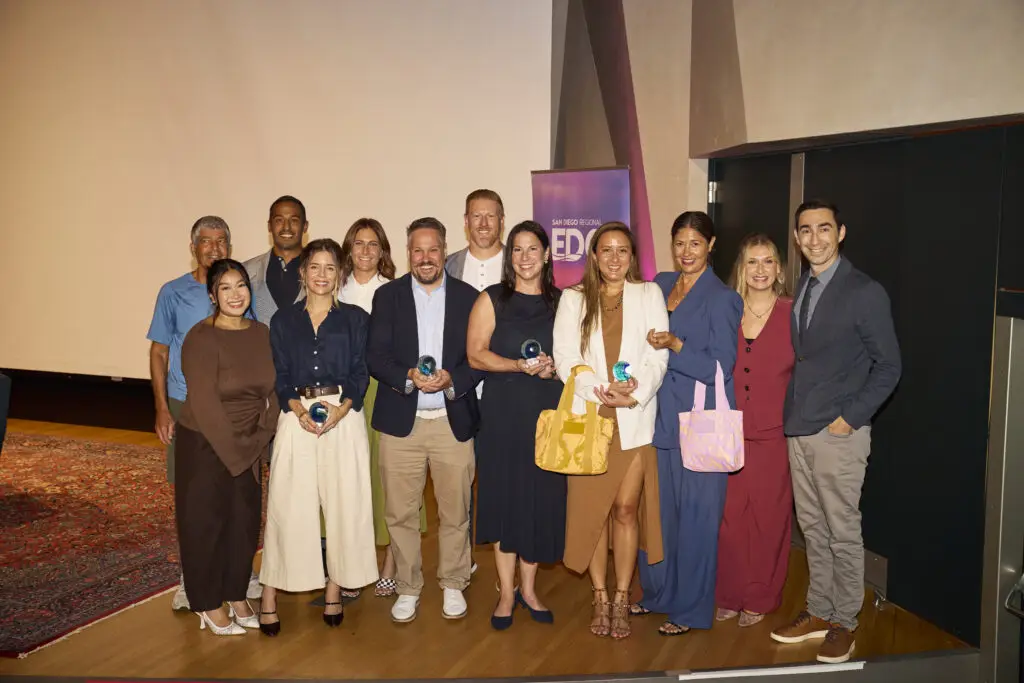
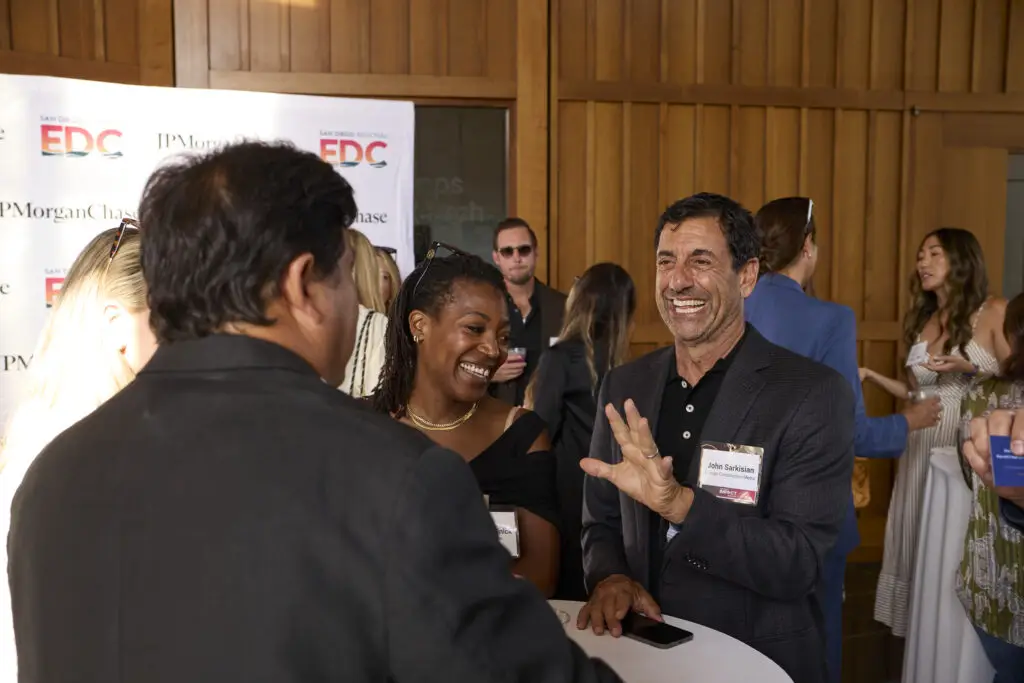
Hosted July 23 by San Diego Regional Economic Development Corporation (EDC) and JPMorganChase, the second annual awards event honored four local companies for innovation, growth, and economic impact. More than 100 nominations from San Diego’s middle-market businesses were reviewed by a 10-person judging committee, with winners selected across four categories: startup, early-stage innovator, rising star, and established heavyweight.
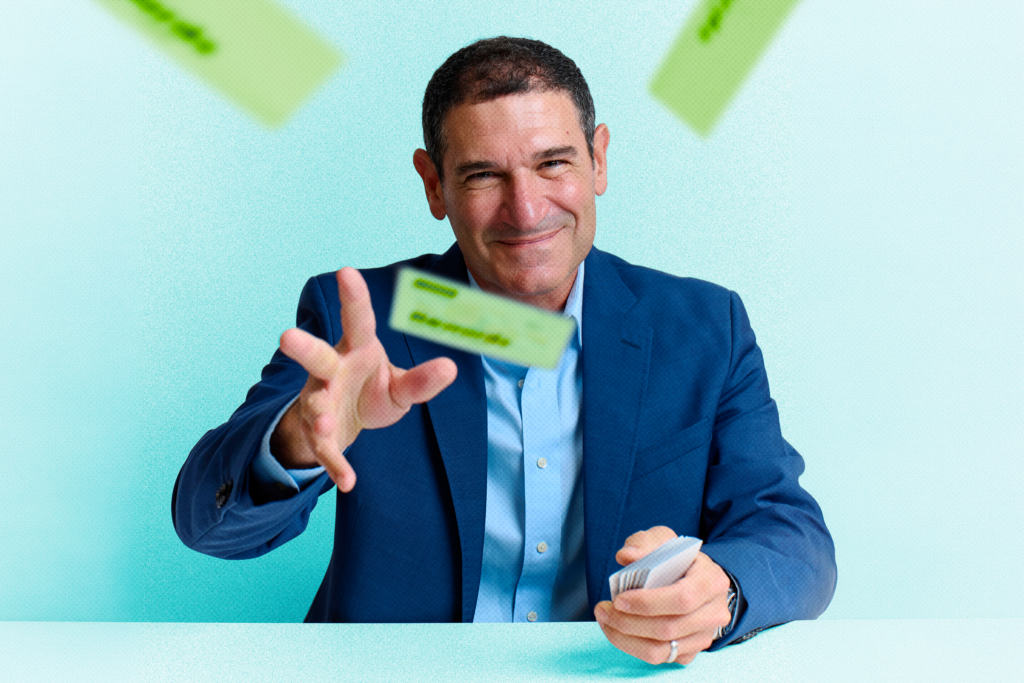
Two-time honoree Jimbo Someck, founder of Jimbo’s organic grocery stores, also joined the event for a fireside chat on buying local, supporting emerging brands, and giving back to the community.
“San Diego’s strength comes from its makers and builders—the resilient people who endure great risks and overcome obstacles to build and scale a company,” says Aaron Ryan, San Diego Region Manager and Middle Market Banking at JPMorganChase & Co. “These awards aren’t just recognition; they spotlight the talent, grit, and innovation shaping our region’s future. By celebrating those who create and build, we foster connections and fuel the growth that keeps San Diego thriving.”
Matt Furman Photography
Building the Infrastructure Behind Clean Energy
Heavyweight honoree SOLV Energy has grown alongside the country’s rapid investment in renewable power. “It’s an exciting time for SOLV Energy as we are experiencing significant growth,” says CEO George Hershman. “The business has doubled over the last year and has almost double-digit growth since its inception.”
The Rancho Bernardo-based company designs, builds, operates, and maintains utility-scale solar and energy storage facilities. Since its founding in 2008, SOLV Energy has built more than 500 power plants.
Growth has translated directly into hiring. About 200 employees work from the company’s local headquarters, including roughly 20 interns. “Our intern program is a big part of the way that we grow our workforce,” Hershman says. “Last year, 43 percent of our interns became full-time employees. We believe San Diego is a great community to build and grow a high-tech infrastructure and technology company because of the incredible workforce—the ability to attract top talent and draw from world-class universities.”
Developing Medicine One Patient at a Time
Startup honoree La Jolla Labs is tackling one of medicine’s biggest challenges by developing personalized RNA therapeutics for patients with rare diseases—many of them children with neurological disorders like ALS. Using proprietary artificial intelligence and machine learning tools, the biotech company develops treatments tailored to each patient’s specific genetic mutation.
CEO Tamar Grossman says the recognition reflects how far the company has come despite limited resources. “We’re honored to be recognized for our ability to change and save patients’ lives and turn our lean startup into a clinical company with very minimal resources,” she says.
Grossman credits San Diego’s concentration of research institutions—including UC San Diego, the Salk Institute, and Scripps Research—with creating a pipeline of talent and collaboration. “San Diego is one of the world-leading centers for technology, genomics, and RNA therapeutics,” she says. “We have over 30 RNA therapeutics companies here, and we support each other and help with anything related to drug discovery.”
She says that collaborative spirit extends beyond formal partnerships. “You can walk around Torrey Pines, go into a café, and find colleagues from the industry and have an ad hoc conversation,” Grossman says. “That’s something very unique to San Diego.”
While Snake Oil Venue Company may not be a household name, chances are many San Diegans have attended one of its events. The early-stage innovator honoree has expanded from beverage catering and mixology consulting into venue management, operating Julep Venue in Mission Hills, Bramble Bay Venue in Imperial Beach, Vesper Venue, the Chapel at Liberty Station, and five outdoor venues throughout Liberty Station—more than 500,000 square feet of event space altogether.
“We do a lot of launch parties for corporations and new products,” says CEO Mike Esposito. “I really like working on the entrepreneur side of things, where new businesses are entering the San Diego market and looking to make a splash.”
Snake Oil has executed more than 16,000 events, employed more than 1,000 people, and partnered with more than 900 local vendors, including caterers, florists, photographers, entertainers, and other hospitality businesses. The company also works with many of San Diego’s nonprofits, museums, and cultural institutions. “We get to celebrate people’s most important moments,” Esposito says. “Whether that’s a wedding, celebration of life, or quinceañera, we’re fortunate to be involved in the community in so many different ways.”
Matt Furman Photography
Growing a Beach-Town Brand into a National Business
Rising star honoree ALOHA Collection is proof that a simple idea can grow into a thriving company. Founded by two roommates who wanted a better way to carry wet swimsuits after a day at the beach, the lifestyle brand has grown into a business while maintaining strong year-over-year growth.
Now headquartered in Carlsbad, ALOHA Collection employs more than 100 people and operates its California flagship store in Encinitas, which is slated for a remodel. With roots in Hawaii, the company is known for its lightweight, splash-proof travel bags that have become a familiar sight on beaches in San Diego and beyond.
“‘Aloha’ is part of our name, but it’s also how we move through the world,” says CEO Lynna Barnard. “It’s how we show up for people, the way we travel, the way we give back.” Since day one, the company has maintained a 5 percent giveback to Hawaii conservation efforts, contributing millions of dollars over the years.
“I think what’s so inspiring about ALOHA Collection, and the founders in particular, is when you dream big, those dreams can come true when you work hard and trust in the universe,” Barnard says. “It’s inspiring to be a role model for other people wanting to start businesses from humble beginnings. Start small and watch it grow.”
Together, businesses like these form a cornerstone of San Diego’s economy—not only through the jobs and revenue they generate—but through the local workers they hire, vendors they support, and investments they make in the region. Their growth doesn’t happen in isolation; it ripples outward, strengthening the broader business community and the people who call San Diego home.
Growing up in Carlsbad, I never quite understood why people vacationed there. What, so you want to check out the field where I have soccer practice? Pay my orthodontist a visit? Carlsbad just felt like a town by the beach, no better or worse than any other in the country. It took going to college out of state for me to actually understand just how rare a place like Carlsbad is.
Thanksgiving break my freshman year, my first time coming home after three months in the Midwest, my shoulders dropped. I rolled down the windows and drove to lifeguard tower 37—the hangout magnet for Carlsbad’s youths (and, in the summer, tourists)—and the smells of the ocean woke me right up like smelling salts do. I finally got it.
Carlsbad isn’t just a stopover town on your way to something better. It is the destination. Travel + Leisure named Carlsbad one of the top 50 places around the world to travel in 2026. From the whole globe, the travel magazine picked my home. Sure, we’ve got the Flower Fields and Legoland—but now it’s the smaller ships and indier dreams that are giving it street-level character.
It’s not just Carlsbad, either. People have talked about the “North County bubble” for decades—a force field that prevents its residents from traveling south of the 56. It’s often used derogatorily, and it’s a fairly accurate burn.
For decades, living up in North County meant giving up on culture, or at least culture within close proximity. But now, the main expansion of San Diego culture is happening up north. Central San Diego restaurants have started taking notice and are expanding into the area—spurred no doubt by Oceanside’s food boom and the Jeune et Jolie–Campfire–Wildland–Lilo constellation in Carlsbad. City Heights burger joint Key & Cleaver opened a new spot in Oceanside; the owners of Parc Bistro-Brasserie in Bankers Hill opened Parc Lounge in Rancho Santa Fe. Possibly the strongest market indicator is that Sam Fox—one of the most successful restaurateurs west of the Rockies—has started focusing on North County for his concepts. In 2025, he opened both The Henry in Carlsbad and Culinary Dropout in Del Mar.
For the ultimate insider guide, we found a handful of inspiring people who live and create and truly know six North County neighborhoods—San Marcos, Escondido, Oceanside, Leucadia, Rancho Santa Fe, and Vista—and asked them how they’d spend a dream day out and about in their town.
Courtesy of North City Farmers Market
San Marcos
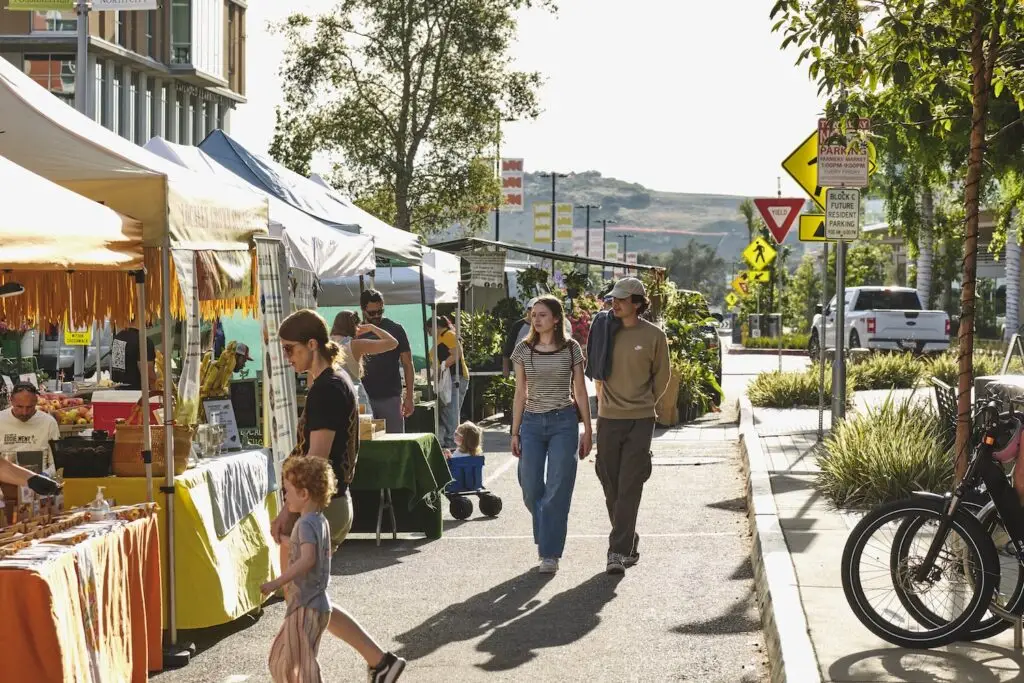
San Marcos is in full renaissance mode. The biggest story is that the grand North City vision is starting to peek through the scaffolding. It’s essentially the North County Downtown that’s been written in the tea leaves and discussed whenever someone gets stuck in traffic at the 5/805 merge: a 200-acre, pedestrian-friendly, mixed-use face-changer that’s slated for 2,600 homes, 350,000 square feet of retail and restaurants, 250 hotel rooms, and about a million square feet of offices and labs. Its most recent manifestation is 222 North City—a 12-story residential tower with over 450 residences, rooftop garden, pool cabanas, art installations, and almost 20,000 square feet of ground-floor retail (Necessity Coffee, Buona Forchetta, Draft Republic, Milonga Empanadas, and a grocery store anchor on its way).
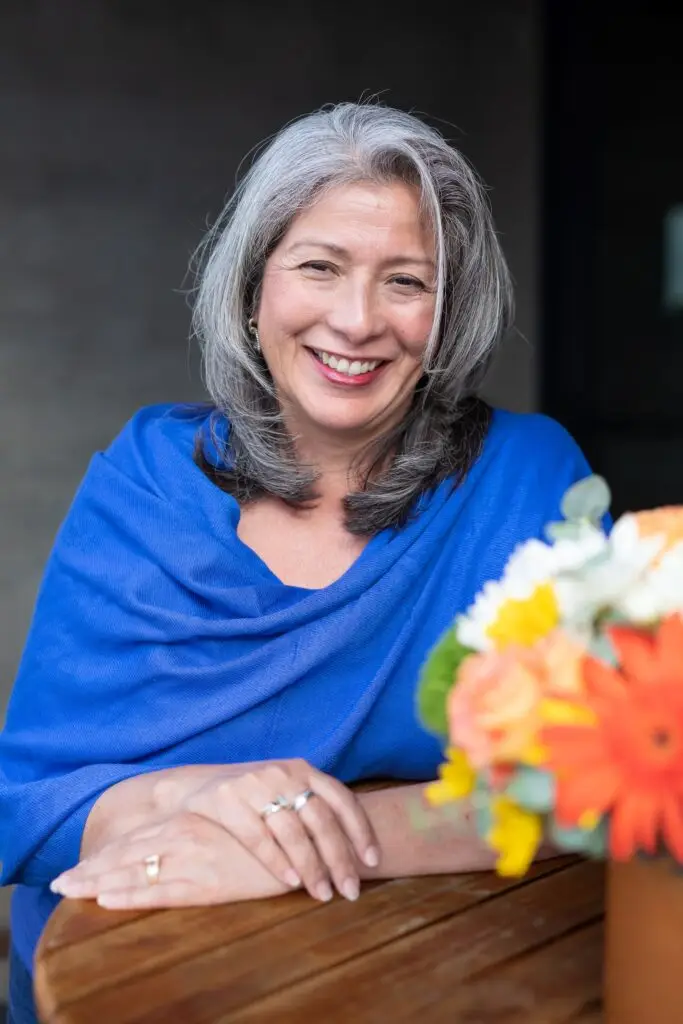
Which means Restaurant Row is no longer burdened with being the primary caregiver for the hungry or the socially inclined. Patricia Prado-Olmos has watched the city morph during her nearly three-decade tenure at CSUSM, having spent the past six years as the school’s chief community engagement officer. She also just announced her forthcoming retirement at the end of the 2026–2027 school year, so she’ll have even more time to haunt local haunts.
Meet the Local: Patricia Prado-Olmos
Those in the know call the university “Cal State StairMaster” from the Sisyphean amount of stairs on the hillside campus. So, any day at or around CSUSM should start with a homestyle carbo-load (biscuits and gravy) from Mama Kat’s.
“There’s something about this breakfast spot that immediately puts me in a good mood,” she says. Mama Kat’s is also known for its pie (strawberry-rhubarb), which is breakfast if you change your perspective.
After a few hours on campus—with a break to pet the university’s official therapy goldendoodle, Frank, who helps ease finals tremors or apprehension of on-campus stairs—Prado-Olmos will wander into North City, just steps away. She says the almond croissant and coffee at Christophe Rull Patisserie rival Parisian cafés: “It feels like the kind of place you’d stumble across in a much bigger city.”
Rull, a Michelin-trained pastry chef who’s done stints on Netflix (Bake Squad) and Food Network (Super Mega Cakes, Halloween Wars), opened his patisserie last fall. The hype hasn’t cooled off yet: Get there early because the crowds do.
Emma Veidt is an editor at San Diego Magazine. She earned her bachelor's and master's degrees from the Missouri School of Journalism. She loves running, hiking, and rock climbing, but really, she mostly loves encounters with the street cats around North Park.
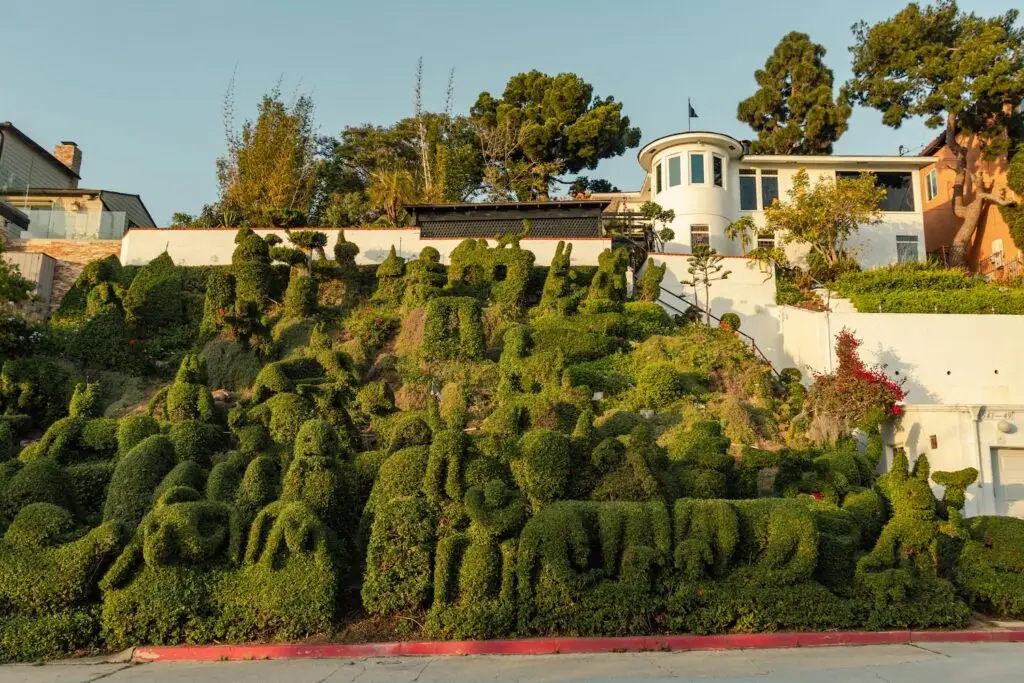
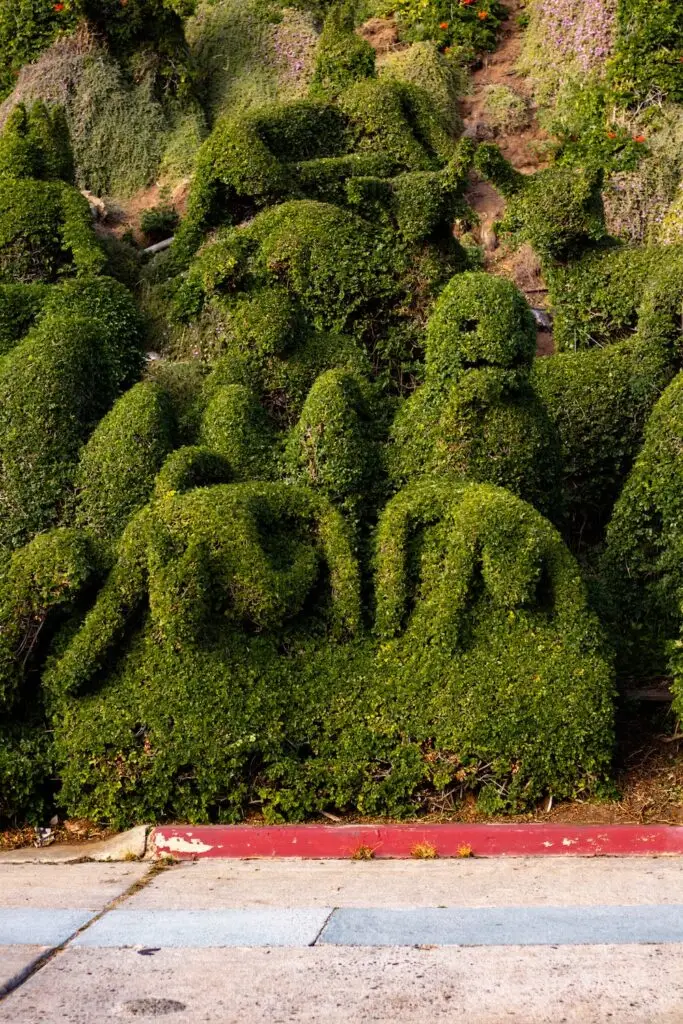
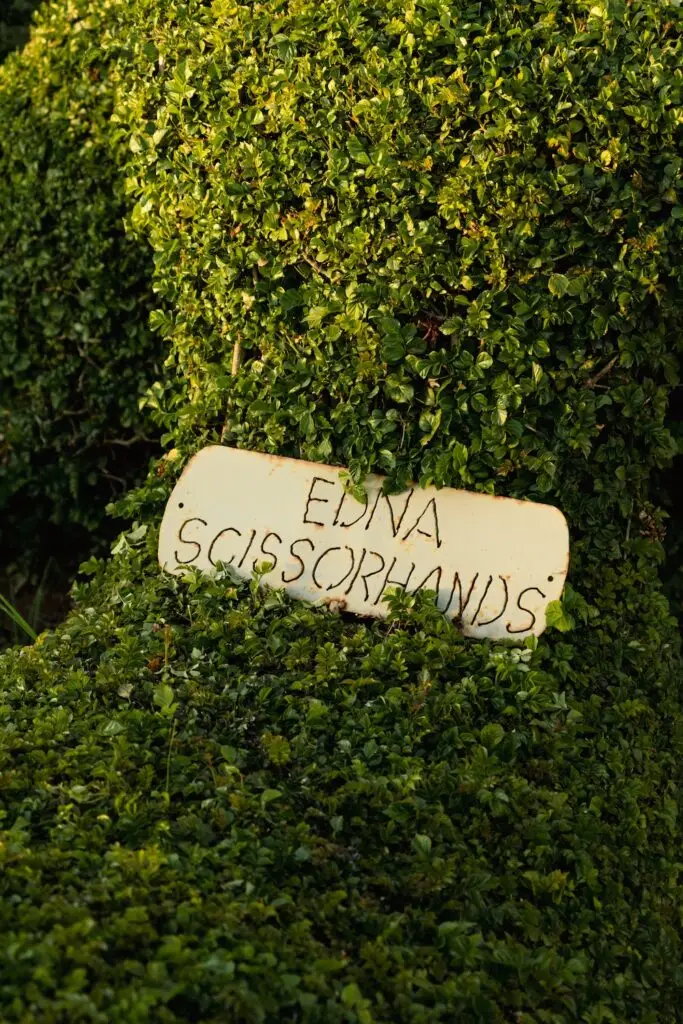
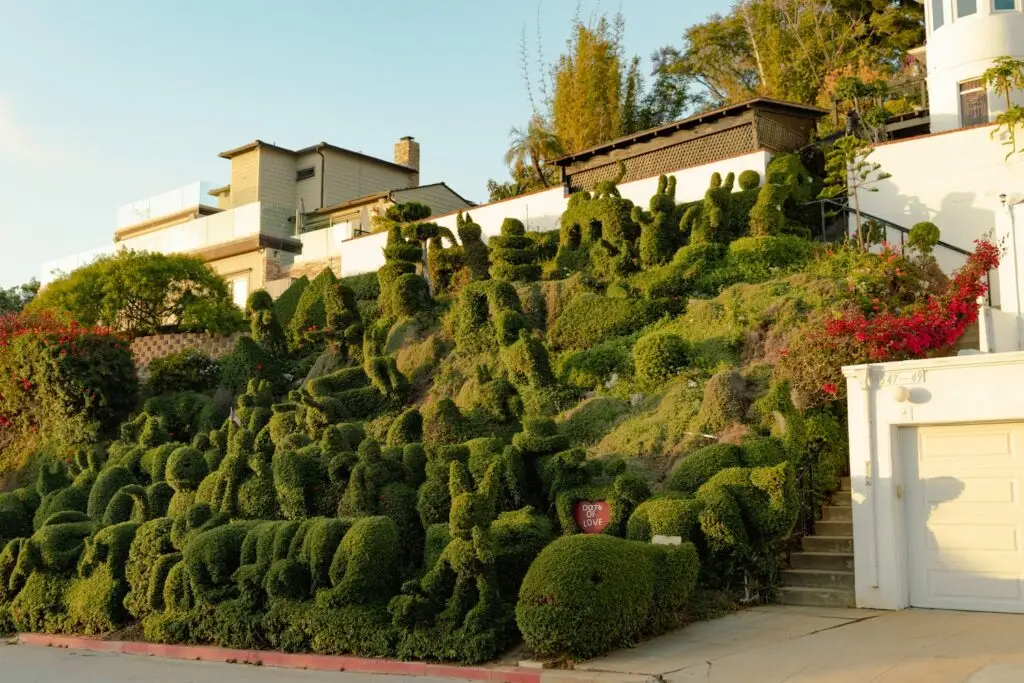
Edna Harper asked for one thing before she died: that the next owner of her iconic Mission Hills home keep the street-facing “garden.” Which is essentially asking the future residents to be curators of a whimsical and obsessive, delightful and strange, classic, cartoony and slightly unhinged sculpture museum. Harper, who died in January at the age of 87, poured her heart into this topiary bonanza, and it’s right there for everyone to see.
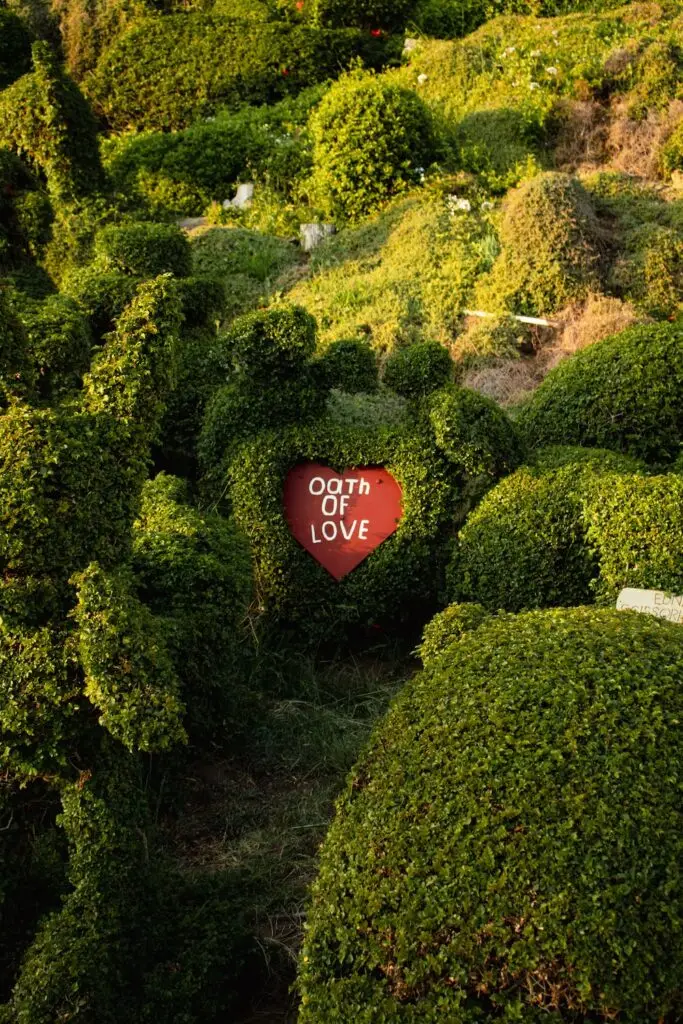
Like thousands (or millions, there’s no formal estimation) of others, I had scrolled through the photos of this topiary fantasia before I ever stood in front of it. As of this writing, Harper’s Topiary Garden is No. 227 of 2,686 Things to Do in San Diego on Tripadvisor, making it a popular tourist stop between fish tacos, a day at the beach, and a stroll in nearby Presidio Park. But crowdsourced photos quickly snapped in direct overhead sunlight tend to flatten the shapes that, while meticulously manicured, refuse to behave. In person, Harper’s figures seem to be in motion and, given that they’re sculpted out of bushes, they literally are. (I’d love to see a maintenance timelapse.)
Animals emerge out of shrubs as if they have impish ideas. A fanciful whale, a man in a sombrero, a random spiral twisting skyward, otherworldly creatures that defy categorization—all of these exist together in a neatly trimmed cascade pouring down the steep front slope of the property.
You don’t accidentally end up with a yard like this. You decide to create it and choose to cultivate it, and then you keep deciding and cultivating—for decades.
Although a consistent parade of looky-loos have visited over the years, most have never been inside the home, which is on the market for the first time since Harper and her husband, Alex (who died in 2020), bought it in 1969.
Courtesy of Christopher Delgado
“It was and is a landmark,” says Christopher Delgado, Harper’s cousin and trustee of her estate. “She specialized in Chinese brush art and Japanese art called ‘sumi-e,’ a form of Zen art. She was a creator … she was very, very talented.”
I can’t stop thinking about Harper, sitting at the kitchen window, looking down at her masterpiece and the watchers watching it. The image of Harper enjoying the joy the public took from her handiwork makes me want to understand the woman behind the work. Because topiary, as an art form, has always been a little… loaded.
Topiary has always had a bit of an identity crisis—and that’s part of its charm.
When I think of topiary, I immediately think: Fancy. French bourgeoisie. Palace of Versailles. Mais non! Topiary has its origins in Rome. According to the Center forArchitecture, the word “topiary” has its origins in late 16th century English, which combines the Greek word “topos” for place and the Latin word “topiarius” for ornamental gardner.
Photo Credit: Casiel Sanchez
Topiary started as a flex, really. A Julius-Caesar-adjacent pastime for the most ancient one-percenters; an expression accessible only to those with land, labor (or, put more plainly, enslaved people), and spare time. In its earliest form, topiary was about control: bending nature into submission. It’s where symmetry and precision signaled order, taste, and money.
But with the collapse of the Roman Empire and the Dark Ages that followed, the topiary almost preceded the Dodo Bird in extinction. Monks quietly kept the art alive by growing herbs and manicuring the gardens and hedges within the courtyards of their monasteries.
It wasn’t until the Renaissance nine centuries later when topiary saw a resurgence—ah, Versailles!—and this form of pleasure gardening went into overdrive. Nature became architecture. The French pruned their foliage into iconic cones and obelisks, walls to keep out the riffraff, and ornamentation designed to impress. The Dutch got a little freaky, as they do, and sculpted complicated figures, animals, and even furniture.
Inevitably, the pendulum swung again, and topiary fell out of favor once it became viewed as excessive and even absurd. Even so, it never really disappeared. It just migrated to exist in a completely different paradigm. It was less Versailles and more, “What if this bush were a mouse?”
Fast forward to Disneyland in 1963. That year, the park opened a topiary garden in Fantasyland with verdant sculptures of giraffes, camels, elephants, and hippos all inspired by Denmark’s Tivoli Gardens.
Disney’s interpretation of topiary—which is still a fixture of park decor today—falls more into the realm of imagination and possibility than restrained aristocratic performance.
That’s one of the stranger throughlines of topiary: It moves from elite to everyday, from stiff and formal to playful and silly, from symbol of control to something steeped in personal expression.
Which is what makes a place like Harper’s Topiary Garden so compelling and the woman behind it utterly intriguing.
Courtesy of Christopher Delgado
Born in 1938, Edna Harper was something of a Renaissance woman. She worked for two decades as a dental assistant, and she later became a notable painter, calligrapher, and stained glass artist (the house itself is adorned with her work). But she was also savvy in other ways.
“She graduated [with a degree in dental assisting] from San Diego City College and wanted to have her own money and her independence,” says Delgado. “Most people didn’t know that she was such a great businessperson, and for many years, she managed all of [the couple’s] properties on her own. She was great at building relationships … she touched a lot of people’s lives.”
Her friend and fellow artist Julie Roth attributes her artistry to her relationship with Harper. The pair met two decades ago at an art class at Oasis in Mission Valley.
“She was just the most encouraging person,” Roth says. “I didn’t know I could paint, but apparently I can. She was a tremendous person.”
I asked Roth what she’d want people to know about her friend.
“Her empathy and diplomacy,” she says. “[She had] a sharp eye for other talent. She spotted me, but I’m not the only one she encouraged.”
That sharp eye suggests attention, the same kind it takes to look at a bush and also see a whale. Or a spiral. Or something that doesn’t exist yet, but could.
Photo Credit: Casiel Sanchez
Nothing about Harper’s life suggests someone chasing attention. And yet, she ended up creating something that demanded hers, and she took great pleasure in seeing people enjoy her creations.
The garden didn’t happen all at once. It grew out of years of travel, observation, and collaboration. Harper often traveled without her husband, always returning from trips to Japan, Thailand, and other parts of Asia with ideas and impressions captured through sketches in a notebook.
“She would get creative ideas from her travels … she’d come back with ideas and pictures, and they’d go about cutting that topiary bush into shape,” Delgado says.
For the past 25 years, she had the help of her gardener, Pedro Duran—who’s still employed by the trust and has maintained the garden since Harper’s passing.
In the early topiary years, Harper worked closely with Duran in what Delgado describes as a kind of shared “labor of love.” She would share her sketches and together the pair would shape the bushes into something deliberate.
Photo Credit: Casiel Sanchez
“As she got older, she would increasingly draw her ideas and [Duran] would [carry them out],” Delgado says.
That collaboration reinforces that her garden was not an act of control, but one of creative collaboration and translation. From memory to sketch. From sketch to shrub. From something seen, somewhere else in the world, to something rooted in the soil of a steep hillside in Mission Hills.
Harper also made sure that the lawn’s boisterous energy made its way into the house on Union Street. Apparently, she threw legendary parties.
“Fairly regularly, in the late ’70s and ’80s, she would host Super Bowl parties with 200 people. She had TVs everywhere,” Delgado says.
It’s not hard to square that image with the stillness of the garden which, despite the careful pruning and intentional design, is voluminous and nearly vibrating.
And, damnit, I wish I’d watched some sportsball on her shocking number of TVs and wandered out front to the topiary—slightly wine-drunk with an orange smear of wing sauce on the corner of my mouth—to marvel at the leafy hippo and this woman’s elaborately creative life.
Photo Credit: Casiel Sanchez
I can hear Delgado smiling as we talk on the phone. He’s going back to his childhood, when he talks about being one of the cousins Harper doted on when he visited.
“The adults were inside, and we’d be out in the camper,” he says, “and [Harper] would come check on us, make sure we were okay. She always had gifts for us. If it was Easter, there were chocolate eggs. If it was Christmas, stockings. We were the beneficiaries of them not having kids because they showered us with all their love.”
Knowing this and taking a look at her garden again, you can see it’s not the work of a shut-away curmudgeon. It’s wondrous, inviting, and the right kind of weird.
“Ultimately, she did it for herself and family, first and foremost,” Delgado says of Harper’s Topiary Garden.
Harper’s one request of whomever buys her home may seem like a focus on basic maintenance, about hedges and upkeep and preserving something visually striking. But it’s really about attention. And maybe, too, about legacy. Not hers, per se, but the legacy of community, relationships, art, creativity, possibility, adventure, culture, dedication, and love.
For now, it’s there for anyone to see, and its future is in the hands of whomever comes next.
Aaryn Belfer is a writer and editor specializing in nonfiction across art, architecture, and culture. Once upon a time, she wrote a provocative column for San Diego CityBeat (RIP). She was a runner up in the 2025 Matchbook Stories contest at the San Diego Central Library and is irrationally happy about it. Currently in her Soft Girl Era, Aaryn has expensive taste in (mostly flat) shoes and will choose a great art exhibit or live jazz concert over almost anything else. Except, possibly, Javier Bardem.
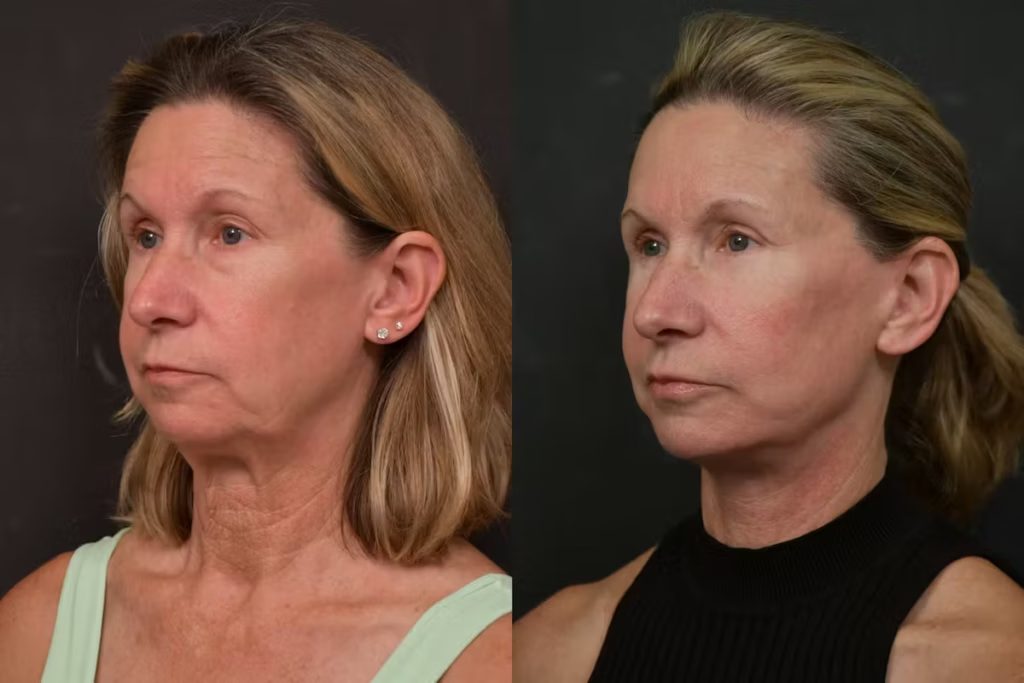
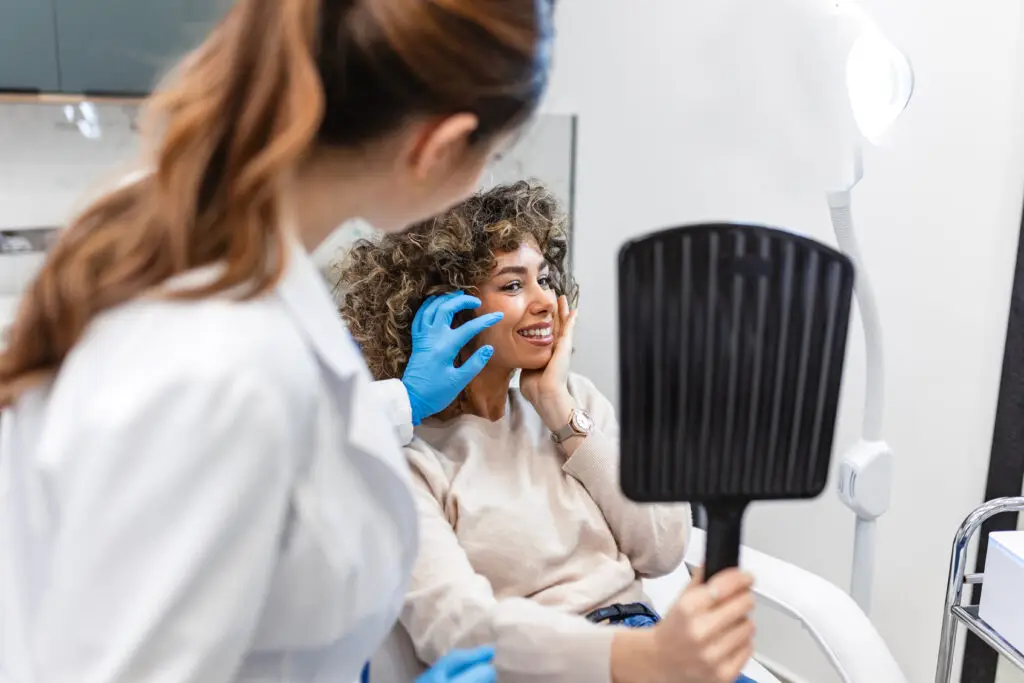
San Diego is home to world-class aestheticians, plastic surgeons, and dermatologists who can help turn back the hands of time and revitalize tired, damaged skin. Enhancing your look is a spectrum. Treatments range from noninvasive procedures like lasers or injectables to the big guns, like a deep-plane facelift—many with better results and less downtime than ever thanks to advanced techniques and technology. Whether you’re a Botox beginner or an aesthetic medical care veteran, San Diego aestheticians and aesthetic medicine providers can help you look and feel like the best version of yourself.
Changes Plastic Surgery & Spa
Changes Plastic Surgery & Spa is San Diego’s premier destination for aesthetic surgery, led by world-renowned plastic surgeon Dr. Michael Rossi. Celebrated for his artistry, precision, and natural-looking results, Dr. Rossi is known for creating customized Mommy Makeovers that help women restore confidence and reclaim their bodies after pregnancy. His expertise also extends to comprehensive post-weight loss body contouring, addressing excess skin and skin laxity with sophisticated surgical techniques tailored to each patient’s unique anatomy and goals. From breast and body rejuvenation to deep plane facelifts and eyelid surgery, every treatment plan reflects Dr. Rossi’s commitment to surgical excellence, personalized care, and transformative results that look as beautiful as they feel.
Cosmetic Laser Dermatology
At Cosmetic Laser Dermatology, the board-certified, internationally acclaimed team has the power to erase 10+ years of aging in a single treatment. The center’s 60+ laser, light, and energy devices do it all—refining texture and tone, calming acne, minimizing pores, and erasing that ill-advised spring break tattoo of yesteryear. Their dermatologists take it further by stacking multiple devices in one session for synergistic results—the philosophy behind their signature Take5 and Take10 treatments, the latter capable of removing a decade-plus of aging in just one visit. Add a full suite of injectables, body sculpting, and vein treatments for every skin type and tone, and it’s no wonder the practice’s medical director was named the #1 cosmetic dermatologist in America by Newsweek two years running.
Cultivé Medical Aesthetic
If it’s subtle, lasting results you’re after, Cultivé Medical Aesthetics has you covered. Cultivé purposely combines aesthetics and wellness. The Bankers Hill practice offers a full menu of services designed to improve skin health and support the three pillars of aesthetic aging: skin tone and texture, volume loss, and laxity. Cultivé offers a wide range of aesthetic treatments, including collagen boosting powerhouse Morpheus8, biostimulators like Sculptra and Radiesse, PRP therapy, laser hair removal, VI peels, and regenerative skincare treatments. They also provide wellness-focused services such as hormone replacement therapy, IV therapy, and medical weight management programs.
Starlite Aesthetics and Wellness
Starlite Aesthetics and Wellness focuses on enhancing natural beauty through science-backed treatments tailored to each client’s goals. Michelle Langston, MSN, APRN, FNP-BC, founded Starlite on the principle that aesthetic medicine should be precise, personal, and rooted in wellness. The boutique aesthetic practice in La Jolla combines modern medical aesthetics with holistic wellness principles for refined results personalized to each patient. Langston has spent more than a decade honing her skills in advanced injectables, regenerative therapies, and anti-aging care. Starlite offers regenerative therapies rooted in science, promoting skin rejuvenation using a multiple modality approach. Service offerings include RF microneedling, wrinkle relaxers, facial balancing and more.
The “It” List
In the rapidly advancing field of aesthetic medicine, it can be hard to tell what’s worth the hype. Here are some of the latest, most advanced, and most popular options out there.
Morpheus8: This combination of microneedling and radiofrequency (RF) energy activates your skin’s own collagen and elastin without the downtime associated with some laser treatments. It can be used to reduce wrinkles, tighten skin, improve skin tone, contour the jawline, and minimize acne scars.
Exosome Therapy: This cutting-edge treatment uses protein-packed nanoparticles to trigger repair and rejuvenation at the cellular level. Often used post-microneedling or lasers, exosomes penetrate deep into the skin to stimulate collagen production.
Post-GLP-1 Skin Removal: Rapid fat loss prompted by GLP-1 medications, including semaglutide, tirzepatide, and retatrutide, can leave users with sagging skin. Skilled surgeons can remove excess skin and reshape the figure.
Treatment Stacking: Sometimes it’s the more the merrier when it comes to aesthetic procedures. Combining multiple non-surgical treatments in a single session allows users to address several issues efficiently, with less downtime.