Ready to know more about San Diego?

Subscribe
Features MARCH 25, 2016

Get Outside: 15 Outdoor Challenges

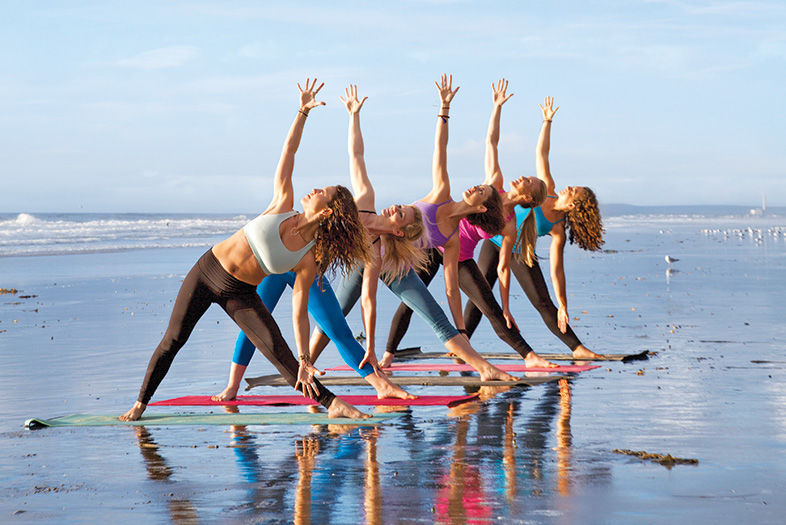
Take your workouts to new heights and lengths with our list of San Diego's best hikes, bike paths, and swims. Plus, a triathlon for beginners, beach yoga, and more. Get set to sweat!

Get Outside: 15 Outdoor Challenges

Get Outside: 15 Outdoor Challenges

Jay Reilly

1. Run or Walk the Interior of Mission Bay

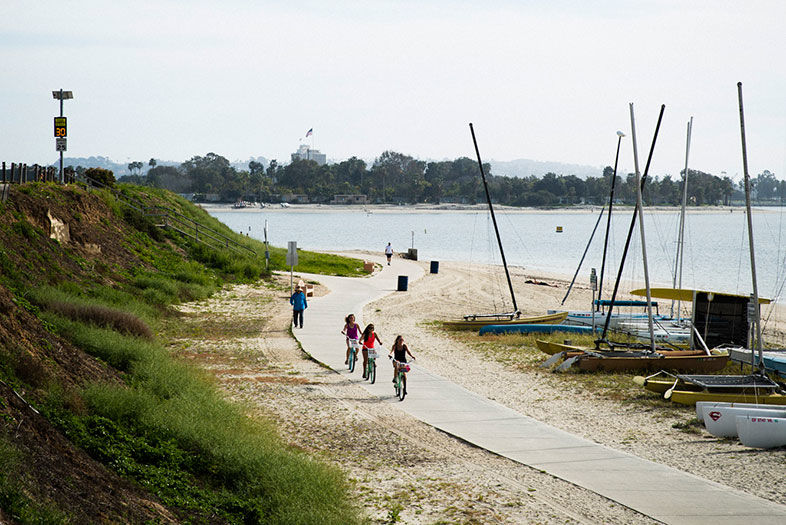
You may already use part of the Mission Bay path for a run, but have you challenged yourself to complete the full loop? It’s 11 miles of a wide path that hugs the water and is usually separate from traffic. You’ll get to take in all of San Diego’s beach activity—from boating to volleyball to rental house partying—as you run by.

Good to know: There’s usually ample parking in the lots on the eastern side of the bay.

East Mission Bay Drive and Clairemont Drive, Mission Bay

Level: Moderate

2. Hike a Portion of the Pacific Crest Trail

The 2,650-mile trail stretches from the Mexican border to the Canadian and was recently in the spotlight thanks to the New York Times best-seller and film Wild. You can share in a small part of the trail’s glory by hiking a segment that runs east of San Diego. The trail starts in Campo and winds its way by Lake Morena and over Mount Laguna.

Good to know: Check out the Pacific Crest Trail Association’s website for day hikes or shorter backpacking trips.

Level: Moderate
Get Outside: 15 Outdoor Challenges

Get Outside: 15 Outdoor Challenges

3. Compete in a Triathlon or Half Ironman

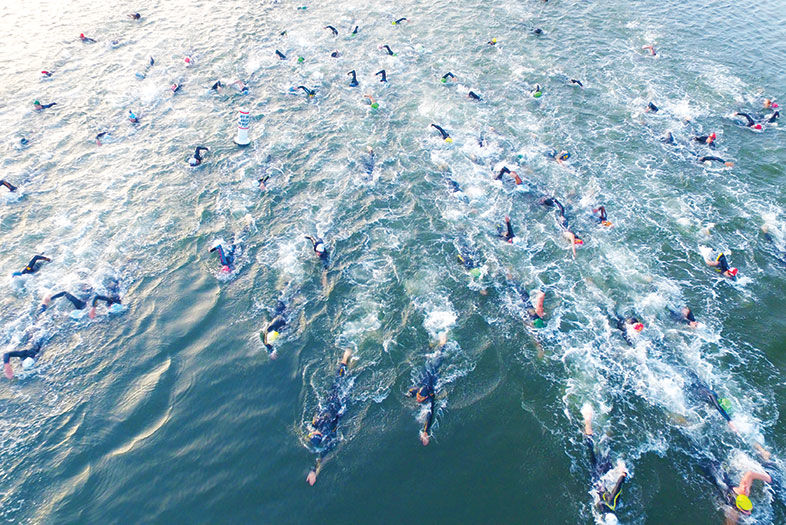
When the first-ever modern triathlon was held in Mission Bay in 1974, its organizers thought it would be a fun one-time event. Now it’s an Olympic sport that attracts more than 2 million participants a year. If you’ve never competed in one before, San Diego is the perfect place to try it out, because of our mild summer temperatures, relatively warm ocean water, and calm, protected bays. Start with a sprint-distance tri (swim 0.5 mile, bike 12.4 miles, run 3.1 miles). If you already run and swim, challenge yourself to go a half-Ironman distance this month (April 2) at Oceanside’s Ironman 70.3 (swim 1.2 miles, bike 56 miles, run 13.1 miles).

Good to know: San Diego has several beginner-friendly triathlons, including the Mission Bay Triathlon in October. Check out the Triathlon Club of San Diego for group workouts and practice races.

Level: Difficult
Get Outside: 15 Outdoor Challenges

Get Outside: 15 Outdoor Challenges

Corey Jenkins

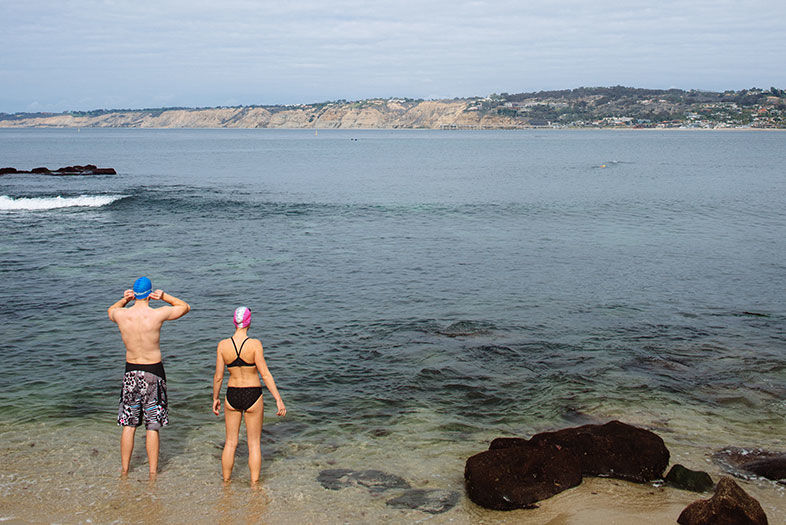
4. Swim from La Jolla Cove to La Jolla Shores

This challenge for local swimmers and triathletes covers just over a mile one way. On a clear day, see fish (and maybe some friendly sharks!) swimming beneath you. Buoys at a quarter- and half-mile out provide shorter options if you want to work up to the full distance.

Good to know: Don’t swim alone if it’s your first time. Search online for groups like Triathlon Club of San Diego that organize pack swims every week.

Coast Boulevard and Prospect Street, La Jolla

Level: Difficult
Get Outside: 15 Outdoor Challenges

Get Outside: 15 Outdoor Challenges

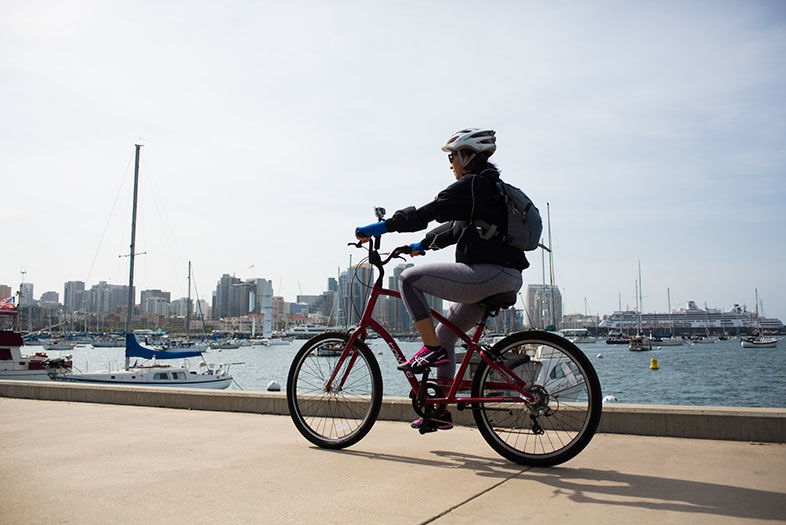
5. Bike to Work

Get your exercise while cutting carbon emissions and easing traffic. The county is slowly getting more bikeable, thanks to SANDAG’s Regional Bike Plan, and there are a few good routes already, such as the Ocean Beach and Highway 56 bike paths. Riding to work will make you feel good and allows you to see the city in a whole new way. Bike to Work Week is May 16–20, but, of course, you don’t have to wait until then to give it a whirl.

Good to know: Use bikesd.org to map out the most two-wheel-friendly route.

Level: Easy
Get Outside: 15 Outdoor Challenges

Get Outside: 15 Outdoor Challenges

COREY JENKINS

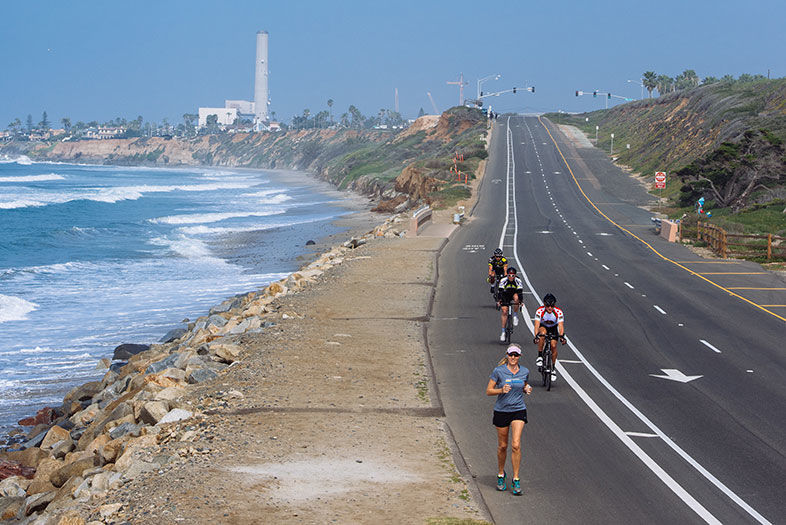
6. Do the Train Run

This picturesque path down the Coast Highway really shows what living in San Diego is all about. Take the Coaster from Solana Beach to Oceanside and log 16 miles while breathing in the ocean air. Stop at Swami’s Cafe along the way if you need to refuel (1163 South Coast Highway 101) or celebrate at the end with a big meal from Claire’s on Cedros (246 North Cedros Avenue).

Good to know: Park at the Solana Beach station and pay $4 to travel just one way north.

105 North Cedros Avenue, Solana Beach

Level: Difficult


More in Get Outside:
Nature Calls!
Nature Calls!
Nature Calls!

Nature Calls!

Things to Do Outside for Free

Things to Do Outside for Free


7. Try a Trail Race

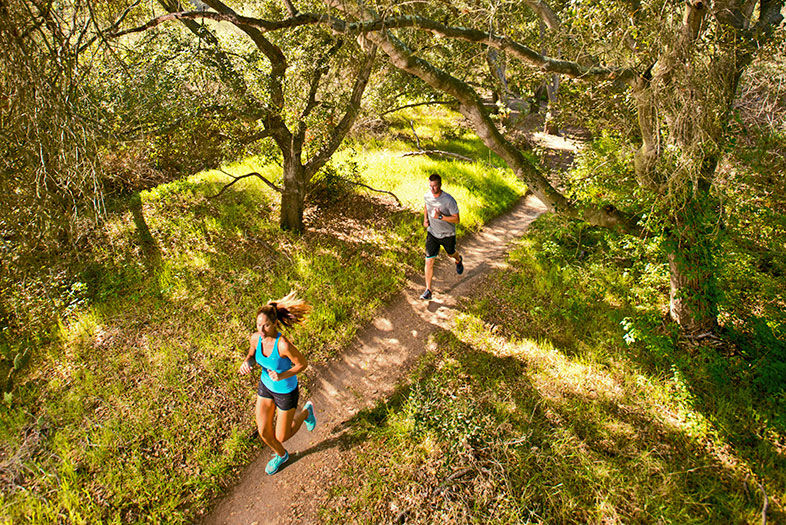
Break out of a running rut or challenge yourself to do something new by taking advantage of the region’s many offroad races. Runs through Lake Hodges and Mission Trails will take you to new places in the county and bring the exhilaration of trying something away from the pavement and sidewalks.

Good to know: San Diego Dirt Devils puts on a progressive trail run series each summer, so you can start with a 5K and end with a half marathon.

Level: Moderate
Get Outside: 15 Outdoor Challenges

Get Outside: 15 Outdoor Challenges

8. Run or Hike Los Peñasquitos Canyon Preserve

This lush canyon boasts its own waterfall and miles of trails that make you feel like you’re in the middle of nowhere. While the dirt paths offer good options for shorter trail runs, try challenging yourself to do the full loop from one side to the other—about 12 miles total.

Good to know: In the summer months, bring plenty of water and start early. It can be hot, dry, and dusty.

12115 Black Mountain Road, Rancho Peñasquitos

Level: Easy
Get Outside: 15 Outdoor Challenges

Get Outside: 15 Outdoor Challenges

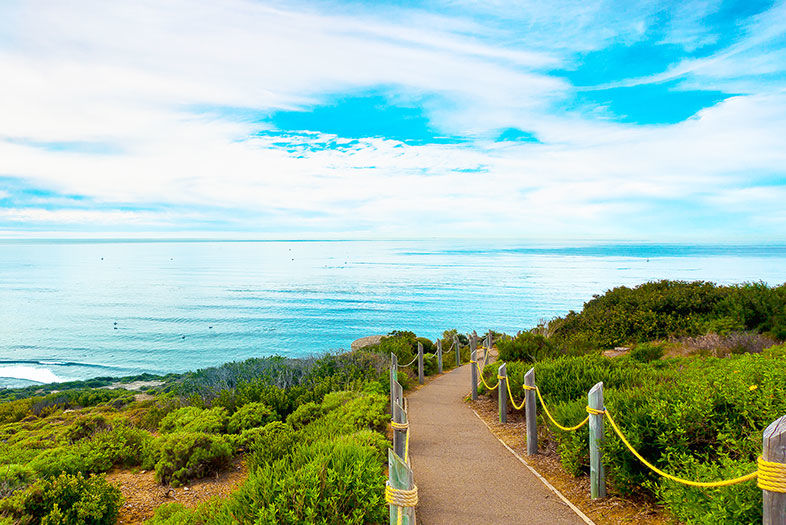
9. Hike Torrey Pines

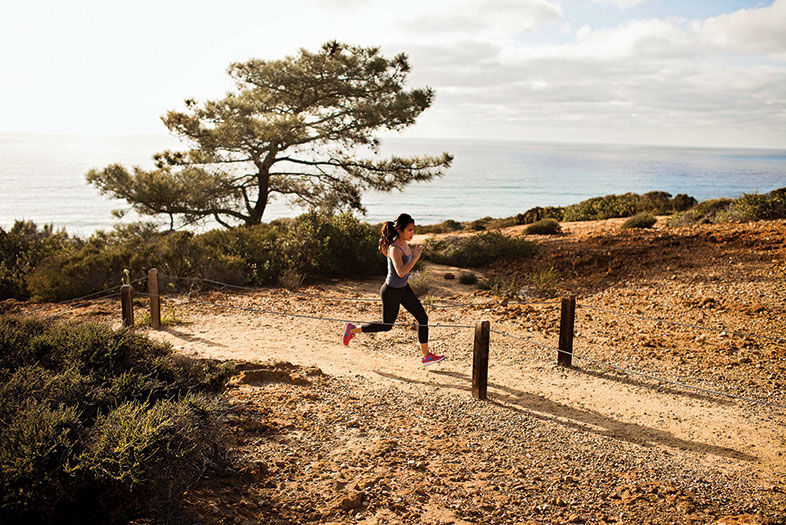
This quintessential San Diego spot has the most gorgeous views of ocean bluffs that you can find. Make yourself earn that reward by parking at Torrey Pines State Beach and hoofing it up the road—a 500-foot climb over about 1.5 miles. Go past the state park on North Torrey Pines Road, and turn right at the Salk Institute at Torrey Pines Scenic Drive, which takes you to another iconic view at the Gliderport.

Good to know: Be prepared for pricey parking at the beach—$15 on the weekends, $12 on weekdays—or get lucky with street parking.

North Torrey Pines Road and Carmel Valley Road, La Jolla

Level: Easy
Get Outside: 15 Outdoor Challenges

Get Outside: 15 Outdoor Challenges

COREY JENKINS

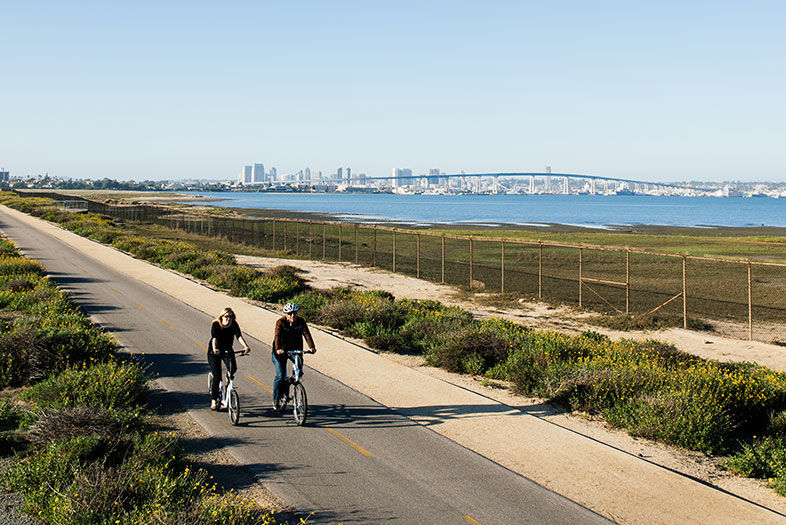
10. Bike the Bayshore Bikeway

This 24-mile loop brings you across the bay on a ferry, down the beautiful Silver Strand, and back up through Chula Vista and downtown San Diego. Finishing it means passing through five cities and experiencing a big chunk of the local coastline.

Good to know: You have to take the Coronado Ferry to do the loop, so check departure schedules and bring $4.75 (bikes are free).

900 North Harbor Drive, Downtown

Level: Moderate

11. Complete Mission Trails’ Five Peak Challenge

Launched late last year, this is San Diego’s mini version of the Colorado fourteeners (the challenge to hike all 53 mountains above 14,000 feet). Hike the five peaks in Mission Trails above 1,000 feet and snap a selfie at each summit to get an official certificate and pin.

Good to know: Follow #5peakchallenge on Twitter to get tips and connect with hiking buddies. For maps: mtrp.org

Level: Moderate
Get Outside: 15 Outdoor Challenges

Get Outside: 15 Outdoor Challenges

12. Run or Bike up to Cabrillo National Monument

Climbing to the top of one of San Diego’s most iconic spots either by foot or by wheel is an achievement—and one that won’t take all day. The 12-mile out-and-back route from Spanish Landing Park to the top has rewarding views along its path, topped off with sweeping sights all the way to Mexico if you make it to the end.

Good to know: You can turn around at the park’s entrance, or pay $5 and go to the lighthouse or down to the tide pools on the western edge.

3900 North Harbor Drive, Point Loma

Level: Moderate

13. Cross Mission Bay on a Stand-up Paddleboard

This is something every San Diegan should try at least once. Being close to the water and paddling on the glassy bay can put you in a Zen-like state. Challenging yourself to make it from Santa Clara Point to the eastern side makes it a workout.

Good to know: Be mindful of the wind, which can make paddling east feel like a breeze but coming back a lot harder.

1008 Santa Clara Place, Mission Bay

Level: Easy

14. Hike El Capitan

Inarguably San Diego’s hardest hike, the trail to the peak goes up and up, then down, then up again. Plan to spend most of the day on the 11.2-mile round trip that will reward you with a deep sense of accomplishment and incredible views.

Good to know: Bring lots of water and start early in the morning. The trail is closed in August because of the heat.

Wildcat Canyon Road and Shenma Road, Lakeside

Level: Difficult
Get Outside: 15 Outdoor Challenges

Get Outside: 15 Outdoor Challenges

MC1(AW/SW) Larry S. Carlson

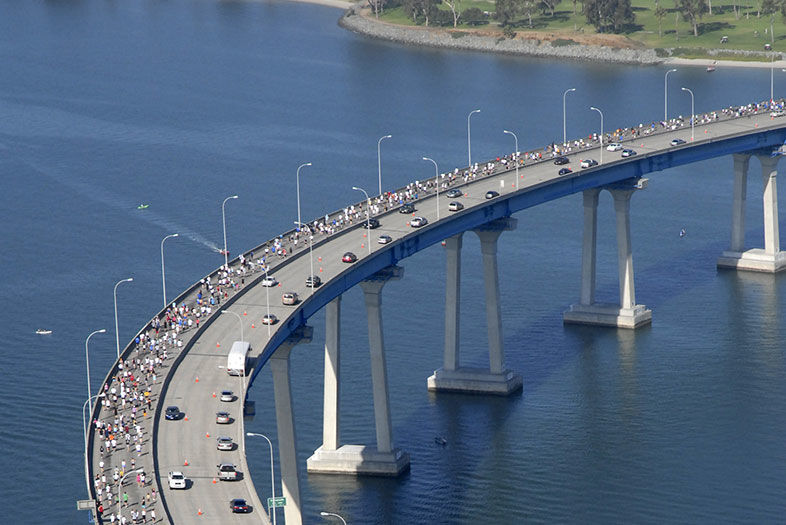
15. Run or Bike over the Coronado Bridge

There are only two opportunities each year to cross the Coronado Bridge outside of a car, an experience everyone should have at least once. From the top, you’ll get views into the Navy base, Coronado, the harbor, and the ocean that you can’t fully take in when you’re driving.

Good to know: Run the bridge at the Navy’s Bay Bridge Run/Walk May 15, or bike it as part of the Bike the Bay ride August 28, 2016.

Level: Easy


More in Get Outside:

Subscribe to our newsletters

Select Options

By subscribing you confirm that you agree with our Terms and Conditions and Privacy Policy.

Arts & Culture SEPTEMBER 2, 2026

31 People Shaping San Diego’s Creative Scene

Meet the artists, makers, and advocates whose work shapes how the city looks, sounds, gathers, and connects

31 People Shaping San Diego’s Creative Scene
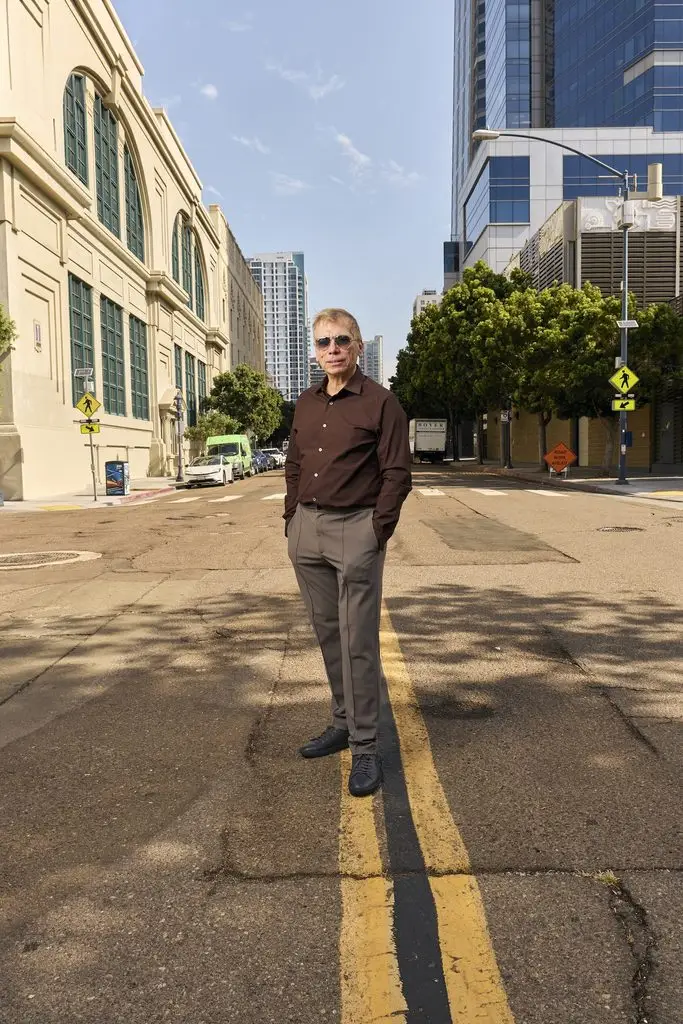
Photo Credit: Katie Gardner & Matt Furman

San Diego is full of people who deserve a few thousand words on what they make, who they bring together, and how their work changes the city around them. The artists, makers, advocates, and behind-the-scenes talent below are a small part of that larger ecosystem.

To help us narrow our list, we looked for names that kept coming up, work that reflects the diversity of our region, and people building something bigger than themselves.

Jackie is a long-time freelance journalist covering cannabis, food/restaurants, travel, labor, wine, spirits, arts & culture, design, and other topics. Her work has been selected twice for Best American Travel Writing, and she has won a variety of national and local awards for her writing and reporting.

Isabella Dallas is a freelance writer for San Diego Magazine and the Arts and Culture Editor at The Daily Aztec in her final year at San Diego State University. She previously worked as an editorial intern for SDM, but when she’s not writing, you can find her trying the best coffee spots in SD, devouring the latest rom-coms, and indulging in anything and everything pop culture.

Matt Eisenberg is an award-winning writer and photographer based in San Diego. A former ESPN editor, his work has also been published by CNN, Bleacher Report and the New York Daily News.

A

About Aaryn Belfer

Aaryn Belfer is a writer and editor specializing in nonfiction across art, architecture, and culture. Once upon a time, she wrote a provocative column for San Diego CityBeat (RIP). She was a runner up in the 2025 Matchbook Stories contest at the San Diego Central Library and is irrationally happy about it. Currently in her Soft Girl Era, Aaryn has expensive taste in (mostly flat) shoes and will choose a great art exhibit or live jazz concert over almost anything else. Except, possibly, Javier Bardem.

Leorah Gavidor won her first essay contest at age 5. She writes features, news, and non-fiction in San Diego.

Lili Kim

About Lili Kim

Lili Kim is a content coordinator and writer for San Diego Magazine, with experience highlighting local businesses and communities. When not writing or shooting film, she is likely brewing her seventh cup of tea of the day or strolling along Sunset Cliffs.

Emma Veidt

About Emma Veidt

Emma Veidt is an editor at San Diego Magazine. She earned her bachelor's and master's degrees from the Missouri School of Journalism. She loves running, hiking, and rock climbing, but really, she mostly loves encounters with the street cats around North Park.

Gail Czyszczon is owner/copywriter at Z3 Writing and best-selling author of a children’s book series. As a strategic communications professional and editorialist, she's passionate about discovering untold stories and themes that ignite fresh conversation and true change in communities.

Everything SD SEPTEMBER 1, 2026

Guest Publisher’s Note, September 2026: The Arts Edition

For Jonathon Glus, San Diego’s next chapter begins with the artists who help us understand where we’ve been

Guest Publisher’s Note, September 2026: The Arts Edition
Photo Credit: Katie Gardner & Matt Furman

Some ancient philosophers believed that humans experience seven-year life cycles or phases of life. Some went so far as to believe that every cell in the body regenerates every seven years.

Much later, in the 1800s, Austrian philosopher, architect, and social reformer Rudolf Steiner developed anthroposophy—an integration of science, art, and spirituality—into his understanding of the human experience. Steiner believed that each of us changes every seven years—from spiritual beliefs to physical evolution—and art is the connective tissue through each of these cycles. Still today, Steiner’s teachings are foundational to the principles of Waldorf education.

While I’ve certainly experienced more than a few human life cycles of my own, I believe that, just like us, cities have their own life cycles.

Cities are living organisms, regenerated every day by the people that live, work, and gather there. Environmental changes, human migration, economic shifts, technological advances, politics, and public policy—they all inform a city’s evolution, sometimes intentionally and sometimes by forces outside of our control. But ultimately, we as humans respond, adapt, and sometimes make our most important new advances.

Photo Credit: Matt Furman

In the aftermath of World War II, in 1947, the Edinburgh International Festival was established to promote international peace through the performing arts. Today, that festival continues as a global gathering place to experience some of the world’s most innovative dance and theater.

In post-revolution Mexico, that country’s government launched a monumental muralism program to celebrate the history of its Indigenous cultures. Today, that tradition still informs the way Mexico tells its stories and how we understand its history.

Here in the US, the National Endowment for the Arts was established in 1965, at a time when the arts were seen as part of our national strength and resilience. For the first time, federal funds were directed to communities across the country to invest in the arts at a local level.

San Diego may be relatively young as a major American urban center, and even younger on the world stage, but our region as home to humans is ancient. Today, we love a San Diego that is built on roads and traditions of the Kumeyaay Nation, where we share a modern mega-region with our sister city and cultural twin, Tijuana, on unceded Kumeyaay land.

History has shown us that the arts generate the very human connection and understanding that allows our politics, policies, technological advances, and human migration to move forward. In that way and more, the arts are the very heartbeat of our city.

In this issue of San Diego Magazine, we celebrate the artists, creatives, culture bearers, and workers who keep our region connected and in conversation as we take on challenges big and small—internationally as well as on our own neighborhood streets.

Artists are our storytellers. They respond to and chronicle the best and the worst of us—our foibles and weaknesses, our struggles, and, undeniably, our successes.

Now: a look back into the past seven years in history. They have not been a walk in the park, with a pandemic, global unrest, and shifting domestic politics as only a few forces that have challenged our lives and our region. Together, we experienced some of our greatest struggles and witnessed tremendous resilience.

That’s exactly why this is an exciting time for the arts in San Diego. We are on the precipice of an even more fertile, sustained, and inclusive time for the arts in our region.

In some ways, Covid seems like an eternity ago. I remember all too well the massive economic impact on our cultural institutions, some of which have never fully recovered. I remember the mass layoffs of the workers who keep our arts institutions going and the teaching artists who were suddenly out of work.

I also remember the poets, filmmakers, actors, and musicians who helped us grapple with the disruptions of the pandemic. Our communities became virtual, and artists gave us the space to make sense of it all.

In fact, a common phrase emerged from the Covid: artists as second responders.

Still today, I think about the short film made by San Diegans Susanna Peredo Swap and Gill Sotu called History of Joy, which captured so brilliantly what we were experiencing during those days of lockdown.

Since then, as an arts community, we’ve pushed forward transformational work that we will continue to build upon in this next seven-year cycle and well beyond.

Hundreds of artists and culture bearers have spent the past several years going to work with community groups across the region as part of Far South/Border North, our region’s component of the California Arts Council’s groundbreaking artist work program, Creative Corps. The impact resonated so deeply that local government and philanthropy partnered for a second iteration, Artist Count, this time a binational initiative launched just a few months ago.

We’ve invested mightily in cultural infrastructure. Need some examples? There’s the reimagined Jacobs Music Center and Museum of Contemporary Art San Diego, the Black Arts & Culture District, the state designation of Arts District Liberty Station, and now the burgeoning Art + Design District downtown.

World Design Capital San Diego Tijuana 2024 elevated what we already knew—that the two neighboring cities are culturally and creatively intertwined as one region—and boosted our global presence as a creative juggernaut. Artists, designers, and community leaders worked together to produce more than 600 events across our region that year, and the impact continues.

And “Creative City,” the City of San Diego’s first cultural plan that incorporates arts and culture advancements in the city’s development, was crafted by thousands of San Diegans as a roadmap to take us into the future.

Here’s what I know about the past seven years: San Diego’s artists, creatives, and culture bearers showed up for our region as our storytellers, second responders, and creative workforce.

And for the next seven? San Diego will morph and change, as every city does. Sometimes because of us, sometimes in spite of us. But our city’s creative community has a solid foundation on which to build, led by the artists who witness and tell our stories each and every day.

Jonathon Glus, Conrad Prebys Foundation’s Senior Fellow for Art and Design in Residence at the Downtown San Diego Partnership

Everything SD AUGUST 31, 2026

Editor’s Note, September 2026: More Than a Postcard

Editor at large, Aaryn Belfer, introduces the September 2026 Arts issue featuring 31 artists, makers, builders, and doers.

Editor’s Note, September 2026: More Than a Postcard
Photo Credit: Katie Gardner & Matt Furman

What makes San Diego, San Diego? That’s the question at the heart of this issue.

Over the course of eight weeks, San Diego Magazine staff and I spoke to dozens of people, from long-time leaders at some of our biggest institutions to emerging artists working alone at night in studio apartments after eight hours (or 10 or 12) at their day jobs.

Tasked with bringing this issue to life as editor at large, I’m just one member of a stellar team of artists in their own right. I repeatedly told owners Claire and Troy Johnson: This is your baby, I’m just the babysitter. Which is wink-and-smile cute, until you spend two months with the kid and realize you’d take a bullet for it.

San Diego’s beaches are gorge and the weather the envy of those who spend winter scraping ice from their windshields. But sand and sun are the least interesting things about this place. Traditional territory of the Kumeyaay people, San Diego is a majority-minority region with cultural and artistic depth that’s unmissable unless you’re looking directly at the sun (don’t do that, please).

For me, the creatives make San Diego. The composers, the painters, the sculptors, the writers. From Oceanside to the border, and Tijuana too, this is arguably the most culturally layered region in the country. That shows up in murals, music, textiles, food, dance, street art, and beyond.

Almost nobody I talked with does just one thing. The visual artist is also a musician. The culture keeper is also a painter. Their personal stories shape their work and compel them to create in San Diego, even when staying costs them more than San Diego gives back.

That world is what San Diego’s artistic and cultural community gives to us. It’s the mural on the side of the building at Ace Parking on the corner of India and A streets. It’s the buskers overlooking the pier in OB. It’s cultural drumming classes at WorldBeat Center. It shows up invited (or not: we see you, street artists), and we’re all better for it.

I believe we’re all artists, by the way. That natural state gets trained out of us early, in favor of deadlines and the idea that anything made with your hands needs to justify itself with a return on investment. A lifetime doodler, I picked up a sketchbook three years ago; watercolor followed. Talent’s debatable, but that was never the point. When I’m creating, my brain quiets; I can’t be anywhere else in my head except exactly where I am. My work won’t be on gallery walls, but it’s not a hobby either. It’s a portal to the world I want to live in.

For this issue, we reached out to dozens of people across the arts community and asked them to give us names—artists and culture makers they felt were especially crucial, compelling, moving the city forward. The result was a list of 190 artists, makers, builders, doers.

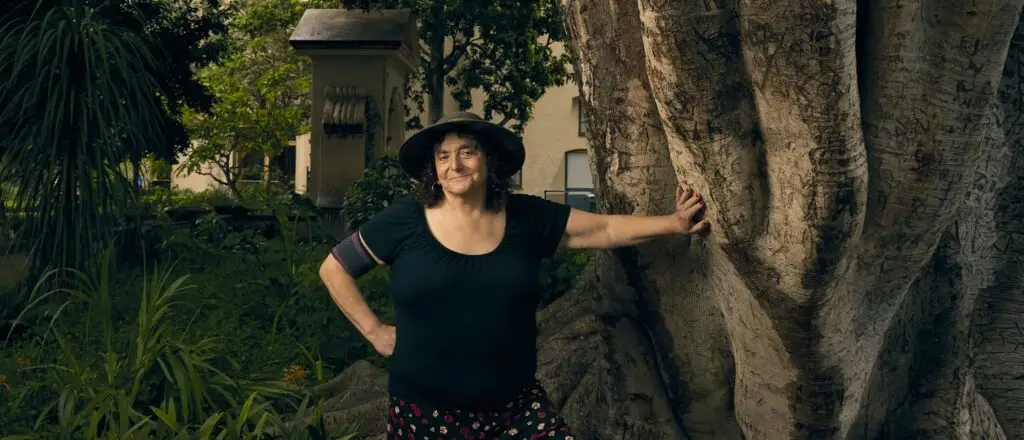
We also wanted this issue to be its own art project, not just a write-up of one. To give artists proper acreage, we enlisted one of the city’s top photographers, Matt Furman, to capture their image.

Then we began the Sophie’s Choice process of narrowing the list of talented humans—each deserving of their own 2,200-word profile—down to 31. Our criteria was broad with bumper rails: Names that kept coming up again and again had to be included; so did people doing work that reflects our diverse region; and people building something bigger than themselves, gathering others, and galvanizing pockets of scene. Individually and collectively, these creatives are reaching toward a future in which art and culture is what brings people to San Diego; a main attraction before getting a sunburn, not a side quest after.

Strip all of it away—the murals, the music, the makers, the stories—and what’s left of a city? Concrete and buildings with the Pacific Ocean and a mythological green flash. That’s it. That’s the whole inheritance.

Turns out the babysitter fell hard for this one: Seeing these artists through Furman’s lens made me feel all the things, and I hope it will do the same for you. I hope this issue compels you to get out your calendar and make a plan to buy the ticket, step into the gallery, sit in the audience. Showing up is how you tell San Diego’s creatives that art and culture matter—and that they matter, too.
This issue is my love letter—San Diego Magazine’s love letter—to them. To the people working and fighting to ensure that the stereotype is never all we are.

A

About Aaryn Belfer

Aaryn Belfer is a writer and editor specializing in nonfiction across art, architecture, and culture. Once upon a time, she wrote a provocative column for San Diego CityBeat (RIP). She was a runner up in the 2025 Matchbook Stories contest at the San Diego Central Library and is irrationally happy about it. Currently in her Soft Girl Era, Aaryn has expensive taste in (mostly flat) shoes and will choose a great art exhibit or live jazz concert over almost anything else. Except, possibly, Javier Bardem.

Studio S SEPTEMBER 1, 2026

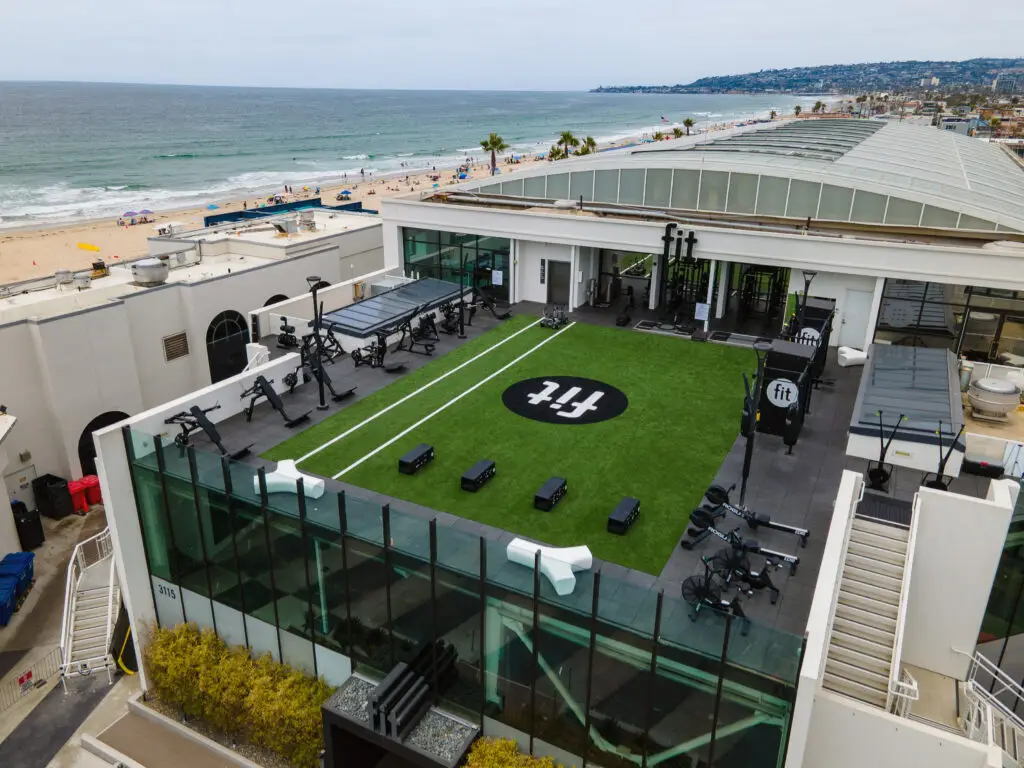
The Best Gym in San Diego Isn’t Really a Gym Anymore

Earlier this year, Fit quietly dropped "athletic" from its brand, from Fit Athletic Clubs to simply Fit, and started calling itself something new: a social wellness club.
The Best Gym in San Diego Isn’t Really a Gym Anymore
Courtesy of FIT

There’s a version of San Diego that lives in two extremes. On one side, the 5 a.m. crowd: biohackers, marathoners, people who’ve already logged a cold plunge before your alarm goes off. On the other, the after-dark crowd, the ones chasing sunset happy hours and late dinners with friends. Everyone seems to be either optimizing or unwinding, and most of us feel like we’re failing at both.

Fit, San Diego’s reigning Best Gym for the third year running, has built its entire identity around erasing that divide.

Walk into one of Fit’s three San Diego locations on a Tuesday afternoon and the lines blur fast. Someone’s mid-set on the squat rack. Someone else has a laptop open at a café table a few feet away, half-working, half-people-watching. A group is trading plans for the weekend’s event by the recovery lounge. Nobody’s in a rush to leave. 

“We’re not competing for the same people,” says Emily Waybright, Public Relations Manager at Fit,  addressing the arrival of a national luxury gym chain in San Diego this year. “We don’t really feel like we’re in the gym category. It’s this unique thing.”

That unique thing has a name now. Earlier this year, Fit quietly dropped “athletic” from its brand, from Fit Athletic Clubs to simply Fit, and started calling itself something new: a social wellness club.

It’s a small wording change with a bigger idea behind it. Fit was never built around escaping the workday. It was built around the people who genuinely like what they do, and who want workouts, work, and friendships to happen in the same place instead of three separate ones. Because sometimes red light therapy with a stranger turns into weekend plans.

Fit’s philosophy traces back to its founder, who started the brand nearly two decades ago after failing to find a gym he actually wanted to belong to. He looked instead to the old-school country club, where people came for a shared interest and stayed for the community. His version was made for a younger generation, minus the golf, plus the loud music.

Which makes it a little ironic that the very award putting Fit back in the spotlight this year is Best Gym.

What does the best traditional gym look like when the definition of a gym is becoming less traditional? It’s a fair question, and Fit’s answer is that the fitness industry itself is shifting. The 45-minutes-in, 45-minutes-out model is giving way to something closer to a genuine third space, the kind of role the office and the bar used to play before remote work and changing nightlife habits rearranged how people spend their time

For Fit, community isn’t a marketing add-on to fitness. It’s the through-line. Members aren’t just paying for a treadmill; they’re paying for an entire day of social wellness that’s built on performance, recovery, connection, and a plan for the next event on the calendar. That’s a much harder membership to walk away from.

Ambition and ease aren’t opposites here, they exist side by side, where passion and play share the same morning. On September 12, Fit is hosting Sol, a full day wellness festival at Fit Social. The morning focuses on wellness classes and vendors and then the evening is a full party with multiple DJ sets and an open bar. Think of it as a kick-off to locals’ summer in San Diego. 

Ready to see what a social wellness club actually looks like? Visit fitclubs.com, or follow along at @thefitclubs on Instagram.

Partner Content
Everything SD AUGUST 31, 2026

These San Diego Groups Are Helping Men Connect

As males report fewer close relationships, local meetups are creating spaces for friendship, conversation, and a renewed sense of purpose

These San Diego Groups Are Helping Men Connect
Photo Credit: Arlene Ibarra

You come home from your first day of school and your parents ask, “Did you make any new friends?” Maybe trading Lunchables or sharing a pack of Oreos helped you break out of your shell to strike up a conversation. Maybe you saw your classmate wearing a Padres hat and asked if his favorite player was also Fernando Tatis Jr. Maybe you’re a natural extrovert who has no problem inviting your entire class to your birthday party.

Making friends is an entirely different beast as an adult. You’re trying to balance your health, work, finances, family, and your sanity. And on top of that, a social life? Impossible.

Being a part of a bigger community—like a rec sports league—helps, but we all need intimacy. Witnesses to the exciting, mundane, shameful parts of our lives. Turns out, men don’t have that as much as women do, and the consequences of this are dire. Roughly 1 in 6 men say they have no close friendships, according to a 2021 American Perspectives Survey. Suicide rates in men are nearly four times higher than they are in women, according to the National Institute of Mental Health. Those numbers are even higher for men above 55, according to the U.S. Centers for Disease Control and Prevention (2023).

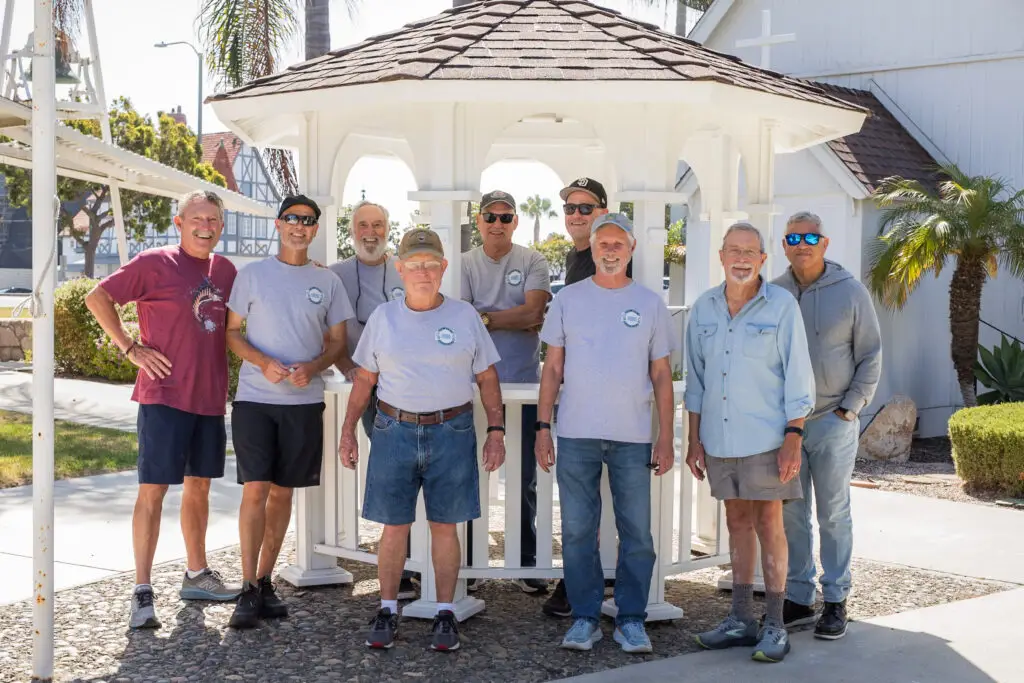
In Carlsbad, Men’s Shed helps older men build friendships as the group contributes to construction projects across North County. “Men get lonely,” says Glenn Bernard, one of more than 20 members of Men’s Shed in Carlsbad. “This is a good way to bond, socialize, share skills, and have something to do that’s worthwhile. Purposeful.”

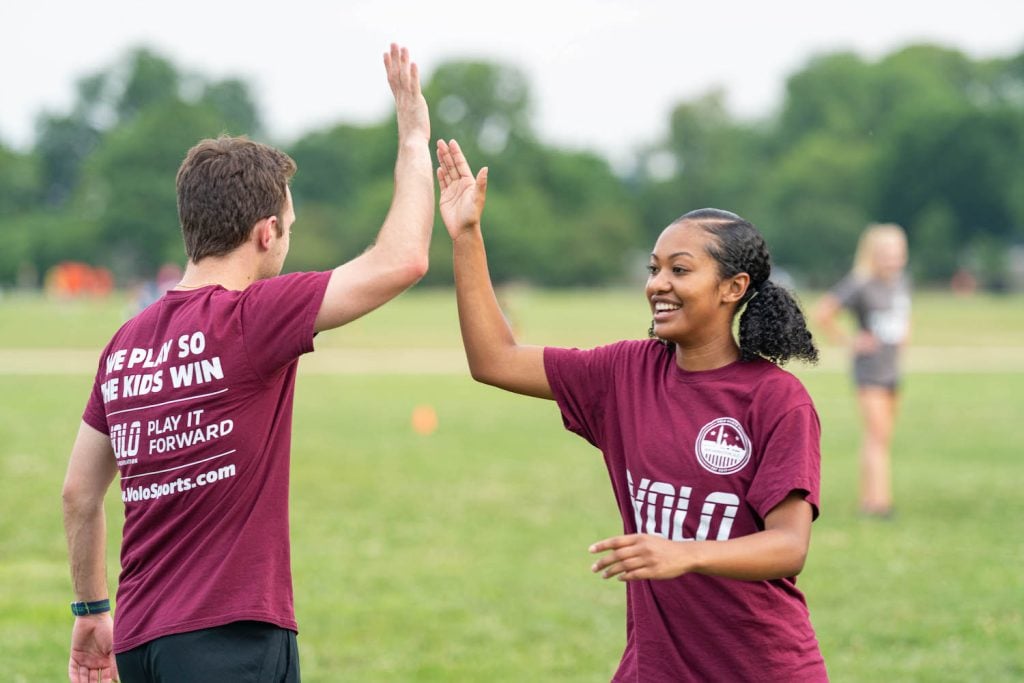
Volo Sports adult recreation leagues for making new friends in San Diego

What started in Australia in the 1990s has grown into an international nonprofit with more than 3,000 chapters worldwide, including one that meets at Carlsbad By The Sea Retirement Community. Haley DiDonato, director of life enrichment at Carlsbad By The Sea, established California’s first and only public chapter in 2023. Members (aka Shedders) meet twice a month to discuss their projects and get to work.

They’ve built bikes for the local Boys and Girls Club, a raptor shed at the Agua Hedionda Lagoon, a small birdhouse outside Front Porch Gallery, and a gazebo at St. Michael’s by-the-Sea Episcopal Church, to name a few.

Trade experience isn’t required. David Gilson, the group’s leader, was a pharmaceutical consultant before he retired. Rich Greenamyer is a retired engineering duty officer who built ships in the Navy. When John Gardella wasn’t working sales at Dupont, he woodworked projects for his family at home.

“Men are so tied up in their work all their life,” Gilson says. “Their identity was their job. Suddenly, you retire on Friday, and on Monday they don’t remember you. Now what?”

Courtesy of Dad’s Corps

Marital status also affects how men interact with the community around them. Some Shedders joined because their “wives encourage [them] to be in Men’s Shed, to get out of the house for a couple hours every couple of weeks,” Gardella says. For some widowers in the group—such as Gilson, whose wife passed away eight years ago—Men’s Shed provides a sense of purpose and place. The outings Gilson organizes breaks up the monotony of staying at home with his dog. A 2024 study in the National Library of Medicine says widowers feel long-term levels of loneliness (higher levels than widows), and they were less likely than widows to form new connections after loss. This group is changing that.

The appearance and function of male friendships have been spotlighted since the 300s BC, when Aristotle discussed them in Ethics. Fast forward to the 19th century, and these dynamics have transitioned from heroic friendships—ones built on loyalty and nobility—to ones that better symbolized the Romantic Age: more affectionate in written language (like writing letters to each other) and body language (like draping their arms around one another). By the end of the 1800s, 1 in 3 American men belonged to a fraternal organization.

But when World War II brought a homophobic “Don’t Ask, Don’t Tell” suspicion around male bonding, friendships between men became more stoic. It wasn’t common for men to talk about their feelings with each other.

In 2026, though, we’re sharing our feelings. Dads Corps, a nonprofit organization through Social Advocates for Youth San Diego, offers classes, resources, and supportive services to fathers. Twice a week for six weeks, fathers practice how to actively listen, learn how to better communicate, and gain more skills that help them in their parenting journeys.

“When dads have kids, they lose their friends because it’s all about just the baby, the mom, and the family,” says Dads Corps director Laura Soto. “When they come to our classes, they get comfortable being able to share their struggles. It does reduce the isolation and help normalize them in that struggle.”

For dads who are new to San Diego, the program helps them navigate their way around the city. For single dads, they can meet other fathers who are raising children the same age to set up playdates. Oftentimes, dads graduate from their cohort and return to volunteer and mentor new attendees.

The program is as therapeutic as it is active. Group facilitators teach dads about healthy relationship practices, answer questions about how they can be more consistent in their children’s lives. It also hosts fishing trips, barbecues, and community service events to let dads practice their learnings with each other outside a classroom.

“It’s about acknowledging that we need to be heard about the concerns that we don’t ask help for as fathers,” says Jorge Narvaez, alumni manager at Dads Corps. “We live in a society where fathers have to look through crevices—go to a bar, go to a barbershop, go to all these different places—just to have interactions with other people. It feels like we finally, as dads at this program, have a space for us to talk.”

Photo Credit: Arlene Ibarra

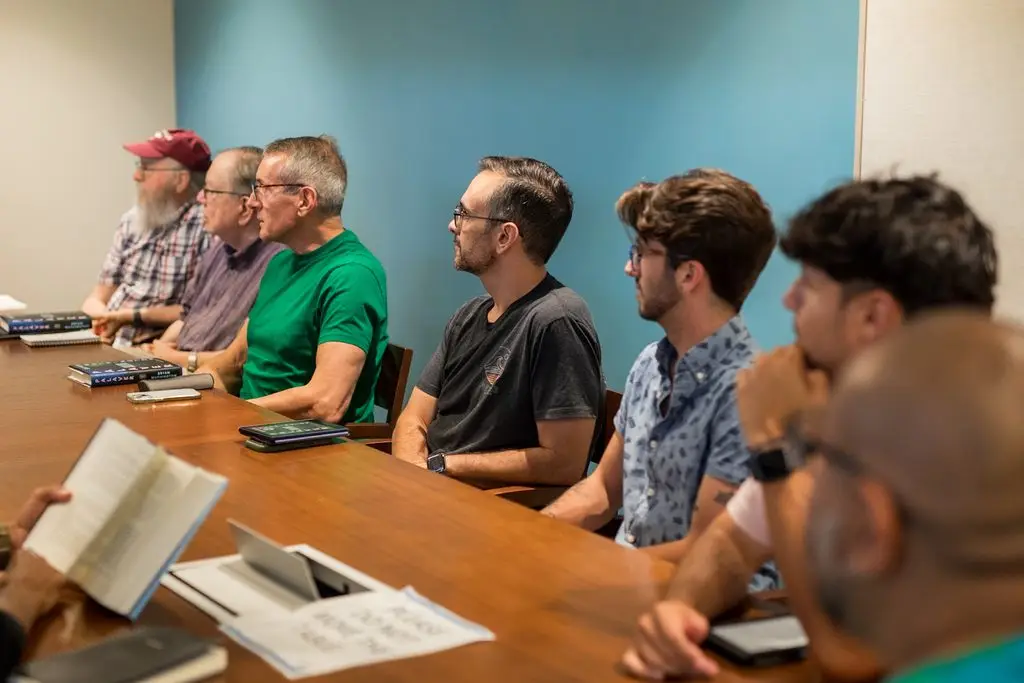
But some men don’t want to only talk about their inner selves; they also want to talk about books. For Ronald Alsop, the New York City Gay Men’s Book Club was a place for him to meet local bibliophiles when he lived on the opposite coast. There was no equivalent in San Diego—until he started it in 2019. He created the Mission Hills-Hillcrest Gay Men’s Book Club as a way to meet other men and talk about authors like James Baldwin and Edmund White.

Whether it’s Andrew Holleran’s fictional coming of age Dancer from the Dance (the first book the club read) or George Chauncey’s non-fiction novel Gay New York, the books Alsop chooses share a common thread: Each carries some connection with gay culture.

“Traditionally, gay men were depicted in books in a tragic way,” says Alsop, who is also a freelance writer. “In more recent years, there’s been a more positive spin on it, a more wholesome outcome.”

Alsop initially promoted the group by putting flyers around the neighborhood bars and in Uptown News. He was nervous before the first meeting, afraid no one would show up. Now, there are roughly 35 people on his email blast, and the monthly meetups regularly see 12 to 15 people participate.

“The discussion’s always lively,” Alsop says. “I think it’s a way to get to know people better.”

Throughout the county, because of these groups, people are reading books (its own win, these days) and creating community. Dads and their children are getting invited to birthday parties from their fellow fathers. And in Carlsbad, some Men’s Shed meetings are taking place at Hennessey’s Tavern down the road over brunch. As friends.

Matt Eisenberg is an award-winning writer and photographer based in San Diego. A former ESPN editor, his work has also been published by CNN, Bleacher Report and the New York Daily News.

Everything SD AUGUST 28, 2026

The Best Things to See, Do & Explore in Balboa Park

Whether you're a lover of the arts, music, or a leisurely stroll through the park, these are Balboa's best attractions

The Best Things to See, Do & Explore in Balboa Park
Photo Credit: Jennifer Curry Wingrove

SDMA’s 100th Anniversary

On February 28, 1926, the Fine Arts Gallery of San Diego (now called the San Diego Museum of Art) opened its Plateresque doors to 3,000 guests for opening day. Over the next century, the museum changed with the times—even once functioning as a naval hospital after Pearl Harbor. This year, the museum is celebrating its 100th birthday with an exhibit (open through January 24, 2027) featuring photographs, ephemera, and film footage spanning the museum’s history.

Courtesy of Tim Novara

Free Concerts at Spreckels Organ Pavilion

Every Sunday from 2 to 3 p.m., stop by the historic Spreckels Organ Pavilion for a free concert presented by the City of San Diego on the largest outdoor organ in the world (more than 5,000 pipes). The pavilion seats 2,400 for performances by the civic organist or guest artists.

The New Natural History Museum

Some think natural history museums are just cemeteries for dioramas that haven’t received an update since the Reagan administration. When it comes to The Nat, which just finished a $7.5 million rejuvenation, they’re totally wrong. The museum debuted a new rooftop that replaces its 25-year-old atrium. The old roof created a greenhouse effect that steamed up some exhibits, so the new one—which includes 200 solar panels and better temperature control—will help preserve the artifacts inside. Each Friday in the summer, The Nat also becomes one of the season’s vibiest hotspots during Nat at Night, with food from places like Wolf in the Woods and The Craft Taco, bars and signature cocktails on several floors, and a rooftop DJ.

Fleet Science Theater Remodel

The Fleet Science Center just received its most significant update since the 1990s. It expanded its exhibit space by 20 percent and introduced a newly designed entrance gallery (formerly the IMAX theater lobby) that includes free exhibits for visitors who want a taste of the science without paying an admission fee. The former ticketing area now houses the Mindbender Mansion exhibit, and there’s a new café, Element 8, that will, of course, sell the center’s famous soft serve.

Partner Content AUGUST 21, 2026

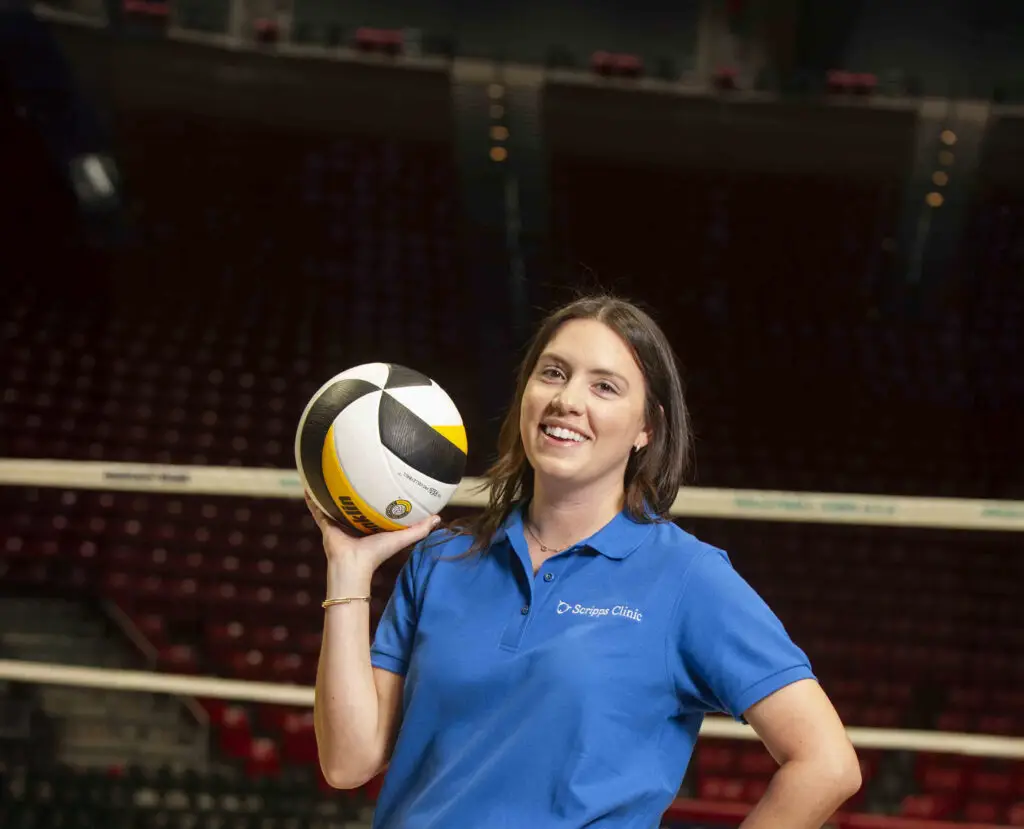
This Scripps Clinic Physician is Serving Up Care

Laika Nur, MD, takes her love of volleyball from the court to the clinic as team physician for the San Diego Mojo

This Scripps Clinic Physician is Serving Up Care
Courtesy of Scripps Health

Growing up, Laika Nur, MD, Scripps Clinic sports medicine specialist, loved watching beach volleyball when the Association of Volleyball Professionals tour came to her hometown of Chicago. A talented volleyball player herself, she remembers sitting in the stands all day, and once, even got a couple autographs. Years later, Dr. Nur was attending a professional event focused on women’s sports, and the discussion turned to a new professional women’s volleyball league. The general manager and coaching staff  for San Diego’s team, the Mojo, happened to be in attendance, and Dr. Nur took the opportunity to ask them if they needed a team doctor. Flash forward to the Mojo’s inaugural 2024 season, when Dr. Nur officially became the team physician. Click here to read more about Dr. Nur and how she incorporates lessons she learned on the court into her practice. 

For more nutrition, wellness, and healthy living tips, sign up for the San Diego Health newsletter here.

Partner Content

Thousands of savvy locals already get it.

San Diego's best restaurants, experiences, and events—handpicked and delivered to your inbox weekly. You in?

Close the CTA

Contact Us

1230 Columbia Street, Suite 800,

San Diego, CA