
Featured articles
Featured articles
Featured articles
What's next
Featured articles
Featured articles
Featured articles
Ready to know more about San Diego?
SubscribeReady to know more about San Diego?
Plus The New Children's Museum enjoys a successful gala; UC San Diego programs benefit from $1 million gift; and locals launch holiday campaigns for the homeless
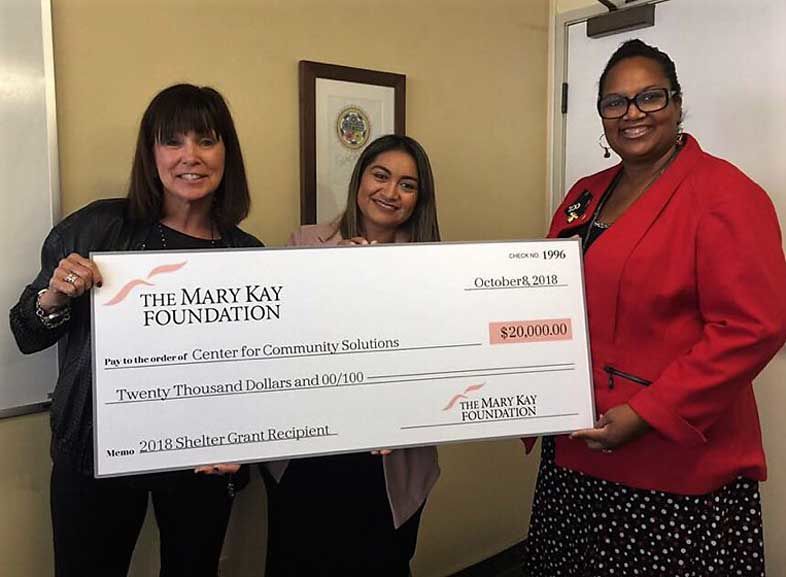
The Center for Community Solutions was recently awarded a $20,000 unrestricted grant to support local survivors of domestic violence in San Diego. The gift, made by The Mary Kay Foundation, was part of a $3 million donation to 150 U.S. domestic violence shelters, in support of Domestic Violence Awareness Month (every October). To date, The Mary Kay Foundation has contributed a grand total of $50 million to shelters.
The Lawyers Club of San Diego has granted $40,000 to nonprofit organizations supporting local women and youth at risk. Some of the 14 beneficiaries include Free to Thrive, Casa Cornelia, Christie’s Place, Legal Aid Society of San Diego, Generate Hope, and Big Brothers Big Sisters.
The New Children’s Museum held its annual fundraiser with the theme Totally 80s Birthday Bash. Nearly 500 guests, including several notable philanthropists and politicians, hit the “nightclub” for dancing and dinner. They enjoyed a Cheers-themed bar, roller skating rink, and photo-ops with a life-sized DeLorean as well as a Tom Cruise impersonator. The successful event brought in over $112,000, which will support the Museum’s creative programs and help make the Museum accessible to all families.

The Center for Community Solutions Receives a Gift From the Mary Kay Foundation
The New Children’s Museum’s Totally 80s Birthday Bash fundraiser
La Jolla residents Daniel and Phyllis Epstein have committed a total of $1 million in gifts to UC San Diego. Some of the causes and efforts that will benefit are research by Department of Urology Chair Christopher Kane, M.D.; a new endowed faculty fellowship at the Rady School of Management; and the partial underwriting of Inheritance, a chamber opera about gun violence that university music professors debuted in October.
“It is a time of remarkable potential for UC San Diego thanks to the transformational impact of philanthropy,” says UC San Diego Chancellor Pradeep K. Khosla. “Friends like Daniel and Phyllis Epstein are helping to pave the way with their generous gifts, as well as with their time serving on our Foundation Board and Campaign Cabinet.” Daniel is a Trustee Emeritus and Phyllis a second-term Trustee of the UC San Diego Foundation.
The Nemeth Foundation, in partnership with Brian, Jimmy, and David Mulvaney, is collecting blankets for the homeless at Father Joe’s Villages San Diego. Through Friday, December 28, 2018, the Nemeth Foundation will match the Mulvaney contribution of 1,000 blankets. Blankets can be donated at the Alexander and Eva Nemeth Foundation office, 100 East San Marcos Blvd, Suite #130, San Marcos, CA 92069, or visit The Nemeth Foundation to donate money. 100 percent of all donations will go toward the purchase of new blankets.
Do you know someone pursuing a higher education* in the 2019-2020 school year? More than $2 million is up for grabs through 100 types of scholarships (generally $1K to 5K each). The San Diego Foundation Common Scholarship Application is available online until February 5, 2019 at 2:00pm (PST). *Can be a four-year university, two-year college, graduate school, or trade/vocational school. Apply here.
Help keep our homeless veterans warm. A local veteran is collaborating with Detroit-based The Empowerment Plan, which hires single parents from Detroit shelters and trains them as seamstresses, providing them employment and dignity. They learn to make the EMPWR Coat, which transforms into a sleeping bag or over-the-shoulder bag. They have already distributed more than 25,000 coats. In San Diego, Navy veteran Gregory Ellis has set a fundraising goal of $7,500 to purchase at least 50 jackets (at $150 each) to distribute at the San Diego Veterans Village Bridge Shelter on March 15, 2019. Please visit https://www.crowdrise.com/o/en/campaign/cuaswsd.
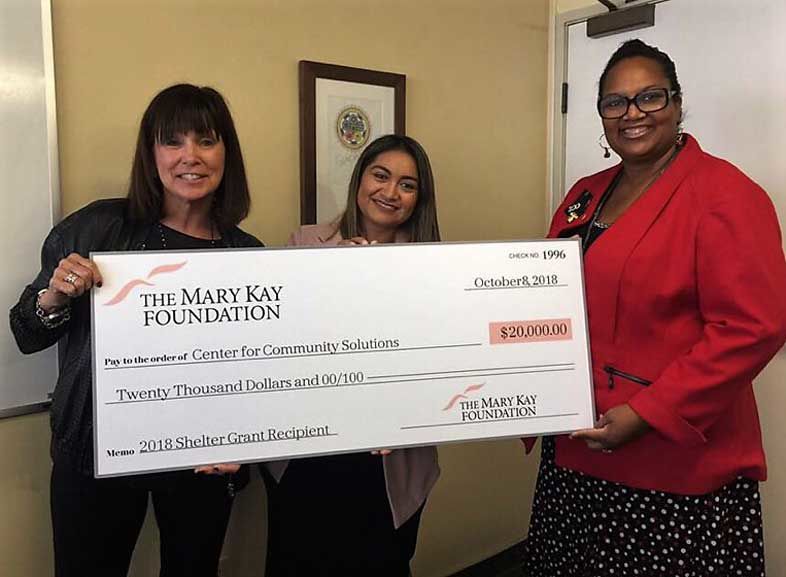
The Center for Community Solutions Receives a Gift From the Mary Kay Foundation
PARTNER CONTENT
L-R: CCS CEO Verna Griffin-Tabor, Ivonne Olguin, CCS Advocate and Independent Mary Kay Consultant, and Cynthia Holliday, Mary Kay Local Ambassador
The 24-year-old nonprofit helps teens celebrate the milestone while promoting fashion sustainability
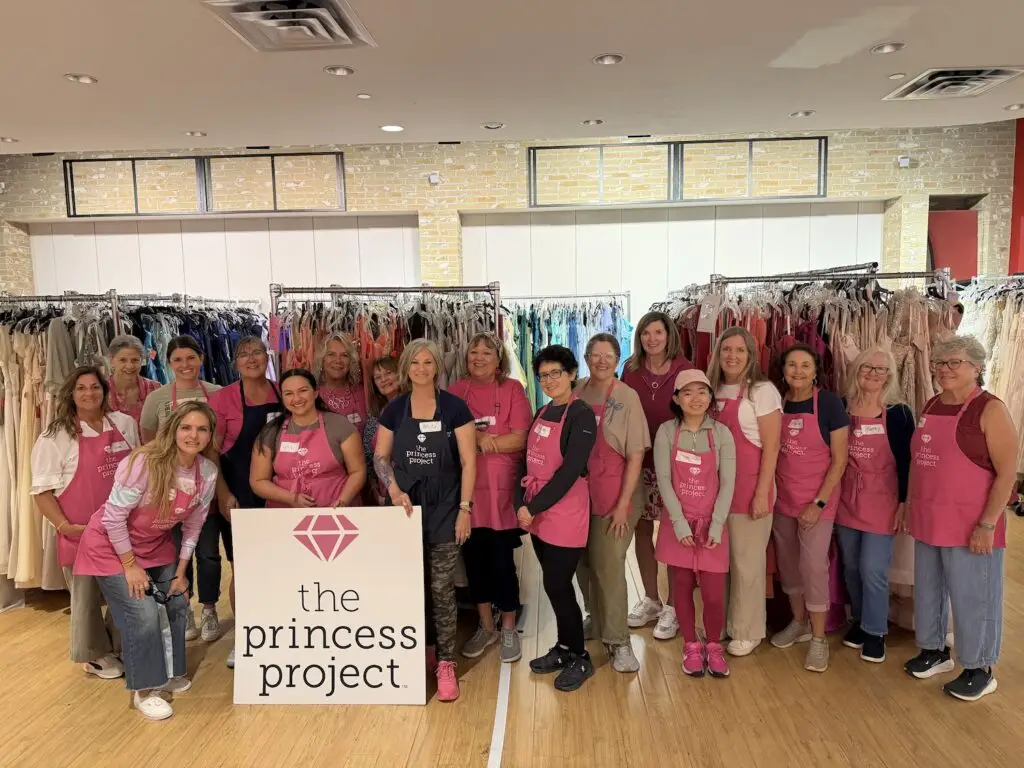
Prom is a rite of passage for high schoolers, but a flashy new dress can cost hundreds of dollars. The Princess Project helps girls cut costs while promoting fashion sustainability. The nonprofit collects new and gently used formal dresses and accessories throughout the year, then when prom season rolls around, launches pop-up boutiques where girls can shop for their dream dress at no cost. The only criteria is they have to be a high school student who’s going to prom.
The Princess Project started in San Francisco in 2002 with a small dress drive. The movement grew exponentially over the years, and expanded to San Diego in 2008. Today, it’s headquartered at Parkway Plaza in El Cajon and has chapters in San Francisco, Silicon Valley, and Sonoma.
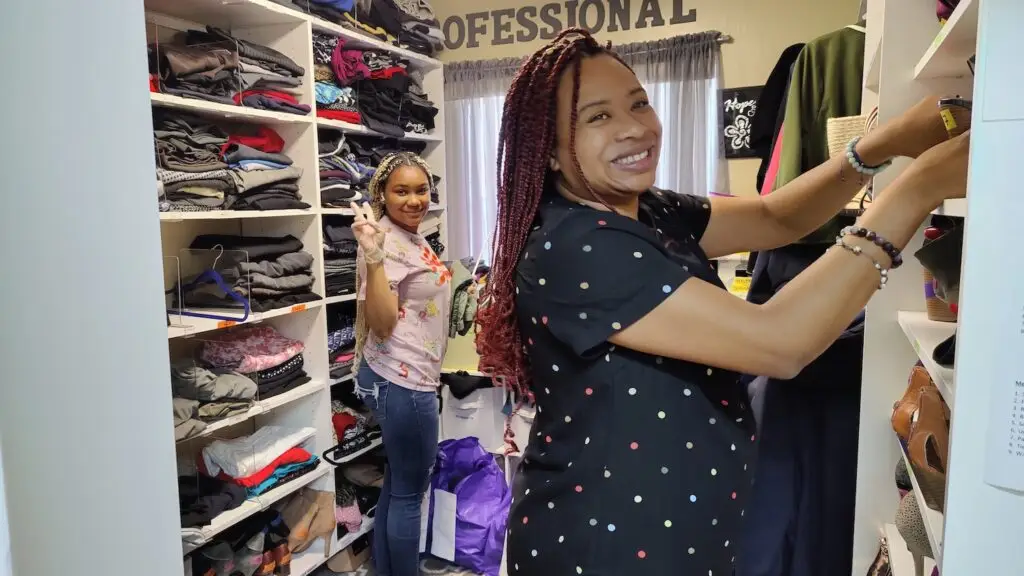
“We really want to celebrate teens, make them feel good about themselves, and save them some money because it costs a lot to go to prom. This is one way that we can help alleviate the cost,” says Karen Martin-Spellerberg, corporate board chairman and head of the San Diego chapter. “There’s no financial requirement to come get a dress with us because we are all about everybody being equal and having the same opportunity.”
The experience is more than just picking out a dress, says Martin-Spellerberg. The Princess Project works to create a bubble of inclusiveness and confidence, where all shapes and sizes are celebrated, and all comments are positive.
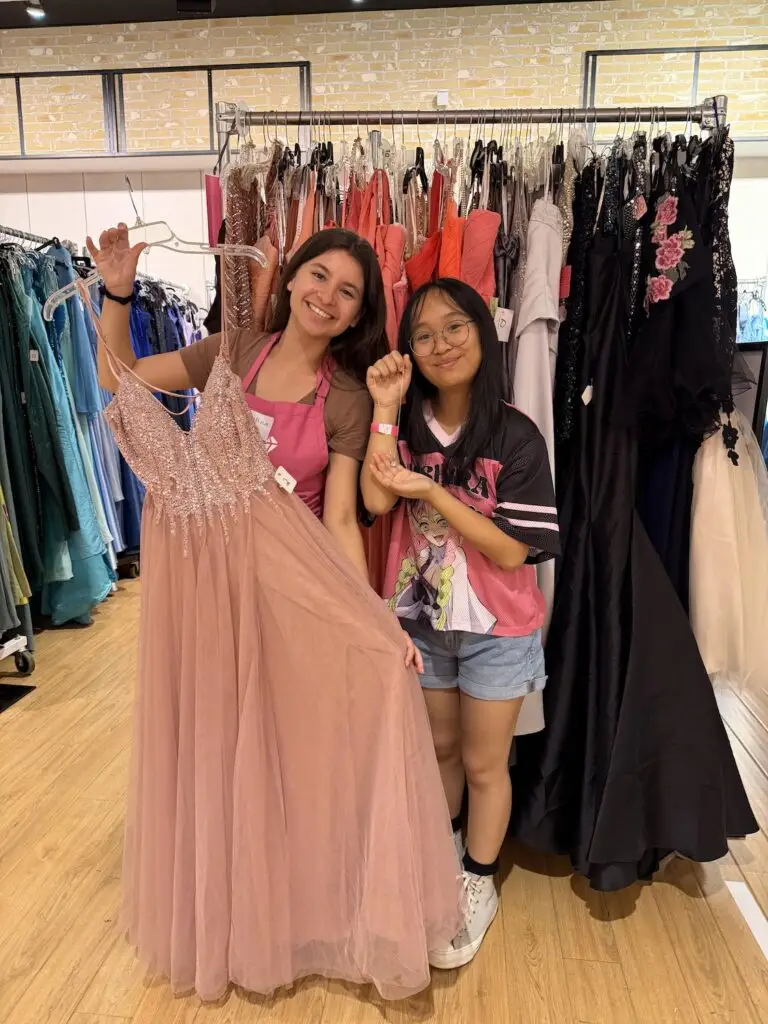
In the months leading up to prom season, teens can book an hour-long appointment at the Parkway Plaza location to try on dresses and accessories, which they get to keep. Volunteers act as personal shoppers, curating an experience unique to each kid. This year, the Princess Projects also brought dresses to eight library branches throughout San Diego County to reach girls who couldn’t make it to the main event.
Because the Princess Project relies on donations, they often do not receive enough dresses in “fringe sizes” (00-2 and 14 and up), so they hold fundraising events to purchase new dresses in those specific sizes to maintain an inclusive range. Its signature $5 Dress Sale Fundraiser event will take place on May 30-31 at Parkway Plaza, where non-prom dresses (cocktail, casual, business) donated throughout the year are sold for a minimum $5 donation per dress. All proceeds from this fundraiser are used to purchase the understocked sizes.
“We’ve got dress drop off sites throughout San Diego County and people sometimes will donate dresses that are non-prom—sometimes they’re cocktail, casual, summer, business. So, what happens is when we are done with the season, we flip our dress store and we put out all of the non-prom dresses,” says Martin-Spellerberg. “People can come shop and get as many dresses as they want and 100 percent of the proceeds go toward us purchasing dresses in the sizes we don’t have enough of.”
The Princess Project also relies heavily on volunteers, including teen ambassadors, the latter who meet monthly, help organize the store, work outreach tables, and host a fashion show to help spread the word to their fellow students that the dresses are premium-quality and “ready to wear, beautiful and amazing.”
“It’s all about kindness and making kids feel good about themselves,” says Martin-Spellerberg.

Sarah Sapeda is San Diego Magazine’s Custom Content Editor. In her 15 years in San Diego journalism, she has covered charitable events, health care, education, crime, current events, and more.
The nonprofit has distributed more than 50 million pounds of food in the last year
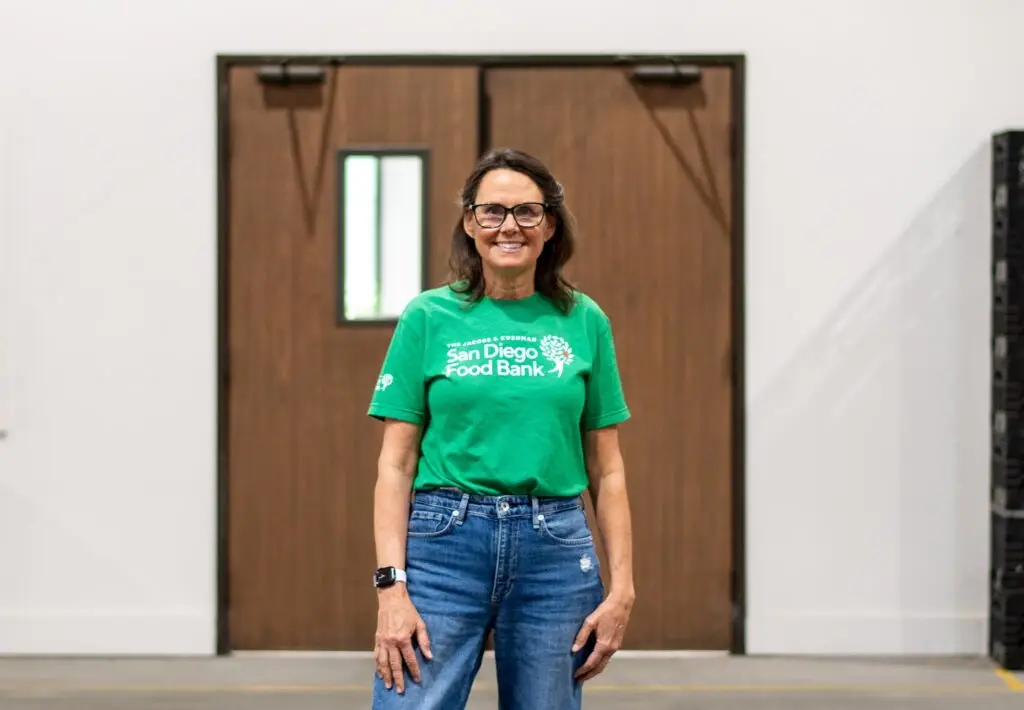
The Jacobs & Cushman San Diego Food Bank is the largest hunger-relief organization in San Diego County, serving roughly 400,000 people per month. The nonprofit has a range of programs that help vulnerable San Diegans, including its grocery store–style food pantry and an initiative to provide weekend meals to local students who are at risk for hunger.
The food bank also partners with more than 450 other organizations to expand access to nutritious food. A big part of that effort relies on volunteers. The food bank counts more than 15,000 volunteers among its ranks who sort, pack, and help distribute the millions of pounds that move through its donation centers. Here, volunteer Carol Hunt shares why the Jacobs & Cushman San Diego Food Bank keeps her coming back.
I got involved right after things started opening back up after Covid. I stopped working, and I was just looking for something to fill my days and to give back to the community. I heard about food insecurity and the food bank, and thought, “Let me go check it out and see if I like it.” I was hooked from the first time.
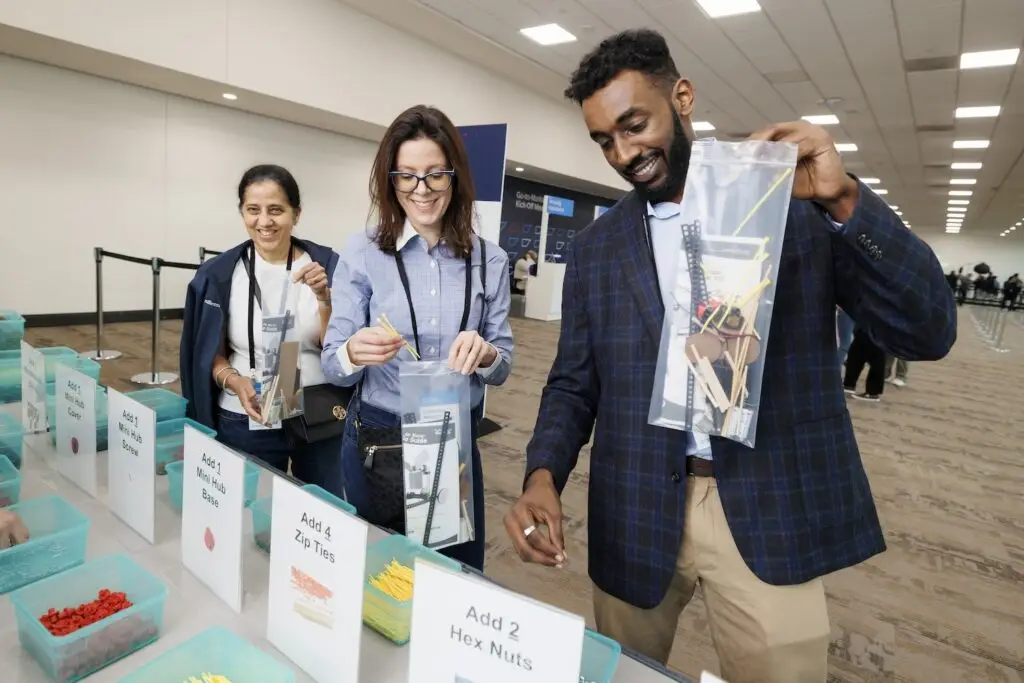
I have been really involved with the Food 4 Kids Backpack Program where we pack individual meals that go home with children in their backpacks on Fridays that give them meals that they can prepare themselves for Saturday and Sunday—breakfast and lunch to bridge the gap. There’s an assembly line, and what I do mainly is I keep the assembly line stocked.
So, we might have eight people running the line. Each person is putting a different thing into a bag, and then we’re putting those bags into boxes and onto pallets that will go to individual schools.
We’re packing for individual schools, and also individual students. Everybody gets the exact same thing that’s planned and purchased through the meal program for the kids. I mainly do that during the school year, and then when that’s not running, then I also work in the pantry. People can come and individually shop, or we prepare to-go bags for people, and sort foods and fruits and vegetables and those kinds of things.
I love that it’s super busy and we work really hard, and then at the end we’re given a total of how many bags we packed. On one of our busiest days we did, like, 1,200 bags. That means we’ve literally affected 1,200 kids in three hours. It’s so satisfying. I worked in healthcare for 30 years, so I really missed being with people. And here you just meet people from all different walks of life. You’ve got a unique mix of people that you wouldn’t necessarily come in contact with—which, you know, that’s what makes the world go around.
It’s sad to see how many people have food insecurity. And when we’re sorting food, the food waste—things that have gotten spoiled before you’re able to get them packaged and out to people.
I don’t know that I have a singular event, but there are some days I leave thinking that it was just so great. You’ve met somebody that you just really jive with or with some groups of people, the flow is just so great and the energy’s really fun.
I feel like more people should volunteer because you benefit so much when you do something that affects other people. It’s almost selfish to do this—you receive so much out of it. When you’re in a room of other volunteers and you’re able to pack 1,200 meals for someone—you wouldn’t be able to do that if you had to pay somebody. It’s just really inspiring, and it’s very enjoyable. Even if you can do it once a year, or if you can do it twice a week, I would really encourage people to get out there and try it and find the thing that they enjoy. Come and meet some new people and do some good work.
*Responses edited for length and clarity.
Sarah Sapeda is San Diego Magazine’s Custom Content Editor. In her 15 years in San Diego journalism, she has covered charitable events, health care, education, crime, current events, and more.
Here’s where to celebrate, connect, give back, and make a difference this month
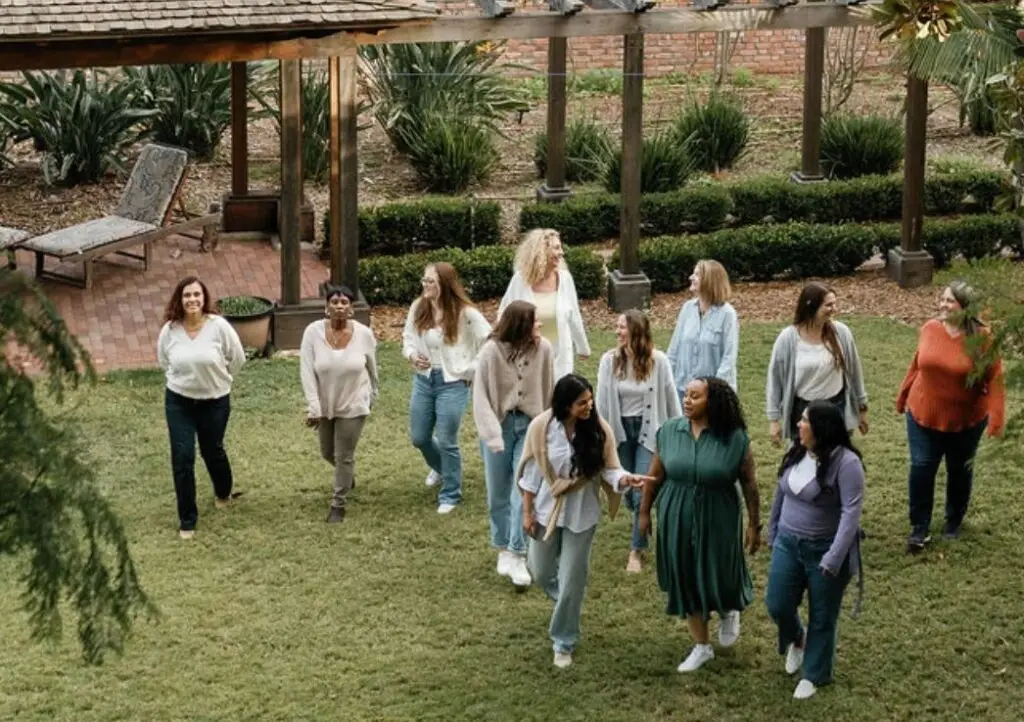
St. Germaine Children’s Charity will host its annual grant awards dinner at the Museum of Contemporary Art San Diego. The grant funds that will be donated to local agencies that work to end child abuse were raised at various St. Germaine Children’s Charity fundraisers and events throughout the year.
Help San Diego seniors age gracefully at Senior Prom: Forever Young, a fundraiser for Meals on Wheels San Diego County. The retro school dance-themed gala at the Kona Kai San Diego Resort will help the nonprofit continue to deliver daily nutritious meals and friendly visits to local seniors.
San Diego nonprofit GenerateHope and international charity Freedom Challenge will host a 45-mile, three-day walk from Oceanside to Coronado to help combat human trafficking. Funds raised will go toward Freedom Challenge’s work around the world and GenerateHope’s local programs that serve survivors of sex trafficking.
Roughly 300 guests will gather at a private residence in Solana Beach for bites prepared by San Diego’s top sustainable chefs, along with fine wine, craft beer, and small batch mezcal and tequila to support coastal conservation in the U.S. and Mexico. Funds raised at Wildcoast’s Baja Bash will help expand its programs in 2026 and beyond.
Local law enforcement, first responders, and military personnel will face off in a boxing match aboard the USS Midway Museum to raise money for the Community Youth Athletic Center. Now in its 21st year, the Battle of the Badges supports CYAC’s boxing programs for underprivileged youth.
Sarah Sapeda is San Diego Magazine’s Custom Content Editor. In her 15 years in San Diego journalism, she has covered charitable events, health care, education, crime, current events, and more.
Yes, Chef! winner Emily Brubaker leads the robust culinary program at Omni La Costa Resort & Spa
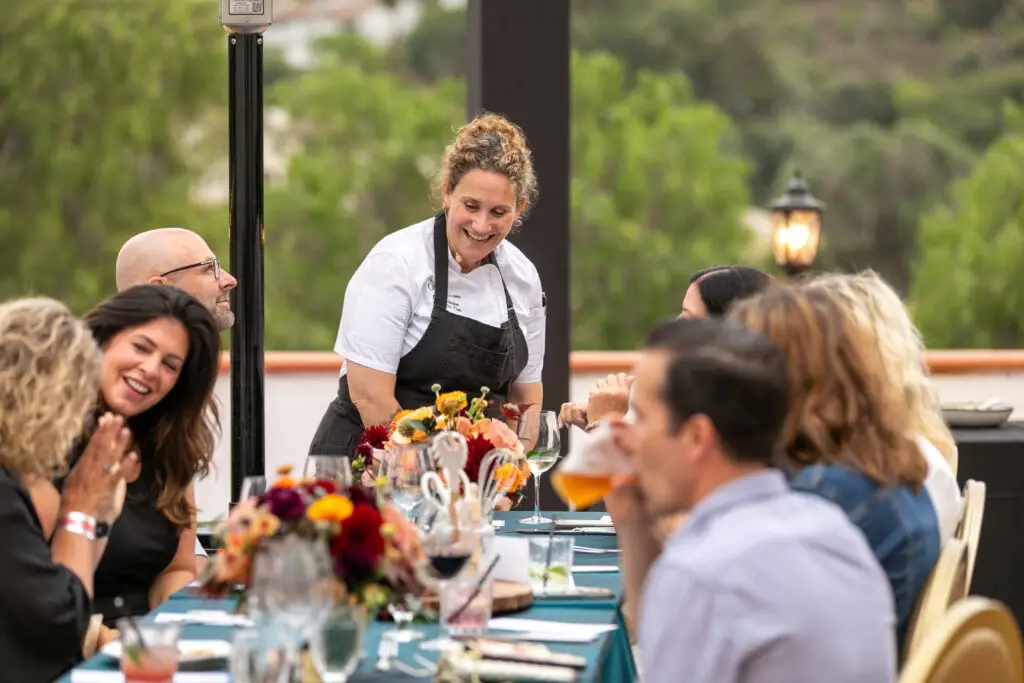
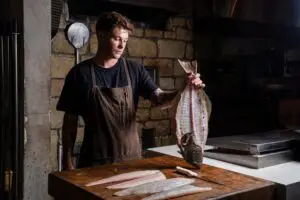
For Executive Chef Emily Brubaker, Omni La Costa Resort & Spa feels like home. She grew up just a mile-and-a-half away from the 400-acre property and fondly recalls walking the golf course perimeter as a kid. Though her ambitions led her away from San Diego for nearly two decades in which she honed her craft in some of the highest of high-profile Las Vegas restaurants—including triple Michelin-starred Joël Robuchon at MGM Grand—they ultimately brought her back to North County.
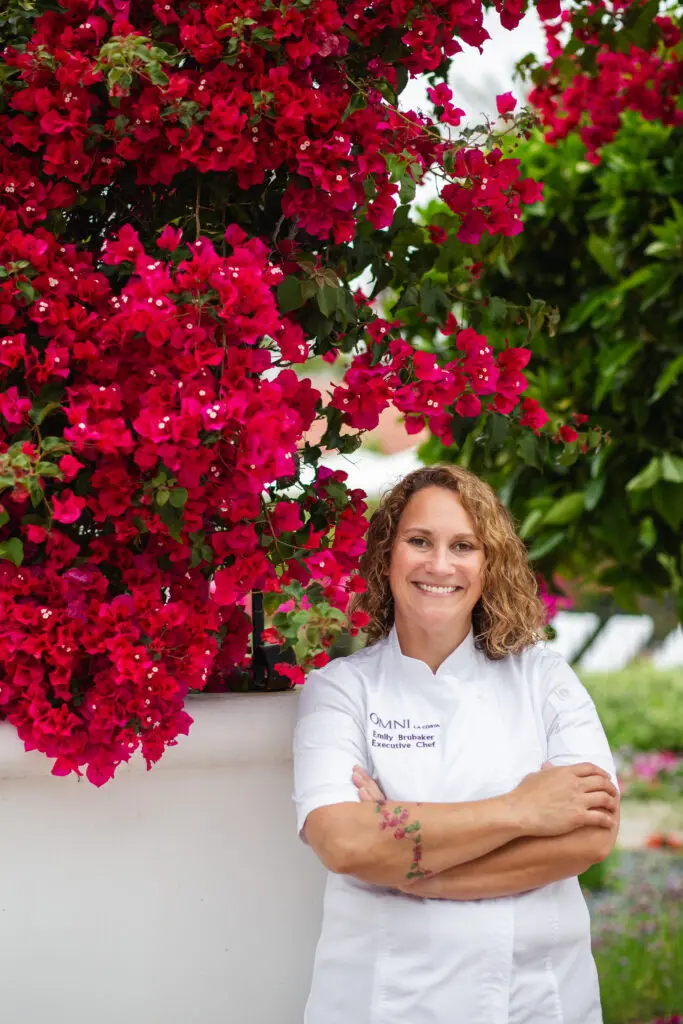
Today, the classically French-trained chef, who’s fresh off a victory on NBC’s Yes, Chef!, judged by Martha Stewart and José Andrés, oversees Omni La Costa Resort & Spa’s seven distinct dining concepts. Her goal is to elevate the resort’s culinary program with her creative, hyperlocal ingredient-driven approach while maintaining the Spanish- inspired flavors and fresh California coastal cuisine that are the bedrock of its culinary identity.
“The San Diego food scene is really growing, and in North County alone, it’s really exploded in the last five years,” Brubaker says. “There are Michelin stars, beautiful tasting menus, craft bakers, and all this food—when I was growing up in La Costa, it was fish tacos. Now there are really cool things popping up, and I’m so happy to be here to see where it’s going to go.”
Brubaker gives chefs de cuisine at each individual restaurant autonomy, however, her influence is evident across the resort.
For example, lobby restaurant Bar Traza serves as Omni La Costa’s culinary centerpiece and features bold Spanish flavors in a lively, social atmosphere. Brubaker overhauled the menu to be more consistent and centered on casual bites with that signature vibe. Think smoky paprika, vibrant citrus, and Spanish meats and cheeses.
At VUE, the focus is on seasonal offerings, California coastal cuisine, and Baja-inspired dishes. She and Chef de Cuisine Cameron Dixon change the menu biannually, which heading into summer, will highlight farm-fresh produce and hyperlocal ingredients—the resort even has its own herb garden and honeybee hives.

Poolside dining options are leaning into the country’s 250th this summer with a selection of classic American dishes with an Omni La Costa twist. And Bob’s Steak & Chop House (Brubaker is a trained butcher) offers a classic steakhouse experience with elevated service.
The chef and company also plan menus for special events at the resort where her creativity can really shine. For an upcoming National Ski Association dinner, the banquet hall will be transformed into an Alpine-themed winter wonderland complete with a snow machine, savory sausages, and melty, decadent raclette. A recent dinner was built around the Carlsbad Flower Fields and each course was matched to a color of ranunculus (Did you know pink dragonfruit are grown in North County? You do now.).
“It’s my zen to be in the kitchen playing with food,” Brubaker says.
Omni La Costa’s culinary program is a key part of the resort experience. And with Brubaker’s leadership, it’s becoming a draw for visitors and locals alike.
“These aren’t just hotel restaurants, these are restaurants that you should go to. They’re destinations, and I’m really hoping for the future that’s where we’re going,” Brubaker says.

Brubaker is also channeling her experience on Yes, Chef! into the culture at Omni La Costa—more emphasis on teamwork and collaboration, empowering her staff to share constructive critiques, and embracing different perspectives. Alongside her leadership role, Brubaker has become an advocate for mental health in the hospitality industry, serving as chief ambassador for the Burnt Chef Project and serves on the Board of Advisors for the Apex Culinary Program, where she mentors and develops future talent.
For more on Omni La Costa Resort & Spa and its dining program, please visit omnihotels.com/hotels/san-diego-la-costa.
The event raised $700,000 in support of the company’s mission to bring meaningful arts experiences to the San Diego community

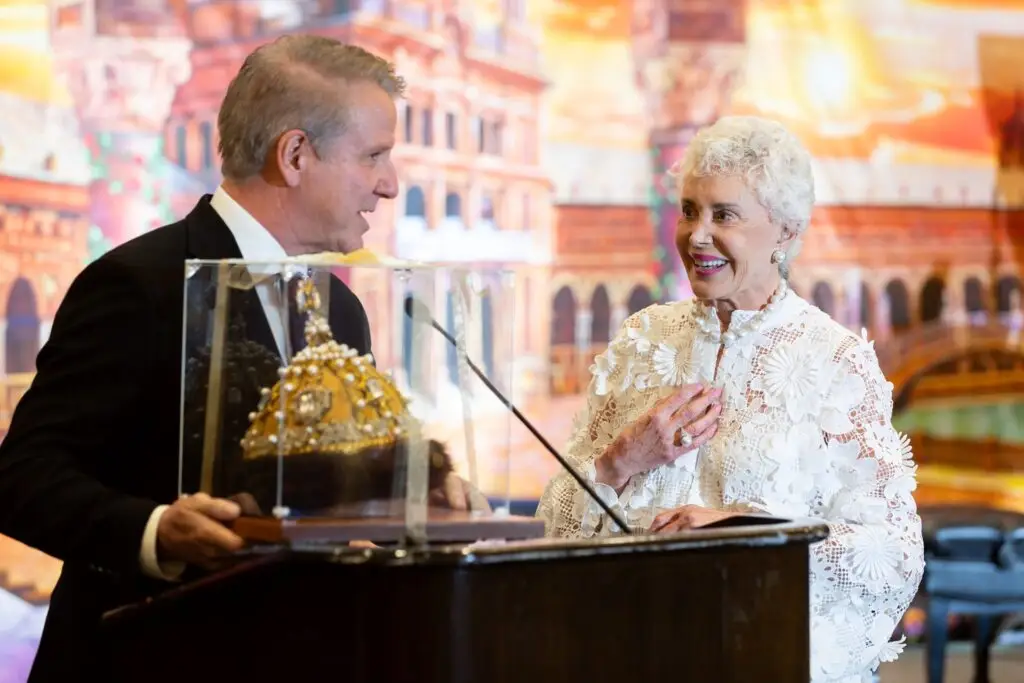
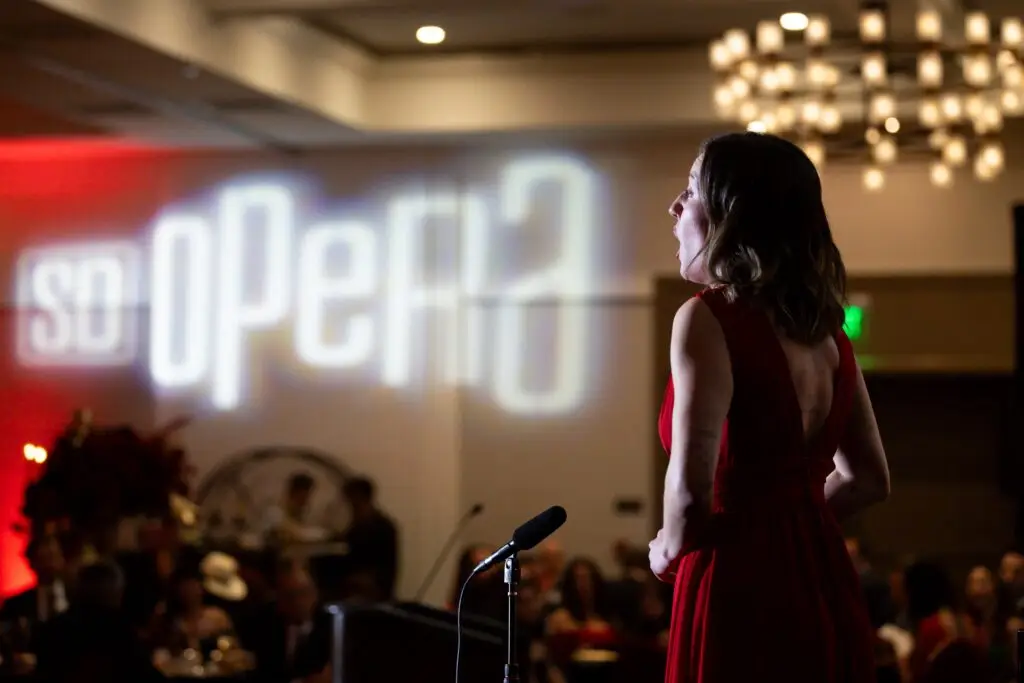
More than 200 opera aficionados attended the San Diego Opera’s 2026 Opera Ball for All May 2 at the Estancia La Jolla Hotel & Spa. The theme of the evening, Noche Sevillana, ¡Olé!, was an ode to two of this season’s operas: The Barber of Seville and Carmen. The event, which featured performances by Stephanie Doche and brothers Felipe and Xavier Prado, raised $700,000 in support of the company’s mission to bring meaningful arts experiences to the San Diego community.
See photos below.




Sarah Sapeda is San Diego Magazine’s Custom Content Editor. In her 15 years in San Diego journalism, she has covered charitable events, health care, education, crime, current events, and more.
The 50-year-old nonprofit provides transitional housing and financial literacy services to youth leaving the system
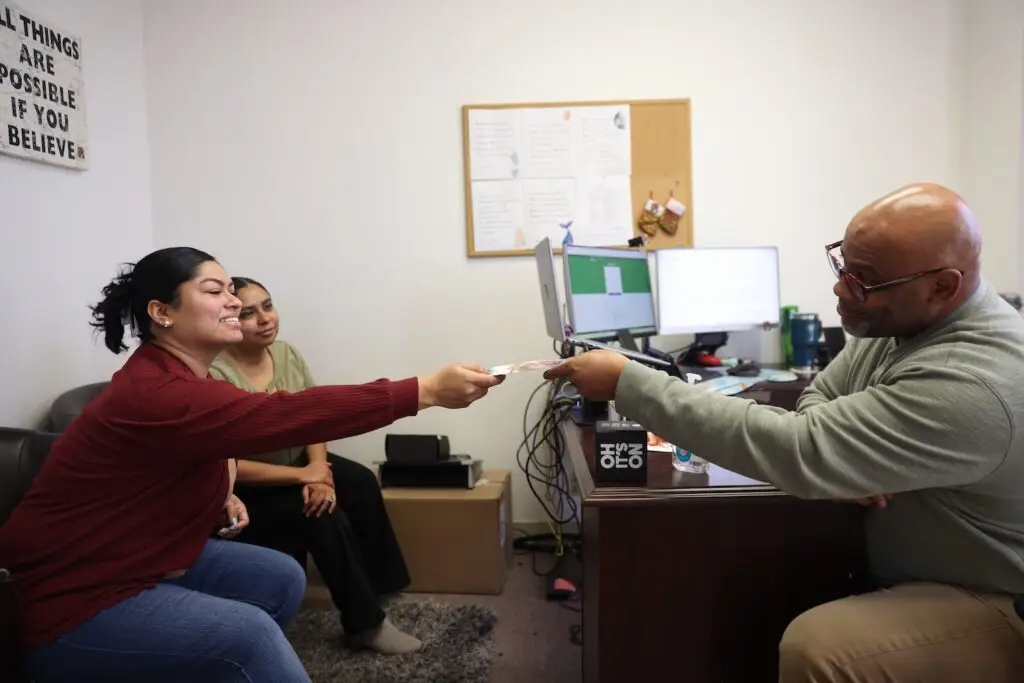
For young adults transitioning out of foster care, housing instability is often among the greatest challenges they face. This, along with underemployment or unemployment and a sudden lack of support and resources, significantly increases the likelihood that they will ultimately slip through the cracks.
Walden Family Services, a 50-year-old nonprofit that helps find stable, supportive home environments for local youth in foster care, is addressing the problem head-on through transitional housing programs that integrate financial literacy, case management, and life-skills development to help young adults learn how to live independently.
“It was pretty much a foster care to homelessness pipeline—or prison,” says Teresa Stivers, Walden Family Services CEO. In response, Walden Family Services launched an initiative called Independent Futures to help clients between 18 and 21 acclimate to their newfound independence. There’s also an extended care program for those ages 22 to 24.
Clients are provided furnished housing, food, and job training, and learn basic life skills, like how to cook and grocery shop, save money, pay bills, and budget. They pay rent that’s deposited into a savings account and matched by Walden Family Services. Clients are also required to work, attend school, or do a combination of both for 40 hours a week.
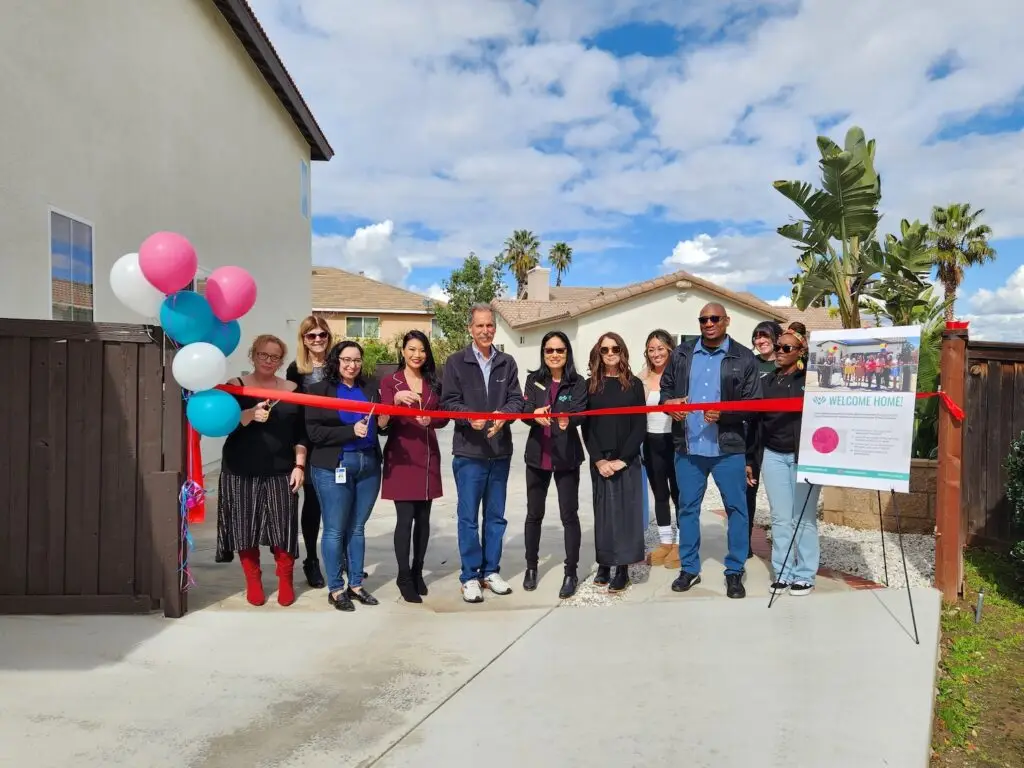
Roughly 90 percent of existing clients live in safe, sustainable housing, 83 percent maintain stable employment, and 83 percent leave the program with significant savings.
“There’s a reason why every young person in this country can be on their parents’ health benefits until 26. Research shows that’s about how long it takes for someone to fully take off—and that’s for somebody who grew up with their parents and maybe went to college,” says Stivers. “As you can imagine, it’s more difficult for someone who went from family to family, school to school, exiting at 18 without a diploma.”
The program’s success stories exemplify its impact, Stivers says. Clients have gone on to become entrepreneurs, advocates, scholars, and loving parents who break the cycle of child abuse and neglect. Many also want to give back and help other kids in the foster care system. Walden Family Services is working to develop an alumni program and build a mentoring component into its transitional program.
“We’ve done all kinds of peer mentoring, peer therapy, and have a lot of staff members who grew up in our program or have lived experience, and it’s been really impactful. So now we want to formalize that program for our alumni and give our graduates an opportunity to help other folks,” Stivers says.
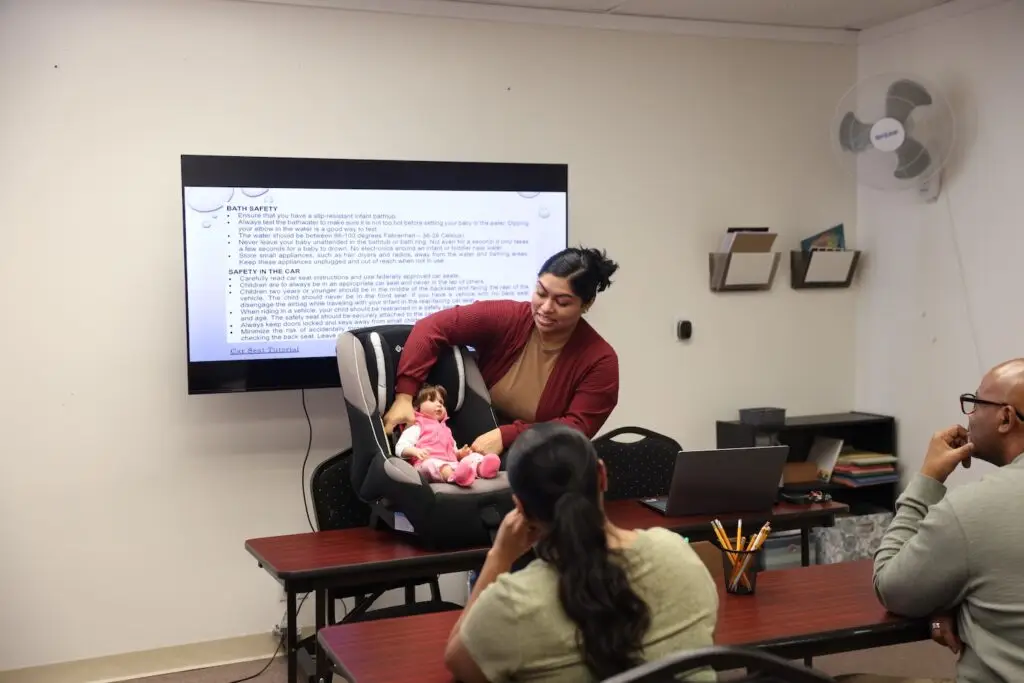
Walden is also looking ahead, focusing on expanding housing partnerships, strengthening prevention efforts, and increasing community involvement to meet growing demand. However, rising housing costs and funding constraints are taking their toll on nonprofits like Walden Family Services.
“It’s challenging for all of us,” Stivers says. “We are all still trying to provide the best care that we can with the limited dollars.”
Those considering ways to help can make a monetary donation to the organization or attend a fundraising event like the Walden Family Services’ “There’s No Place Like Home” gala on April 30 at The Thursday Club. The organization is currently looking for volunteers to host activities or training sessions for clients, help out in the office, serve on the board, or participate in holiday drives. If you’re a local property owner, they’re also looking for partnerships with those willing to rent reasonably priced apartments to their clients.
“There are so many things that people can do to make an investment in their community,” Stivers says. “Many people don’t realize that there are children in their own backyard who are going hungry, who are sad and scared and lonely, and that they can make a difference. We hope that people will do that so we can all benefit.”
Sarah Sapeda is San Diego Magazine’s Custom Content Editor. In her 15 years in San Diego journalism, she has covered charitable events, health care, education, crime, current events, and more.
Scripps study shows that some patients may be able to taper their dose and maintain results

While glucagon-like peptide-1 (GLP-1) receptor agents have been used to treat Type 2 diabetes for more than 20 years, their recent emergence as weight-loss wonder drugs marked a new frontier in medicine. But their effectiveness has left some patients wondering what to do once they’ve reached their goal. Stopping the medication could mean regaining some, if not all, of the weight. A Scripps Clinic internal medicine physician recently conducted a small study of whether GLP-1 patients who had reached their goal weight could maintain that weight by taking their regularly prescribed injection every other week instead of weekly. Spoiler alert: 30 of 34 patients did. Read more about the study here and what that may mean as pharmaceutical companies roll out oral GLP-1s.
For more nutrition, wellness, and healthy living tips, sign up for the San Diego Health newsletter here.