Ready to know more about San Diego?

Subscribe
Food & Drink JANUARY 4, 2013

The Sushi Stain

A year later, Harney chef Rob Ruiz looks back on becoming SD's first sustainable sushi restaurant

The Sushi Stain

“Twenty years from now, we are going to look back on the way we currently fish the oceans as barbaric.”
Rob Ruiz

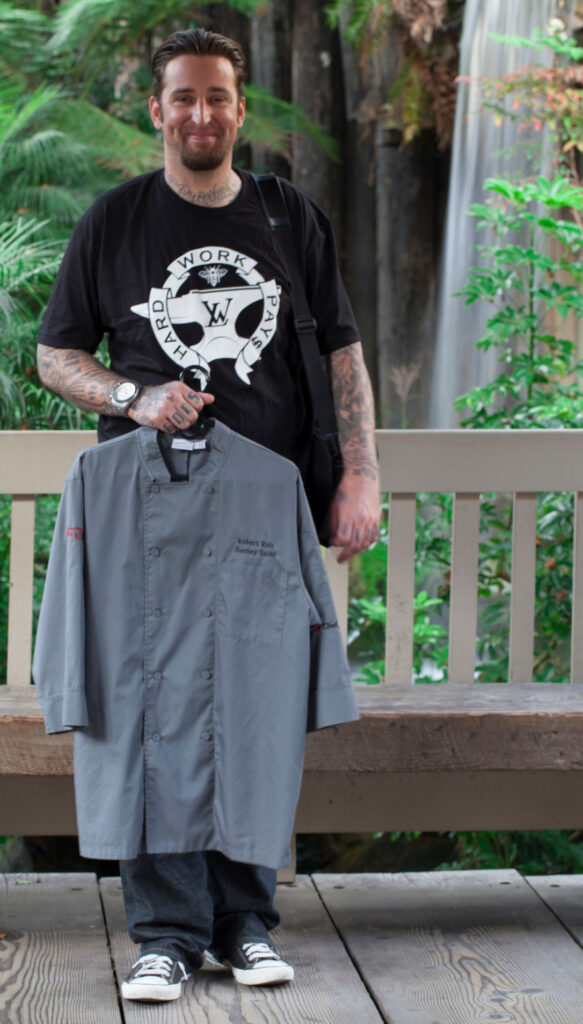
Harney Sushi is a stereotype bucking a stereotype. Everyone on staff, including head chef Rob Ruiz, has the flat-billed baseball cap, tattooed look of a Southern California surf bro who cares mostly about waves, women, weed. With a DJ booth and neon fish tank, the hot spot looks very much live-for-tonight, shotgun-aspirin-tomorrow. And yet, in December of 2011, Harney showed remarkable long-term vision by becoming the city’s first sushi restaurant to go 100% sustainable seafood.

Now a year into their shift, I wanted to know: How sustainable are sustainable sushi restaurants? I’d heard the stats. After a massive study in 2006, a team of Ph.Ds from Halifax concluded, yep, the edible fish in the ocean will be gone (as in nothing left) by 2048. Ten years ago, a Canadian biologist told National Geographic that the world’s population of large fish (tuna, marlin, halibut, etc.) had dwindled to 10 percent. Naysayers have refuted those statistics as exaggerated, saying the Magnuson Fishery Conservation and Management Act—a measure to manage U.S. seafood—has been successful.

Few would argue that eating responsibly, in accordance with data on fish population, is a bad thing. And the biggest threats to fish population? Overfishing, pollution, habitat loss, climate change and… sushi.

The endangered Bluefin tuna is still served on many menus. Farmed salmon is everywhere. A handful of joints in San Francisco, Portland, New York and London are leading the charge for sustainability. But they remain the extreme minority.

Are sushi restaurants simply cavalier bankrupters of the ecosystem? Or are they just not willing to kill a Japanese tradition—now an American obsession—over loosey-goosey research?

The reasons for not going sustainable are usually A) It costs a restaurant too much and B) it’s simply not as tasty, thus ruining the business.

Rob Ruiz calls B.S.

Underneath that erect Harney cap, his face is demure, aversive of eye contact. Ruiz’s knuckles are tattooed to spell “GOD’S PLAN.” He’s strikingly humble, reserved, but shows an occasional flurry of awe and horror when talking of his recent trip to Japan, witnessing the culture (sushi and otherwise) still reeling from the tsunami.

Here for an omakase, Ruiz dishes creation after creation. There’s none of my longtime favorite, octopus (a sustainable hazard). There’s zero Bluefin. The salmon is farmed without antibiotics or hormones on Mt. Cook, high up in the New Zealand Alps. Ruiz’s reverence for the itamae art is classical; his flavors fusionist. And almost all he served was excellent, especially the Suzuki sashimi in browned butter (see “Best Things I Ate This Month”).

The seafood predicament means that, in 2050, omakases like this will suck. But it also means bad, bad things for the ocean and humankind overall. Ocean species filter toxins from the water, protect shorelines from flood, and reduce algae blooms (red tides).

“The fact is our oceans are in crisis,” says Ruiz. “I’m not talking about your favorite reggae band’s catchy tune of consciousness. I’m talking straight up acidified oceans and no fish.”

Why is sustainable seafood important?  

Twenty years from now, we are going to look back on the way we currently fish the oceans as barbaric. Sustainable fish sourcing was my way to put all of my life experience and chef skills into making a positive impact.

How difficult was the process?

A lot easier than expected. There’s a lot more work in demanding traceability in the seafood we source. Sometimes we’re not able to offer certain species when they’re out of season. What was surprising is that more customers are excited about eating sustainably and educating themselves, rather than being turned off when we don’t have the threatened species they were trained to eat.

What fish is the hardest to do sustainable?

Tuna. It doesn’t matter what species of tuna you’re after—they’re all in short supply. The top-tier or “standard” fish at every sushi bar are only standard because of what was available 20 years ago. Think of a sushi chef like a farmer. A farmer will plant and harvest crops in accordance to what the season dictates. The same applies to sushi. During winter, I have 26 species of fish at their peak. Those are my first choice. Then I find who’s capturing them using sustainable practices and support those fisheries.  Then we assimilate our sustainable fish into our popular rolls without disrupting the flavors we’re famous for.

What fish can’t you serve?

Bluefin tuna: It’s an endangered species and close to complete collapse.

Unagi (freshwater eel): It’s a threatened species that’s slowly being driven to extinction by destructive farming methods.

Tako (octopus): It’s a victim of what we call the “octopus bottleneck.” Octopus are caught using bottom trawlers that permanently destroy the sea floor. They’re brought to Japan and processed for sushi. Here they are mislabeled as “products of Japan,” which creates a loophole for piracy, corruption, and resulting destruction of our ocean.

Farmed salmon: Most farmed salmon is not salmon at all, but a species of trout Norwegian biologists selected for its ability to survive in overcrowded pens. This fake salmon is fed hormones and steroids, along with a little food coloring to turn them orange, and then labeled and sold to you as salmon. It’s horrible. The main issue that goes undetected is how the fake salmon are farmed in areas where real salmon flourish. The sea lice that multiply like locusts around the salmon farms branch out and feast on the wild salmon, literally eating them alive. I witnessed this in British Columbia fishing for salmon.

How have you replaced those items?

Tuna: We serve is U.S. Fishery, Atlantic yellowfin tuna. It meets the recommendations of our federal government’s sustainable fisheries management (NOAA, National Oceanic and Atmospheric Administration), and the Monterey Bay Aquariums “best” choice for sustainable practice.

Octopus: We only carry octopus a few months of the year when it’s in season, and we get it from Hokkaido Japan, Japan’s North Island where they harvest it sustainably.

Unagi: Our “faux-nagi” is the most exciting. We take sustainable black cod, aka butterfish, and prepare it the same way as you’d prepare unagi. It’s rich and delicious without the bones or skin of the unagi. And it’s super popular.

Biggest challenge in going sustainable? 

The biggest challenge in going sustainable at Harney was standing up to all the purveyors who didn’t want to change or help. They had been selling products a certain way for so long, relying on the ignorance of the consumer to sell them what they want at the price they want. We weren’t going to stand for it anymore. If you don’t want our business, fine. We’ll go to the next guy.

I’ve heard it costs too much for restaurants to go sustainable. 

One of the greatest myths. It’s actually quite the opposite. We made this change during one of the worst economic downturns in history, so there was no way we were gonna raise prices for a clientele that’s supported us for 12 years. There are short-term costs to changing over. Our costs spiked when we made the initial transition. But after you make the change it becomes more profitable; our costs are at historic lows. At Harney, we took a step-by-step approach and changed over to sustainable one species at a time, always taking quality and taste into account along with how we harvested the particular species.  So one at a time we would measure weight, yield, and portion control. It was like coming out with a new menu, but the sustainability of each ingredient got added to the list of necessary criteria. As with any new menu, there was trial and error and dish development. But never did we find an item to be too expensive to use. We just had to educate ourselves on how to best utilize the new proteins.

How exhausting is the research?

It never ends. Research and data collection improve and update every day, so you must stay on top of the issues daily. I have focused on sushi since 2005, but I was trained in classic French and Hawaiian regional cuisine. When I was at the Hualalai Resort on the Big Island we had our own aquaculture practices where we farmed our own shrimp and moi (Hawaiian mullet). The Hawaiian people were the ultimate leaders in sustainability because they had no other alternative. They fashioned everything they needed for life out of plants, and farmed their own fish in ancient ponds that still had fish in them when I was going to school there.

How do customers react when they can’t get, say, octopus?    

At first they’re let down, of course. But then they hear why. And then they try other items like miru-ga—a giant clam that is sustainable, has a similar texture, but is a little more sweet and versatile. They’re elated.

Biggest “who woulda known” things you’ve learned?

The Japanese used to throw fatty tuna into the trash. It barely qualified as food for cats until after WWII. The original ultimate fish for sushi was the Tai Snapper. It was only after the US occupation of Japan, that we introduced them to butter and fatty foods, and the love of toro (tuna) began. Also that San Diego is a hub of leaders in sustainability. NOAA has its Southwestern Center for Conservation here in La Jolla. Scripps Institute is a global leader in marine research. And the only sustainable fish hatchery on the West Coast is here.

What do you find lacking in the seafood system? What would help the movement?

Transparency, traceability, and awareness all need to become priorities. Right now everyone complains that you can’t define sustainability. That it’s confusing, or a trend. We need to get all the cards on the table so that consumers can make informed decisions with their dollars. Now, in this time of “conscious consumerism,” we have a chance to make the changes that will save our future.

Are more sushi restaurants going sustainable?

There are about a half dozen in Seattle, a couple in Chicago, a new one in New York. They’re huge in the EU. I set up a “sustainable sushi” Google alert and a get a new email about twice a week about new sustainable sushi bars. With direct interest from mags like The Economist, it’s the beginning of a global change.

Some people claim that sustainable sushi simply isn’t as good. That the fish that are endangered are overfished because they’re the best…

The fish that are endangered now are endangered out of tradition and religious and cultural beliefs. These beliefs were based on survival. When people and cultures start to accept the truth about the state of the oceans, they’ll see the change that needs to be made. Sadly the fish that are in jeopardy now are not the most delicious. Every season behind a sushi bar brings so many new species and delicacies. There are 5,000 sushi bars in Tokyo and just as many philosophies about sushi.

For anyone interested in reading more about sustainable seafood, Ruiz suggests the following resources:

WEB

Fish Watch

Sustainable Sushi

Marine Stewarship Council

Seafood Source

International Seafood Sustainability Foundation

Monterey Bay Aquarium

Scripps Institute of Oceanography

BOOKS

Oceana by Ted Dansen

Four Fish by Paul Greenberg

FILMS

End of the Line

Jiro Dreams of Sushi
Sustainable Seafood

Subscribe to our newsletters

Select Options

By subscribing you confirm that you agree with our Terms and Conditions and Privacy Policy.

Food & Drink MARCH 28, 2013

The Breakthrough

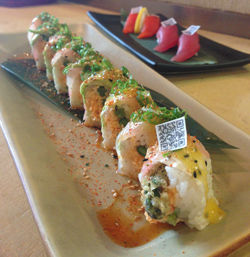
Harney Sushi uses edible QR codes
The Breakthrough
The Breakthrough

Harney Sushi
Food & Drink JULY 17, 2026

Chula Tacos Is Opening a New Ocean Beach Location

The fast-growing taqueria will open its third restaurant on Newport Avenue after a viral social media moment fueled its rapid expansion

Chula Tacos Is Opening a New Ocean Beach Location
Courtesy of Chula Tacos

When Rigo Munoz opened a weekends-only taco stand on Market Street in 2018, at first, he was just hoping to sell his tacos to however many customers he could. That low-key, word of mouth approach worked well for a couple years. Very well. 

“Then, the line started,” he laughs. He began to double his sales week after week, until an influencer from Tijuana paid them an undercover visit in 2024. Munoz was hanging out in his backyard the next Monday when his phone started pinging and ringing off the hook. “So I go onto my social media and there, lo and beyond, the video already had 10,000, 12,000 views in like, less than an hour,” he says. The next day, there was a line of customers waiting for him before he opened at 5 p.m. The Chula Tacos revolution sparked there. 

Now, he’s ready to open his third location on August 1 at 4994 Newport Avenue in Ocean Beach. It wasn’t an easy or straightforward path—the city shut down his original location citing too much noise and traffic. But Munoz was looking ahead, already in talks with a restaurateur to take over his space at 1719 Palm Avenue in the Nestor neighborhood of southeast San Diego. From the time he got shut down to getting the keys of his first brick-and-mortar was less than two days. 

The second location in Chula Vista caught fire on Valentine’s Day and is slated to reopen later this fall (689 H Street). Munoz says he also plans to open a fourth location somewhere between the Ocean Beach and Morena Boulevard areas, but has aspirations for more.

“I’d like to become the In-N-Out of tacos,” he says. He’s actively looking for places that could support either a drive-thru or the typical fast-casual taqueria style, but no matter what, he’s going to keep his menu simple. 

Each location has the same menu, except labio, which are ox lips, and beef intestines. They’re top-sellers at Palm Avenue, but might not translate as well to the OB crowd, he says. But guests can still get their fix of vampiro tacos, tacos de trompo, and from-scratch horchata and jamaica. 

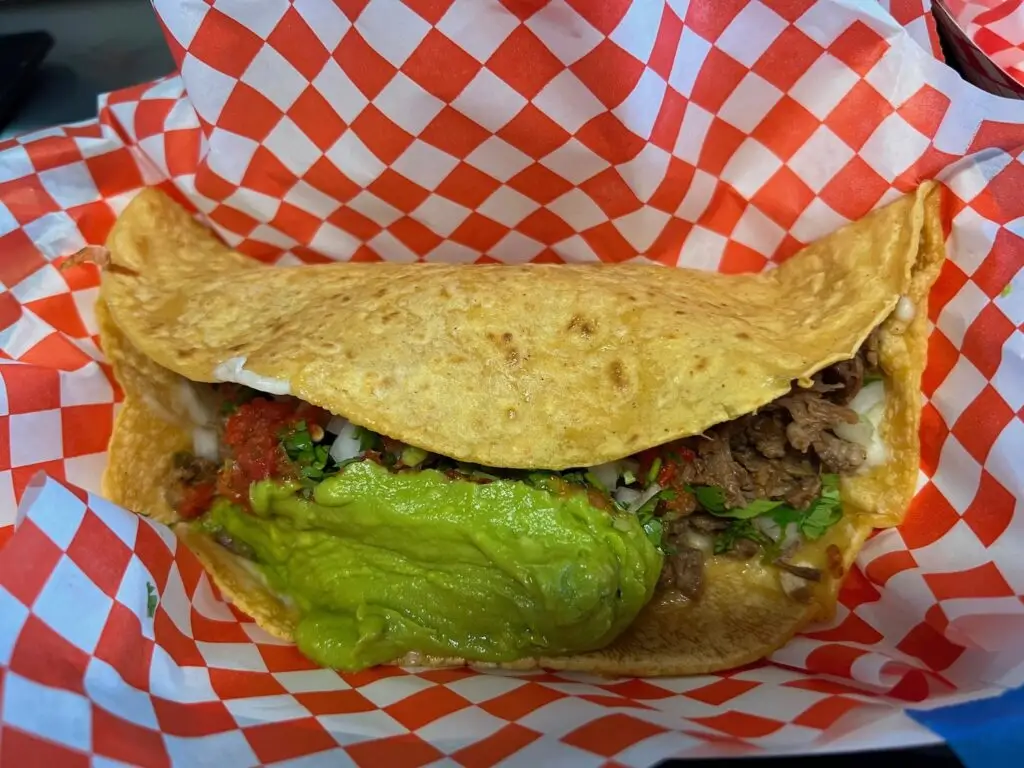
Chula Tacos is best known for its kekas (pronounced keh-kuhs), which are extra-large quesadillas stuffed with your choice of meat. “It’s a hefty thing,” Munoz promises. It’s such a trademark that he filed for a patent, which is still pending. 

Building a taco empire has been a long time coming. Munoz first started making tacos at age 12, and has operated a number of cafes, delis, and other businesses on both sides of the border ever since. “We’re a family business,” he says. He’s been trying to hit that mother lode for years—and all it took was one video to light the fuse.

The newest location of Chula Tacos opens August 1 at 4994 Newport Avenue, Suite A in Ocean Beach. Hours of operation are 11 a.m. to midnight daily.  (Opening date subject to change.) 

Courtesy of Oceanside Sustainable Food Festival

San Diego Restaurant News & Food Events

Beth’s Bites

  • Everyone (clap) watches (clap, clap) women’s sports! (Thunderous applause!) San Diego’s first women’s sports bar, One of Us, opened this week in the former URBN Pizza space in North Park. I stopped by the preview and can confirm the Big Ass Fan is still there, but now there are tons of TVs lining the walls ready to broadcast women’s soccer, basketball, volleyball, and all the other sports events you could ever dream of. (And yes, they’ll be showing the men’s World Cup on Sunday, because I guess people watch men’s sports, too.) 
  • Rolando’s ears must have been burning, because a month after interviewing chef Coral Strong of the now-closed Garden Kitchen, Campus Burgers announced plans to turn the formerly hyperlocal farm-to-table restaurant into a spot for affordable smashburgers. I’m sure the local college kids will appreciate the $1.99 smashburger special—although let’s face it, in today’s expensive times, everyone is ready for a wallet-friendly outing. 
  • A few months ago, I gave Navore Market’s farm-to-front door delivery service a try and as a longtime former CSA subscriber, I have to admit it felt nice to leave the produce purchasing to the pros. But as of July 12, you can now head to Navore’s second community pickup hub at Mission Valley YMCA (5505 Friars Road) every Sunday from noon to 4 p.m. Having a centralized drop-off point makes it easy for farmers, and buyers don’t have to commit to a subscription—sounds like a farm-to-table win to me. 
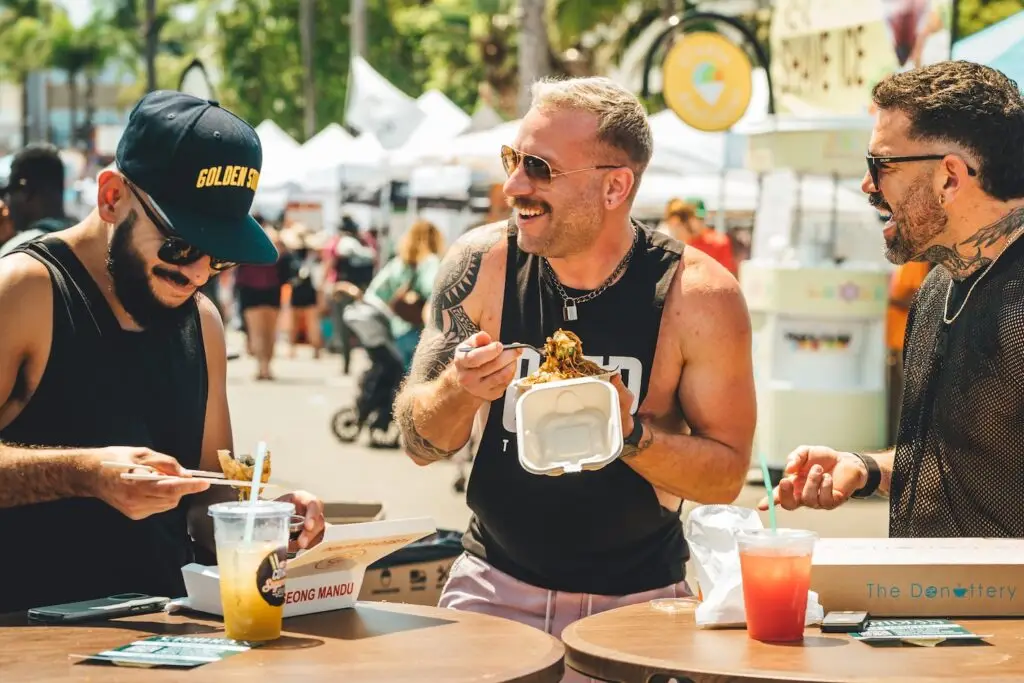
  • Keeping on with the farm-to-table news, the 4th annual Oceanside Sustainable Food Festival is scheduled for July 25 in downtown Oceanside, bringing 50-plus vendors together for a day of global food and drink, artisan products, home goods, live music, and more. The event usually draws in a couple thousand people, so might I suggest arriving close to the 11 a.m. kickoff for the best chance at maximizing your nom?

Listen Now: The Latest in San Diego’s Food and Drink Scene

Have breaking news, exciting scoops, or great stories about new San Diego restaurants or the city’s food scene? Send your pitches to [email protected].

Beth Demmon

About Beth Demmon

Beth Demmon is an award-winning writer and podcaster whose work regularly appears in national outlets and San Diego Magazine. Her first book, The Beer Lover's Guide to Cider, is now available. Find out more on bethdemmon.com.

Food & Drink JULY 14, 2026

5 Must-Try Meals in San Diego Right Now

SDM's staff shouts out our favorite food finds this month including bites Stake Chophouse & Bar, Valentina, and Steady State

5 Must-Try Meals in San Diego Right Now
Courtesy of Stake Chophouse & Bar

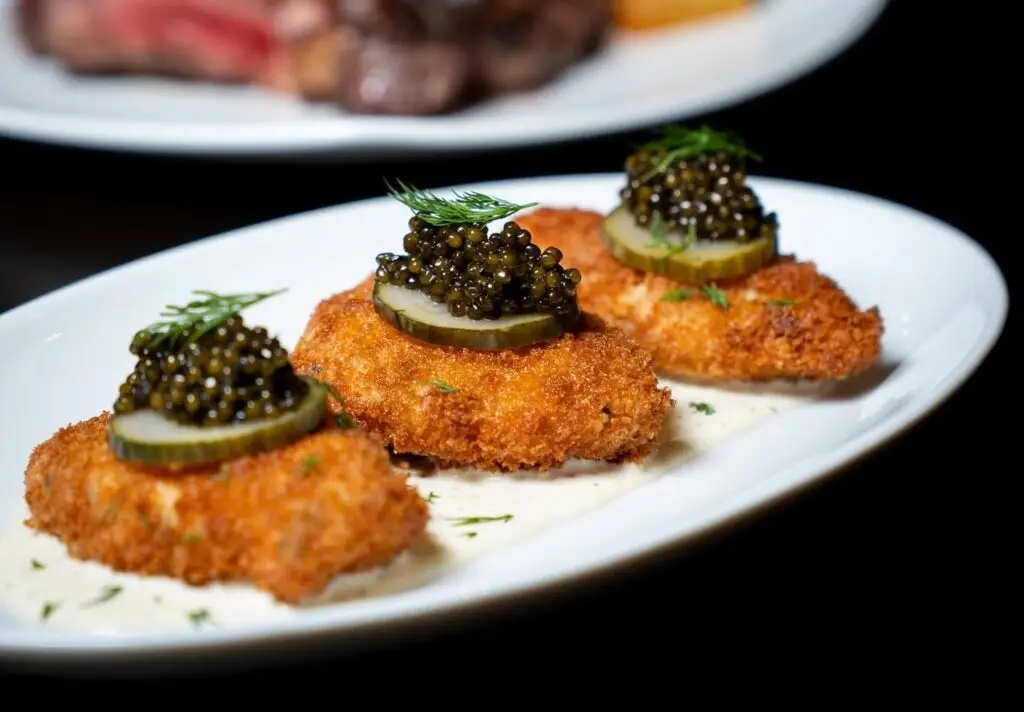
There’s a place in heaven for a steakhouse that remakes chicken nuggets but uses Jidori instead of whatever glum bird is proffered in the children’s section. And then they top it with caviar. That, plus an editor with an obsession-level ranking of chai in Carlsbad, and a whole fish from one of San Diego’s OG top chefs who has mercifully returned to the kitchen. These are the very best things we’ve found from another month of eating professionally in San Diego. Go get some.

Stake Chophouse & Bar

Caviar Chicken Nugget

One of my favorite experiences at Stake in Coronado is that—if the patio is chilly enough to warrant heaters—they’ll surround you with towers of flame. Paired with the retaining wall of heat against the glass railing overlooking Orange Avenue, there is so much surrounding fire that it feels like dining in a much nicer version of the Elmo meme, in which the nasally puppet’s whole world has amusingly arsoned.

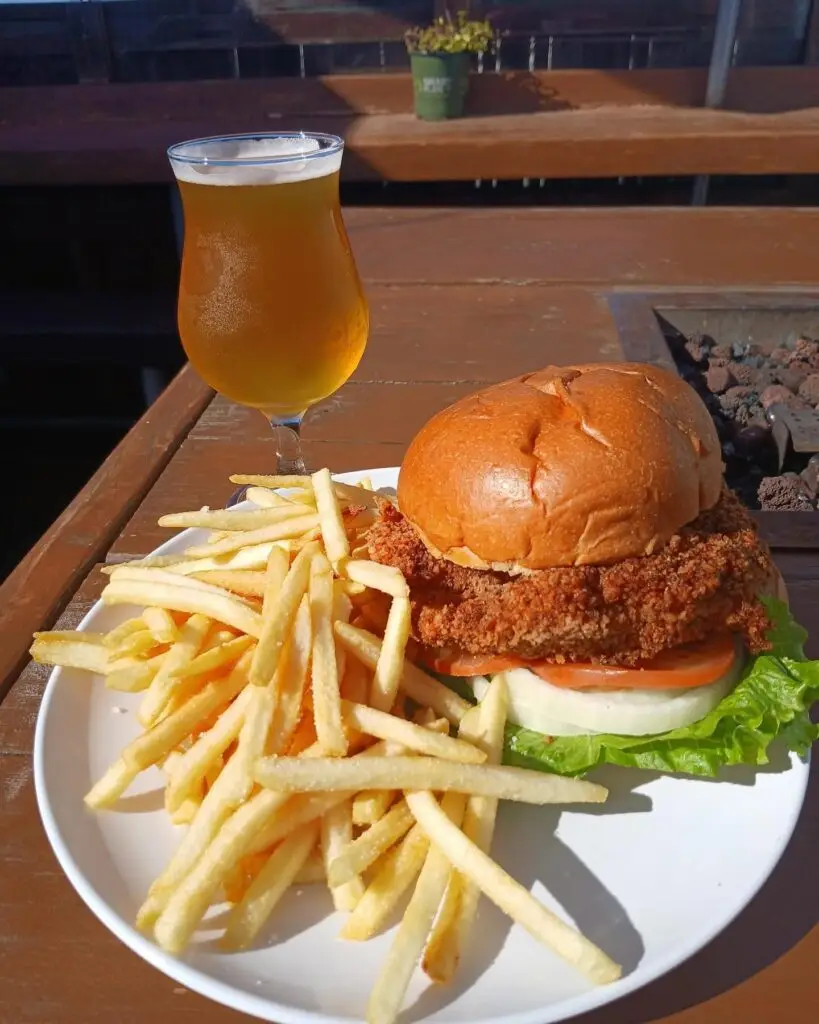
Three things you have to get here: first, the Wagyu popcorn (kernels popped in melted Wagyu beef fat, salted with paprika); second, the Snake River Farms Wagyu skirt steak (its Gold grade means incredibly high marble), one of the best steaks in the city; third, the Jidori chicken nuggets with herbed crème fraîche, pickle, and a perm of caviar. A childhood food, deliciously adulted. —Troy Johnson

Flying Pig Pub & Kitchen

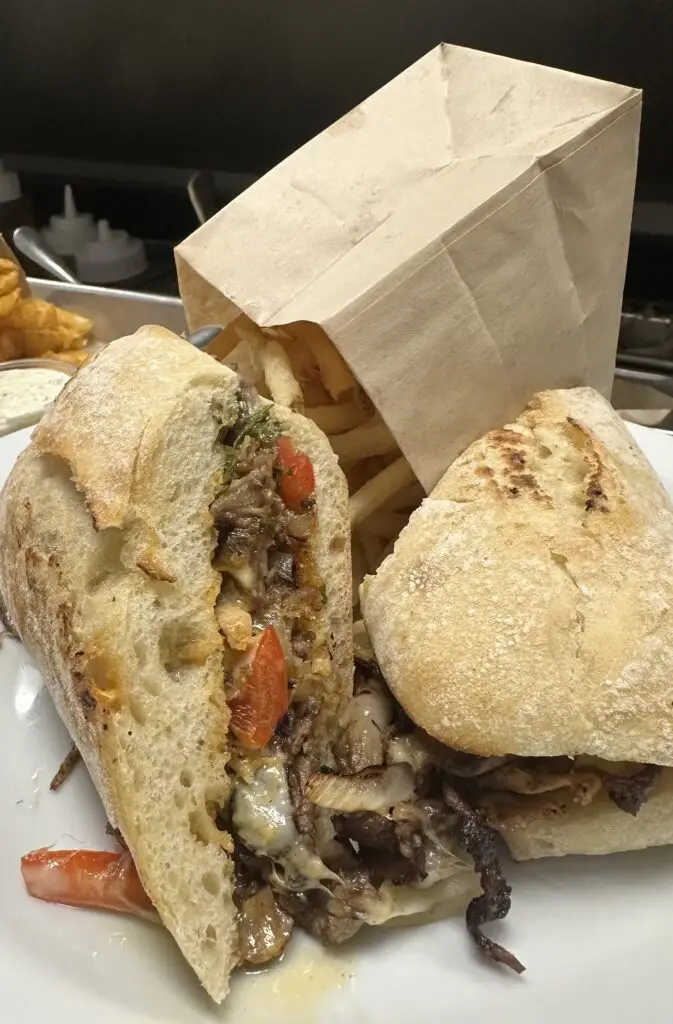
Tri-Tip Sando

It’s been 15 years since married folk Aaron and Roddy Browning opened Flying Pig Pub & Kitchen in a hidden south Oceanside hovel—using vinyl records as placemats, the decor an assortment of welded metal weirdities. One thing has always remained: Pork is their native tongue.

This sandwich pries open long-dormant pleasure receptors in most alive human bodies. Brandt Beef tri-tip is rubbed with its “Pig Spice” (hint: good paprika and celery seed do wonders), sleeps for 24 hours, then is seared and rested for an hour—sliced and seared again, placed on a mini baguette wet with fresh chimichurri and smoked tomato aioli, then topped with melted aged provolone, grilled peppers, onions, and gremolata (parsley, garlic, lemon zest). Order two, or be prepared to fight. —Troy Johnson

Valentina

Pan Tomaquet

Pintxos are Basque-country bar snacks, finger foods for Real Sociedad games. The appropriate utensils are a couple of fingers and a toothpick. But Valentina’s in Leucadia are done with just enough culinary school ambition (not too much, fuss has no place in pintxos) from exec chef Enrique Ñol, who worked at the estimable Wrench & Rodent.

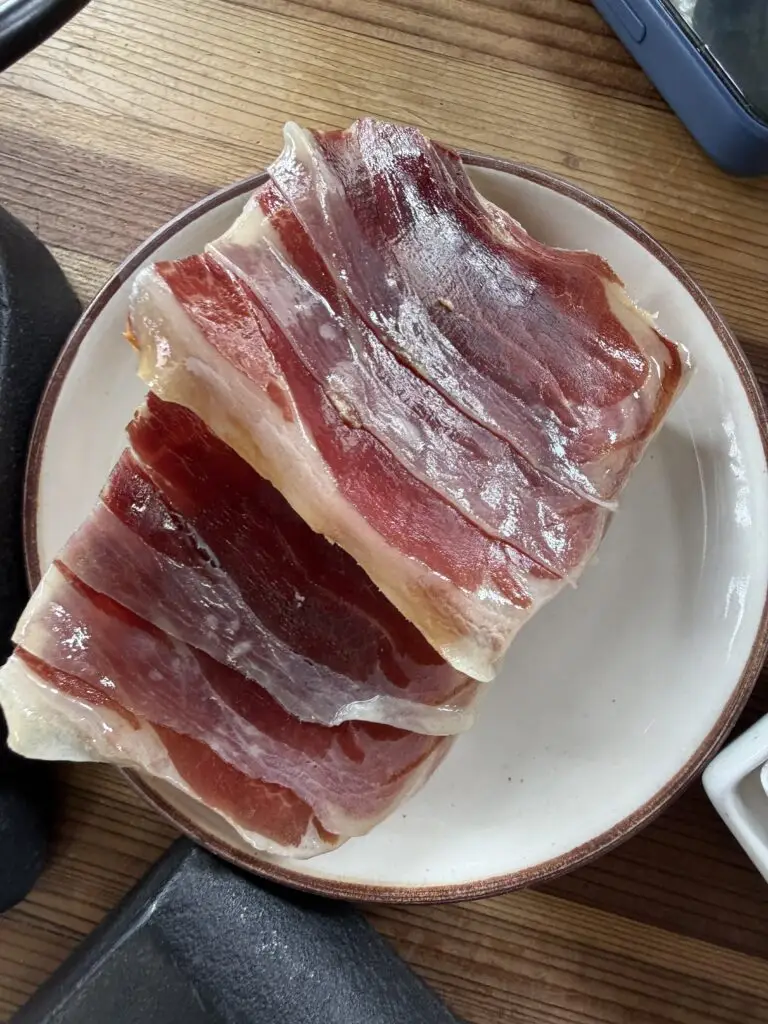
Its tomaquet (tomato bread) could be underestimated as a stacked pile of quality ingredients, but it’s undeniably great—toasted pan de cristal (light, airy, Catalan “glass bread”) dressed with tomato, garlic, salt, EVOO, and a layer of one of the world’s greatest meats: Cinco Jotas Iberian jamón. Eat it with a minor winefall of porrón, and ask for Todd—a certified sommelier and one of the most knowledgeable food minds in the local scene. —Troy Johnson

Ironside Fish & Oyster

Whole Fish

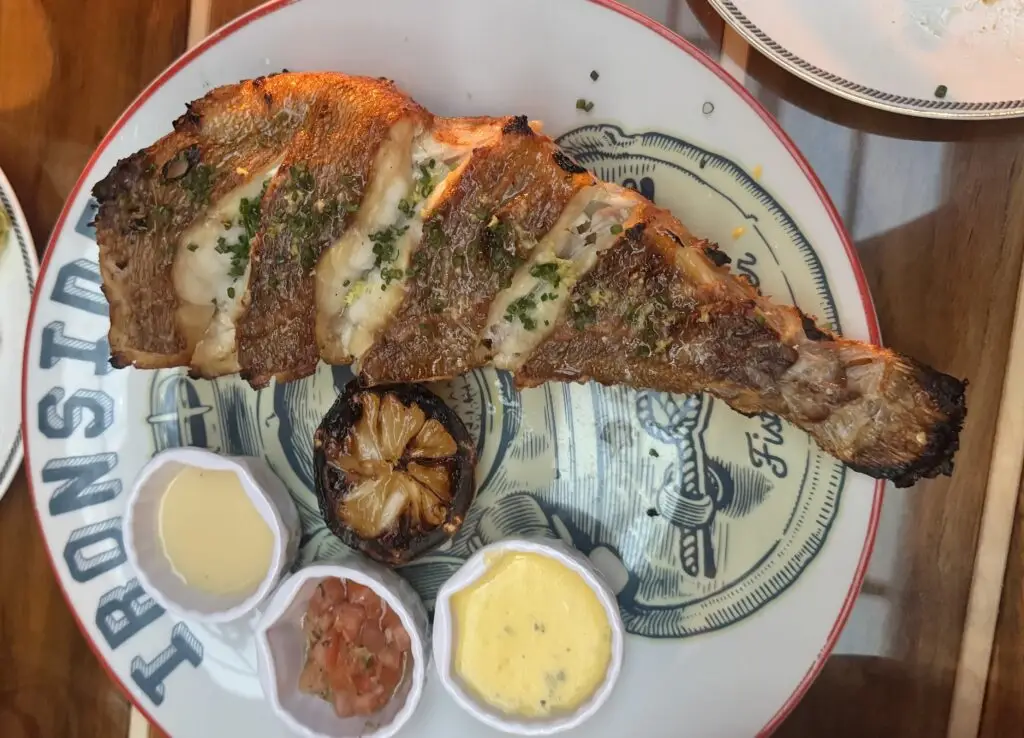
Get the whole fish. Doesn’t matter the catch, just trust that chef Jason McLeod’s got you. When CH Projects opened Ironside in Little Italy in 2014, the restaurant group took over the old Farkas furniture store and turned it into a replica of an ocean liner, tapping McLeod (a chef who’d earned two Michelin stars in Chicago) to oversee its menus.

It quickly became a San Diego staple for seafood. After leaving for a few years to help concept and launch some big-name restaurants in Vegas, McLeod is back again getting his hands dirty in the kitchen. And his fish? They come in fresh from local fishermen who he’s established relationships with over the years. So yeah, get the whole damn thing. —Nicolle Monico

Steady State Roasting

Indian Summer

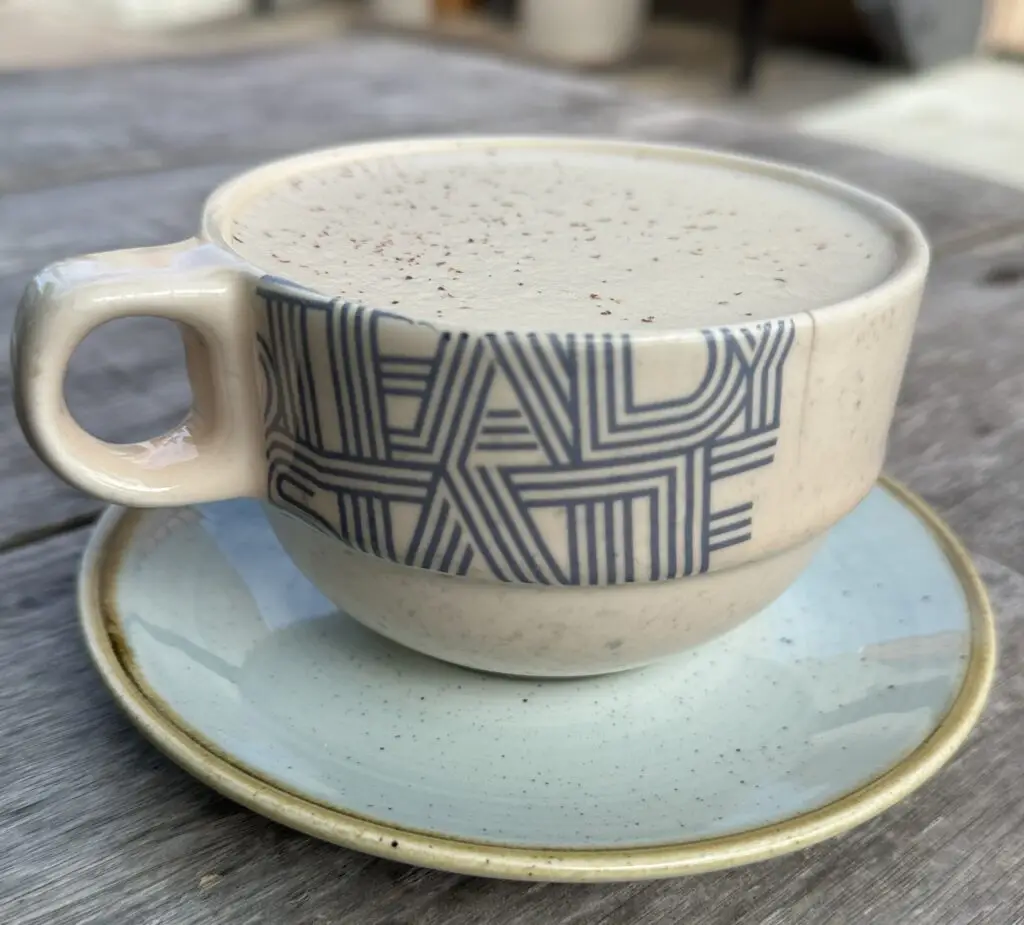
I have a running spreadsheet of chai rankings in Carlsbad. The chai that stays on the highest shelf? Steady State’s gingery, nutmeggy Indian Summer with an almond milk base and fresh nutmeg shavings on top. Juiced ginger gives the drink deeper, warmer notes, but not so much spice that your throat closes on the first sip.

Too often, coffee shops advertise authentic chai, then uncork that carton of sugar-bomb concentrate from an artisanal wholesaler called Costco. This is the real deal; it’s mildly sweet, a little more spicy, and in my opinion, best served hot. If I could order a keg of it, I would. (Can I?) —Emma Veidt

Studio S JULY 17, 2026

NOW CFO: Specialized Financial Solutions for San Diego Businesses

NOW CFO provides scalable, on-demand accounting and finance support to companies ranging from pre-revenue startups to billion-dollar businesses

NOW CFO: Specialized Financial Solutions for San Diego Businesses

Entrepreneurs typically launch businesses because they’re passionate about a product or service, not because they want to manage its finances. While working to carve out a niche in their respective industries and drive their companies forward, many business owners find themselves bogged down by day-to-day accounting. Their existing accounting tools don’t provide the necessary visibility or insight, and they don’t have the time or resources to hire additional staff or a chief financial officer. That’s where NOW CFO comes in. 

For more than 20 years, NOW CFO has been pairing businesses across the country with experienced accounting and finance professionals. Its outsourced model allows clients to customize solutions that match their individual needs, size, and financial challenges, whether that’s fractional or interim support, project-based services, or full-time placement. 

NOW CFO’s clients range from startups preparing for rapid growth to established companies that need additional financial leadership without the commitment or expense of building an in-house team. However, many of these companies don’t fully understand their needs until they experience a “trigger” event: preparing for an acquisition or capital raise, navigating a first-time audit, or another period of transition. With a team of over 300 consultants nationwide, NOW CFO can start quickly and match the right expert to the right business. 

“It’s important for companies to have financial visibility, and we can help them avoid a lot of the potholes that companies often run into,” says Mariah Block, a partner at NOW CFO’s San Diego branch. “Roughly half of our clients have an in-house finance person or department, and we’re resourced for more bandwidth when they need an extra set of hands at the staff or senior accountant level, or the controller or CFO level. Some clients use this a few hours a month and others use multiple people close to full-time. Our model is solution-based and customizable. We’re like a faucet you can turn on and off.” 

With NOW CFO, there’s no one-size-fits-all approach. Solutions are based on the client’s individual goals, challenges, needs, and budget, meaning a client never pays for more than they need. Whether it’s a few hours of executive-level guidance or a full accounting team to support daily operations, NOW CFO meets businesses where they are and grows alongside them. 

“We pride ourselves on providing our clients with the right resources at the right rate and being able to evolve as their needs evolve,” says Block. 

And clients appreciate on-demand access to cost-effective support designed to improve performance and profitability.

Luxury car storage service Auto Concierge has partnered with NOW CFO to support growth over the past year. The arrangement began with a staff accountant who covered a leave of absence, but as the client’s needs changed, they also added a controller role. This allowed Auto Concierge to put effective processes in place and navigate operational challenges. Lori Church, Auto Concierge’s chief operating officer, says NOW CFO has been an “outstanding resource” and a “true strategic partner.” 

“From the controller to the bookkeeper, every professional they’ve placed has brought a high level of expertise, responsiveness, and professionalism to our organization. Their team took the time to understand our business of high-profile clients and needs, adapted quickly to our fast-paced environment, and became a trusted extension of our team,” she says. “As Auto Concierge continues to grow, having a reliable financial partner like NOW CFO has allowed us to strengthen our financial and business operations while remaining focused on delivering exceptional service to our clients.” 

Partner Content
Beer JULY 14, 2026

Award-Winning Ocean Beach Brewery For Sale

What's next for the 10-year-old award-winning destination? Owner Mike Tajran hopes to hand the reins to a local up-and-comer

Award-Winning Ocean Beach Brewery For Sale
Courtesy of OB Brewery

After 10 years of rooftop dining and brewing award-winning beers, OB Brewery is for sale. A local fixture on Newport Avenue, OB Brewery owner Mike Tajran is ready to retire and hand over the reins. “It’s got so much potential,” he says, pointing to the accolades the brewpub has collected throughout the last decade (it’s more than a few).

At the 2017 Great American Beer Festival, OB’s Hidden Gem Dunkelweizen won silver in the German-Style Wheat Ale category, followed by a World Beer Cup silver medal as a South German-Style Dunkel Weizen in 2026. In 2018, GABF named OB Brewery Small Brewpub of the Year, brewer Jim Millea earned Small Brewpub Brewer of the Year, and the B. Right On pale ale nabbed a gold medal in the American-Style Pale Ale category. The Elevator Red IPA also took bronze that year at the San Diego International Beer Festival, and earlier this year, they won gold for Couple’s Therapy chili beer and silver for Rauch Me smoked beer at San Diego County Fair Craft Brew Competition.

It’s a solid foundation for the right buyer, he says—someone with brewing and business chops ready for a turnkey operation in a favorable location a block from the beach on Ocean Beach’s busiest street. (And while he’s letting go of the brewpub business, he’s also open to selling the building as part of the deal.)

Originally from Iraq, Tajran’s family ran restaurants in Baghdad, but “they were decimated by Saddam Hussein,” he explains. Once in the United States, he launched Giant New York Pizza at 5050 Newport Avenue in 1984, which eventually became Newport Pizza & Ale House. Newport Pizza felt long ahead of its time, proudly proclaiming they served “no crap on tap” years before the craft beer craze caught fire in San Diego. 

Courtesy of OB Brewery

When the building’s owners passed away and their son cut his lease short in 2020, Tajran says he was disappointed, but he had a nagging feeling that would happen eventually—which is why he already purchased 5041 Newport Avenue back in 2009 and opened Ocean Beach Brewery in 2016.

“For 42 years, I have been in this location in this area, the same block,” he says with pride. Ocean Beach has gone through some changes since 1984 (the OB farmers market launched in 1992, Starbucks came in 2001 and left in 2022, ADUs crept in, and the iconic OB Pier closed in 2023), but Tajran says the heart of the beachside town has remained the same. 

So has most of his staff. Millea has been brewing since day one, and longtime manager Megan Schuster has worked for Tajran for 19 years, first at Newport, then at OB Brewery. Most of the employees are locals, and Tajran says he doesn’t plan on closing the business until he finds the right buyer to carry on the baton. 

The property itself comes with some unique features for the area—three stories with a rooftop deck and ocean views from every level. And if you’re wondering if those uninterrupted views will remain that way, Tajran assures me they will. Part of his original building purchase included language that prohibits the three buildings between him and the ocean from building up. He also leases space next door, which would allow a new owner to expand brewing capacity with more tanks and fermenters. 

“I just wanted to make sure this goes in good hands,” he says. He and his wife both hope to retire soon in order to spend time with their children. But he’ll make sure his other baby is taken care of first. 

“I love Ocean Beach,” he says. “I can say nothing but thank you, OB.”

OB Brewery is still open at 5041 Newport Avenue. Hours are Sunday through Thursday, 11 a.m. to 9 p.m.; Friday, 11 a.m. to 10 p.m.; and Saturday, 10 a.m. to 10 p.m. Interested parties should contact Next Wave Commercial.

San Diego Restaurant News & Food Events

Beth’s Bites

  • Along the same vein of iconic businesses, Tribute Pizza is celebrating 10 years in North Park this week with different events every night. Good luck getting a reservation if you haven’t already, but you can still take part in the silent auction on behalf of Feeding San Diego. Owner Matt Lyons’ goal is to raise $100,000 for the nonprofit and is offering some pretty sweet stuff to do so—think a full weekend buyout of Tribute, a private event with Lyons and chef Travis Swikard of Callie and Fleurette, a year of access to a VIP hotline for reservations, and even more. Time is ticking away on your chance to bid, so be sure to make your best offer before time runs out.
  • La Corriente continues its expansion across San Diego with lucky number three coming to Oceanside. Located next to Tanner’s Prime Burgers and PopUp Bagels, a restaurant rep says that at the rate the restaurant is opening new spaces, it wouldn’t be wild to see a few more pop up along the coast in the future. 
  • Kitchens for Good has big plans on the horizon, including their sprawling new Culinary Impact Center coming to Bankers Hill next year. Now, it should be a bit easier to accomplish their (many) goals with the help of a $50,000 grant from the Jacques Pépin Foundation. Kitchens for Good is one of four awardees this year and will receive the funds over the next two years, allowing them to launch their Market Cafe initiative in the new center and continue their mission of hospitality training programs and ending food insecurity across the city. It’s a pretty awesome award, given by a pretty awesome group to another pretty awesome group, so it’s just mega-awesome all the way around. 

Listen Now: The Latest in San Diego’s Food and Drink Scene

Have breaking news, exciting scoops, or great stories about new San Diego restaurants or the city’s food scene? Send your pitches to [email protected].

Beth Demmon

About Beth Demmon

Beth Demmon is an award-winning writer and podcaster whose work regularly appears in national outlets and San Diego Magazine. Her first book, The Beer Lover's Guide to Cider, is now available. Find out more on bethdemmon.com.

Food & Drink JULY 14, 2026

Cellar Hand Is Closing as Pali Wine Co. Moves to Hillcrest

The acclaimed restaurant will shutter after two years, while the family's Little Italy tasting room relocates to the University Avenue space

Cellar Hand Is Closing as Pali Wine Co. Moves to Hillcrest
Photo Credit: Kimberly Motos

San Diego has lost a number of ambitious concepts lately—Vulture and Dreamboat in University Heights, Wildflour Delicatessen in Liberty Station, Deckman’s in North Park, Matsu in Oceanside. All have different reasons for closing (some outgrew their space, some overshot their costs), but none of them suffered for quality. Ditto for the next casualty. On July 19, Cellar Hand in Hillcrest will close its doors. 

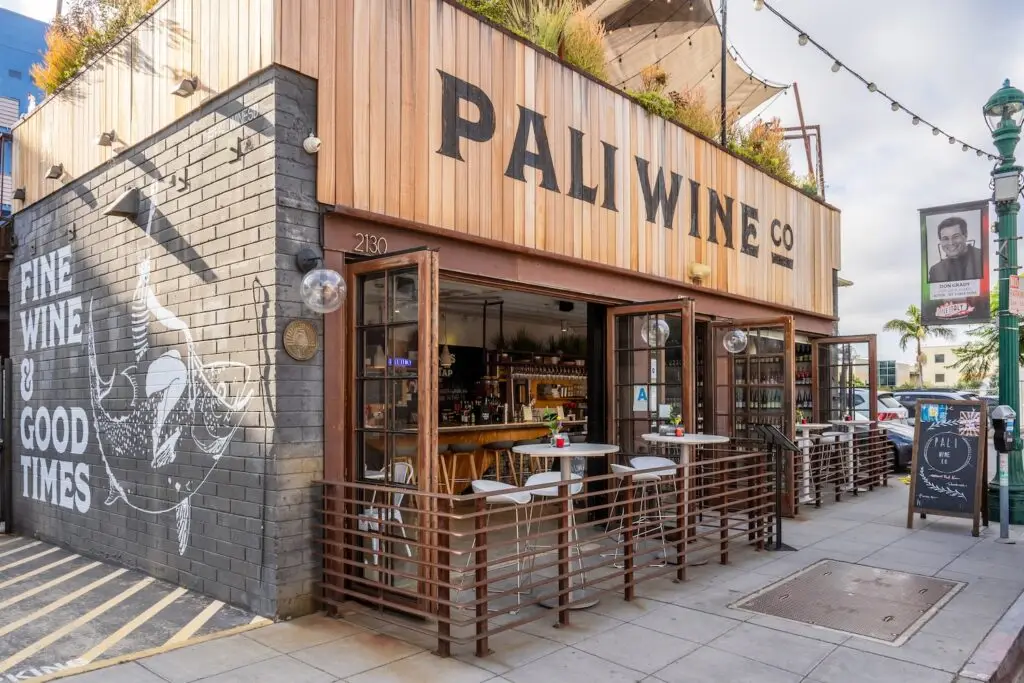
Unlike the other closures, there’s actually a silver lining. The Perr family, who owns both Cellar Hand and Pali Wine Co., announced they will relocate Pali’s tasting room from Little Italy to take over the vacated Cellar Hand space.

Cellar Hand opened just over two years ago with a promise to source 100 percent of their produce locally. Ambitious, but admirable. Logan Kendall, the original executive chef, launched with a menu centered around lots of funky fermentation, tinned fish preserved in-house, a bevy of fun dips like labneh and whipped tahini, and a ridiculously fantastic pork chop from Thompson Heritage Farms. Wine Enthusiast named the 120-seat eatery one of the top 50 wine-focused restaurants in the country in 2025—not a shock, considering the mega wine chops behind the project. 

Following Kendall’s tenure, chefs Ashley McBrady and then Sable-Tanya Wentwoord took over the reins, keeping things rolling with expanded brunch offerings, chef’s dinners, and all the usual accoutrements of a hyped spot. Before joining the Pali Wine/Cellar Hand team, Wentwoord worked and staged at multiple James Beard Award–recognized and Michelin-starred restaurants in Boulder, Colorado (Frasca Food and Wine); San Francisco, CA (Coi, Che Fico); Providence, Rhode Island (Persimmon); and Fredericksburg, Tex. (Southold Farm + Cellar). She will continue to head the food program at Pali Wine Co. 

Bad luck or bad timing, the reasons behind closing Cellar Hand don’t really matter. But I, for one, will really miss that pork chop.

Photo Credit: Kimberly Motos

Still, Cellar Hand’s loss is Pali Wine Co.’s gain, or at least a small balm on the sting of closure. The tasting room in Little Italy opened 10 years ago, bringing its Central Coast wine and vibes to an area smack in the middle of a craft beer boom. When it came time to renew the lease, the Perrs say the landlord did the landlord-y thing and tried to nearly double the rent. (Tale as old as time—just ask Wildwood Flour.) 

Rather than suffer a double-whammy, the Perr family instead decided to shift their focus (and finances) to the heart of their businesses: wine. And despite losing a very cool rooftop patio in one sizzling hot neighborhood, they are gaining a pretty prime spot in a different sizzling hot neighborhood with a not-too-shabby patio of its own accord. (One more silver lining: no more jet noise from the airport!)

By moving Pali Wine Co. to where Cellar Hand used to be, they could at least keep a toehold in San Diego, says Nick Perr, managing partner. His family has made wine in Santa Barbara county for over two decades, with 10 of those years in the San Diego market—an investment they refused to lose. “That’s why it’s impossible to separate our winery from our San Diego community,” he explains, adding that the new location will allow Pali Wine Co. to offer programming designed around the nearby Hillcrest farmers market.

Guests can expect the same wine selection, wine club perks, private tastings, and similar food offerings Pali Wine Co. offers in Little Italy to transfer to Hillcrest. And maybe, if we’re lucky, they’ll bring back the pork chop (please?) 

“We are extremely proud of what we accomplished at Cellar Hand,” said Perr in a statement. “Running an independent restaurant with real values is hard, and we gave it everything we had.”

Cellar Hand will permanently close on July 19. Pali Wine Co. will cease operations at 2130 India Street on July 19 and will move to 1440 University Avenue.

Pali’s new location in Hillcrest will soft open on August 12 with a grand opening on August 22. Operating hours will be Wednesday through Friday, 2 p.m. to 10 p.m.; Saturday, noon to 10 p.m.; and Sunday, noon to 9 p.m. Happy hour will run Wednesday through Sunday (hours to be determined).

Beth Demmon

About Beth Demmon

Beth Demmon is an award-winning writer and podcaster whose work regularly appears in national outlets and San Diego Magazine. Her first book, The Beer Lover's Guide to Cider, is now available. Find out more on bethdemmon.com.

Partner Content JULY 10, 2026

Health & Wellness Summer 2026

It’s a Self-Care Summer. Because your best self is our favorite self.

Health & Wellness Summer 2026

If you’re anything like us, it can be easy to get so caught up in taking care of everyone else, that your own needs get lost in the ether. But while this may be a cliché, that doesn’t make it any less true: You can’t give your best self to other people unless you’re taking care of yourself.

Sometimes, that looks like stopping in for your regular acupuncture or chiropractic appointment. Other days, it means giving your body the fresh, organic fuel it needs to truly feel and function at its best. And some other times still, it involves leaving your responsibilities behind for a weekend to pamper yourself at an incredible resort and spa.

Only you can decide what your truly need. We’re just here to help you find the best ways to get it.

Tommy Bahama Miramonte Resort & Spa

Island living meets desert luxury at the Tommy Bahama Miramonte Resort & Spa in Indian Wells. When you step onto the 11-acre property, you’ll be surrounded by sweeping view of the Santa Rosa Mountains with olive trees and fragrant citrus groves decorating the grounds. In other words, everything about this relaxed but refined resort is primed to help you let go of the stress from home and enjoy easy sun-soaked days and gorgeous starry nights.

The rooms blend calming, woven textures with Tommy Bahama’s signature tropical prints and feature private lanais, making it easy unwind the moment you walk in the door. If you book one of the four Villa Suites, you’ll be treated to exclusive Tommy Bahama furniture and unique personal touches to further that feeling of instant ease.

At the award-winning Spa Rosa, the expert team will help reset and recharge your body and mind using methods and rituals inspired by the desert. The 12,000-square-foot retreat includes outdoor soaking pools, eucalyptus steam rooms, and outdoor cabanas, as well as massages, facials, and body masks—all aimed at creating a day dedicated to you. We’re particularly partial to the Day Long Escape, an indulgent all-day affair of CDBs soaks, renewing scrubs, life changing massages, and transformative facials.

Following your treatment, continue the experience with a meal on the patio at Grapefruit Basil. We love the Hamachi Crudo, a light, citrus-forward dish featuring premium yellowtail, house-made ponzu, creamy avocado, and fresh seasonal garnishes.

Whether you’re strolling the gardens, relaxing beside its saltwater pools, or indulging in a restorative treatment, you’ll be able to escape in style and relax in luxury at the Tommy Bahama Miramonte Resort & Spa.

Healcove Chiropractic

There’s no shortage of ways to stay active in San Diego—but if you really want to enjoy everything the city has to offer, you’ve got to make sure you’re giving your body its tune-ups. Enter: Healcove Chiropractic. The board-certified chiropractors and wellness professionals at Healcove are experts at addressing that stage where you’re not injured, exactly, but you’re not at 100%, either. Maybe you’re feeling a bit tense or stressed out. Or it could be that you’re not quite moving the way you want to. Sometimes, it’s just that the accumulation of days, weeks, or even years of daily strain is starting to take a toll. No matter what stage you find yourself at, the Healcove Chiropractic team can provide integrated, preventative care centered on long-term, science-backed approaches that ensure you can always stay active and live the life you want to live pain-free.

This starts by providing truly individualized care. Every patient can expect a thorough 60-minute consultation session that includes a posture and movement screening. This allows the team to develop a completely personalized plan. That plan might include chiropractic care, acupuncture, or massage therapy, as well as functional fitness training, vibration and sound therapy, and Dynamic Neuromuscular Stabilization, a clinical rehabilitation method that retrains the body’s stabilization systems. Whatever the team recommends, you can be sure that it’s tailored to meeting your body’s needs today and the future.

There’s a reason that San Diego Magazine named Healcove the “Best Chiropractor in San Diego”—don’t wait until you’re struggling with an injury to find out why. Book an appointment today for holistic, integrated care that helps ground and heal your body before it reaches a crisis point. 

Juice Holler

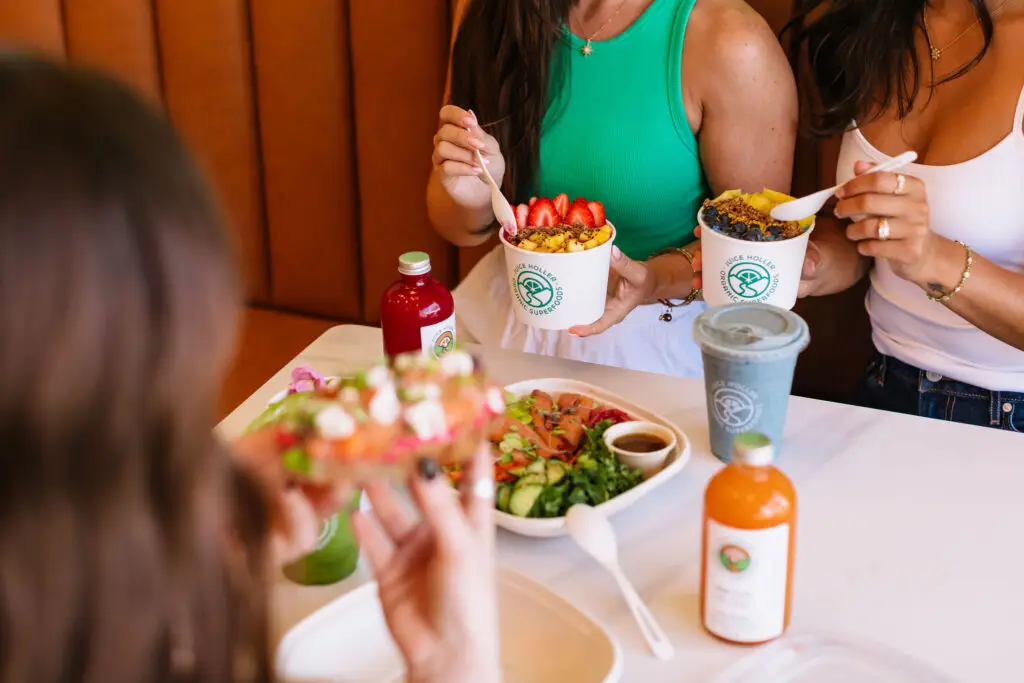
West Coast wellness culture meets the community feel of Southern Appalachia at Juice Holler. Juice Holler’s menu consists of made-to-order smoothies and smoothie bowls, as well as grab-and-go cold-pressed juices, wellness shots, salads, and more. It operates from the blissfully simple premise that fueling up with food and drink that’s guilt-free and good your body should be simple, accessible, and, above all else, delicious. And if you haven’t yet made it out to the Encinitas café, which opened just this year, let us be the first to tell you: Juice Holler delivers on each and every of these fronts.

We love the Supercharger smoothie, a mood-lifting and body-fueling option made with banana, almond butter, blue spirulina, maca, grass-fed whey protein, raw cacao nibs, medjool dates, and coconut milk. We’re also partial to the Thrive Alive smoothie bowl, where avocado, mango, sea moss, spirulina, mint, coconut milk, and agave are mixed and topped with coconut, chia seeds, strawberry, mango, and chocolate drizzle. The wellness shots include the Detoxifier, a cleansing blend of kale, cucumber, lemon and spirulina, plus a shot specially designed to fight inflammation (named, fittingly, Anti-Inflammation). Probiotic overnight oats, lemon turmeric bars, and strawberry shortcake chia pudding are other standouts on the grab-and-go menu.

Much of the vibe feels beachy North County chic—think green tile with orange and pink accents, grounded with greenery and natural wood—but Juice Holler founder Kelly Sergott, a longtime Encinitas local, has also enfused the space with her Kentucky roots. In Appalachia, a holler is small valley between hills and mountains, where nature reigns, community is king, and nourishment comes right from the land. At Juice Holler, Sergott has created a holler for the busy modern times, using local ingredients to create a spot for people to come together and enjoy fresh, fast, feel-good fuel for their day.

Everwell Acupuncture

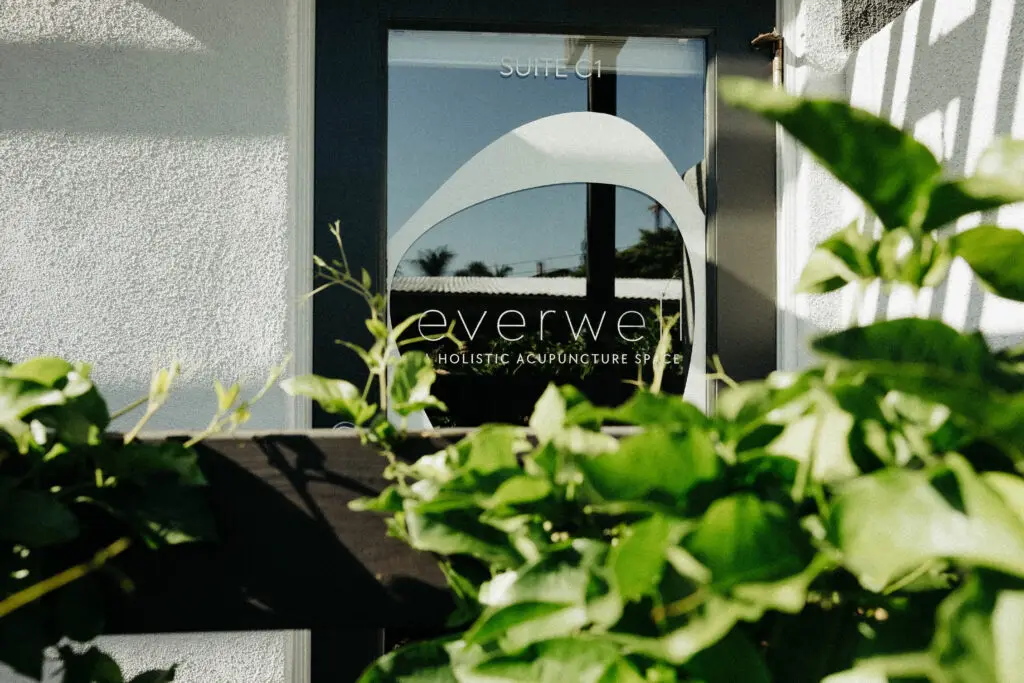
We’ve all had that experience with a medical professional where we’ve felt rushed, ignored, or misunderstood—and ultimately, like we didn’t get the answers that we needed. But at Everwell, the holistic acupuncture practice located in Solana Beach, the care team wants to transform your understanding of what healthcare can look like.

Patients at Everwell experience care rooted in intentional listening and radical empathy—and trust us, those aren’t just corporate buzzwords. This place actually puts those ideas into practice. You will always be given the time you need to tell your story— initial in-take appointments are two hours long—and you can rest assured that your story will be believed. Every single question and concern will be addressed by a dedicated practitioner who wants to find the specific solutions that work best for you, and you’ll receive care that’s aimed at healing the body, mind, and spirit.

Everwell’s highly trained, doctorate-level practitioners blend evidence-based acupuncture with the practice of classical Chinese medicine. (If you’ve never tried acupuncture before or aren’t sure if the team will be a fit, we’d highly recommended Everwell’s complimentary 20-minute consultations.) Research shows that by stimulating specific points on the body, acupuncture activates a natural healing response in the body, helping to restore balance, regulate the nervous system, and improve overall wellbeing. This allows the practice to address an incredibly wide range of conditions from chronic pain and autoimmune disorders to digestive issues, from stress and burnout to headaches migraines, fertility and postpartum struggles, hormonal imbalances, sleep concerns and more.

At Everwell, you can expect to feel heard, trusted, respected, and cared for. This is a space that doesn’t want to be just another healthcare provider you visit; it wants to provide patients with dedicated partner who will be there for their entire health journey.

Partner Content

Eat Like a Local (Who Knows a Guy).

Restaurant news, culinary storytelling, and Troy Johnson’s sharp takes delivered straight to your inbox twice a month.

Close the CTA

Contact Us

1230 Columbia Street, Suite 800,

San Diego, CA