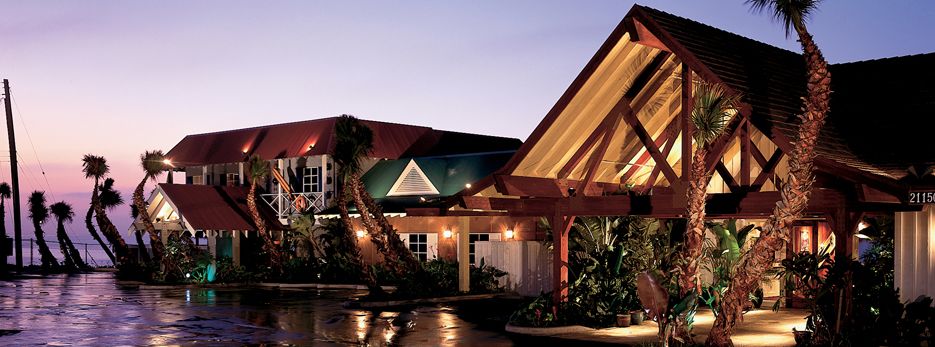
Top of the Cove was an icon, pure and simple. Perched atop the oceanic cliffs overlooking La Jolla Cove, it reigned over the dining scene for decades. And then it shuttered. Its long closure was a reminder of just how bad things had gotten in the American economy.
And now it has new life. Duke’s La Jolla is officially open. Most know Duke’s from the Hawaii locations, which are also sprawling, come-as-you-are waterfront restaurants. It’s named after Duke Kahanamoku, the legendary Hawaiian surfer and owned by T S Restaurants, based in both Hawaii and California,
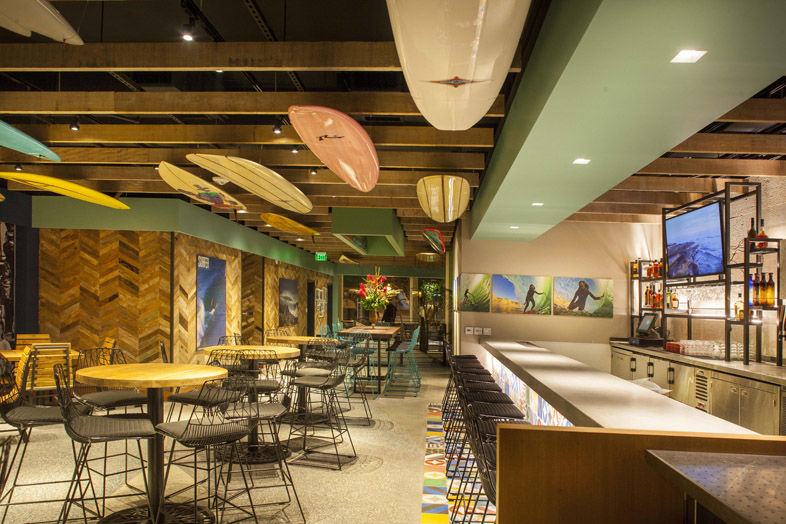
The 13,000 square-foot, two-floor space has two dining spaces—the main dining room with seating for 230, and the second floor with room for 150. Both, smartly, have plenty of outdoor dining. It was designed by La Jolla’s MarengoMorton Architects, Bill Parsons (chairman of T S Restaurants) and Hatch Design Group. Surfboards (donated or on loan from pro surf legends, shapers, collectors, friends, etc.) riddle the place. Photos of Duke and his wife put soul into the place. A piece of art depicts La Jolla beach life. There’s a shot of Black’s Beach (the famously nude beach, and world-class surf spot in La Jolla) by photographer John Maher.
For food, executive chef Anthony Sinsay is heading up the approachable menu. Expect Tahitian octopus cooked on a wood grill with smoked papaya, cucumber and coconut milk. Or charred snap peas with burnt pineapple vinaigrette and brie. A lilikoi ceviche has coriander stem, tomato, avocado and Fresno chile. You’ll also have roasted firecracker fish and 24-hour Korean kalbi short ribs with house-made kimchi.
At the bar, it’s craft beers from San Diego and California—but only on draft, an effort to cut down on the restaurant’s carbon footprint. There will also be wines on tap and fresh cocktails like the Duke’s Mai Tai with fresh passion-orange-guava juices and two types of rum. Or the Lavendar Colada with lavendar, coconut, pineapple and rum.
Boat drinks and beach food for everyone. Enough with the words. Please enjoy the first photos of Duke’s La Jolla. Duke’s is located at 1216 Prospect St., 858.454.5888.
Iconic Top of the Cove restaurant location gets new life
By Troy Johnson
After eight long years, one of the most iconic and prized restaurant locations in San Diego is finally getting a new tenant. The Top of the Cove—the 13,222 square-foot landmark location on Prospect Street—will now become Duke’s.
Duke’s is a chain of surf-culture restaurants named after surf legend Duke Kahanamoku. The first were opened in Hawaii and then expanded into SoCal (Huntington Beach, Malibu). It’s owned by one of the largest, family-owned restaurant groups on the west coast, T S Restaurants, which has home offices in Solana Beach and Maui. Duke’s will be their second San Diego restaurant (Jake’s Del Mar was the first), and their fourteenth waterfront property (including Sunnyside in Lake Tahoe).
“We are thrilled to have the opportunity to create a dining experience specifically for this unique landmark location,” says CEO Bill Parsons. “In the tradition of T S Restaurants, we look forward to providing guests with a magnificent setting along with delicious food and striking décor inspired by Duke Kahanamoku and the beach lifestyle here in La Jolla.”
The deal was brokered by Michael Burton and Danny Fitzgerald of Urban Strategies Group. “La Jolla has the best weather in the country,” explains Burton, a La Jolla native. “But we didn’t have a family place where we could sit outdoors overlooking the water, and have a great meal in a more casual environment.”
“Ownership’s goal was to bring additional traffic to Prospect Street, instead of dividing up the existing clientele by doing another ultra high-end, luxury concept,” he explains. “We wanted a high-quality operator with a proven track record, and we wanted to create a different experience.”
Top of the Cove first opened in 1955. It was the crown jewel of Prospect for decades, a place to prove you hadn’t forgotten your wedding anniversary. After swapping owners multiple times, it finally closed in 2006 and has been vacant since—the most high-profile reminder of the ailing economy. Owner Sheila Lipin spent millions renovating the property and put it on the market for $7.5 million in 2011.
Now two stories, the plan is for a more casual bar upstairs and a dining room on the bottom floor. La Jolla’s Marengo Morton Architects will handle the build-out along with Hatch Design Group (Island Prime, Jimmy’s Famous) and SixteenFifty (Rancho Valencia, L’Auberge). They’re shooting for a fall 2015 open.
Iconic Top of the Cove restaurant location gets new life
By Troy Johnson
After eight long years, one of the most iconic and prized restaurant locations in San Diego is finally getting a new tenant. The Top of the Cove—the 13,222 square-foot landmark location on Prospect Street—will now become Duke’s.
Duke’s is a chain of surf-culture restaurants named after surf legend Duke Kahanamoku. The first were opened in Hawaii and then expanded into SoCal (Huntington Beach, Malibu). It’s owned by one of the largest, family-owned restaurant groups on the west coast, T S Restaurants, which has home offices in Solana Beach and Maui. Duke’s will be their second San Diego restaurant (Jake’s Del Mar was the first), and their fourteenth waterfront property (including Sunnyside in Lake Tahoe).
“We are thrilled to have the opportunity to create a dining experience specifically for this unique landmark location,” says CEO Bill Parsons. “In the tradition of T S Restaurants, we look forward to providing guests with a magnificent setting along with delicious food and striking décor inspired by Duke Kahanamoku and the beach lifestyle here in La Jolla.”
The deal was brokered by Michael Burton and Danny Fitzgerald of Urban Strategies Group. “La Jolla has the best weather in the country,” explains Burton, a La Jolla native. “But we didn’t have a family place where we could sit outdoors overlooking the water, and have a great meal in a more casual environment.”
“Ownership’s goal was to bring additional traffic to Prospect Street, instead of dividing up the existing clientele by doing another ultra high-end, luxury concept,” he explains. “We wanted a high-quality operator with a proven track record, and we wanted to create a different experience.”
Top of the Cove first opened in 1955. It was the crown jewel of Prospect for decades, a place to prove you hadn’t forgotten your wedding anniversary. After swapping owners multiple times, it finally closed in 2006 and has been vacant since—the most high-profile reminder of the ailing economy. Owner Sheila Lipin spent millions renovating the property and put it on the market for $7.5 million in 2011.
Now two stories, the plan is for a more casual bar upstairs and a dining room on the bottom floor. La Jolla’s Marengo Morton Architects will handle the build-out along with Hatch Design Group (Island Prime, Jimmy’s Famous) and SixteenFifty (Rancho Valencia, L’Auberge). They’re shooting for a fall 2015 open.
There’s a blink-and-you’ll-miss-it sign tacked on a utility pole on a residential street in La Mesa with one word scrawled across it: SOURDOUGH. Megan Loney has lived in the Academy Heights neighborhood all her life—in fact, her parents reside next door and she lives in the house she grew up in. Out of her kitchen, she runs Gemini Twins Bakery. But based on demand, she may need to start looking for space somewhere else.
“We already have, let’s see, one, two, three…” she counts the equipment around the room. “Six fridges in the house.” (One fridge even gets delivered in the middle of our conversation.) Of course, not all of them are for the bakery, she adds. Half are dedicated to fermentation, from pickling peppers to making kombucha.
Scientists have long touted the benefits of yeast and bacteria converting sugars as a way to improve digestion and overall gut health (among other benefits) for many years. Handmade, housebaked sourdough bread has particularly regained popularity after a dip in production during the commercial bread heyday of the mid-20th century, driven in part by at-home attempts during the pandemic. Loney began experimenting with her sourdough starter in 2019, hoping to improve her family’s nutrition and eating habits.
It didn’t click right away. “It took me a year to keep my starter alive,” she laughs. “I didn’t bake any bread until 2020.” Once she did manage to nurture her starter to life, she taught herself how to bake better versions of store-bought items. “Look at anything on a label in a store these days, and it’s terrifying!” she says. “I was like, ‘No, no, no, we can do this fresh.’”
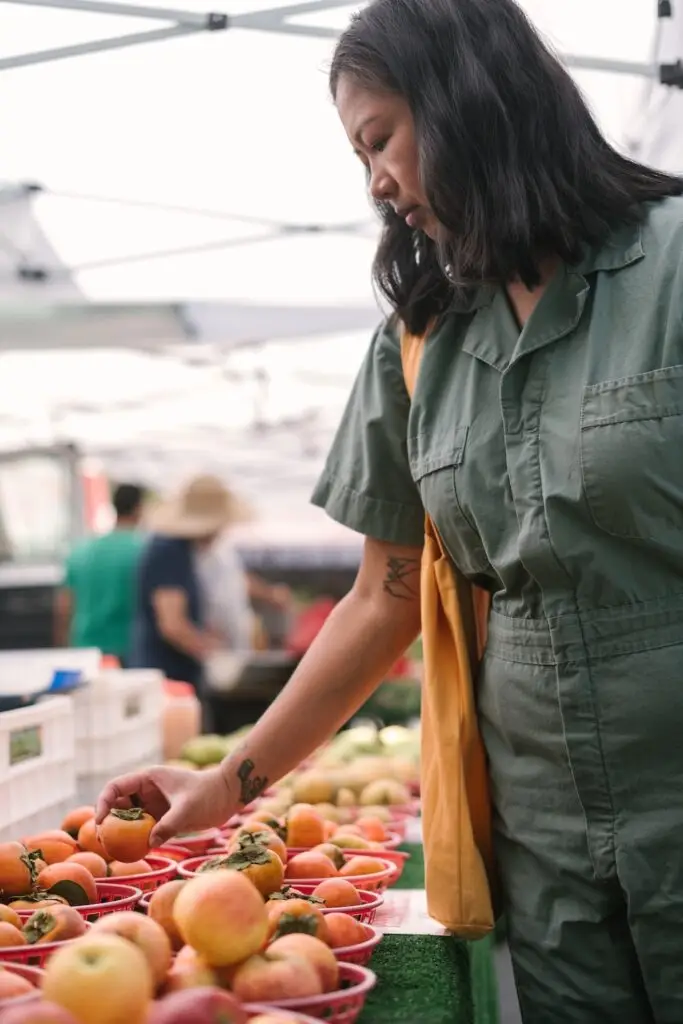
Loney started selling loaves and baked goods to friends and family before officially launching Gemini Twins (named after her twins, naturally) in 2024, first appearing at La Mesa Oktoberfest. Now, you can pick up her products at the Lakeside farmers market on Thursday afternoons, the Sharp Grossmont farmers market every other Friday morning, Cardiff farmers market on Saturday mornings (although not as the main bread vendor), and the first and third Saturdays of every month in her driveway—just follow the sourdough signs.
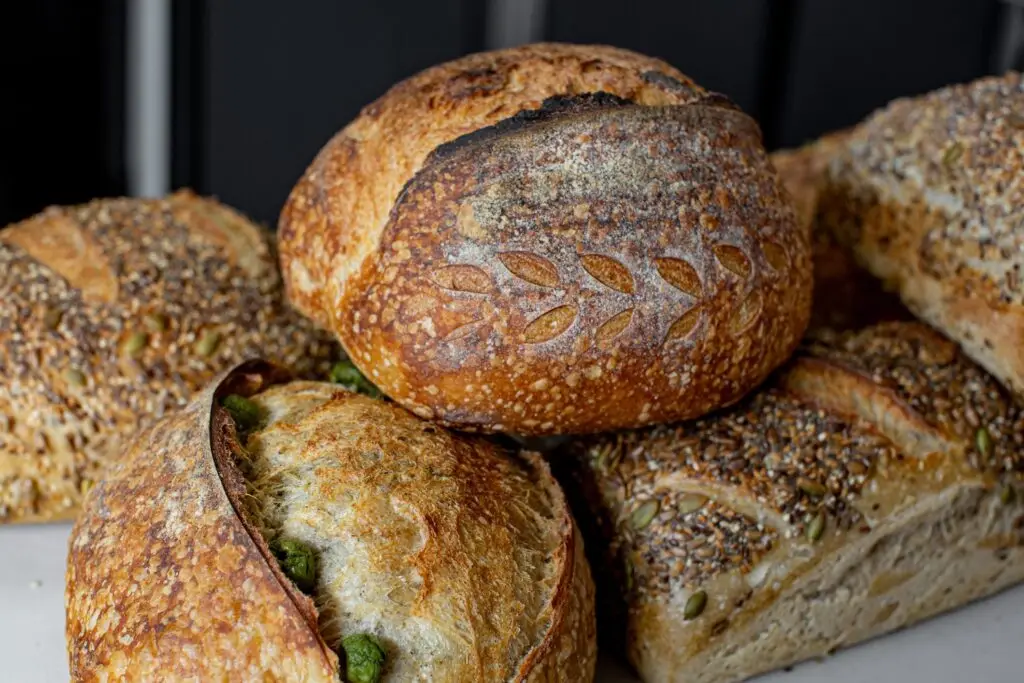
Gemini Twins mainly sells sourdough loaves, both traditional and flavors like blueberry lemon basil (made with lemon basil, not lemon and basil) and Dilly Jack (dill, Monterey Jack cheese, and dried onion), plus cookies, cinnamon rolls, scones, and bagels. Loney makes her own in-house blend of fresh-milled whole grain wheat that she mills herself, along with Central Milling organic high-mountain bread flour, a blend of spring wheat and high protein winter wheat. Using organic is key, she says, to avoid negating the health benefits of fermentation with possible exposure to pesticides, herbicides, or other chemicals.
After leaving a steady job in construction to launch Gemini Twins, she’s determined to make it work by any means necessary—literally. When she was pregnant with her youngest child, she was baking up until and actually on the day she gave birth. “It’s a dedication for sure, but it’s one that I love,” she says. Launching a viable sourdough brand isn’t exactly the easiest business to get into—most farmers markets and small grocers already have an overabundance of products. But the chance to be her own boss, support her wife who’s currently going to school full-time (as well as their kids), work from home, and share her wares across San Diego? It’s worth it. “The most important part is that it’s family-based,” she says. “We’re just hoping to see it grow… there’s a pretty big horizon in front of us.”
Beth Demmon is an award-winning writer and podcaster whose work regularly appears in national outlets and San Diego Magazine. Her first book, The Beer Lover's Guide to Cider, is now available. Find out more on bethdemmon.com.
Today’s seniors are more connected than ever, with a renewed focus on retirement as a time of discovery and enriching experiences. The ultimate reward for a retirement well-earned is the wisdom to appreciate it all, and what better place to enjoy that unique perspective than Vi at La Jolla Village, in the heart of San Diego.
All-access pass to good living.
As a Continuing Care Retirement Community (CCRC), Vi provides access to a connected and fulfilling community while making it easy to plan for future care, should the need ever arise. With a care plan in place, residents enjoy greater financial predictability and long-term value, freeing them to focus on making the most out of retirement.
Resort-style amenities at the epicenter of a cultural hub like San Diego offer a retirement experience unlike any other. Paired with exceptional dining, spacious accommodations and dedicated staff, the best of maintenance-free living is all around. And with the introduction of Vista 360 Well-Being, Vi’s panoramic approach to wellness, there are more ways than ever for residents to access it all.
The harmony of mind, body and community.
Courtesy of Vi at La Jolla Village
The key to longevity is striking the right balance in maintaining an active lifestyle with an active mind in a fulfilling community. With newly renovated community spaces and restaurants, Vista brings a variety of opportunities for residents to elevate their well-being through Vi-exclusive “Signature Experiences.”
Vista Enrich takes an evidence-based approach to brain vitality, keeping residents at the forefront of cognitive health through exergaming (exercising + gaming), nutritional plans and informative workshops. It is also home to The Brain Vitality Studio, an innovative facility dedicated to cognitive fitness that has garnered national recognition.
Vista Discover invites residents into stimulating educational experiences, from chef-led cooking demos and guided wine tastings to lectures at local universities and intimate lectures following cultural outings.
While Vista Enrich focuses on brain health and Vista Discover engages residents intellectually, Vista Explore cultivates a sense of adventure through curated travel and local excursions. But broadening one’s horizons doesn’t always require a plane ticket. One recent event brought a taste of the world right to the community: an onsite “jazz cruise” featuring live music and global cuisine served at a series of themed “ports” all within the community’s own ballroom.
“Location, location, location”
Courtesy of Vi at La Jolla Village
One of the biggest perks of life at Vi at La Jolla Village is its proximity to just about everything. With easy access to transportation and local attractions just steps away, residents can explore and engage with their community at their own pace.
“There are trolley and bus stops within a 5-minute walk that will get you to the beach, UCSD Campus, medical appointments, downtown La Jolla or San Diego, et cetera. We rarely use our car,” said resident Tom Yager.
With the best of San Diego just steps away, residents don’t just live in the city, they live within reach of everything that makes it special.
The best of all worlds.
Courtesy of Vi at La Jolla Village
At Vi at La Jolla Village, retirement isn’t a chapter to slow down; it’s an invitation to discover more. Tailored community experiences created by Vista, paired with the vibrant pulse of San Diego just outside the door, mean that residents don’t have to choose between security and adventure, connection and independence. They get all of it.
This is what an all-access pass to good living looks like: the comforts of an elevated lifestyle, a community built for growth and a city made for discovery – all in one place.
To learn more about Vi at La Jolla Village or for details on available floor plans, visit ViatLaJollaVillage.com/SDM.
As a child, Chantal Partolan never considered cooking as a viable job route. Rather, it was a passion she could turn to as a way to flex her creative muscle, from the time she was in school all the way into adulthood working in a corporate space.
“I never felt like [cooking] was a chore, like some other people feel,” she says. To feed that passion, she started hosting supper clubs in 2022, creating menus and full tablescapes to bring together friends and family. With each successful gathering, she wondered: Could she take this further?
In 2024, she did. Officially launching as Bik-Lun, she began small, hosting baking pop-ups in Long Beach before moving back to her hometown of San Diego in 2025. Now, Partolan still mostly pops up at small local businesses like Moniker General and Joon Shoppe, but now also offers small batch catering and private chef services, all centered around her father’s Filipino and her mother’s Chinese heritages.
Photo Credit: Megan Jane Burgess
Bik-Lun (pronounced bik-LUHN, like “fun”) is named for her mother. “When she migrated to America when she was younger with all her siblings, they all got American names,” Partolan says. She doesn’t strictly adhere to rigid culinary rules—instead, she lets memories drive her creations.
“Now that my grandparents are no longer here, trying to revisit those memories and share them with others has been a really important part of this journey for me,” she explains. Ingredients like red bean and black sesame reflect her Chinese roots, while more savory items like sinigang (a sour and savory Filipino soup) pay homage to her father’s family.
You can next catch Bik-Lun on September 27 at Home Ec + Best Bud with Magnaye (formerly One of One), October 3 at Patine’s new location in Bankers Hill, and October 10-11 at the Mingei Museum for Merkado Kultura, a makers market for Filipino producers. Partolan says since most customers are familiar with her sweet products, she’s planning to offer more savory items—like a breakfast sandwich—at the Home Ec event to give people a taste of her creative versatility.
Eventually, she hopes to add some permanent residencies to Bik-Lun’s schedule—a few are already in the works, so stay tuned—while also looking for ways to combine her food and photography expertise. (A cookbook? Maybe, she says.) But in the meantime, Partolan will remain curious about where she comes from—and how it can take her to where she’s going.
Courtesy of Izola Bakery
San Diego Restaurant News & Food Events
Beth’s Bites
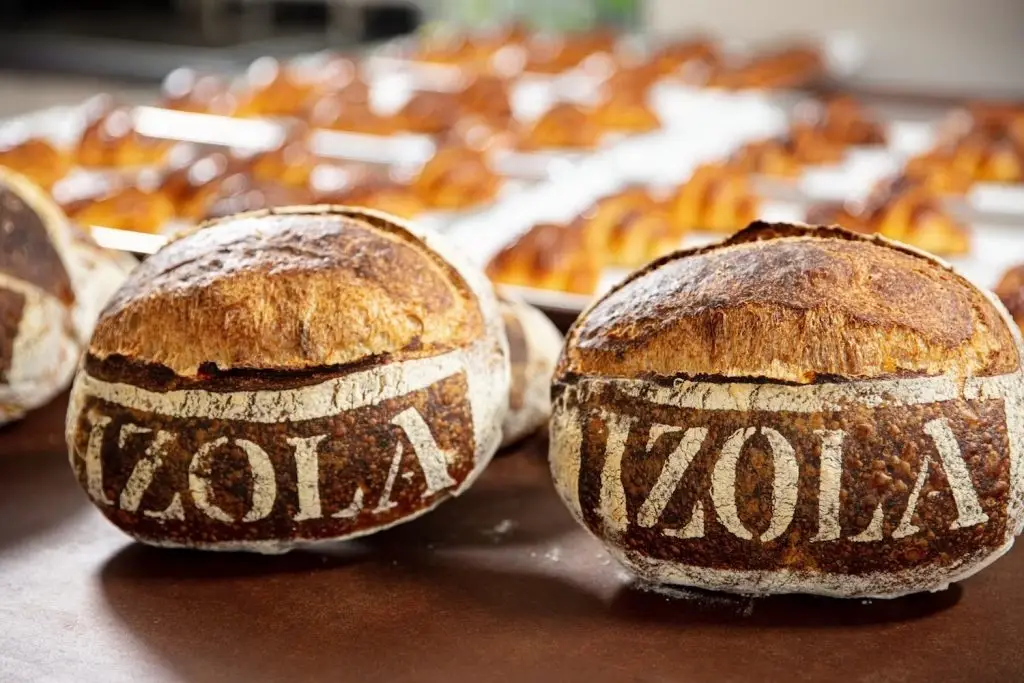
Izola Bakery has long discussed its expansion plans, and at long last, there’s finally some traction. The award-winning East Village bakery will officially move into its second location at the former California English space in Sorrento Valley, hopefully by the end of the year, according to owner Jeffrey Brown. In the meantime, the downtown location will continue to churn out plenty of buns, croissants, sourdough, and more to keep your carb cravings at bay.
Why settle for beer at Oktoberfest when you can have cider? Bivouac Ciderworks is throwing their version of Septemberfest, on Saturday, September 26 from noon to 5 p.m. at their North Park taproom and restaurant. Entry is free, and there will be plenty of German-inspired bites and eats to enjoy. I’m particularly eyeing the apple strudel cider float and Bavarian cider-kraut, but in all likelihood will also be getting a soft pretzel or two as well.
Listen Now: The Latest in San Diego’s Food and Drink Scene
Have breaking news, exciting scoops, or great stories about new San Diego restaurants or the city’s food scene? Send your pitches to [email protected].
Beth Demmon is an award-winning writer and podcaster whose work regularly appears in national outlets and San Diego Magazine. Her first book, The Beer Lover's Guide to Cider, is now available. Find out more on bethdemmon.com.
As a kid, Jacob Chen scrounged up whatever odd jobs he could—running lemonade stands, organizing garage sales, reselling appliances on Facebook Marketplace. But there was something about cooking that kept him coming back to the kitchen. “It started as a way for me to spend time with my mom,” he says. “In a way, I think it was inevitable that I would begin a food-based business.”
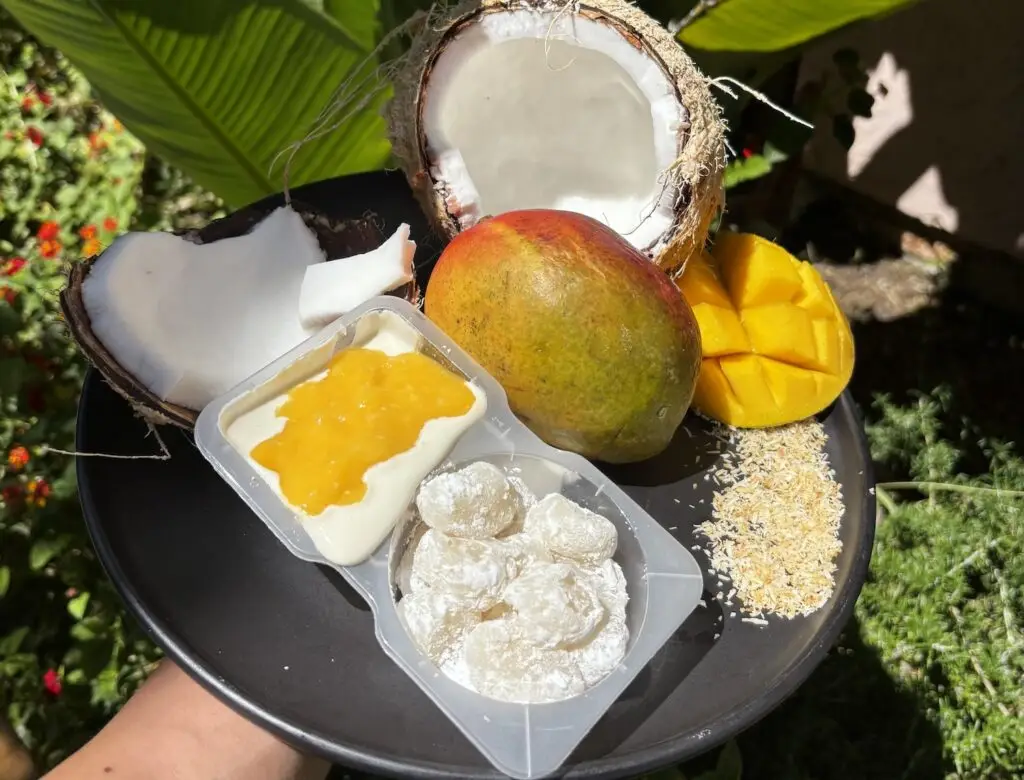
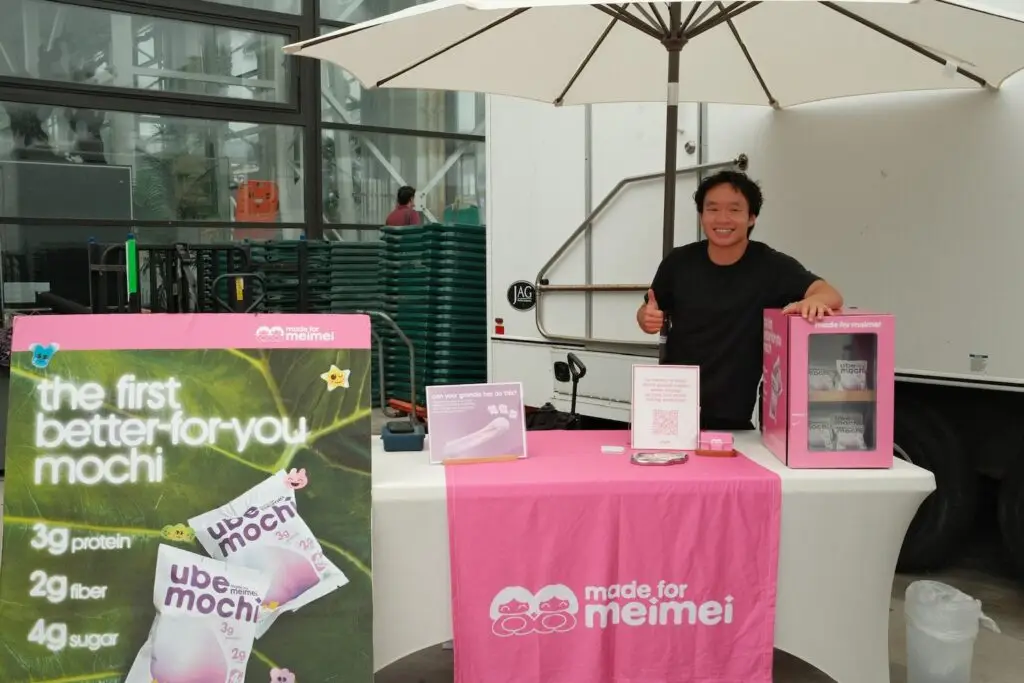
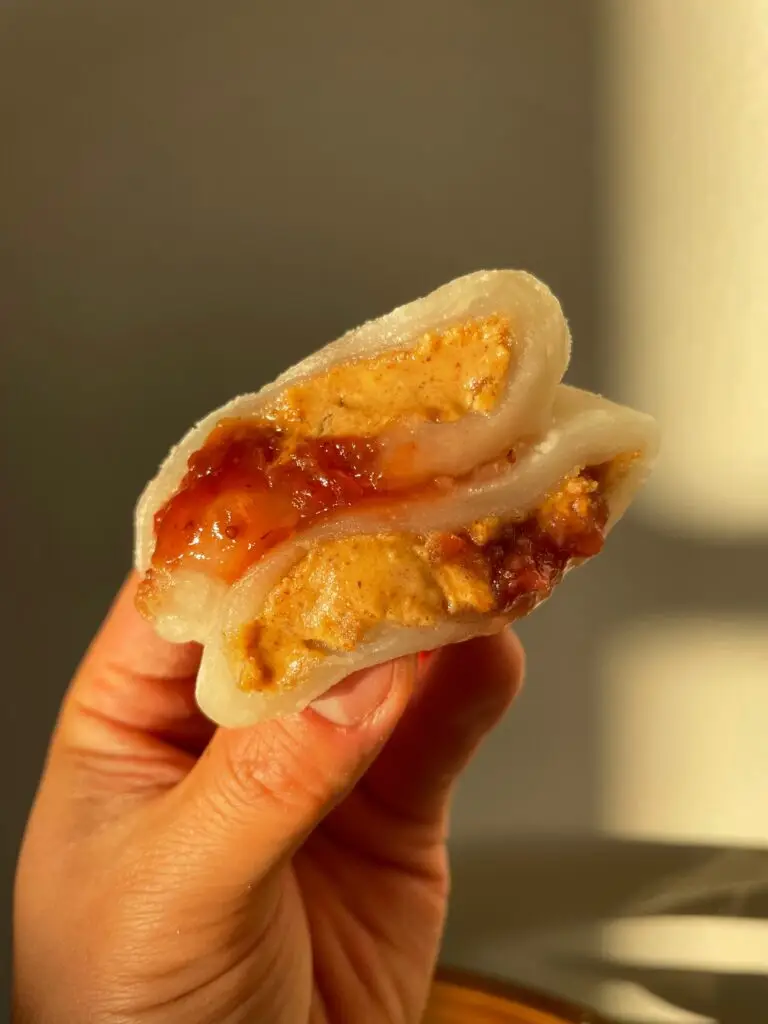
That business ended up being Made for MeiMei, a line of low-sugar, high protein and fiber mochi flavors like ube, matcha, red bean, black sesame, peanut butter and jelly, and chocolate hazelnut. “‘Mochi’ is derived from ‘mochigome,’ which is the special type of short grain rice that gives mochi its stretchy, chewy texture,” he explains. Traditionally served in Japan as a dessert to celebrate the new year (similar to bibingka in the Philippines and nian gao in China), American-style mochi tends to taste sweeter and often comes as mochi ice cream. However, Chen points out that wasn’t always the case.
Courtesy of Made for MeiMei
“Before mochi was synonymous with ice cream and refined sugar, it was simply a rice based snack filled with whole food ingredients,” he says. “That’s the version of mochi we’re trying to bring back.”
Made for MeiMei’s primary ingredients are rice flour and coconut milk, plus the featured ingredient for each flavor. But rather than using refined sugar, Chen sweetens his mochi with monk fruit and uses organic pumpkin seed protein and chicory root fiber to create what he calls “the first better-for-you mochi.”
Recent collaborations include a mochi-wrapped gelato with An’s Dry Cleaning, strawberry daifuku cream puff with Mon Chourie, and a funfetti chantilly cream dip mochi with The Clovery, but Chen has his sights set on retail expansion. Currently, Made for MeiMei products are available online, locally at Easy Does It Cafe, Bodega Market, or at upcoming events like Embolden Beer Company’s Taste of Shogun on September 27 (admission is free!) and a pop-up with Organic Oren on October 5.
Courtesy of Made for MeiMei
Besides being better for you nutritionally, Chen’s goal for the business is to also be better for the world. He’s worked in rehabilitation clinics and volunteered at San Quentin when he lived in Berkeley—experiences that transformed his worldview. “It really doesn’t take much to be on the other side of the fence,” he says. That’s why he donates portions of proceeds to organizations like Second Chance San Diego (which helps formerly incarcerated people find steady employment), Immigrant Defenders Law Center (a nonprofit deportation defense law firm), and Border Angels, an advocacy group working to reduce fatalities of people crossing the United States and Mexico border.
Chen has his sights aimed high, hoping to bring Made for MeiMei to more local grocery stores and cafes before hitting national retail shelves. Will he stop at mochi? Maybe not.
“There are so many childhood treats that could use an ingredient upgrade,” he says. “Mochi is just the beginning!”
Courtesy of Roppongi Restaurant & Lounge
San Diego Restaurant News & Events
Leave It Up To The Chefs at Roppongi
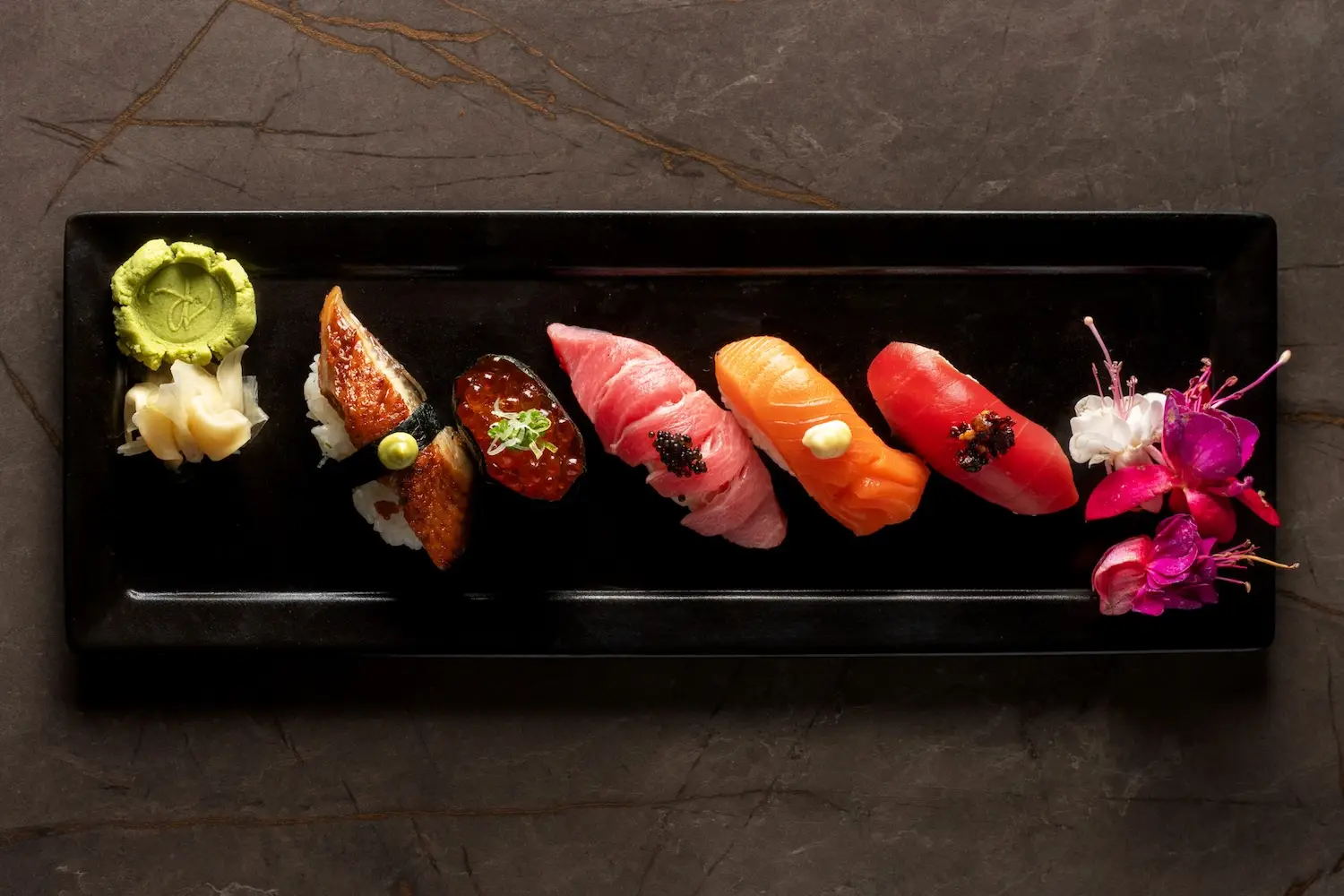
There’s no such thing as too much omakase, and we’re leaning in. On September 24, chef Davin Waite (The Plot, Wrench & Rodent) will join chef Mark Correa at Roppongi Restaurant & Lounge for a one-night-only, eight-course omakase experience with an optional (but personally recommended) beverage pairing curated by sommelier Humberto Ramirez. You definitely need to snap up a reservation for this one before they’re gone—and with a dream team like this, they will be gone.
Courtesy of Swells Sourdough Bakery
Beth’s Bites
Another weekend, another food festival—not that I’m complaining! On October 3, the 15th annual Taste of North Park hits the streets with over 50 tastings and 15 beverage stops awaiting your arrival. The event sells out every year (for real), thanks to participants like the newly opened One of Us, Falafel Heights, Finca, and many, many more. (Leave the parking stress at home—this is the ideal time to take advantage of the not-utilized-enough North Park parking garage.)
Swells Sourdough Bakery is movin’ on up—to Little Italy, that is. The farmers market favorite officially opens at 2254 India Street on October 1, but eager patrons can stop by during the soft opening starting September 26. Swimsuit season is over, people. It’s time to get our bagel on.
Longtime Point Loma watering hole Paradise Lounge & Grill is closing its doors, but only temporarily. I’m keeping an eye out for an official opening date, but the business has posted they hope by the end of September. Hopefully, it’ll be in time for the Padres to make the playoffs—manifestation!
Listen Now: The Latest in San Diego’s Food and Drink Scene
Have breaking news, exciting scoops, or great stories about new San Diego restaurants or the city’s food scene? Send your pitches to [email protected].
Beth Demmon is an award-winning writer and podcaster whose work regularly appears in national outlets and San Diego Magazine. Her first book, The Beer Lover's Guide to Cider, is now available. Find out more on bethdemmon.com.
Atrial fibrillation (AFib) is the most common cardiac dysrhythmia, affecting more than 10 million people in the U.S. The condition, characterized by an irregular and often rapid heartbeat, raises the risk of stroke, heart failure and death. Advances in electrophysiology, a subspecialty of cardiology focused on the heart’s electrical system, are transforming how AFib and other dysrhythmias are diagnosed and treated. Scripps electrophysiologists use state-of-the-art therapies—some of which they helped develop. They were instrumental in the pre-FDA approval research for an effective new treatment, pulsed field ablation, and are on the forefront of other innovative treatments. Click here to learn more.
For more nutrition, wellness, and healthy living tips, sign up for the San Diego Health newsletter here.