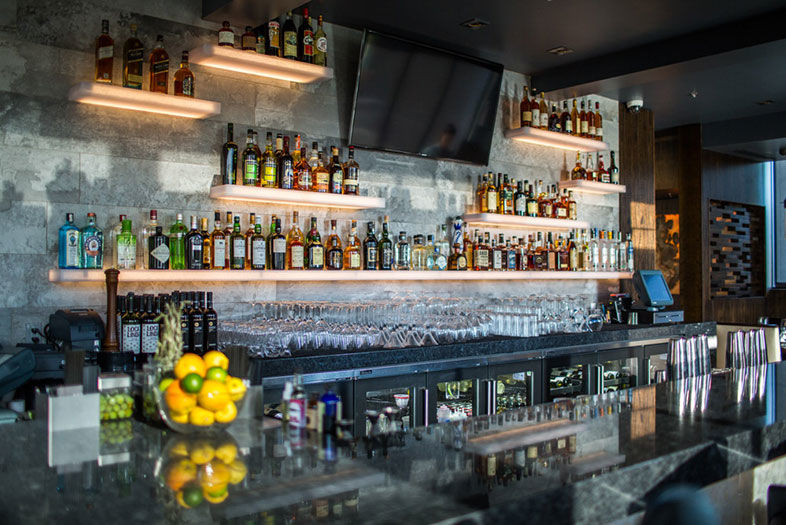
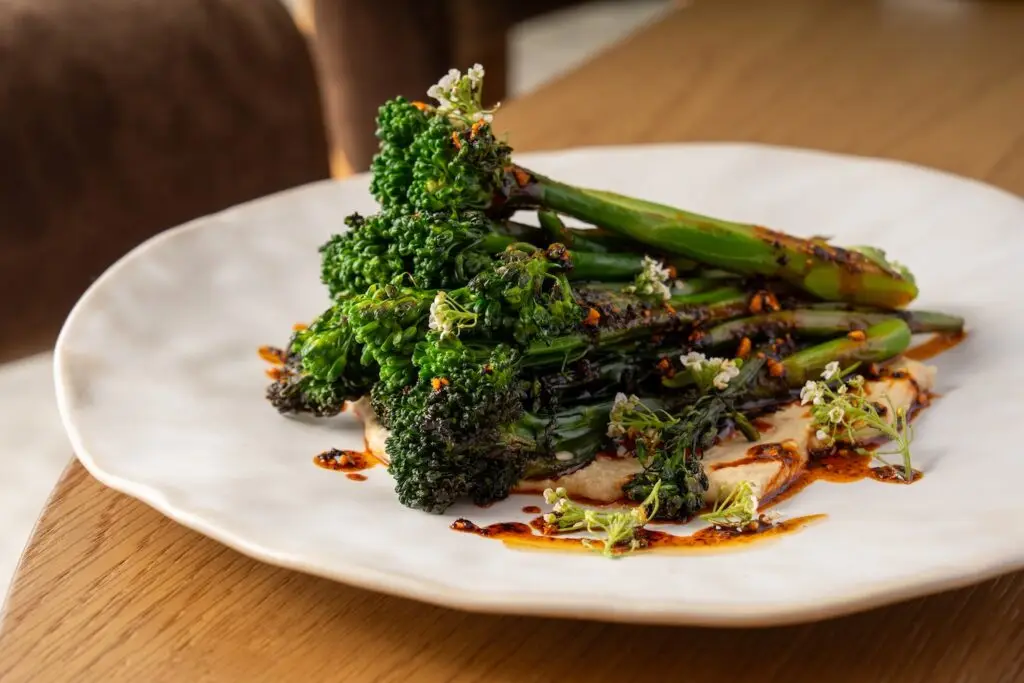
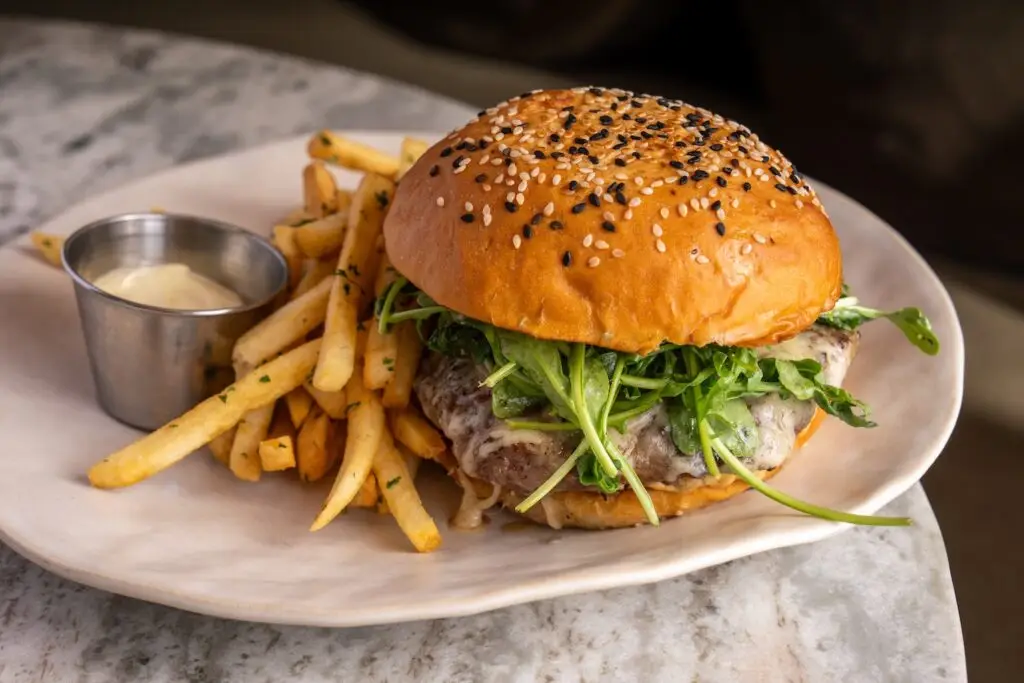
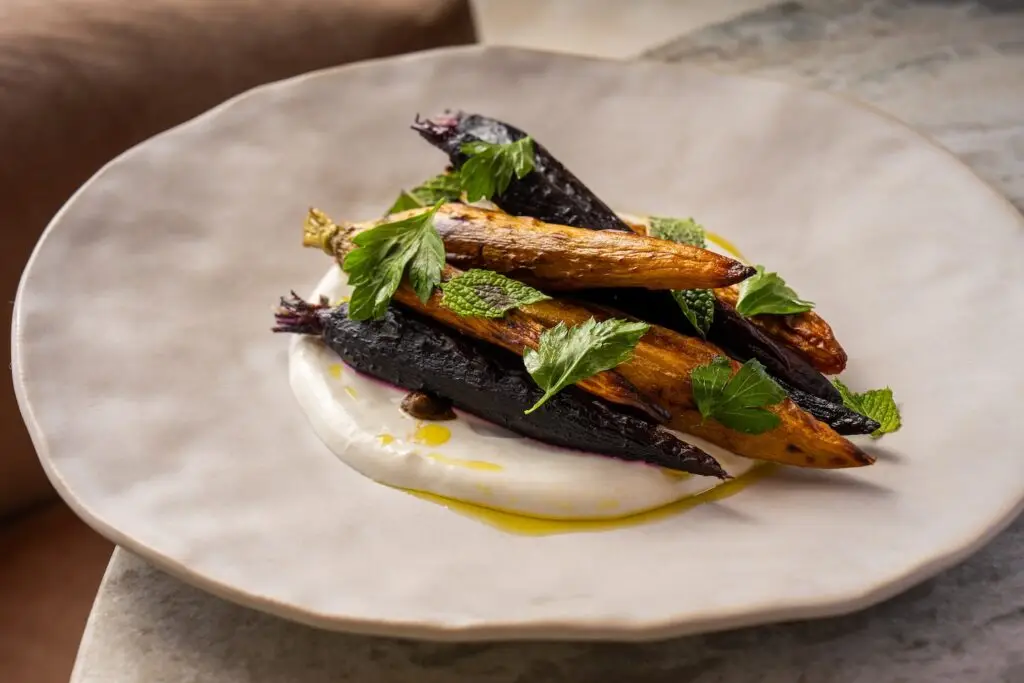
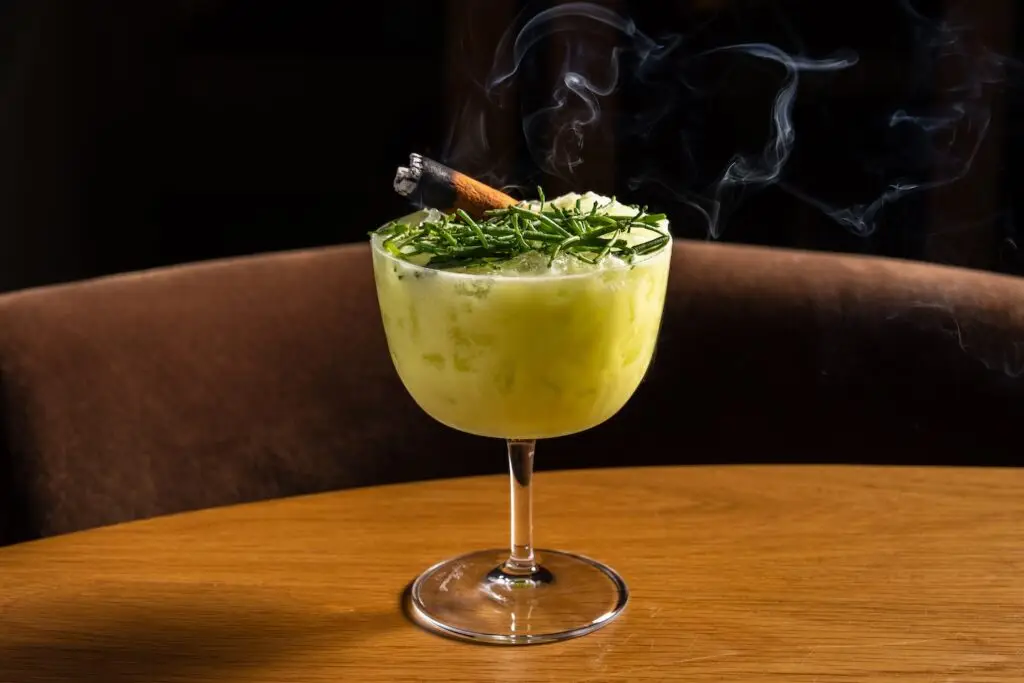
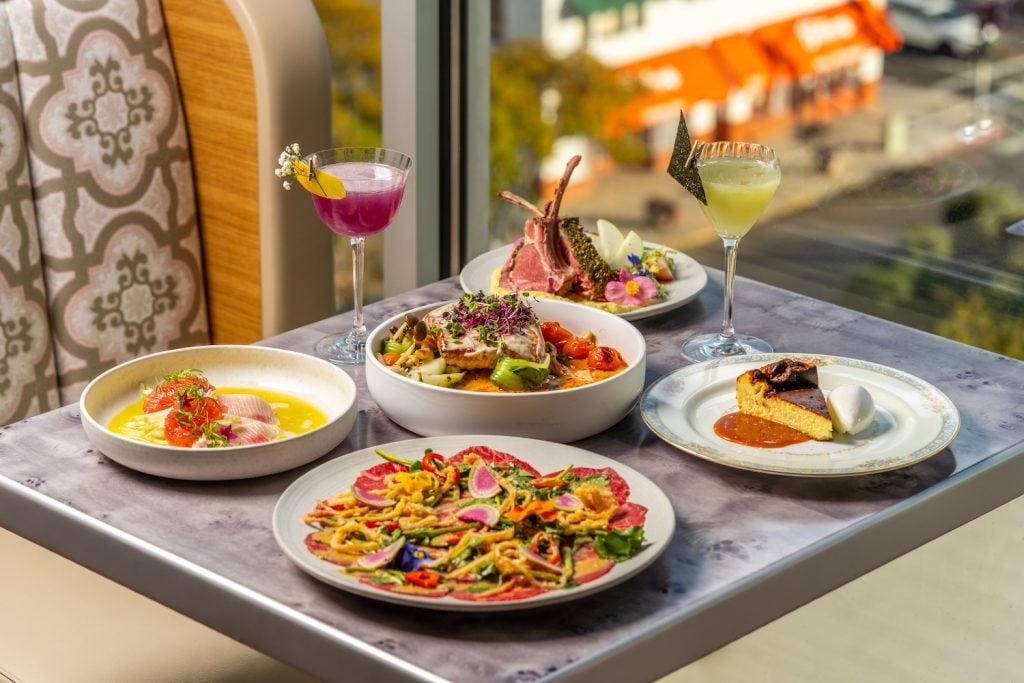
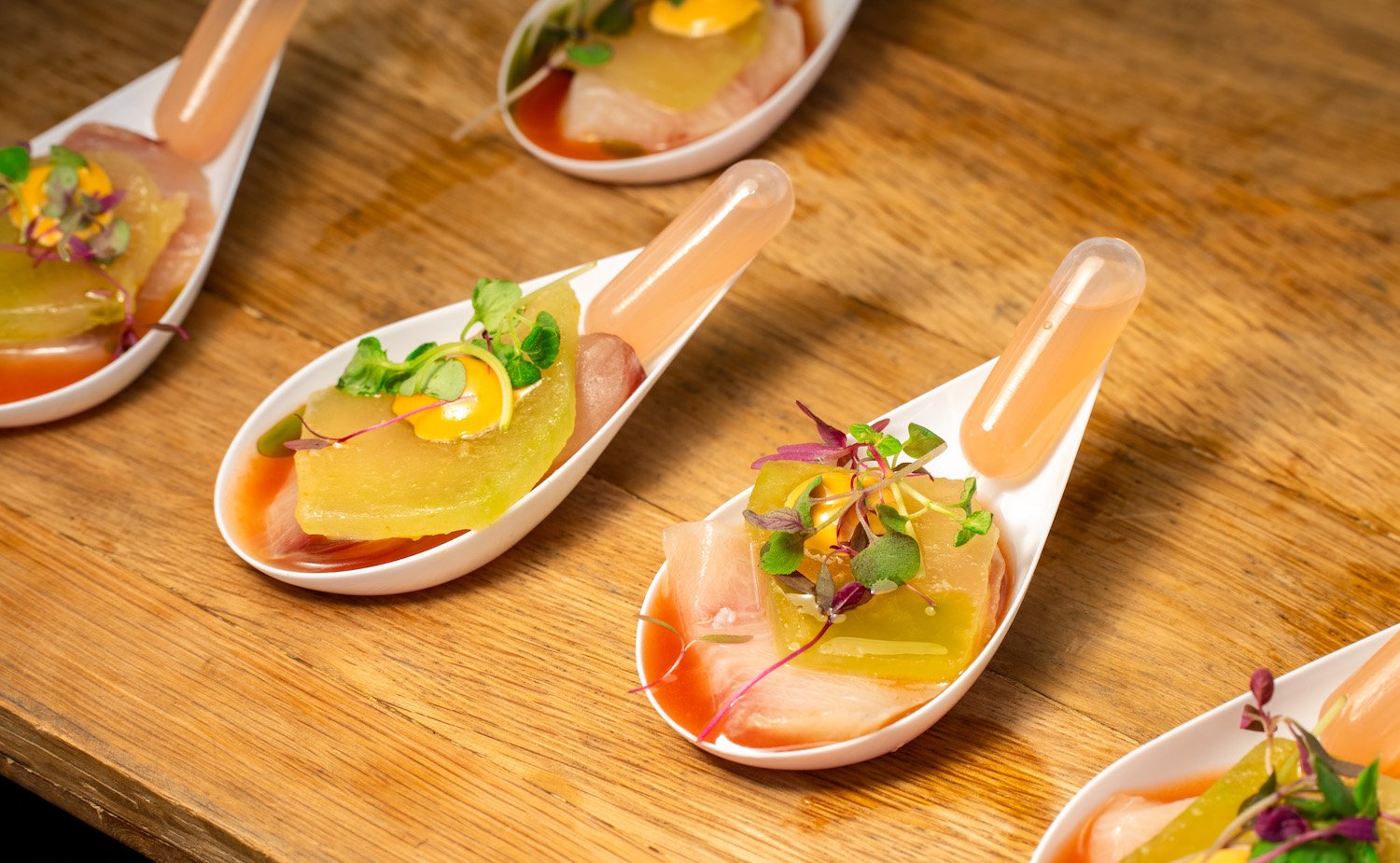
Blue Bridge Hospitality has emerged rather quickly as one of the top restaurant groups in San Diego. First they colonized Coronado with five concepts (MooTime Creamery, Village Pizzeria, Lil’ Piggy’s Bar-B-Q, Coronado Coffee Co.) and then they announced a huge Ferry Building-esque project called Liberty Public Market. But right now, the focus is on Stake. Set to open Nov. 6, their riff on the modern steakhouse takes over the second-floor perch in Coronado formerly occupied by Ristorante La Terazza. The team is really, really impressive, with exec chef Tim Kolanko (longtime right-hand man to Jeff Jackson at AR Valentien), wine director Greg Majors from Tom Colicchio’s Craft Restaurant, and pastry chef Francis Laureano (Bottega Louie in L.A.). This won’t be your father’s rich mahogany, leather and tuxedo steakhouse. It’ll feel more like now. Expect dry-aged steaks, raw and cooked oysters, plus imaginative dishes from Kolanko. We’ll get to the food later. For now, take a look at the first photos of Stake.
William Wordsworth’s 1807 poem “By The Sea” paints a glorious picture of a coastal sunset, elegantly describing the serenity that can only be found upon an ocean’s sandy shores.
It is a beauteous evening, calm and free, The holy time is quiet as a Nun Breathless with adoration; the broad sun Is sinking down in its tranquility
And as a San Diegan, I often have to pinch myself. We’re spoiled by this breathtaking beauty each day. Come August 12, Coronado will have a new place from which to soak in the Pacific’s peacefulness: By The Sea. Created by the team at Black Swan Hospitality (Nolita Hall), Doug and Lara Hamm brought to life a Mediterranean-meets-San Diego oasis influenced by their travels through the French Riviera, Italy’s Amalfi Coast, and the Greek Isles. (It’s not the first time the couple drew inspiration from the Mediterranean coast—their wedding took place on the island of Capri, their daughter’s namesake.)
Opening the 6,500-square-foot, second-story restaurant took longer than expected. First announced three years ago, the Hamms worked with Loren Wynn and Mellissa Ramos—their own in-house design studio (Creative House)—alongside Tecture (Lucien, Anigma Encinitas, Bivouac Ciderworks, George’s at the Cove) to create a space that feels more like a coastal villa than spartan dining room.
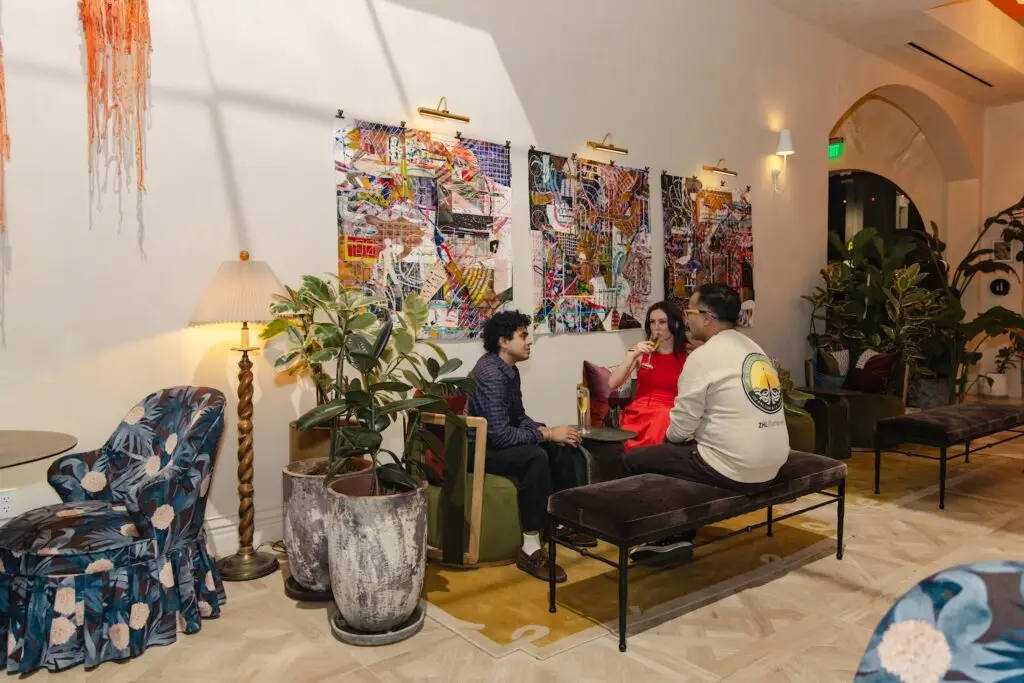
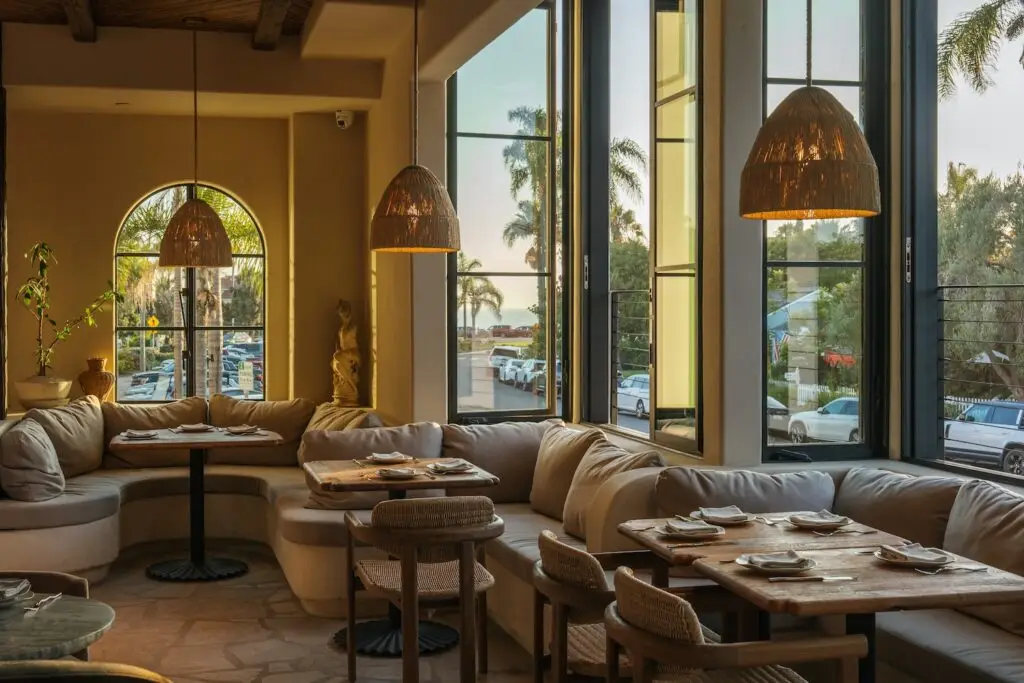
Guests enter via a cobblestone staircase to a light-drenched dining room and outdoor patio shaded by a eucalyptus wood trellis. Windows dot nearly every wall below the high ceiling of hand-stained willow reed thatching and exposed wood beams. “We have a beautiful lounge area with some textures such as velvet and marble,” says Lara. Everywhere feels organic, with materials like white oak and Italian limestone flowing throughout the open concept and semi-private dining areas.
Photo Credit: Kimberly Motos
The curvaceous travertine bar seats 24, while the 11 outdoor tables and 44 indoor tables and banquettes hold an additional 254 guests. It’s not quite oceanfront, but the peekaboo water view and floor-to-ceiling glass pocket doors allow the nearby sea breeze to drift across the dining room. (And if you’re the type of perpetually cold person once the mercury falls below 72, never fear—the outdoor fireplace and built-in heaters will keep you comfortable all year round.)
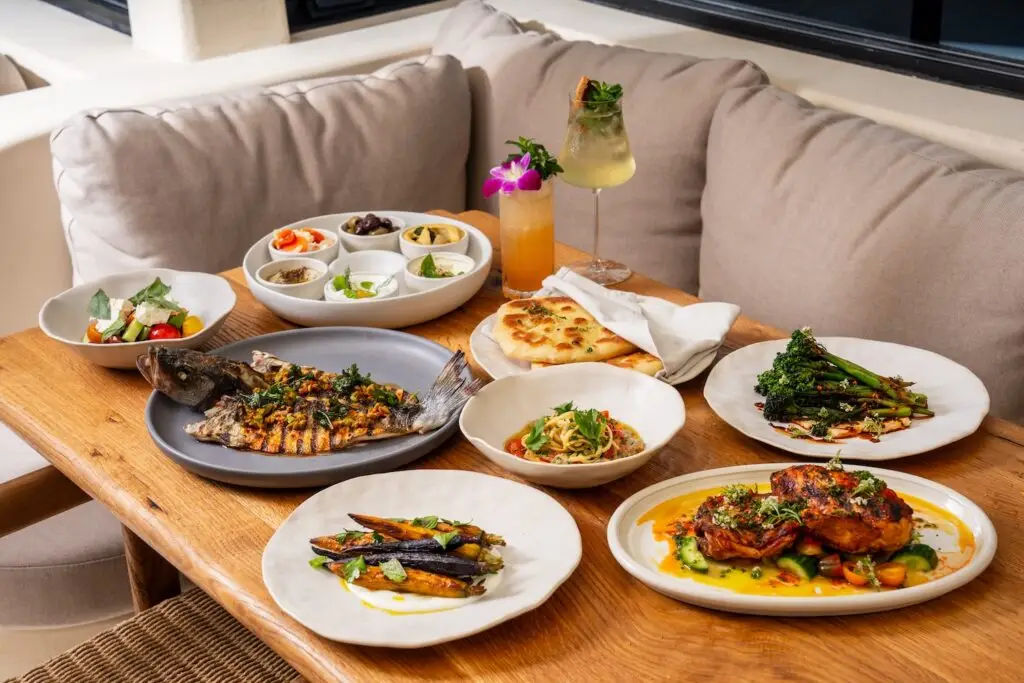
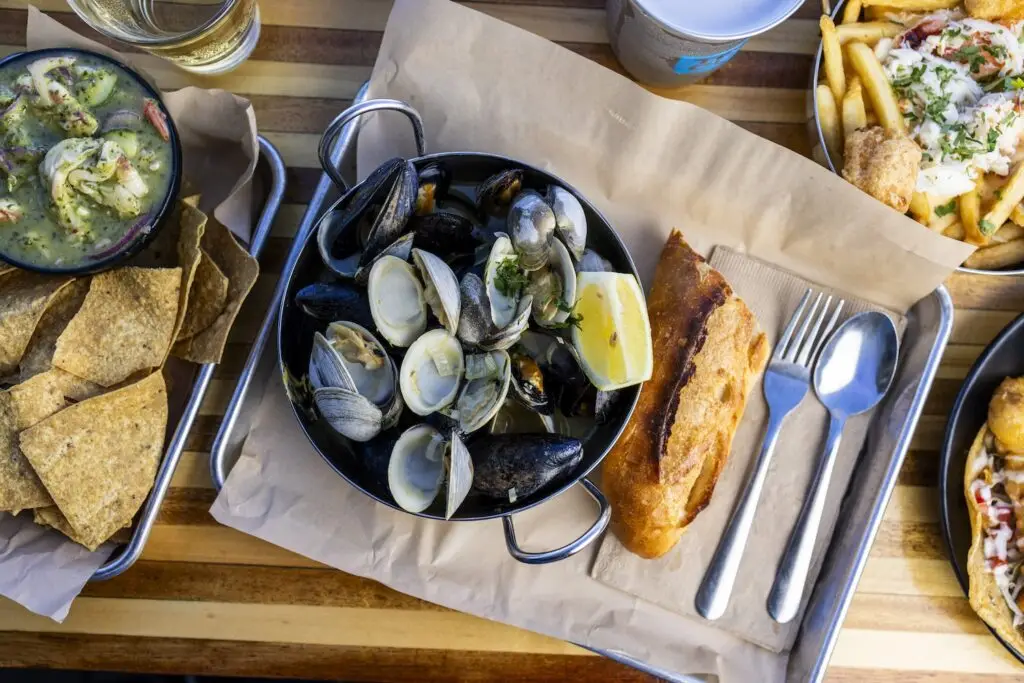
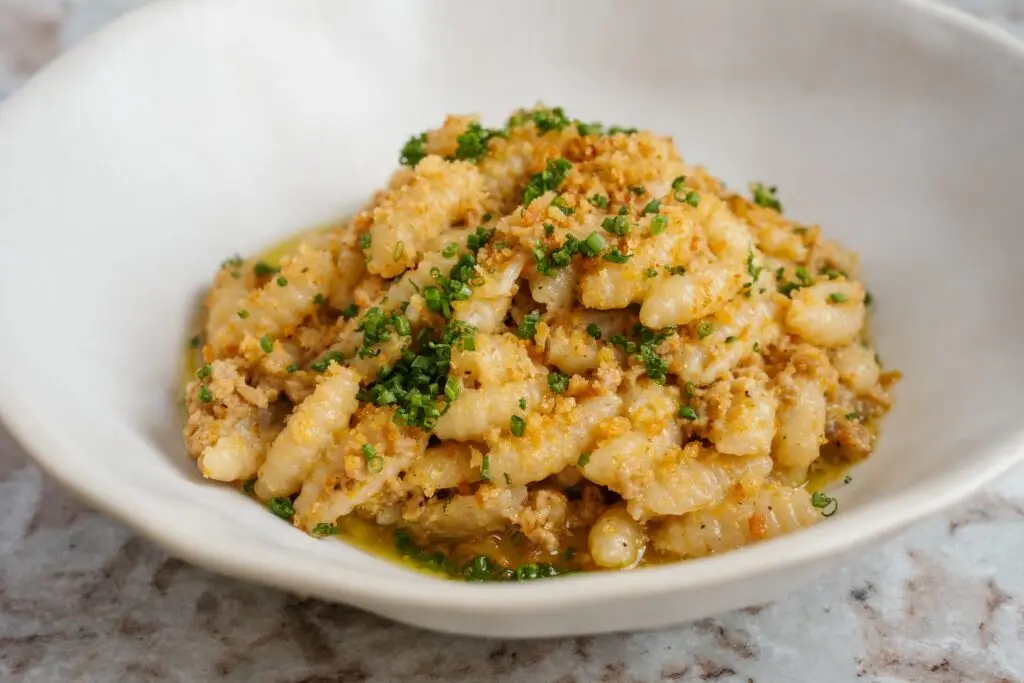
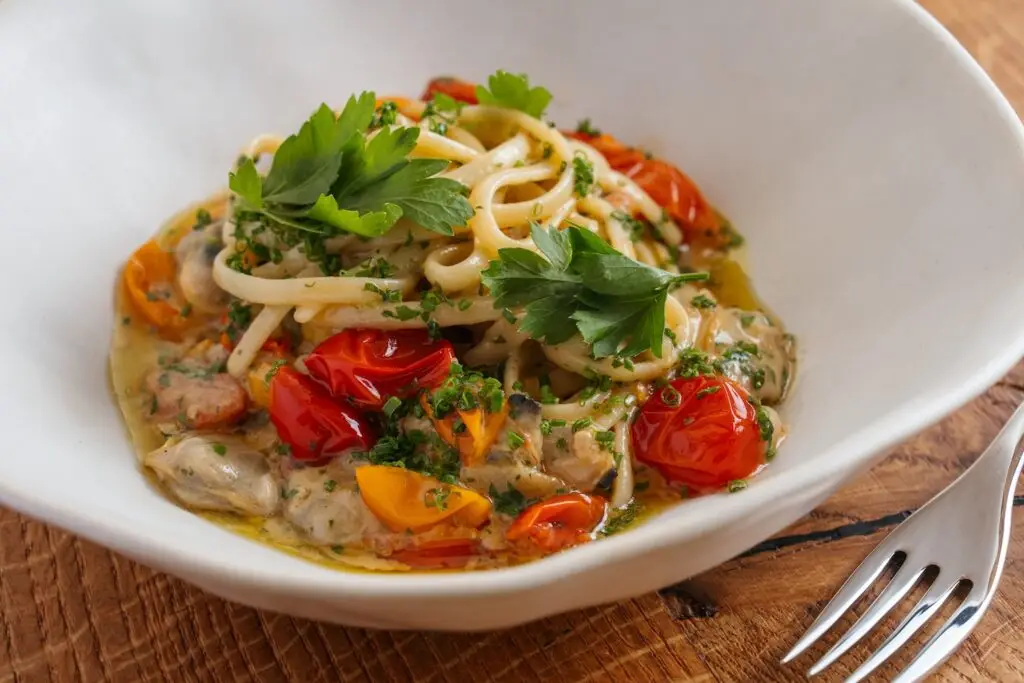
With a name like By The Sea, one can safely assume seafood features heavily on the menu. Executive chef Alex Carpio utilizes plenty of local produce and catches, with starters like scallop crudo, tuna tartare, octopus with crispy potatoes, and calamari fritti. The rest of the menu is broken into salads, vegetables, pastas, and mains, with standouts like a beet salad with feta, kale, orange, and charred lemon vinaigrette; Moroccan-spiced carrots served with lemon yogurt, mint, and parsley; classic linguine and clams with garlic, tomato, and parsley; a lamb cavatelli with fennel, chives, and breadcrumbs; grilled branzino with tahini and Castelvetrano olive tapenade; grilled half chicken with celery, cucumber, and a Calabrian chile vinaigrette; steak frites; and pan seared scallops with pickled peppers, basil, dill, and aioli.
Photo Credit: Kimberly Motos
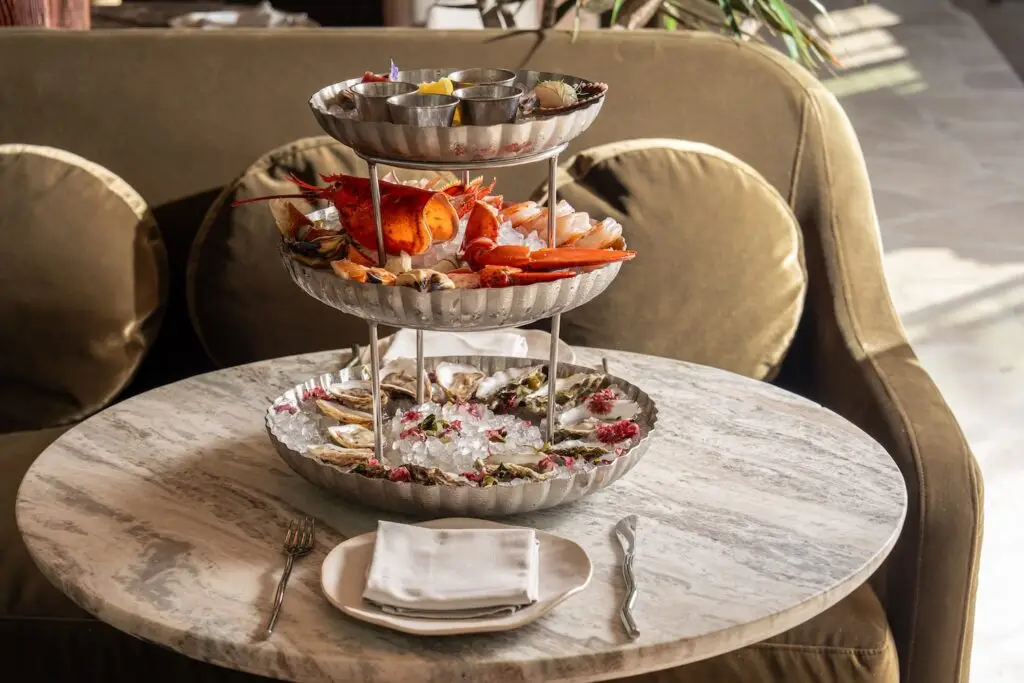
Lara says there was one non-negotiable item for the menu: a dramatic seafood tower. Built for 2-4 guests or 4-6, each option comes with a collection of fresh oysters, shrimp, tuna tartare, scallop crudo, and caviar, with lobster and crab claws available on the larger size.
And if you’re curious about exploring the world of caviar, you’re in luck. Doug says they’re building a tasting menu of different spirits to pair with various caviars under bar manager Andrew Phillips’ purview.
Photo Credit: Kimberly Motos
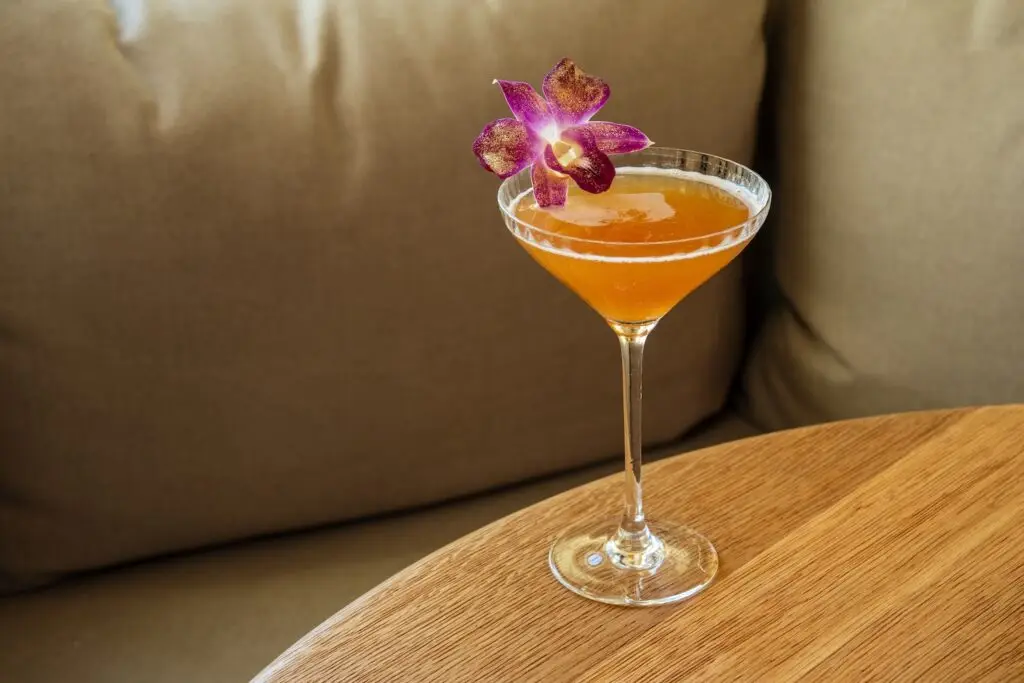
Phillips’ drinks menu uses housemade syrups and fresh-squeezed juices, encapsulating both classic cocktails as well as signature inventions like All That Glitters with Cazadores Reposado, Xila Licor de Agave, Chinola Passionfruit liqueur, vanilla, and lime; Sea Glass with Dewar’s scotch, Haku yuzu vodka, green tea, vanilla, lemongrass, apple, lime, and clarified milk; and The Mariner with Appleton Signature & Reserve Rums, Ron Zacapa 23, Chinola Passionfruit, Aperol, pineapple, lemon and orgeat. Wine pairings are curated by the directors of operations Daniela DiGregorio and Gina Martinez, spotlighting small, organic producers from around the world as well as a selection of high-end Champagnes.
Lara describes By The Sea as “a place to linger together,” with director of hospitality and general manager Heather Roberto overseeing every aspect of the low-key feeling of the space. The restaurant may be European-inspired, but the Hamms say it’s wholly Coronado.
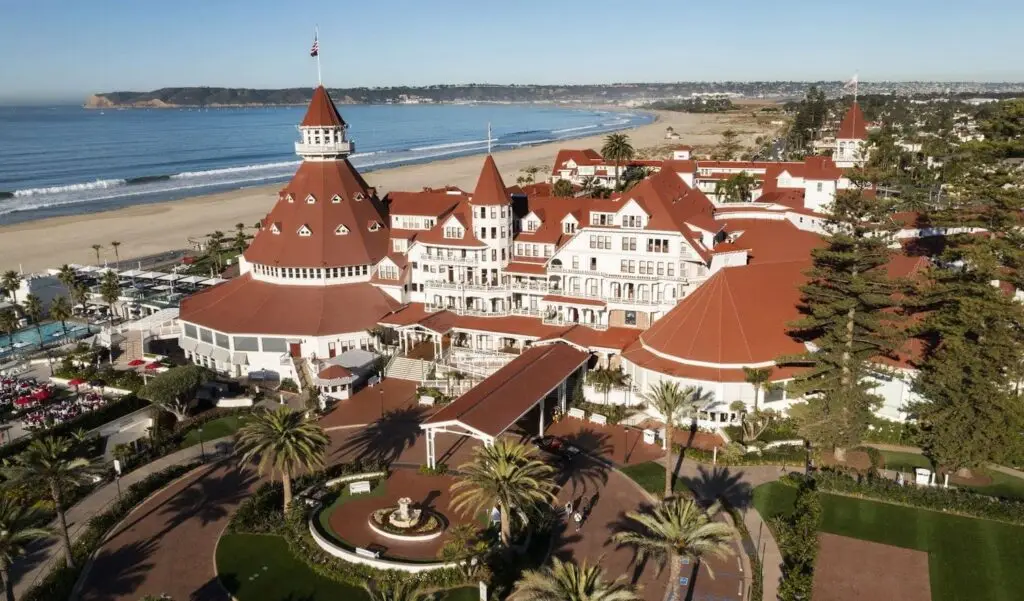
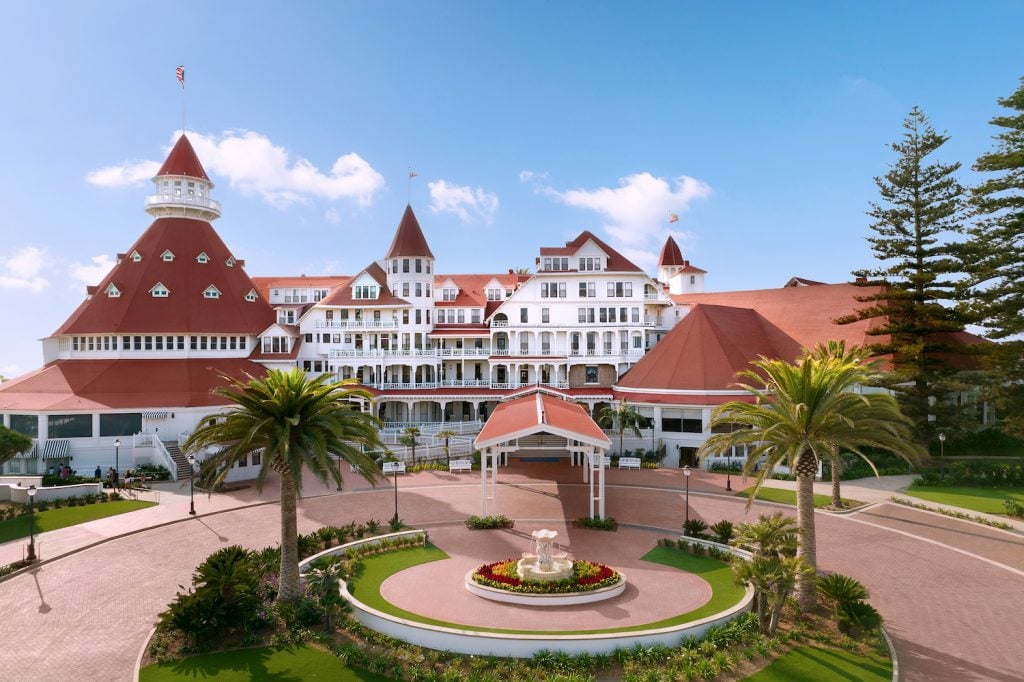
The Hamms moved to the Crown City at the end of the pandemic after years in bustling Little Italy. “Within a few weeks of moving here, we felt the magic,” says Doug. Now, they get to be a part of building it up—CH Projects’ Baby Grand hotel is across the street and the Hotel del Coronado sits just down the block. “We’re happy to be part of the scene, and we hope it continues to grow,” he says. “That’s what makes Coronado so special.”
By The Sea opens August 12 at 1300 Orange Avenue, Coronado. Initial hours of operation are Wednesday and Thursday, 4 p.m. to 11 p.m.; Friday and Saturday, 4 p.m. to midnight; Sunday and Monday, 4 p.m. to 11 p.m.; closed Tuesday. Weekend brunch and extended hours to come soon. (Subject to change.)
Beth Demmon is an award-winning writer and podcaster whose work regularly appears in national outlets and San Diego Magazine. Her first book, The Beer Lover's Guide to Cider, is now available. Find out more on bethdemmon.com.
Social Syndicate is hard at work with its sprawling waterfront project set to open next year, the new Bower Hotel just debuted (complete with views and booze at Dive, its rooftop bar), and after a $550-million makeover, the Hotel del Coronado feels refreshed, revived, and ready for summer.
Earlier this year, the hotel tapped executive chef Brian Archibald to head all culinary operations across the property, including Serea, Sun Deck, and the forthcoming Nobu and Veranda. He’s been in the game for over 25 years, working with big names like Daniel Boulud and Alex Lee and at properties like Playa Largo Resort & Spa in Florida, and JW Marriott Desert Ridge, The Boulders Resort & Spa, and The Phoenician Resort in Arizona, to name a few. Heading restaurants in hotels is a completely different beast than running one, or even several restaurants by themselves.
Rendering Courtesy of Hotel Del Coronado
“I’ve dedicated my entire adult life to working with food in restaurants and resorts,” Archibald says. “I am really excited and humbled to bring a focus on quality and simplicity to Hotel del Coronado.”
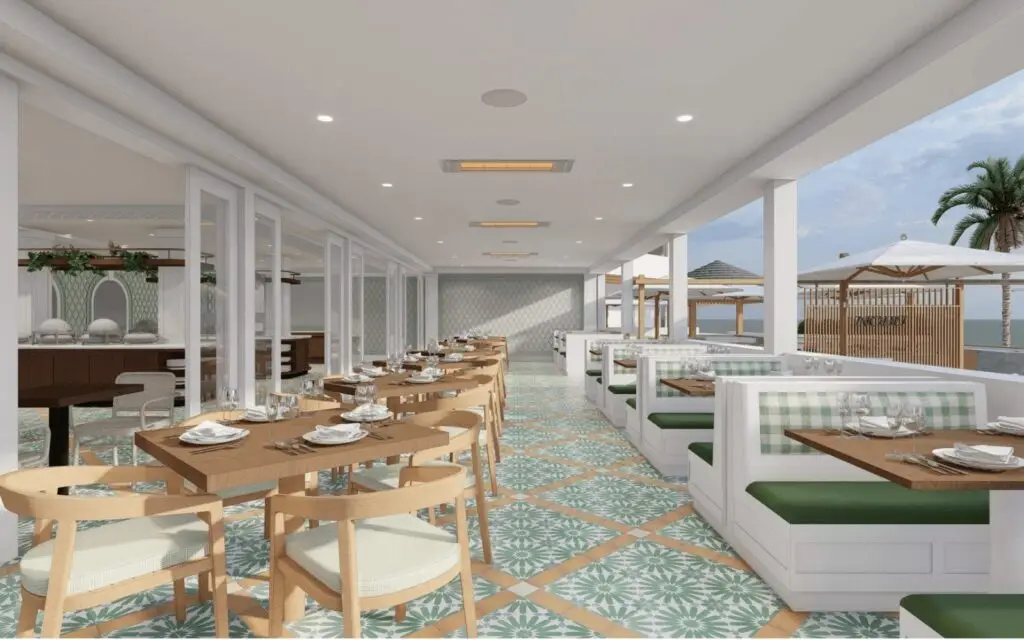
Veranda’s menu feels contemporary Californian, emphasizing continental and coastal classics like grilled California artichokes, oysters pulled from the icy Pacific, the requisite steaks, salads, and seafood. Archibald says he wants it to feel casual but upscale, and plans to introduce themed events like fried chicken night on Wednesdays, prime rib specials on Thursdays, and seafood boils on Fridays to create a sense of community, even with hotel guests. Named for the original wraparound porch, Veranda seats 159 guests at a time, with only 18 of them inside. Besides the food, the entire point is the view, and it’s well worth $550 million.
The wine list features California-grown labels, as well as global classics, but Archibald says Veranda’s goal is to highlight as much local produce and products as possible. That, and be a part of an icon that’s helped build the island-that’s-not-really-an-island into the quintessential destination it is today. “What’s exciting about the revitalization in Coronado is the energy that you can see and feel on the island,” he says. “I’m ecstatic to welcome local San Diegans to Veranda and share that experience with them.”
Reservations at Veranda are now available on OpenTable.
Photo Credit: Erica Joan
San Diego Restaurant News & Food Events
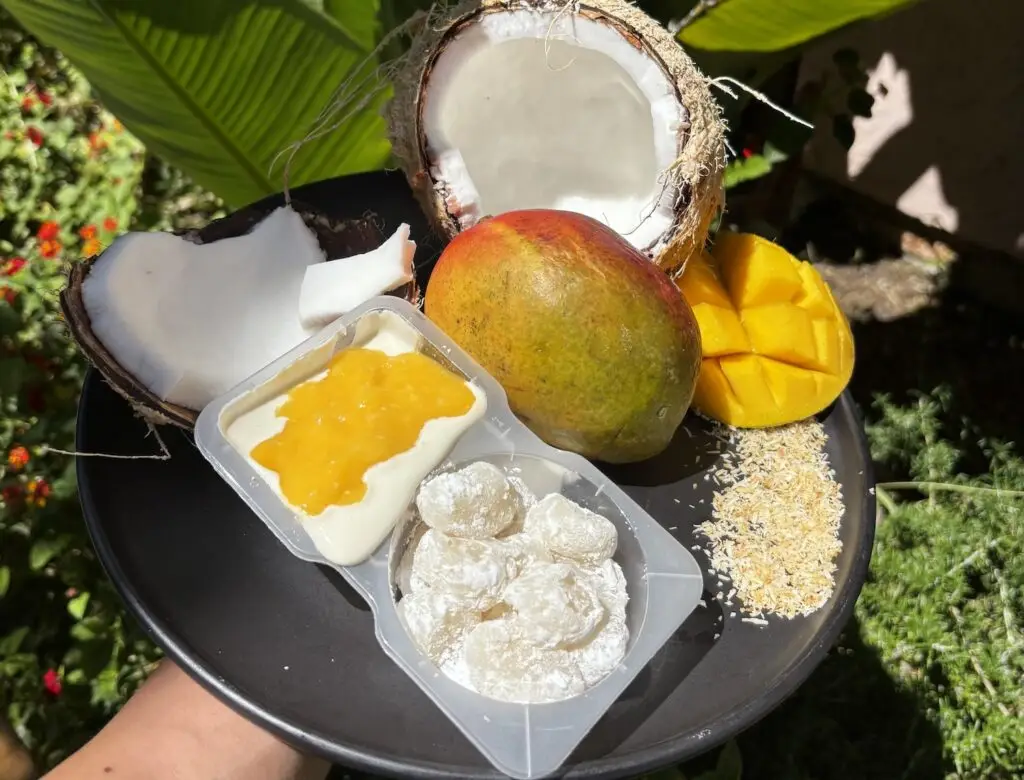
Celebrate 4/20 on 4/21 at Mango Madness with Lia’s Lumpia
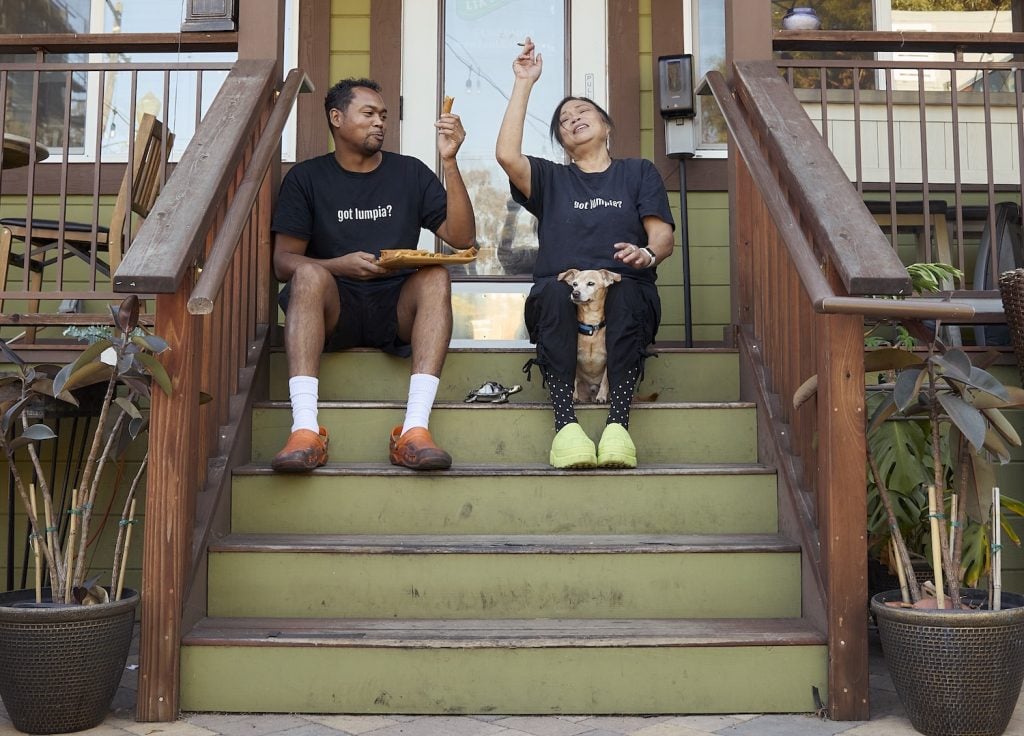
The Plant Lady—resident cannabis expert and SDM’s content strategist—Jackie Bryant is co-hosting the Mango Madness cannabis pairing dinner at Lia’s Lumpia. Bryant and her co-host Spencer Hunter (Lia’s Lumpia) will guide 21+ guests on a multi-course pairing of bites and puffs starting at 7 p.m. on Monday, April 21, with every morsel centered around a “mango” theme. (Think mango chicken adobo, but with an accompanying tincture and followed by THC-infused mango cheesecake.) It goes without saying, but you should probably come hungry (and plan to rideshare home).
Courtesy of Claudette Zepeda
Beth’s Bites
Hotels only become AAA five diamond-rated when they manage to excel in absolutely every detail, from the linens to the dining options to the thread count. When it comes to the food, Park Hyatt Aviara is one of those magnificent fairylands that has managed to attract Michelin-grade talent, and their new executive pastry chef is no exception. Chef Charlotte Almayrac has worked in Michelin-starred kitchens in Paris, including Pavillon Ledoyen (three stars), Grand Véfour (two stars) and Le Dame de Pic (one star), and most recently worked as the assistant sous chef at the storied Hotel Bel Air, Dorchester Collection in LA. Needless to say, it sounds like she’s got hands of gold and I can’t wait to try literally every single pastry she produces.
I managed to snag a reservation for a party of six at Leu Leu last weekend, and wow, was it worth it. Chef Claudette Zepeda’s latest landing pad oozes with witchiness, woo-woo, and plenty of wine. Her tightly curated menu includes delicious nibbles like toum with pistachio dukkha and herbs with Prager Bros bread and pickled vegetables, a mouthwateringly tender pibil lamb shank with wild mushroom pickles and Calypso beans, and incredibly cute ice cream sundaes for dessert. With so many goodies to choose from, I was glad I came with a group. We ordered one of (almost) everything and left floating on another plane of existence. Lose yourself in Leucadia, pronto.
Pizza lovers and foodies of all stripes know the name Chris Bianco. He’s the first pizzaiolo to win Best Chef at the James Beard Awards back in 2003, followed by Outstanding Restaurateur in 2022. His pizza empire spans Pizzeria Bianco in LA and Phoenix, Arizona, as well as Bar Bianco, Pane Bianco, and Tratto. (Yeah, he’s kind of a big deal.) And he’s coming to Rancho Valencia. On Thursday, April 24 in partnership with the Baja Wine & Food Festival, Don Camillo Magoni of Bodegas Magoni wines (sometimes called the godfather of Mexican winemaking) will join Bianco for one night only for an evening of wine, pizza, art, music, and most definitely some wow-worthy vibes.
Have breaking news, exciting scoops, or great stories about new San Diego restaurants or the city’s food scene? Send your pitches to [email protected].
Beth Demmon is an award-winning writer and podcaster whose work regularly appears in national outlets and San Diego Magazine. Her first book, The Beer Lover's Guide to Cider, is now available. Find out more on bethdemmon.com.
How is it that Coronado is only just now getting its first rooftop bar? I know what you’re thinking. “What about the Sun Deck at the Hotel del Coronado?” It was my first thought, too. I’ve dolphin-watched and downed Bloody Marys plenty of times on the seaside terrace and figured it sort-of counted. But technically speaking, it’s on a deck, not a roof.
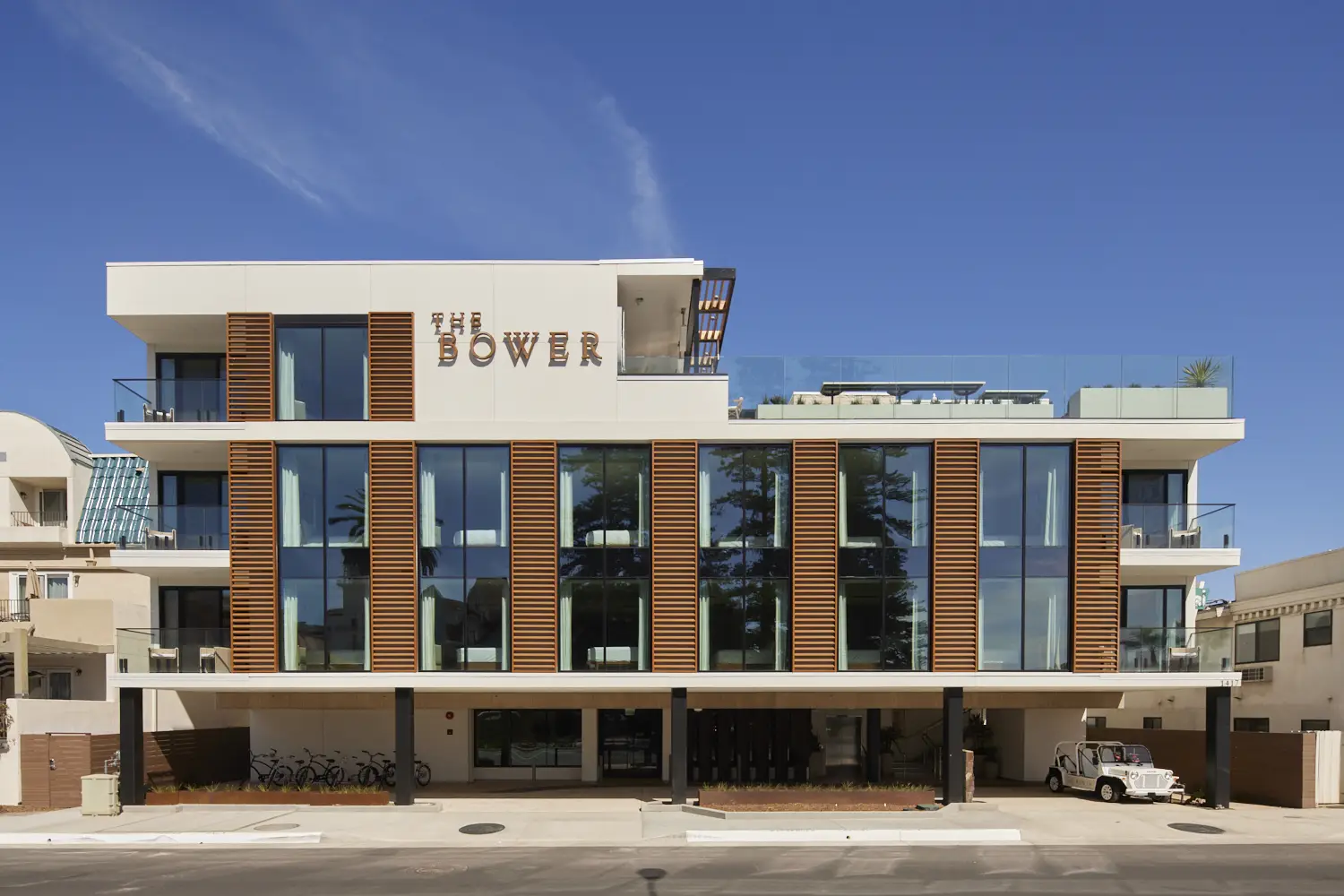
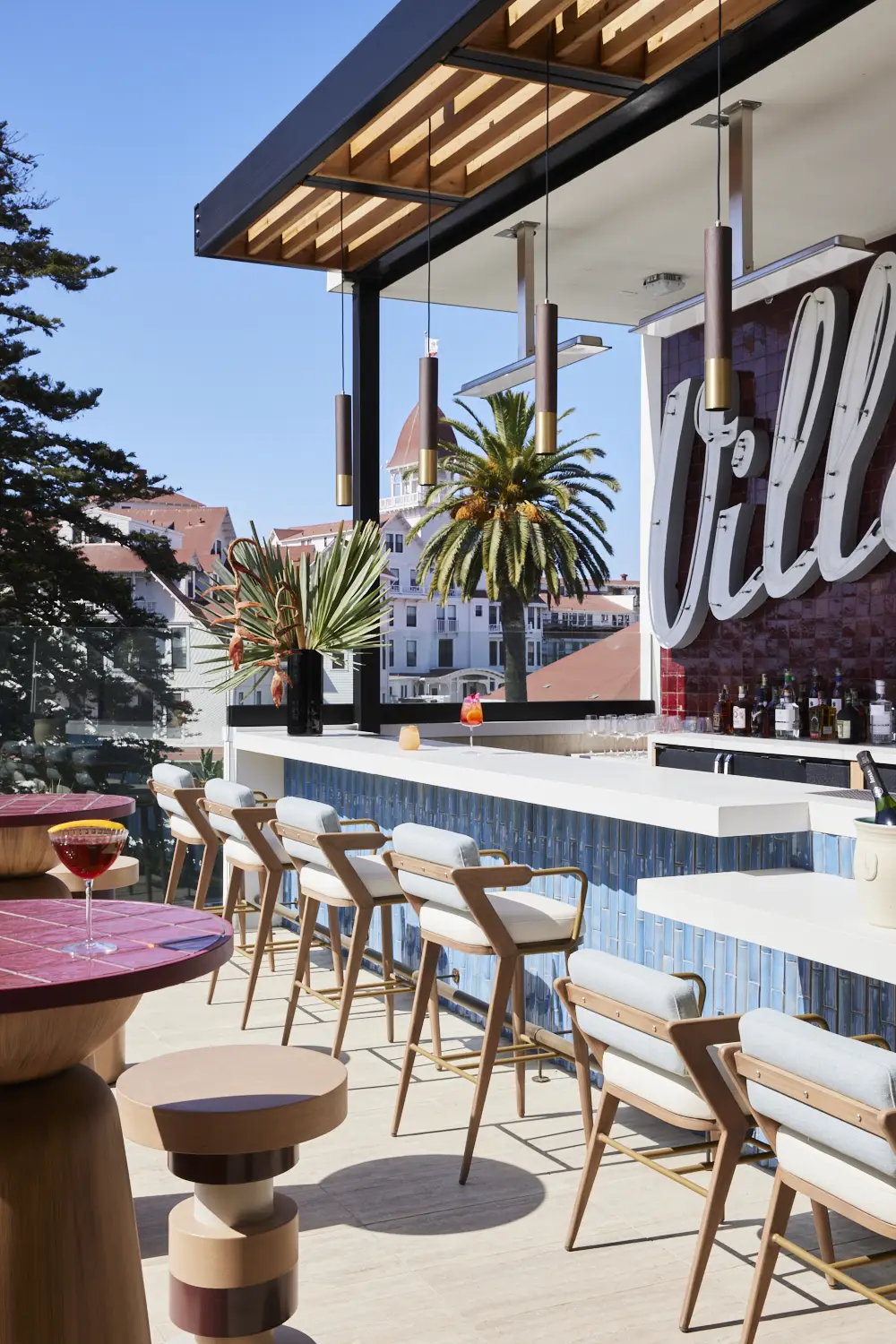
Luckily, this glaring oversight will soon be corrected when Dive, the signature restaurant and bar at The Bower hotel, soft opens on Friday, March 14. At three-stories high, Dive is far from a skyscraper, but ascendent enough to provide a breathtaking panoramic view spanning from Point Loma to Baja California.
“We’re trying to strike a balance between trying to have it be approachable, have it be fun, but then also have it be elevated—elevated and sophisticated at the same time,” says general manager Sean Murphy. The entire hotel embraces this duality, drawing inspiration from the location’s multifaceted history as both the site of John D. Spreckels’ Japanese tea garden and as a destination for the Hollywood “It” crowd of the 1950s and 1960s. “‘Bower’ in Japanese actually means ‘the shade of a tree,’” says Murphy. “[We’re] trying to pay homage to that real, restorative, calm, simple kind of philosophy.”
Courtesy of The Bower Coronado
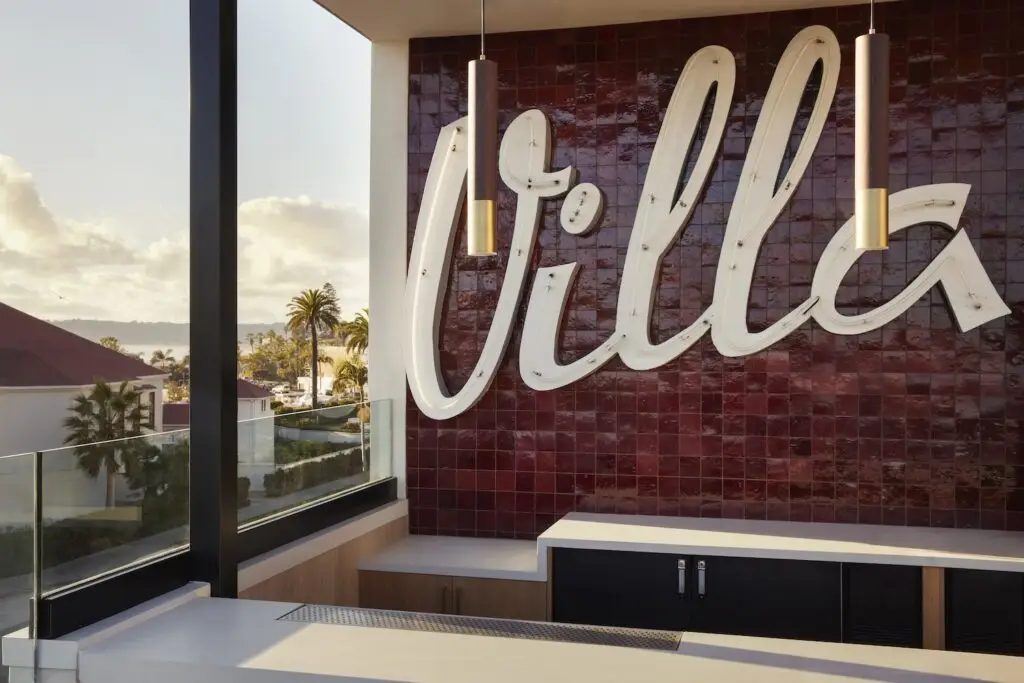
Designed by SFA Design and architecture firm Delawie, which have each created concepts like The Seabird Resort in Oceanside, Miraval Arizona in Tucson, and the Windhoek Plaza Hotel in Namibia, the hotel leans hard into clean lines and neutrals. It’s like looking through sepia-toned glasses—calming ASMR for the eyes, if you will. Dive maintains that calming vibe, but throws in splashes of moody maroon and bluish teal with midcentury elements, including neon signage like the property’s original “Villa Capri” sign behind the bar.
The space seats 65 guests over 800 square feet, with the bar area suited for mingling and wandering, as well as tables intended for sit down guests, both those staying at the hotel and from elsewhere. ‘[We’re] fully open to the public,” Murphy explains, adding they hope to start implementing events like Local’s Night to encourage non-guests to come experience the space as well.
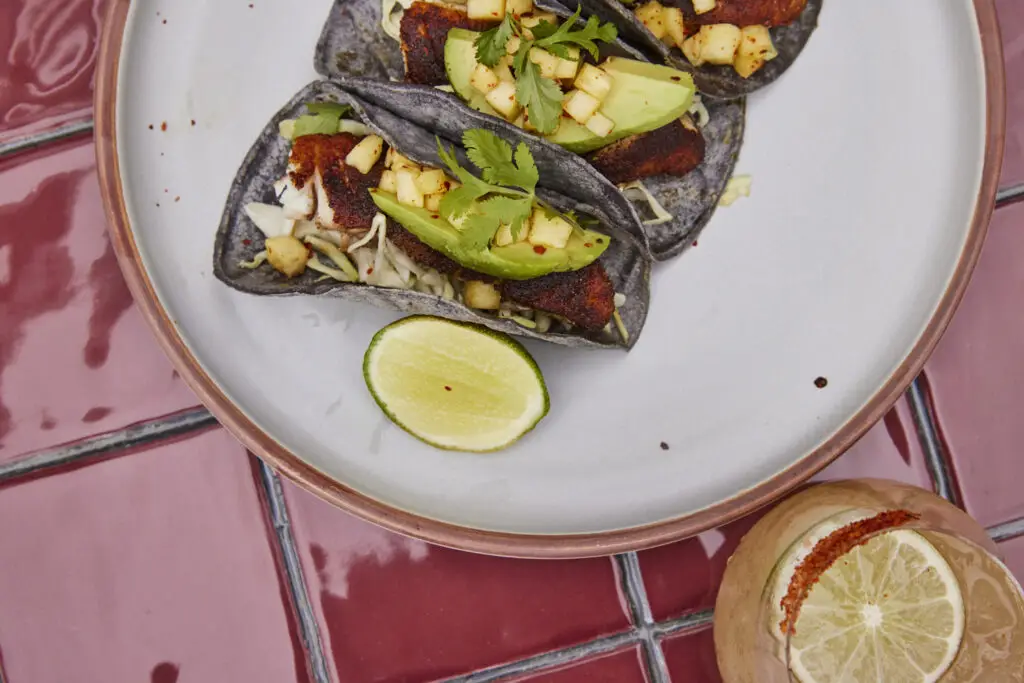
The menu echoes the hodgepodge “high meets low” approach, with items like “Gold + Black” crispy chicken nuggets topped with crème fraîche and a dollop of black caviar. In short: expect elegance, but with a dash of fun. All-day fare starts at sunrise, with California cuisine-inspired dishes like a lemon-and-lox tartine, matcha berry bowl, and avocado brioche. Lunch brings salads, sandwiches, and small plates such as grilled fish tacos and gochujang chicken crunch salad. “Sunset Snacks & Supper Starts” is the dinner portion of the menu, which Murphy says is meant to be shared.
Courtesy of The Bower Coronado
But for as good as the food is going to be, Murphy promises the drinks will be even better. The team tapped food and beverage director Jackie Rixe, who brings rooftop experience from her tenure at The Nolen at Courtyard San Diego Gaslamp/Convention Center. “We want that beverage program to really shine,” says Murphy.
The cocktail collection taps into the same Japanese wabi-sabi influence as well as the Hollywood heyday with names like The Duchess, made with Empress gin, Giffard passion fruit, lemon juice, and demerara; or the Glamour Splash with aperitivo, chareau aloe liqueur, guava, and prosecco. (See if you can spot the diving lady as the “i” in the Villa Capri logo stamped on the custom drinks mugs handmade in Leucadia.)
Courtesy of The Bower Coronado
I’m not a San Diego native, but I’ve lived here for nearly 20 years and consider myself, at the very least, a local who’s witnessed the sea change across the city’s food and drink scene. Ten years ago, the only place I’d regularly eat on Coronado was from a picnic basket at the beach. Now, the island that’s-not-really-an-island is tantalizingly flush with options, and more are on the way.
Nobu opens at the Hotel Del this year. Social Syndicate’s sprawling concept is coming to the Ferry Landing. Saiko Sushi’s happy hour is a bargain in the typically high-priced area. Little Frenchie is a great brunch spot. And CH’s second hotel, The Baby Grand, will bring the group’s signature maximalism to the once-sleepy suburb. Coronado is coming up, and Dive is helping it make a splash.
Dive will be open Sunday through Thursday, 7 a.m. to 11 p.m. and Friday through Saturday, 7 a.m. to midnight.
Beth Demmon is an award-winning writer and podcaster whose work regularly appears in national outlets and San Diego Magazine. Her first book, The Beer Lover's Guide to Cider, is now available. Find out more on bethdemmon.com.
Today’s seniors are more connected than ever, with a renewed focus on retirement as a time of discovery and enriching experiences. The ultimate reward for a retirement well-earned is the wisdom to appreciate it all, and what better place to enjoy that unique perspective than Vi at La Jolla Village, in the heart of San Diego.
All-access pass to good living.
As a Continuing Care Retirement Community (CCRC), Vi provides access to a connected and fulfilling community while making it easy to plan for future care, should the need ever arise. With a care plan in place, residents enjoy greater financial predictability and long-term value, freeing them to focus on making the most out of retirement.
Resort-style amenities at the epicenter of a cultural hub like San Diego offer a retirement experience unlike any other. Paired with exceptional dining, spacious accommodations and dedicated staff, the best of maintenance-free living is all around. And with the introduction of Vista 360 Well-Being, Vi’s panoramic approach to wellness, there are more ways than ever for residents to access it all.
The harmony of mind, body and community.
Courtesy of Vi at La Jolla Village
The key to longevity is striking the right balance in maintaining an active lifestyle with an active mind in a fulfilling community. With newly renovated community spaces and restaurants, Vista brings a variety of opportunities for residents to elevate their well-being through Vi-exclusive “Signature Experiences.”
Vista Enrich takes an evidence-based approach to brain vitality, keeping residents at the forefront of cognitive health through exergaming (exercising + gaming), nutritional plans and informative workshops. It is also home to The Brain Vitality Studio, an innovative facility dedicated to cognitive fitness that has garnered national recognition.
Vista Discover invites residents into stimulating educational experiences, from chef-led cooking demos and guided wine tastings to lectures at local universities and intimate lectures following cultural outings.
While Vista Enrich focuses on brain health and Vista Discover engages residents intellectually, Vista Explore cultivates a sense of adventure through curated travel and local excursions. But broadening one’s horizons doesn’t always require a plane ticket. One recent event brought a taste of the world right to the community: an onsite “jazz cruise” featuring live music and global cuisine served at a series of themed “ports” all within the community’s own ballroom.
“Location, location, location”
Courtesy of Vi at La Jolla Village
One of the biggest perks of life at Vi at La Jolla Village is its proximity to just about everything. With easy access to transportation and local attractions just steps away, residents can explore and engage with their community at their own pace.
“There are trolley and bus stops within a 5-minute walk that will get you to the beach, UCSD Campus, medical appointments, downtown La Jolla or San Diego, et cetera. We rarely use our car,” said resident Tom Yager.
With the best of San Diego just steps away, residents don’t just live in the city, they live within reach of everything that makes it special.
The best of all worlds.
Courtesy of Vi at La Jolla Village
At Vi at La Jolla Village, retirement isn’t a chapter to slow down; it’s an invitation to discover more. Tailored community experiences created by Vista, paired with the vibrant pulse of San Diego just outside the door, mean that residents don’t have to choose between security and adventure, connection and independence. They get all of it.
This is what an all-access pass to good living looks like: the comforts of an elevated lifestyle, a community built for growth and a city made for discovery – all in one place.
To learn more about Vi at La Jolla Village or for details on available floor plans, visit ViatLaJollaVillage.com/SDM.
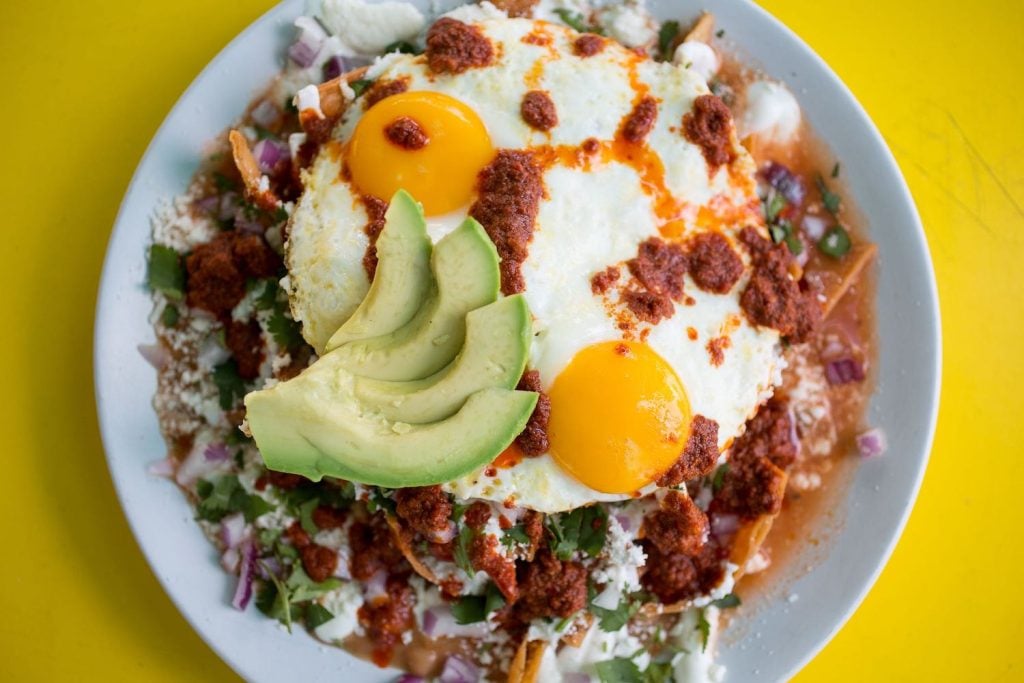
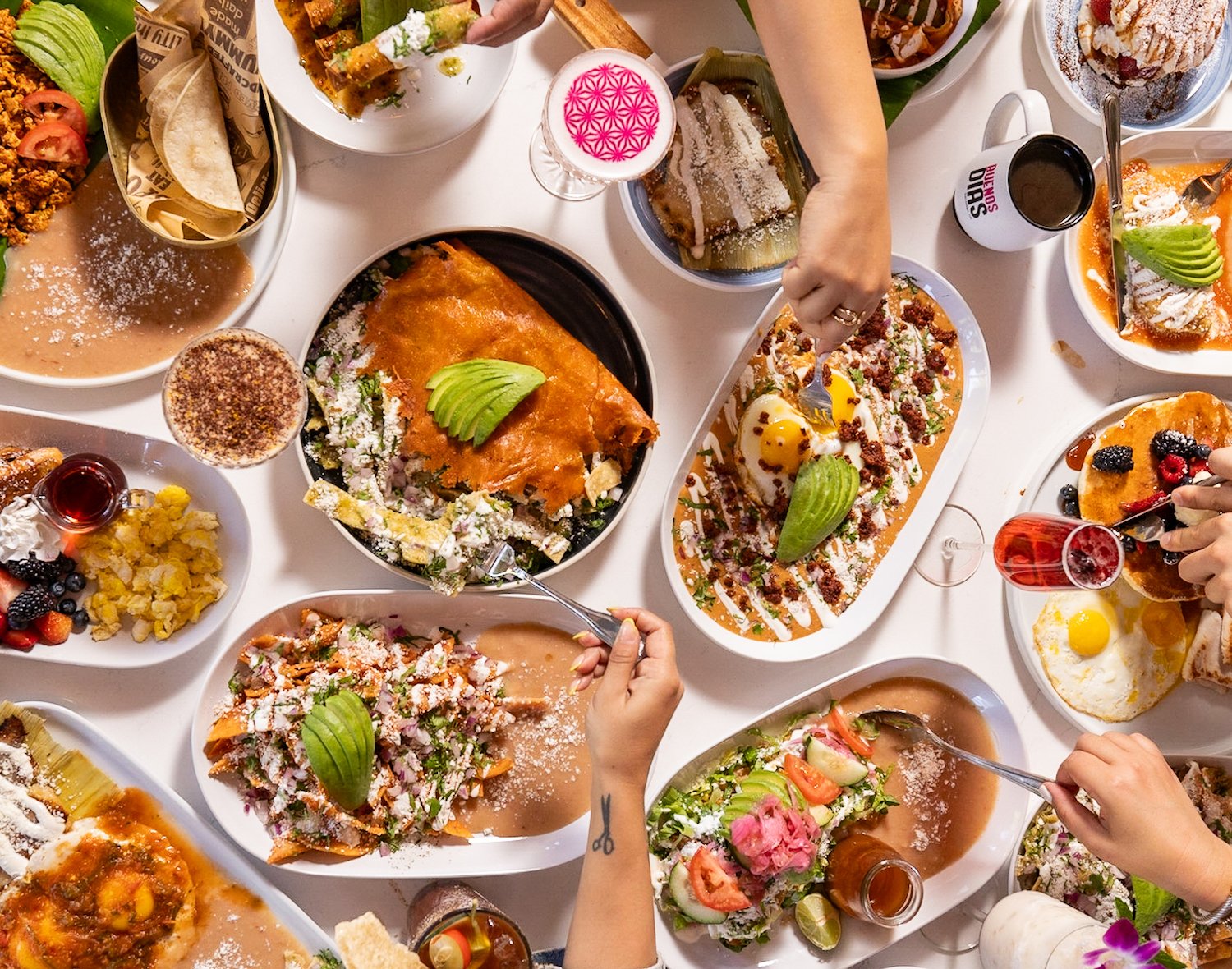
If breakfast is the most important meal of the day, and chilaquiles are the most delicious breakfast dish, then Cocina35’s chilaquiles aren’t just a tasty choice. They’re the smart choice. (At least that’s what I tell myself.) Come November, there will be one more option to get my chilaquiles fix when their fifth location opens on Coronado.
Paulina Chaidez and her brother Cesar opened the first Cocina35 in 2012, following in their restaurateur parents’ footsteps. Initially called La Loteria Comedor Casual, the family business eventually changed its name and now operates locations in downtown, Otay Mesa, Barrio Logan, and Liberty Station. The restaurant specializes in chilaquiles, a traditional Mexican breakfast dish made with fried tortilla pieces or tortilla chips smothered with different meats, salsas, and other toppings.
Chaidez explains that Cocina35 Brunch is the restaurant’s breakfast and lunch–focused arm, and the new location will mirror the menu and aesthetic of the Liberty Station location. She says they had been looking for opportunities to open in North County, but when they heard that Costa Azul closed last year, they jumped at the chance to take over the suite with sweeping views of the bay and downtown. Plus, she adds, she grew up going to Ferry Landing many times.
“My dad used to bring us to Coronado every time we visited San Diego,” she explains, saying whenever her family would come up from Mexico, they’d take the ferry over to the island. “This was just an opportunity that we couldn’t pass.”
Courtesy of Cocina35
The approximately 4,500-square-foot space seats 150 guests, and Chaidez says the menu will be the same as Liberty Station with a few customer favorites plus some new ones, like a twist on a Paloma, mimosa flights, and an upgraded lunch menu. Once this location opens up, they plan to open more restaurants in North County in the next six to seven months. But in the meantime, she couldn’t be happier about coming to Coronado.
Cocina35 Brunch will open at 1201 First Street, #115 on Coronado, in mid-November. It will open from 8 a.m. to 3 p.m., with extended late-night summer hours coming in 2025.
If you’re feeling libatious, Cutwater’s annual “Lost At Sea” spooky speakeasy runs all month long, kicking off each night at 6:30 p.m. Guests will “board” a pirate ship and move throughout the decks, checking out different cocktails and nautical-themed small plates. This event runs nightly through Halloween, but only enter if you dare (and if you’re over 21).
Eat Your Way Through Coronado on Wednesday, October 9
For those feeling peckish, the 15th annual Taste of Coronado takes place on October 9 and runs along the Coronado Ferry Landing before winding to a close at Rotary Park. Proceeds go to the San Diego Rescue Mission a nonprofit program offering housing and recovery aid to the unhoused. Find tickets and more information here.
Photo Credit: Jorge Aguilar Del Mar Wine + Food Festival
Beth’s Bites
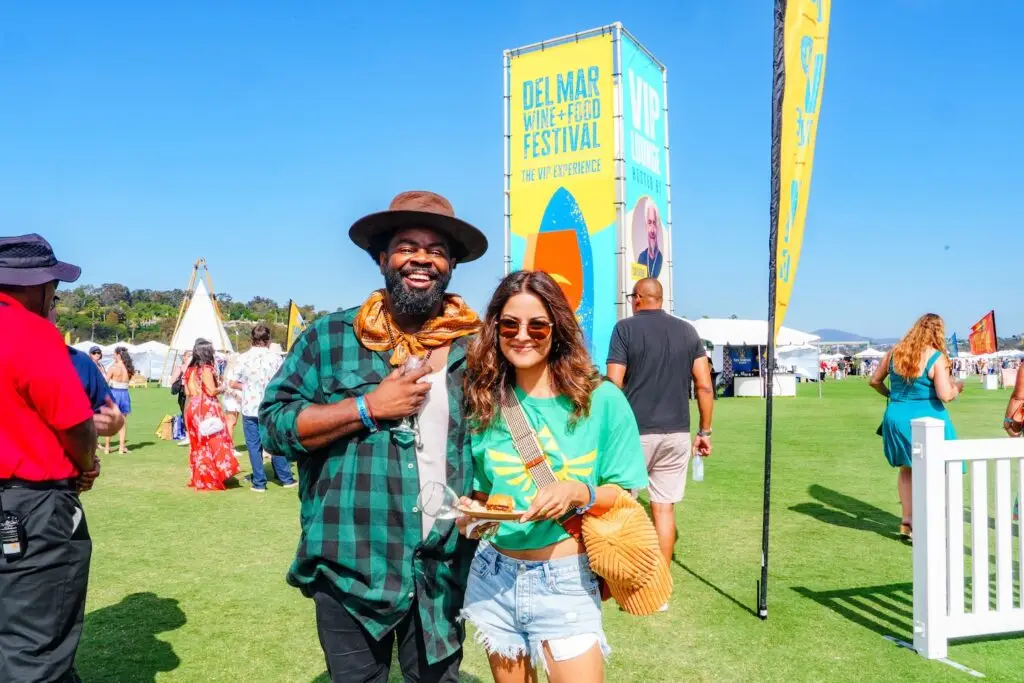
The Del Mar Wine + Food Festival has already begun its six-day string of parties, tastings, and celebrity-studded activations, but the Grand Tasting is yet to come. Snag your tickets for the two-day event and repeat after me: “Alex Morgan. Drew Brees. Drew Deckman. Javier Plascencia”… and so on.
Need to stock up on stuff to grill for the Padres playoff games or Aztec football? From Friday, October 4 through Sunday, October 6, Iowa Meat Farms’ Mission Gorge location is throwing what they call a “Bonanza Meat Sale” with special prices on tri-tip, brisket, pork baby back ribs, and a bunch of other stuff. You had me at Meat Bonanza.
Of course, if you’re headed to the Padres watch party at Gallagher Square, you could always let Swagyu Burger Bar cook for you at their pop-up at 315 Tenth Avenue in East Village. After the playoffs, owner Steve Brown says the space will close until early next year for a complete makeover.
Have breaking news, exciting scoops, or great stories about new San Diego restaurants or the city’s food scene? Send your pitches to [email protected].
Beth Demmon is an award-winning writer and podcaster whose work regularly appears in national outlets and San Diego Magazine. Her first book, The Beer Lover's Guide to Cider, is now available. Find out more on bethdemmon.com.
San Diego's big public market unveils three big new concepts
By Troy Johnson
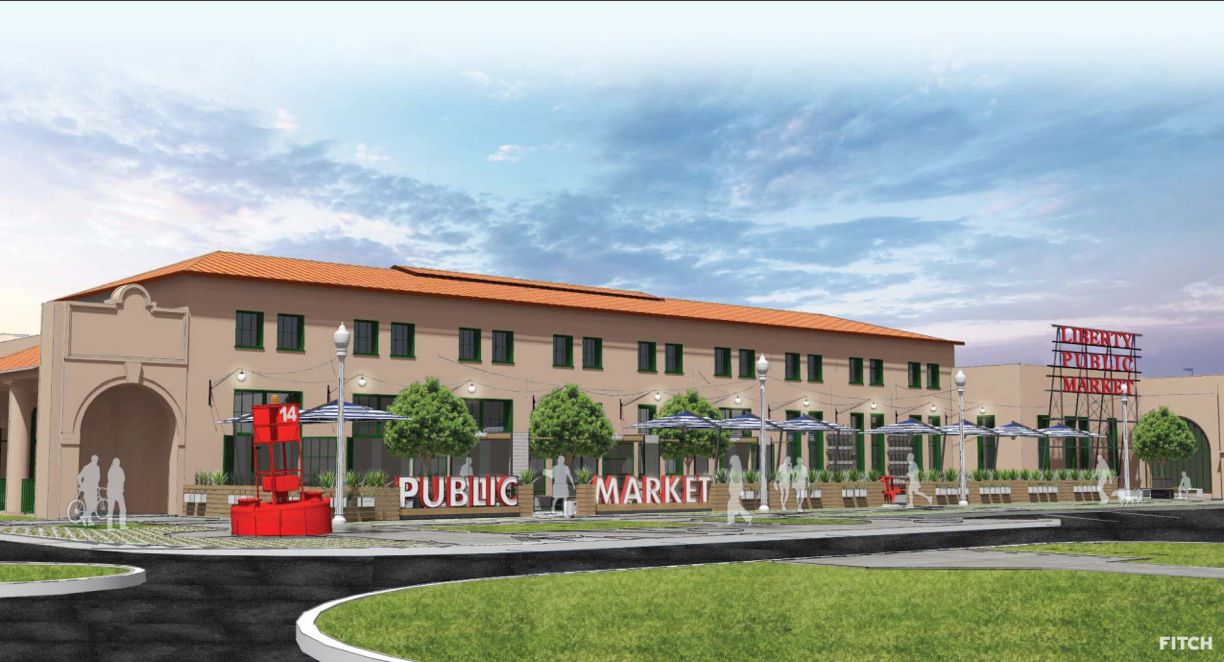
Every city wants one of these. A public food market on par with Pike Place in Seattle or the Ferry Building in San Francisco. A hall of food, an amusement park for your discerning mouth. And now Liberty Public Market is reportedly two months away from its debut in November (a betting man might say December is more likely). The 22,000 square-foot project next to Stone Brewing in Liberty Station, spearheaded by Coronado’s Blue Bridge Hospitality (Stake Chophouse, Leroy’s, etc.), will include 30 mostly local food vendors. It’ll have bread, coffee, wine, cheese, seafood, meat, produce, a restaurant, a bar, beer, juice bar, ice cream, lobster rolls, desserts—everything that’s legal and consumable.
Today San Diego Mag breaks news on their newest projects. First, four new vendor concepts: Crafted Baked Goods (from Blue Bridge’s pastry chef Francis Laureano, formerly of Bottega Louie), Mama Made Thai, Bread & Butter (a co-op of the city’s best bakeries) and a produce section featuring San Diego farm goods. Then, four big announcements:
Mess Hall. An on-site, sustainably-focused restaurant headed by Blue Bridge exec chef Tim Kolanko (ex-A.R. Valentien). What will the restaurant do? It’ll take the best of what the vendors bring to market that day and create a daily menu. The restaurant will also host pop-ups by local chefs, traveling chefs, culinary education dinners, etc. It’ll also give Kolanko’s talented younger chefs (from Leroy’s, Stake, etc.) a chance to design their own menus for a day.
Bottlecraft.The popular San Diego-based craft beer bottle shop will open their third location in the main room leading out to Liberty Market’s large patio. It’ll have a tasting bar with 24 beers on tap and big retail aspect.
Grape Smuggler. Stake Chophouse and Bar has one of the country’s top sommeliers in Greg Majors, who formerly worked at Tom Colicchio’s Craft Restaurant and Robert Bohr’s former CRU, to name a couple. Grape Smuggler will have about 300 different wines, pulled from everywhere.
A killer liquor license: Liquor licenses are weird. You can often drink in this part of a place, but not that part. The way that Liberty Market is set up, Mess Hall and Bottlecraft will occupy about a third of the space, with the vendors set up in partitioned areas in the “market” part. Thanks to a good liquor license, you’ll be able to grab a beer at Bottleshop or a glass of wine at Grape Smuggler, and then walk throughout the market and shop with your drink. Sounds awesome, and dangerous.
With Stone’s success next door, and San Diego’s top pizza joint Buona Forchetta opening their second location a few hundred feet away, it looks like Liberty Station is finally hitting its stride.
Rendering of the incoming Liberty Public Market, set for a November open (we guess more like December).
NewBridge School is San Diego’s only school dedicated to the education of students with dyslexia and related learning profiles. For 30 years we have successfully served students with dyslexia, dysgraphia, dyscalculia, receptive/expressive language disorders, ADHD, executive functioning and memory deficits. Students transition successfully into academically rigorous high schools and colleges across the country. Why NewBridge? Training, training, training (plus intensive individualization, and comprehensive program design). All teachers are trained and retrained biennially in Orton-Gillingham, the only approach proven to remediate dyslexia based on Science of Reading research, and complete a year-long training program. Every aspect of our program is designed around our students’ learning styles and needs. Every class is taught by a highly-trained expert, and our Speech/Language and Occupational Therapy teams embed throughout the day. Our multisensory, multi-tiered math program has been developed in conjunction with sister schools and experts across the country. Don’t wait—early intervention is magic!